Mint Districts Lifestyle

Best Alpaca Wool Yarn Brands for Independent Fiber Artists

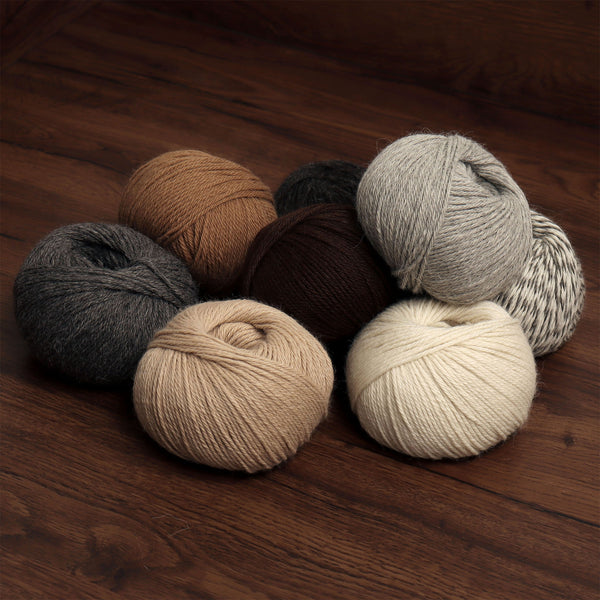
Alpaca yarn occupies its own lane in the fiber arts world. It is warmer than merino, naturally hypoallergenic, and has a drape that wool blends struggle to replicate. But the quality range is enormous: cheap alpaca blends feel very different from a properly processed baby alpaca from a small farm or a hand-dyed skein from an indie dyer who controls every step from fiber to finished product. The brands here are independent, mostly small-batch, and either raise their own animals or source from farms they know personally. If you have been buying whatever your local big-box craft store carries, this is where fiber arts gets interesting.

Lifestyle · 7 Brands

The Fiber Arts District

Fiber MacGyver

Minnesota

Small-batch indie hand-dyed alpaca and merino from a one-woman Minnesota studio.

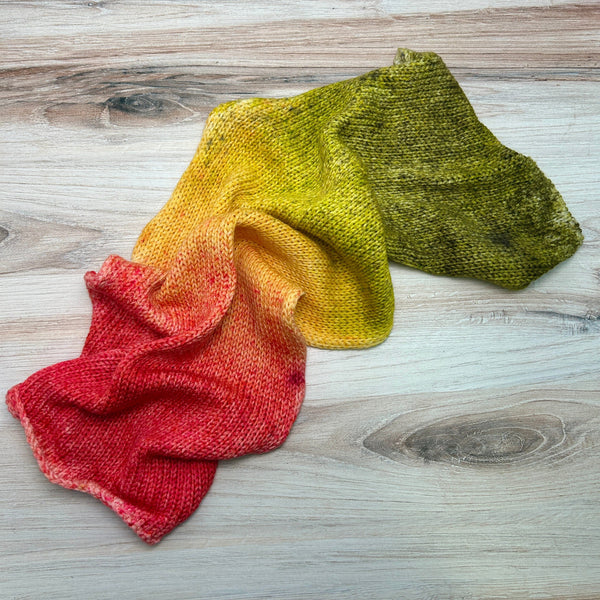
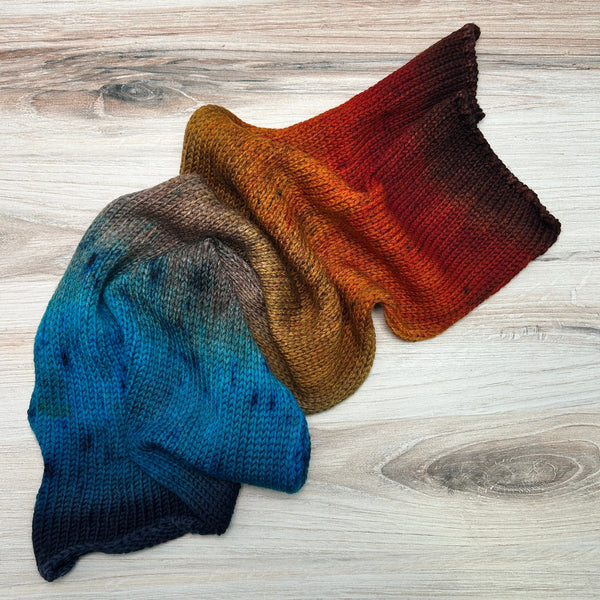
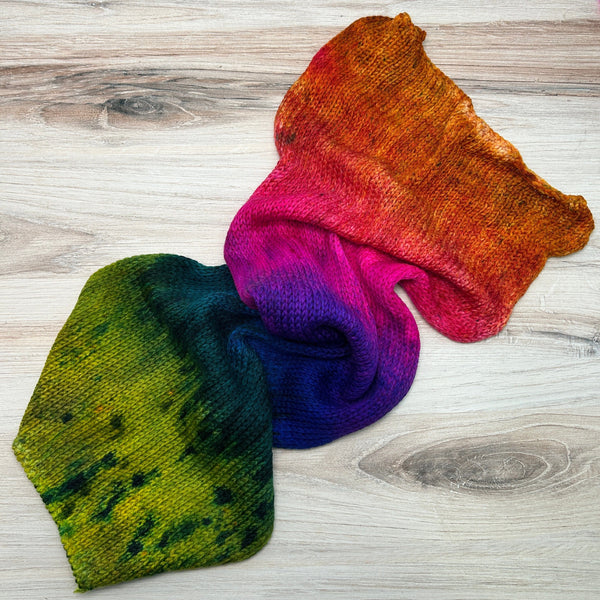
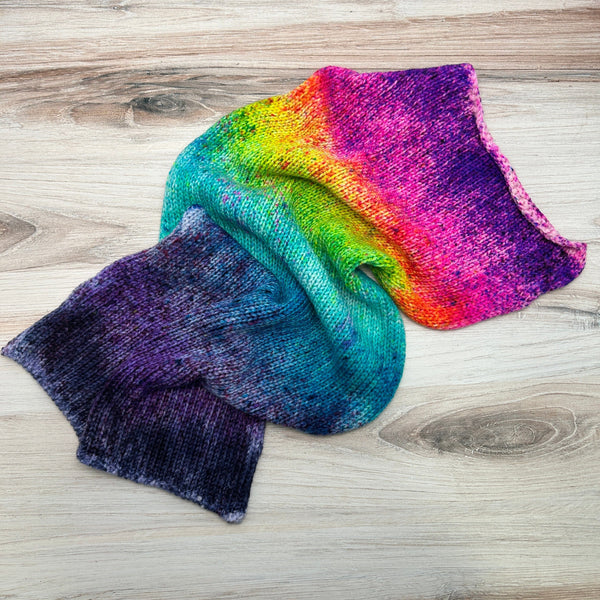
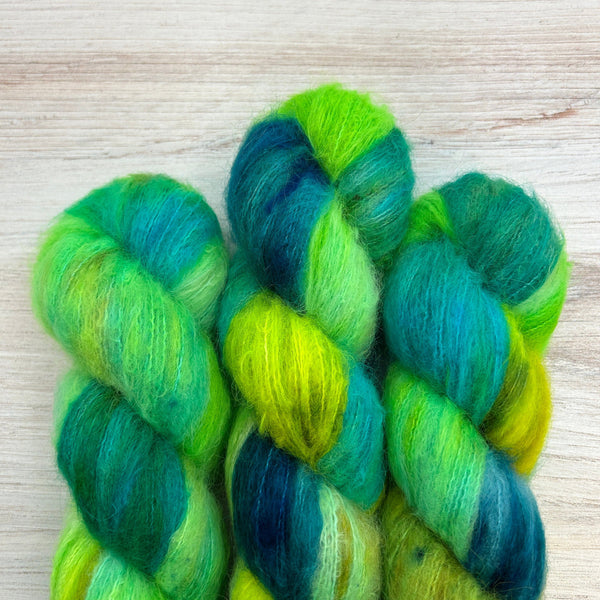
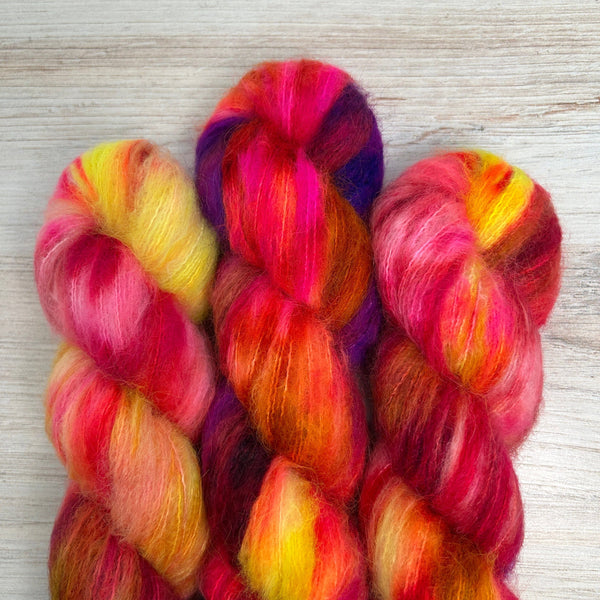
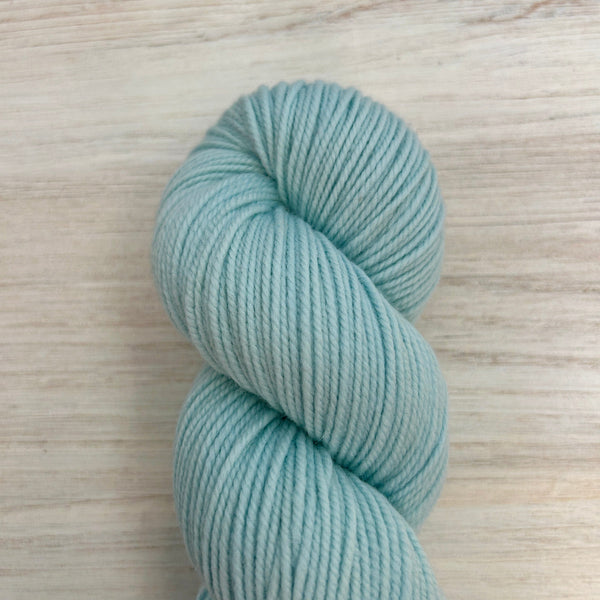
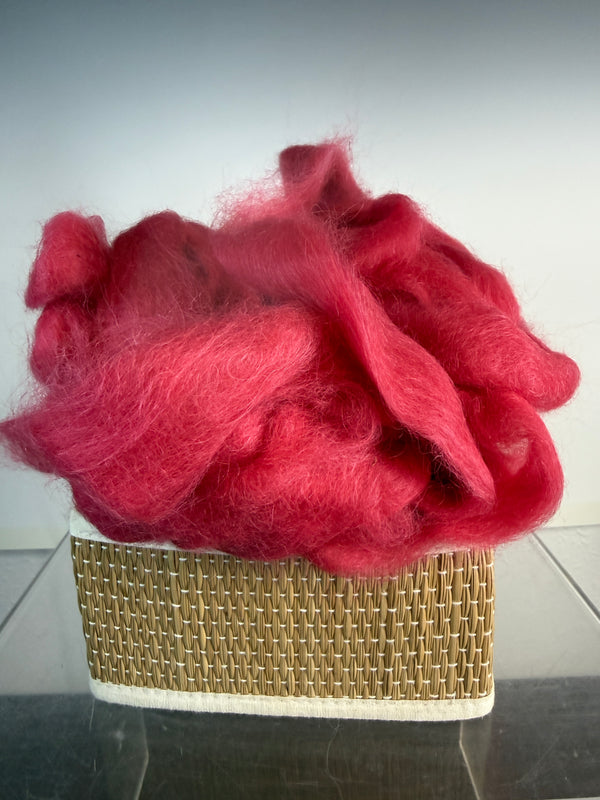
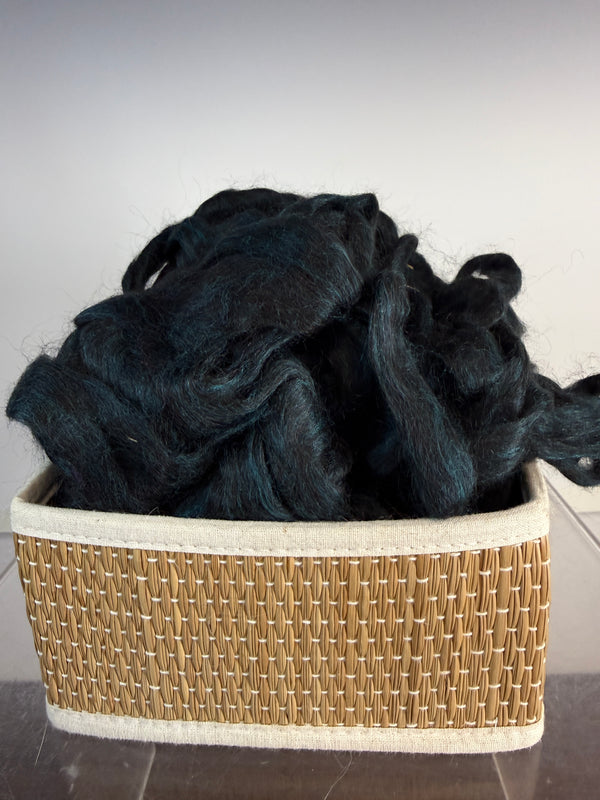
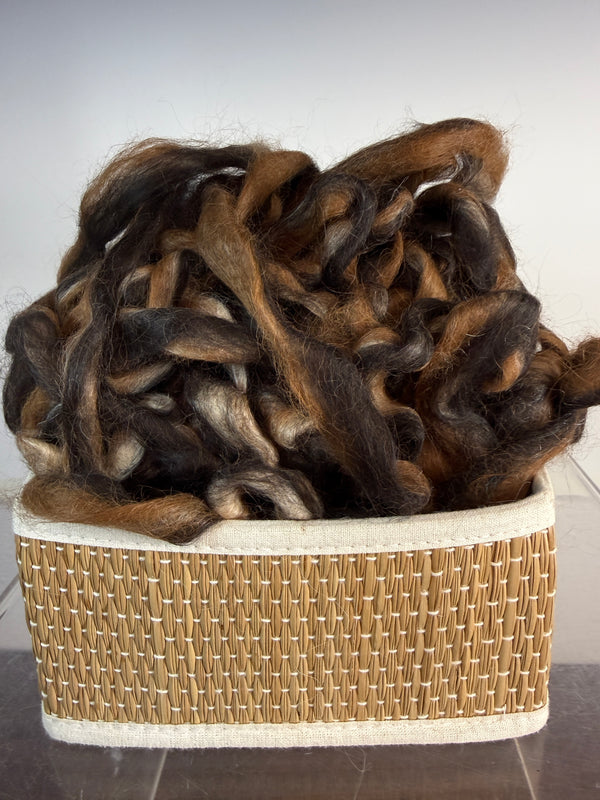
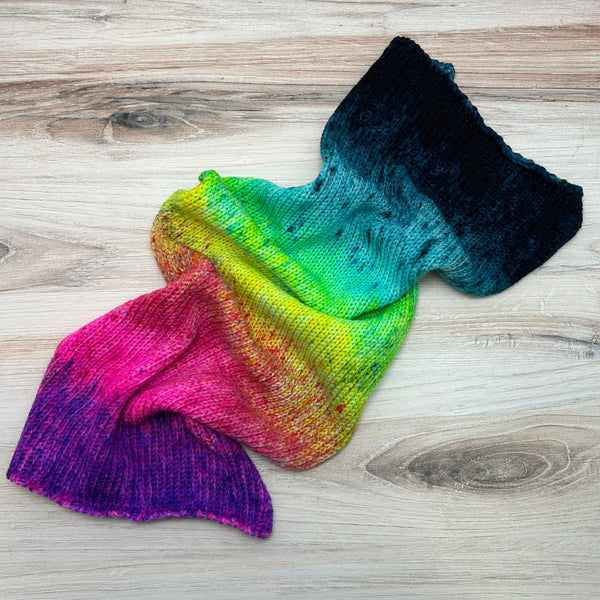
Dyed in small runs from a studio in Minnesota, Fiber MacGyver covers alpaca, merino, silk, and blends across lace through bulky weights. The colorways skew moody and saturated, with regular limited-edition releases that sell out fast among loyal repeat buyers.
Enter Store

Alpaca Warehouse

Natural and botanically dyed alpaca yarn in a full range of weights and blends.

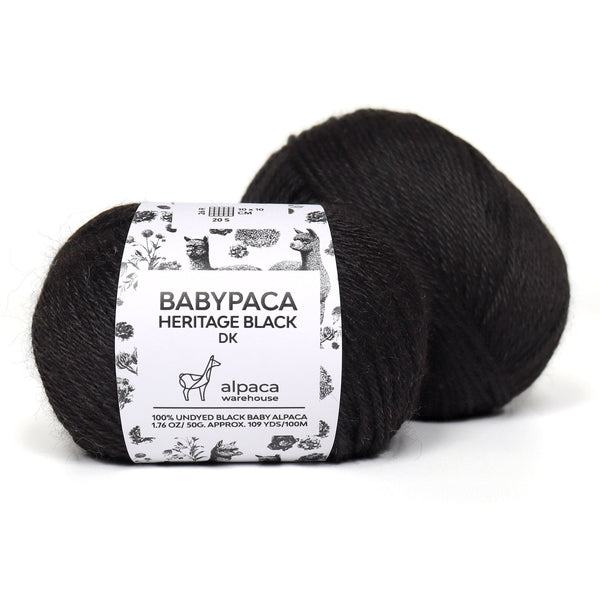
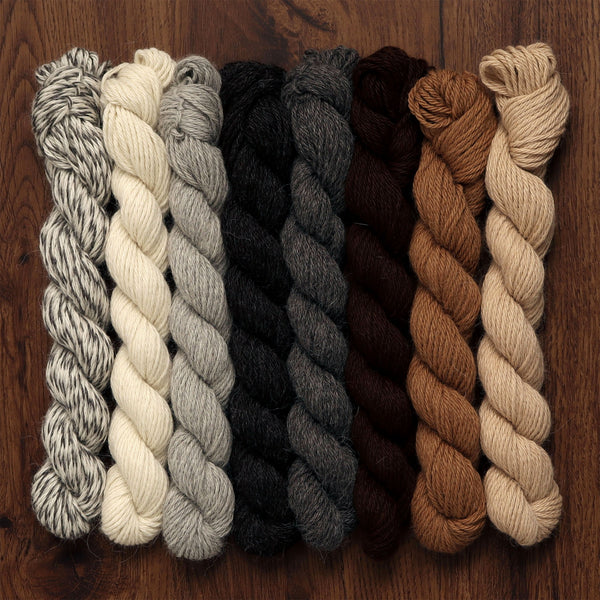
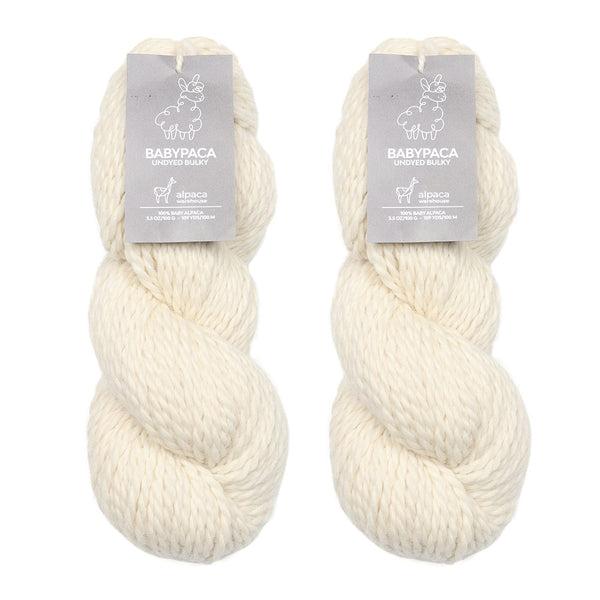
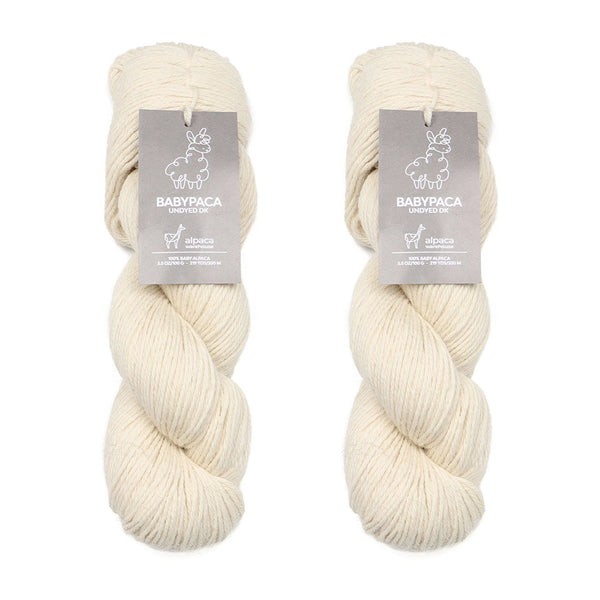
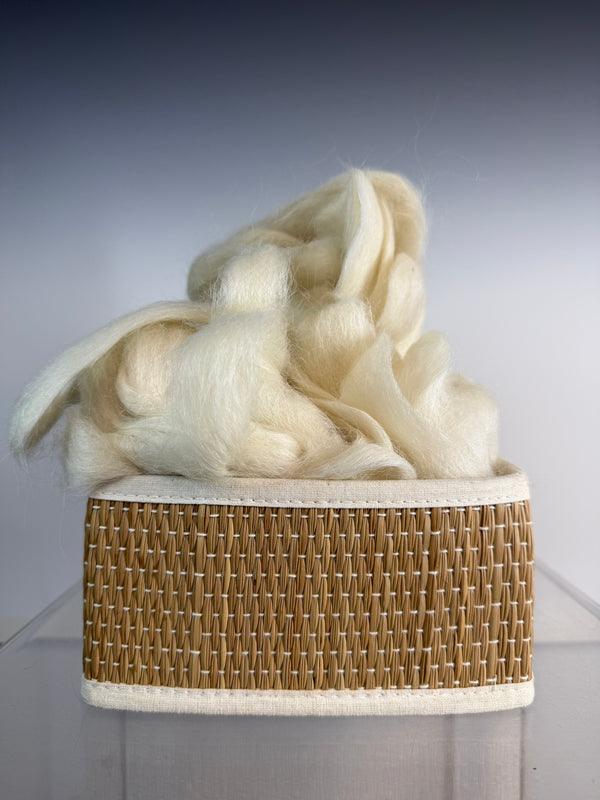
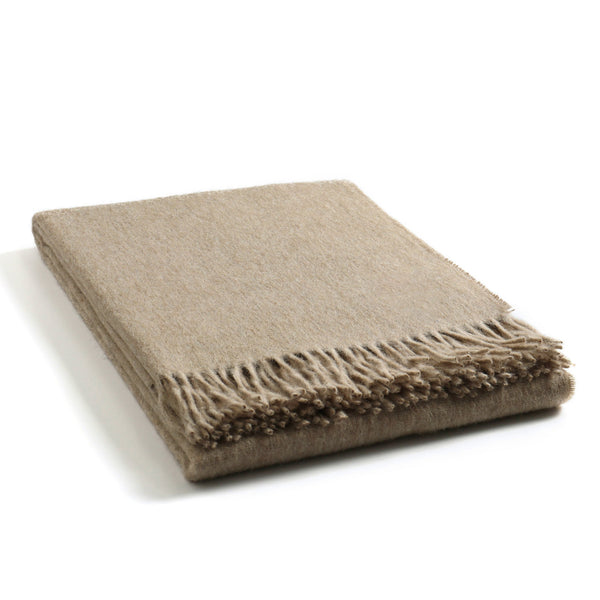
Focused on the complete alpaca textile experience, Alpaca Warehouse carries pure alpaca alongside merino blends, with options from undyed naturals through vibrant hand-dyed skeins. A solid source for stash-building without hunting across multiple indie shops.

Enter Store

Whirlwind Ranch

Yarn spun from ranch-raised alpacas, from lace weight to hand-dyed bulky.

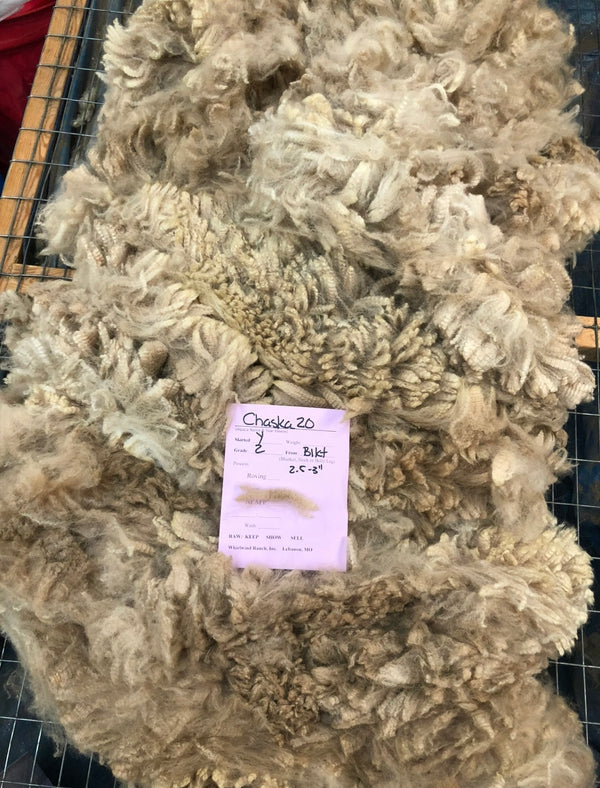
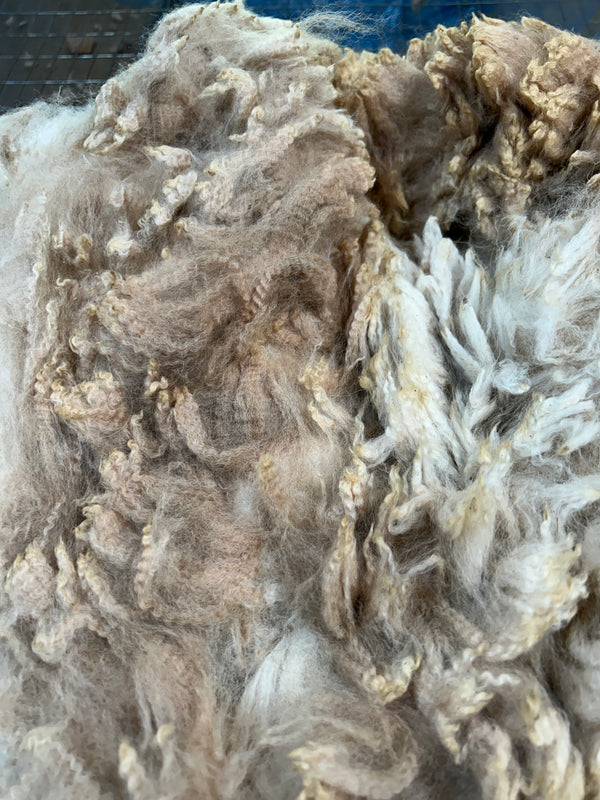
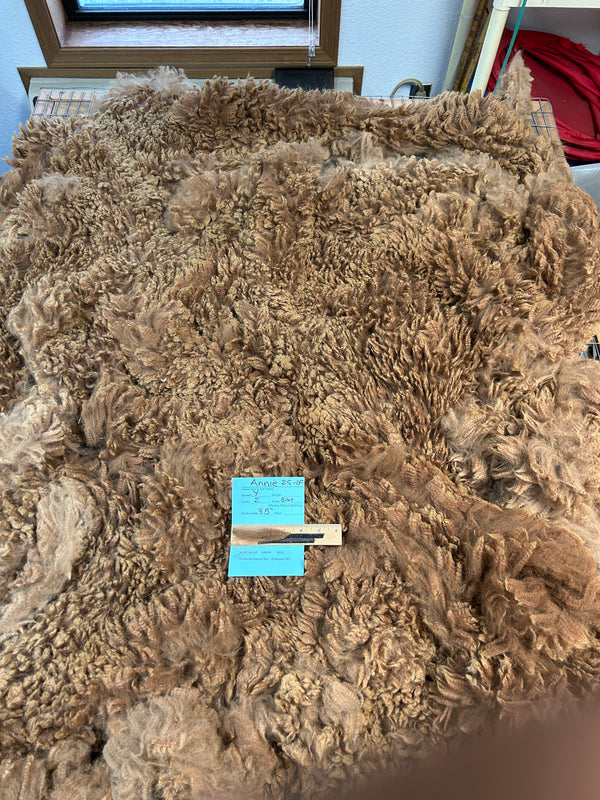
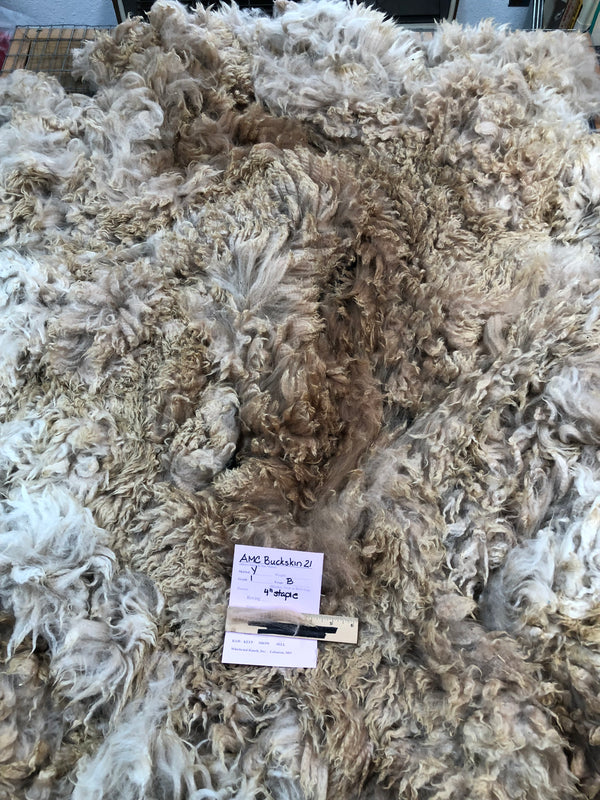
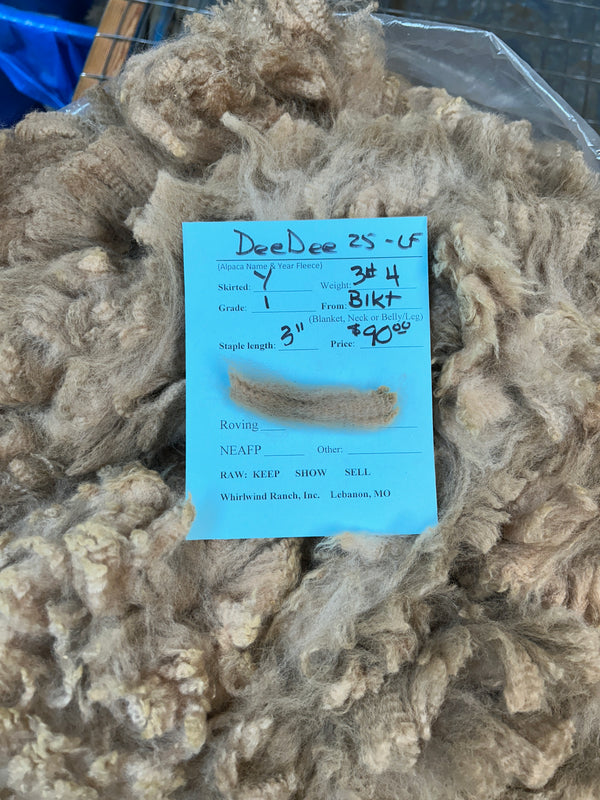
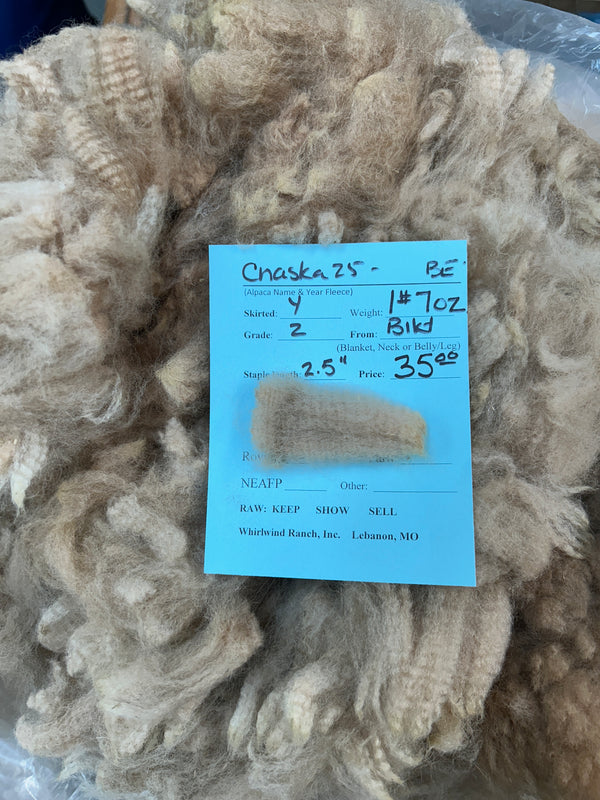
The animals are theirs, the fleece is processed on-site, and the finished yarn arrives with the kind of provenance most indie yarn shops can only describe from the outside. Whirlwind Ranch represents the closest thing to farm-direct alpaca yarn that still ships across North America.

Enter Store

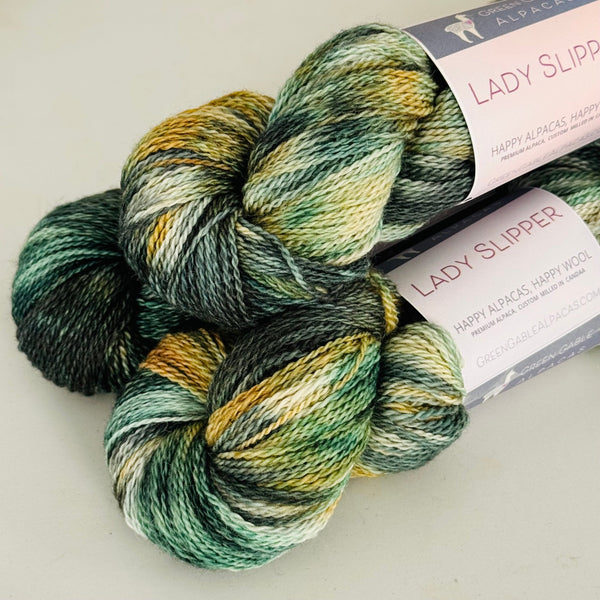
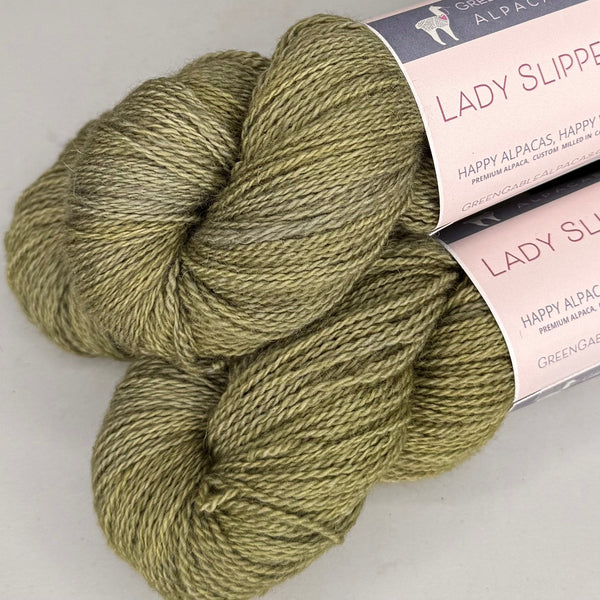
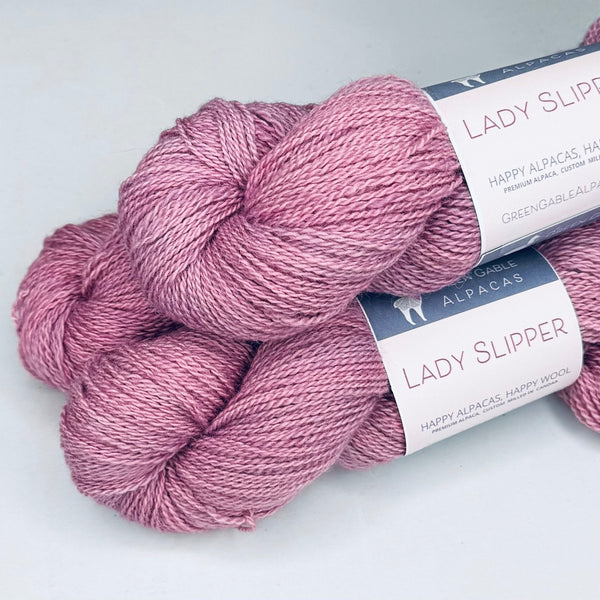
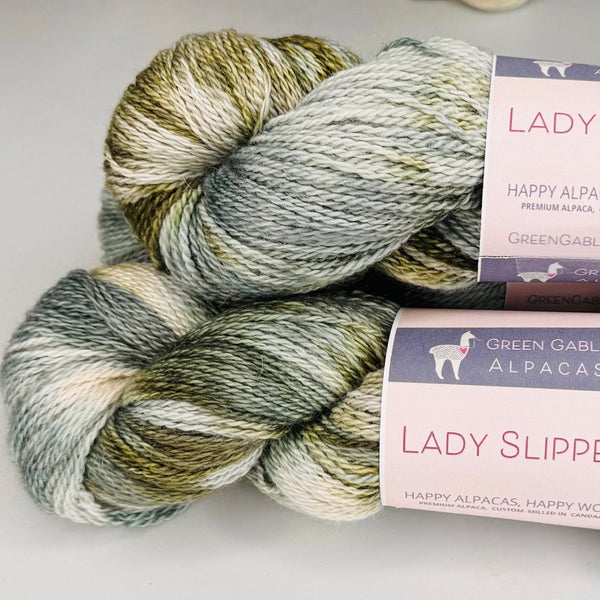
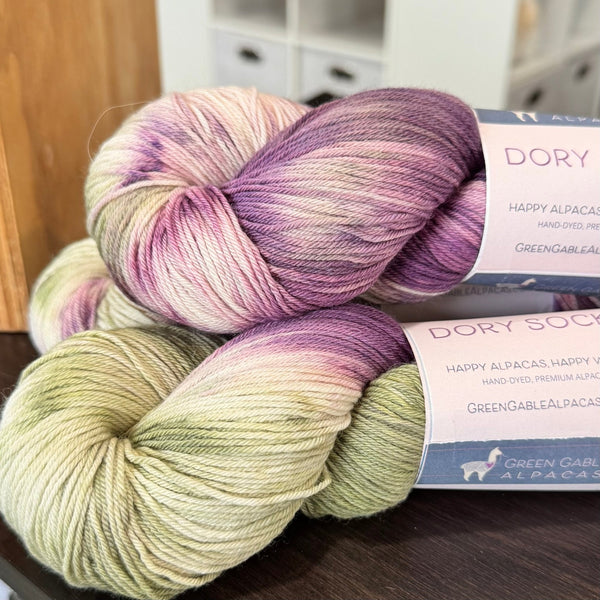
Green Gable Alpacas

Canada

Royal and baby alpaca yarn sourced from a Canadian farm with community roots.

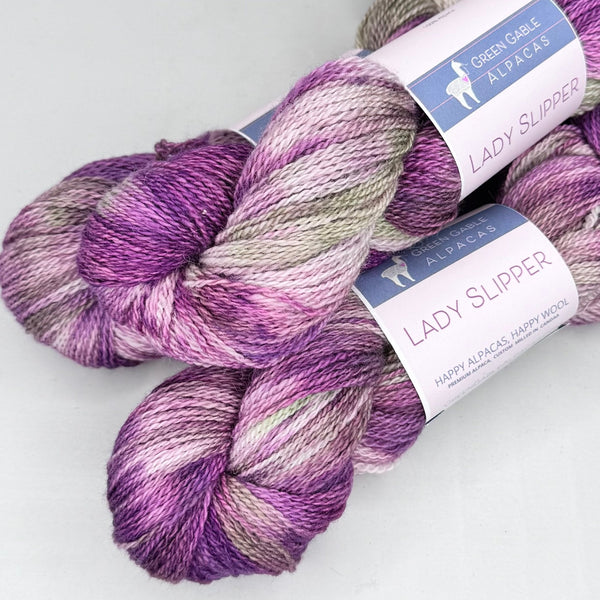
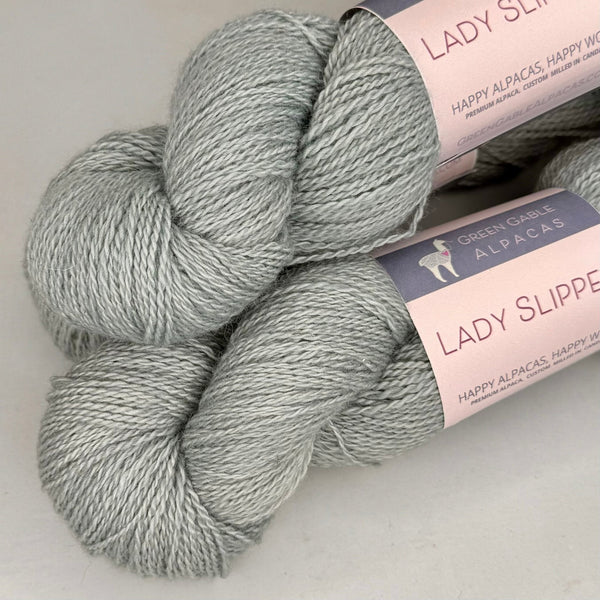
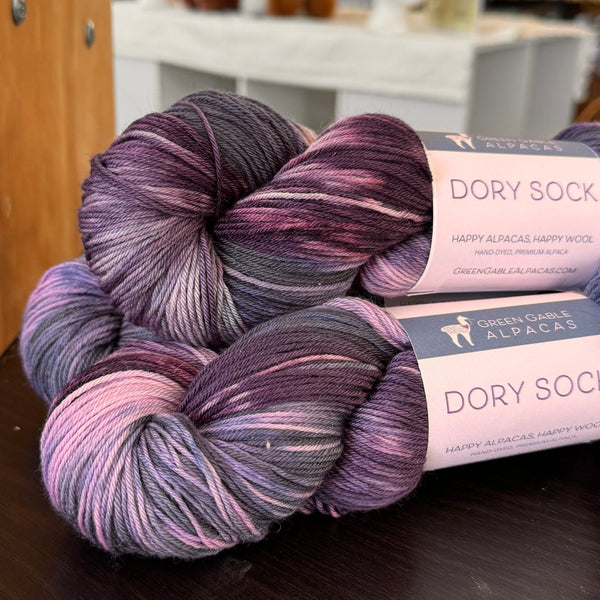
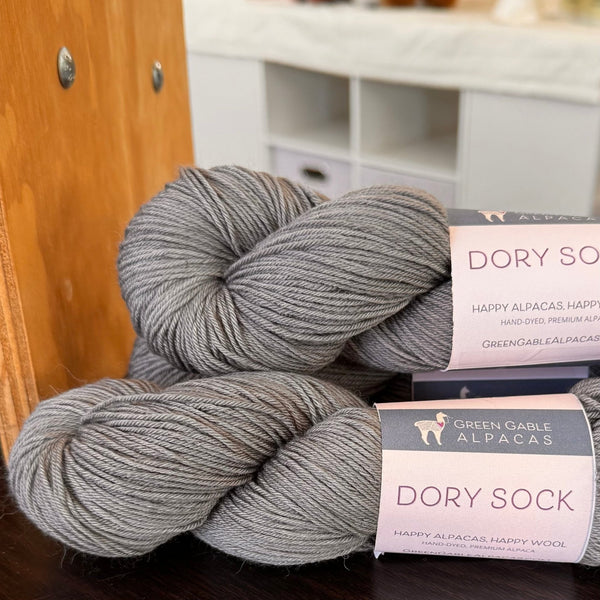
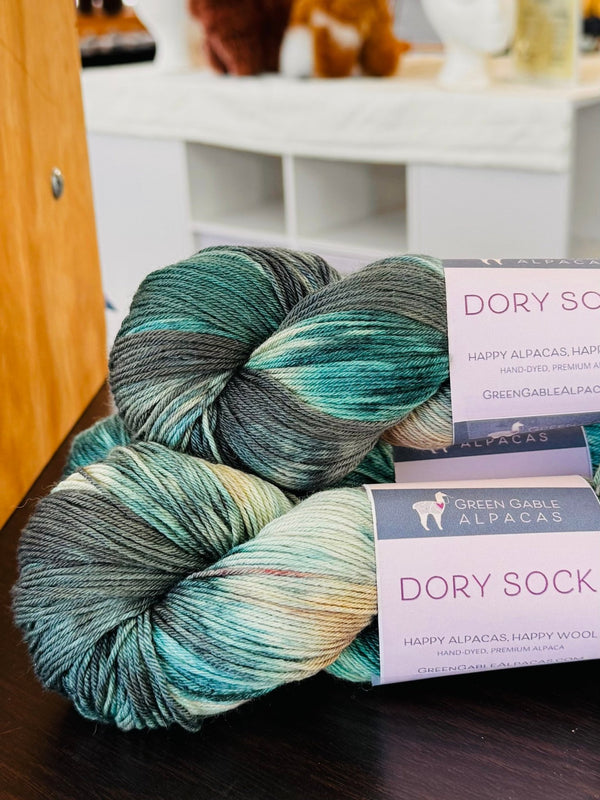
Drawing from farm heritage in the Canadian countryside, Green Gable Alpacas processes Royal Birch and baby alpaca in fingering and other weights with a focus on luxury-grade fiber. The connection to a real farm with real animals comes through in the finished skein.

Enter Store

Quince & Co.

Portland, ME

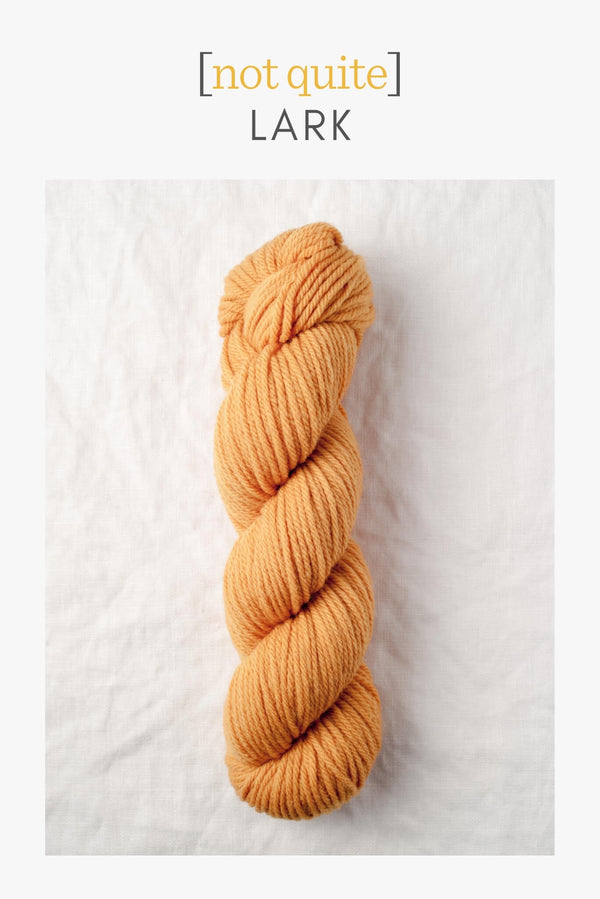
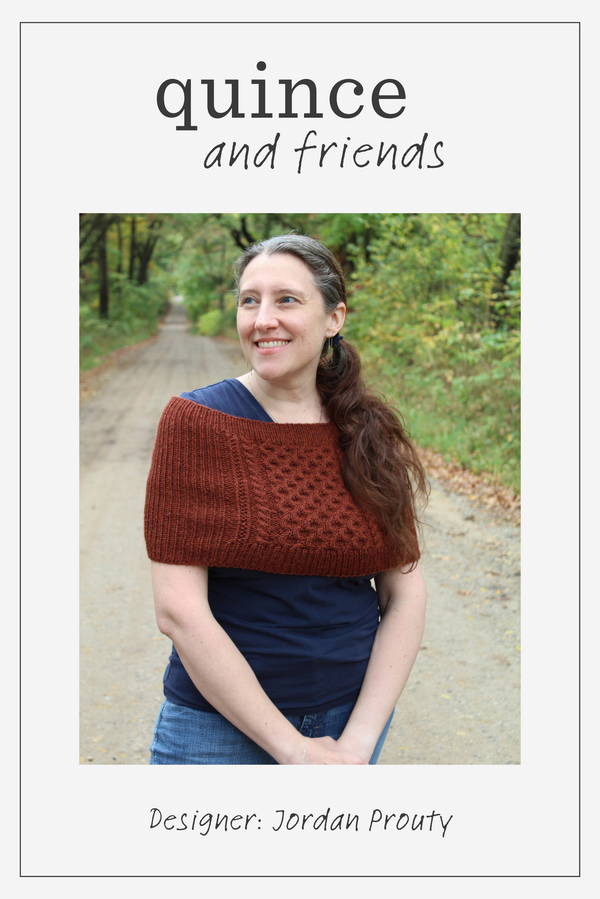
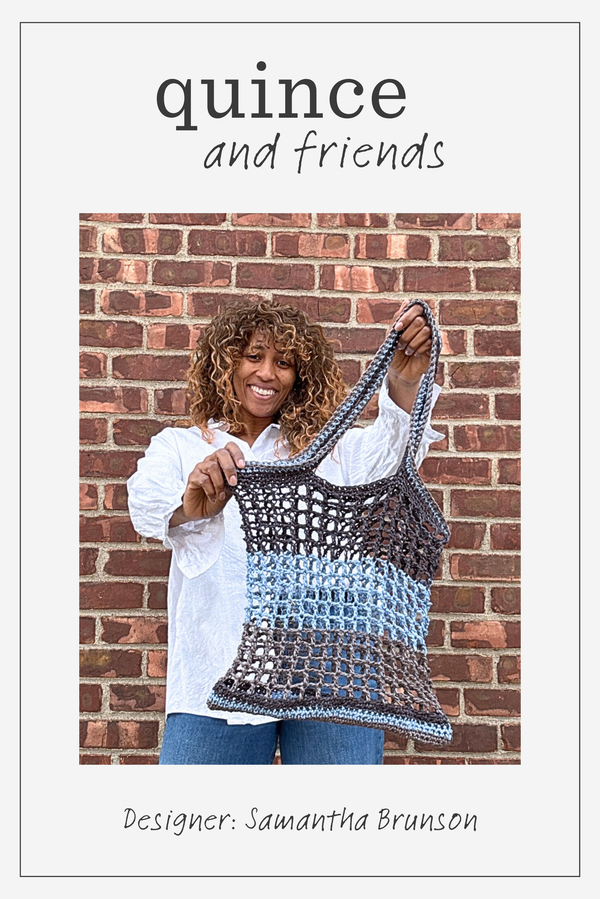
American-milled wool and alpaca yarns designed for serious handknitters.
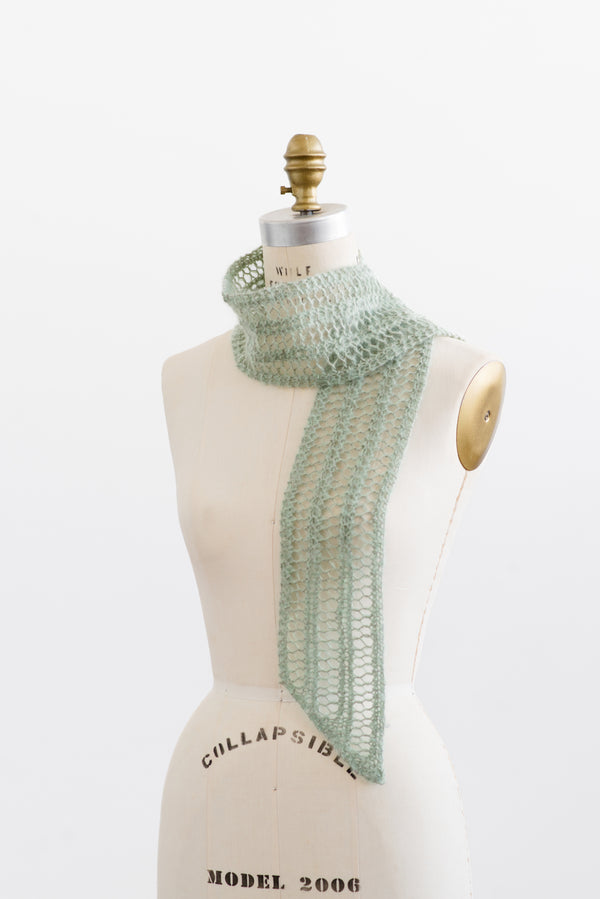
Founded with a clear mission to support domestic textile production, Quince & Co. mills their yarns in American facilities and designs with a handknitter's sensibility. The alpaca and wool blends are thoughtfully constructed for specific project types, not generic.

Enter Store

Brooklyn Tweed

Portland, OR

Heritage American wool yarns with knitting patterns from independent designers.

Founded by Jared Flood in 2005 to reconnect handknitters to domestic textile production, Brooklyn Tweed sources from American Rambouillet and Targhee sheep farms and mills locally. The catalog of patterns is as strong as the fiber itself.

Enter Store

Alpacas of Montana

Billings, MT

Farm-direct baby alpaca yarn and gear from a Montana operation with real animals.
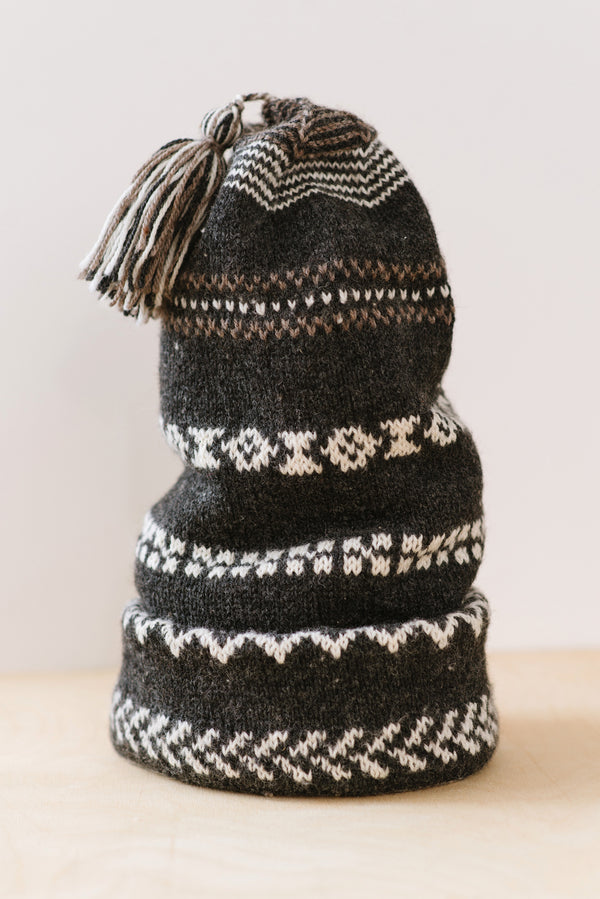
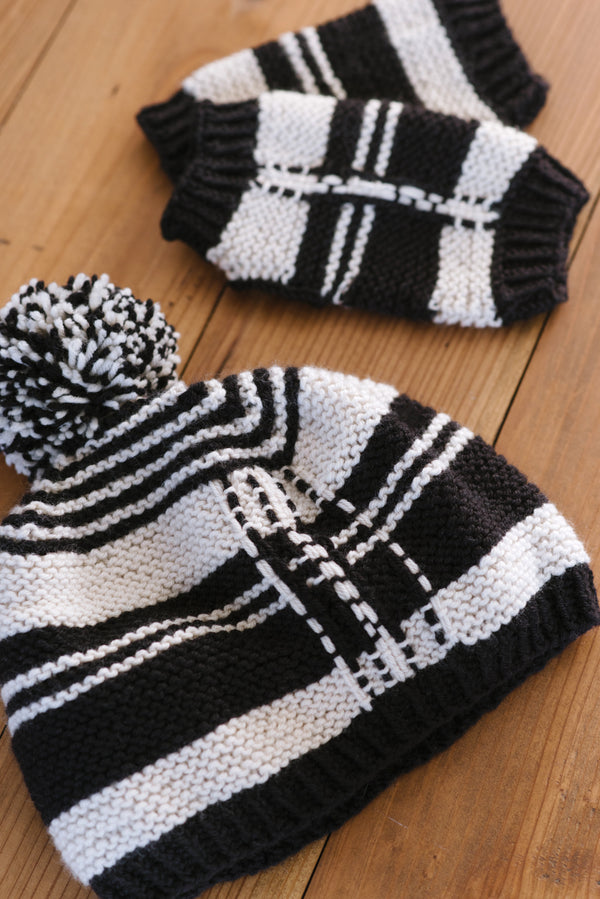
Everything starts with the animals on the Montana ranch. Alpacas of Montana processes their own fiber into yarn and finished goods, offering baby alpaca in multiple weights with the supply chain transparency that only farm-direct production can provide.
Enter Store

About This District

Alpaca fiber grades break down into baby alpaca (the softest, from the neck and belly), superfine, and standard fleece. For garments worn close to skin, seek baby alpaca or fine superfine grade. Blankets, bags, and home items can handle a coarser weight. Hand-dyed alpaca behaves differently from commercially dyed fiber. Colors are often more complex and the dye lots are genuinely one-of-a-kind, which is good for hats and cowls but means you should buy enough yarn for a whole sweater in the same dye lot. Farm-direct alpaca is worth seeking out if you care about fiber ethics. Small farms process their fleece in small batches, often by name of the individual animal, and do not clip more than the annual fleece. The story behind the yarn is part of what you are paying for. For knitting weight, fingering and sport weights work best for detailed colorwork or socks. DK and worsted are more forgiving for beginners and faster to knit. Lace weights demand patience but produce extraordinary results with alpaca's natural sheen.