Mint Districts Home

The Best Handmade Apron Brands Built to Last Years of Real Use

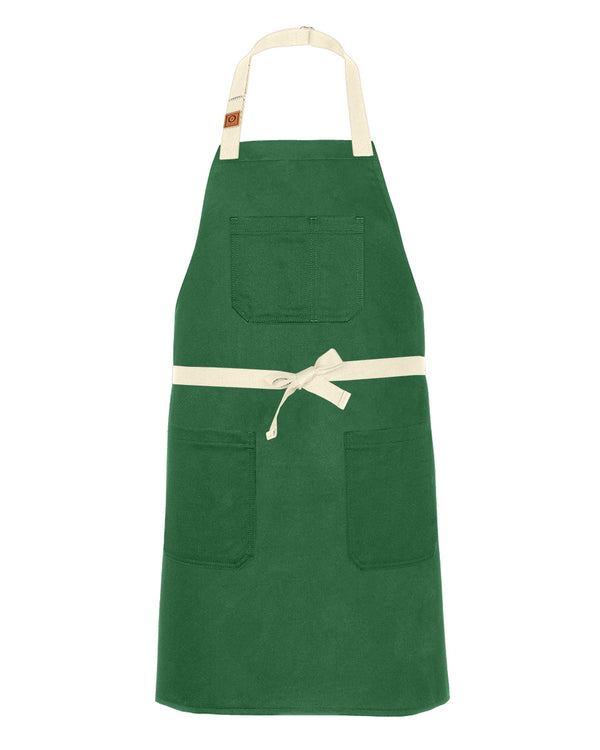
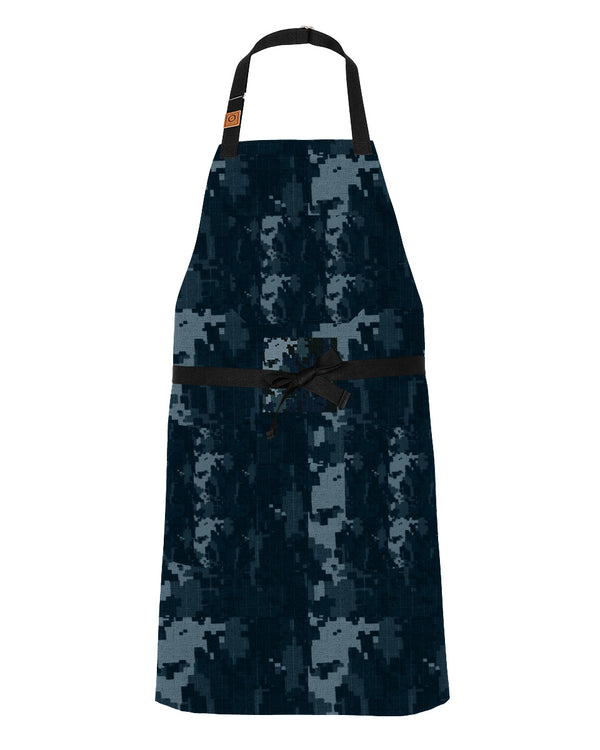
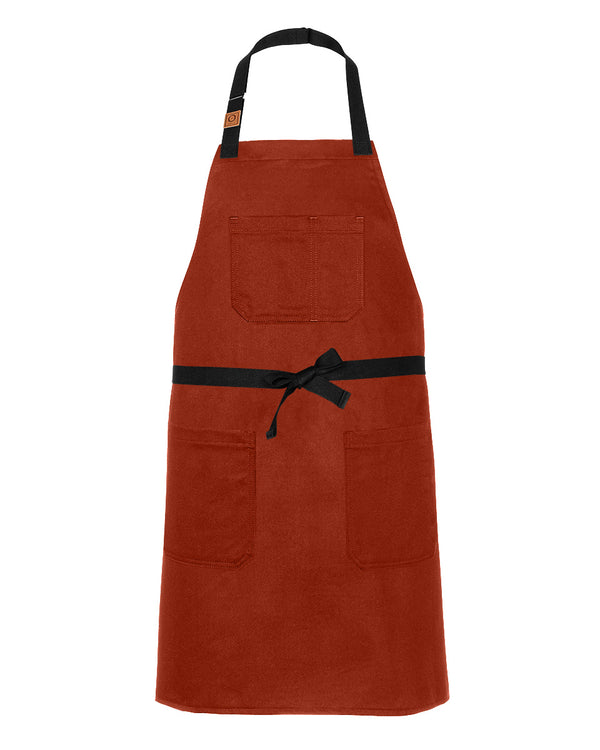
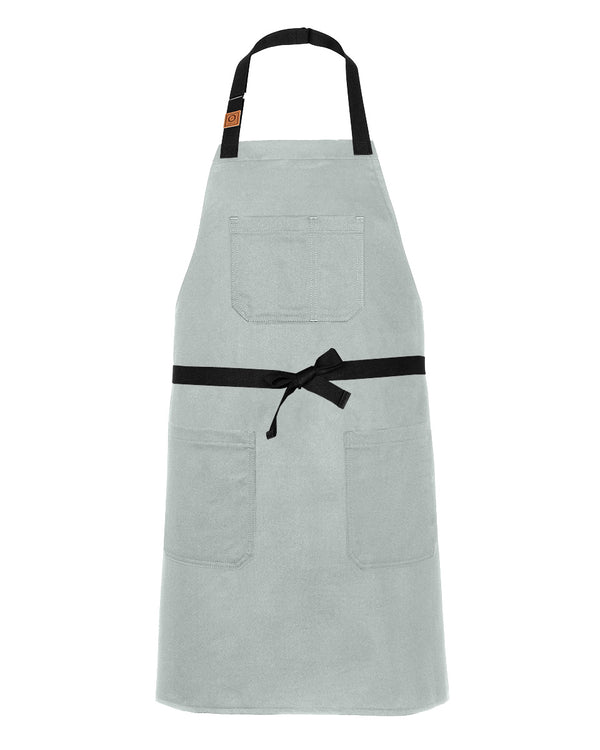
A well-made apron is not complicated: durable fabric, hardware that does not corrode, straps that actually stay in place, and pockets in the right positions. What is complicated is finding brands that actually deliver all four without charging three hundred dollars for it. The handmade apron brands in this district sit at the intersection of craft and function. A few make aprons for chefs and home cooks. A few make them for woodworkers and makers. Most of them make aprons that cross those lines, because the requirements for standing at a workbench for six hours and standing at a stove for the same are more similar than you might think.

Home · 6 Brands

The Apron District

Portland Apron Company

Portland, OR

Handmade waxed canvas aprons built for kitchens, shops, and everything between

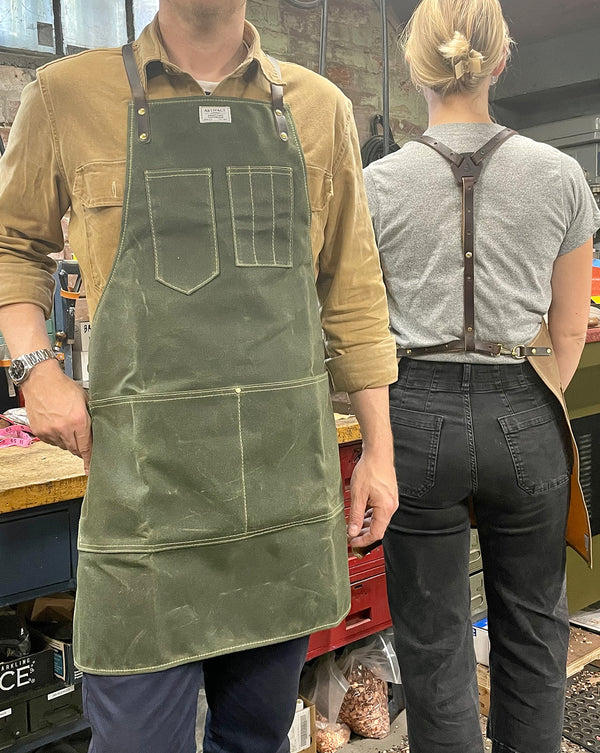
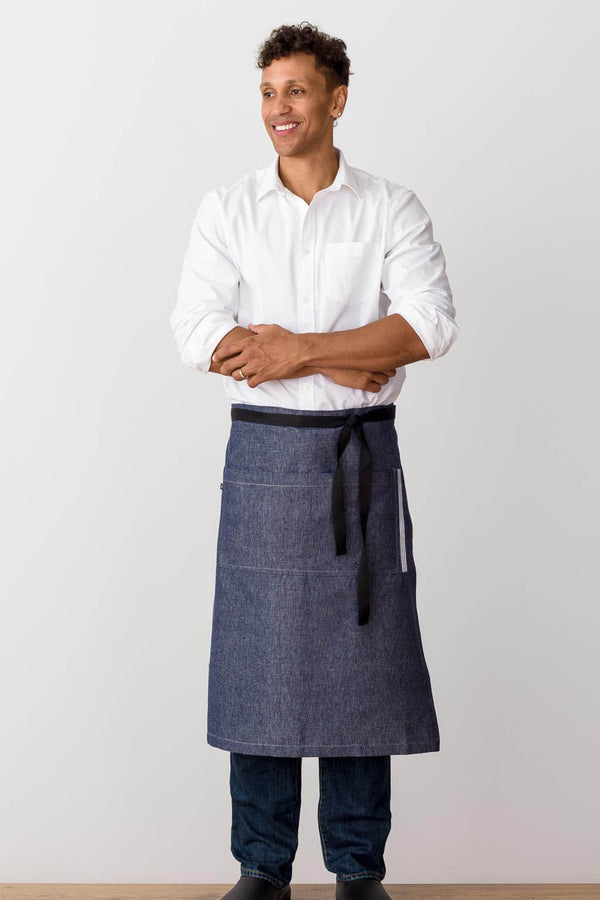
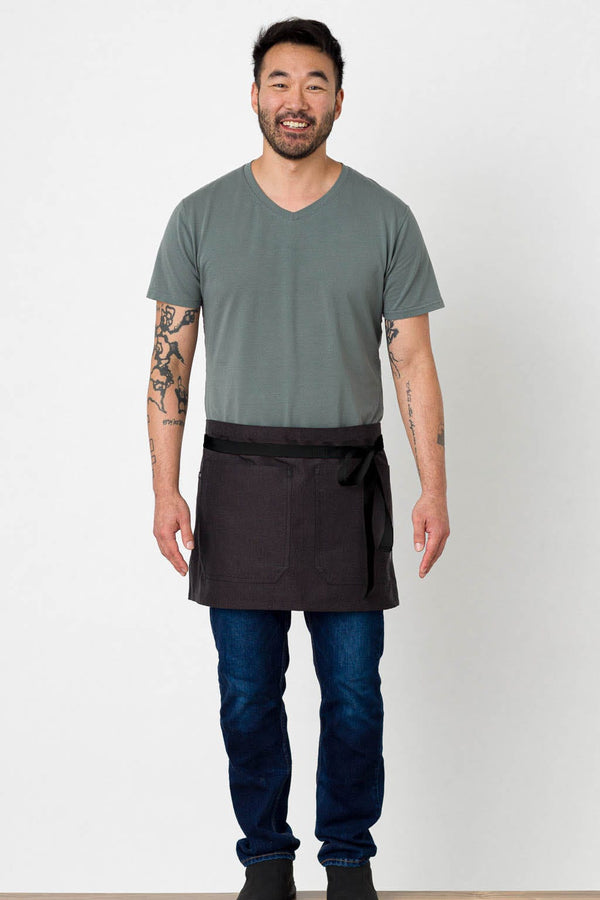
A woodworker who kept ruining his clothes built the first version of these aprons for himself. What came out of that experiment was a waxed canvas and leather apron sewn locally in Portland with solid copper hardware and reinforced strap attachment points. Each apron is made to be maintained: re-waxed, resoled, and repaired rather than replaced. The construction standards have not changed since the first run.
Enter Store

Reluctant Threads

Linen and canvas bistro aprons made from natural fibers built to age well

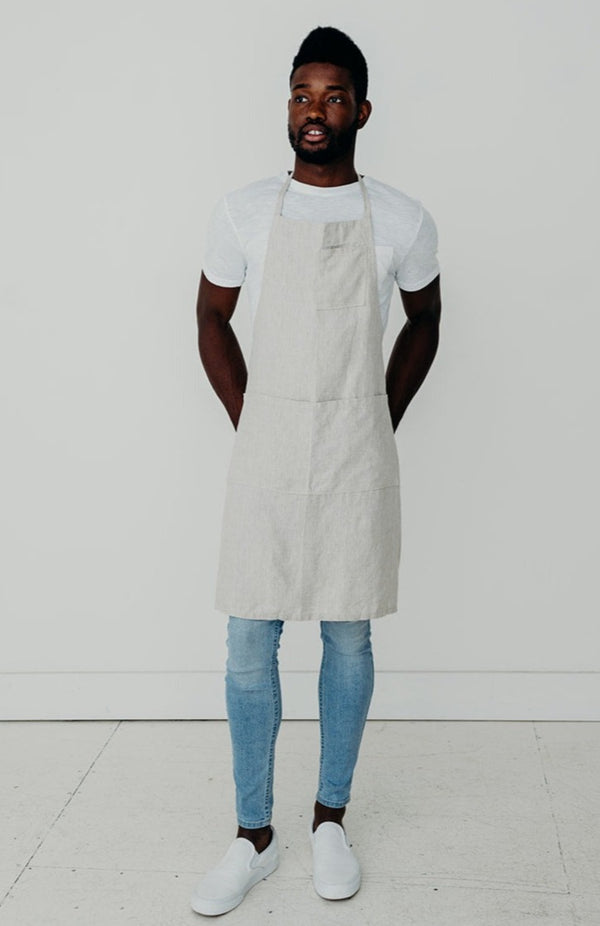
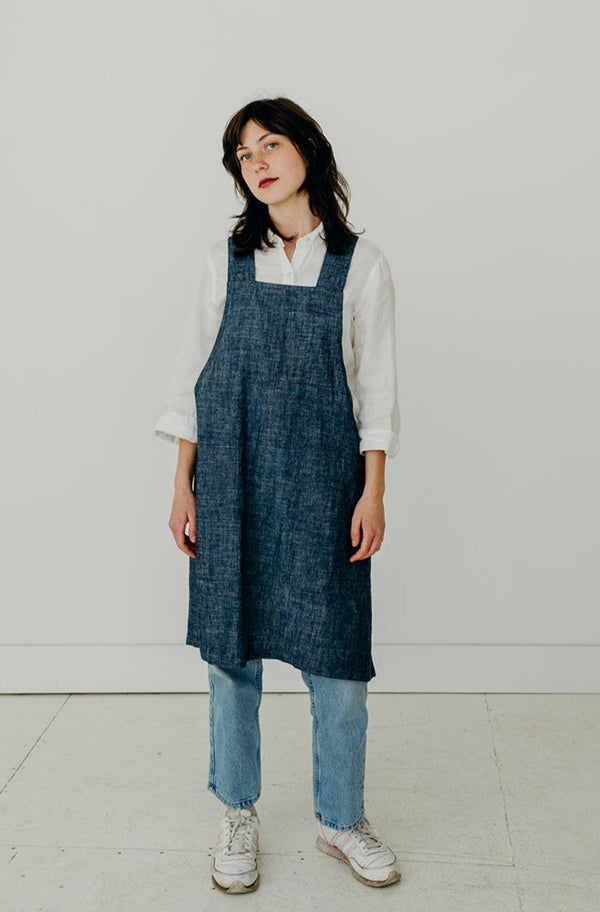
The name refers to a reluctance to waste anything. These aprons use natural linen and canvas that softens with age rather than breaking down, and construction focuses on the stitching and attachment points that typically fail first on cheaper aprons. The bistro-style silhouette works for long kitchen sessions, and the natural fibers handle high-temperature washing without shrinking or losing structure.

Enter Store

Artifact Bags

Waxed canvas goods, including aprons, handmade to last through hard use

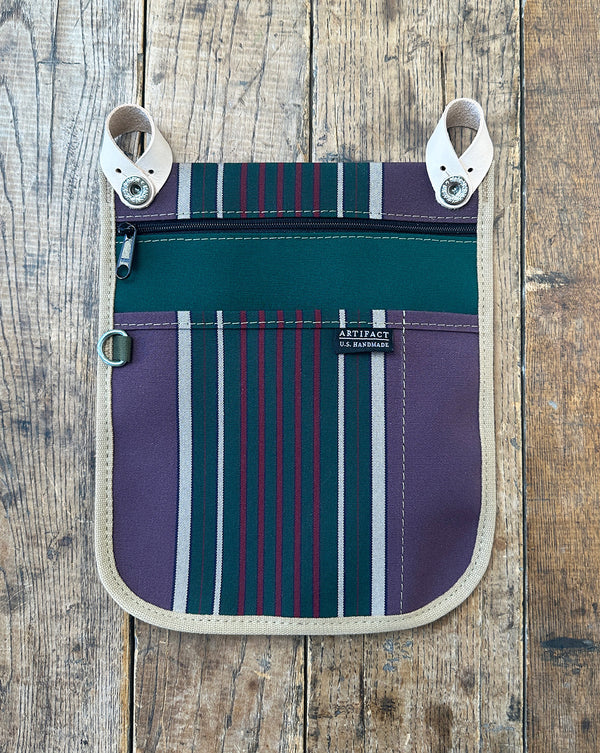
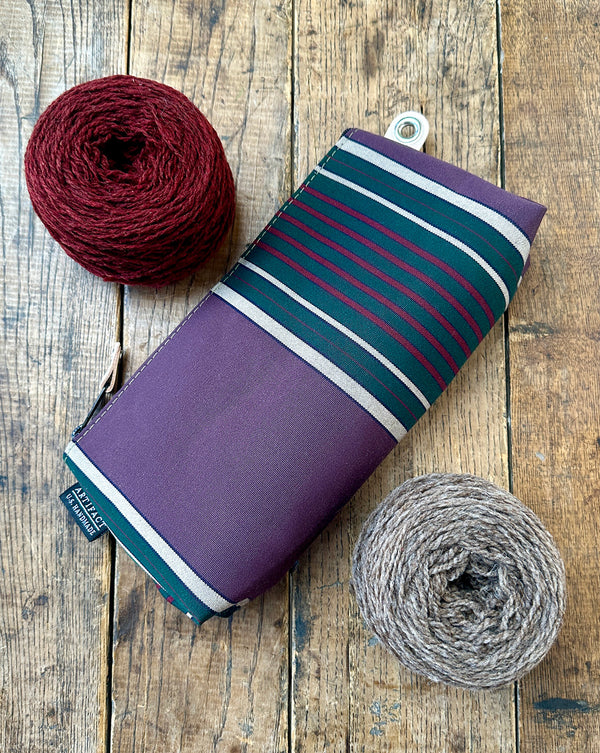
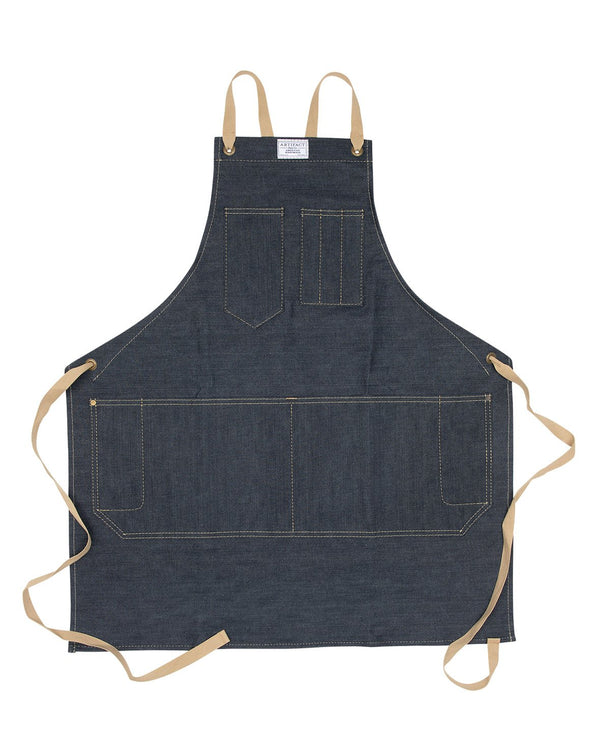
Starting with bags and working outward, this maker applied the same principles to aprons: heavy waxed canvas, solid metal hardware, and construction built to handle serious wear. Their cobbler-style aprons cross the chest for stability and feature deep pockets on both sides for tools or kitchen equipment. Repair services are available through their shop for aprons that see enough use to need them.

Enter Store

Tilit

New York, NY

Chef-designed kitchen workwear and aprons engineered for real service conditions

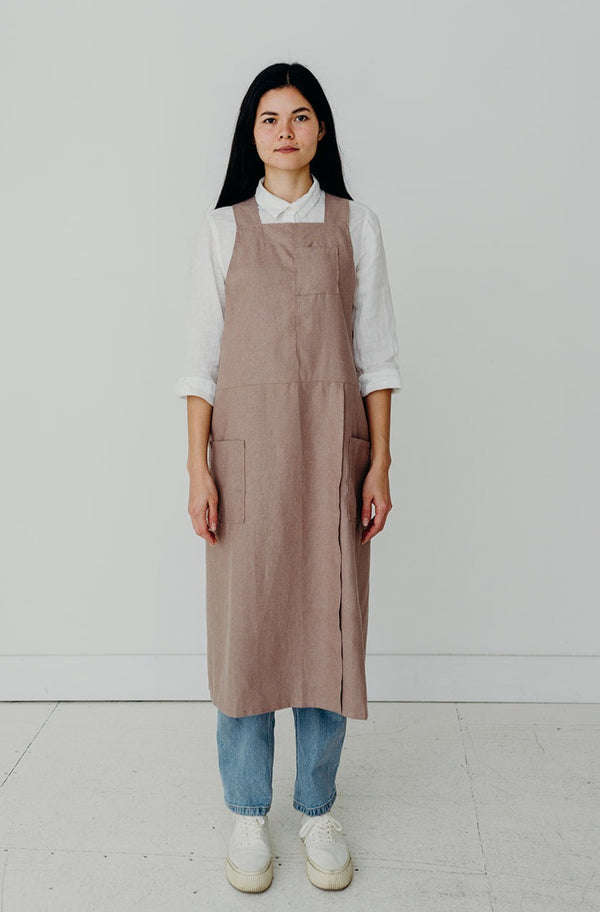
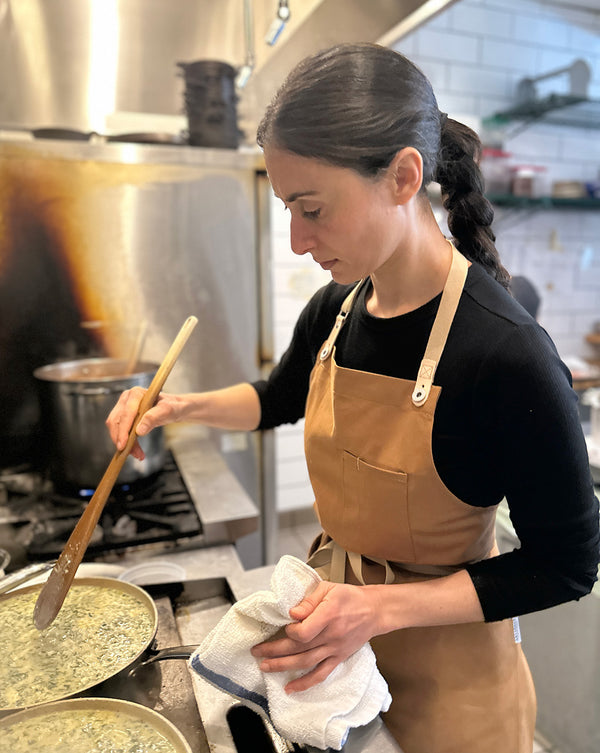
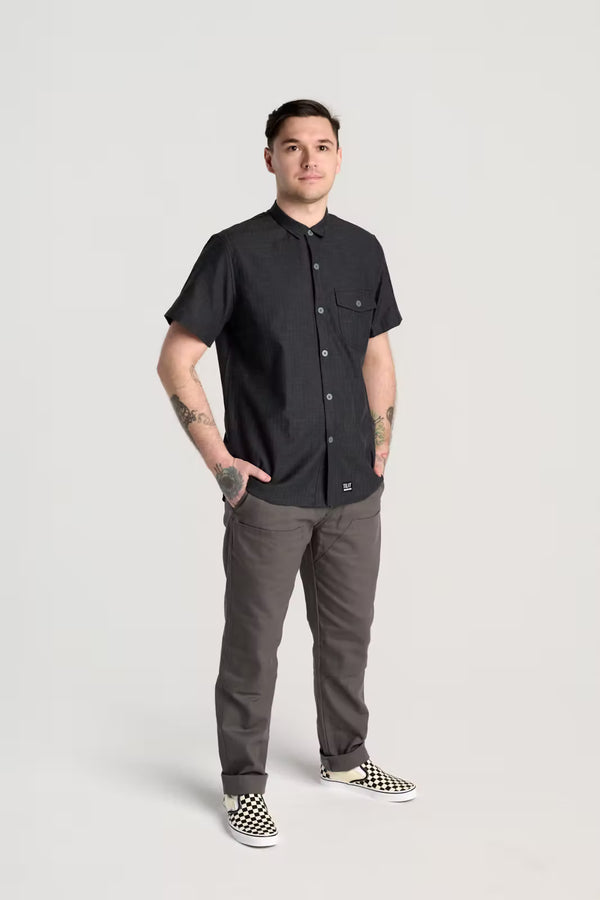
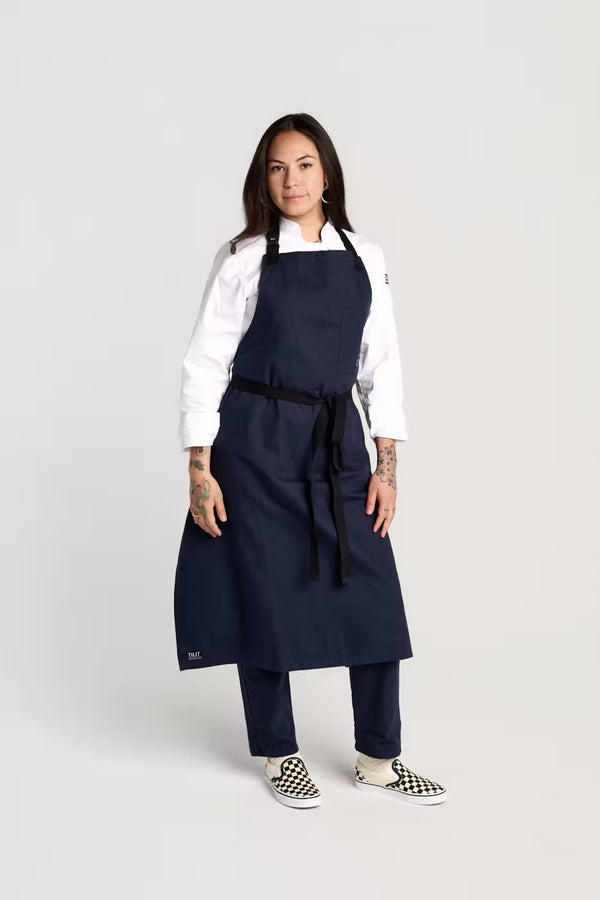
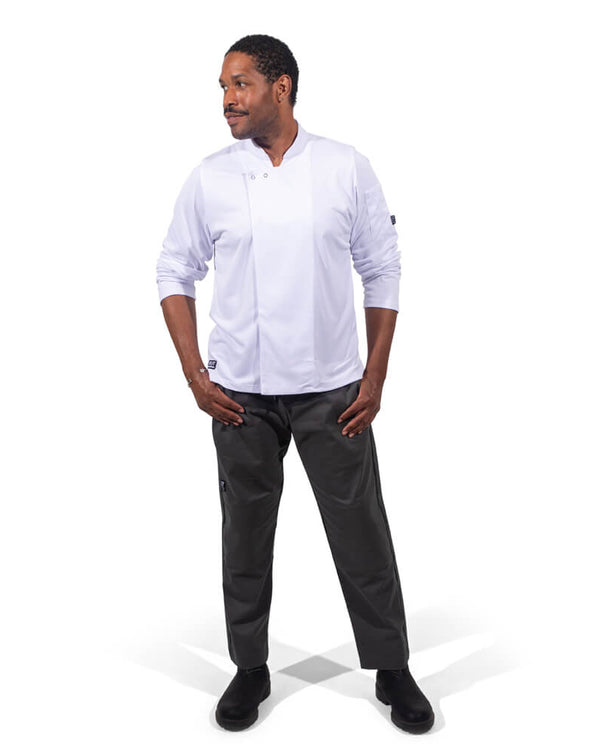
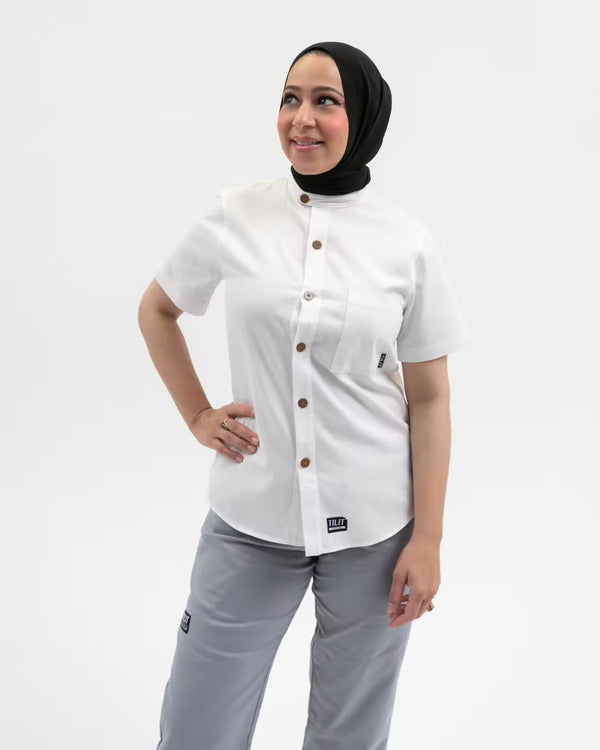
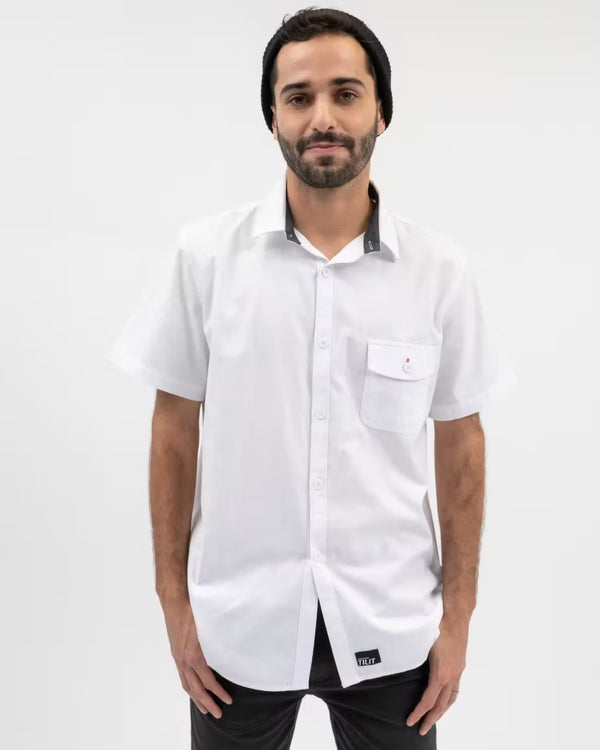
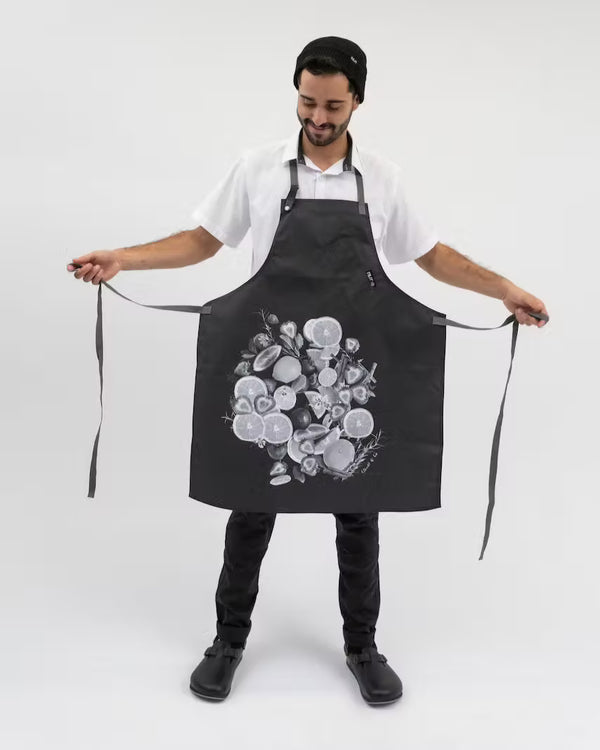
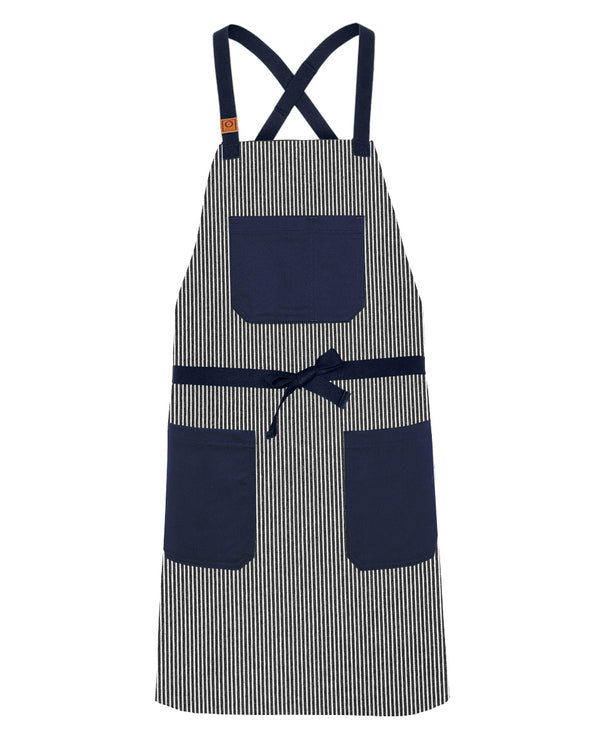
A chef and an industrial designer started this brand after years of frustration with kitchen clothes designed by people who had never worked a full dinner service. Their aprons are engineered around how kitchen workers actually move: tool loops positioned for dominant-hand access, cross-back straps that do not cut into shoulders during a long shift, and fabrics tested to hold shape through a full week of service washing.

Enter Store

Chef Tog

Professional-grade chef aprons and kitchen workwear built for serious cooks

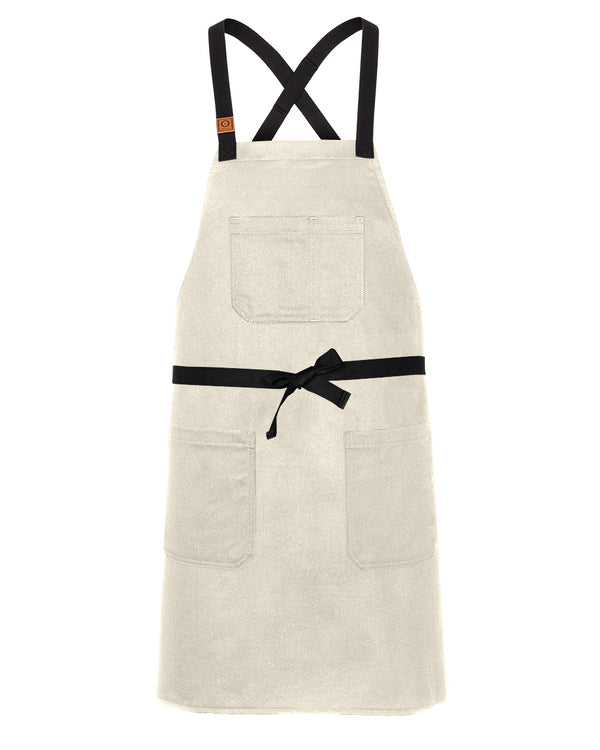
Built around a straightforward frustration: chef gear that falls apart after six months is not actually cheaper when you account for replacement. Chef Tog focuses on fabric quality and construction details, using reinforced stitching at stress points and adjustable cross-back straps that distribute weight evenly across the back. Designed for high-volume professional kitchens but scaled well to serious home cooking use.

Enter Store

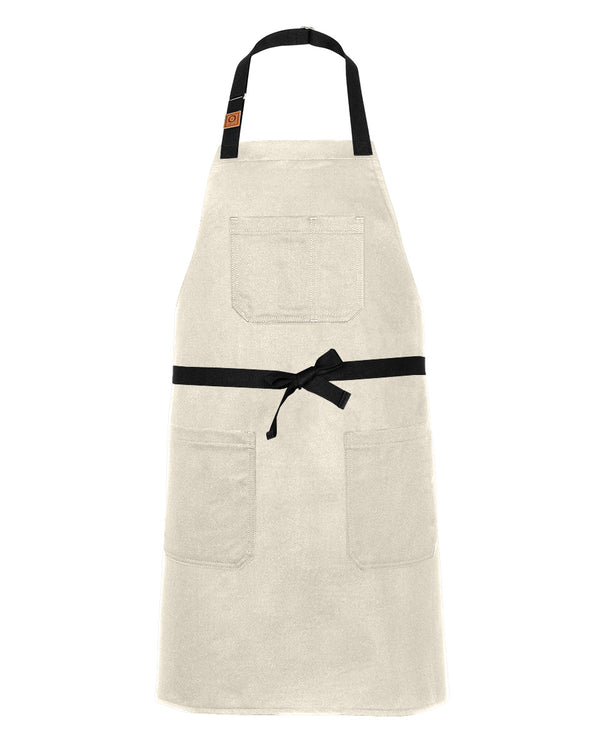
About This District

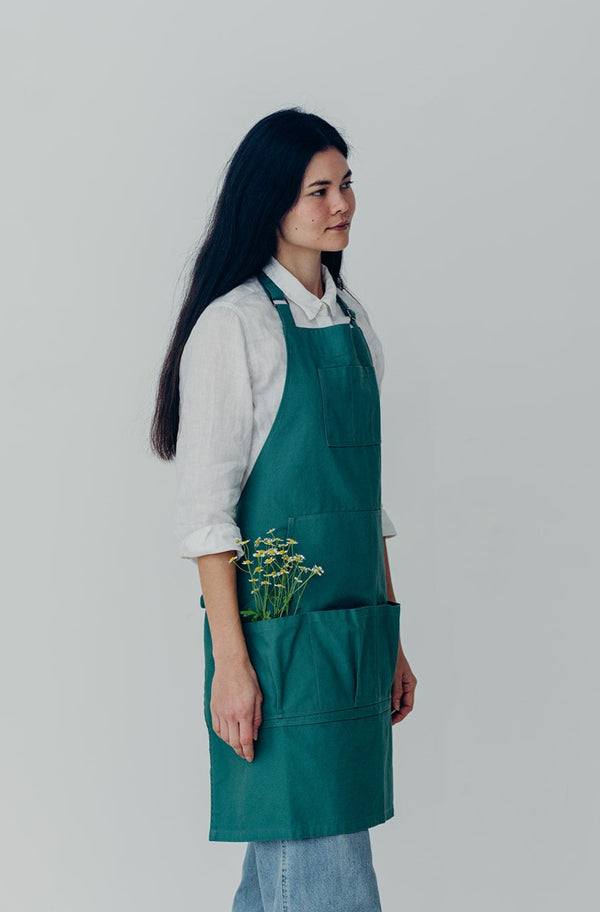
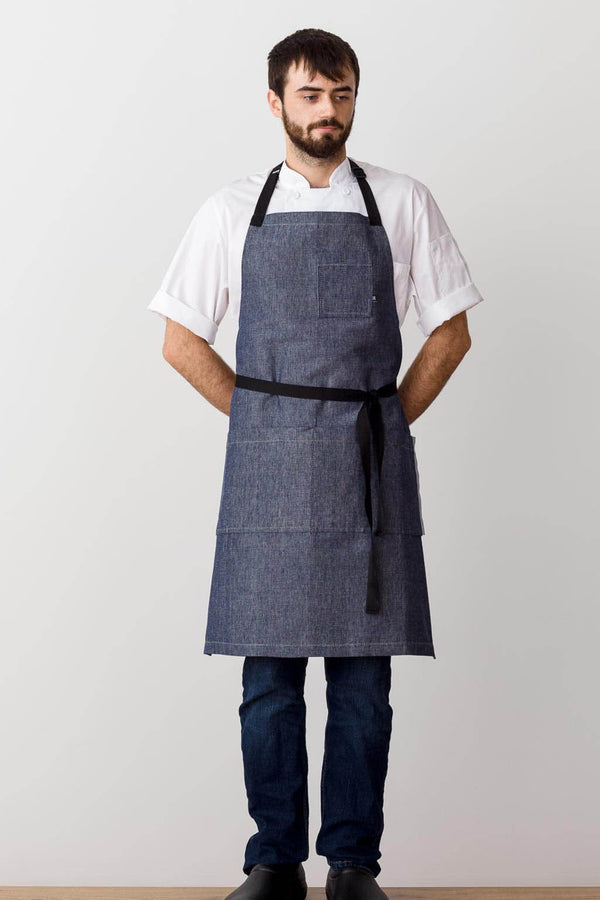
Material is the first decision. Waxed canvas is the most durable option for everyday wear: it repels water and light stains, develops a patina over time, and can be re-waxed when the treatment wears down. Heavy cotton duck cloth is more breathable and easier to launder but less water-resistant. Linen runs softer and more comfortable in warm kitchens, and softens further with every wash. Heavy denim sits in between, durable and familiar but harder to fully clean after a deep stain. Fit separates a good apron from a great one. Bib aprons with a standard neck loop work for most applications but can strain the neck during long sessions. Cross-back designs redistribute weight across the shoulders, which matters significantly after three or more hours of standing. If you are buying for someone else, cross-back with adjustable straps fits most body types without specific measurements. Hardware quality is easy to overlook until it fails. Plastic buckles crack. Cheap brass corrodes and stains fabric. Good aprons use solid copper, steel, or antique brass hardware that ages without degrading. Leather-tipped or folded-canvas strap ends resist fraying at the points where friction is highest. Pockets are functional, not decorative. Cooks want a wide front pocket and a narrow slot for a thermometer or peeler. Woodworkers want multiple smaller pockets for pencils, chisels, and fasteners. Some brands offer different pocket configurations for different trades. Finally, ask about repairability before you buy. The best apron brands treat their products as long-term goods. Portland Apron Company and Artifact Bags both offer re-waxing and repair. Buying something once and maintaining it beats replacing a cheaper apron every two years.