Mint Districts Wellness

Artisan Incense Worth Burning with Genuine Intention

Incense has occupied ritual and domestic space for centuries, but most of what fills wellness stores is the same cheap stick with a French name and a price tag. Artisan incense is a different category. The brands here range from a centuries-old Kyoto house to a small-batch botanicals operation in the Pacific Northwest, but they share a commitment to ingredients that are actually worth inhaling. The best artisan incense changes the quality of a room without trying to announce itself. When the formulation is right, it smells like something real, not like something trying to smell like something real.

Wellness · 6 Brands

The Artisan Incense District

Bodha

San Francisco, CA

Incense and ritual objects built from actual botanical ingredients

Travis Hoback and Morgan Yakus launched Bodha in San Francisco with a focus on incense as an intentional wellness practice rather than a home accessory. Every product starts with sourcing decisions: resins, herbs, and plant-based binding agents that burn cleanly and produce smoke worth being in the room with. The brand's Smoke Ritual Kit and Natural Incense collections have become a fixture in the slower-living corner of wellness culture.
Enter Store

Higher Mind Incense

Small-batch resin incense for people serious about what they burn

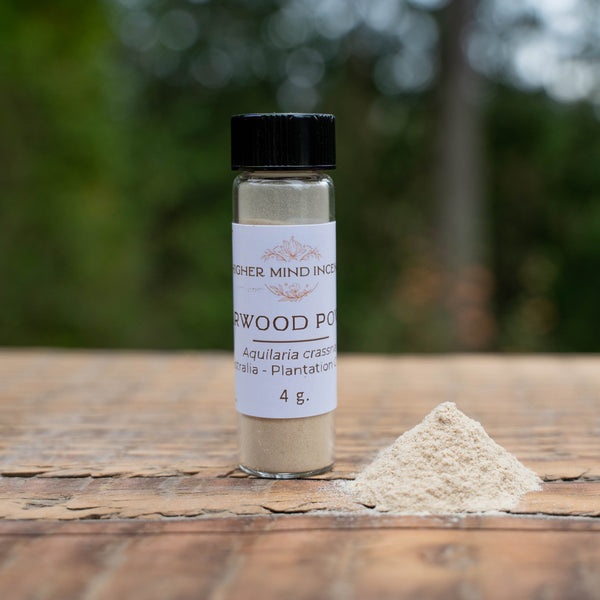
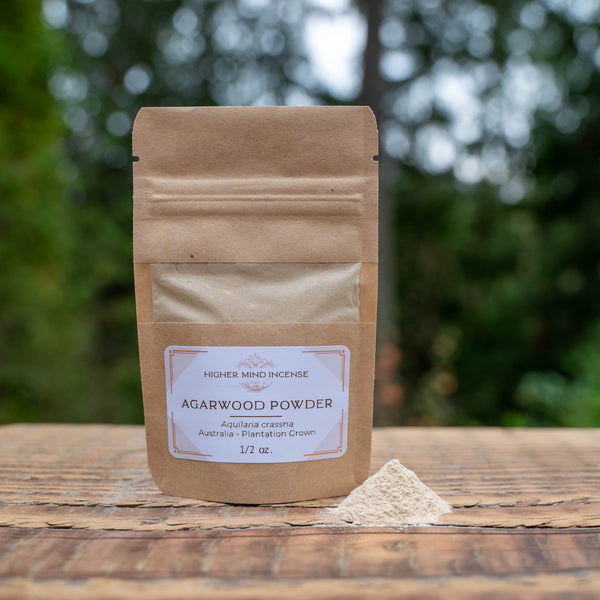
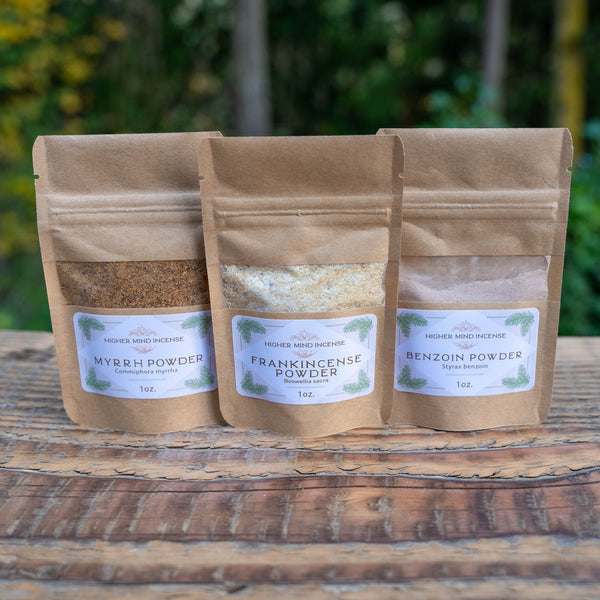
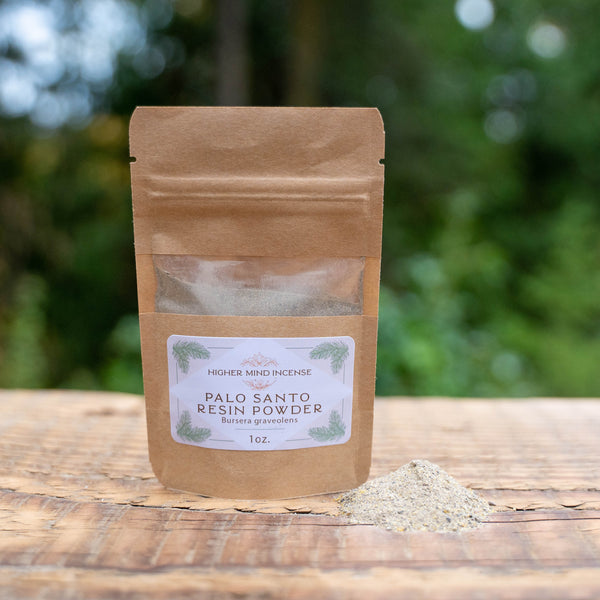
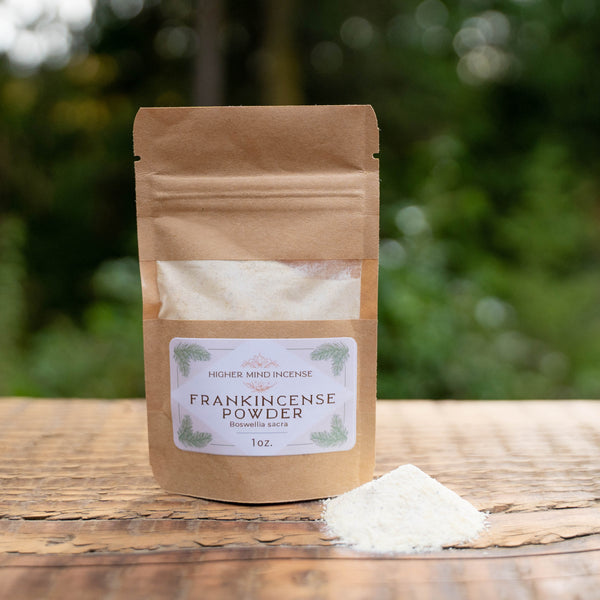
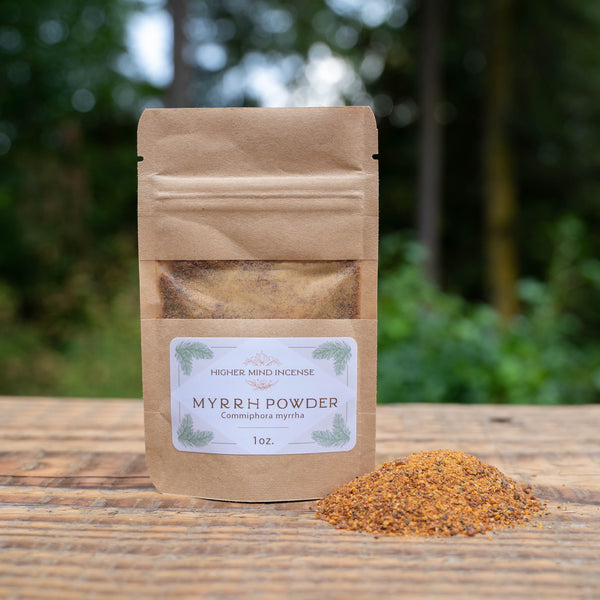
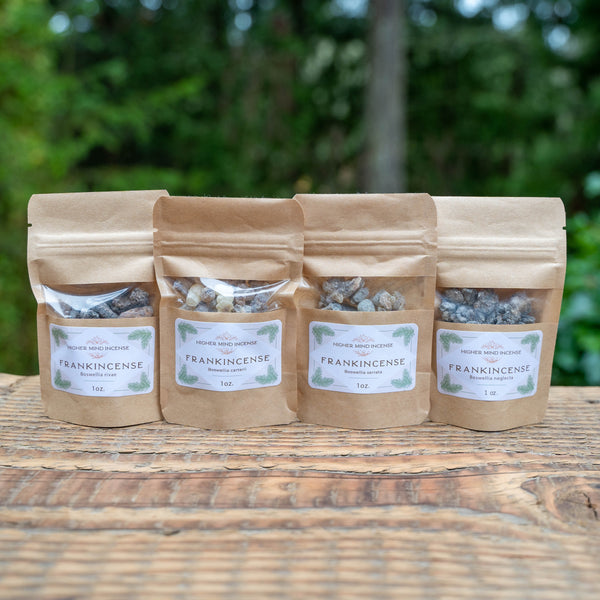
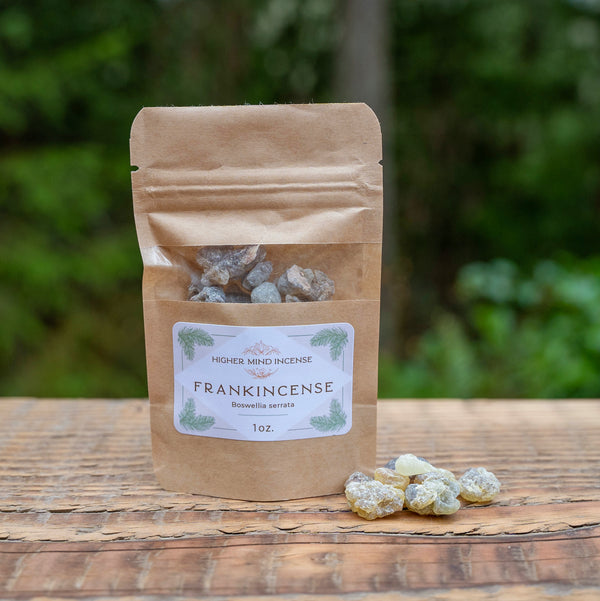
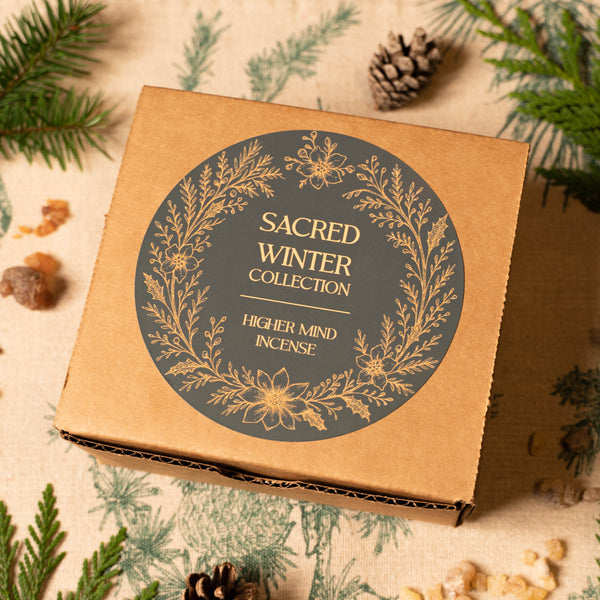
Made in small quantities with a focus on rare resins, copal, and plant-based materials, Higher Mind approaches incense as something closer to perfumery than home fragrance. Each blend is developed around a specific effect or emotional quality, and the production runs stay small enough for personal quality control throughout. The brand shows up in independent bookstores and yoga studios rather than mass retail, which is the right distribution for what they make.
Enter Store

Sea Witch Botanicals

Bellingham, WA

Pacific Northwest botanical incense with zero synthetic ingredients

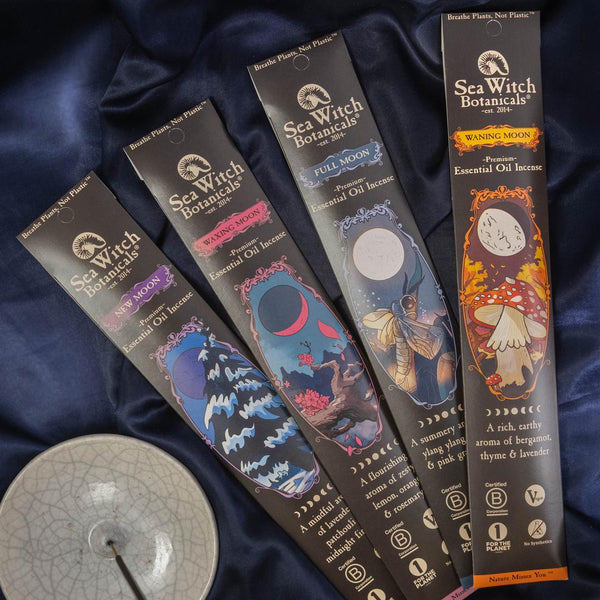
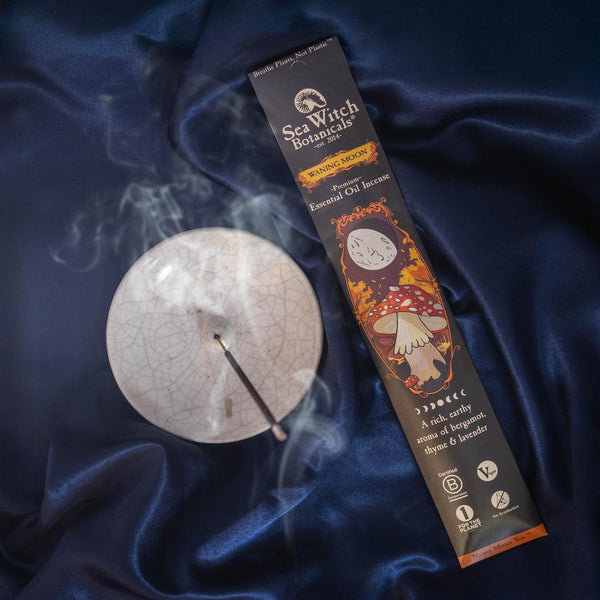
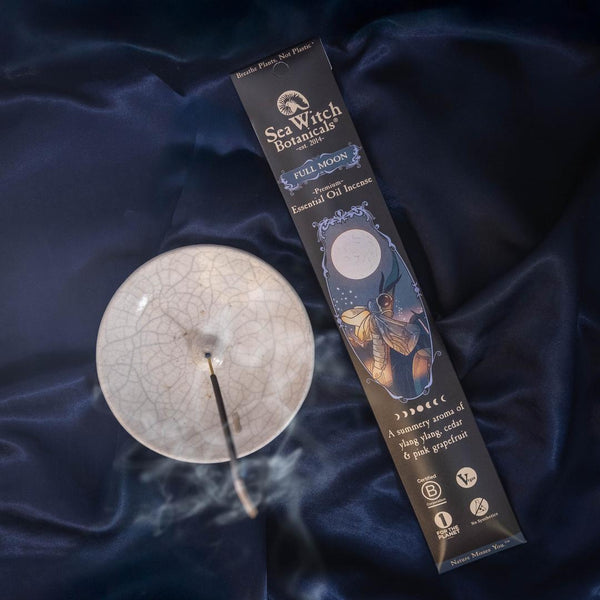
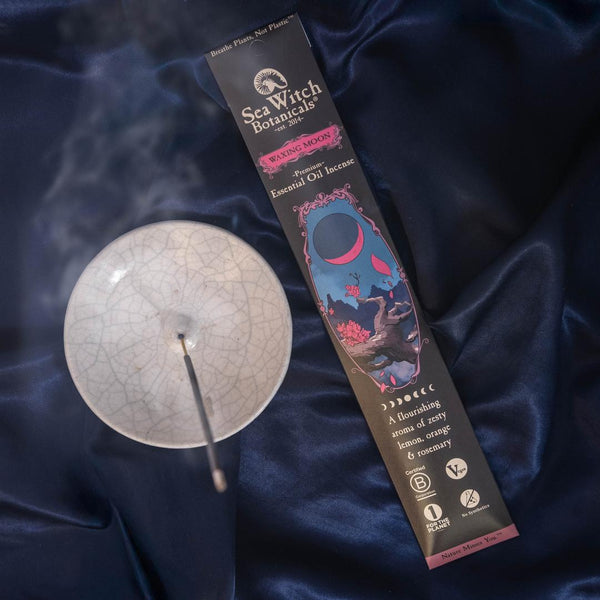
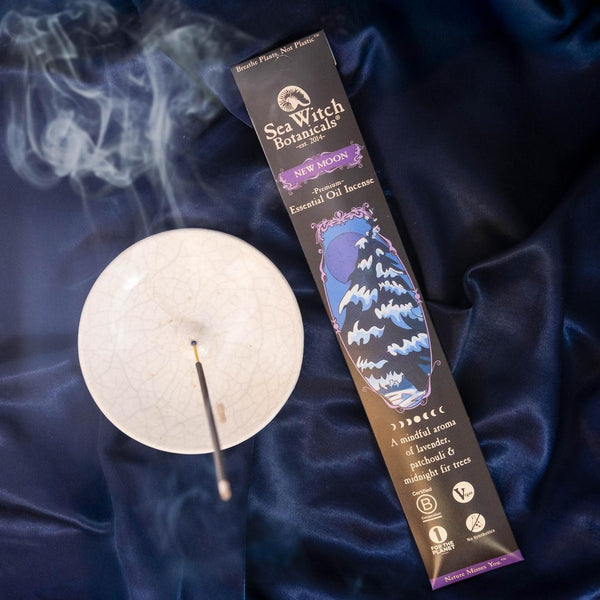
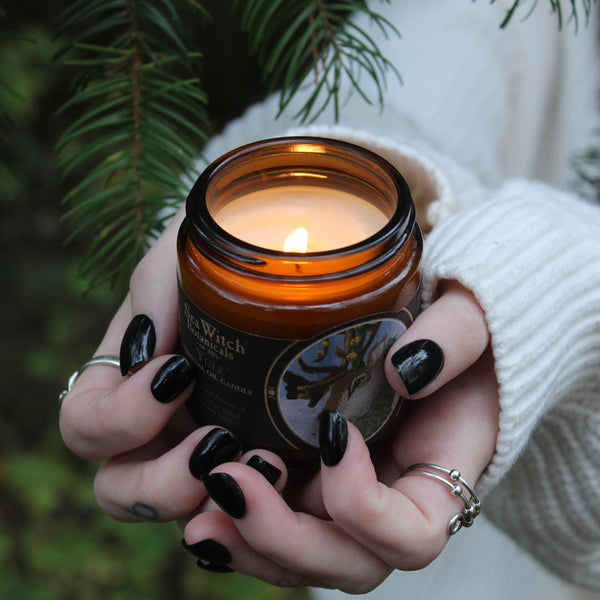
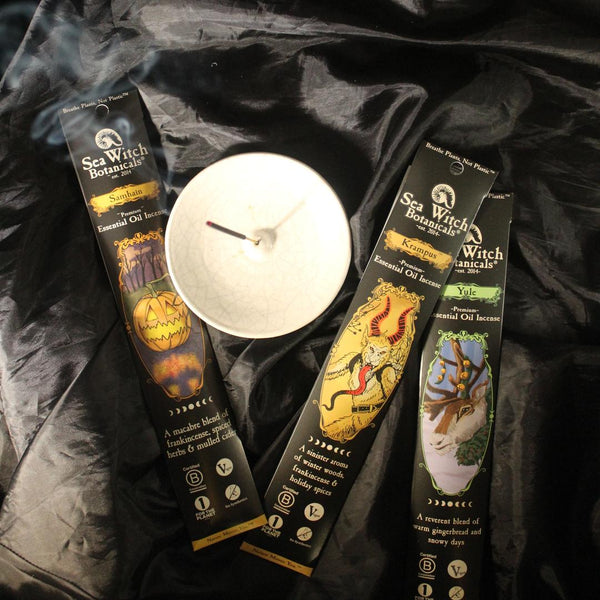
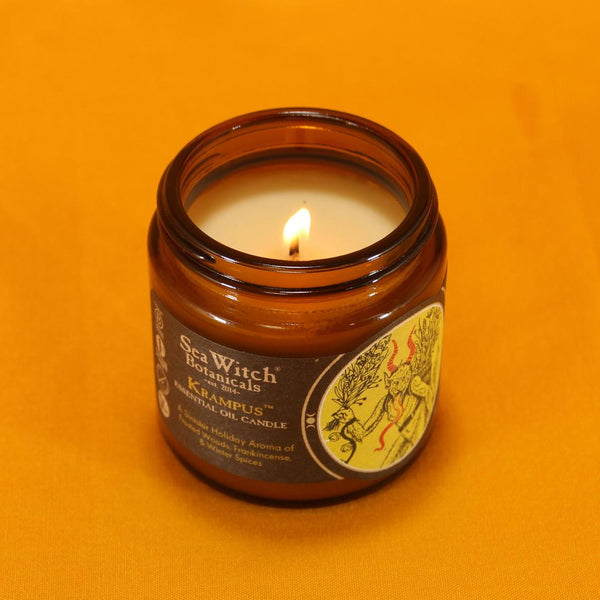
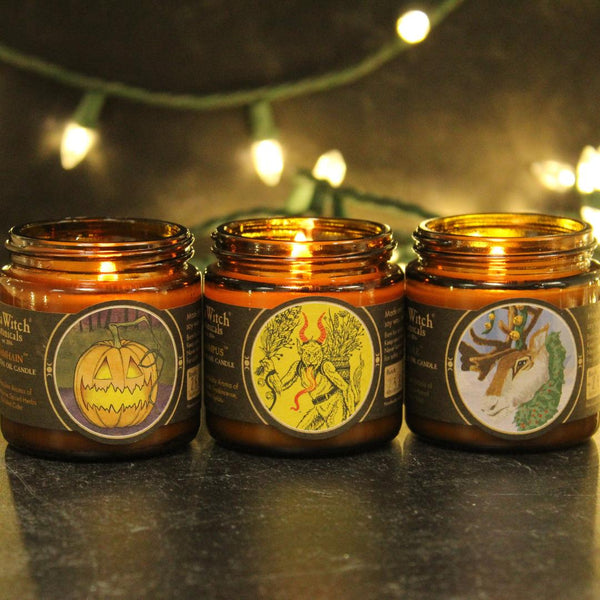
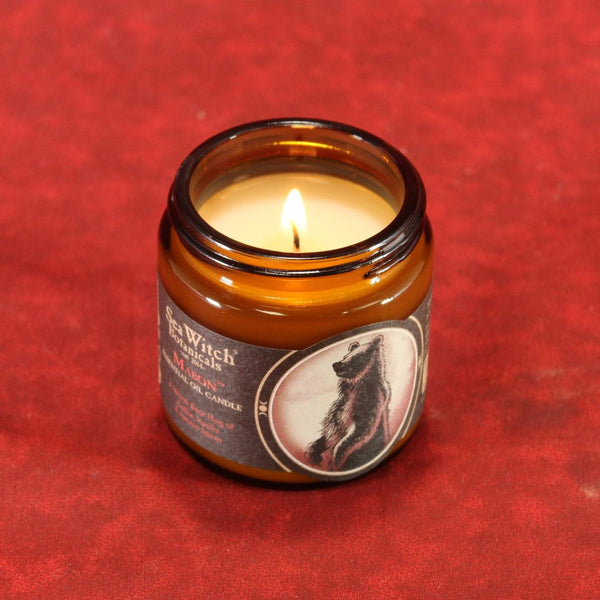
Based in Bellingham, Washington, Sea Witch Botanicals has spent over a decade making incense from nothing but plant matter, resins, and natural binders. No charcoal, no synthetic fragrance, no cutting agents. The result burns slower and differently than conventional sticks, and the Pacific Northwest fragrance palette, including cedar, fir, and rain-wet botanicals, is distinct in a category full of generic floral sameness.

Enter Store

Flora Incense

Botanically precise incense blends that start with the source plant

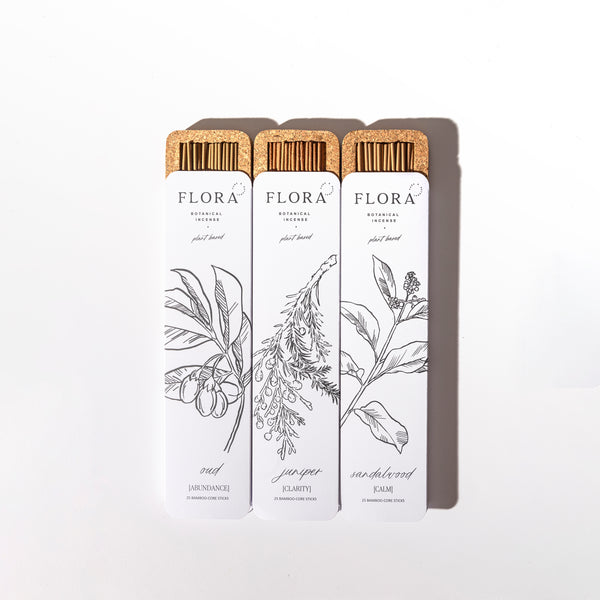
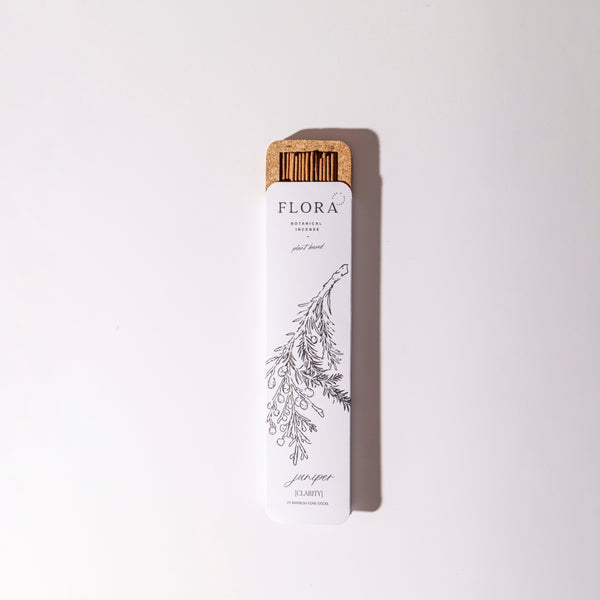
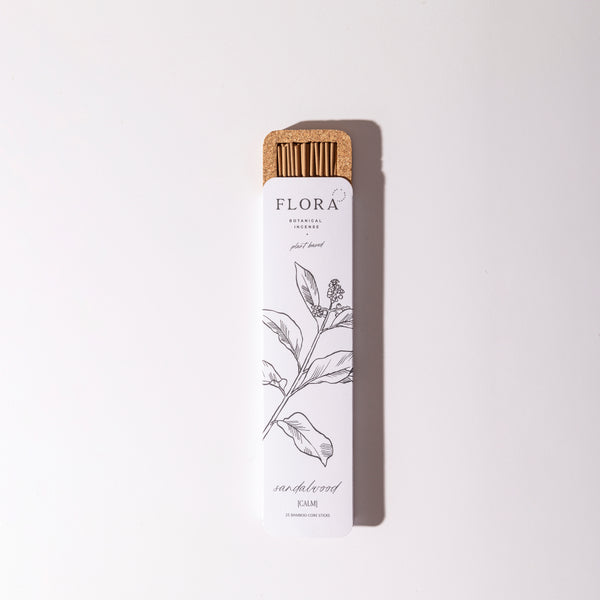
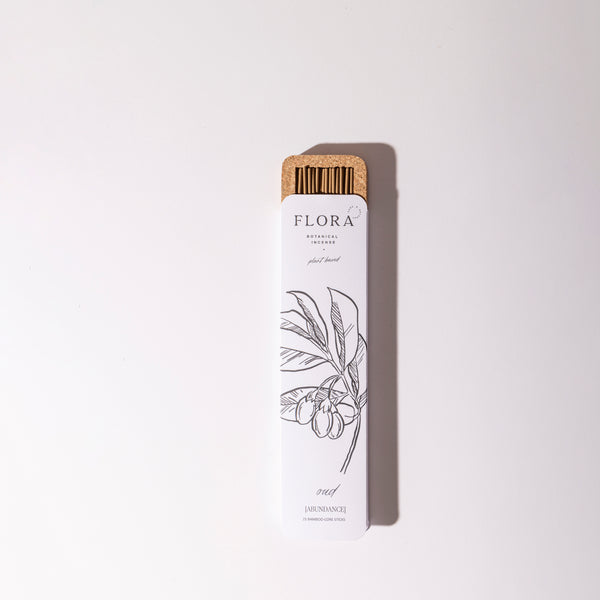
Formulated around actual plant material rather than synthetic reproductions, Flora takes a botanical approach to fragrance that begins with the source. The brand's collections are built around specific aromatic traditions, and the blends reflect that specificity in a way mass-market incense cannot reproduce. Minimal branding and a focused product range signal a brand spending its budget on ingredients rather than packaging.

Enter Store

Maison Louis Marie

New York, NY

French-inspired botanical fragrance objects made in New York

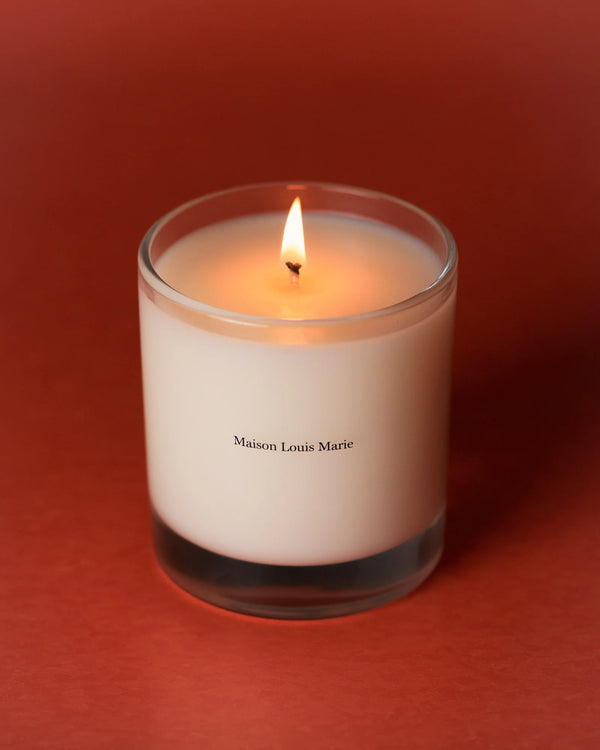
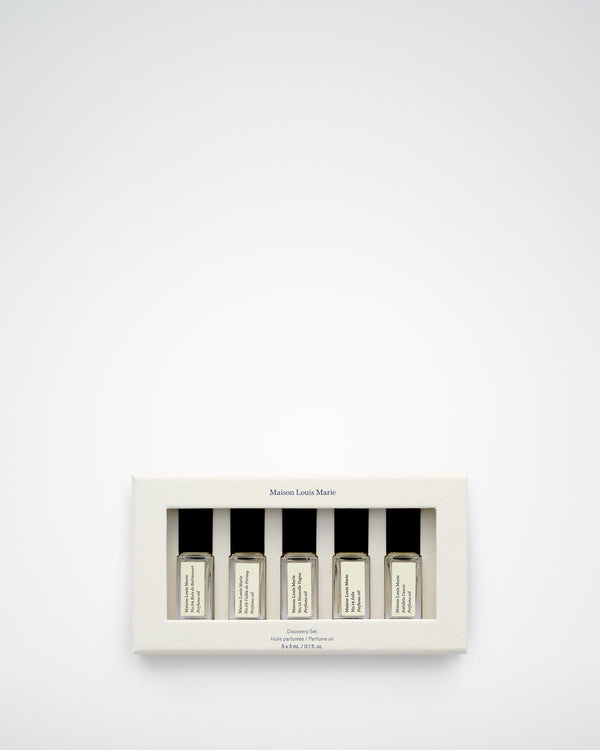
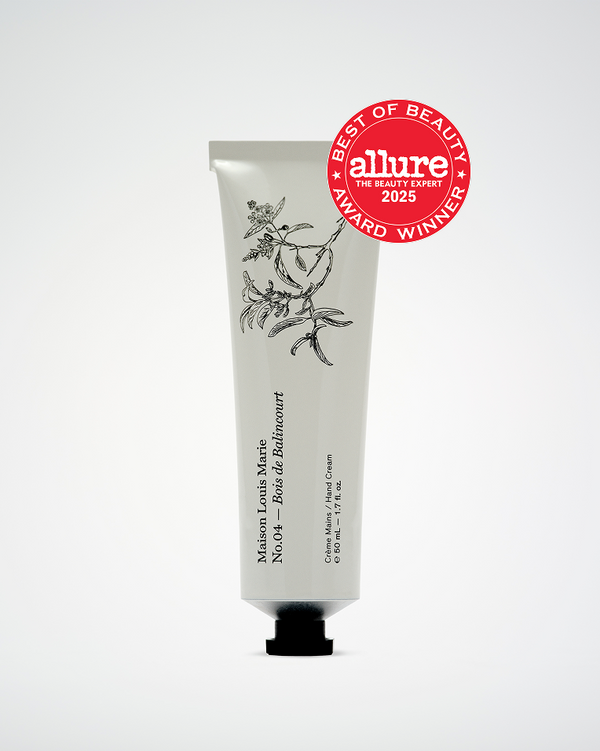
Named after the 18th-century botanist and explorer Louis Marie Aubert du Petit-Thouars, this New York brand draws on classical perfumery traditions to build candles, fragrances, and incense with a distinctly Parisian restraint. The fragrance palette favors forest floors, cold stone, and green stems over the amber-heavy warm notes that dominate the wellness market. Spare branding, and the products justify the confidence.

Enter Store

Shoyeido

Kyoto, Japan

Kyoto incense house operating continuously since 1705

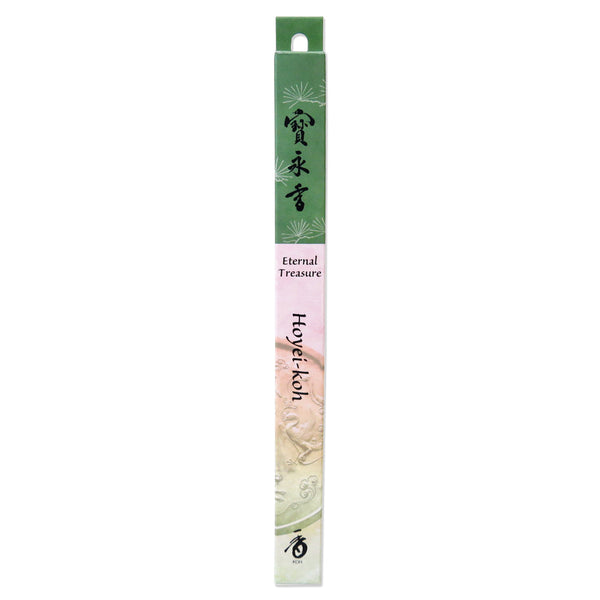
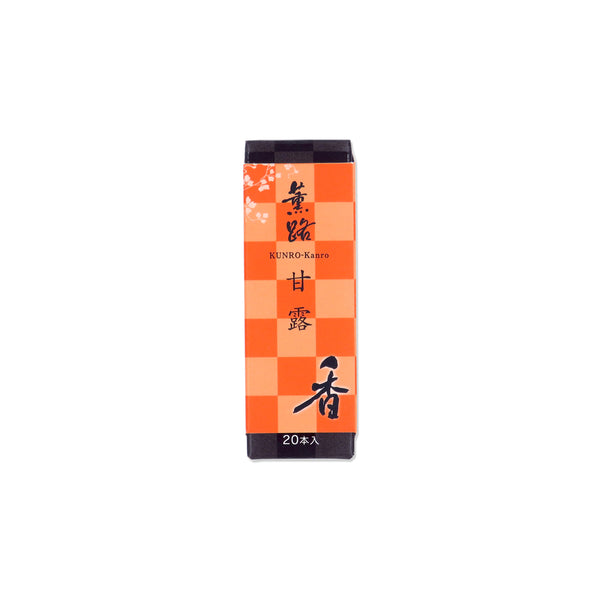
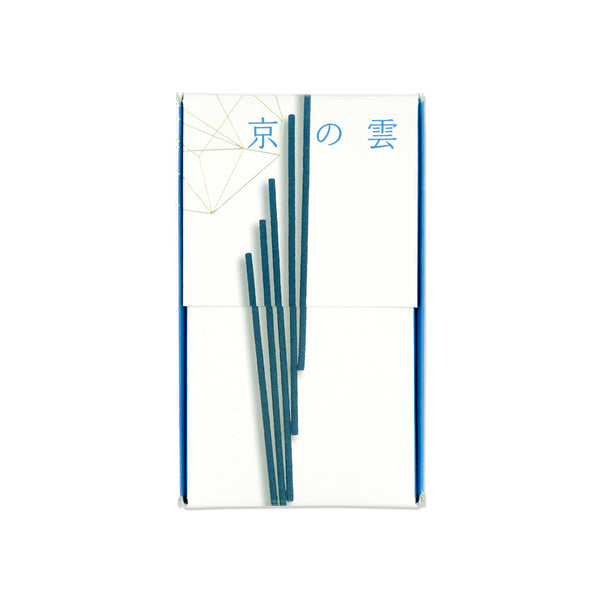
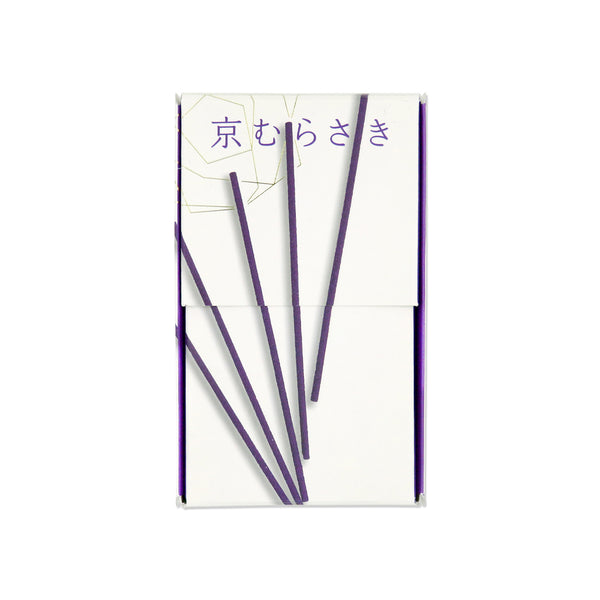
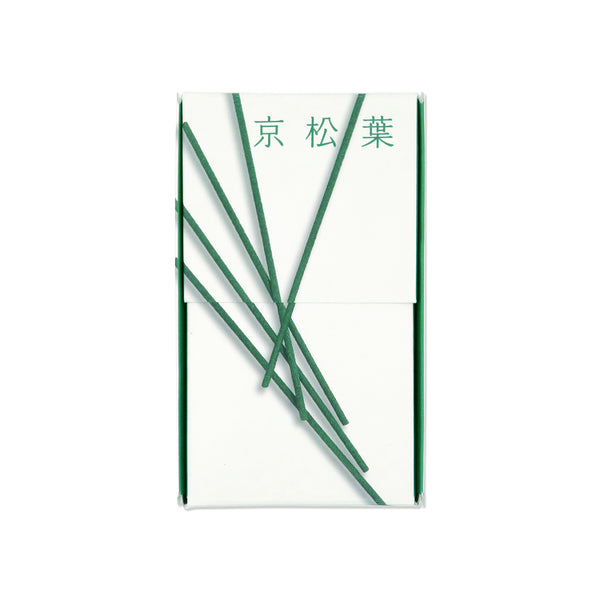
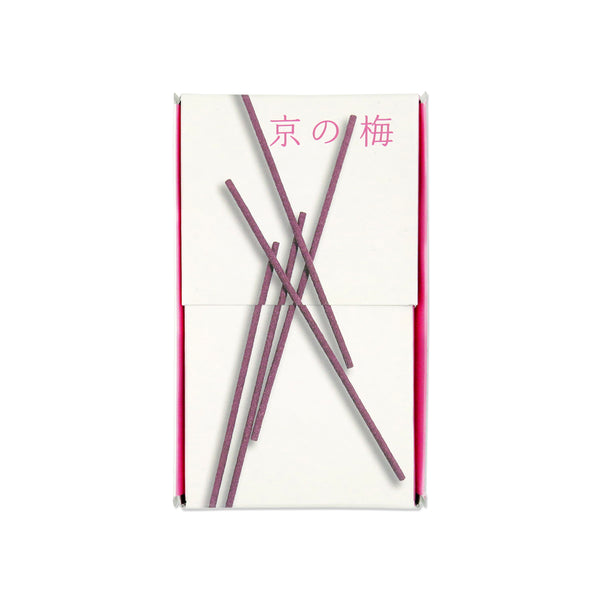
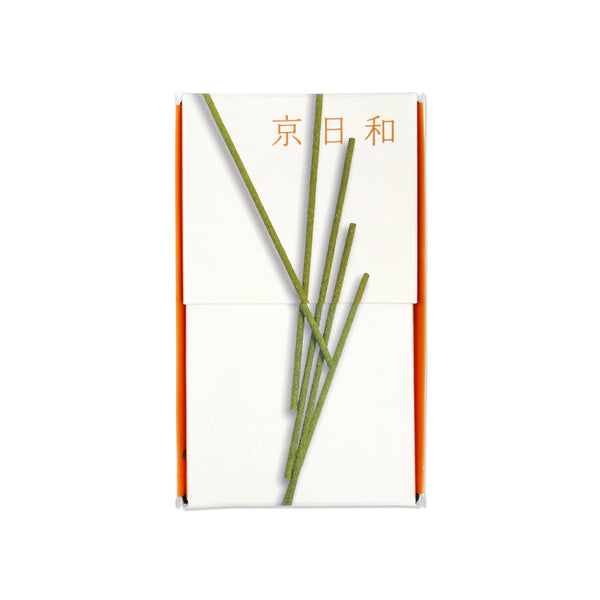
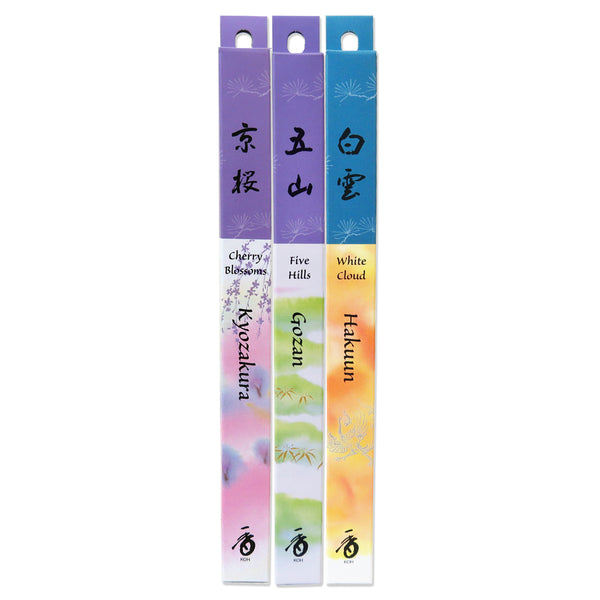
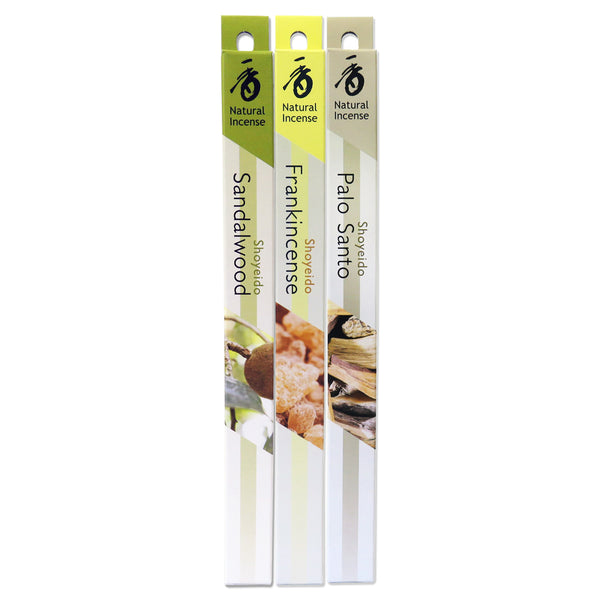
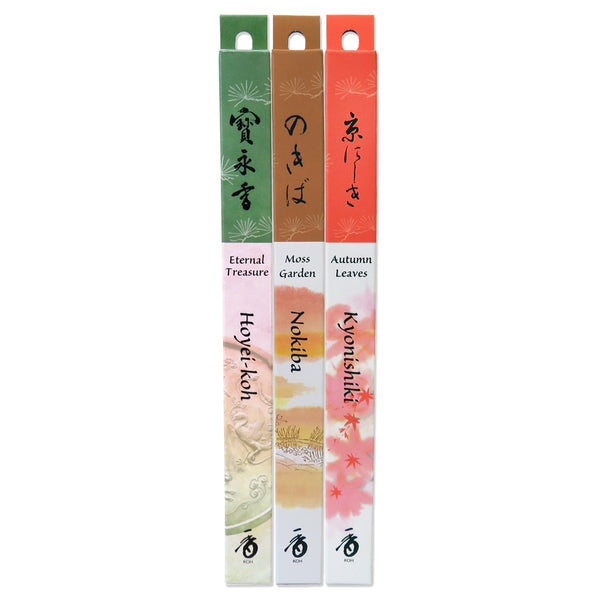
Family-owned and continuously operated since 1705, this Kyoto house has produced incense for the imperial household and everyday use across multiple centuries of Japanese history. Production uses Jinko (agarwood) and other premium materials aged for years before blending, a process that cannot be accelerated or substituted. No other incense brand in the world carries the same depth of institutional knowledge about how fire and wood smoke interact over time.

Enter Store

About This District

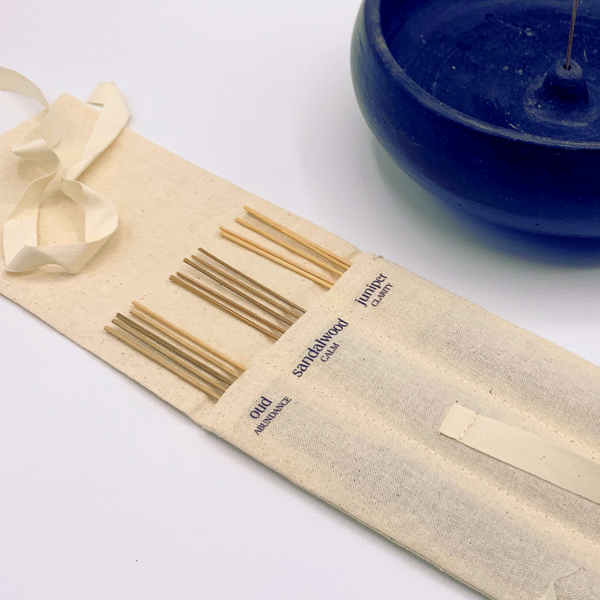
Artisan incense separates into two production traditions: East Asian stick and coil formats, where the incense material is kneaded into a paste and formed directly without a bamboo core, and Western botanical sticks, where plant matter and resins are bound onto a stick or formed into cones. The difference matters because bamboo-core incense burns the wood along with the incense material, adding a woody note that is not always desirable and producing more particulate smoke. Japanese incense houses like Shoyeido use the kneaded technique and typically include Jinko (agarwood) and other rare materials sourced and aged for years before production. The result burns cooler and more cleanly, and the scent complexity is different from Western botanical incense. For daily use, Japanese incense tends to be more precisely reproducible from stick to stick. Western botanical incense like Sea Witch Botanicals and Higher Mind prioritizes regional and seasonal ingredients, which creates more variation between batches but a stronger sense of origin. Cedar, fir, and high-altitude herbs produce scents that are distinctly tied to geography in a way that imported Japanese incense is not. When selecting artisan incense, consider the room size and ventilation. A single stick is enough for a small bedroom; large open spaces may benefit from coil formats that burn longer. Avoid burning incense in low-ventilation spaces for extended periods regardless of ingredient quality.