Mint Districts Home

The Best Artisanal Candle Brands Worth Burning in Your Home

Most candles do one thing: they make a room smell like something. The better ones are more specific than that. They make a room smell like a specific coastal highway at dusk, or a particular memory of a kitchen, or a forest floor after rain in a way that synthetic pine never quite captures. Independent candle brands figured out years before big retailers did that fragrance is personal, and that the mass-market approach of making something broadly inoffensive was the wrong play. The six brands here are making artisanal candles with real fragrance programs, distinct visual identities, and wax formulas that burn cleanly through the last inch.

Home · 6 Brands

The Artisanal Candle District

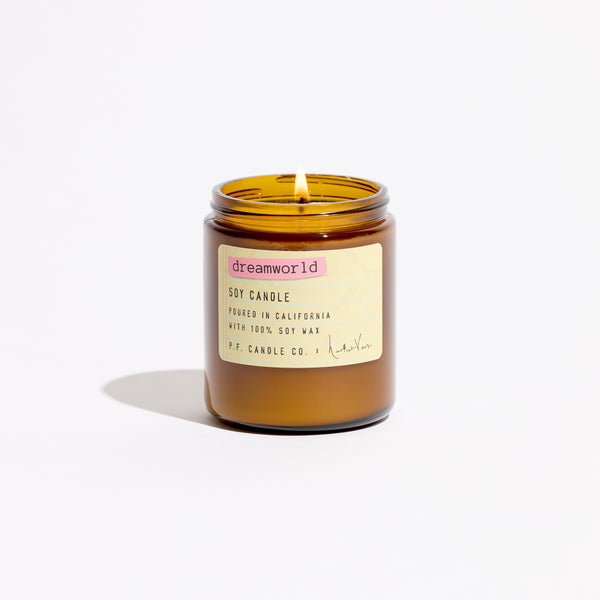
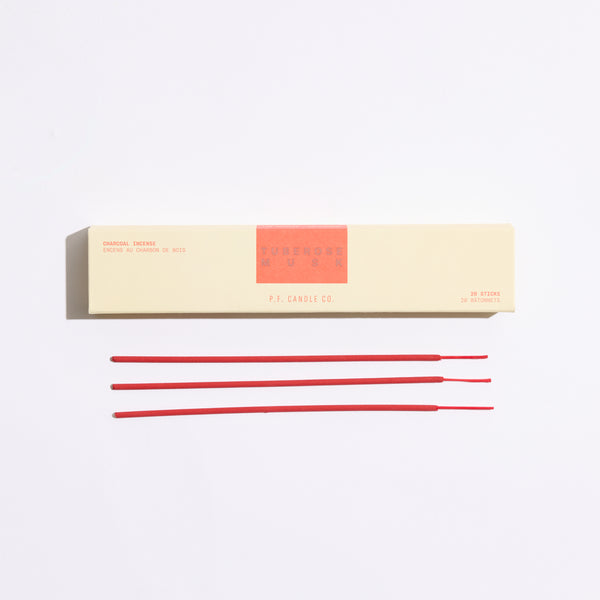
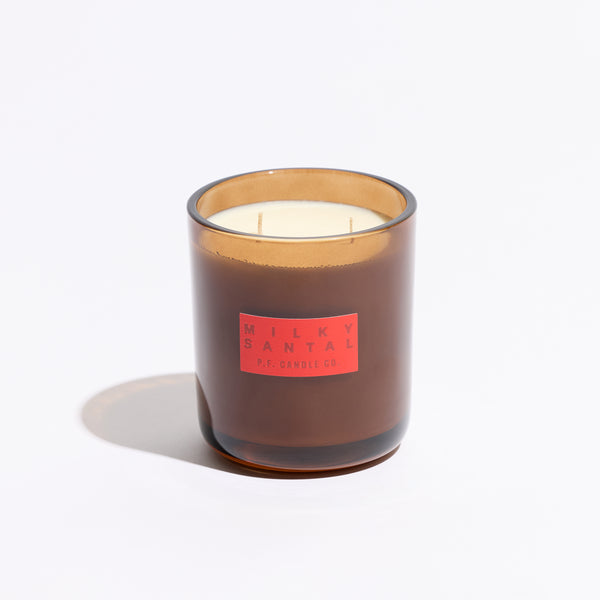
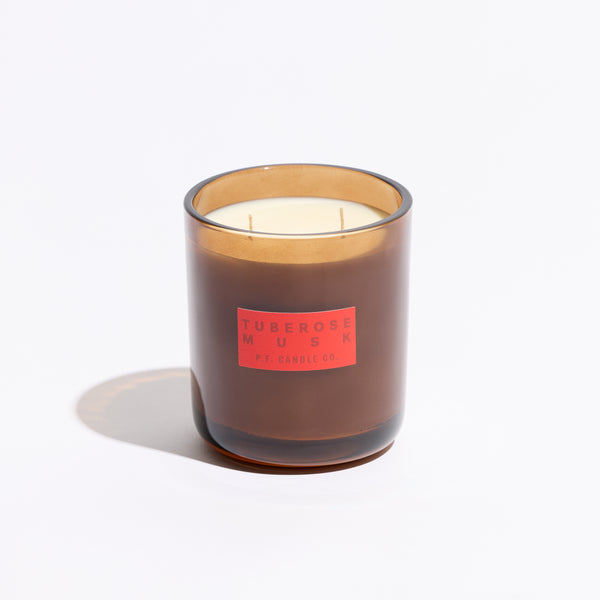
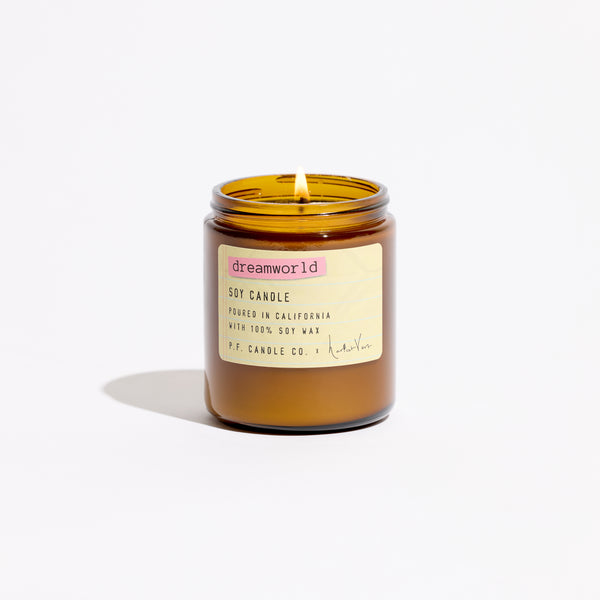
P.F. Candle Co.

Los Angeles, CA

Soy wax candles with the scent vocabulary of a California road trip

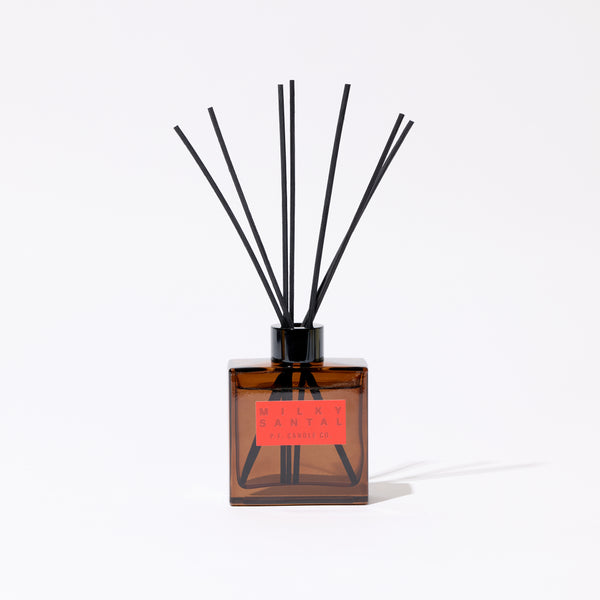
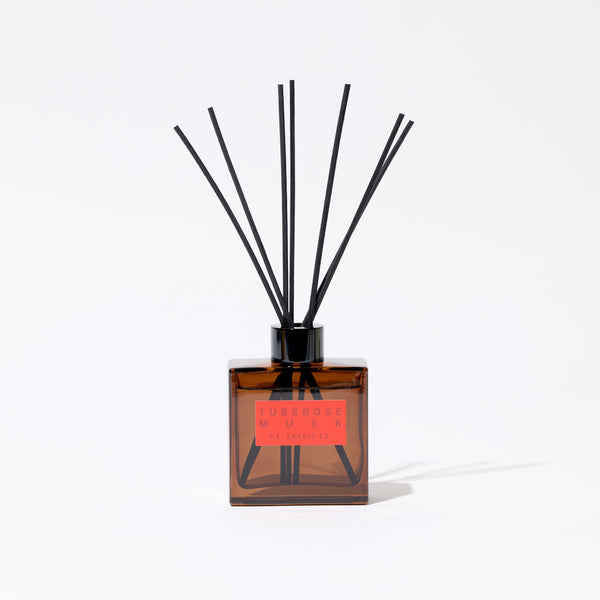
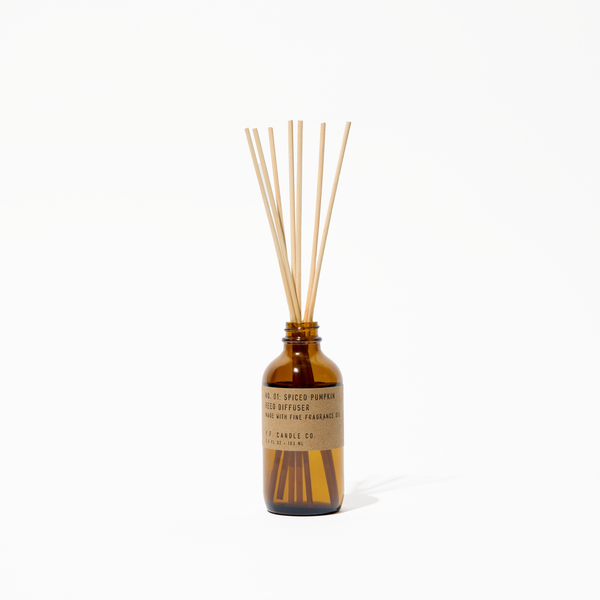
What started as an Etsy shop in a Los Angeles apartment became known for candles that smell like specific places and moments rather than generic floral categories. The amber glass jars and wood wick design are so consistent that recognizing a P.F. Candle on a shelf is immediate.
Enter Store

Boy Smells

Los Angeles, CA

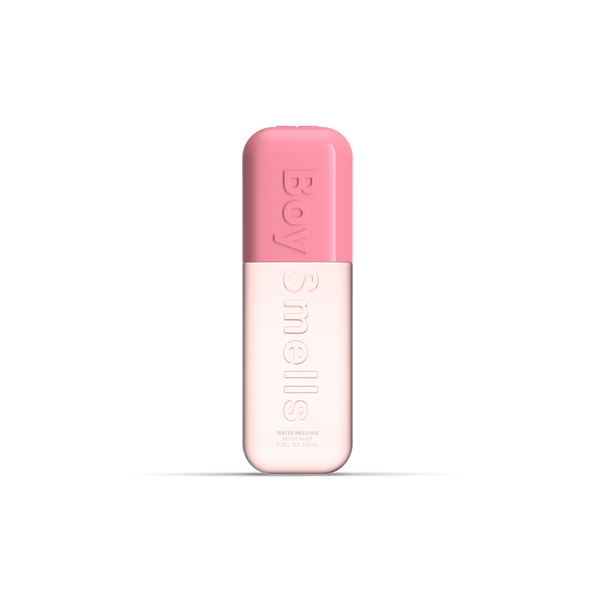
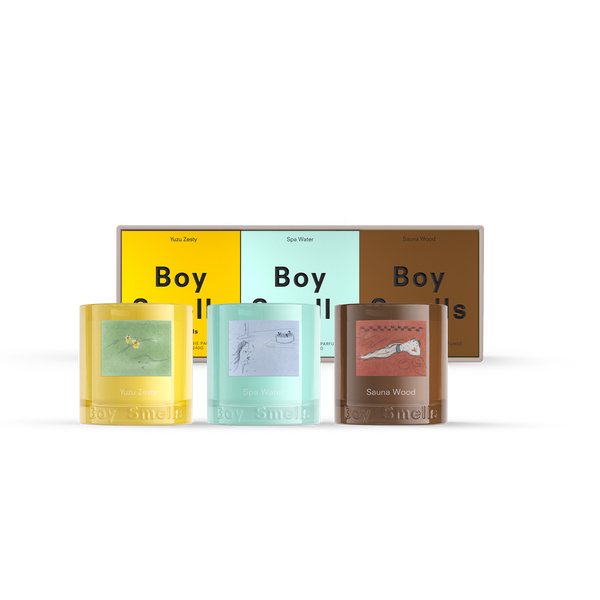
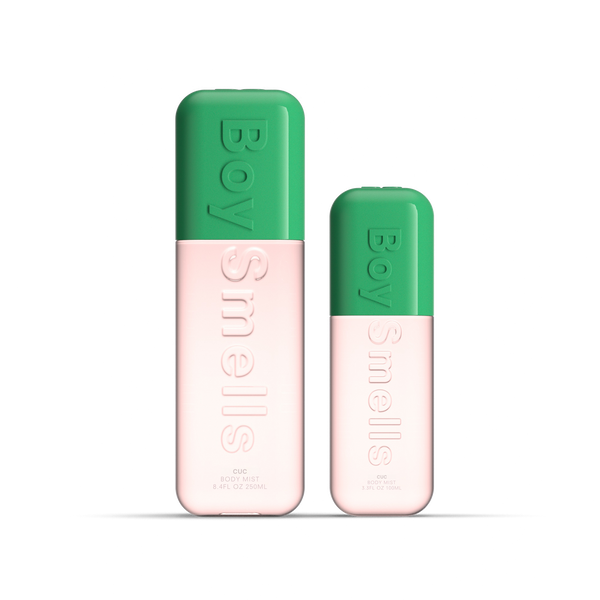
Beeswax coconut blend candles that ignore gender conventions in fragrance

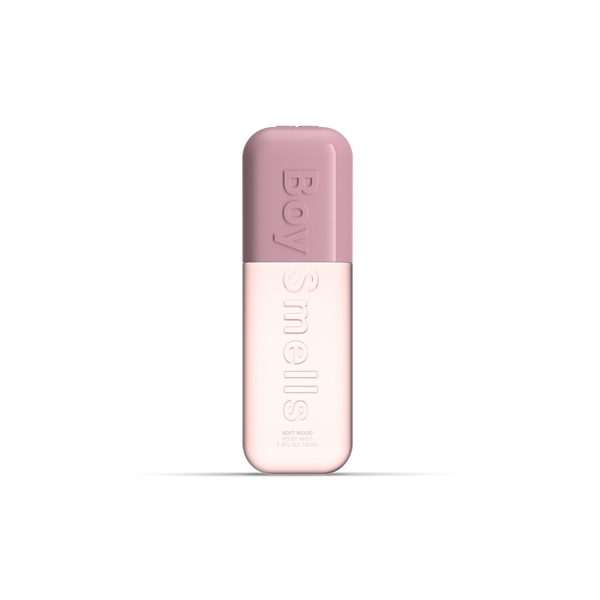
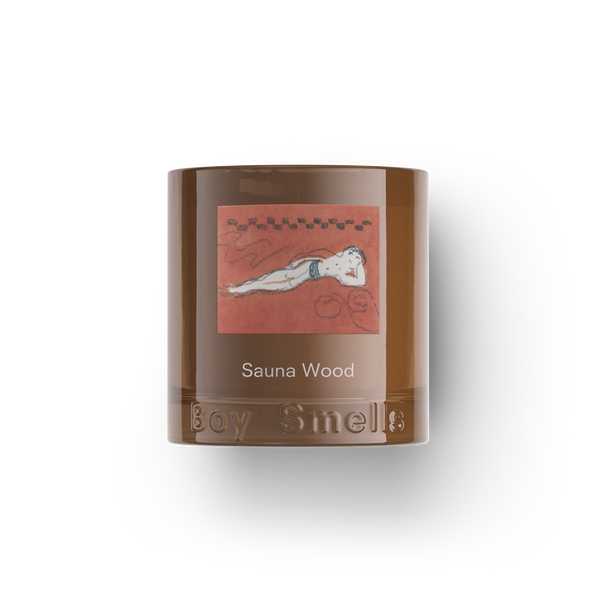
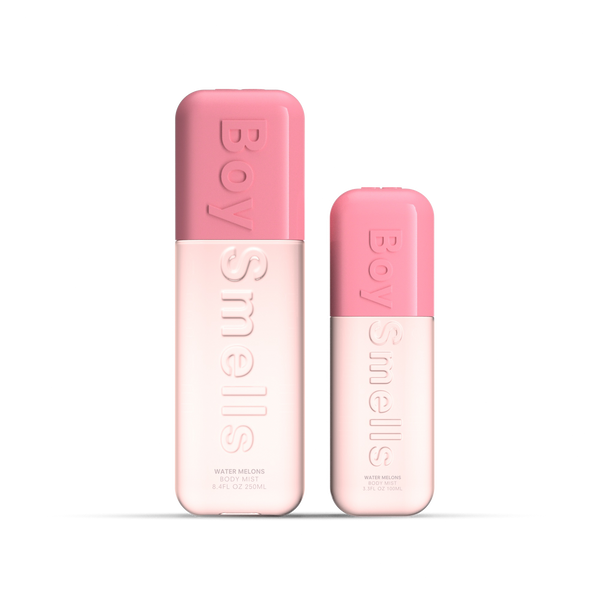
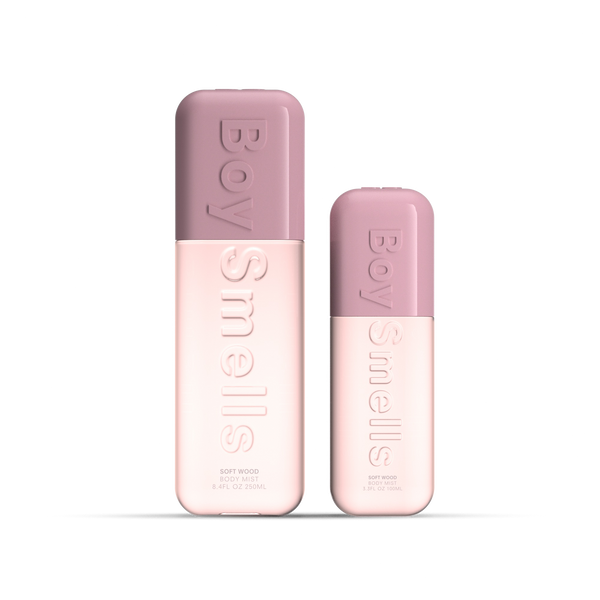
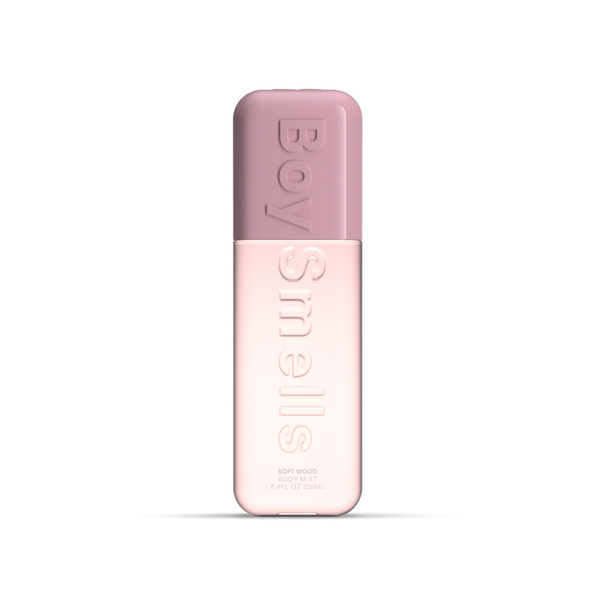
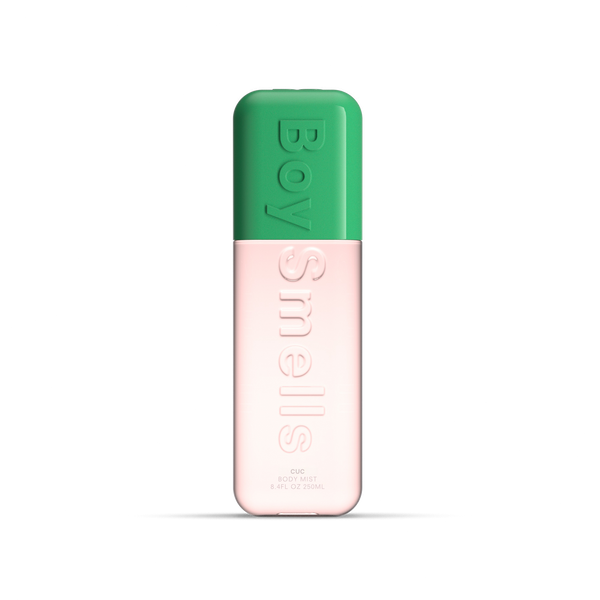
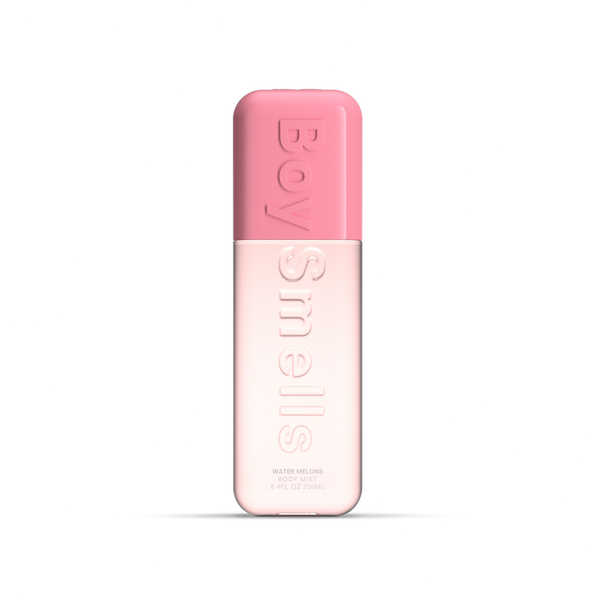
Two partners started Boy Smells in a West Hollywood apartment to make candles that did not smell like either a spa or a sports locker room. The incense-meets-floral fragrance palette earned a cult following before the brand ran a single paid ad.

Enter Store

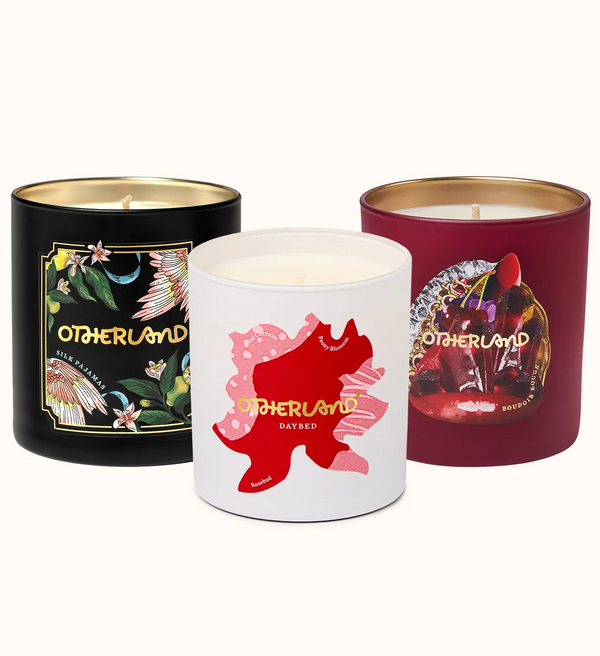
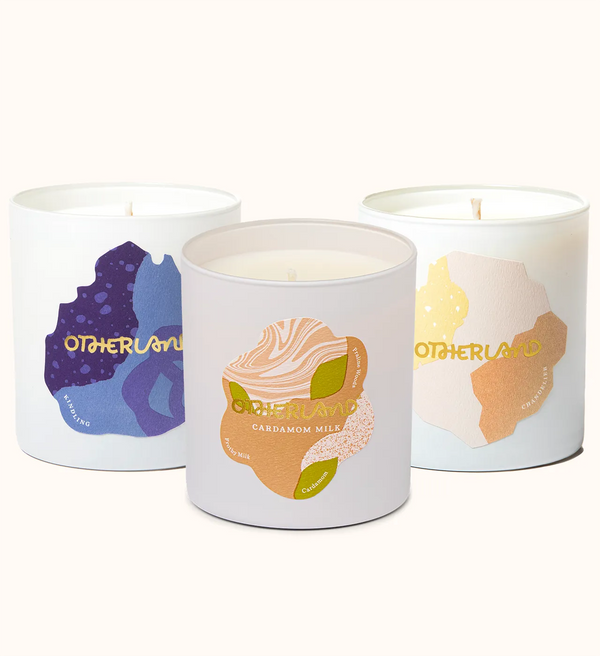
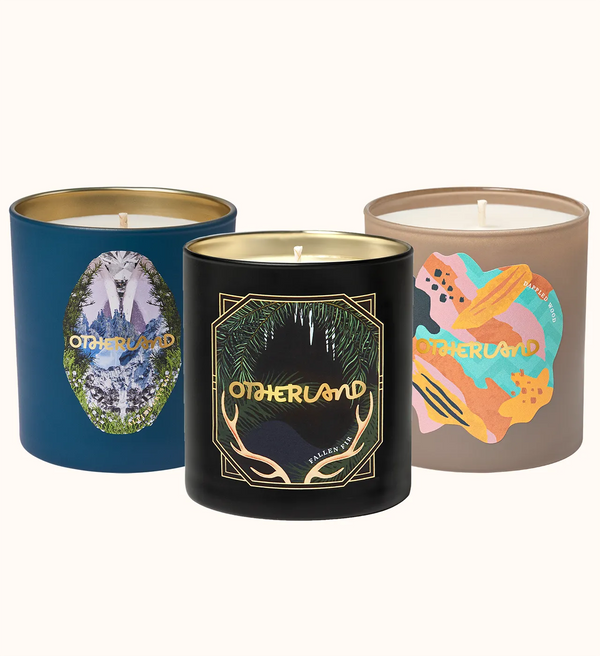
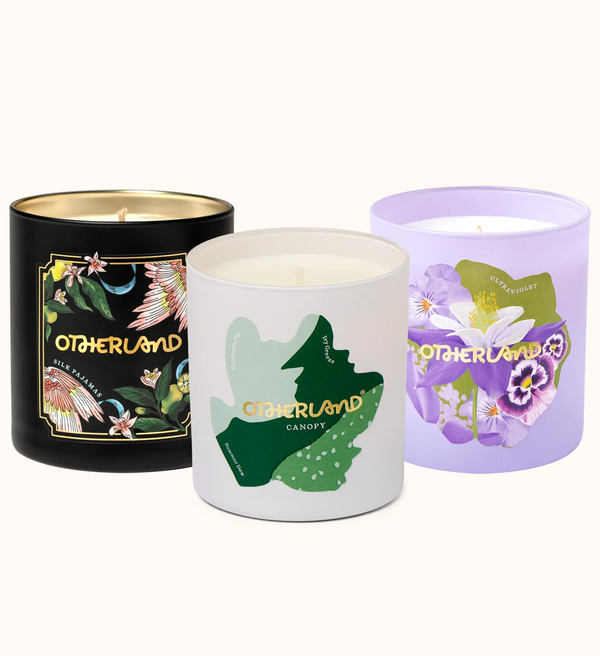
Otherland

New York, NY

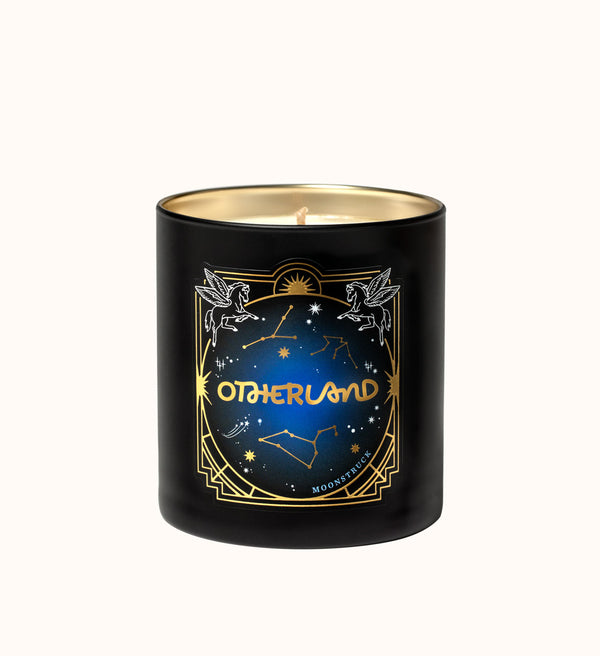
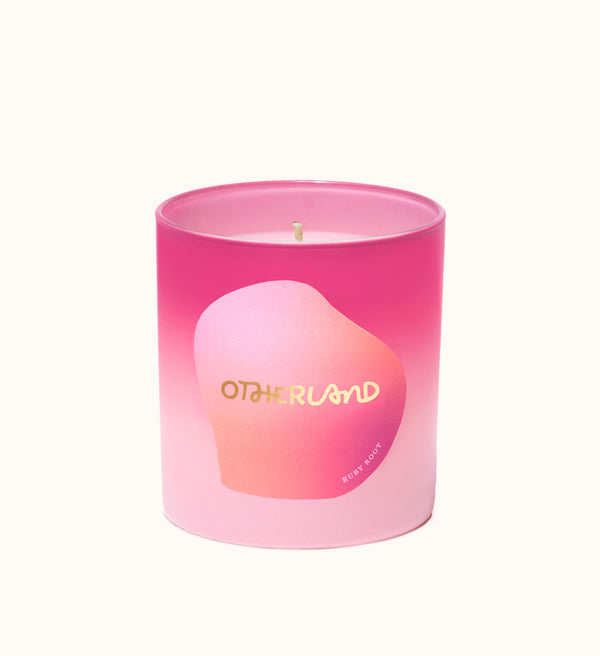
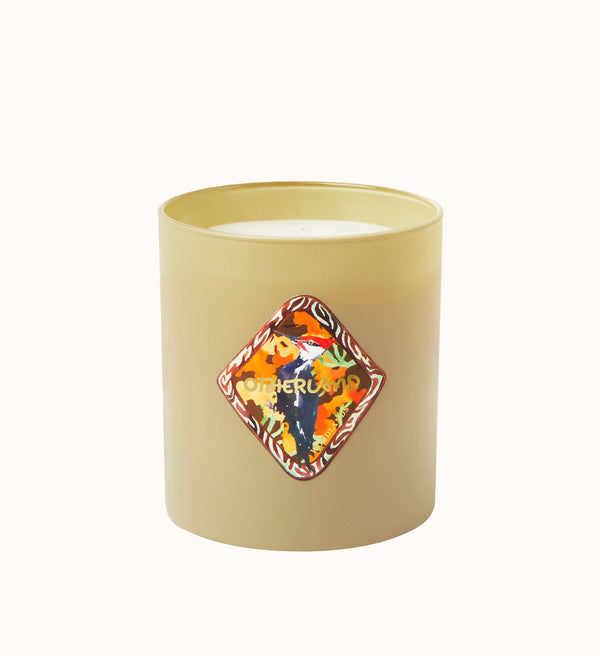
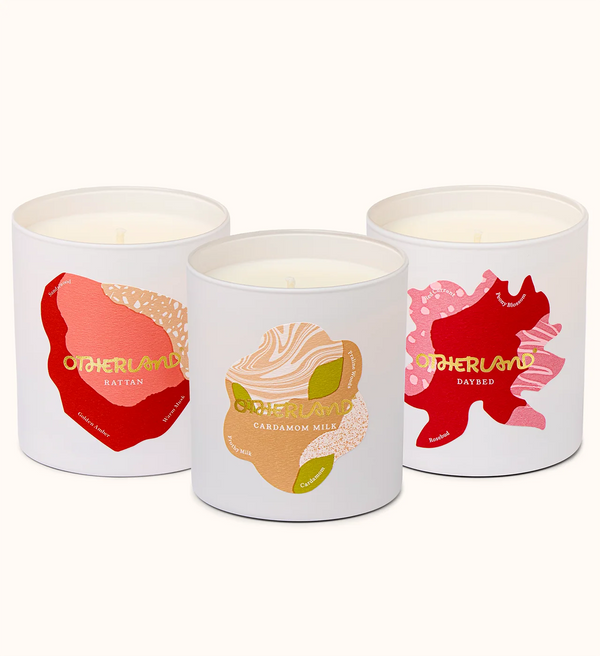
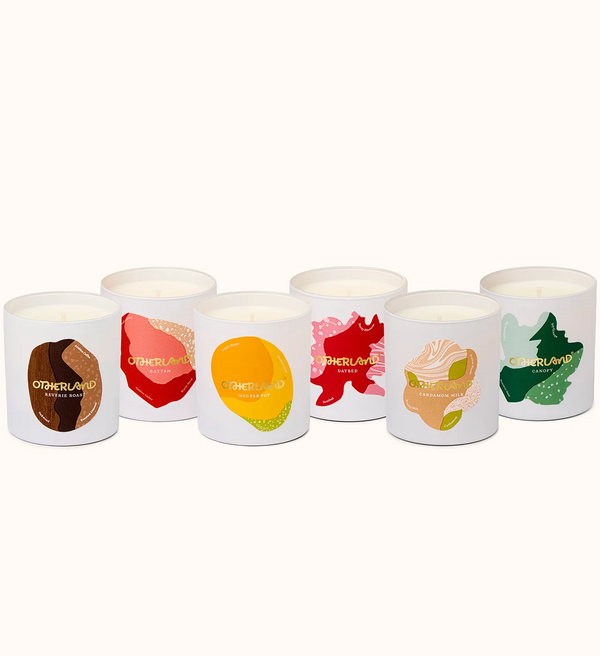
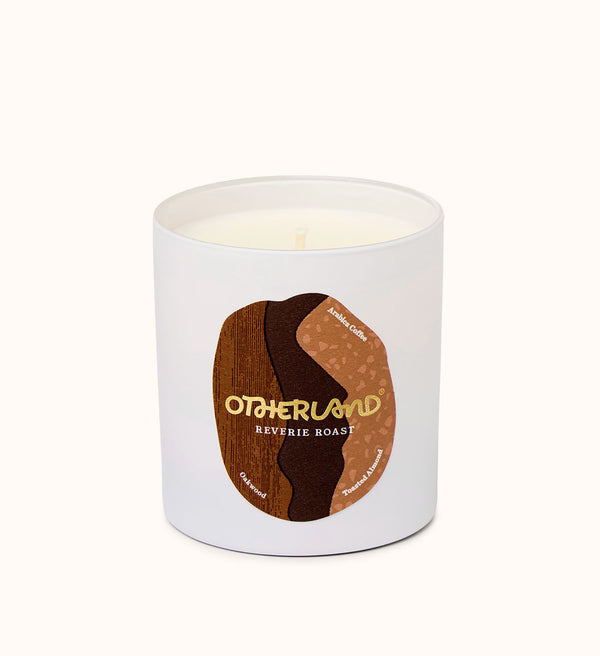
Artist-designed candles built for shelves that people actually look at

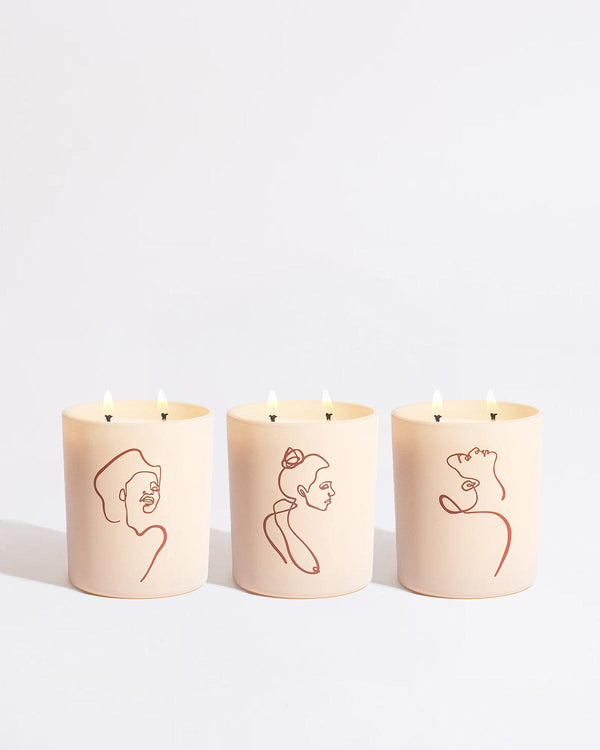
Otherland came out of the art world with a specific goal: make candles with the same visual consideration as the rest of a well-designed interior. The brand works with artists on label design and formulates complex fragrance blends that do not reference anything already on the market.

Enter Store

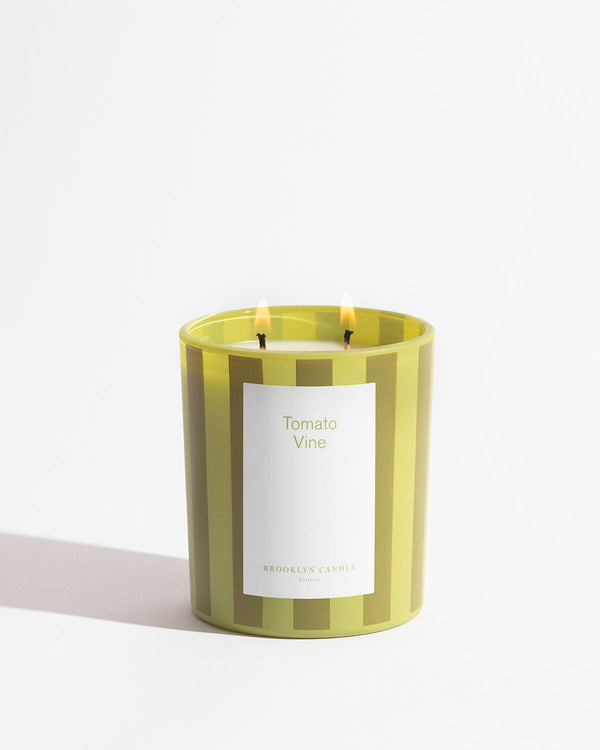
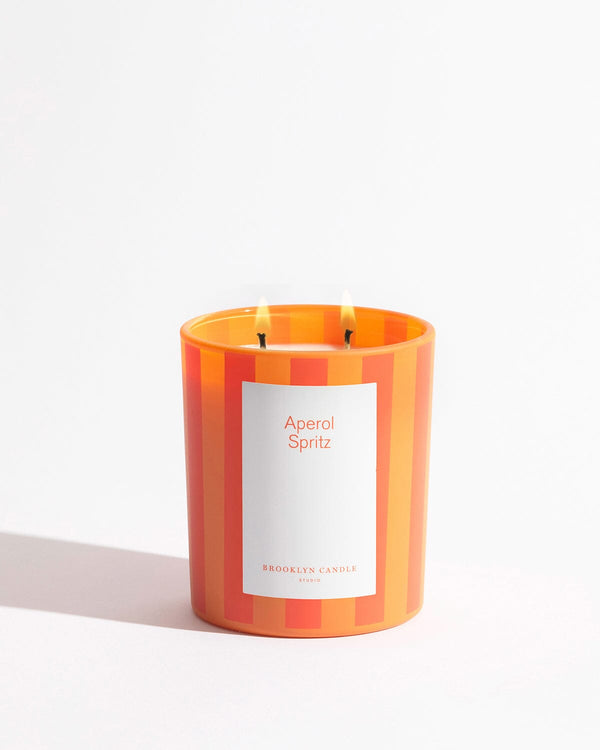
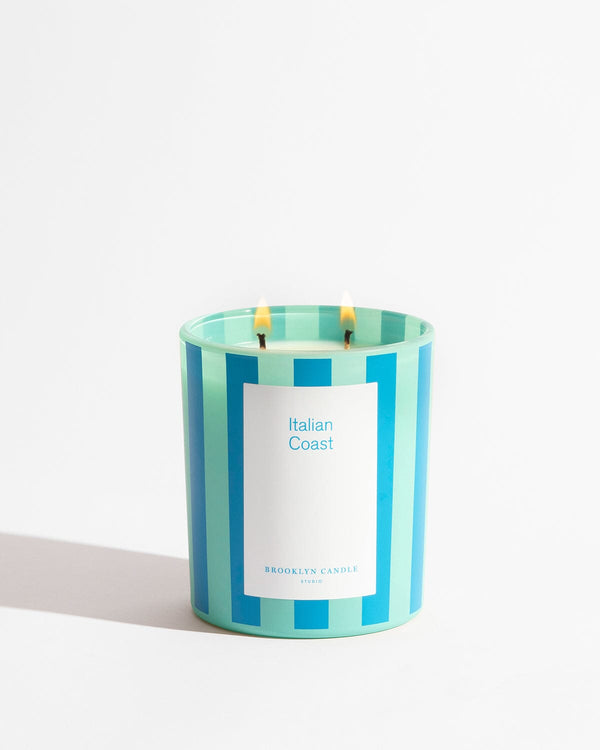
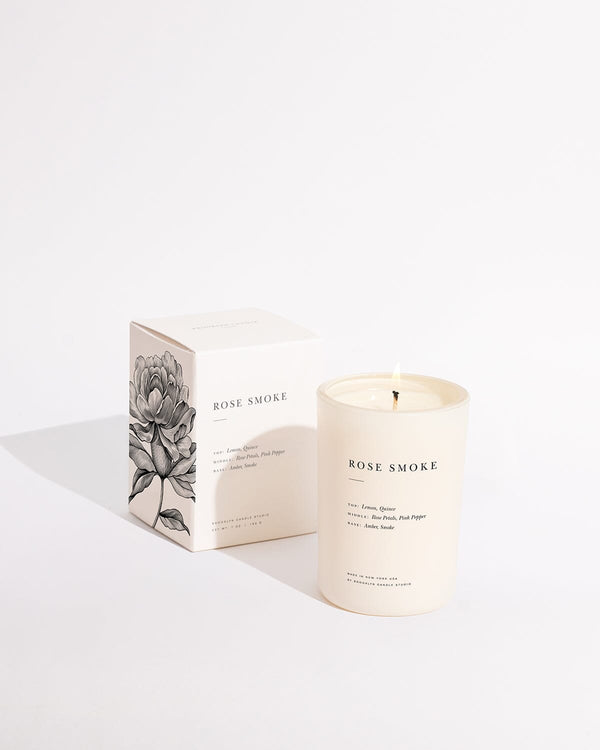
Brooklyn Candle Studio

Brooklyn, NY

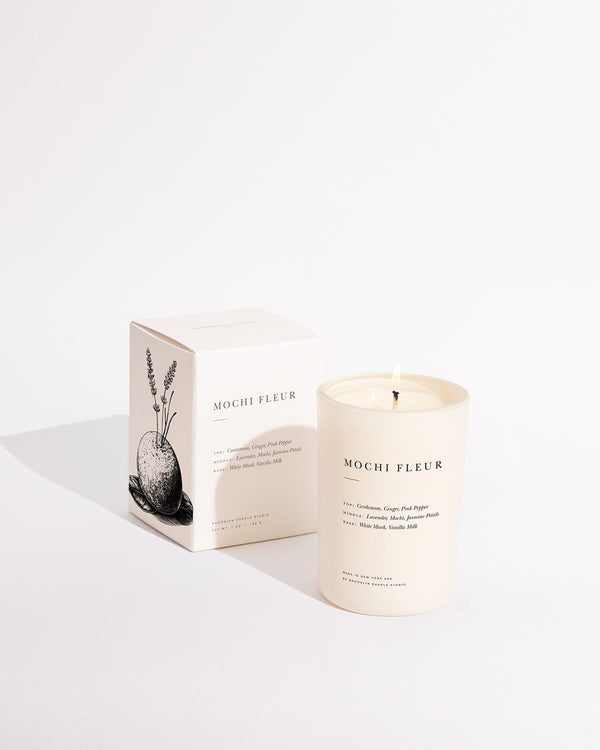
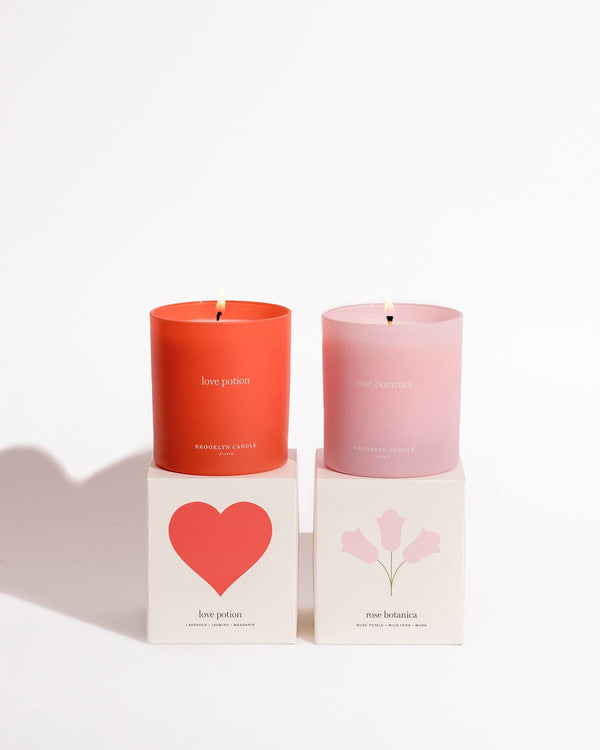
Minimalist soy candles rooted in Scandinavian design sensibility

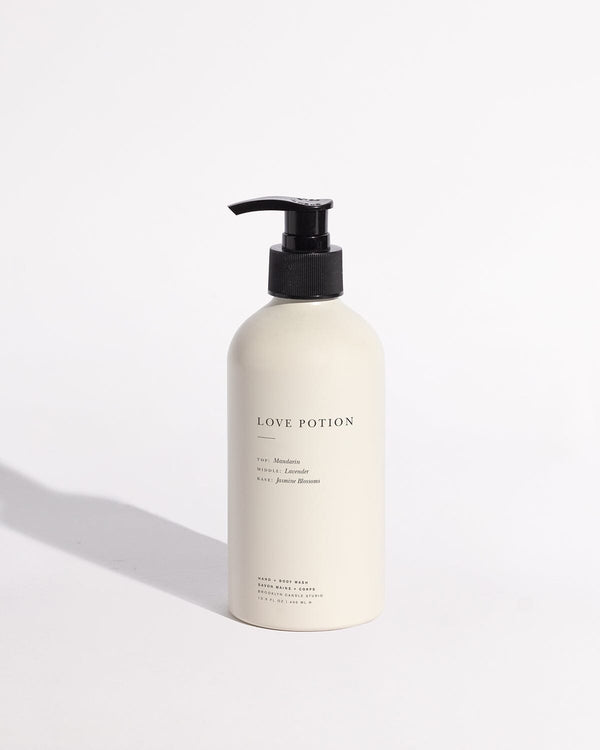
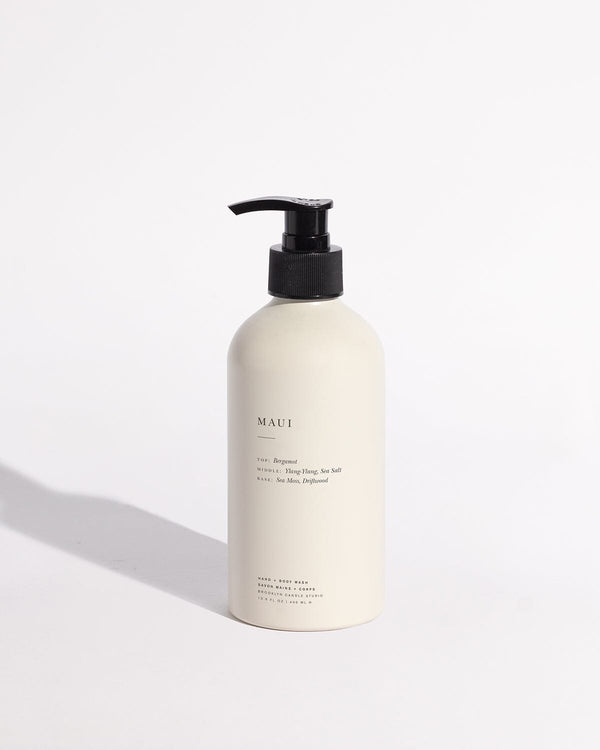
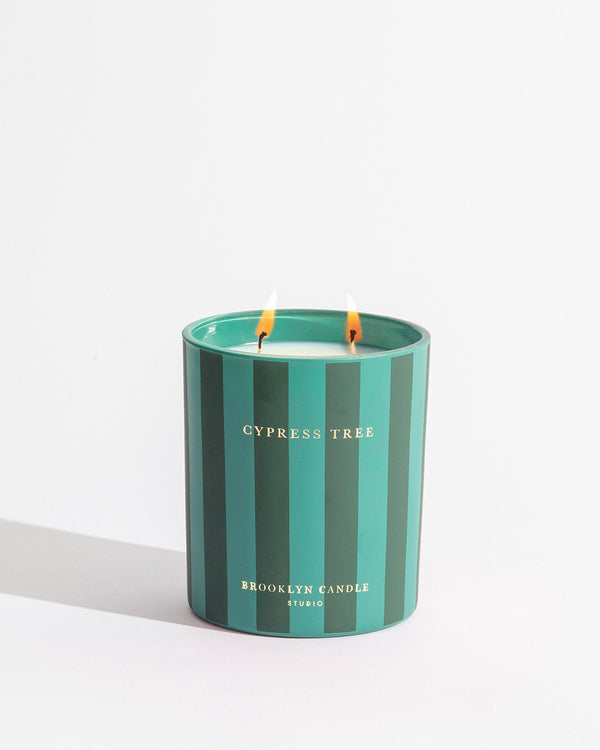
A former marketing executive who could not find a candle she actually liked started Brooklyn Candle Studio in her apartment. The brand leans into clean aesthetics, stripped-back packaging, and soy wax formulas that burn without leaving black soot on the interior of the glass.

Enter Store

Keap Candles

Brooklyn, NY

Subscription candles designed around curiosity rather than loyalty

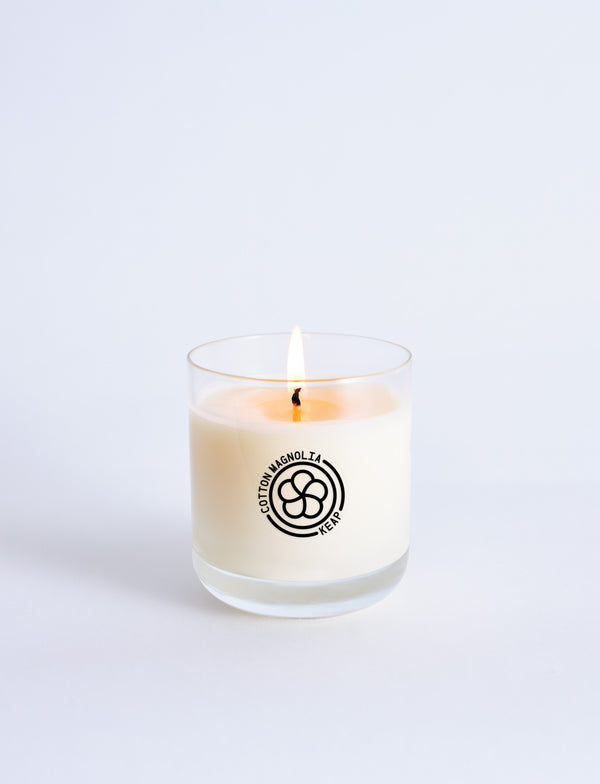
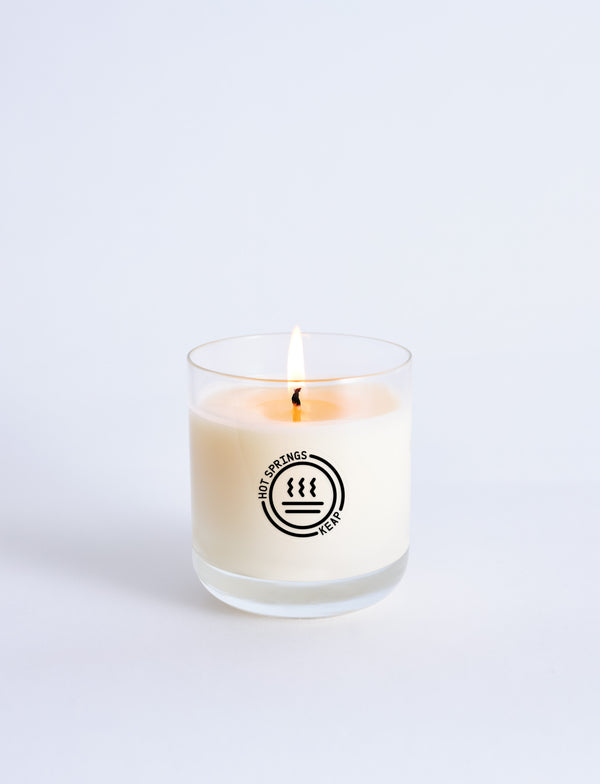
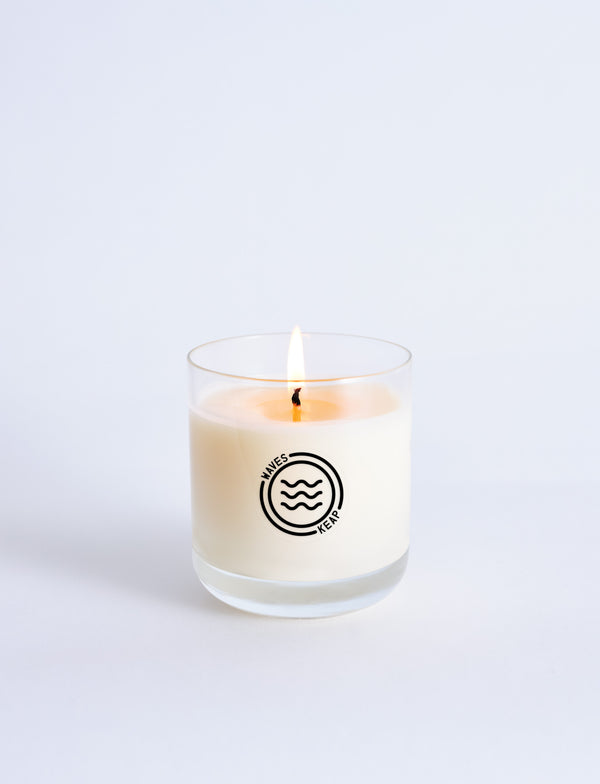
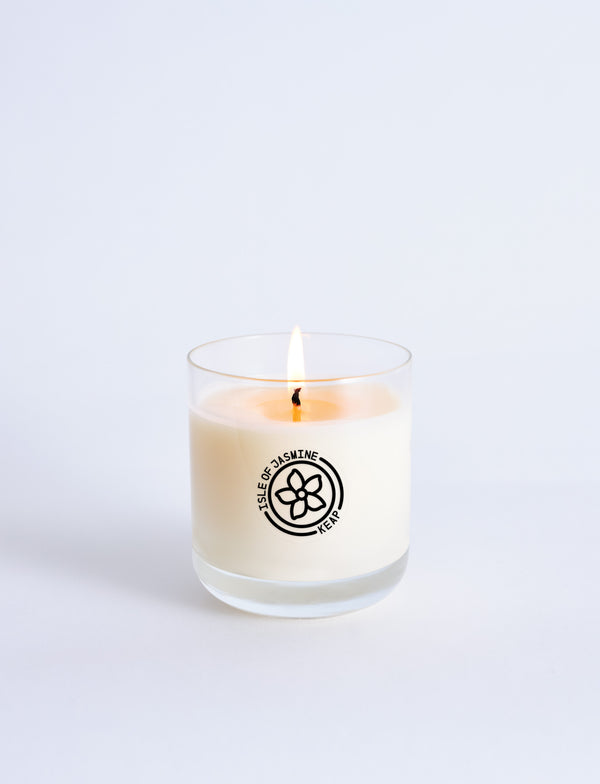
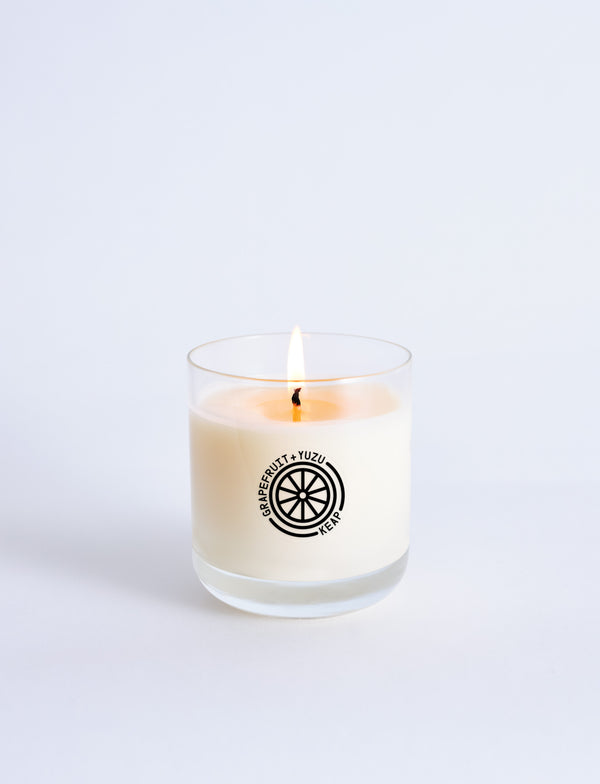
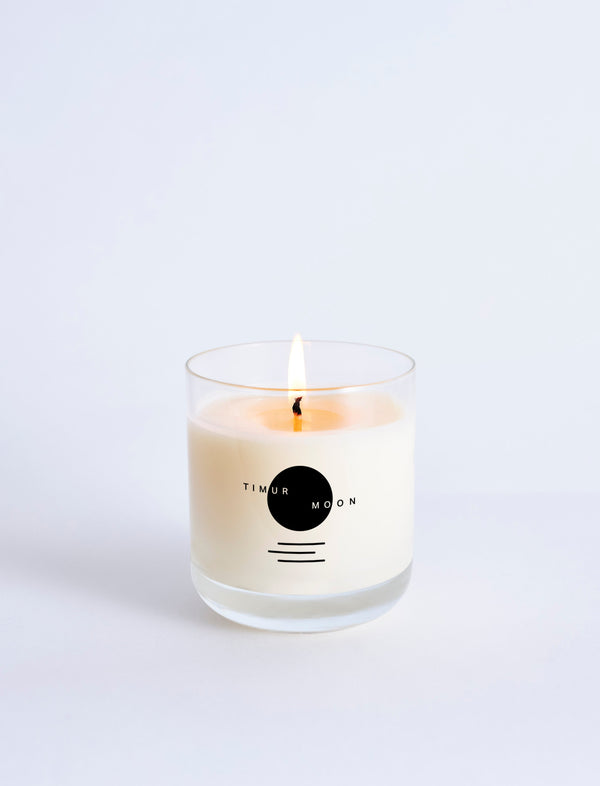
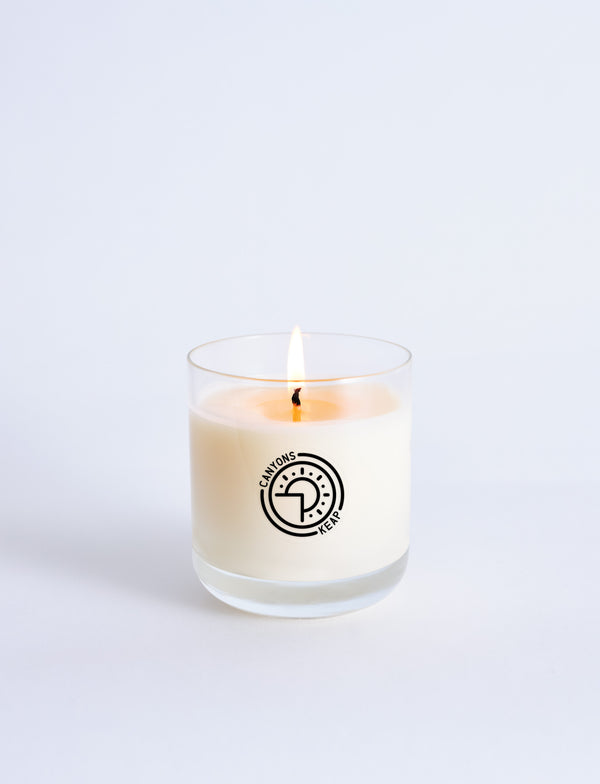
Keap started as a subscription candle brand with a genuine point of view: the best way to experience fragrance is to get a new one each month, not to reorder the same scent until the end of time. Their original fragrance program and curation approach attracts people who actually want to be surprised.
Enter Store

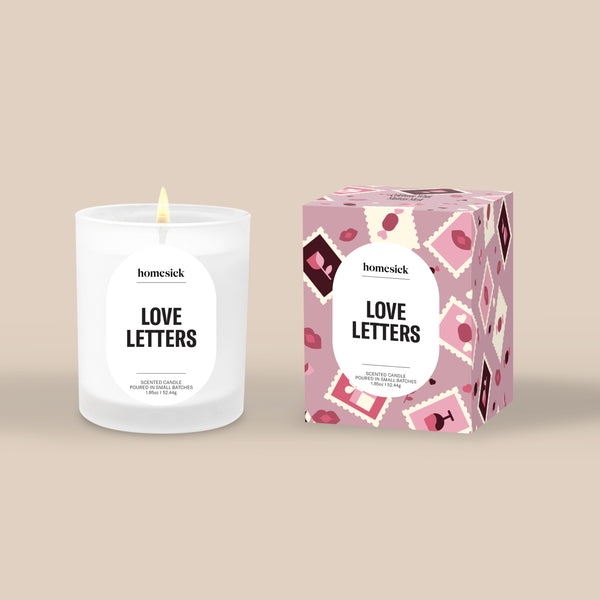
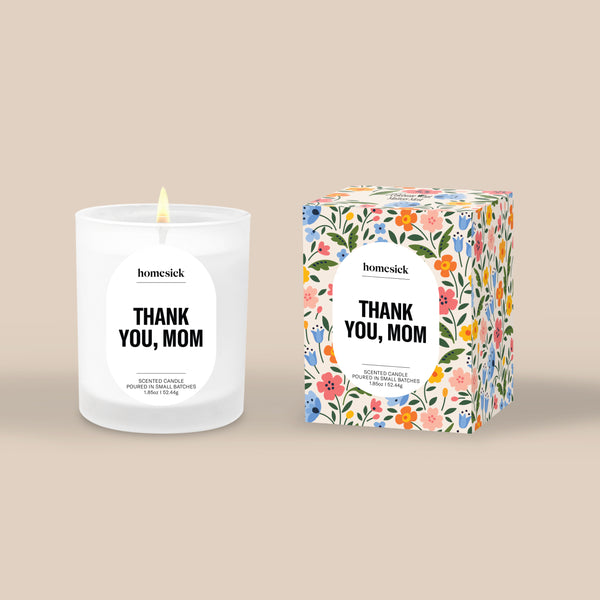
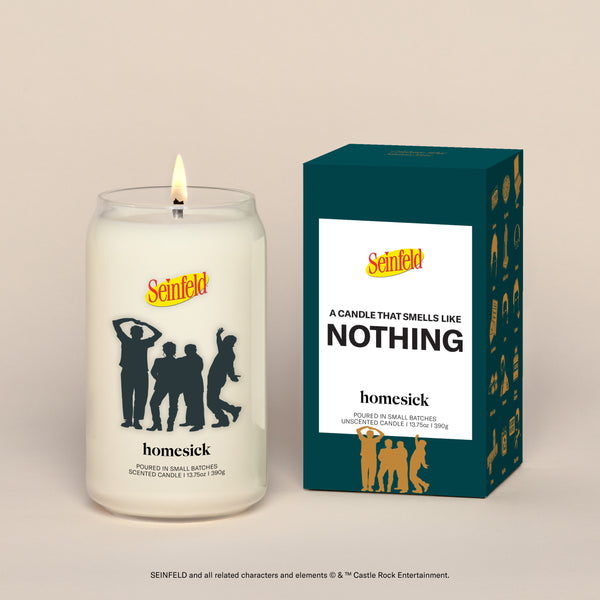
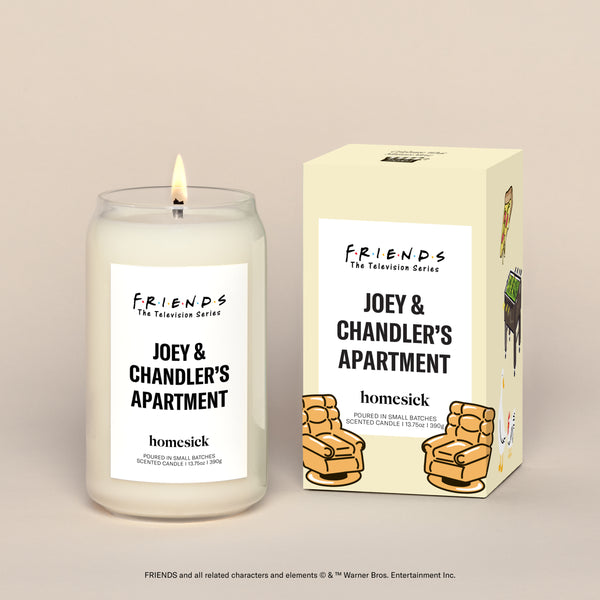
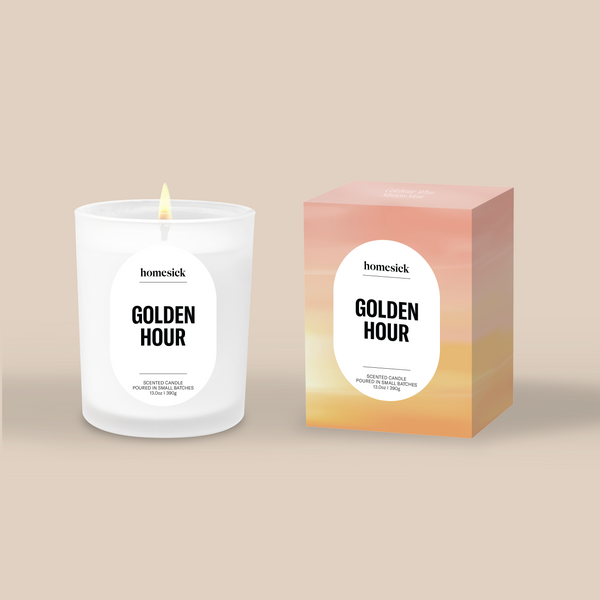
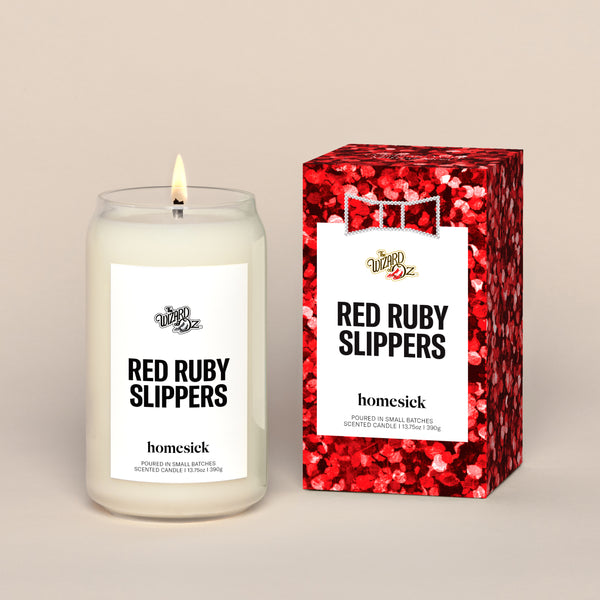
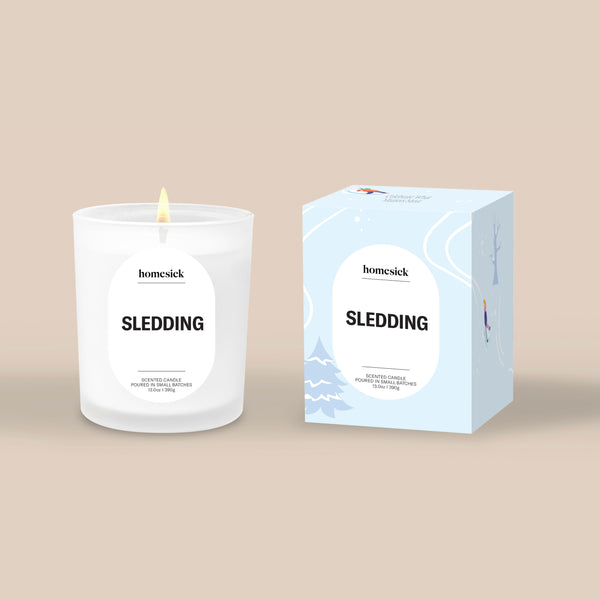
Homesick

New York, NY

Candles that smell like the state, city, or memory you are missing

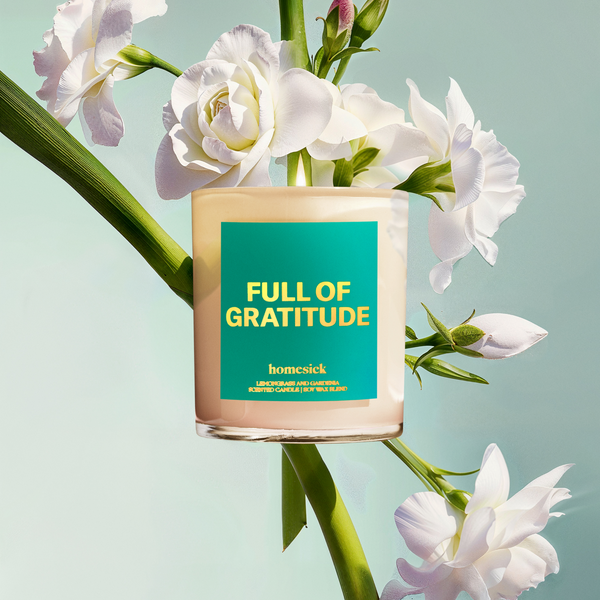
The insight behind Homesick was obvious in retrospect: people have deep emotional connections to places they are from, and scent triggers memory better than most stimuli. The brand built a candle line with hundreds of location-specific scents, from specific state parks to grandmothers kitchens.

Enter Store

About This District

Buying artisanal candles is straightforward once you know what the specs actually mean. Wax type changes everything. Paraffin wax is the cheapest option and the most common in mass-market candles; it burns with more soot and releases petroleum byproducts. Soy wax burns cleaner, slower, and holds fragrance well. Coconut wax is creamier and burns even slower. Beeswax burns the longest and the cleanest of all, and emits a faint natural honey scent on its own. Most independent brands use soy, coconut wax, or a blend of the two. Fragrance load is the percentage of fragrance oil in the candle. A higher load means more scent throw, but too high and the candle will not cure properly or may cause issues with the wick. Well-made artisanal candles typically land between eight and twelve percent fragrance load. Brands that mention their fragrance percentage are usually the ones who understand the chemistry. Wick material affects soot and sound. Cotton wicks are standard. Wood wicks crackle and throw a wider melt pool, which some people love and others find distracting. Lead wicks were phased out years ago, but cotton-core wicks sometimes still appear in cheaper candles. Trim the wick before every burn. Long wicks cause mushrooming, uneven burns, and excess soot. Trim to about a quarter inch each time, and let the candle burn long enough to melt the wax all the way to the edges before extinguishing. This prevents tunneling. Jar and container quality signals overall production care. Independent brands that invest in heavy glass, ceramic, or amber jars are usually applying the same attention to what is inside.