Mint Districts Beauty

Ayurvedic Skincare Brands That Actually Respect the Ritual

Ayurveda has been getting the Pinterest treatment for years, which means a lot of brands slap ashwagandha on the label and call it ancient wisdom. The brands worth your attention are doing something different: they start with dosha, study sourcing, and formulate with the same herbs Vedic practitioners have prescribed for centuries. These seven brands span from the ultra-traditional (Maharishi Ayurveda, with roots stretching back to the 1980s) to the clinically rigorous (Ranavat, with saffron formulas backed by actual studies). What unites them is specificity. Your skin type in Ayurveda is not a marketing category. It is a diagnostic framework that changes how you cleanse, moisturize, and protect. Once you understand your dosha, the products in this district start to make a lot more sense.

Beauty · 7 Brands

The Ayurvedic Skincare District

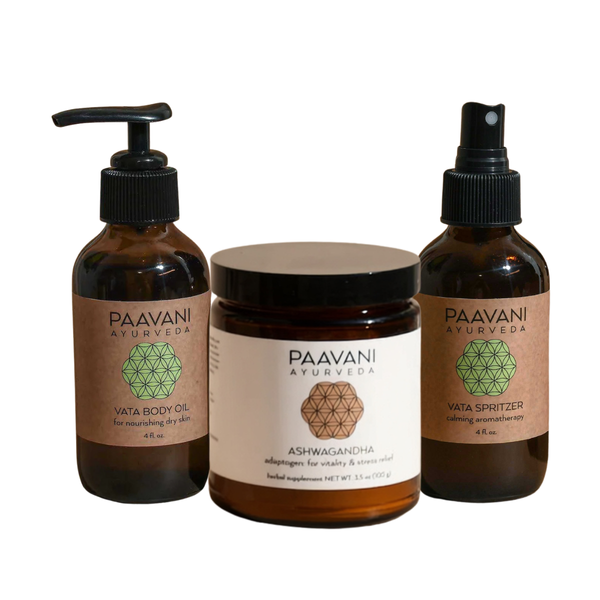
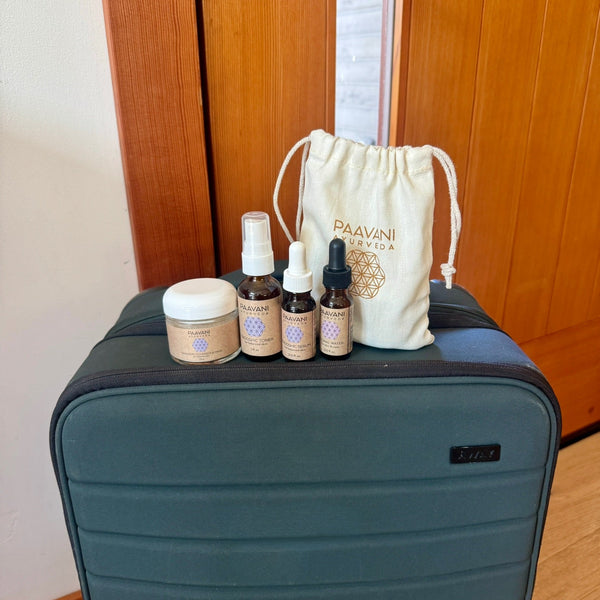
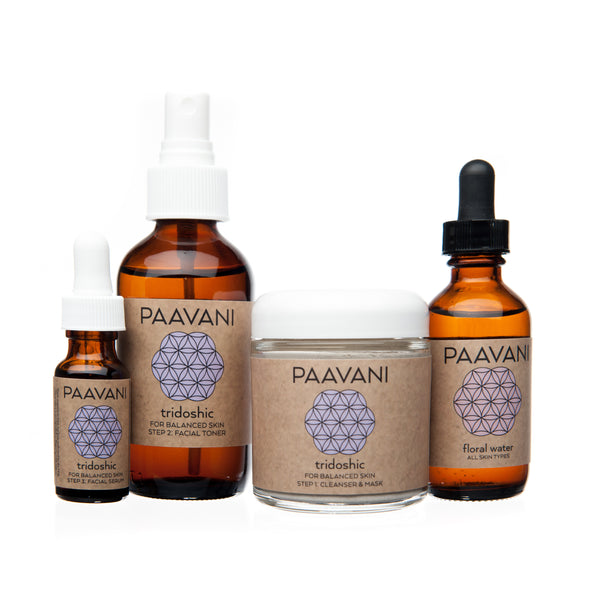
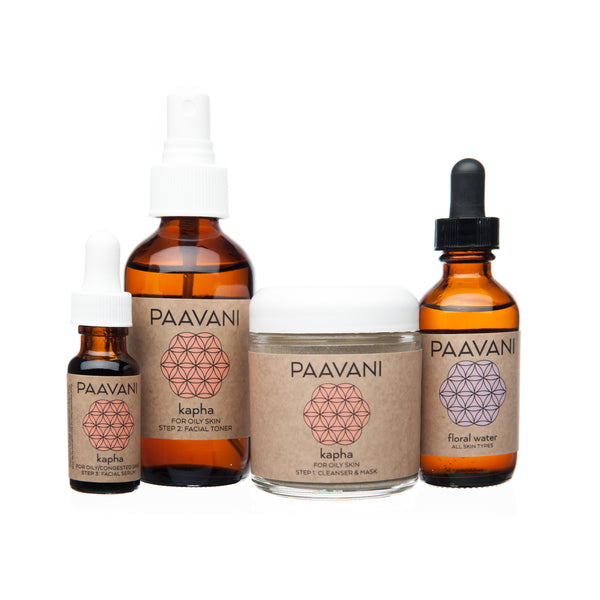
Paavani Ayurveda

Napa, CA

Dosha-matched botanicals for skin that actually knows itself.

Founder Trudy Collings studied Ayurvedic skincare in India and brought home a conviction that Western beauty ignores the most important diagnostic tool: your constitution. Every product begins with dosha assessment, and the formulas use organic botanicals sourced against the same standards Ayurvedic practitioners apply when recommending herbs to patients.
Enter Store

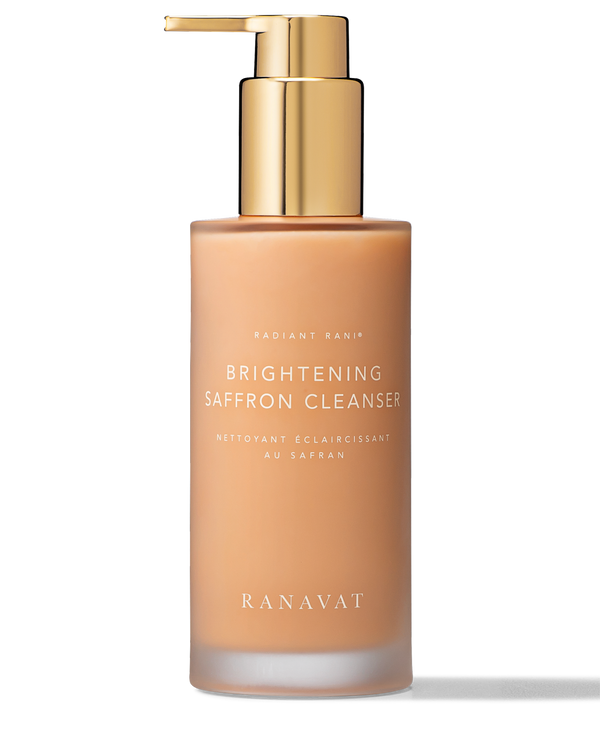
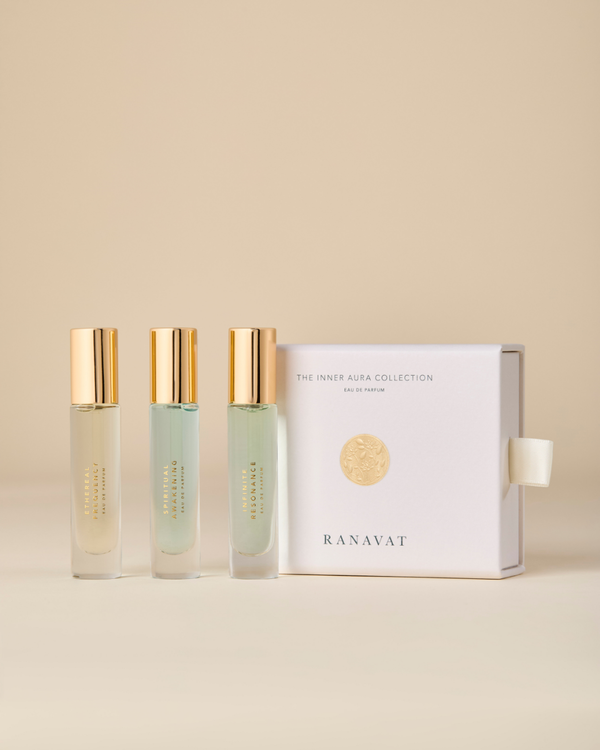
Ranavat

New York, NY

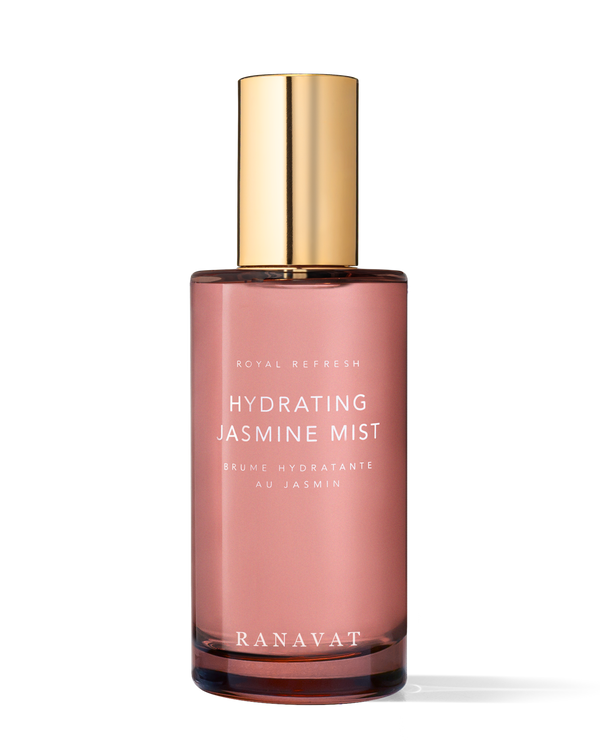
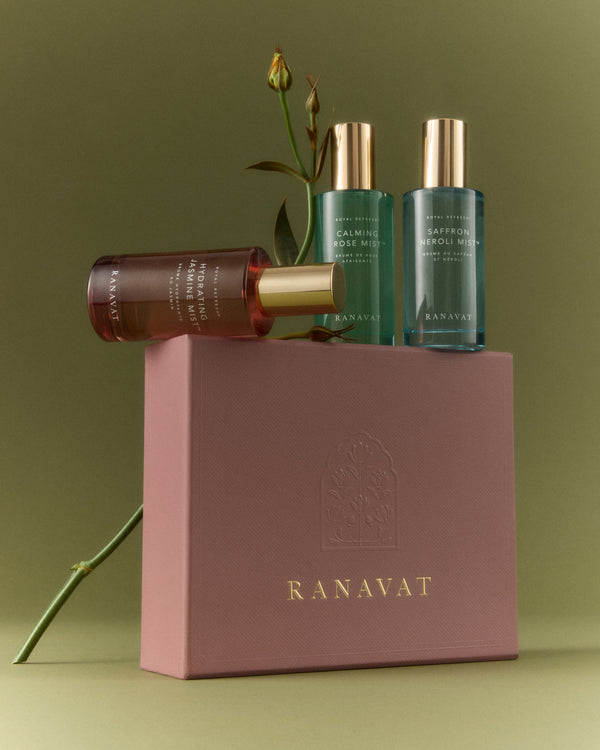
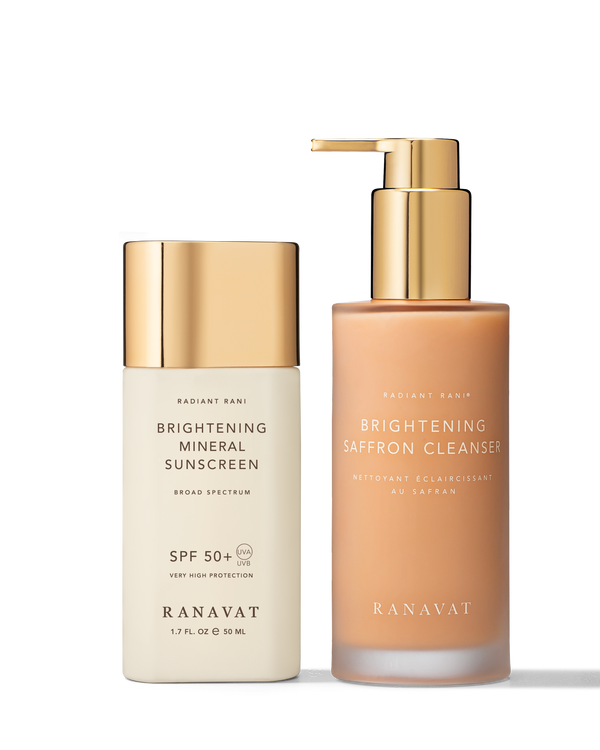
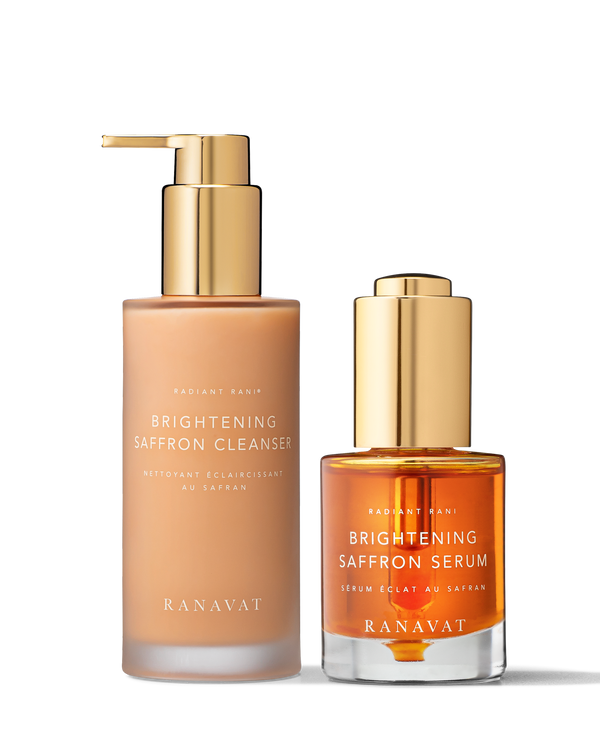
Science-backed Ayurvedic skincare rooted in South Asian ritual.

Founded by Monica Ravichandran, who drew on her Indian heritage and a career in pharmaceuticals to build formulas where saffron, amla, and ashwagandha are clinically tested rather than decoratively listed. The products feel ceremonial and perform like they were designed by someone who reads both Vedic texts and clinical studies.

Enter Store

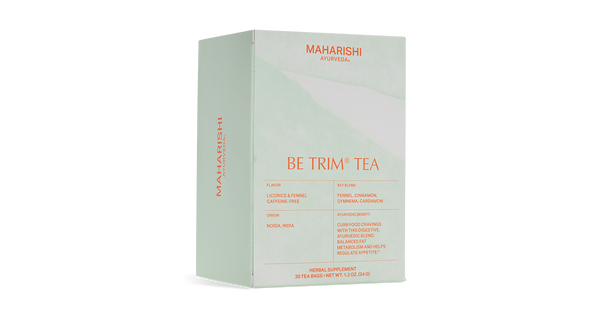
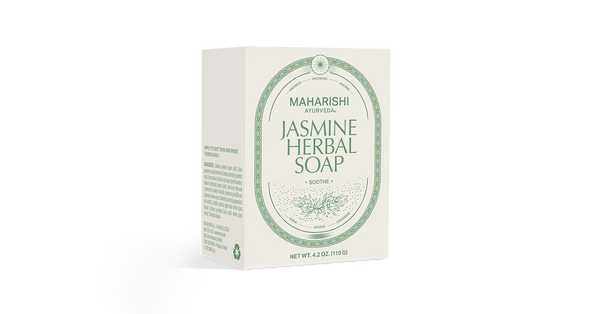
Maharishi Ayurveda

Colorado Springs, CO

Decades of Vedic practice distilled into daily skincare rituals.

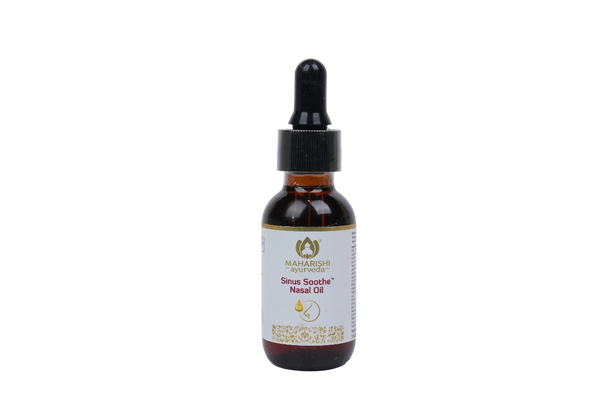
One of the longest-running Ayurvedic wellness brands in the West, formulating products according to traditional Vedic principles since the 1980s. Their skincare draws on a deep pharmacopoeia of herbs, oils, and classical preparations that most brands would not know how to source, let alone formulate around.

Enter Store

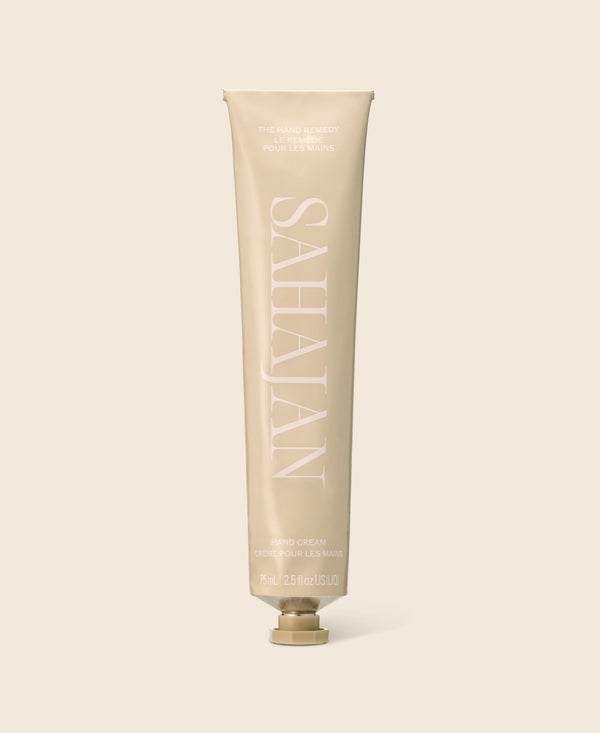
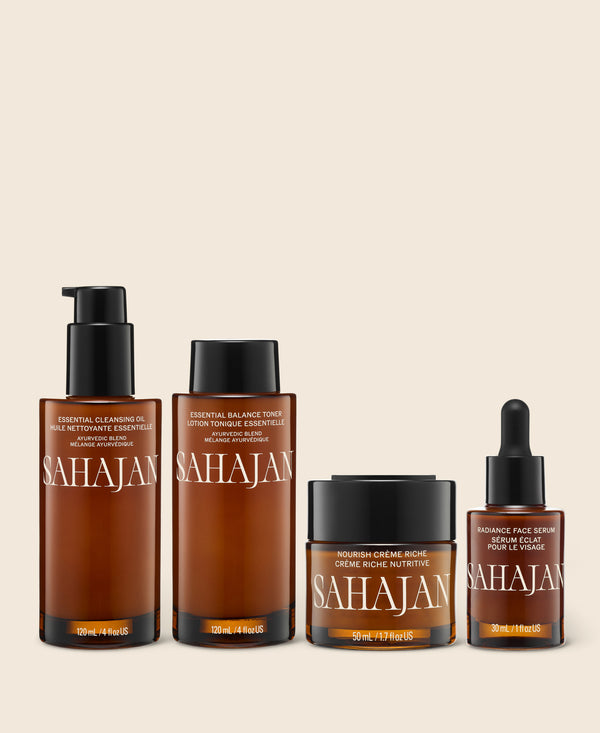
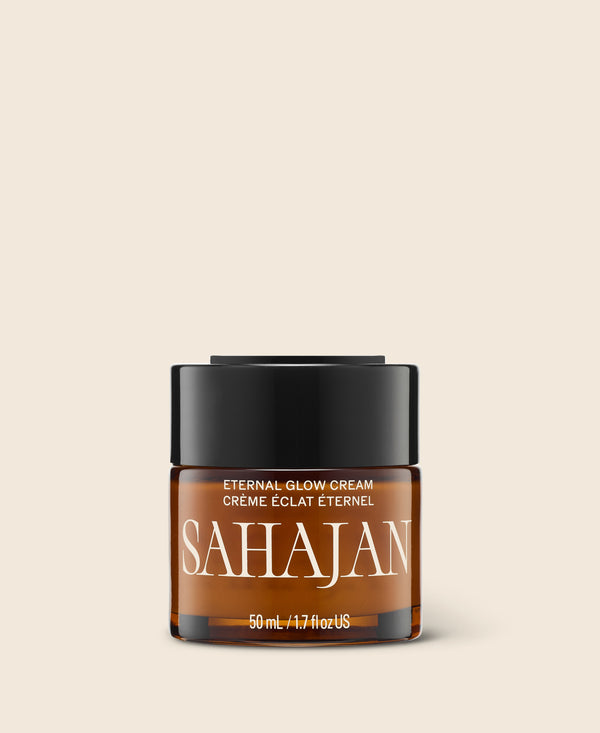
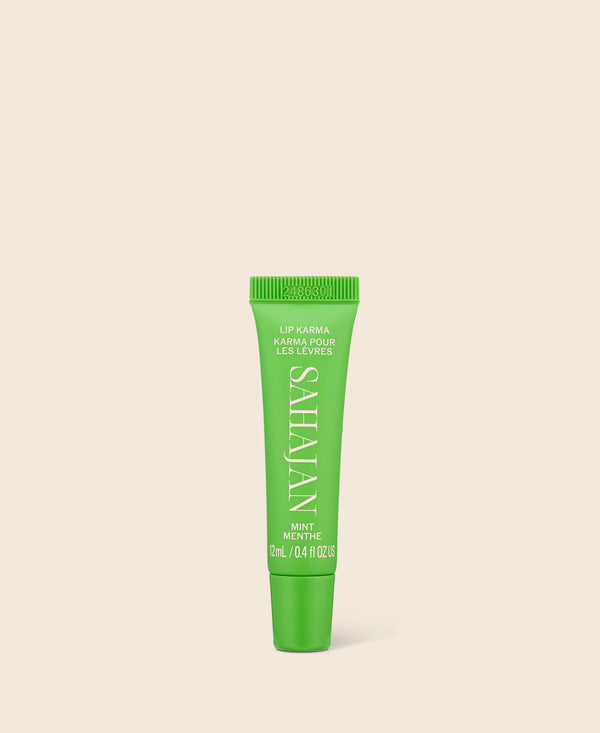
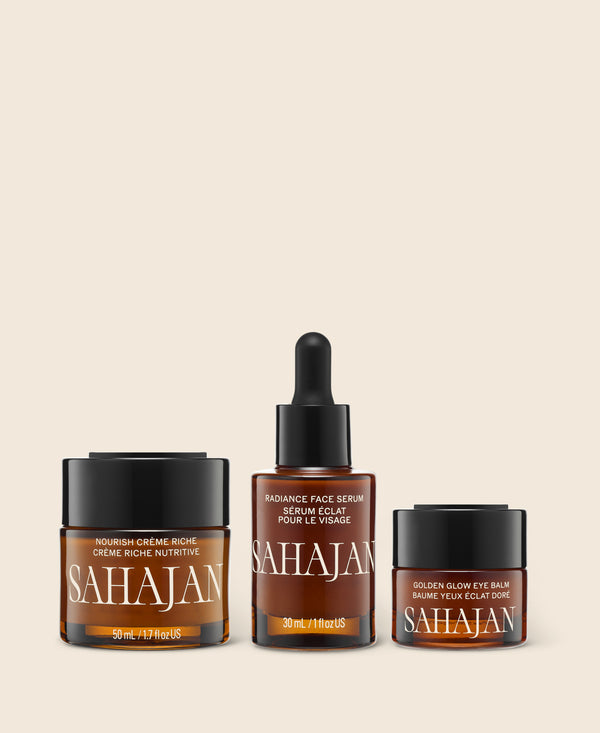
Sahajan

Toronto, Ontario

Modern Ayurvedic skincare with a clean, unfussy ingredient list.

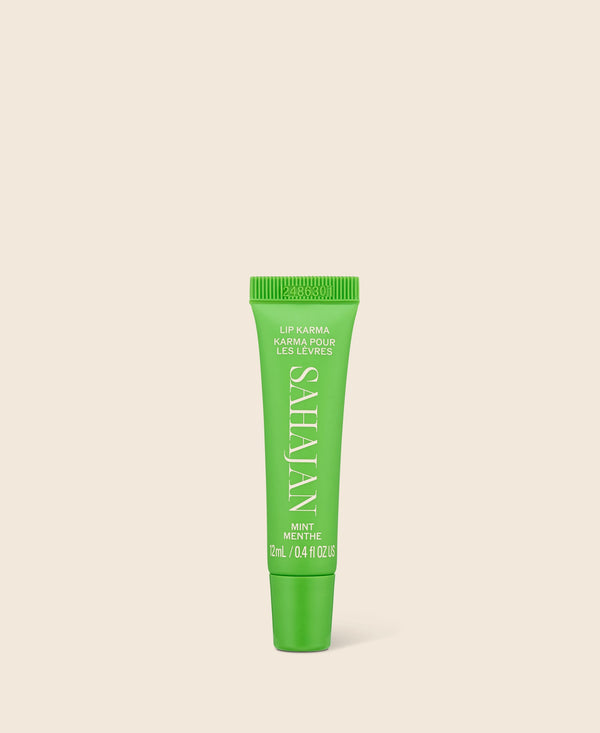
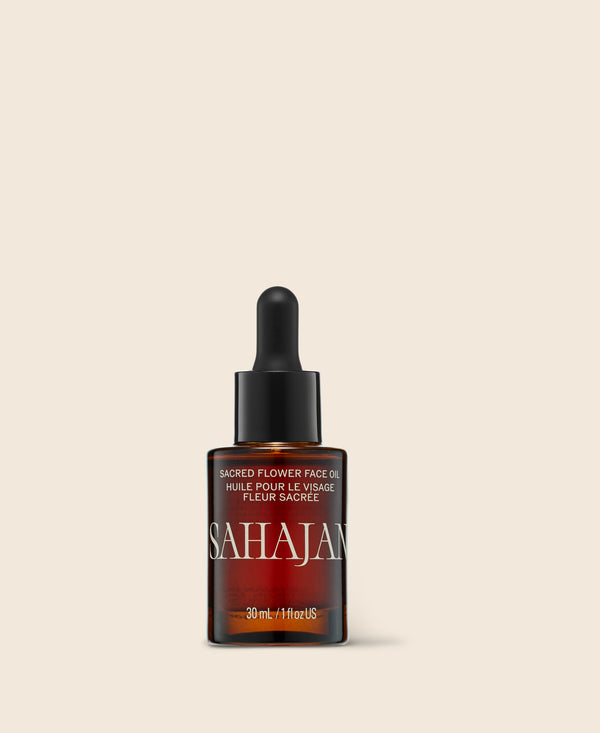
The name means effortless in Sanskrit, and that is the philosophy: Ayurvedic actives without complexity. Founded by a South Asian entrepreneur with roots in the tradition, Sahajan strips the practice back to its most effective elements and pairs them with clinical-grade formulation standards that produce measurable results.

Enter Store

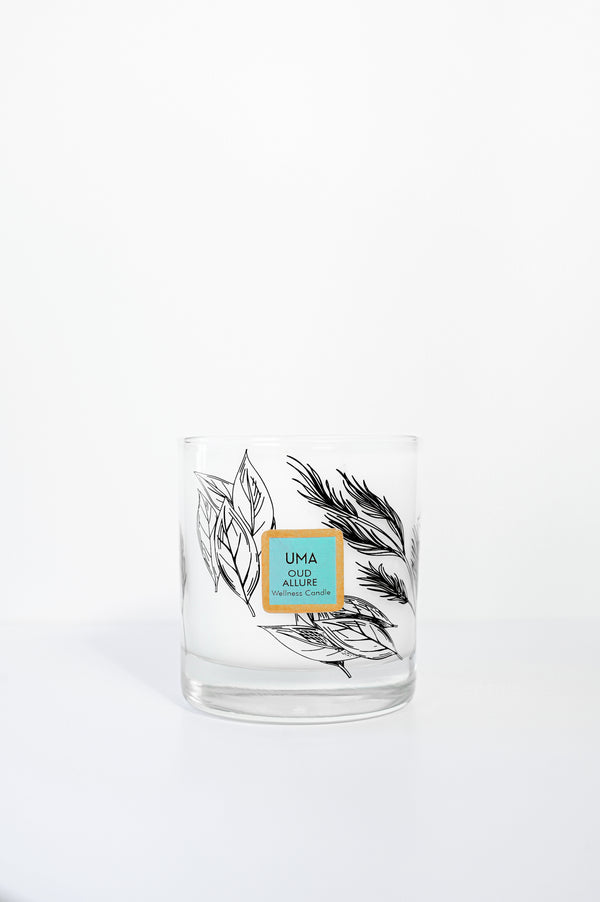
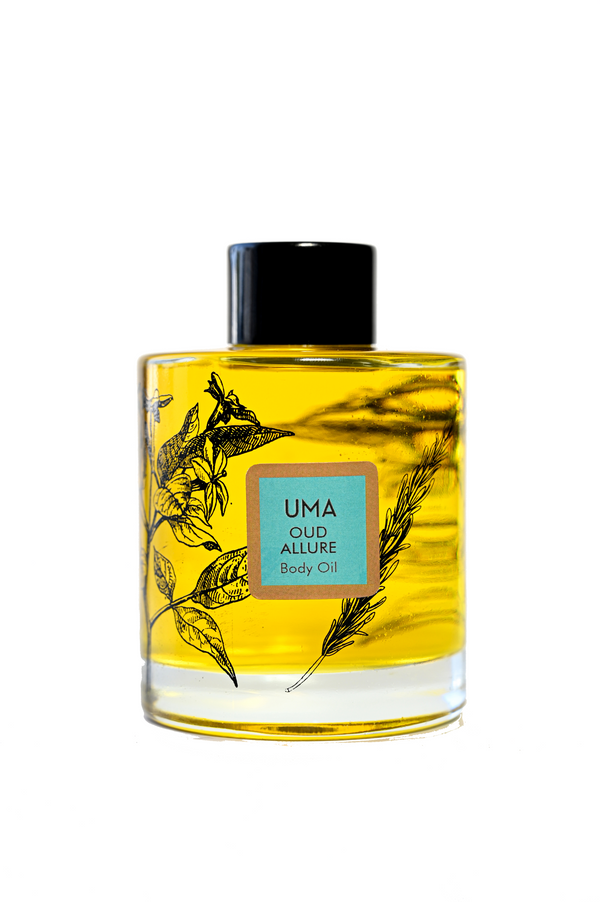
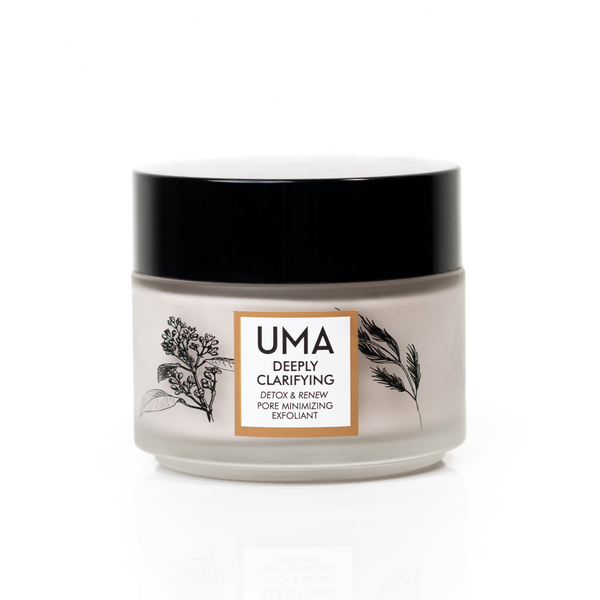
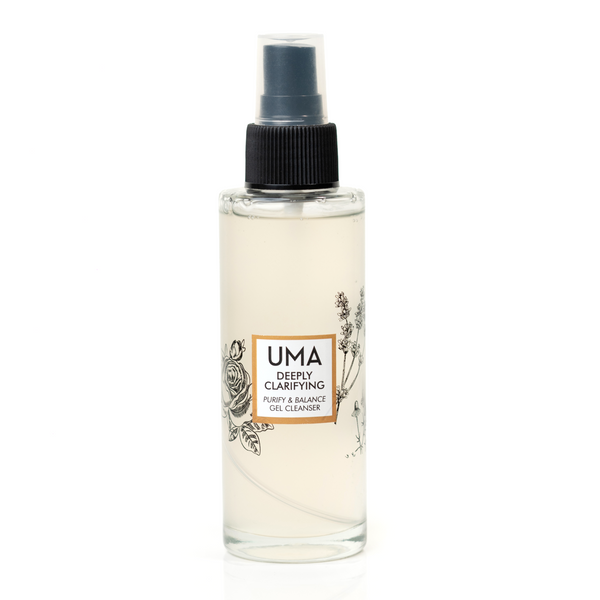
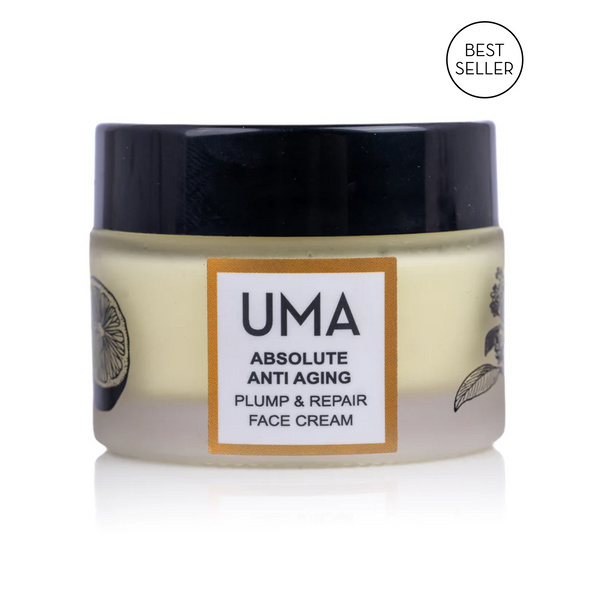
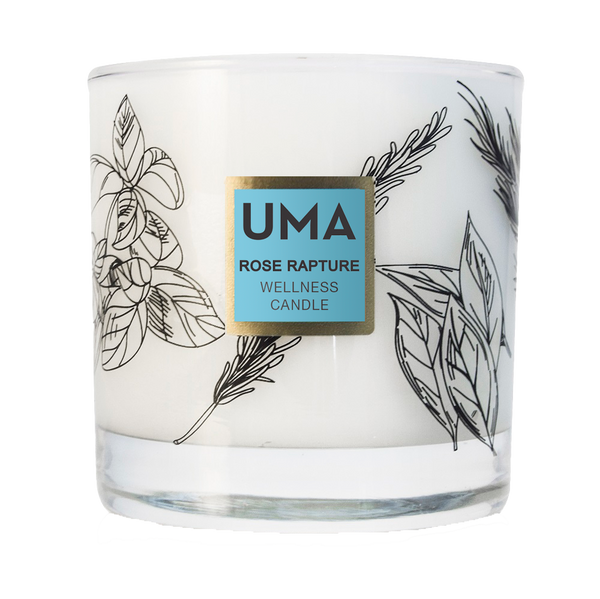
Uma Oils

Luxury facial oils rooted in 800 years of family Ayurvedic farming.

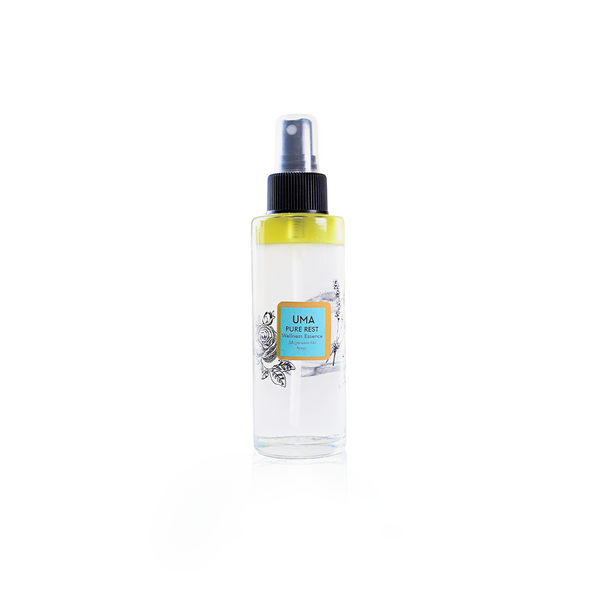
Founder Shrankhla Holecek grew up on her family organic Ayurvedic farm in Madhya Pradesh, where plant healing was daily practice, not philosophy. Uma continues that lineage with cold-pressed botanicals and a genuine commitment to slow, whole-ingredient formulation at a moment when most luxury brands are chasing speed.

Enter Store

Banyan Botanicals

Albuquerque, NM

USDA certified organic Ayurvedic herbs and skincare for the long game.

Started by Ayurvedic practitioners who could not find herbs pure enough to recommend to their own clients. Banyan now grows and sources over 200 organic herbs with full supply chain transparency. Their skincare line extends that same rigor: nothing makes it in that would not pass a practitioner inspection.
Enter Store

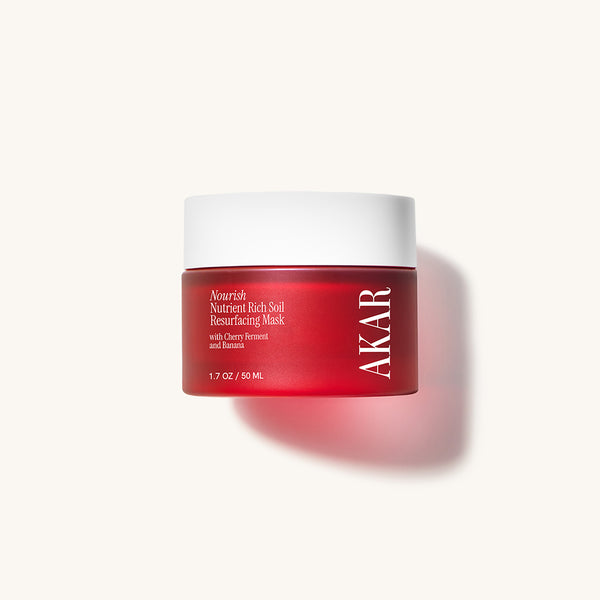
Akar Skin

Ayurvedic actives formulated to work with your skin chemistry, not against it.

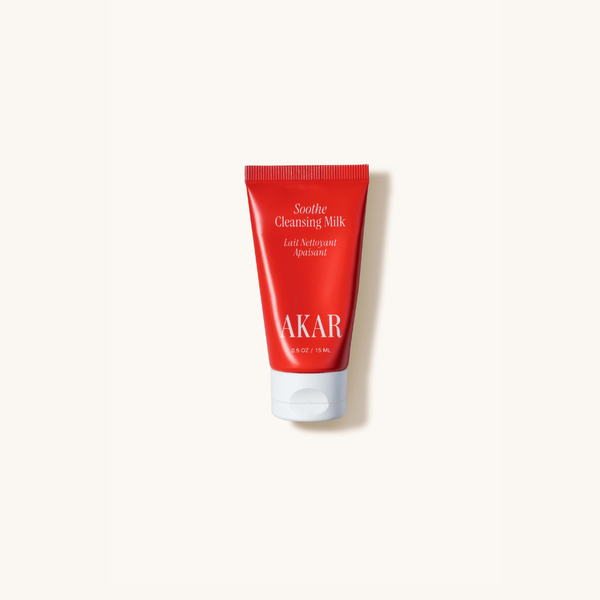
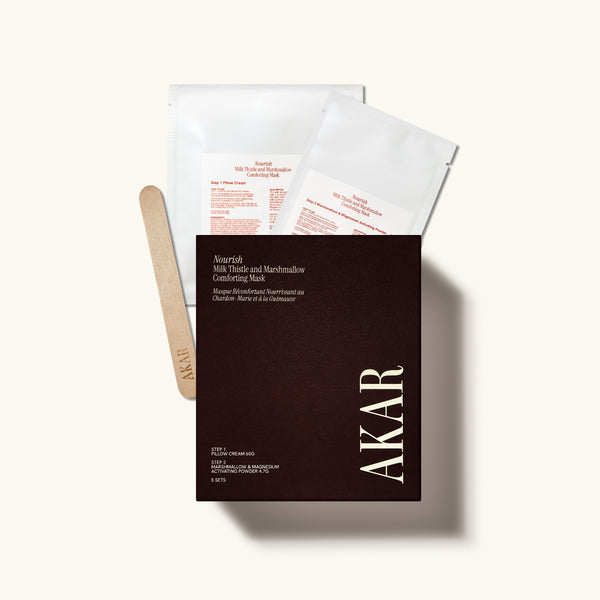
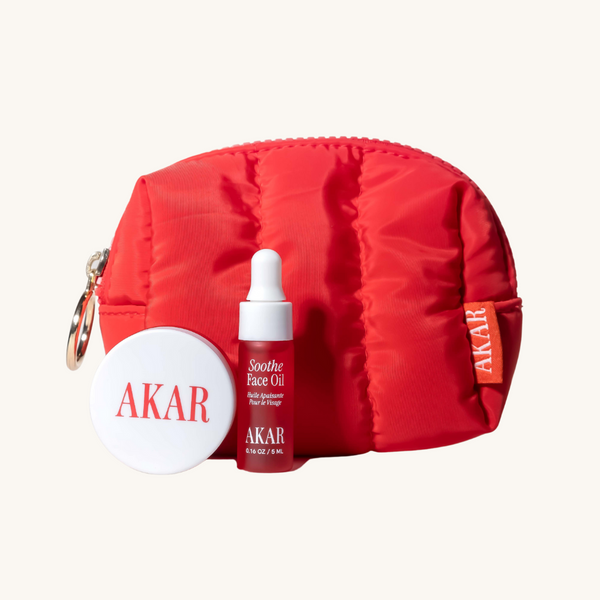
Founder Sheena Yaitanes spent years studying skin biochemistry alongside Ayurvedic texts and built Akar around one consistent question: does it actually work for skin underneath a beard, a compromised barrier, or a constitution that conventional formulas have failed? The results are targeted, specific, and skewed toward long-term skin health.

Enter Store

About This District

Shopping Ayurvedic skincare means learning one thing first: your dosha. Every person has a dominant constitution (Vata, Pitta, or Kapha) that shapes how skin behaves. Vata types tend toward dryness and fine lines. Pitta types run toward sensitivity and redness. Kapha types deal with oiliness and congestion. The brands here are built around that framework, which means a product labeled for Vata will behave quite differently than one labeled for Pitta, even if the hero ingredient is the same herb. When evaluating formulas, look past the label. Quality Ayurvedic skincare lists herbs by Sanskrit name alongside common names, and sourcing matters as much as the formula itself. Ashwagandha grown at the right altitude and dried properly is categorically different from bulk commodity sourcing. Banyan Botanicals and Paavani Ayurveda are transparent about sourcing; that transparency is a useful signal. A few herbs worth learning: Brahmi (Bacopa monnieri) calms inflammation and supports skin barrier function. Neem is antimicrobial and works for acne-prone Kapha constitutions. Turmeric brightens and has documented anti-inflammatory properties. Sandalwood soothes Pitta-type irritation. Shatavari supports hydration for Vata types. Do not start with a full routine. Start with a facial oil suited to your dosha and use it consistently for thirty days. The feedback your skin gives you will tell you more than any quiz.