Mint Districts Lifestyle

Biodegradable Phone Cases from Eco Brands That Actually Protect Your Phone

Most phone cases are made to outlast your phone, just not in the way manufacturers intend. They pile up in landfill because plastic does not go anywhere fast. Biodegradable phone cases address that problem. The brands here use plant-based biopolymers, natural fibers, and compostable materials to build cases that protect your phone and do not persist in the environment after you upgrade. Some are home-compostable. Others require industrial composting. All of them are meaningfully better than the standard polycarbonate option. If you are shopping with the end of the product's life in mind, this is the right place to start.

Lifestyle · 6 Brands

The Biodegradable Phone Cases District

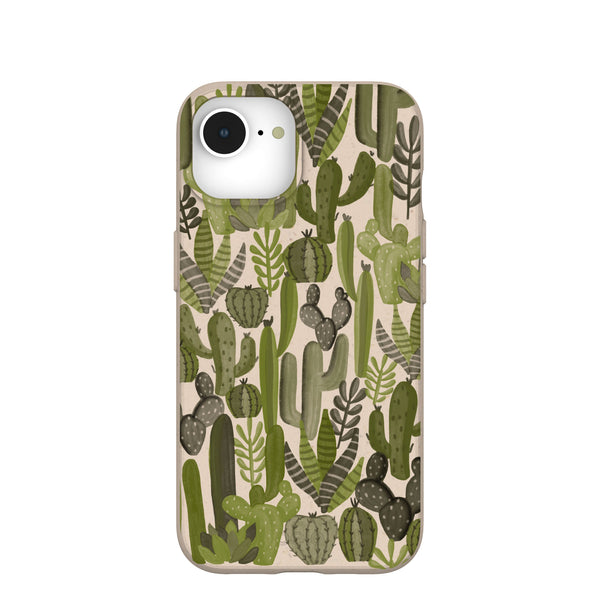
Pela Case

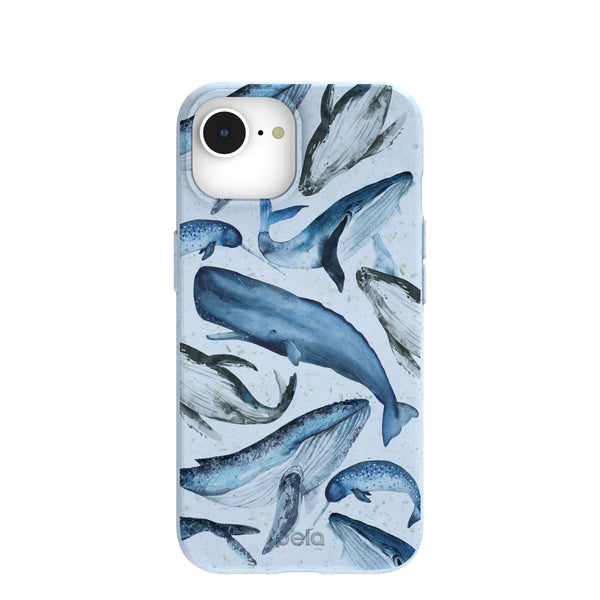
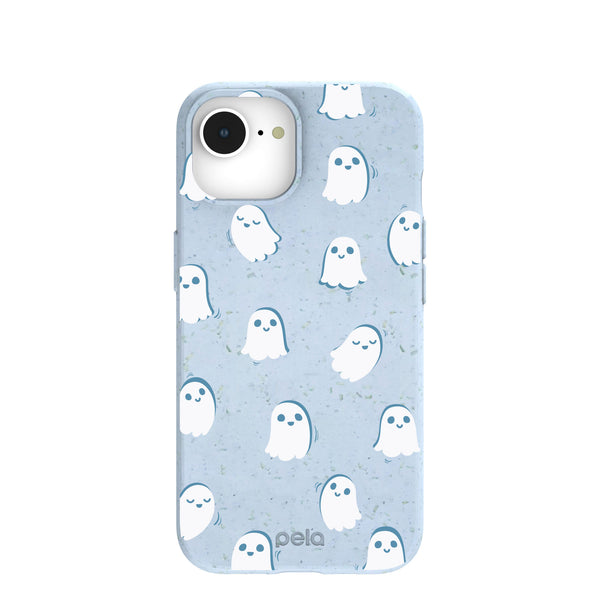
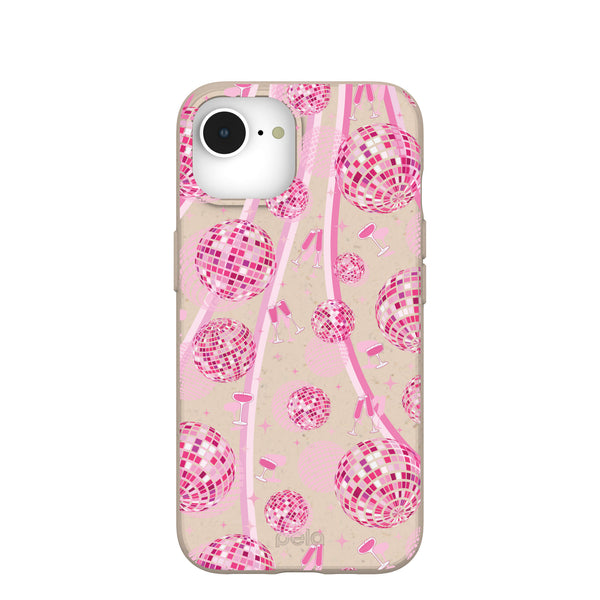
The original compostable phone case, made from flax and plant-based biopolymers.

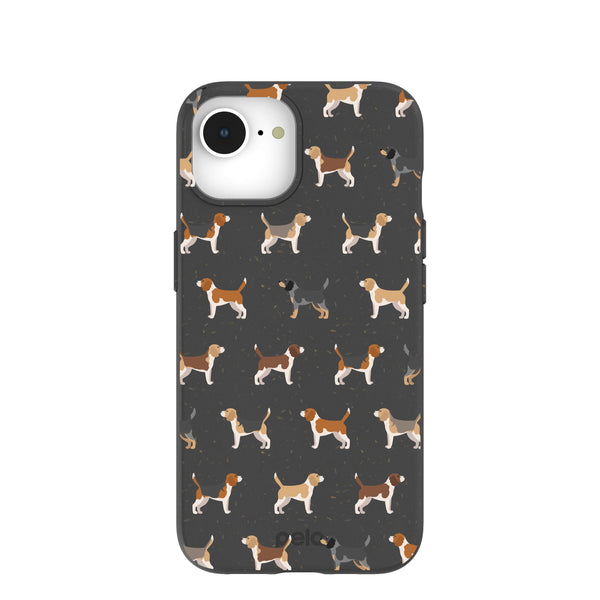
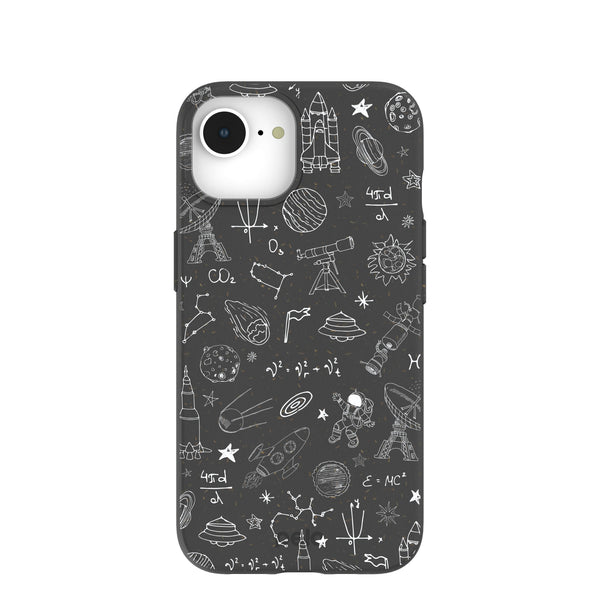
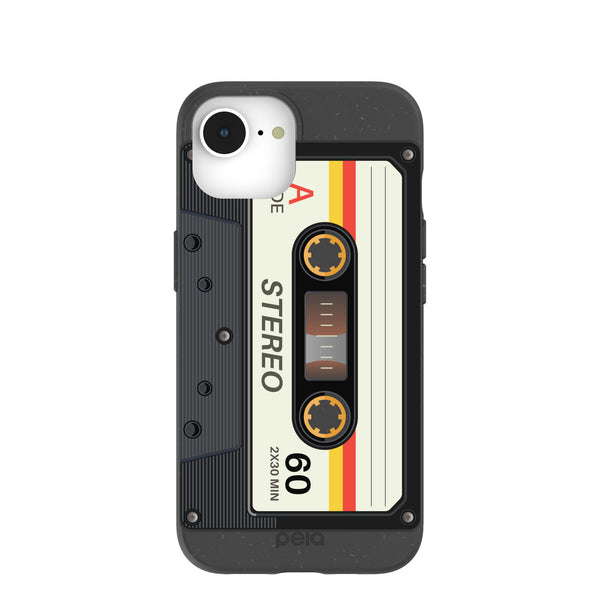
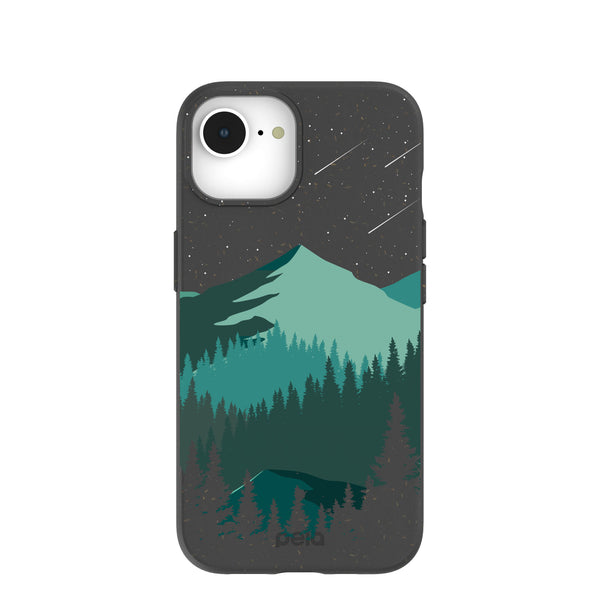
Pela made compostable phone cases a real product category. Launched with a single design and a specific environmental claim, the brand grew by consistently delivering on that claim across dozens of iPhone and Android models. Their Flaxstic material breaks down in home compost, and they offer a return program for devices they no longer support.
Enter Store

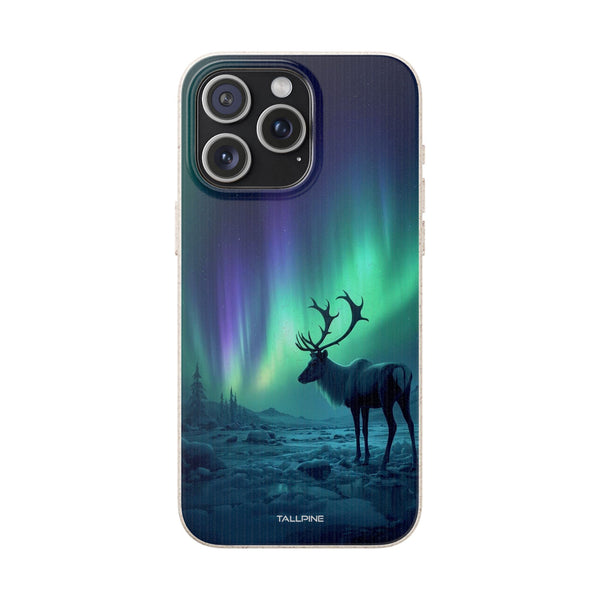
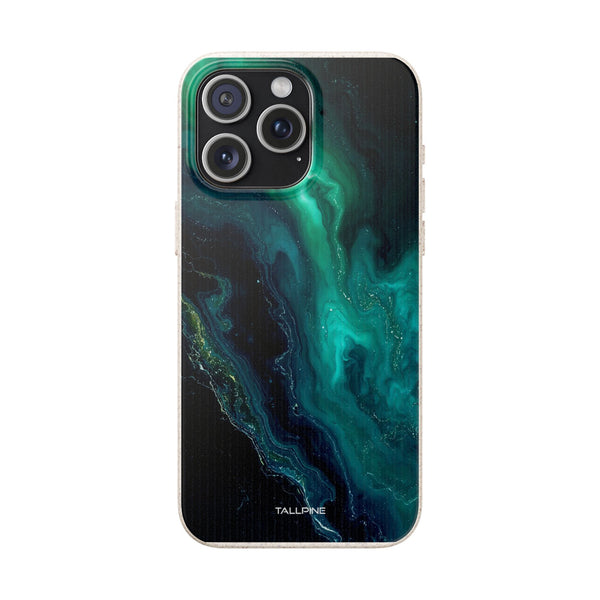
Tallpine Cases

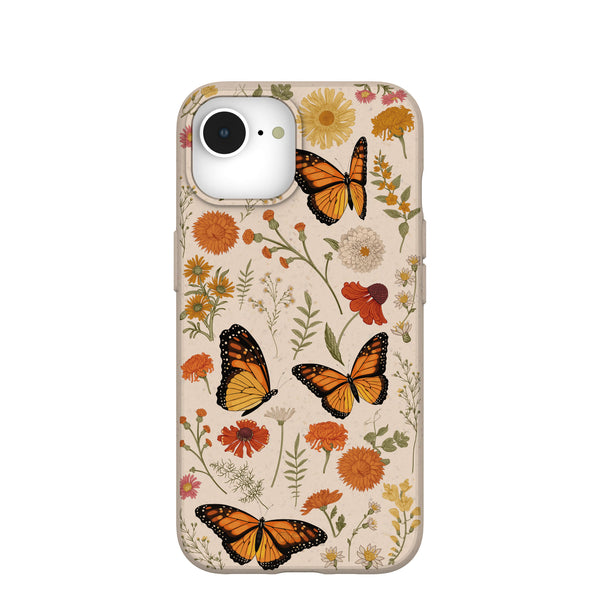
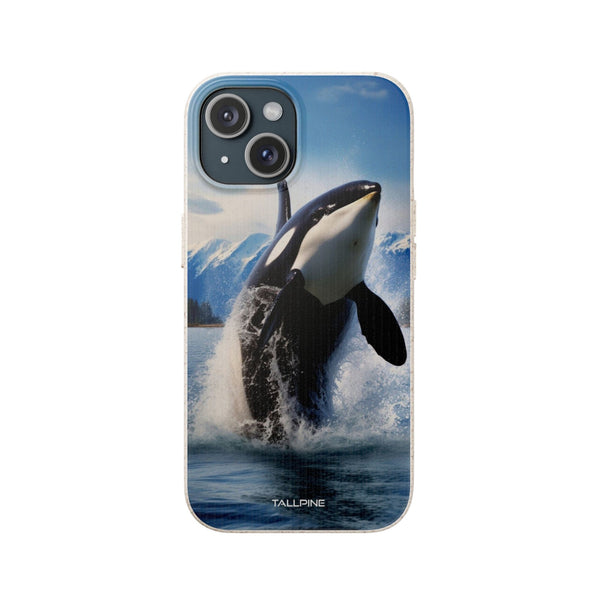
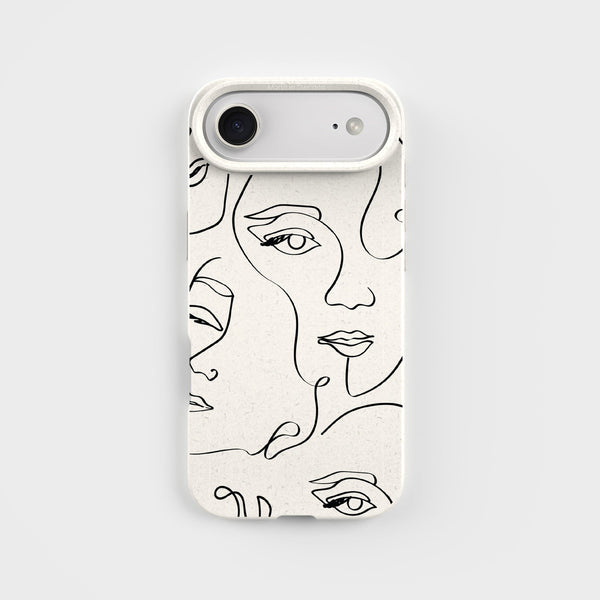
Biodegradable phone cases designed with botanical artwork worth showing off.

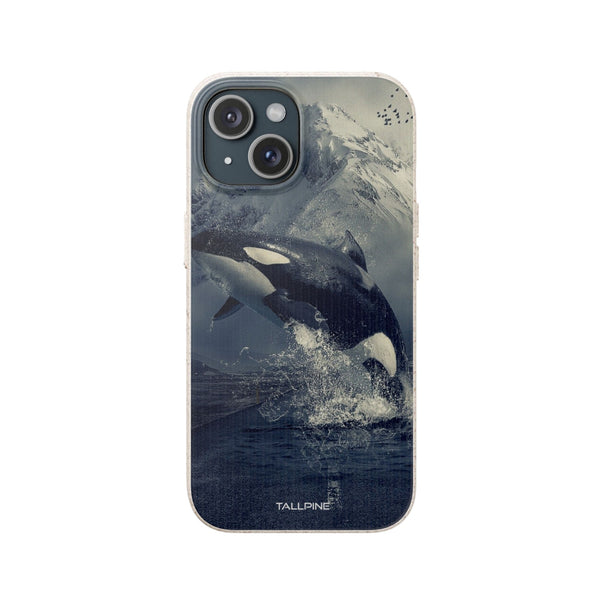
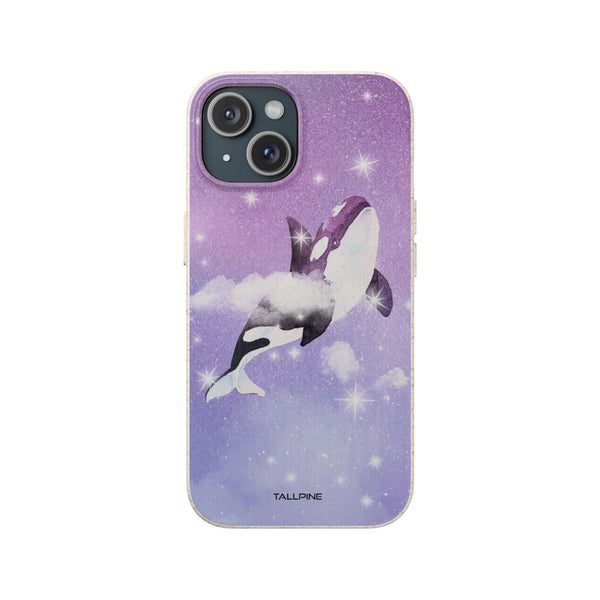
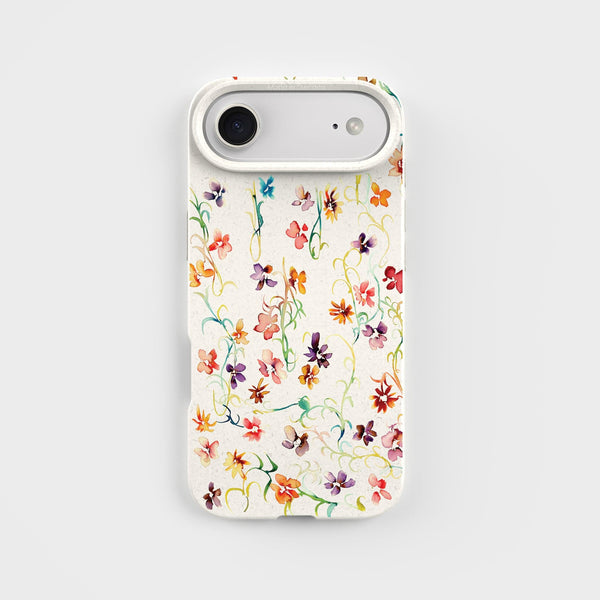
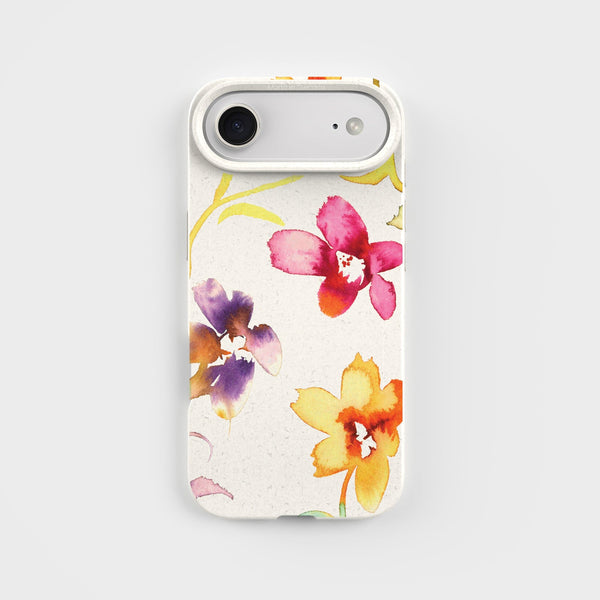
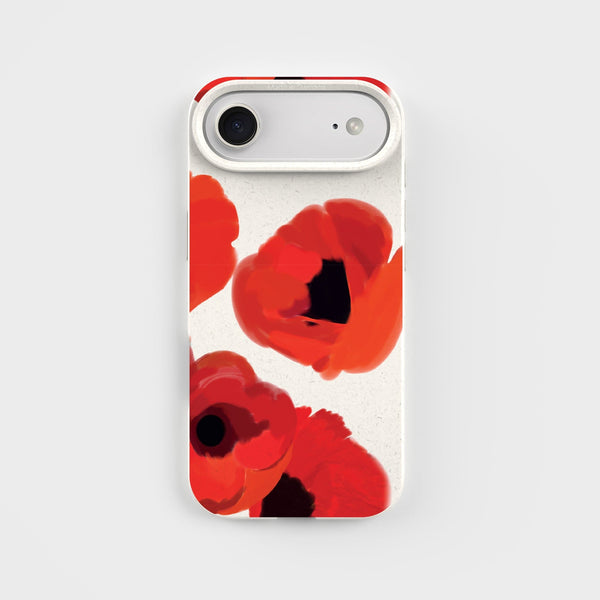
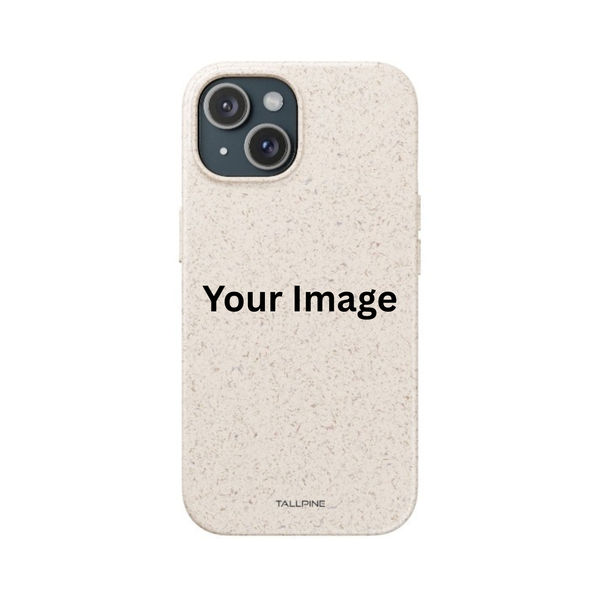
A small brand that approached eco phone cases from a design angle rather than treating sustainability as the only differentiator. Tallpine produces biodegradable cases with botanical and nature-inspired artwork, pairing compostable construction with prints that feel chosen rather than generic.

Enter Store

EcoBlvd

Los Angeles, CA

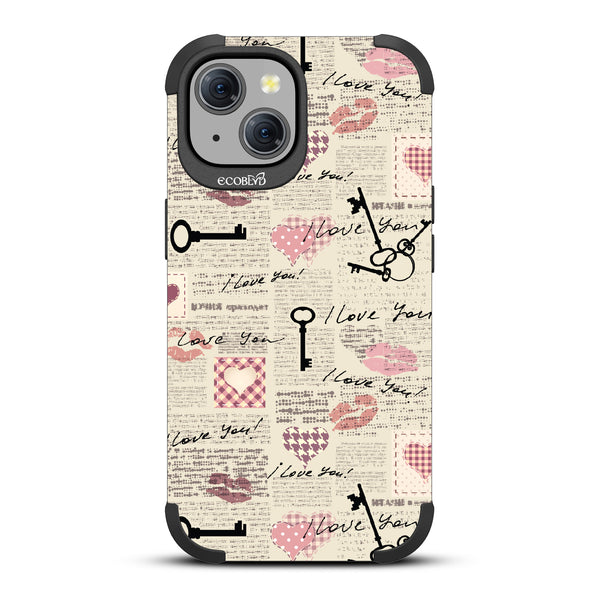
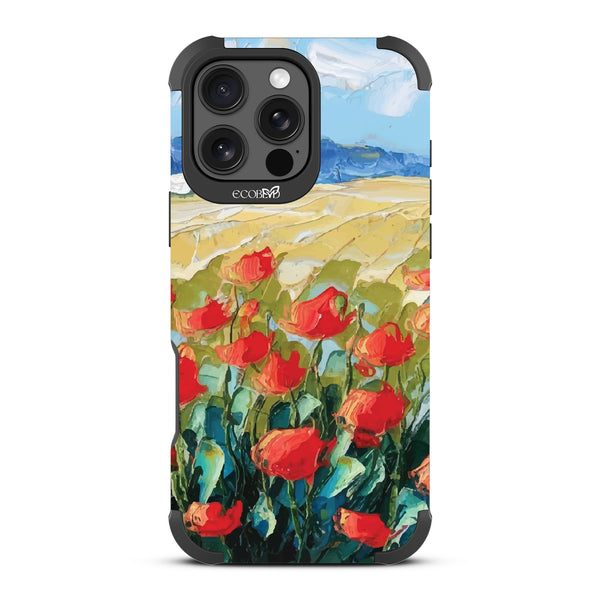
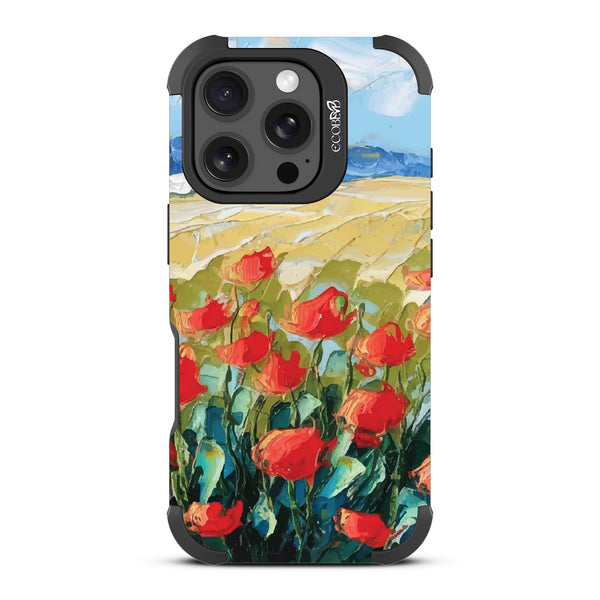
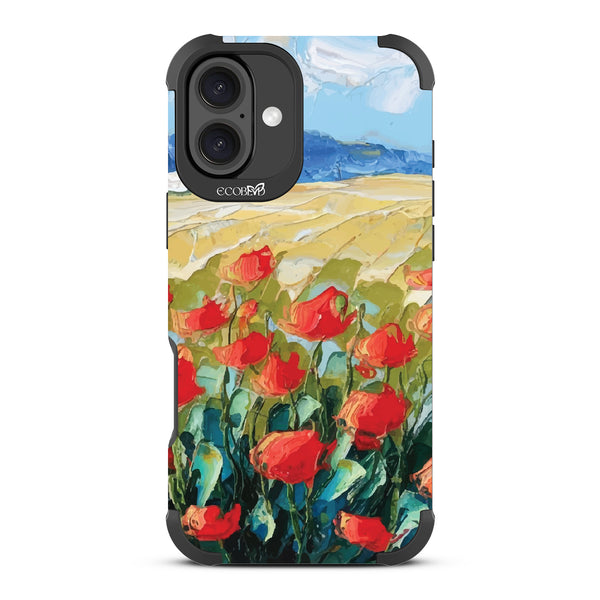
100% plant-based phone cases designed in LA with plastic-free packaging throughout.
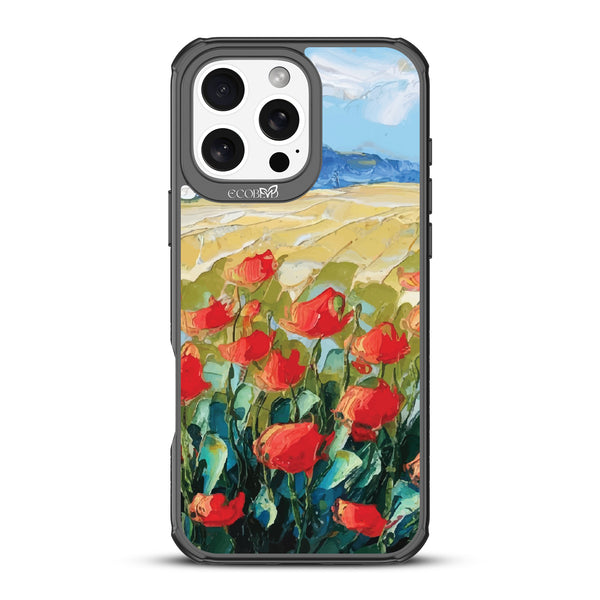
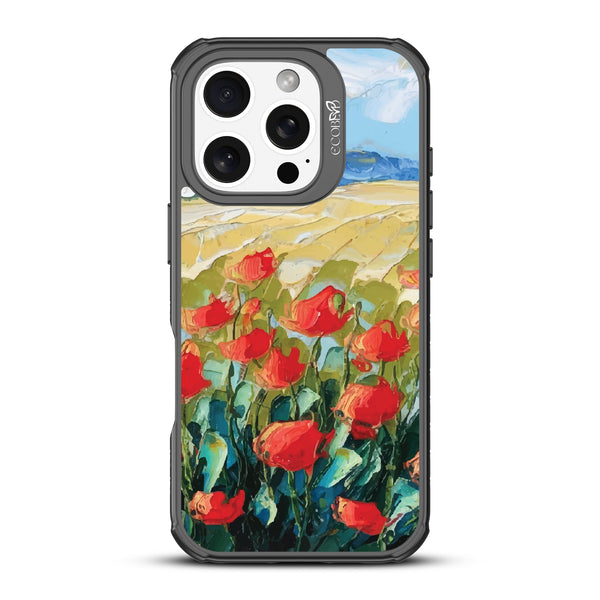
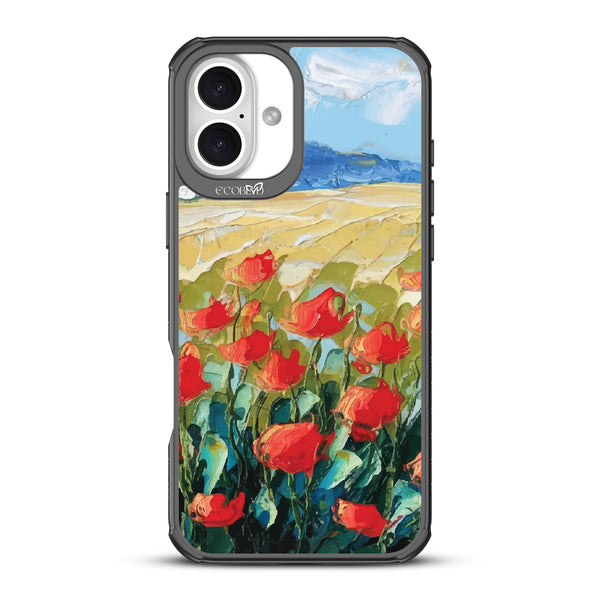
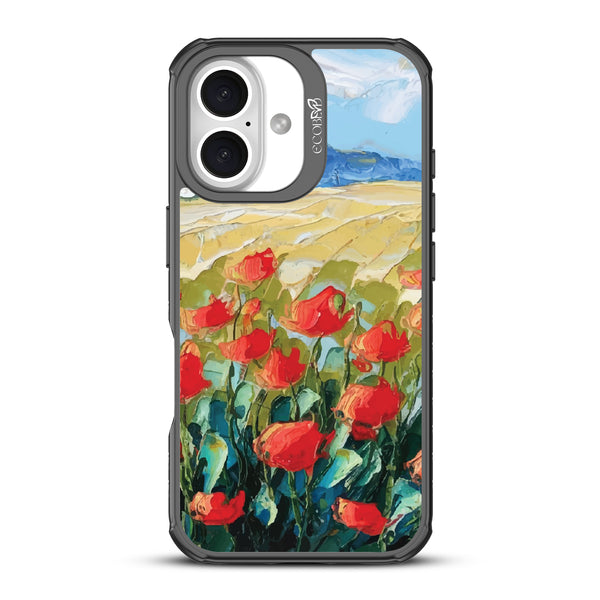
Designed in Los Angeles and built around the idea that phone accessories should not outlast the civilization that made them. EcoBlvd uses plant-based materials for cases and ships everything in plastic-free, biodegradable packaging, with a prepaid return label so old cases can be recycled rather than landfilled.
Enter Store

agood company

Stockholm, Sweden

Swedish-designed biomaterial phone cases made to return to earth, not landfill.

A Swedish company that treats sustainability as a non-negotiable baseline rather than a marketing add-on. agood company blends hemp, flax, cellulose, and PLA to create compostable phone cases that pass industrial composting standards, shipped in packaging that meets the same criteria.

Enter Store

Native Union

Paris, France

Premium phone cases built to outlast your average replacement cycle by design.

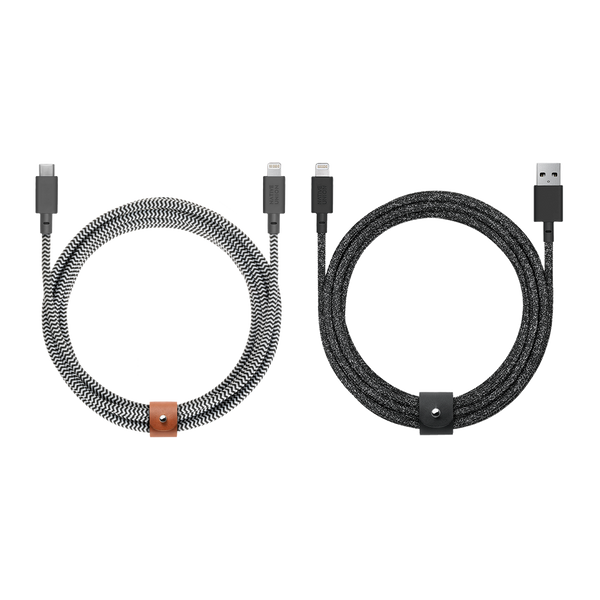
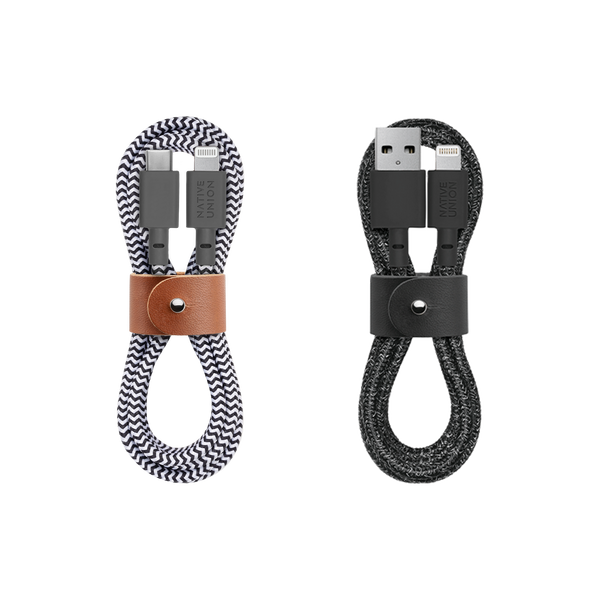
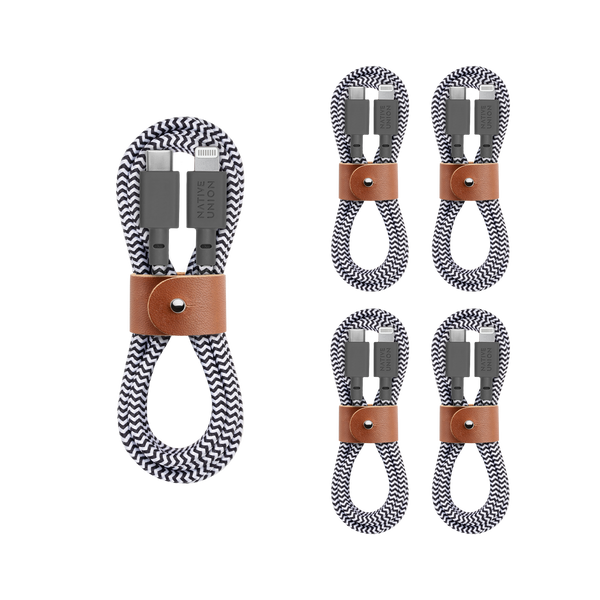
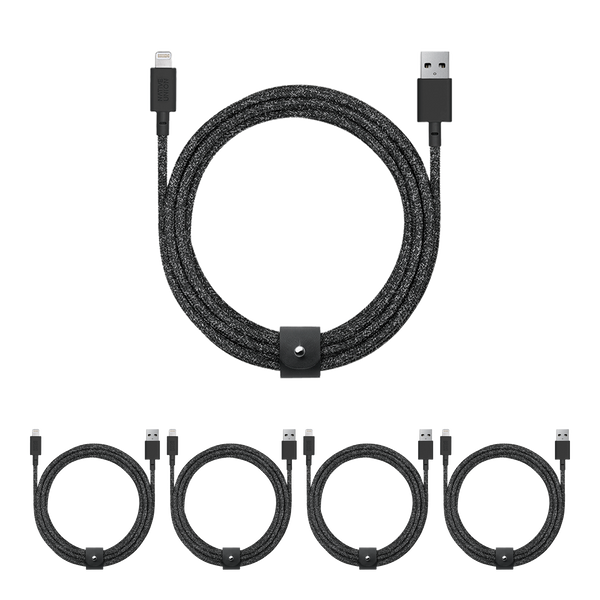
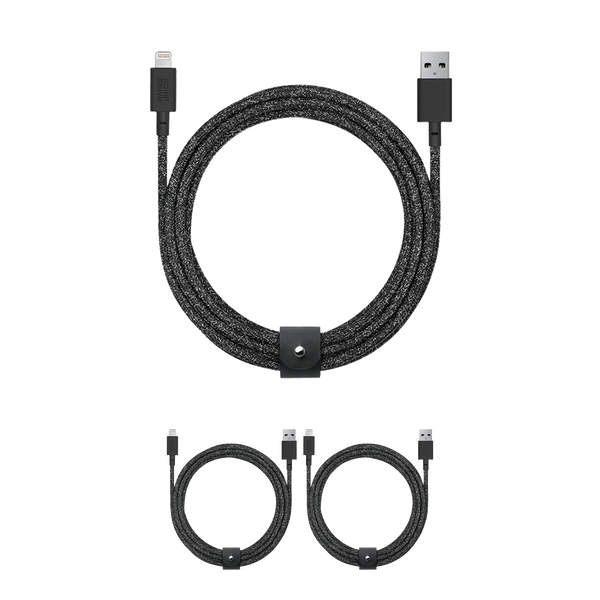
Founded in Paris with the argument that buying less and buying better is its own environmental position. Native Union uses FSC-certified wood, recycled materials, and precision manufacturing to make phone cases designed to be the last ones you buy before your next phone, not the fourth case this year.

Enter Store

BURGA

Eye-catching phone cases made with recycled materials and quality that holds up.

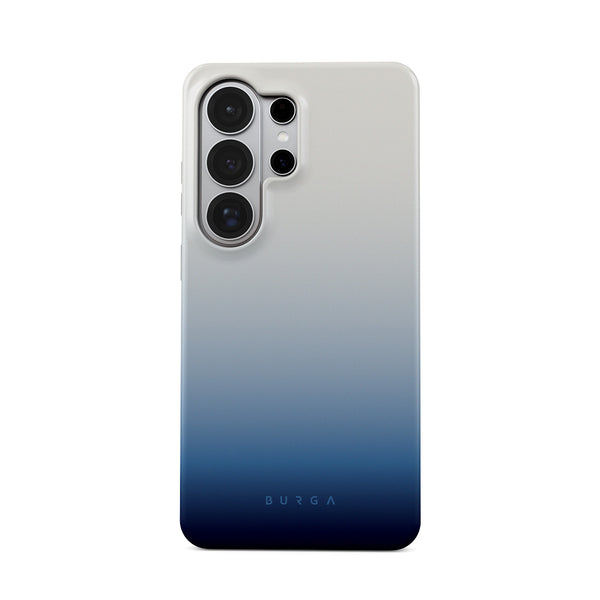
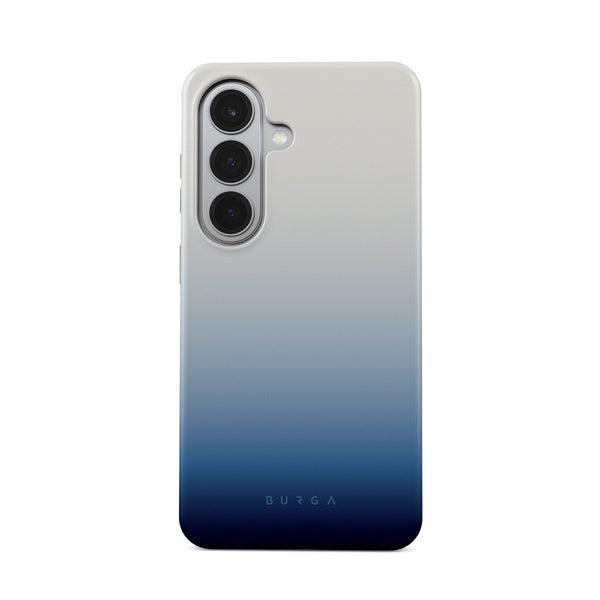
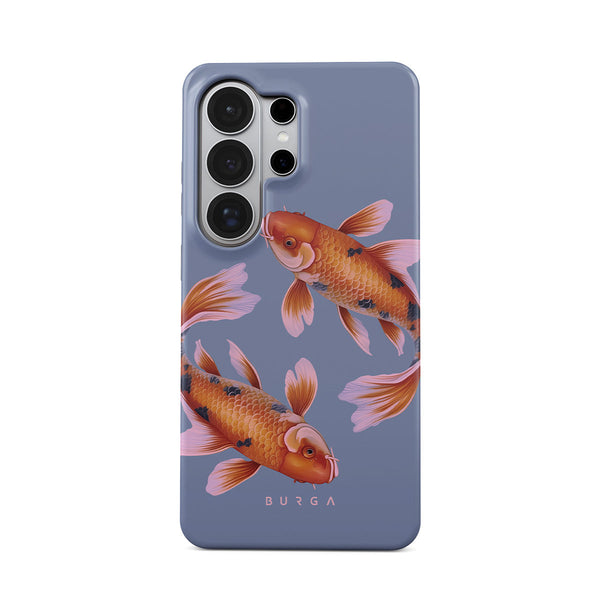
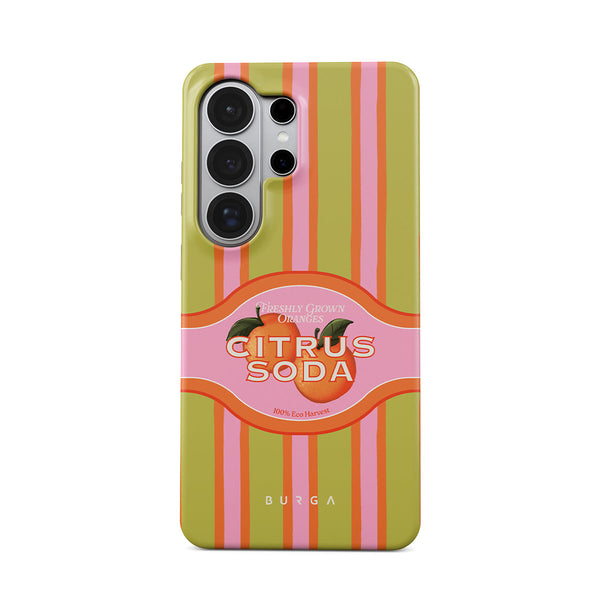
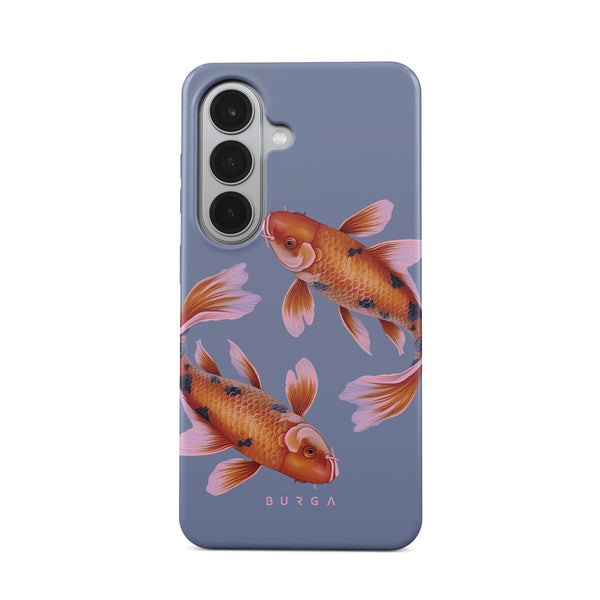
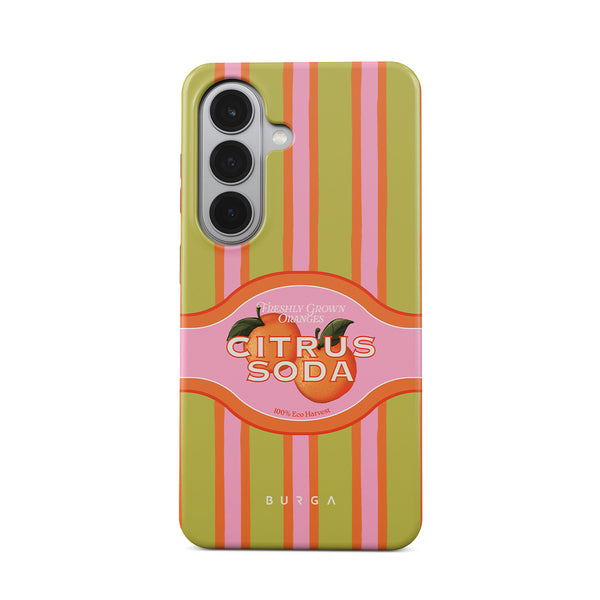
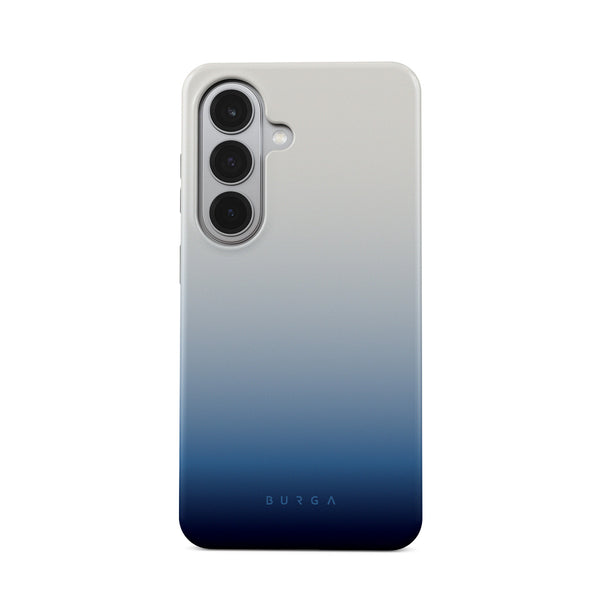
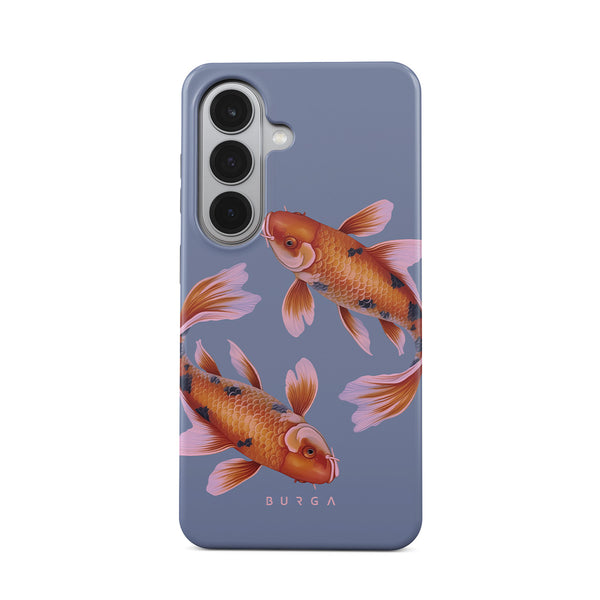
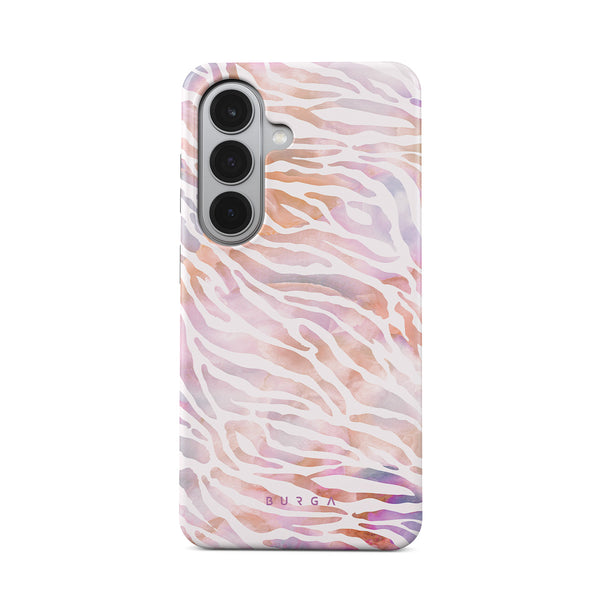
BURGA took the position that protective phone cases should also be the ones people actually want to look at. Cases are made from recycled PETG with UV-resistant prints that do not fade, and the brand's quality-first positioning means fewer replacements over time, which is an environmental argument in its own right.

Enter Store

About This District

Biodegradable phone cases vary significantly in what that label actually means, and the marketing sometimes blurs lines that matter. Before buying, understand the difference between biodegradable, compostable, and made-from-recycled-materials. They are not the same thing. Pela Case uses Flaxstic, a proprietary blend of flax shive waste and plant-based biopolymers, designed to break down in home compost in under a year. That is a specific, verifiable claim. Tallpine Cases uses plant-based biodegradable materials that break down under the right conditions. agood company blends hemp, flax, cellulose, and PLA for a case that is compostable under industrial conditions. If home compostability matters to you, prioritize Pela and EcoBlvd, which both use materials designed for consumer-level composting. Pela also offers a case return program, so when your phone is outdated and the case no longer has a device to protect, you can send it back. Beyond the environmental story, pay attention to drop protection ratings. Eco materials can sometimes compromise on impact resistance compared to dense polycarbonate. Check whether the case has been drop-tested and at what height, especially if your phone tends to meet hard floors. Finally, verify phone compatibility before purchasing. Eco brands often have narrower model support than large manufacturers. Most update their lineup with each major iPhone and Samsung release, but older or less common models may not be covered.