Mint Districts Wellness

The Best Blue Light Glasses Brands Tested and Worth Buying

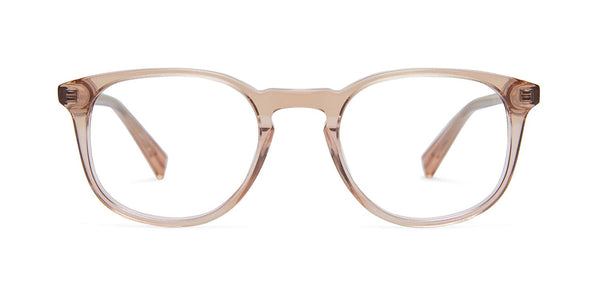
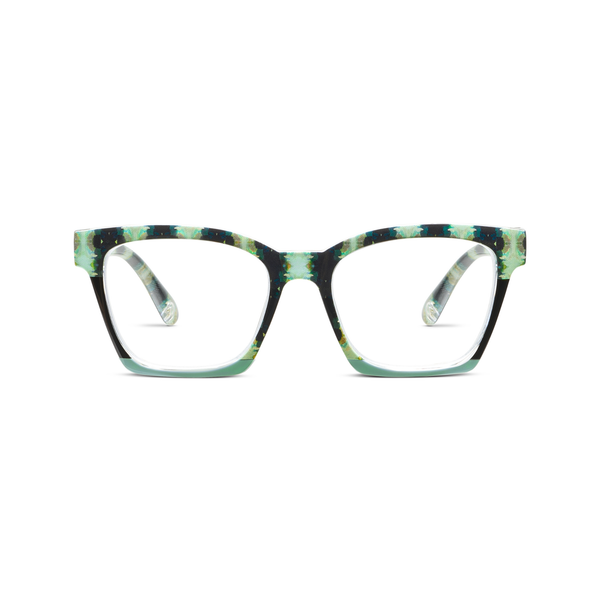
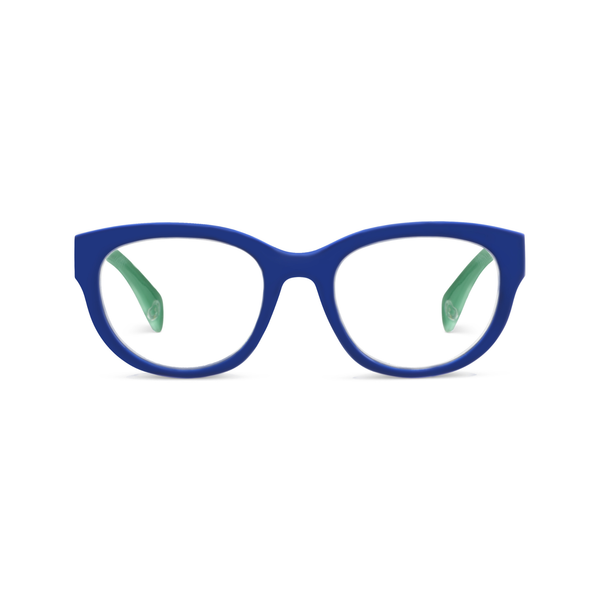
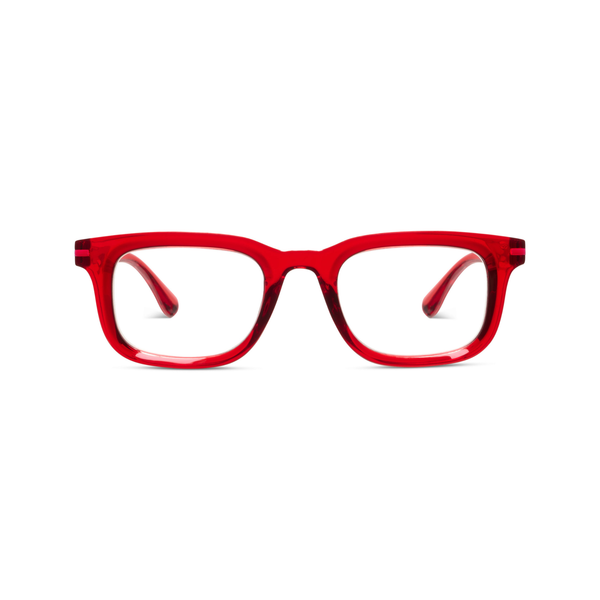
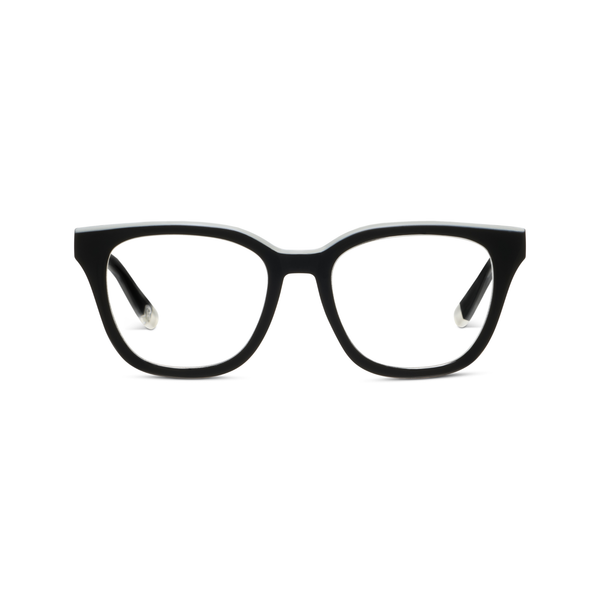
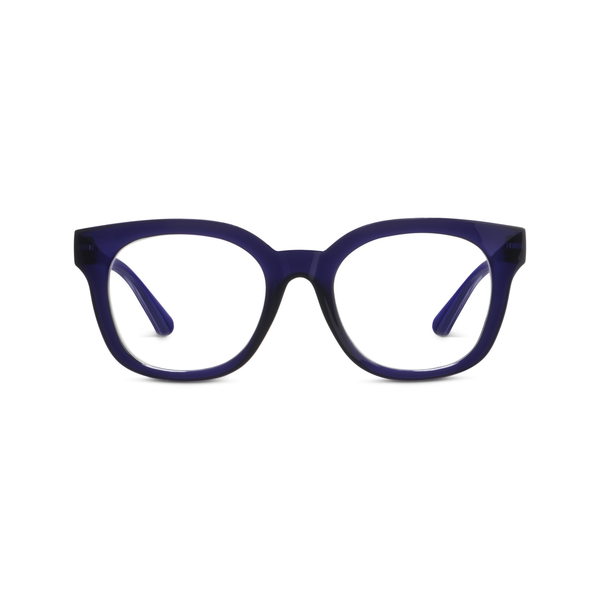
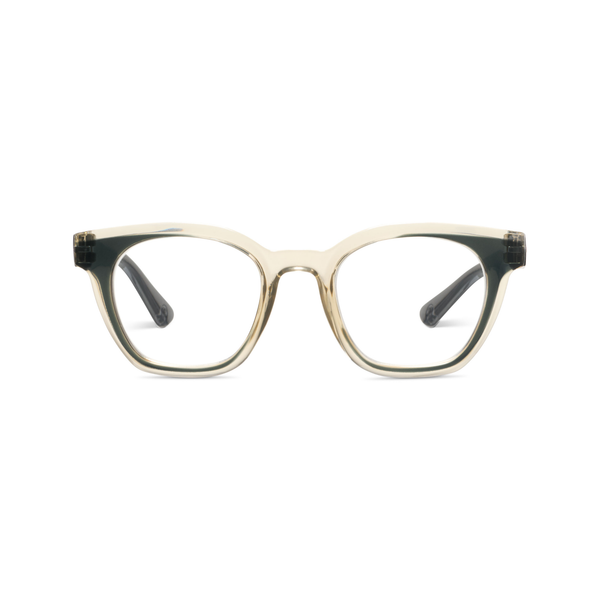
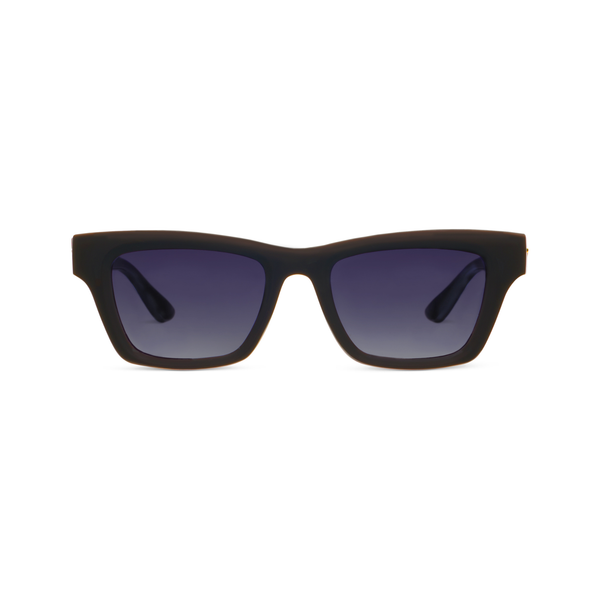
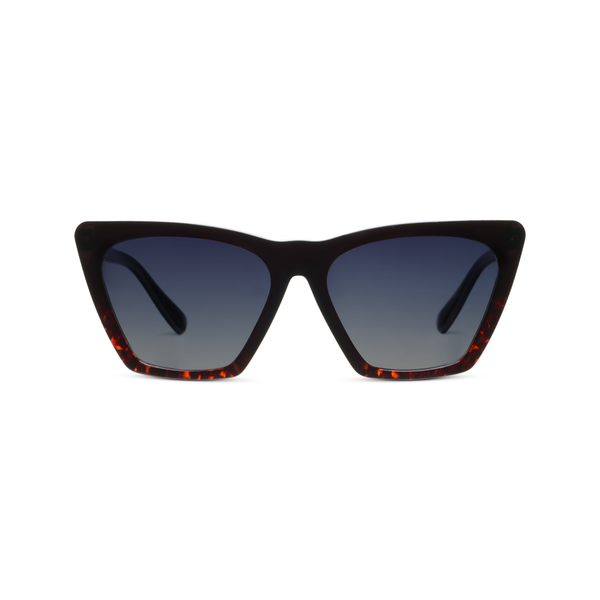
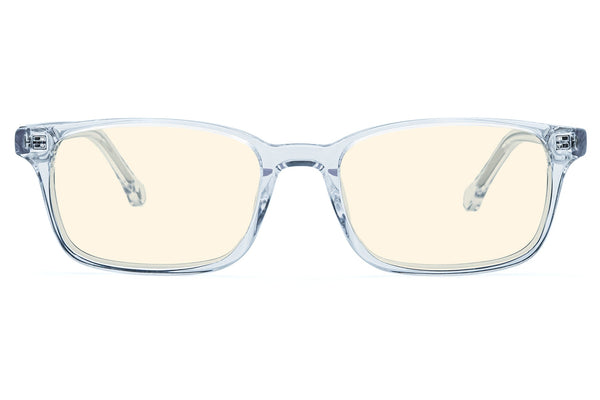
Blue light glasses went from wellness gimmick to everyday tool faster than most people expected. The science on blue light and sleep disruption is real: exposure to high-energy visible light in the evening suppresses melatonin production and makes it harder to fall asleep. What varies wildly is how well the glasses actually filter that spectrum, and how much that matters versus how they look on your face. These brands have put actual lens engineering behind the product, rather than just tinting clear frames yellow and calling it protection.

Wellness · 6 Brands

The Blue Light Glasses District

Felix Gray

New York, NY

Premium blue light glasses designed in New York, worn all day

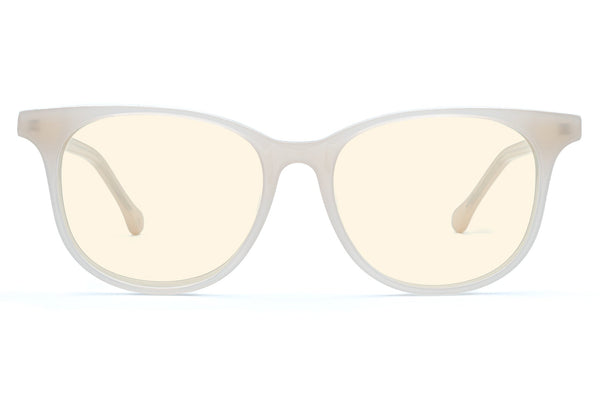
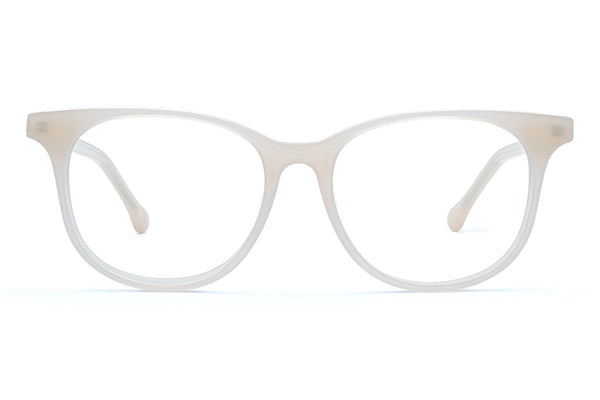
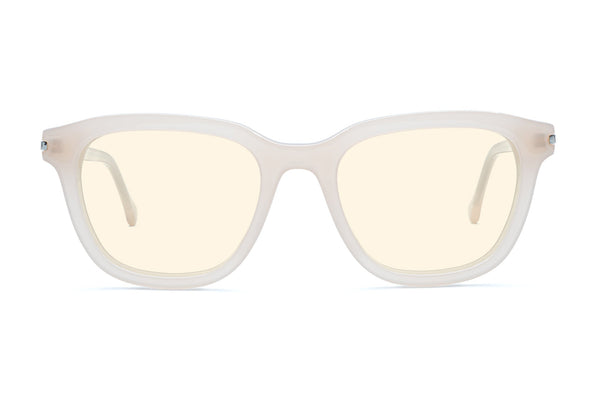
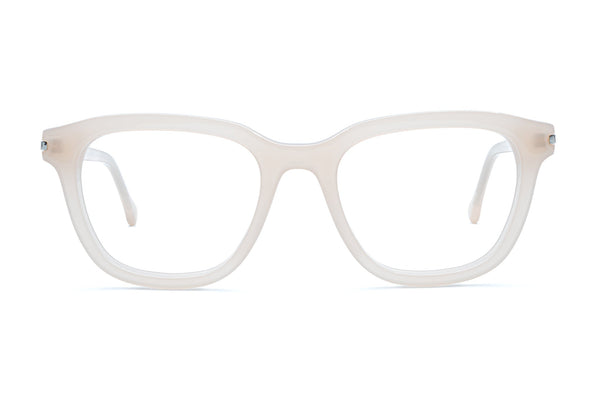
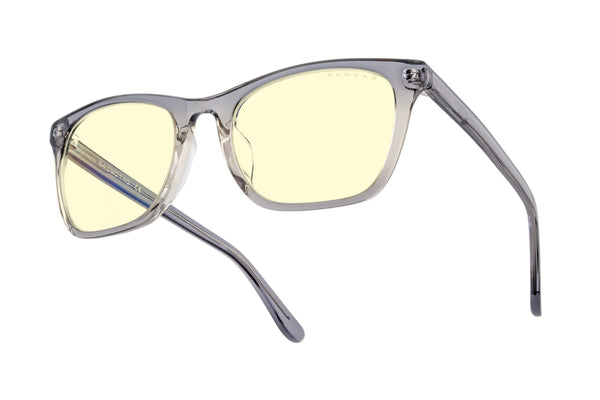
Founded in Paris and now operating out of New York, Felix Gray built a reputation for blue light glasses that prioritize both lens technology and frame design. Their lenses embed the filtering compound directly in the lens material rather than applying a surface coating, producing more consistent filtering without the color shift that coated lenses develop over time.
Enter Store

DIFF Eyewear

Scottsdale, AZ

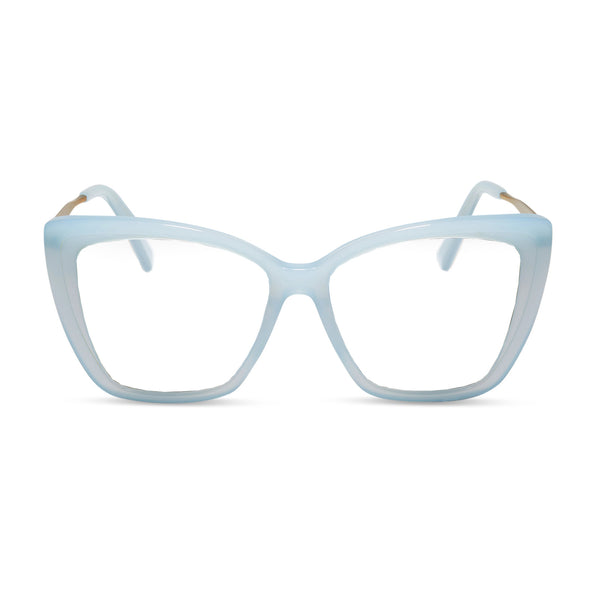
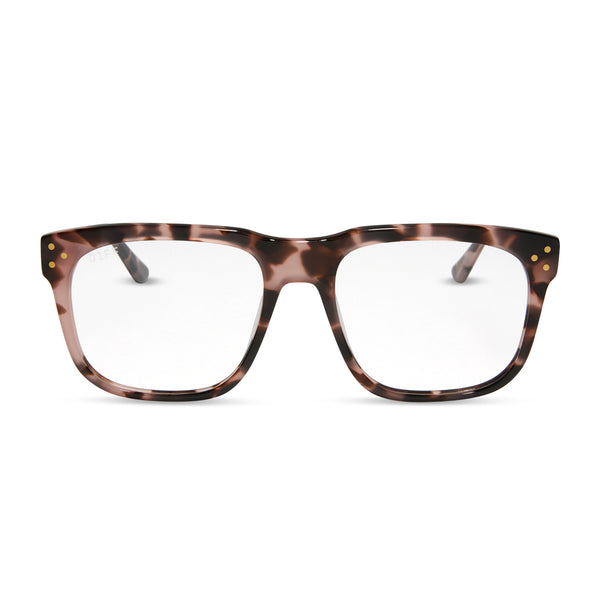
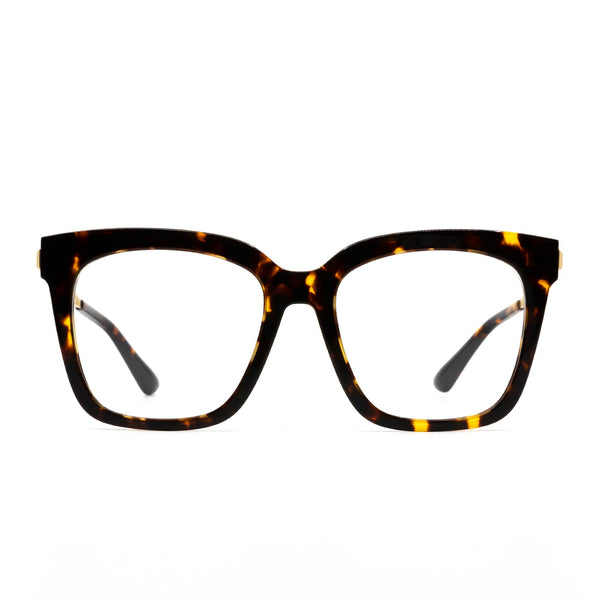
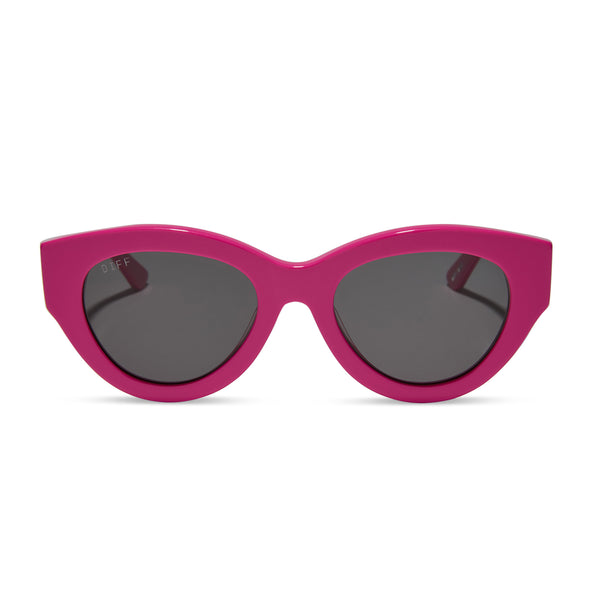
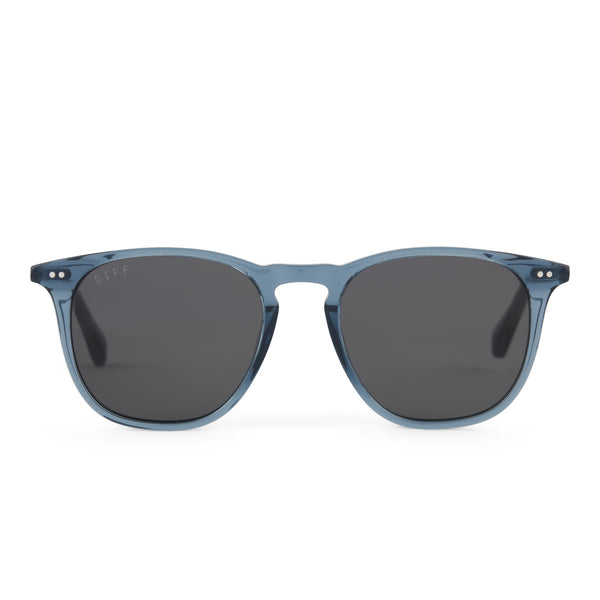
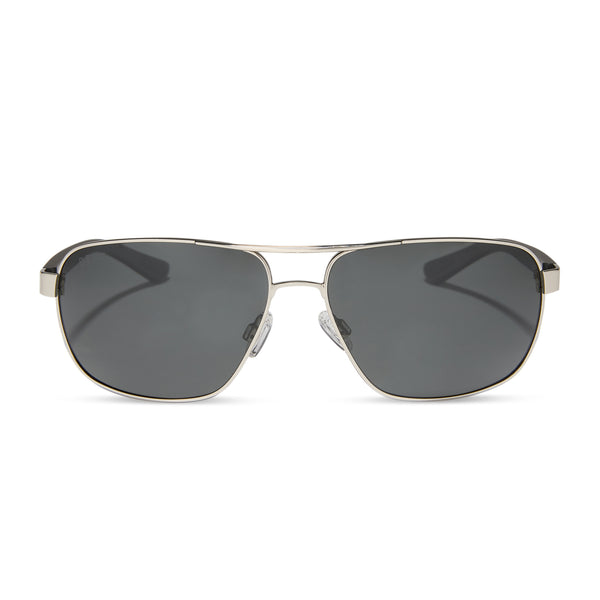
Blue light and prescription glasses with a buy-one-give-one mission

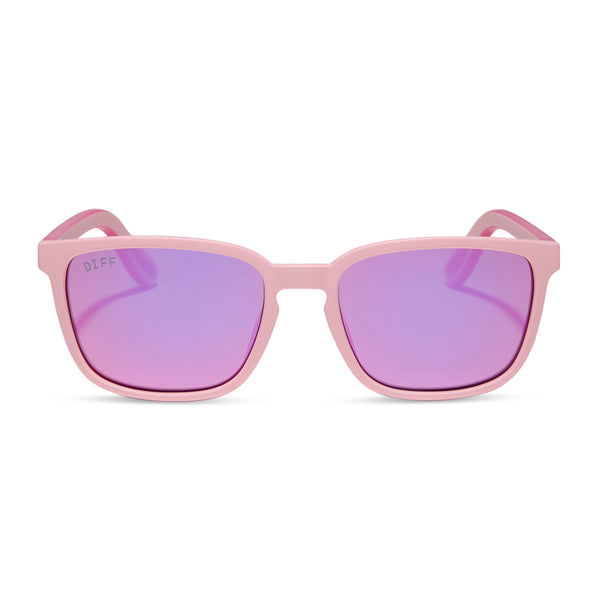
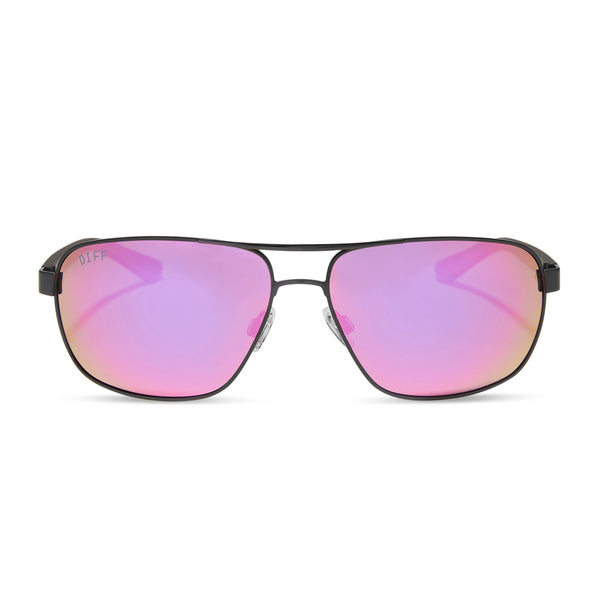
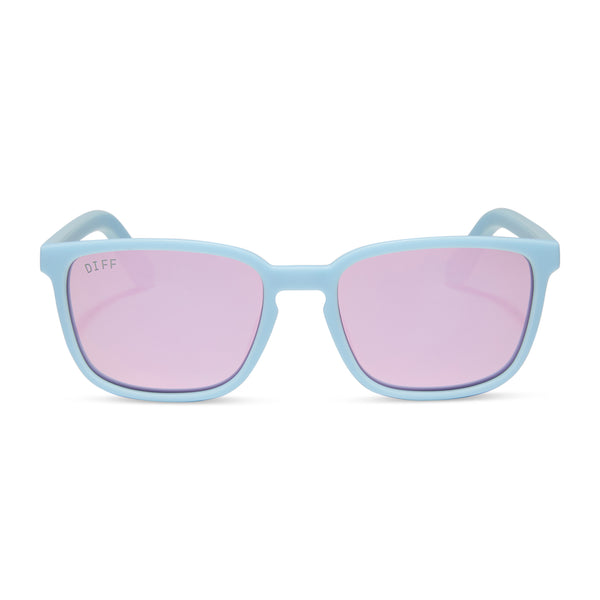
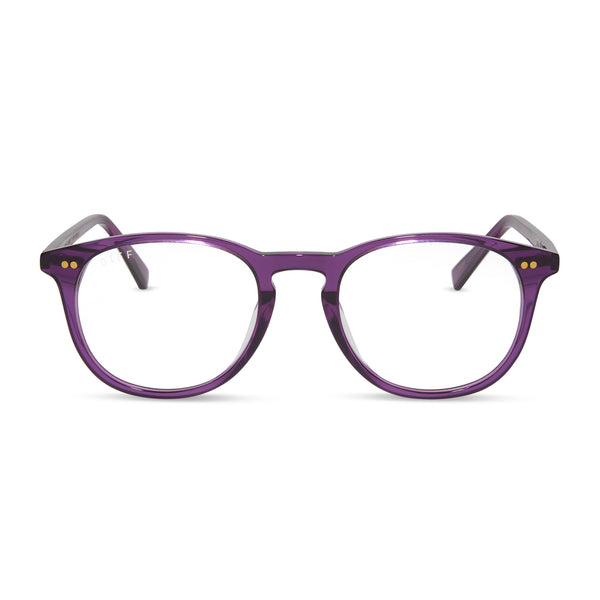
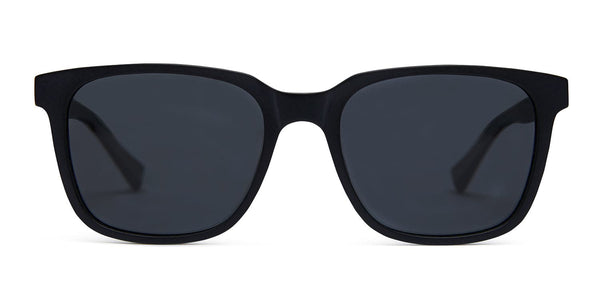
DIFF pairs every purchase with a donation of reading glasses to someone in need through their nonprofit partnerships. Beyond the mission, their frames are genuinely well-designed and their blue light lens options cover both daytime and evening use. A brand that has proven the social model can coexist with strong product quality.

Enter Store

BlockBlueLight

Australia

Specialist blue light glasses with published spectral data

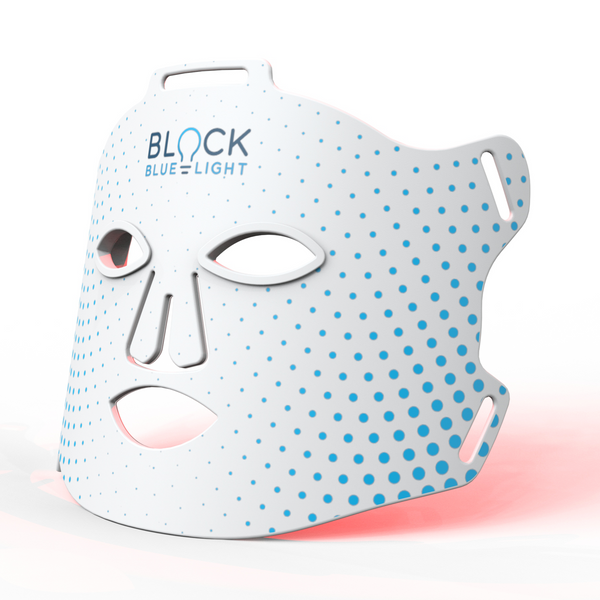
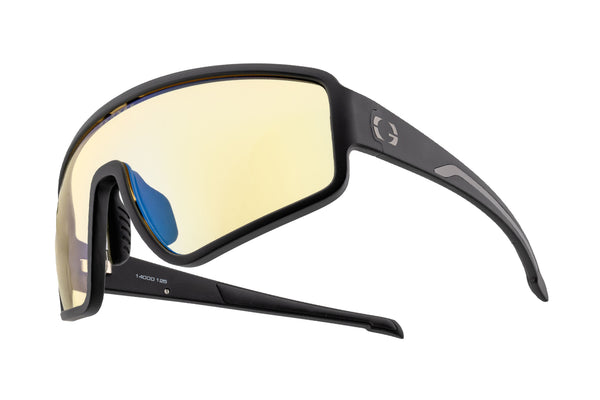
Built by people who take the science seriously, BlockBlueLight publishes spectral filtering data for every lens they sell so you can verify what percentage of blue and green light is actually blocked at each wavelength. Their sleep glasses (the orange and red-tinted variants) are among the most effective available in the consumer market.

Enter Store

Baxter Blue

Melbourne, VIC

Australian blue light glasses combining real aesthetics with real filtration

Melbourne-based Baxter Blue launched with a conviction that blue light glasses could look like glasses people actually wanted to wear. Their frames are acetate-heavy, fashion-forward, and come with certified lenses tested for blue light filtration. Strong prescription program and a growing range of styles beyond the basics.

Enter Store

Gunnar

Carlsbad, CA

Gaming and professional eyewear engineered for long screen sessions

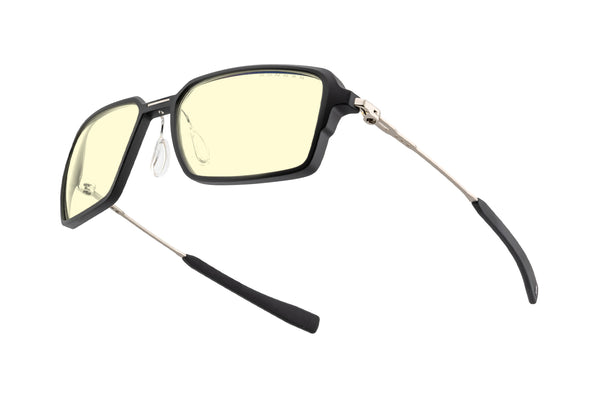
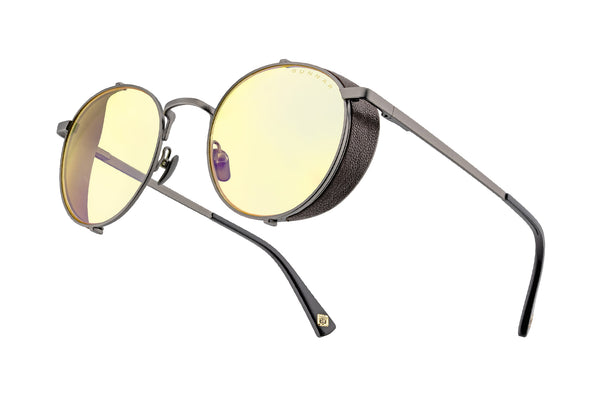
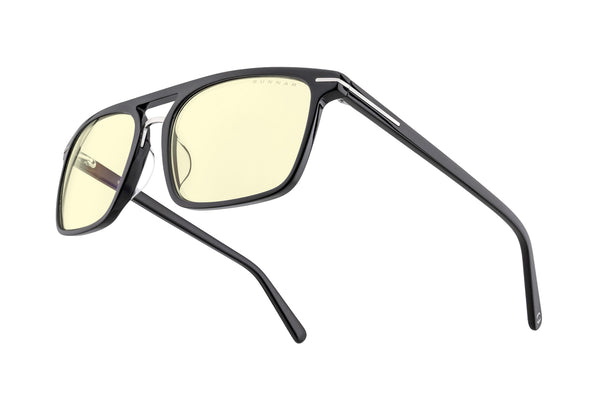
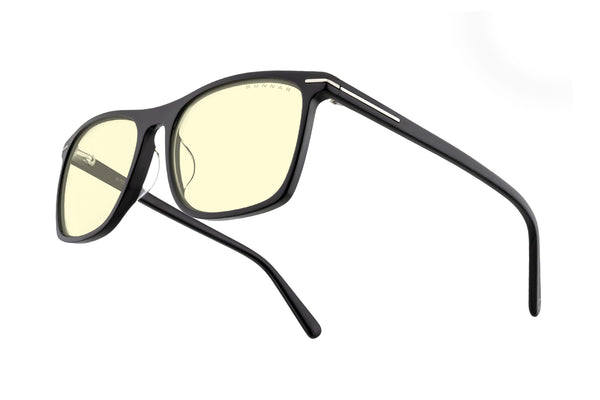
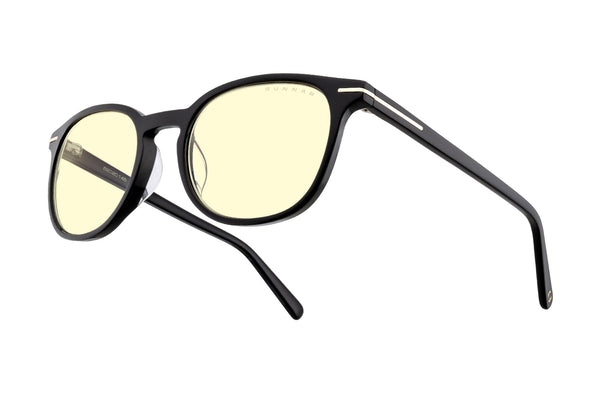
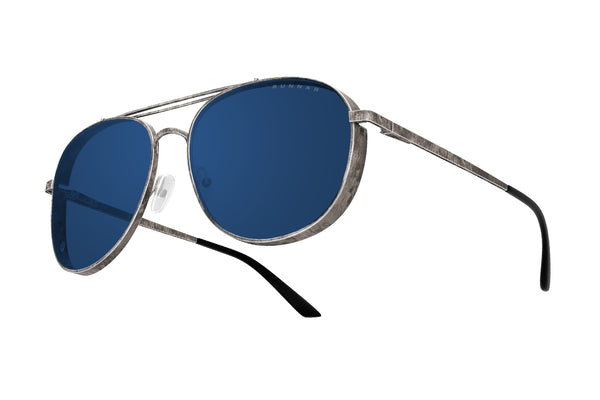
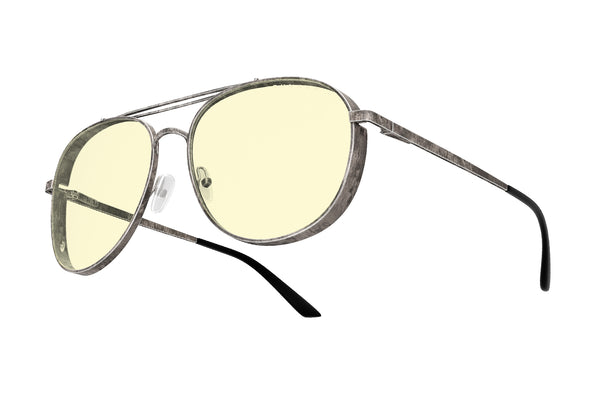
Gunnar has been making computer eyewear since 2007, well before blue light glasses became a mainstream category. Their lenses use a slightly amber tint that increases contrast on screens while filtering blue light, and their frames are designed for extended wear with headphone-compatible geometry. The established choice for serious gamers and developers.

Enter Store

Peepers

Holland, MI

Reading and blue light glasses made for everyday people

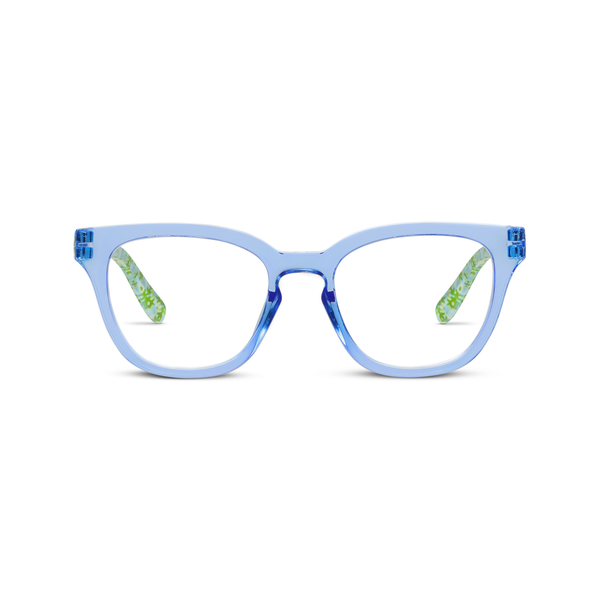
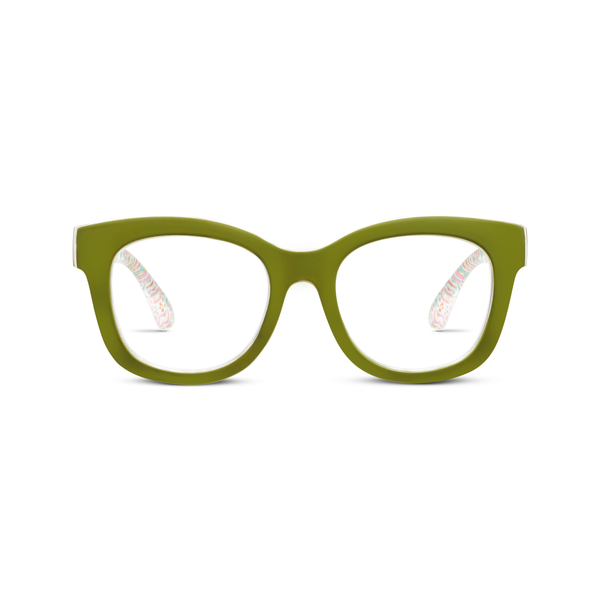
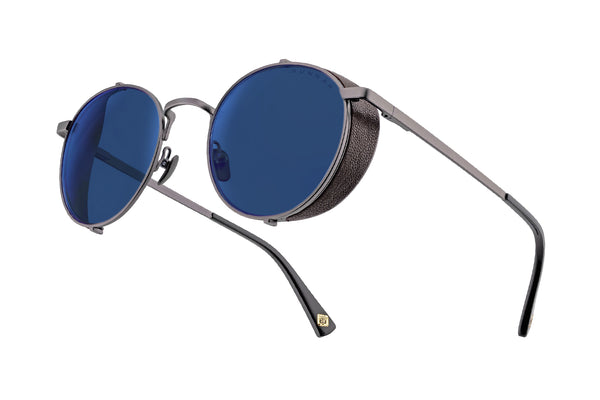
A Michigan-based brand with over forty years in the reading glasses business that expanded into blue light filtering as screen use became universal. Peepers stands out for accessibility: wide size range, affordable prices, and a design approach that skews classic and approachable rather than tech-forward. The right entry point for people buying blue light glasses for the first time.
Enter Store

About This District

Before buying blue light glasses, it helps to know what you actually need them for, because the answer changes which type of lens to look for. For daytime screen use, clear or lightly tinted lenses that filter a portion of blue light (typically 20 to 40%) are enough to reduce eye fatigue without affecting color perception significantly. If you do design work or need accurate color on screen, these are the ones to use. For evening use and sleep improvement, you need a higher-filtering lens, usually amber or orange-tinted, that blocks 90% or more of blue light. These change how you see colors, but they are what actually affects melatonin production. Clear lenses marketed for sleep are far less effective. Lens quality matters more than frame price. Look for brands that publish their spectral filtering data (what percentage of blue light is filtered at which wavelength range). The most relevant range for sleep disruption is 400 to 500nm, with peak sensitivity around 480nm. If a brand does not publish this data, treat their sleep claims skeptically. For gaming and extended screen sessions, look for anti-reflective coating in addition to blue light filtering. Glare from screens and overhead lighting contributes significantly to eyestrain independent of blue light. Prescription options exist at most of these brands. Expect a longer processing time and slightly higher cost, comparable to or lower than what a traditional optician charges for similar blue light coating on a prescription lens.