Mint Districts Home

The Best Ceramic Pottery Brands for Handmade Tableware and Home Goods

There is something that happens when you switch from mass-produced ceramics to handmade ones: you start paying attention to the object. The slight variation in glaze, the weight distribution in a mug, the way a bowl holds heat differently depending on its thickness. These brands have built businesses around that experience, some focused on American studio traditions, others drawing on generations of craft from other parts of the world. What they share is a conviction that the things you eat and drink from every day deserve more than a factory specification sheet.

Home · 6 Brands

The Ceramic Pottery District

Farmhouse Pottery

Woodstock, VT

Vermont handmade pottery designed for the table you use every day

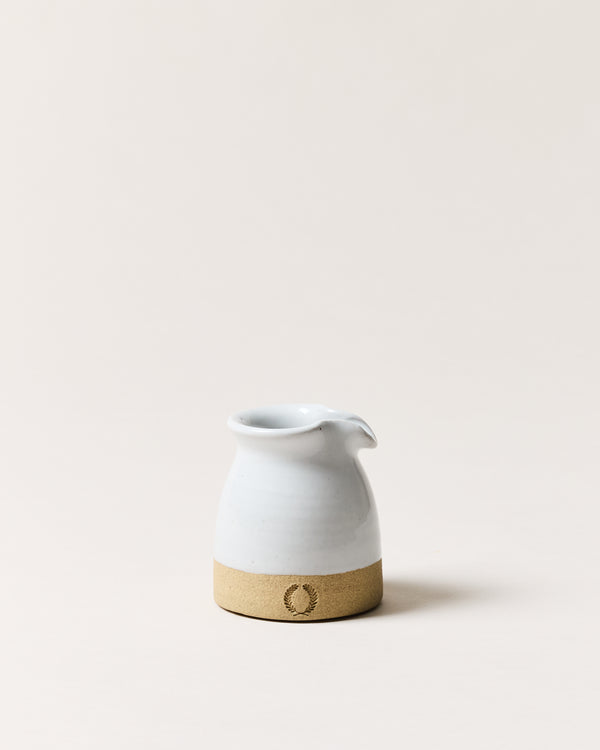
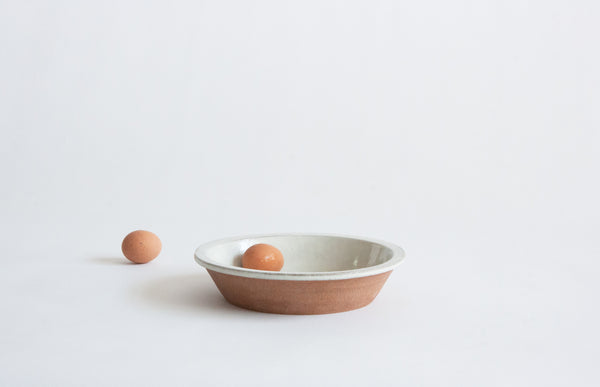
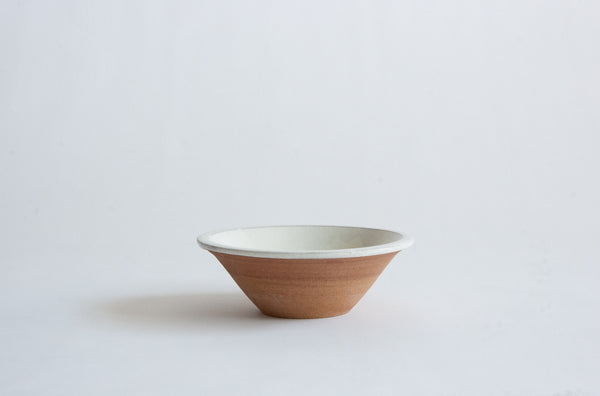
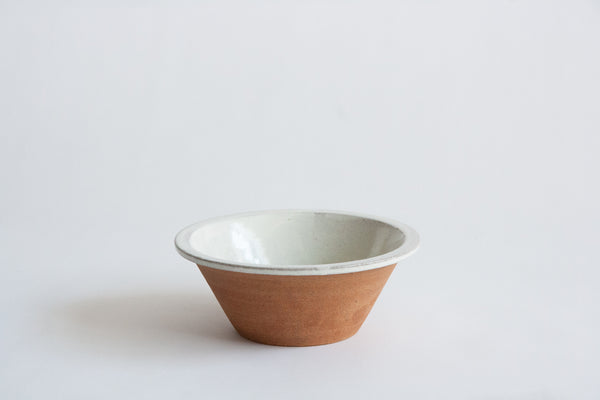
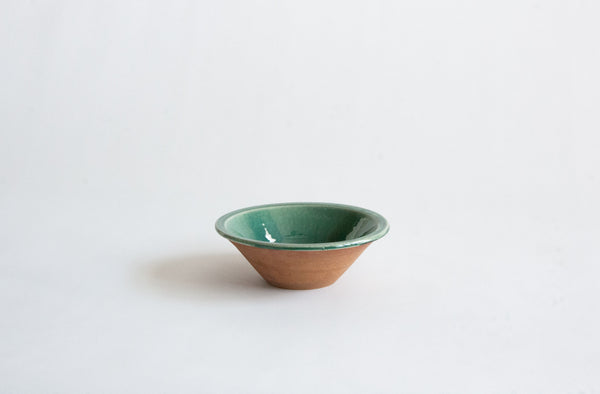
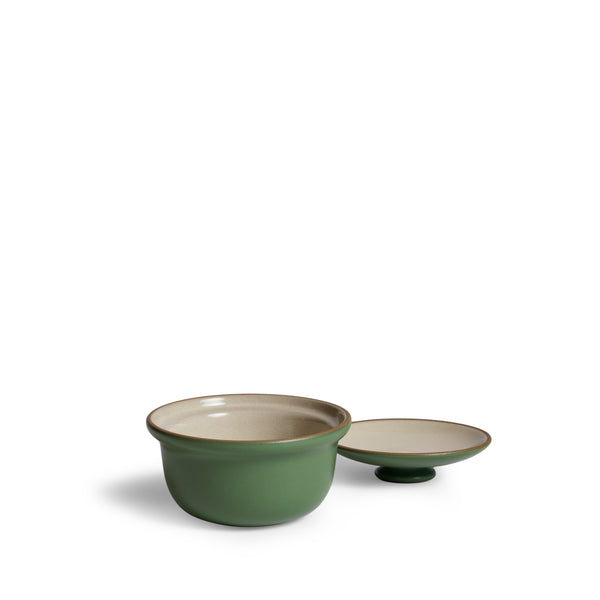
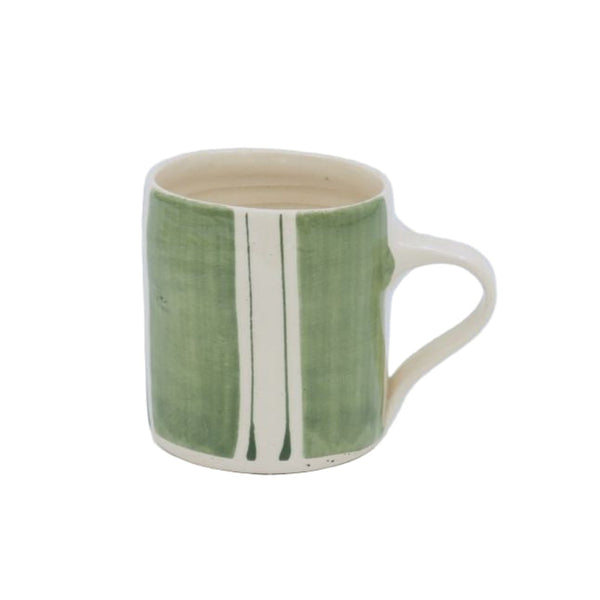
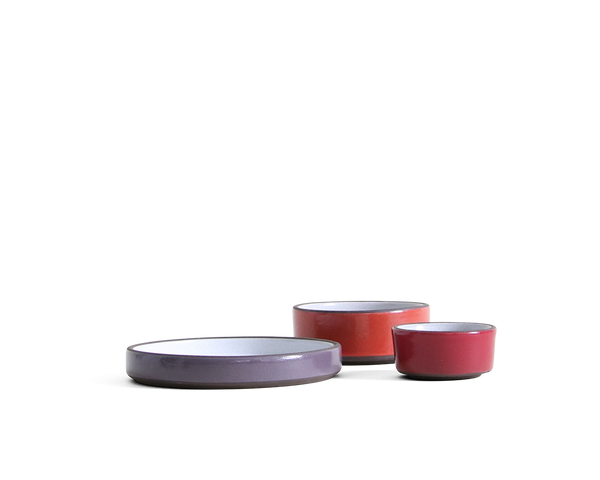
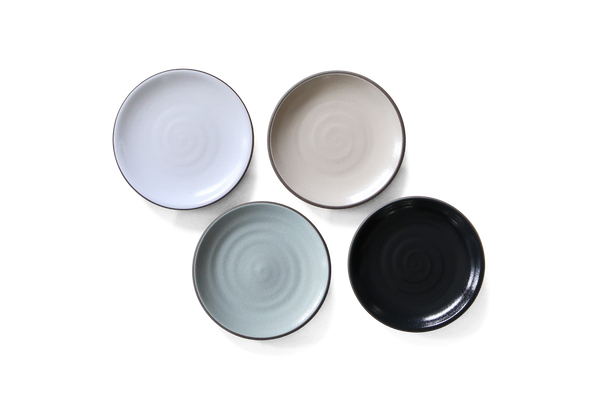
James and Parvaneh Brown started Farmhouse Pottery in Woodstock, Vermont in 2014 in an actual farmhouse, throwing pots in a space that doubled as their home. What grew from that is a full studio operation known for clean forms, beautiful glazes, and a commitment to American craft. Their tableware and home goods are the kind that get passed down.
Enter Store

Jono Pandolfi

New York, NY

Restaurant-grade ceramics made for homes that appreciate the difference

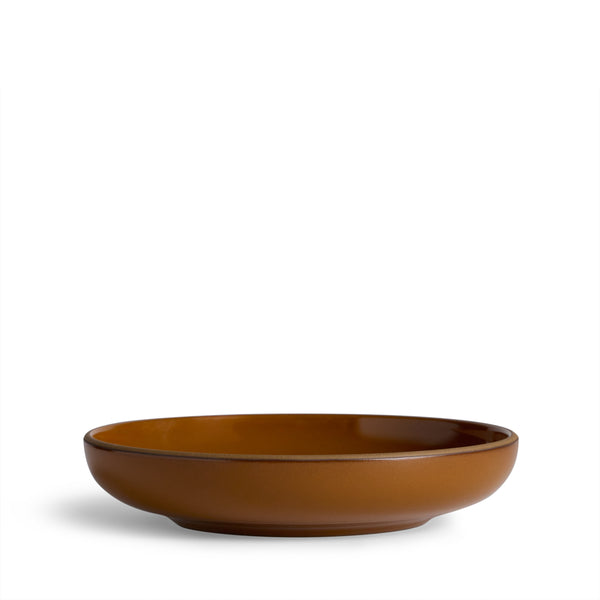
Jono Pandolfi built his reputation making custom ceramics for the best restaurants in New York, including Daniel, Gramercy Tavern, and Blue Hill at Stone Barns. His DTC line brings that same obsessive attention to form and glaze to home tableware. If you have eaten at a serious New York restaurant, you have probably used his work without knowing it.

Enter Store

Sheldon Ceramics

Handmade stoneware tableware that improves every table it joins

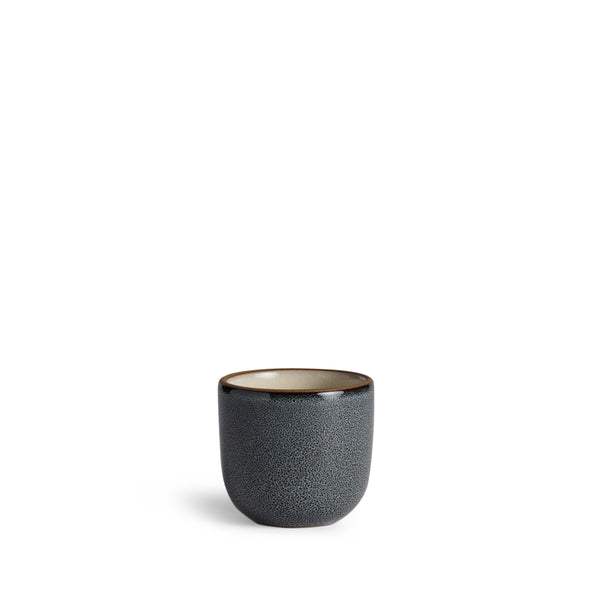
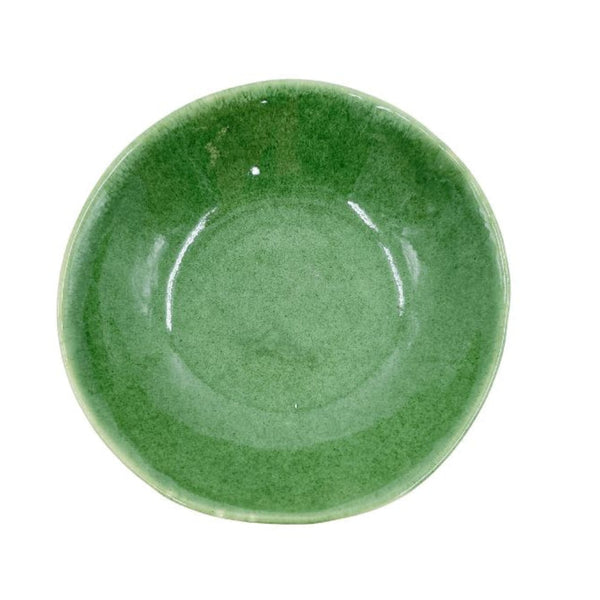
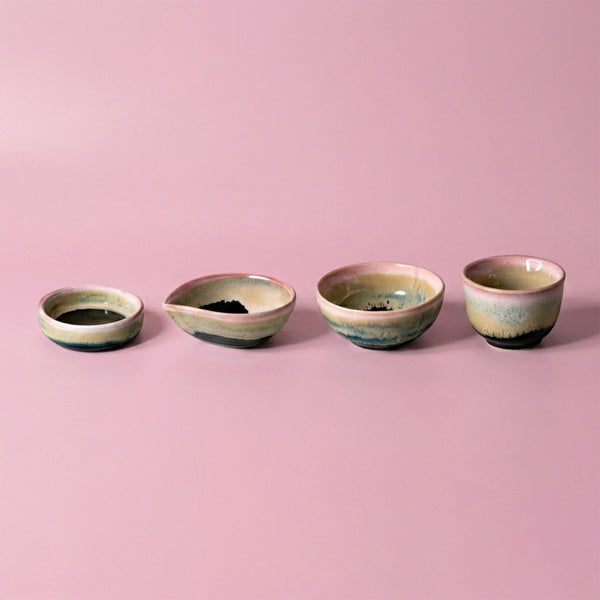
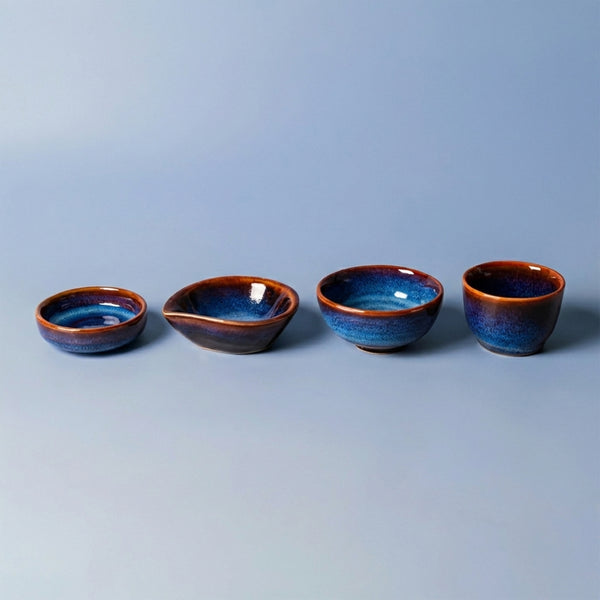
A studio ceramics brand focused on producing stoneware tableware that works as hard as it looks good. Their pieces have a deliberate aesthetic: clean edges, reactive glazes, thoughtful proportions. Made for people who want everyday ceramics with the character of a studio piece at a price that makes building a full set realistic.

Enter Store

Heath Ceramics

Sausalito, CA

California ceramic design institution since 1948, still making the classics

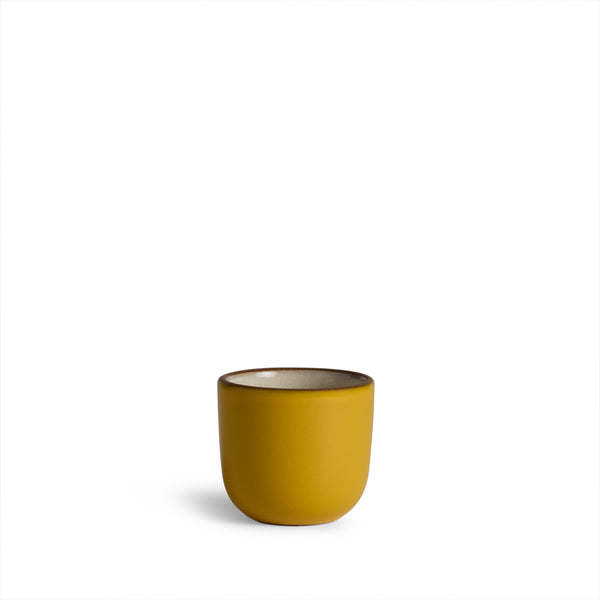
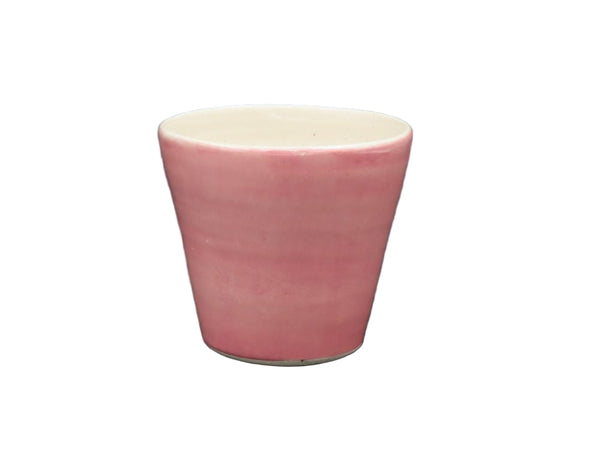
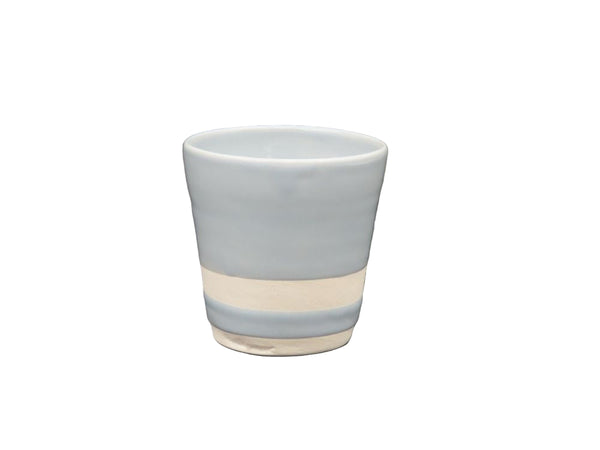
Edith Heath founded Heath Ceramics in Sausalito in 1948 and developed a glaze palette and production approach that became one of the defining aesthetics of mid-century California design. The studio still operates from the original location. Their dinnerware and tiles remain essentially unchanged, which is either stubbornness or confidence depending on how you look at it.
Enter Store

Wonki Ware

Cape Town, South Africa

South African handmade ceramics where no two pieces are alike

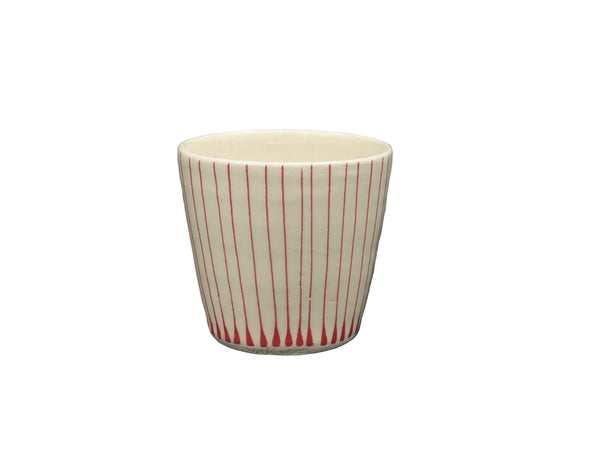
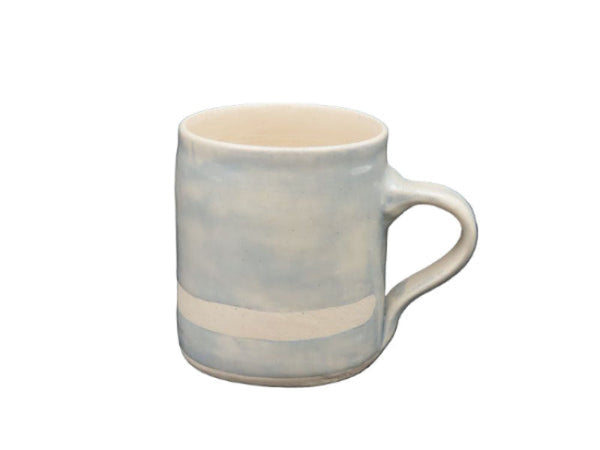
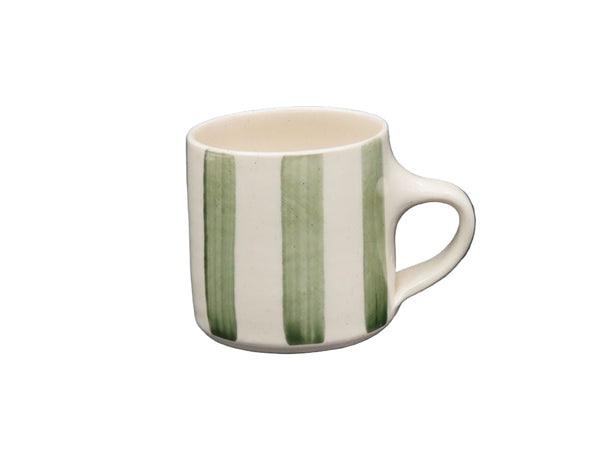
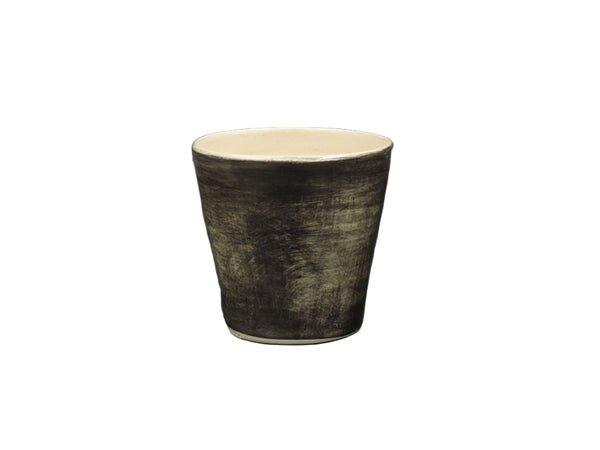
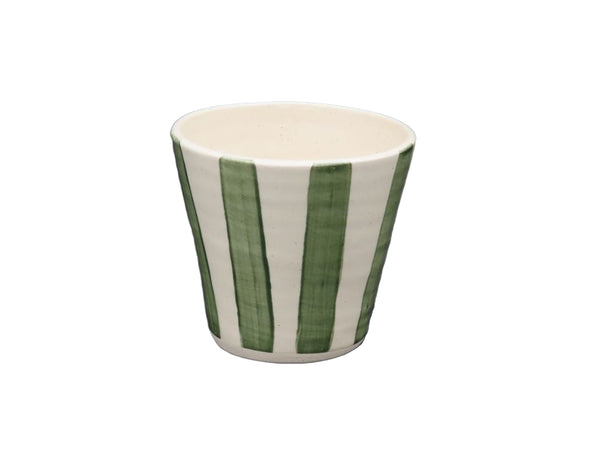
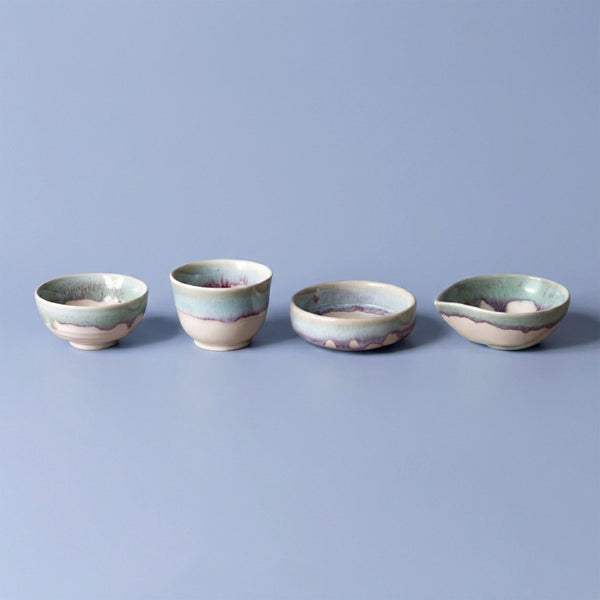
Made in the Western Cape of South Africa by a team of potters working in a small studio, Wonki Ware has built an international following on the strength of their mix-and-match design approach. Over 100 patterns and glazes mean every table setting is genuinely one of a kind. The imperfection is the point.

Enter Store

Pottery for the Planet

Australia

Handmade ceramic travel cups designed to replace disposables for good

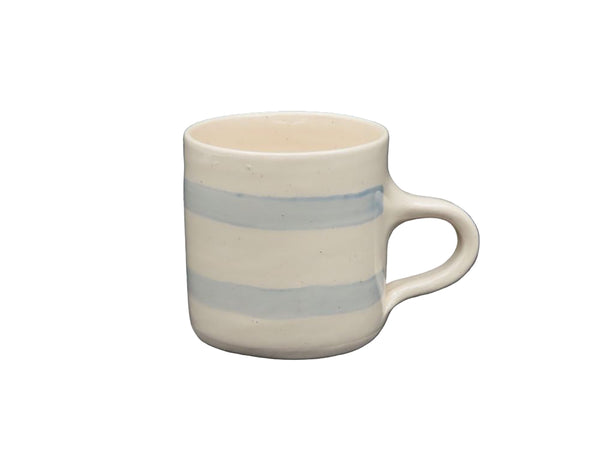
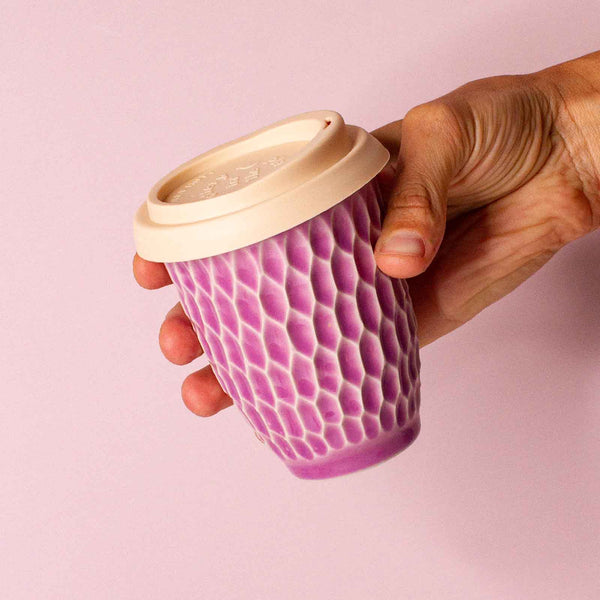
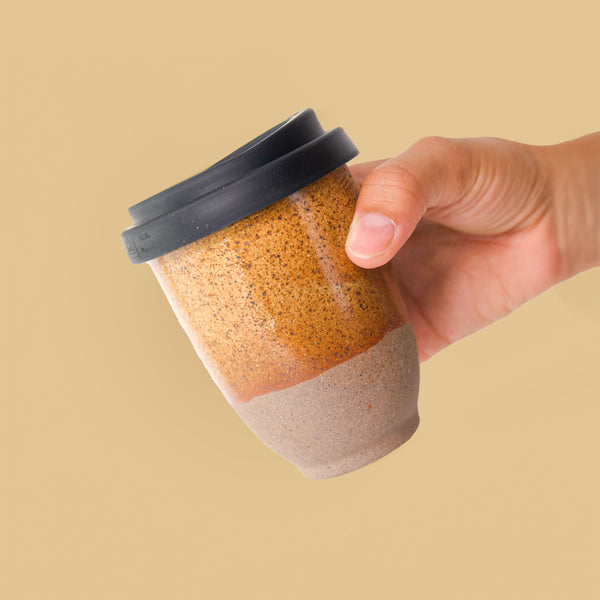
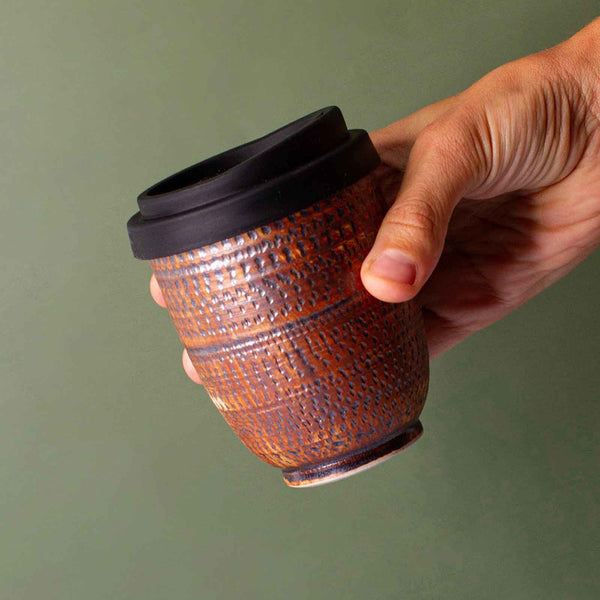
An Australian brand that started with one question: what if a reusable coffee cup felt as good as the best handmade mug? Each cup is made by hand, meaning slight variations in size, color, and texture are built into the product. They have collectively prevented millions of disposable cups from going to landfill.

Enter Store

About This District

Shopping for ceramic pottery online has some practical considerations that do not come up with other home goods. Glaze finish is the most important aesthetic decision. Matte glazes hide fingerprints and have a more organic feel; glossy glazes are easier to clean and show color more vividly. Reactive glazes, which change color unpredictably during firing, are popular in studio pottery and mean no two pieces are exactly alike. When product descriptions say variation may occur, they mean you are getting a unique piece, not a defect. Handmade versus production pottery: true handmade pieces (thrown on a wheel or hand-built) have micro-variations in dimension and glaze. Production pottery, even from quality studio brands, is slip-cast or jiggered for consistency. Both are fine but they deliver different experiences. Read brand descriptions to understand which you are getting. Dishwasher and microwave safety varies. Most stoneware glazes are food-safe and dishwasher-safe, but some hand-applied metallic lusters are not. Check before assuming. For tableware, consider the full table. Mixing makers works better than you might expect, since handmade pottery tends to have a tonal consistency that lets pieces from different studios coexist on the same table. Shipping fragile ceramics takes real care. Look for brands that wrap individually and use enough void fill. Check return policies before ordering a large set.