Mint Districts Beauty

Clean Sunscreen Brands That Skip the Chemical Filters

Most people shopping for clean sunscreen are looking for two things: no oxybenzone or octinoxate (the chemical filters linked to coral reef damage and hormone disruption), and a formula that does not leave them looking ghostly. The second part is genuinely hard. Mineral sunscreen works by sitting on top of the skin rather than absorbing into it, which means zinc oxide and titanium dioxide particles have to be suspended precisely to minimize white cast. The brands in this district have figured it out to varying degrees. Project Reef started the formula in Hawaii, where state law already banned the worst offenders. Kinfield engineered around the cast problem specifically. Badger Balm gets to certified organic in a category where that is rare. What they share is a commitment to zinc-first sun protection, without the chemical shortcuts that make conventional SPF easier but messier.

Beauty · 7 Brands

The Clean Sunscreen District

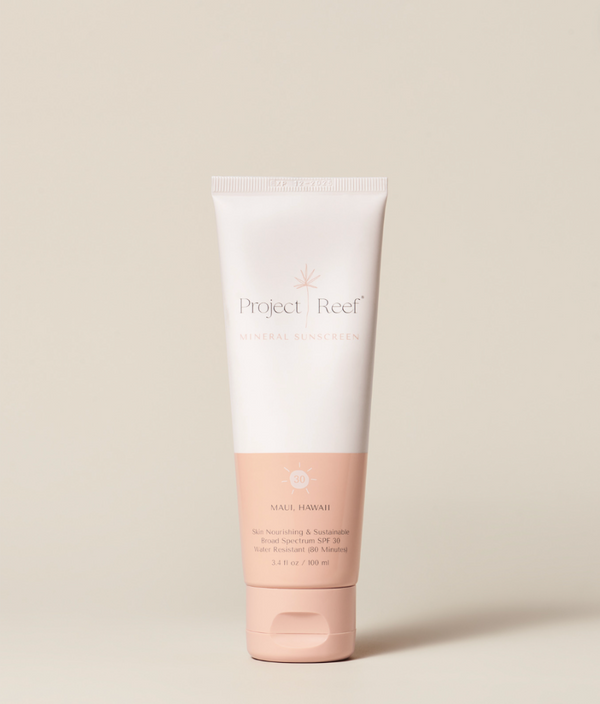
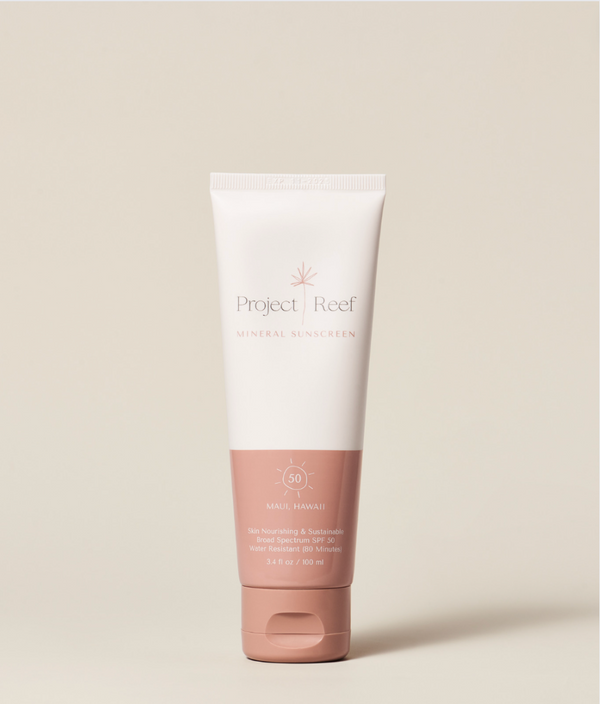
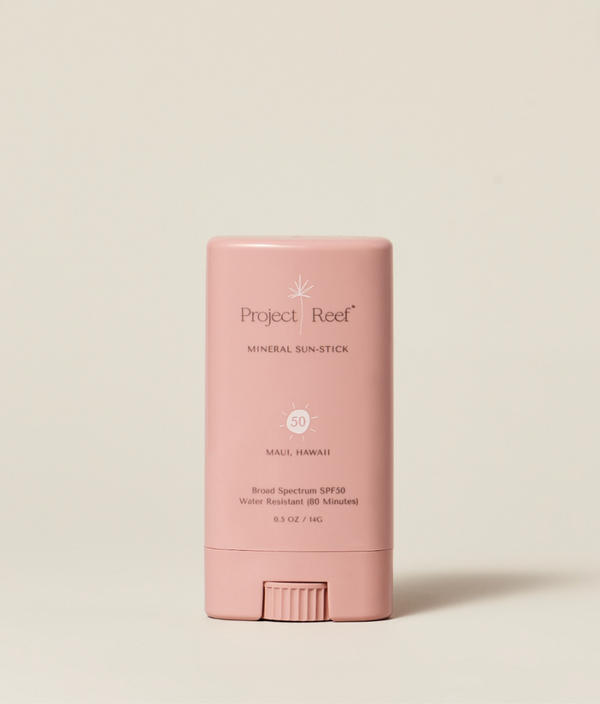
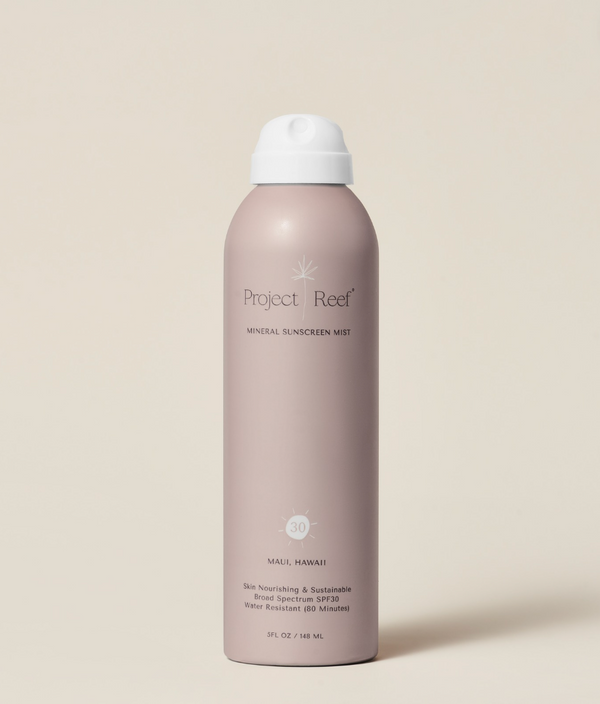
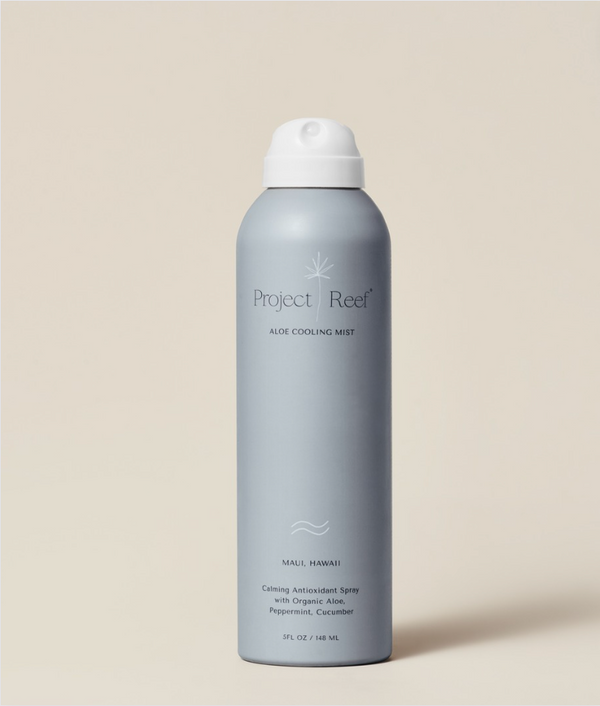
Project Reef

Hawaii

Hawaii-born mineral-only SPF built around reef protection, not just compliance.

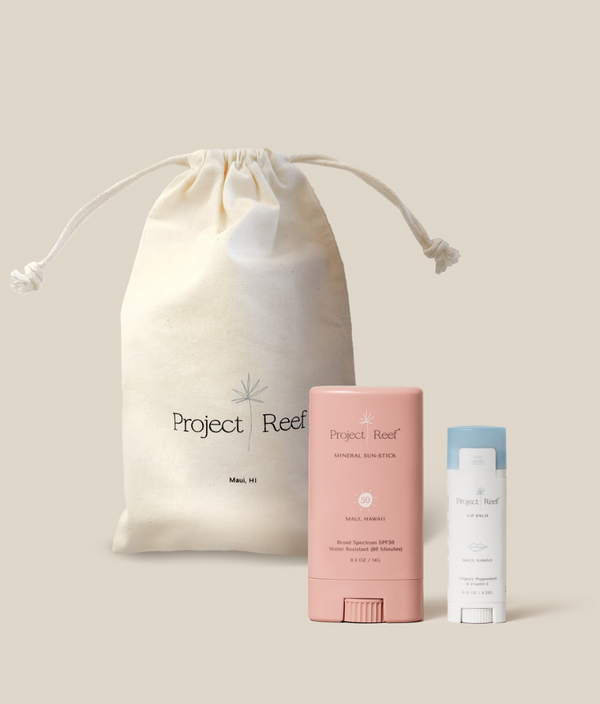
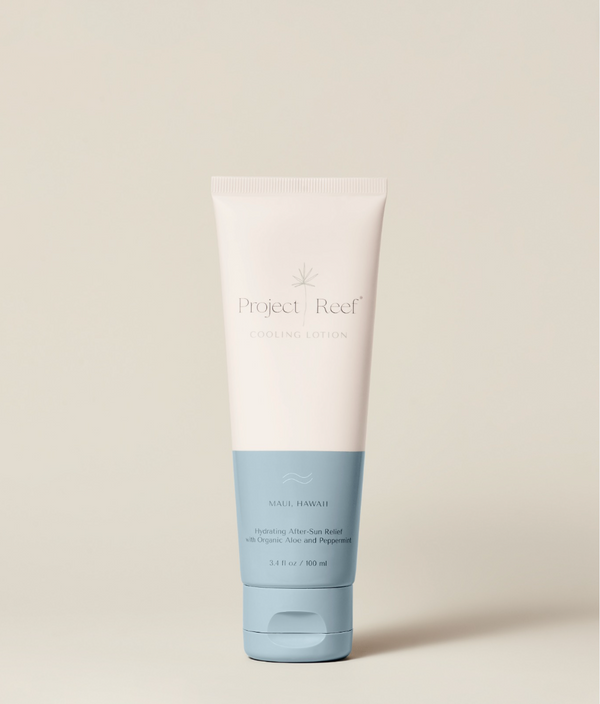
Born in Hawaii with the specific mission of protecting coral ecosystems from sunscreen chemical runoff. Project Reef uses only non-nano zinc oxide, passes Hawaii reef-safe legislation requirements, and pledges a portion of every sale to reef restoration projects. The marine science community shaped the formula from the ground up.

Enter Store

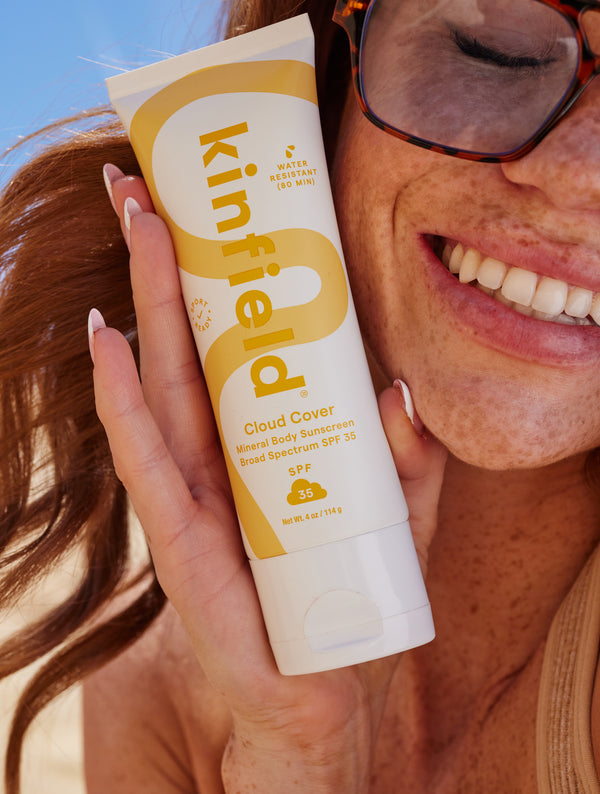
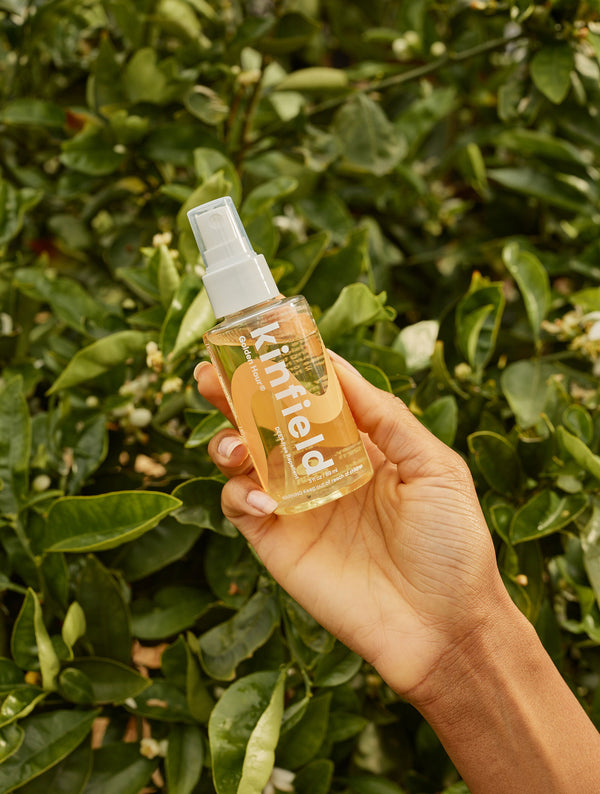
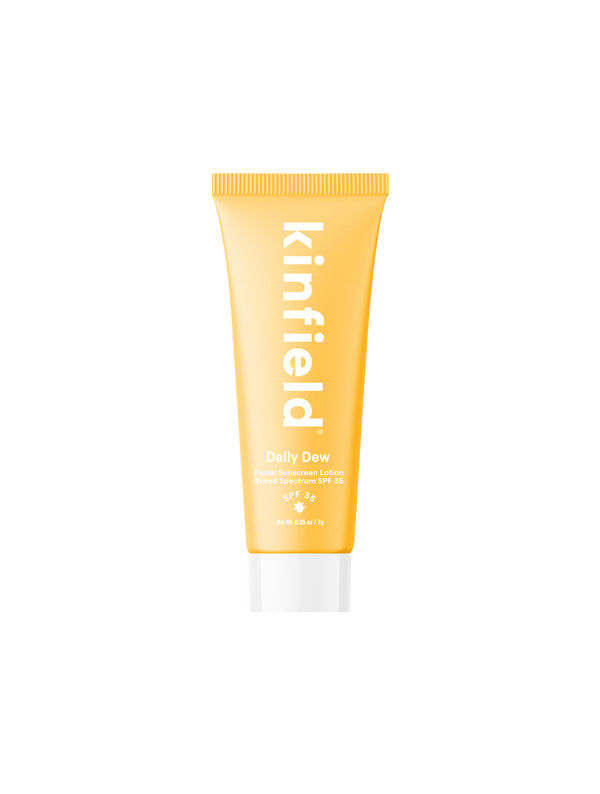
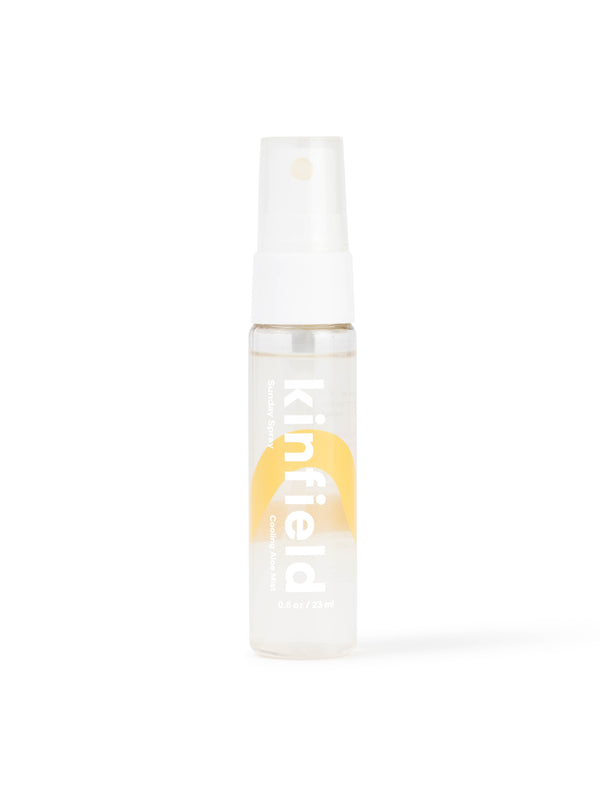
Kinfield

Outdoor-friendly SPF formulated to disappear into all skin tones.
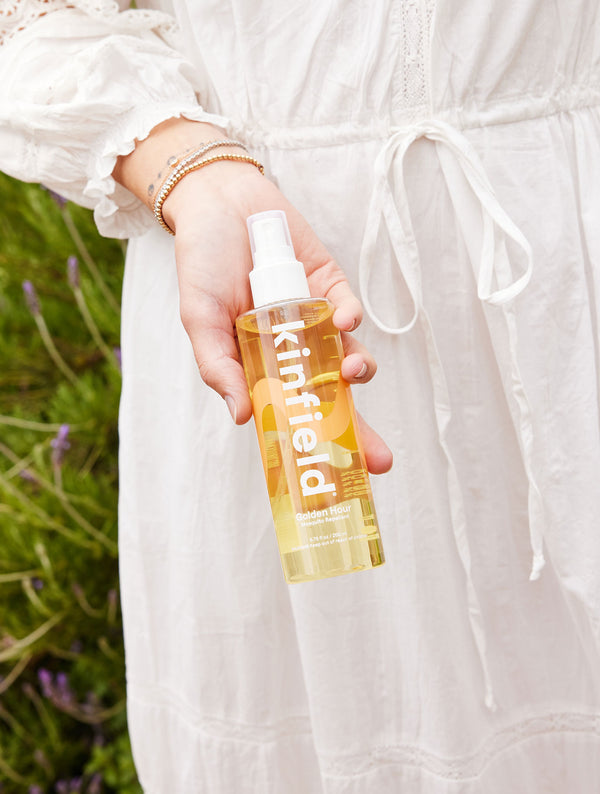
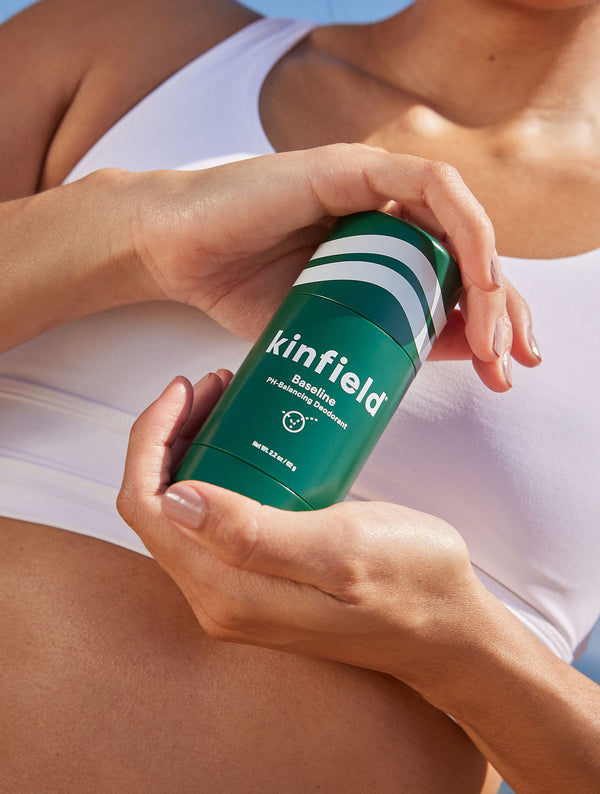
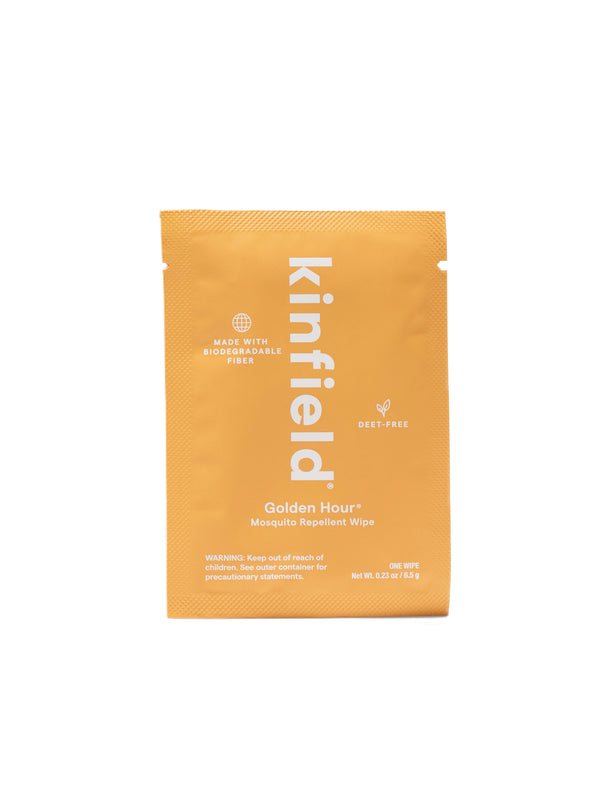
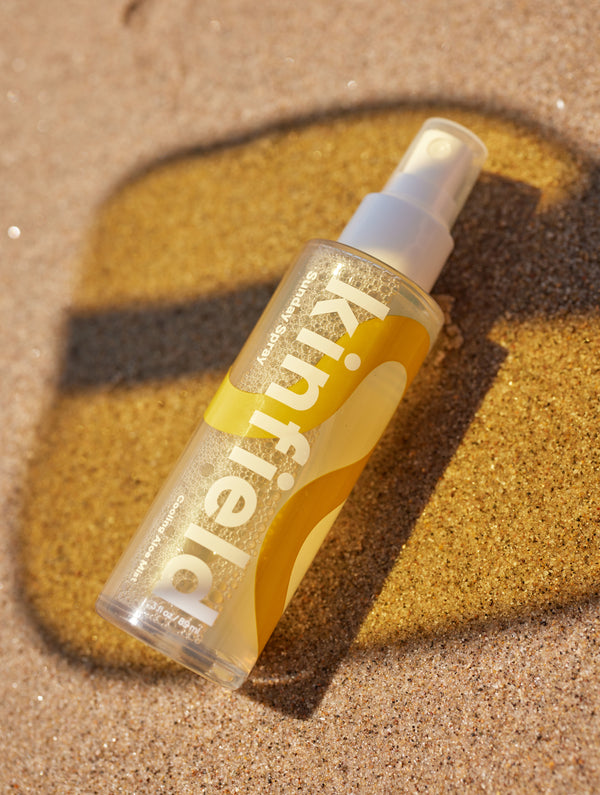
Kinfield started as a clean insect repellent brand for outdoor adventurers and expanded into sun care when the founders realized the mineral sunscreen market had not solved the universal white cast problem. Their Sunglow SPF 35 uses tinted iron oxide blending to minimize residue. The brand applies the same rigor to skin chemistry that it does to ingredient sourcing.

Enter Store

Babo Botanicals

Family-safe mineral sunscreen formulated to EWG Verified standards.

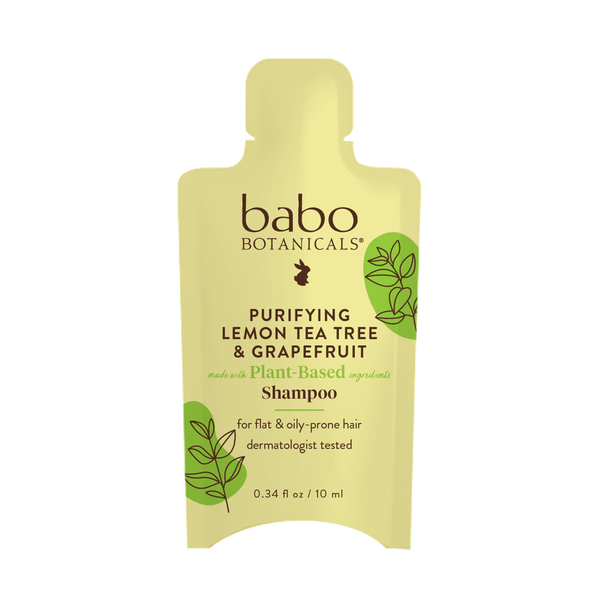
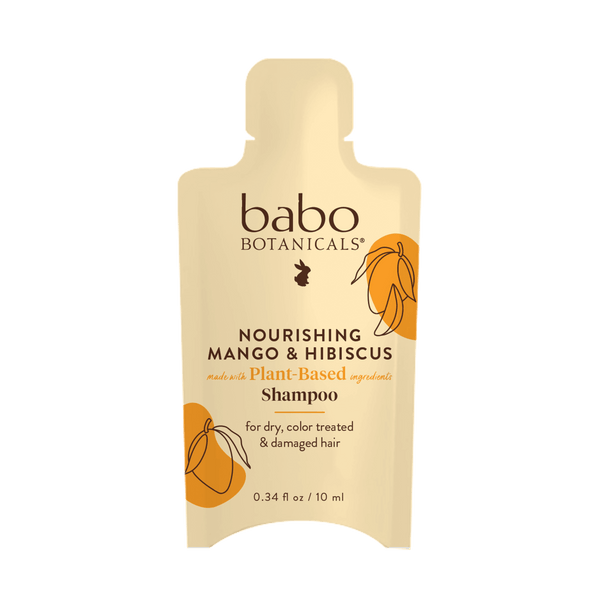
A dermatologist and mother founded Babo after failing to find a mineral sunscreen she trusted for her own children. Every formula is fragrance-free, hypoallergenic, and meets EWG Verified certification standards. The zinc spray has become a category staple for families who camp, swim, and spend extended time outdoors.

Enter Store

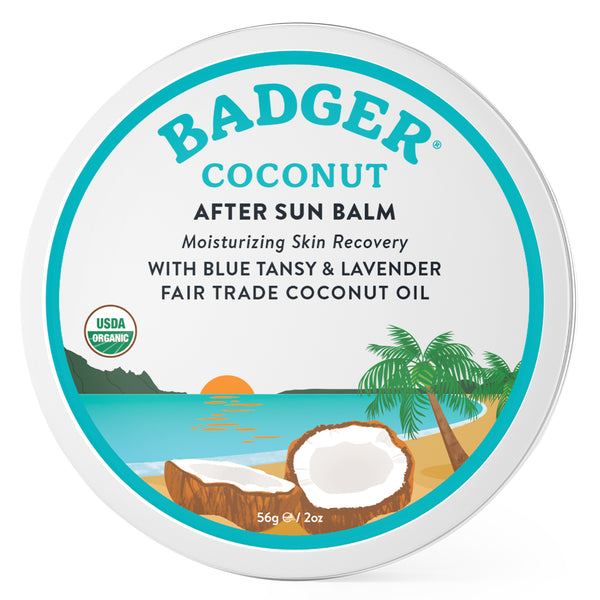
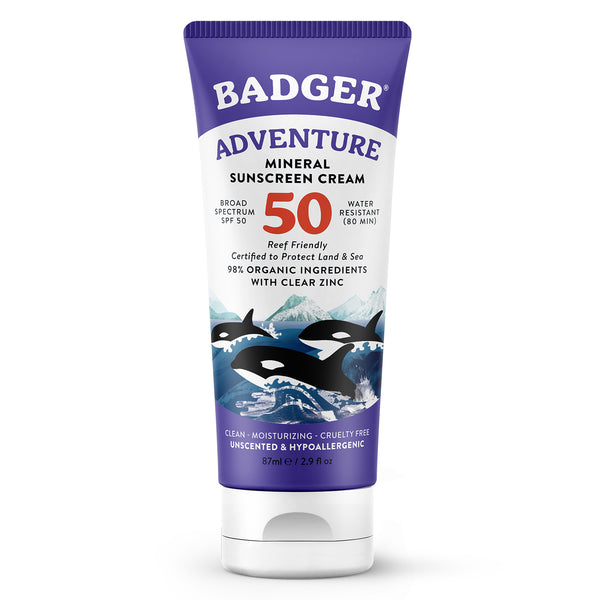
Badger Balm

Gilsum, NH

Certified organic mineral SPF from a family business in rural New Hampshire.

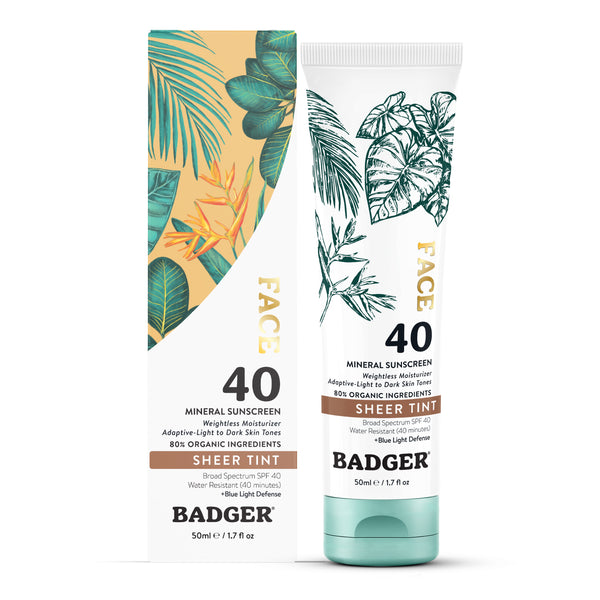
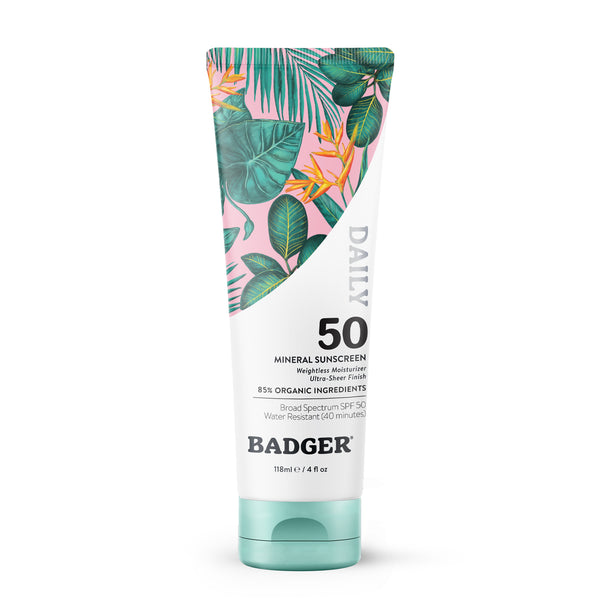
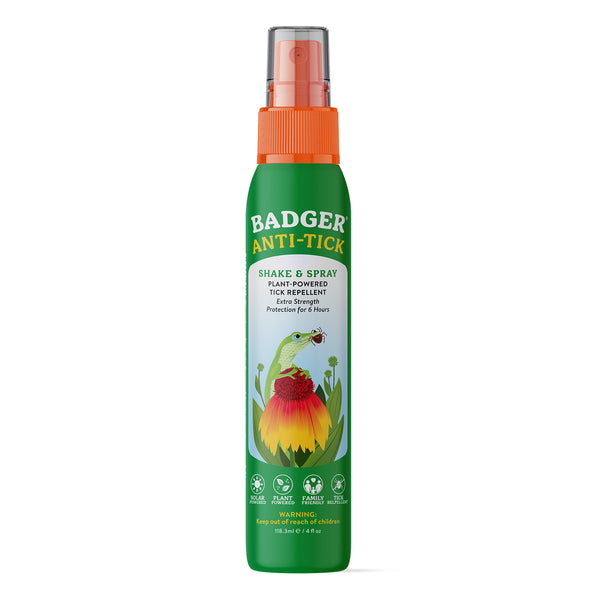
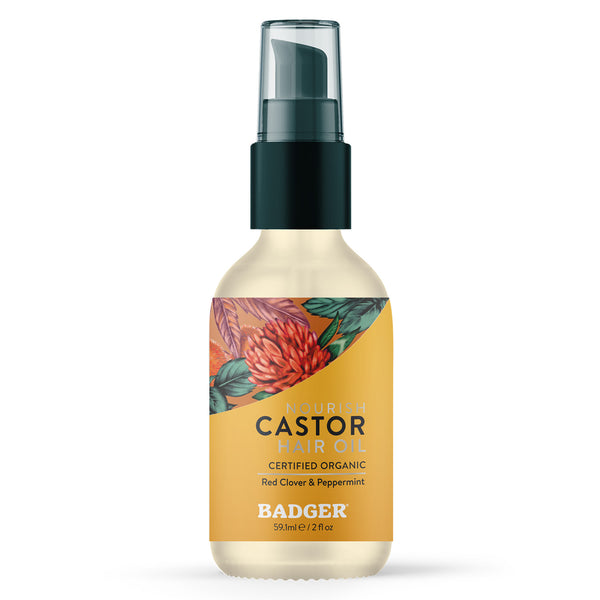
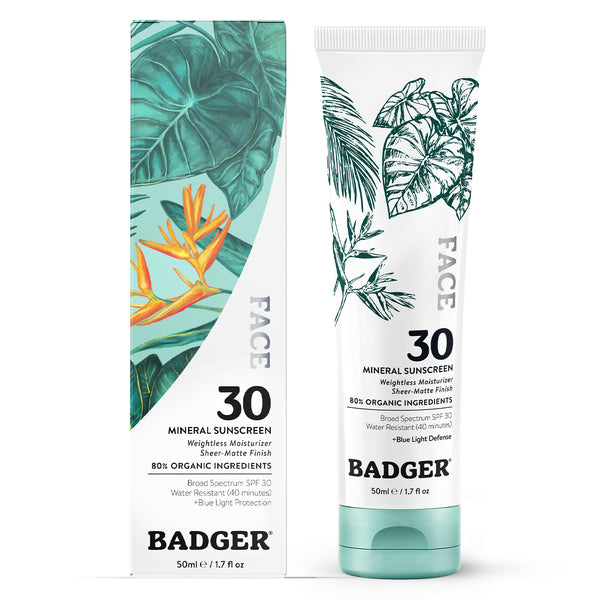
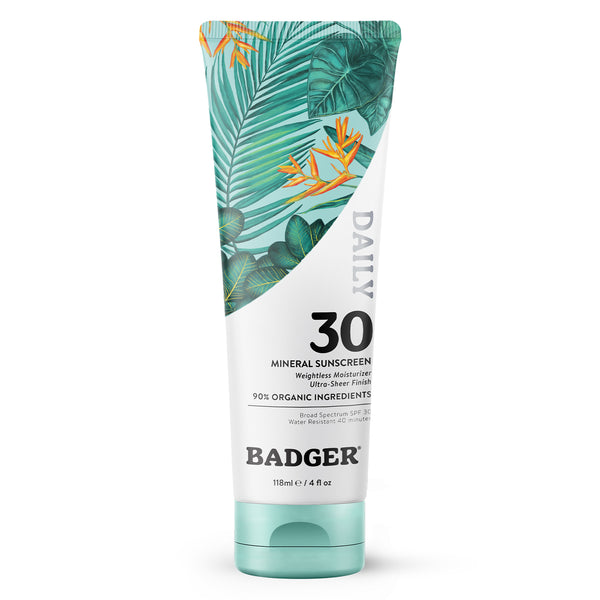
A family-run company in rural New Hampshire that started making balms for dry-skinned construction workers in the 1990s and grew into one of the most trusted names in clean SPF. Badger is certified B Corp, uses USDA organic ingredients, and runs one of the most transparent supply chains in the personal care category.

Enter Store

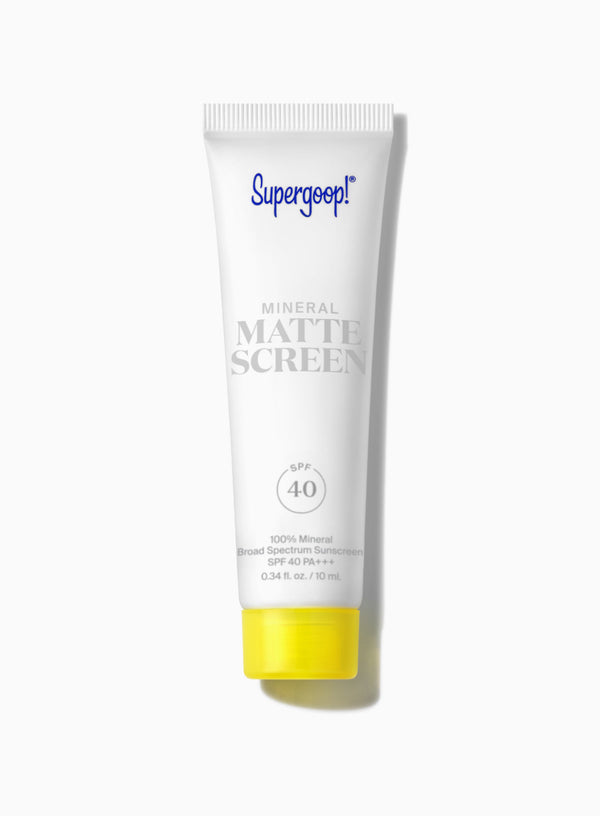
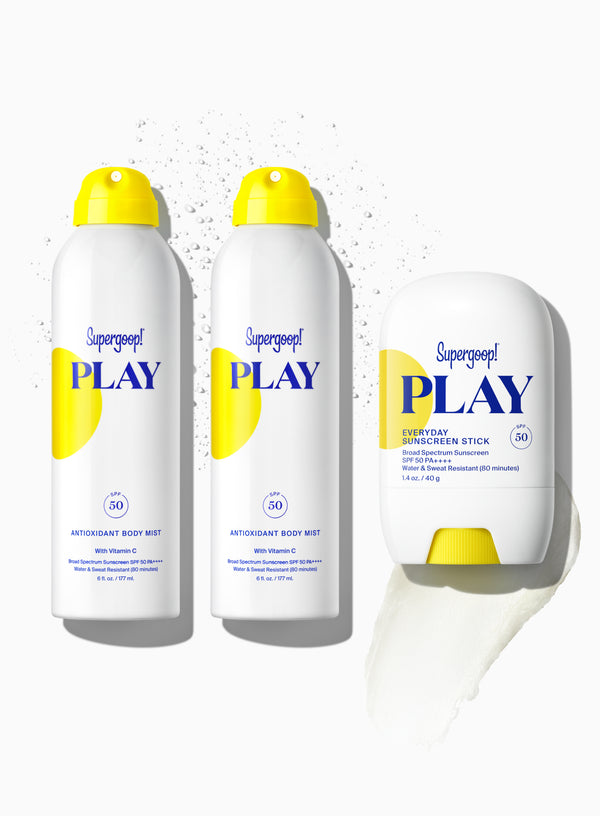
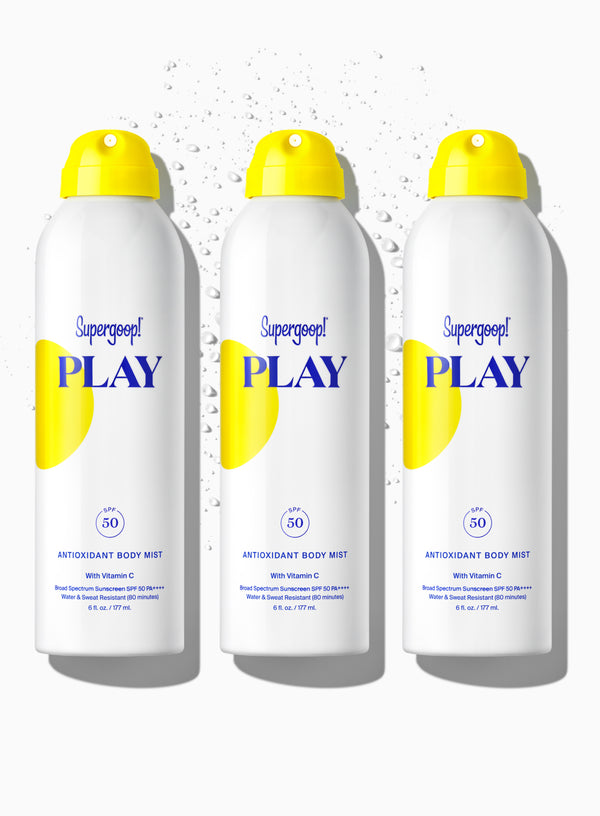
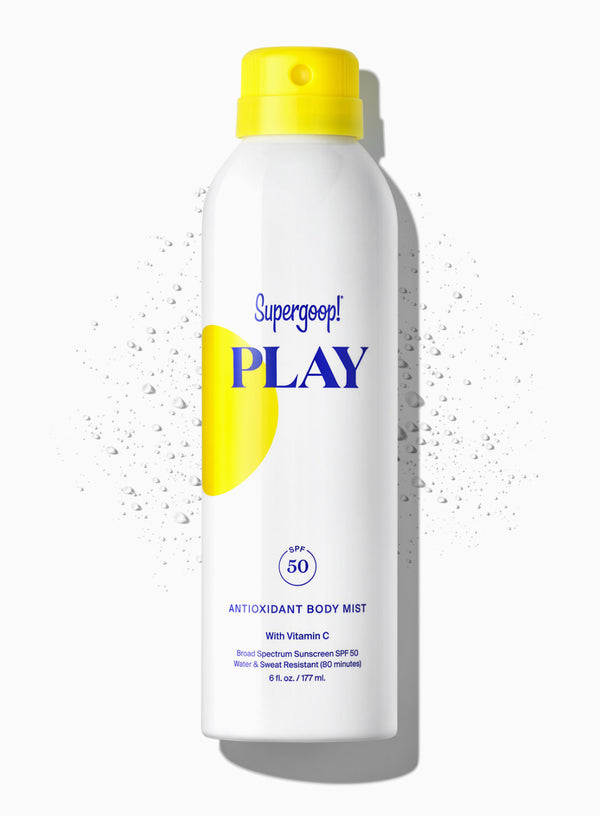
Supergoop

Skincare-first SPF brand that made sunscreen something people actually want to wear.

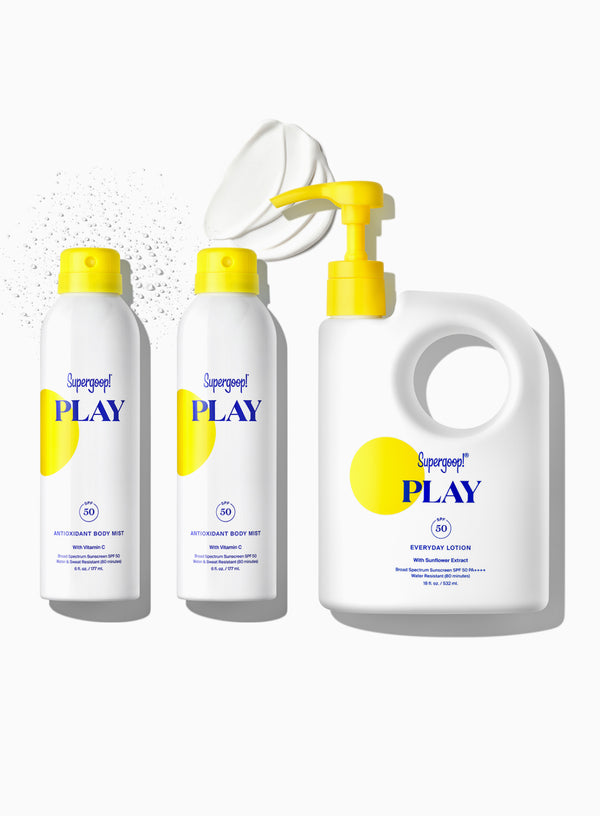
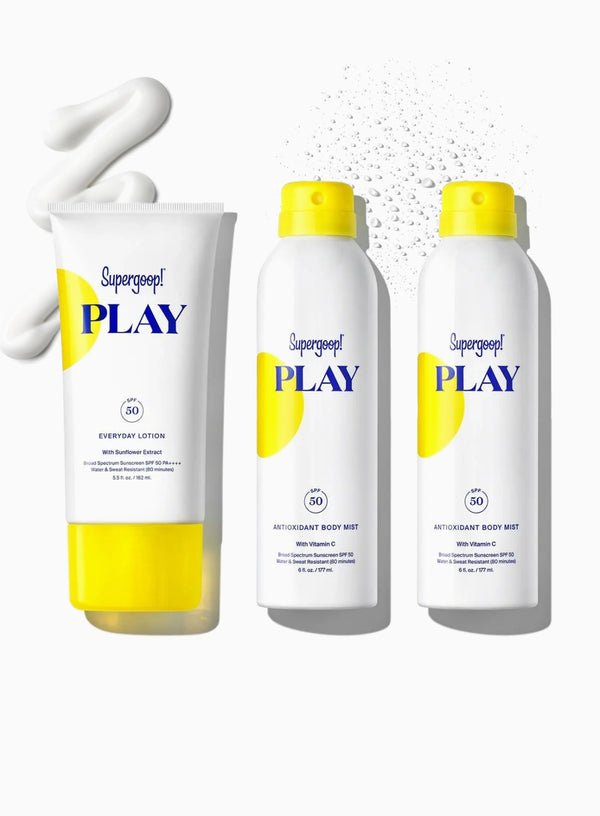
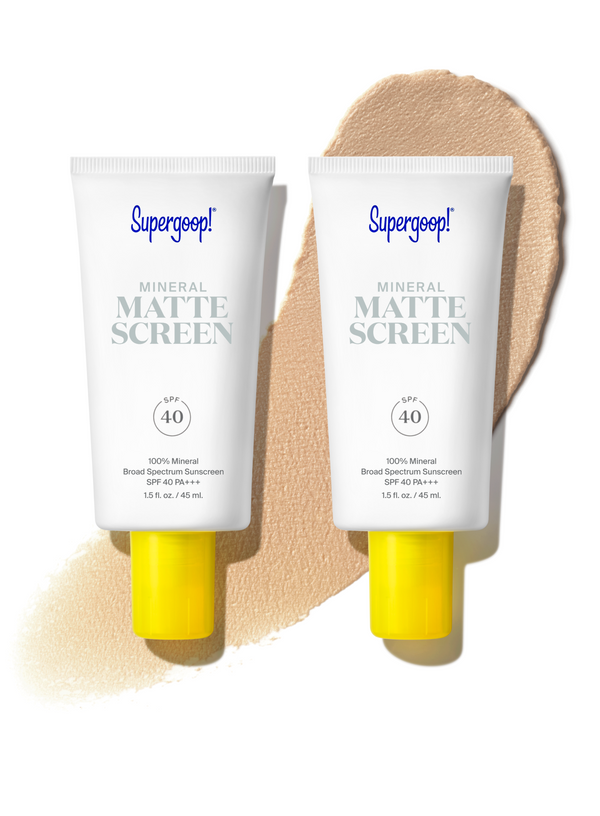
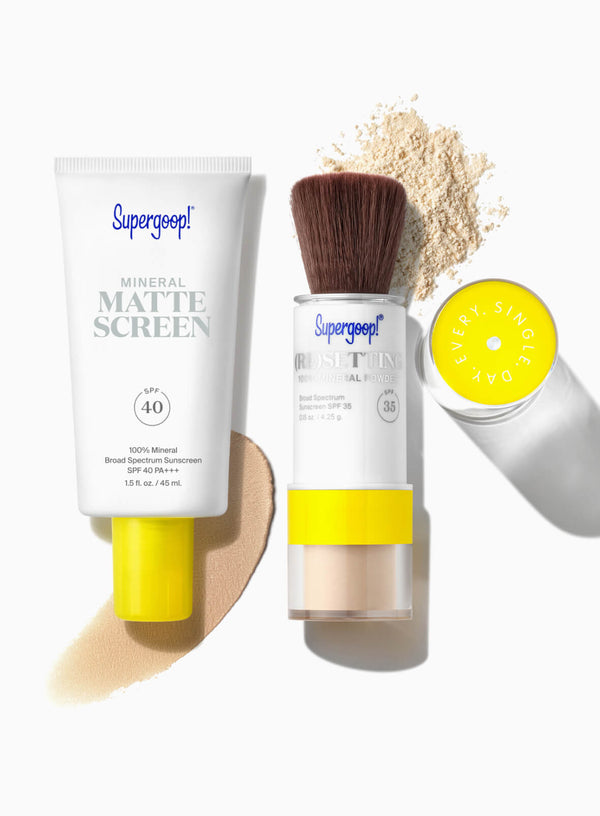
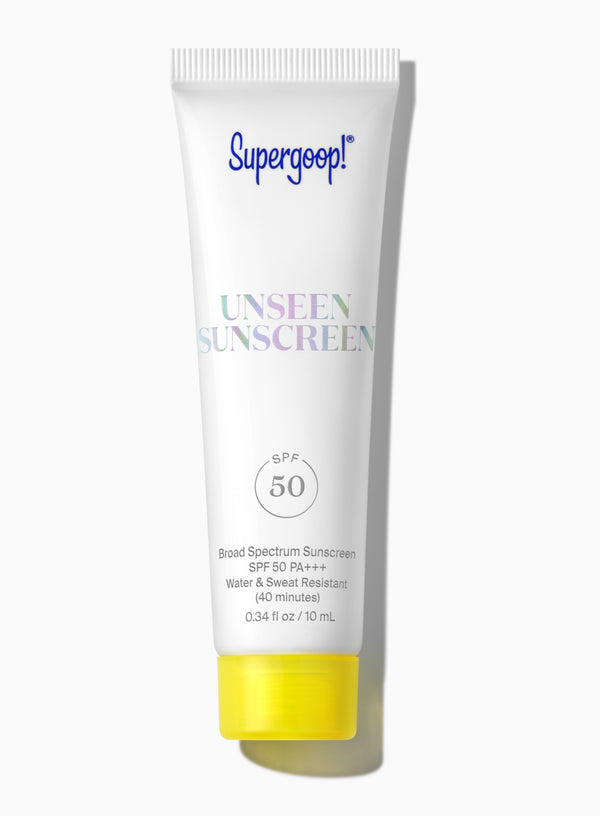
Founded by a Texas teacher who watched a colleague get diagnosed with skin cancer from routine UV exposure. Amanda Bacon set out to make SPF that fit into a skincare routine rather than feeling like a chore. Supergoop innovated mineral textures the category had not figured out yet, and their clean mineral lineup reflects that same formulation ambition.

Enter Store

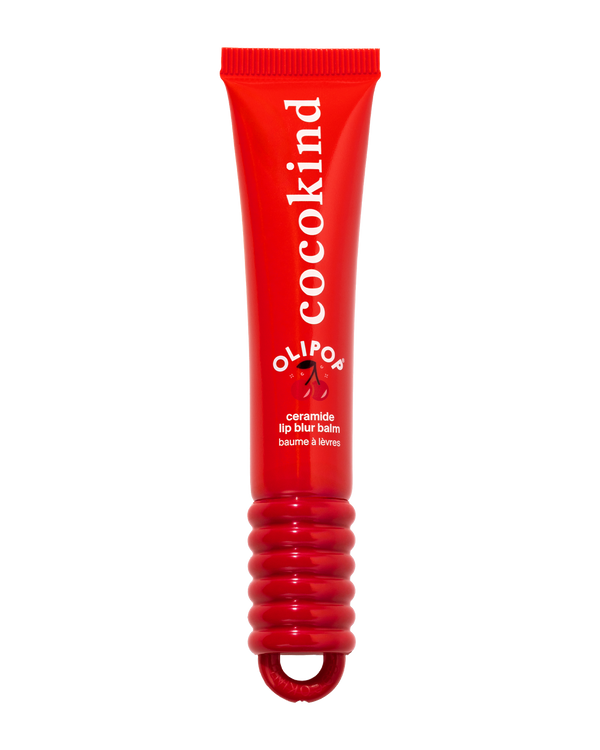
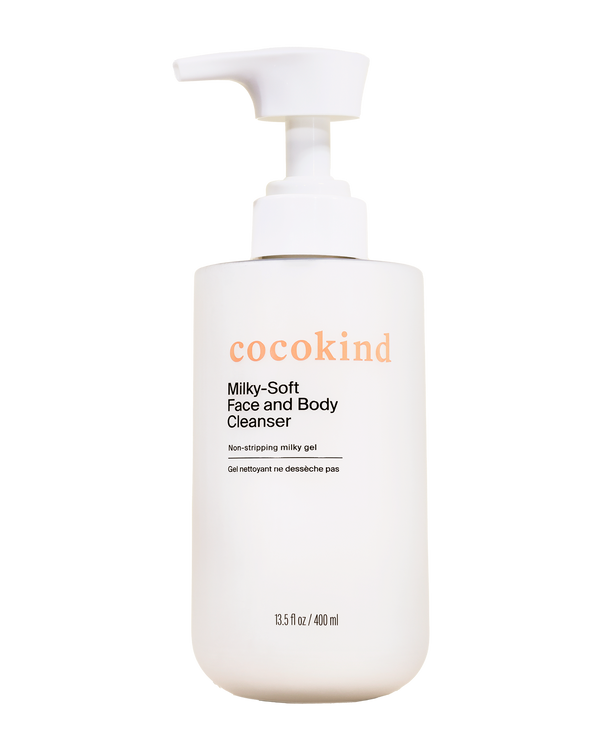
Cocokind

Ingredient-transparent mineral SPF that publishes its full carbon footprint.

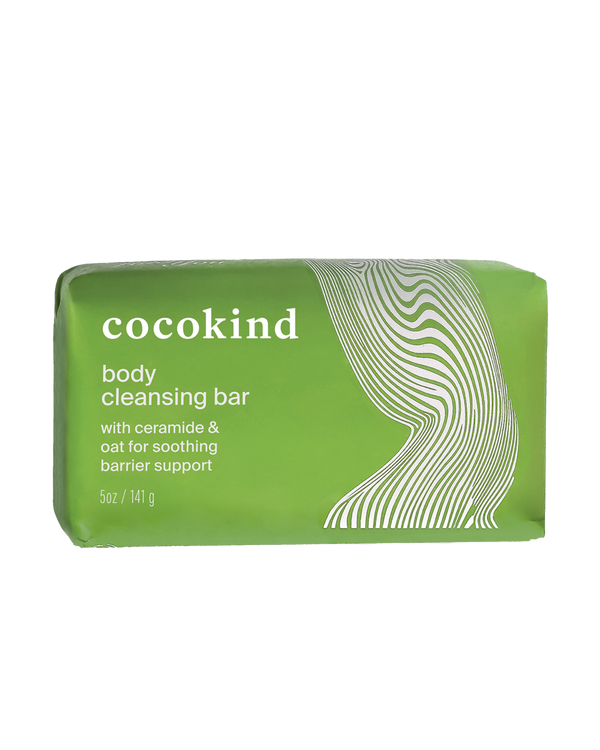
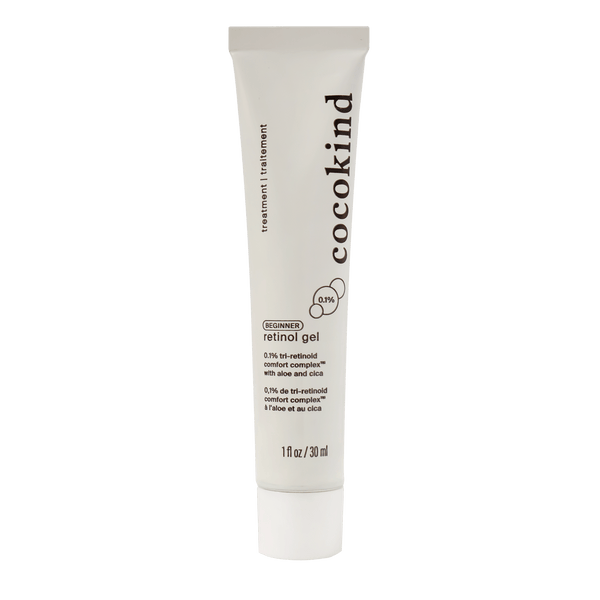
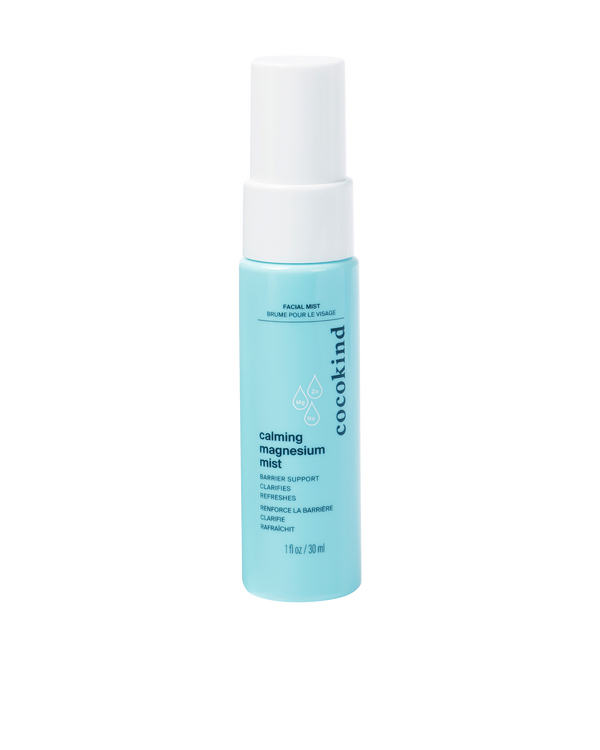
A brand built on honest pricing and radical transparency that went further than anyone expected. Cocokind publishes carbon footprint data for every product and provides ingredient purpose statements across their entire line. Their mineral sunscreen sits at a price point that makes clean SPF accessible rather than aspirational.

Enter Store

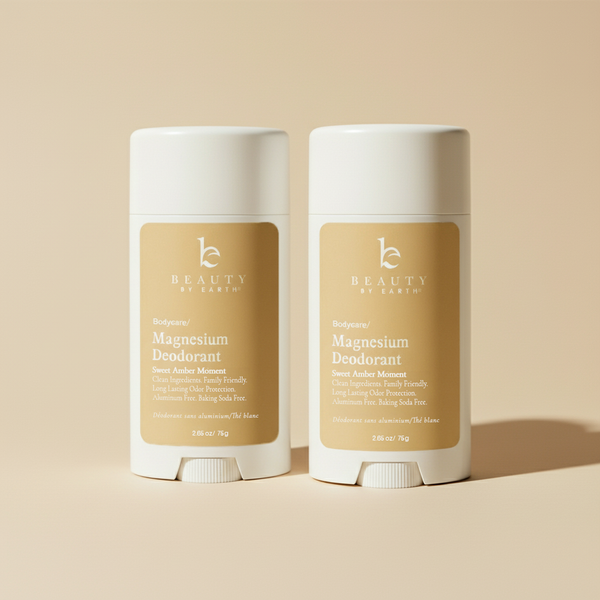
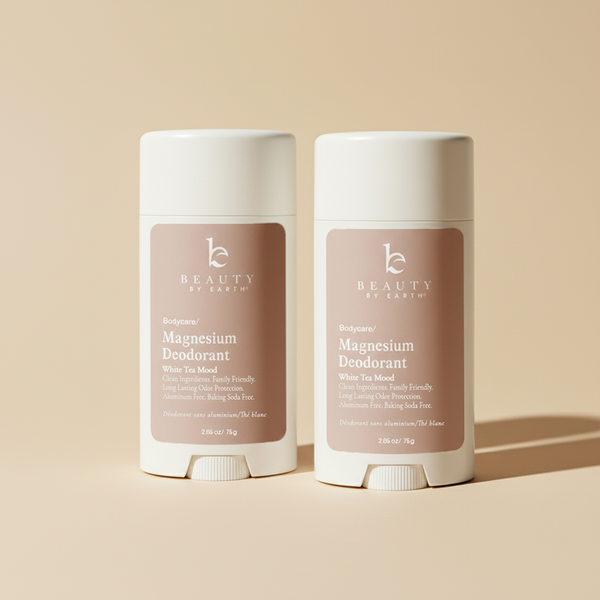
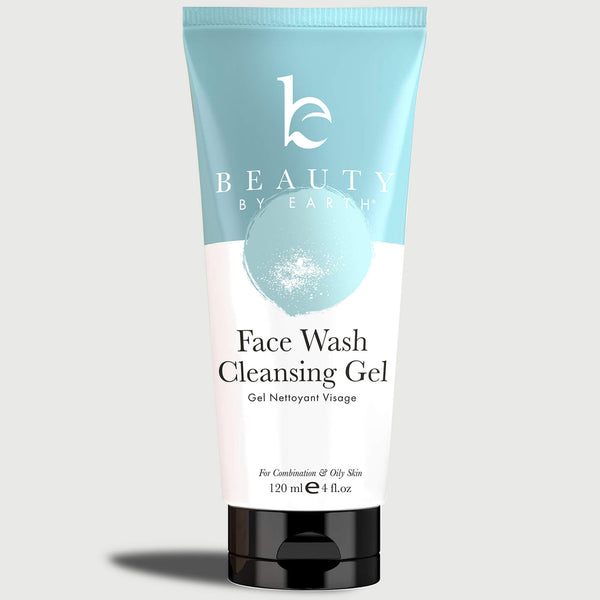
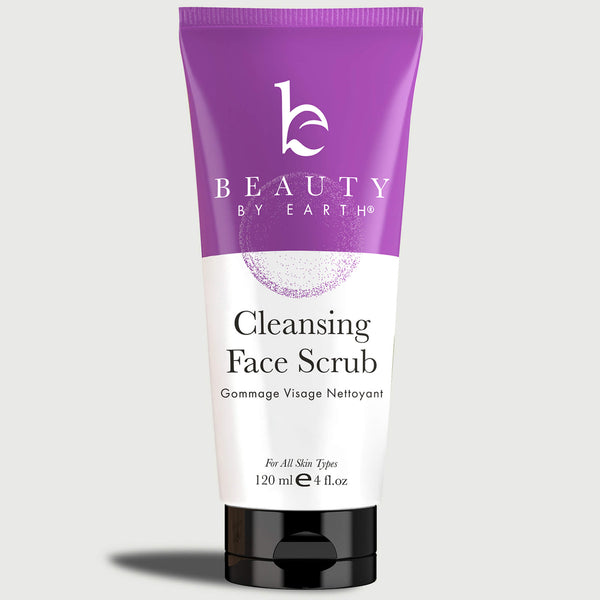
Beauty by Earth

USDA certified organic mineral sunscreen with nothing on the EWG avoid list.

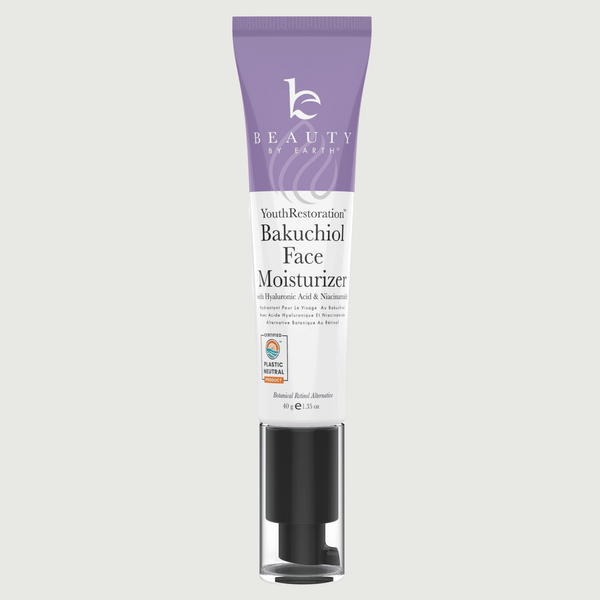
A small brand built specifically around USDA certified organic mineral sun protection, with formulas that skip synthetic fragrances, parabens, and petrochemical derivatives entirely. Beauty by Earth's value proposition is simplicity: zinc oxide, organic carrier oils, and a clean label that holds up to scrutiny.

Enter Store

About This District

Shopping clean sunscreen means getting clear on one thing: mineral does not automatically mean safe, and chemical does not automatically mean harmful. Oxybenzone and octinoxate are the two chemical UV filters with the most credible safety concerns, specifically hormone disruption and reef bleaching. Mineral filters (zinc oxide and titanium dioxide) do not carry the same concerns, but nano-particle versions are being studied for environmental impact. If reef safety is your priority, look for non-nano zinc oxide on the label. The practical shopping checklist: - Active ingredient: non-nano zinc oxide as the primary UV filter - SPF: 30 minimum for daily use, 50 for extended outdoor time - EWG rating: scores of 1-2 indicate the cleanest formulas available - Hawaii reef-safe compliance: confirmed free of oxybenzone and octinoxate - White cast: tinted formulas with iron oxides reduce the gray cast on medium to deep skin tones Application technique matters more than most people realize. Most people apply a third of the recommended amount, which means an SPF 30 performs like SPF 10 in practice. Use two tablespoons for the body and a full teaspoon for the face. Reapply every two hours in direct sun, more often after swimming or sweating. No formula, however clean, does what it promises without proper application.