Mint Districts Food

The Best Craft Salt Brands for Cooks Who Care About the Finish

Salt is the last thing most cooks pay attention to and the first thing professional chefs will notice. The difference between Morton and Jacobsen is not marketing. It is texture, mineral character, and the way a finishing salt dissolves on food rather than through it. The craft salt brands in this district harvest from specific bodies of water, trace exactly where the brine comes from, and produce in small enough batches that vintage and season actually matter. If your cooking relies on one industrial box of salt that has been in your pantry for two years, these brands exist to change your mind.

Food · 6 Brands

The Craft Salt District

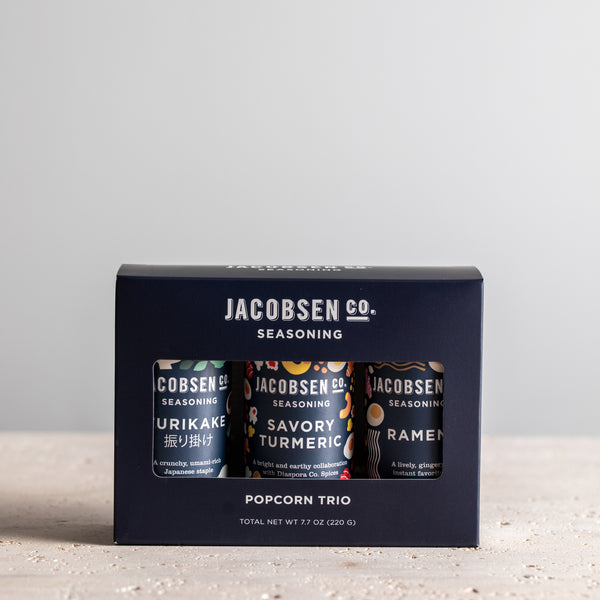
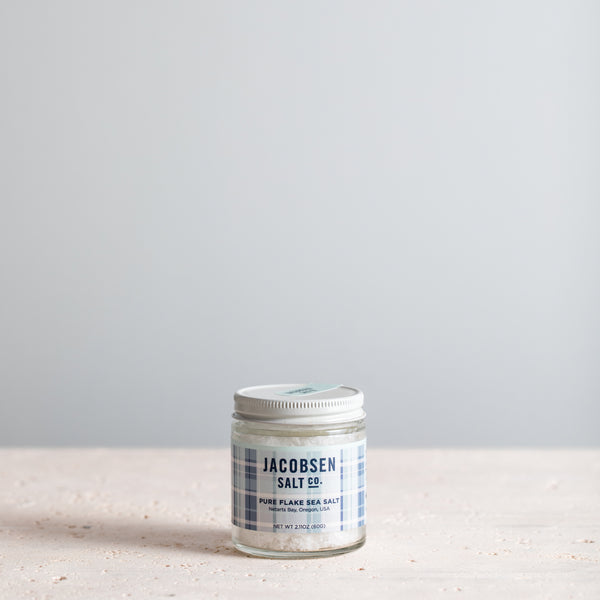
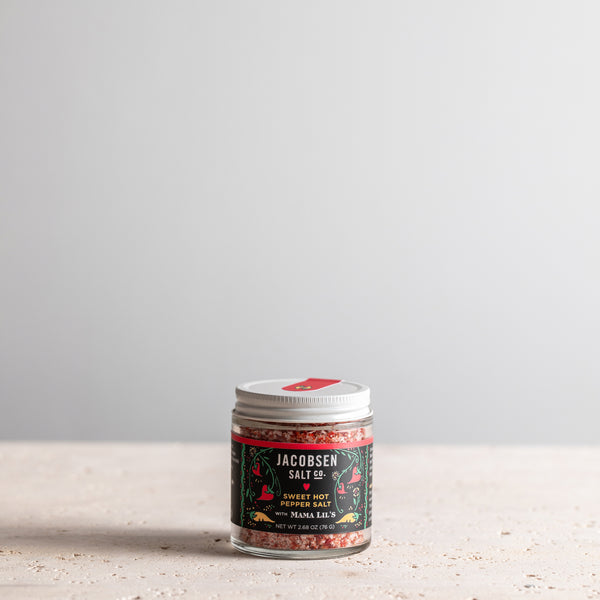
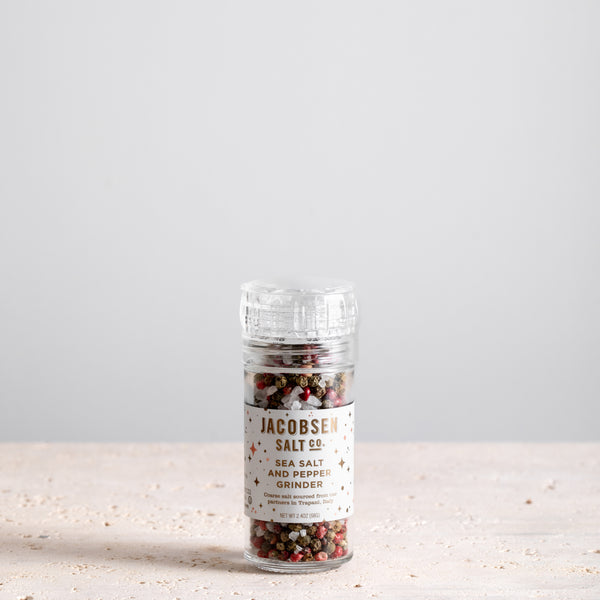
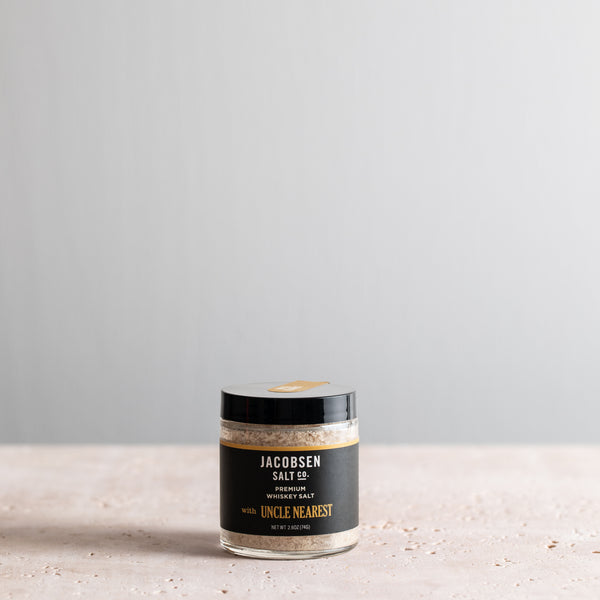
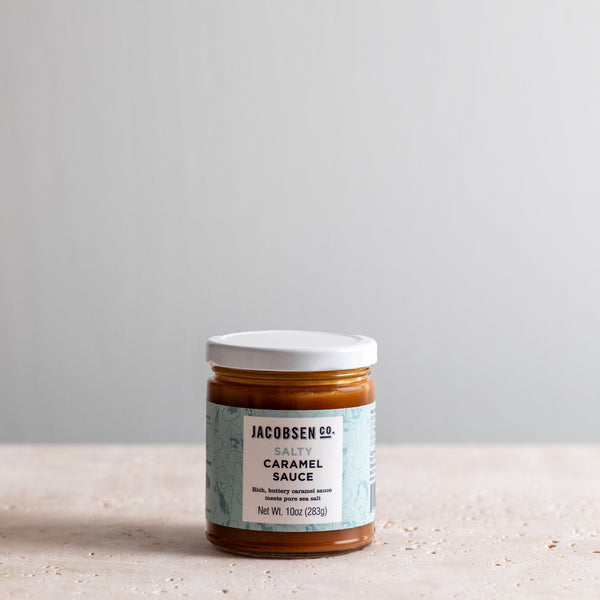
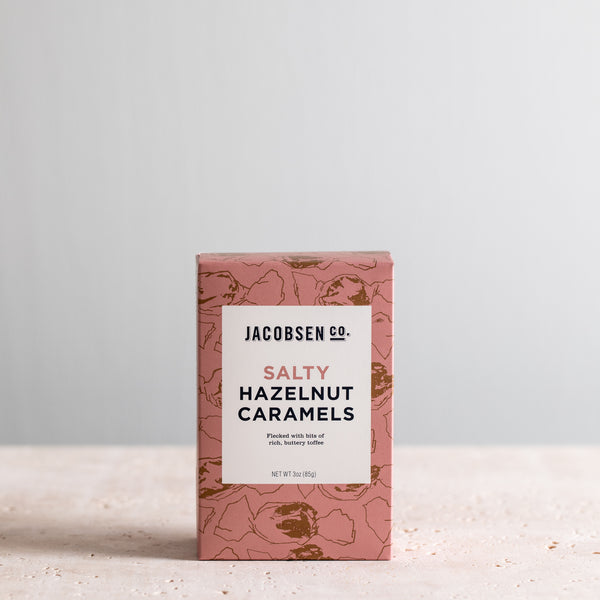
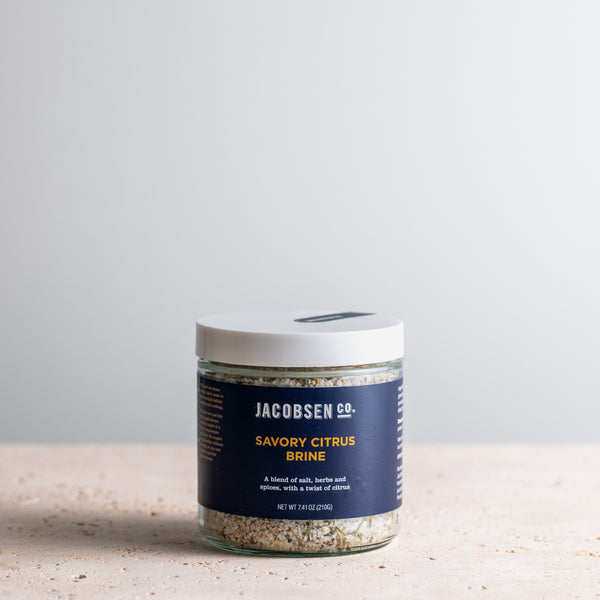
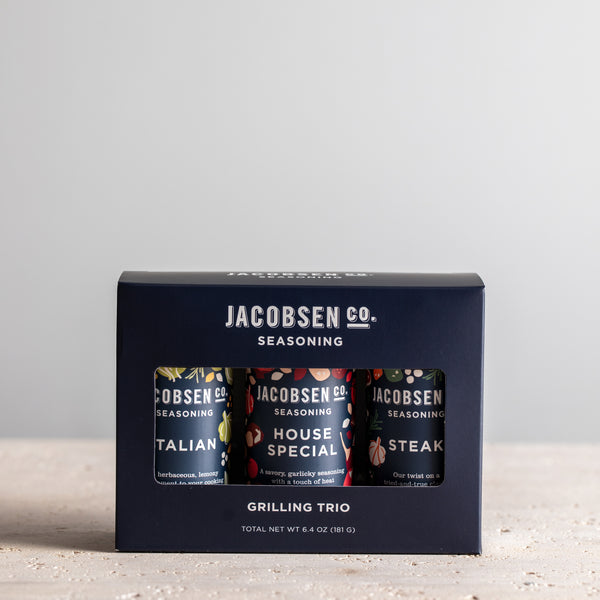
Jacobsen Salt Co.

Portland, OR

Hand-harvested Pacific flake salt from Oregon's pristine Netarts Bay

Ben Jacobsen spent two years searching for the right water before settling on Netarts Bay, a tidal estuary on the Oregon coast. Each batch is drawn by hand and dried slowly, producing a clean, briny flake that finishes without the bitterness found in mass-market sea salts. Their entry into the market changed how Pacific Northwest chefs thought about seasoning, and their smoked and infused lines have become a standard gift in serious cooking households.
Enter Store

Amagansett Sea Salt

Amagansett, NY

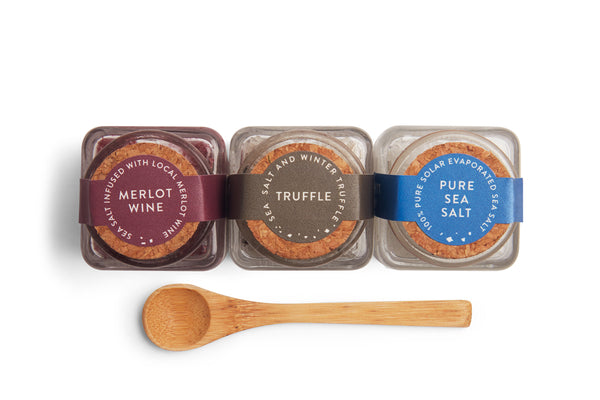
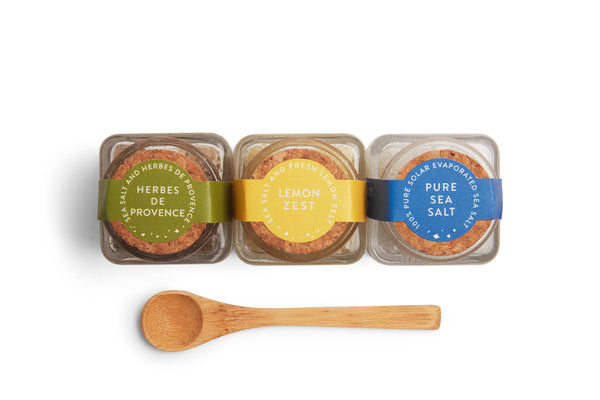
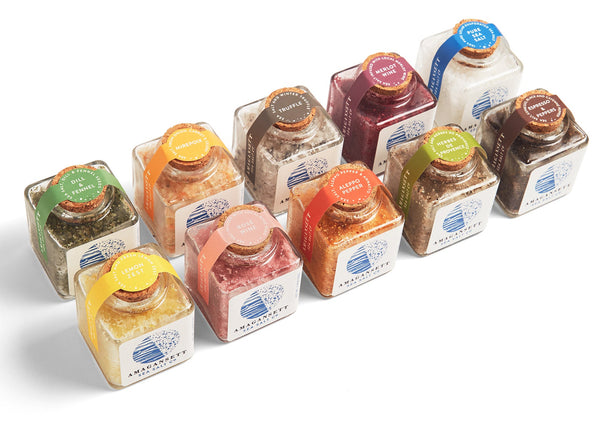
Sun-dried Atlantic sea salt hand-harvested from Long Island's coast

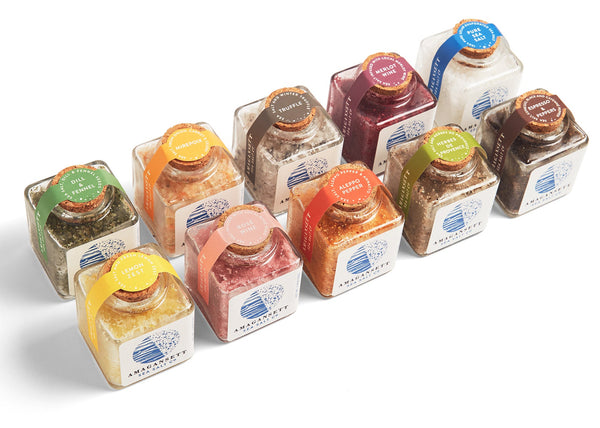
Two friends with a boat and an oceanfront drying table built one of the earliest American artisan sea salt operations. Water drawn from a clean Atlantic stretch near the Hamptons is evaporated slowly in the sun rather than heated rapidly, preserving trace minerals and producing flakes with a genuine ocean character. Every batch is traceable to a specific harvest window, making this one of the more genuinely small-batch operations in the American salt market.

Enter Store

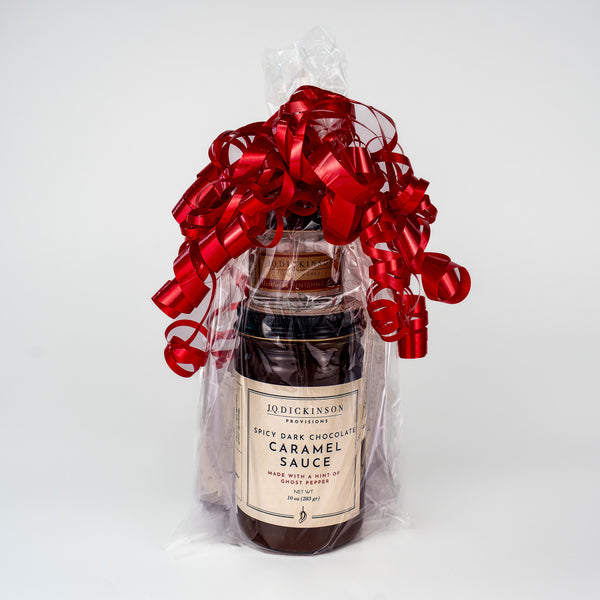
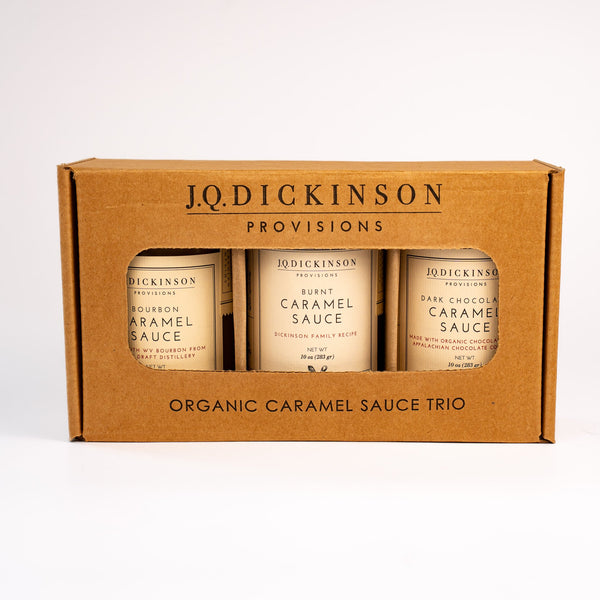
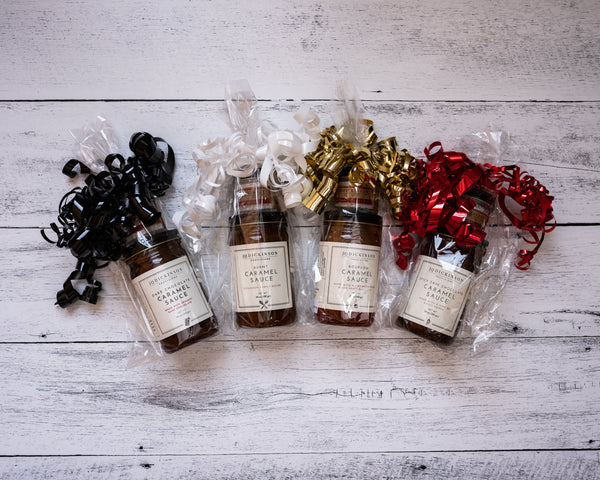
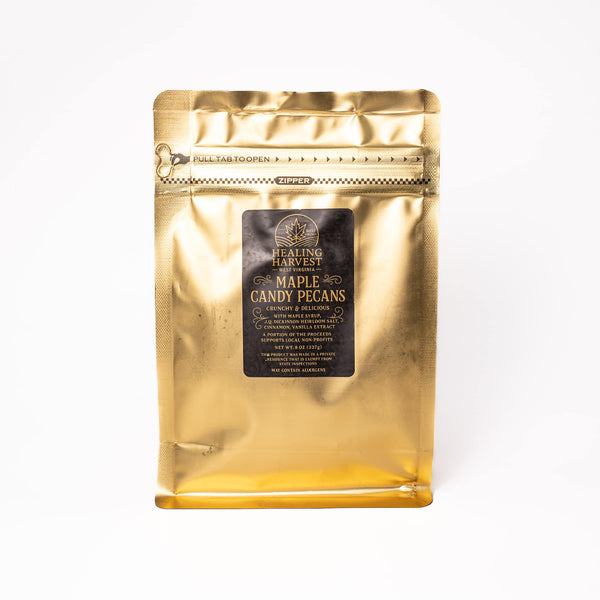
J.Q. Dickinson Salt Works

Malden, WV

Appalachian brine salt drawn from a 500-million-year-old underground sea

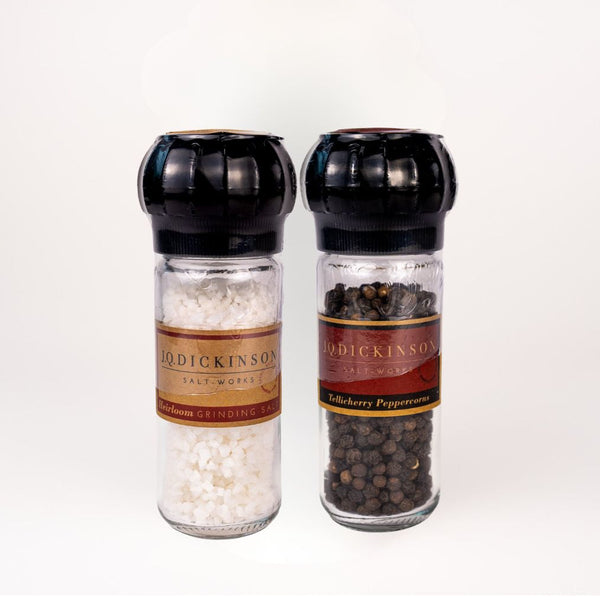
The Dickinson family worked the Kanawha Valley land in West Virginia for generations before Nancy Bruns and her brother revived the tradition of pulling salt from the ancient brine wells beneath the mountains. The water taps a prehistoric inland sea trapped for half a billion years, producing a clean, mineral-forward salt with provenance unlike anything from a coastal operation. This is genuinely American heirloom salt, and it tastes like it.

Enter Store

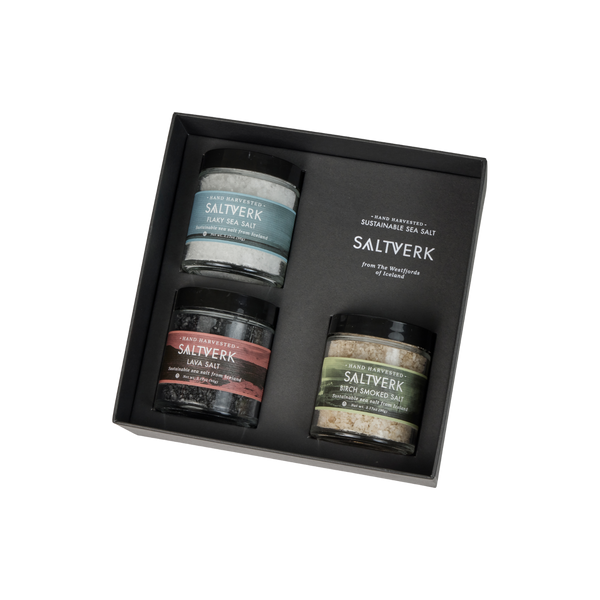
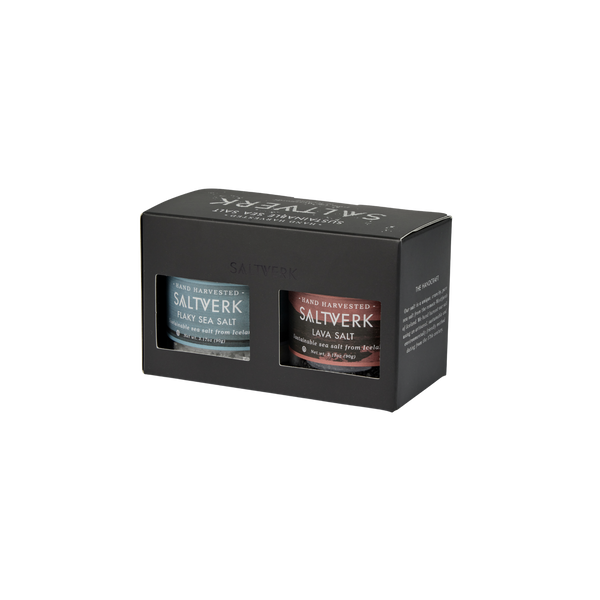
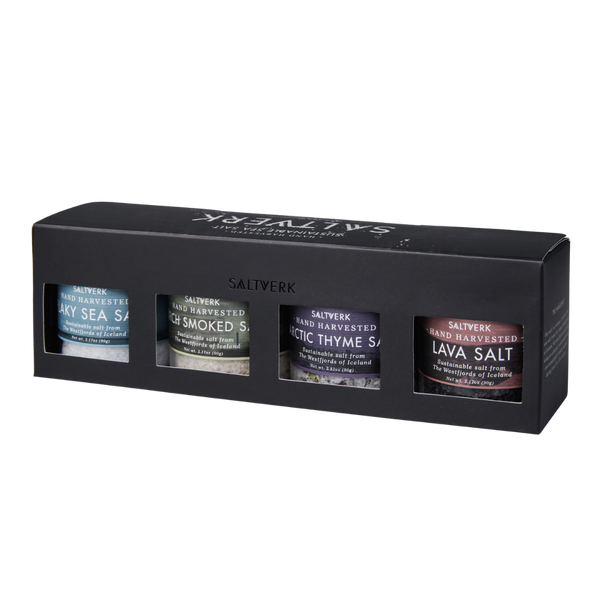
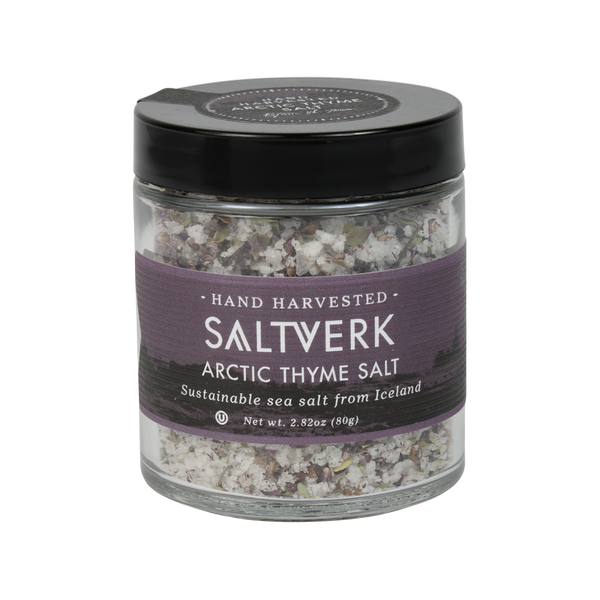
Saltverk

Westfjords, Iceland

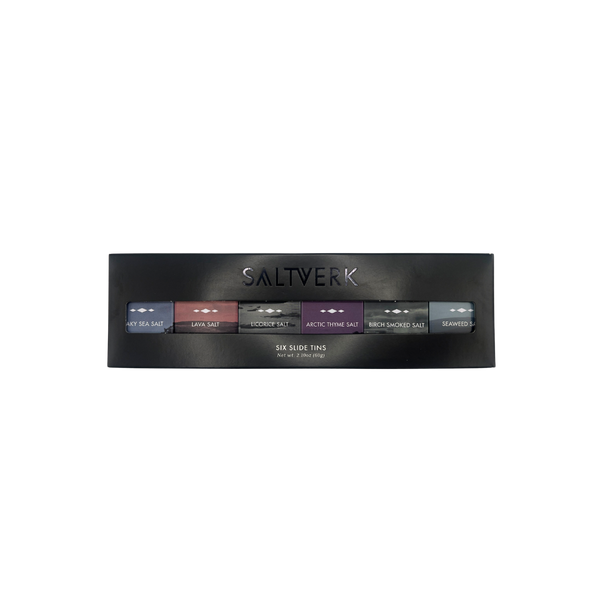
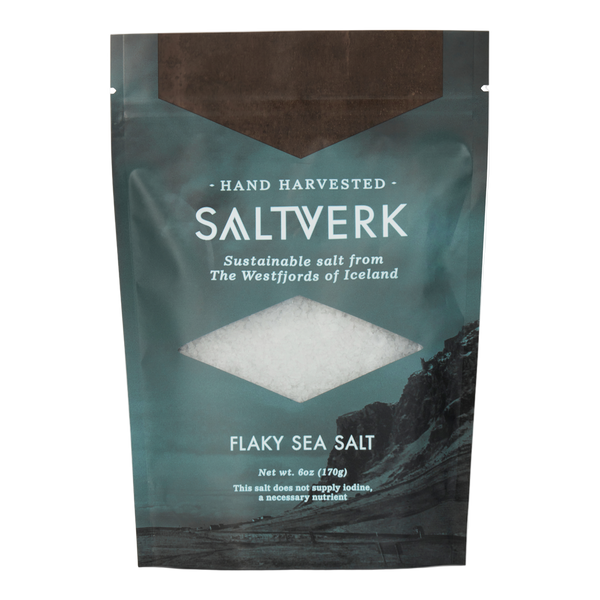
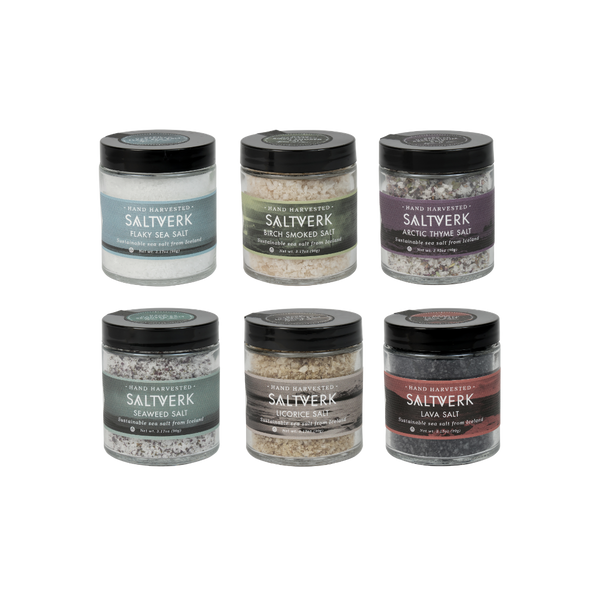
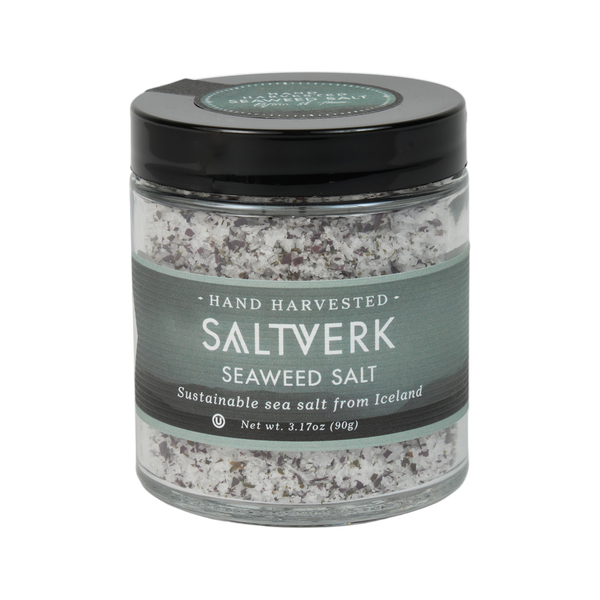
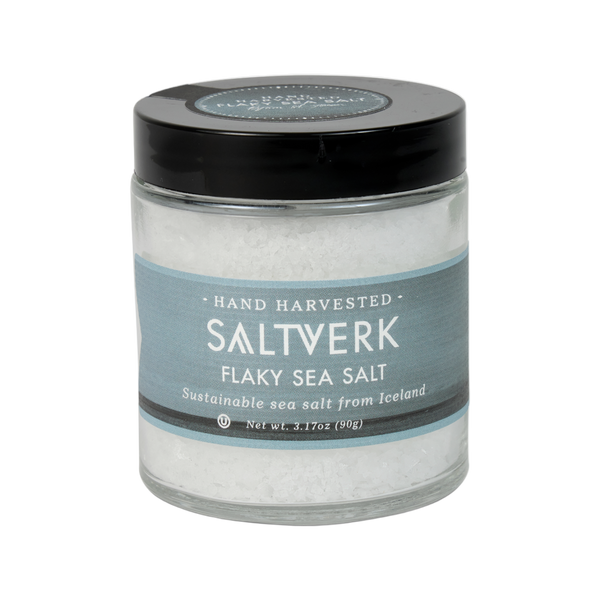
Geothermal flake salt made with 100% renewable energy in Iceland's Westfjords

On one of the most remote peninsulas in Europe, Bifrost geothermal energy heats pristine Arctic seawater to evaporate it into flakes without burning any fossil fuel. The cold, mineral-rich North Atlantic water produces a salt that is lighter and faster-dissolving than most European sea salts. Renewable energy is not a marketing claim here; it is built into the fundamental process, making this among the most environmentally sound craft salts available.

Enter Store

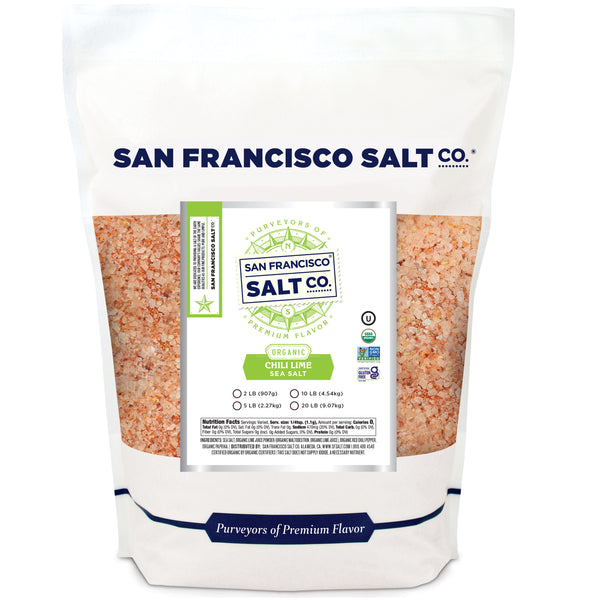
San Francisco Salt Company

San Francisco, CA

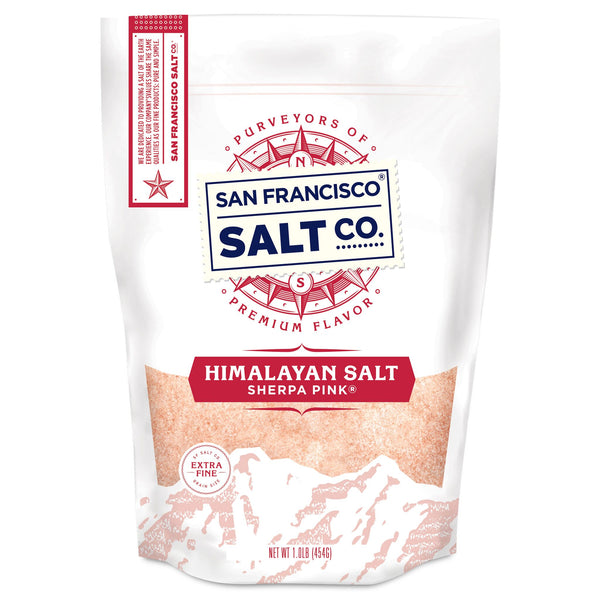
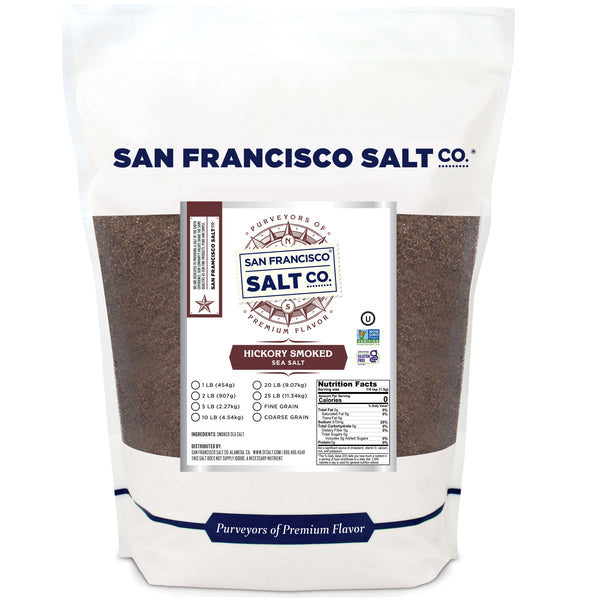
Specialty gourmet salts from around the world, curated and packaged in California

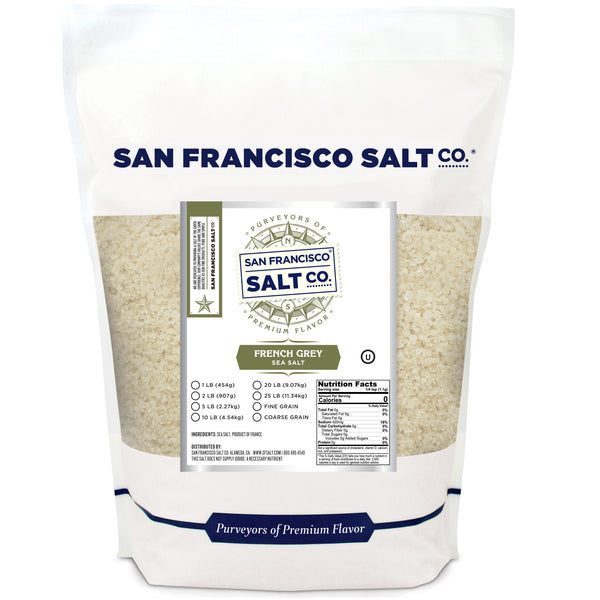
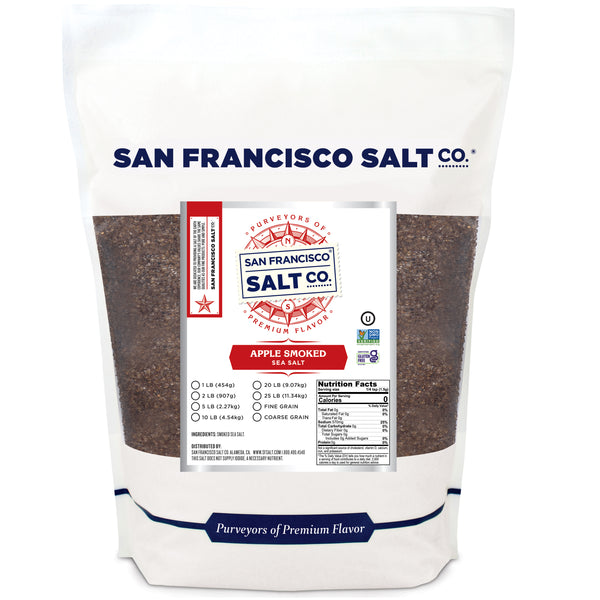
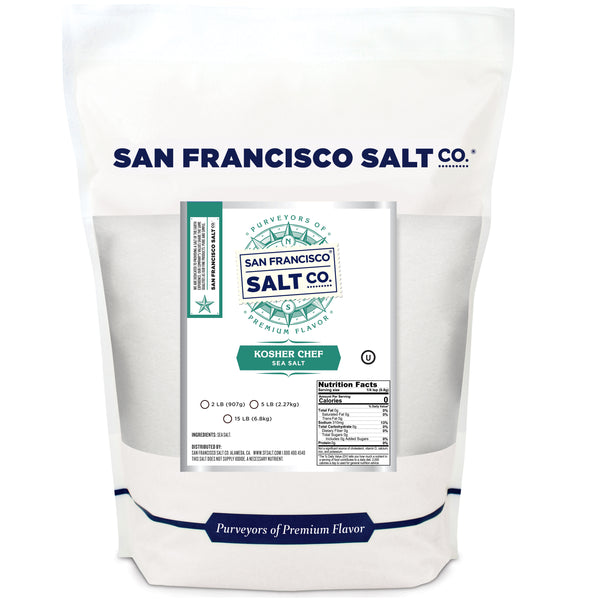
Starting as a small coastal importer, this company has grown into one of the most comprehensive gourmet salt catalogs available in the US. Their range covers Himalayan pink, fleur de sel, smoked varieties, and specialty cooking salts sourced from multiple continents and packaged with consistent quality standards. For cooks who want to experiment broadly before committing to a single origin, this is the catalog to start with.
Enter Store

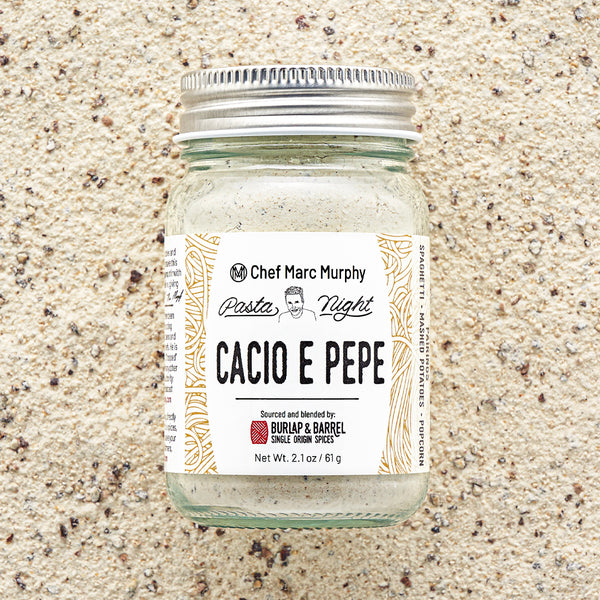
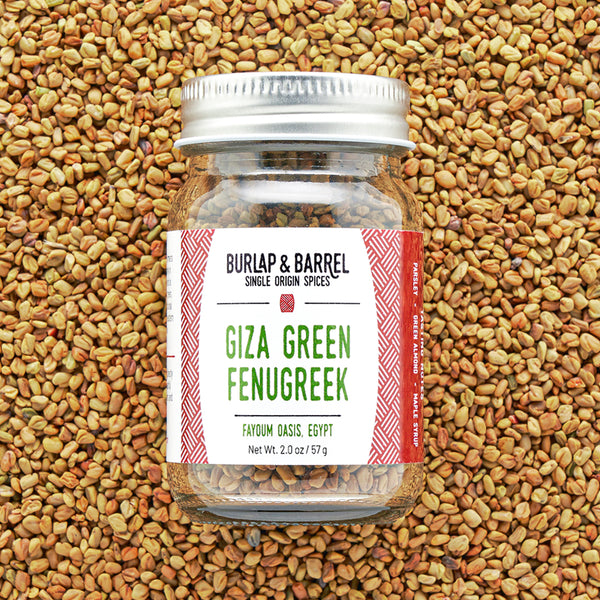
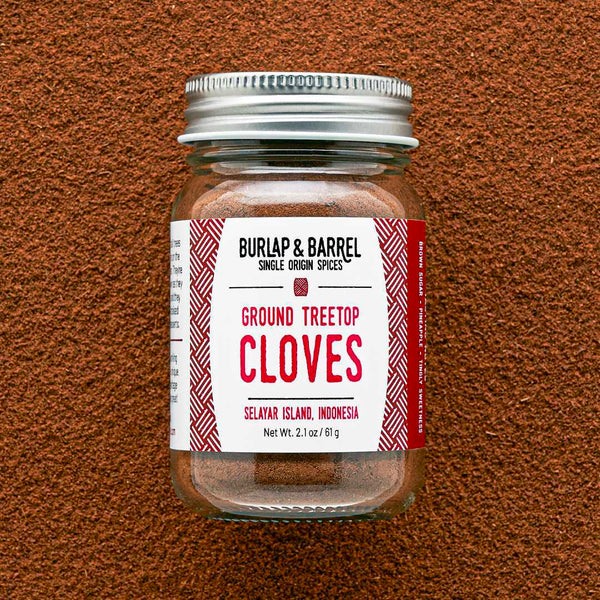
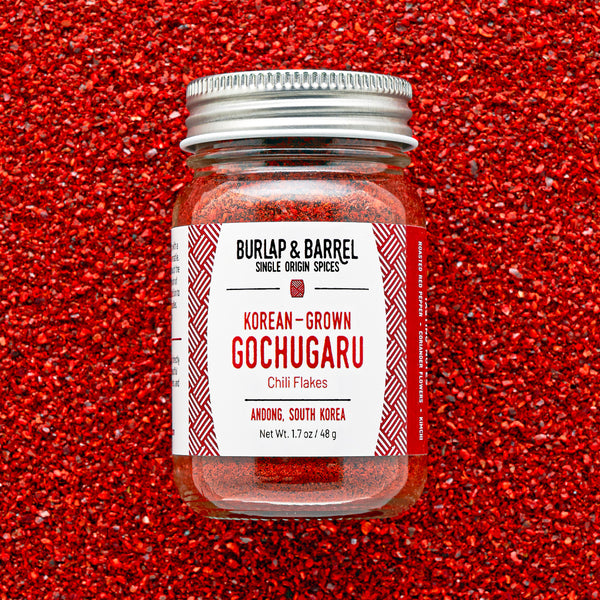
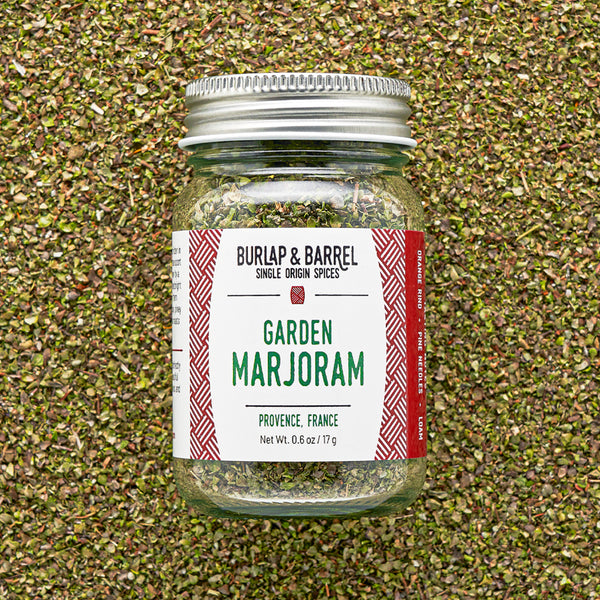
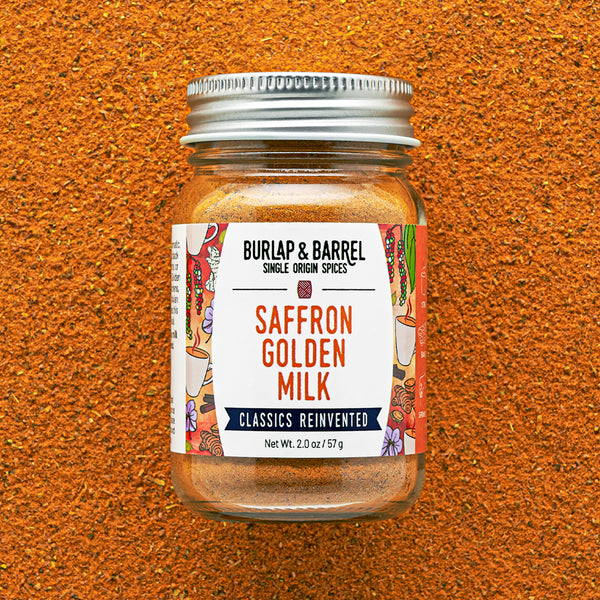
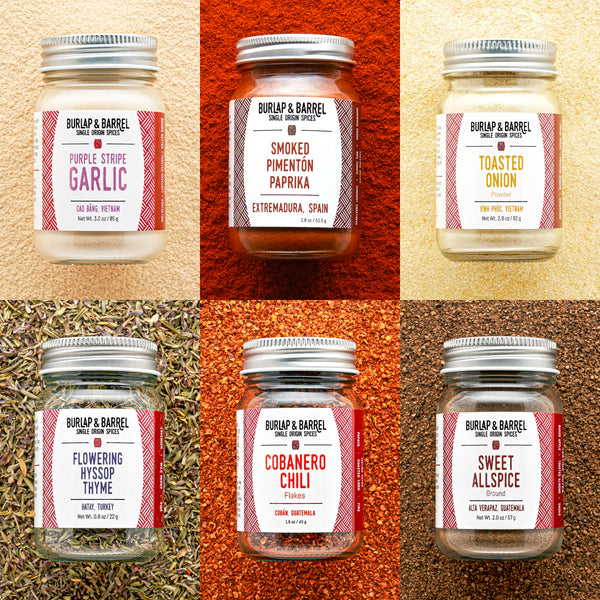
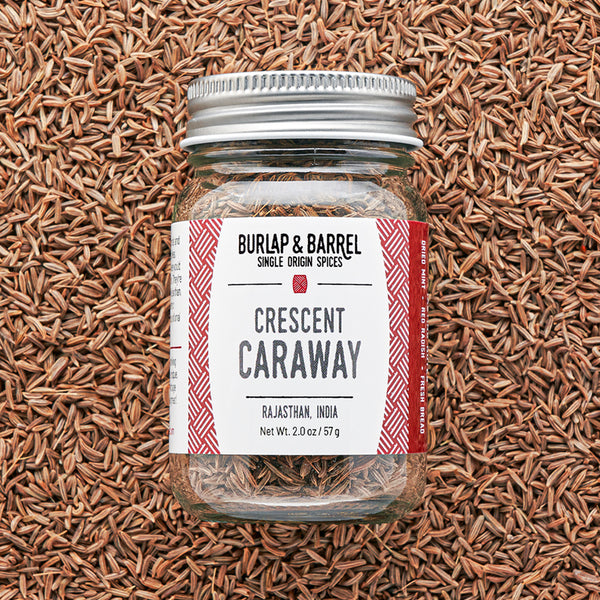
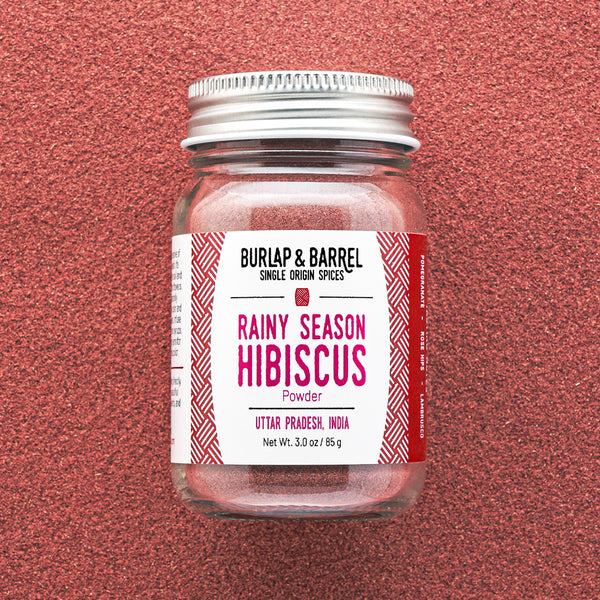
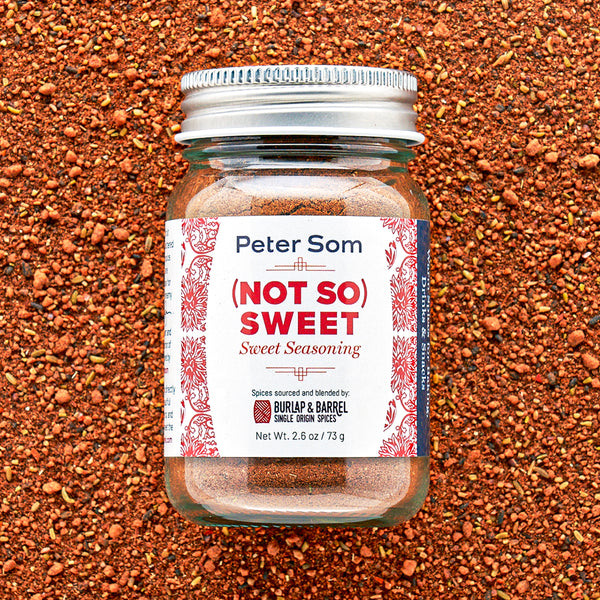
Burlap & Barrel

New York, NY

Single-origin spices and salts sourced directly from small farms worldwide

Co-founders Ethan Frisch and Ori Zohar source ingredients directly from small farms across a dozen countries, paying above-market prices and visiting suppliers in person. Their approach applies the traceability model of specialty coffee to pantry staples including spices, herbs, and salts. Every product comes with an origin story identifying the farm, the region, and the people behind it. For cooks who care about the chain of custody in their ingredients, this brand is the right starting point.
Enter Store

About This District

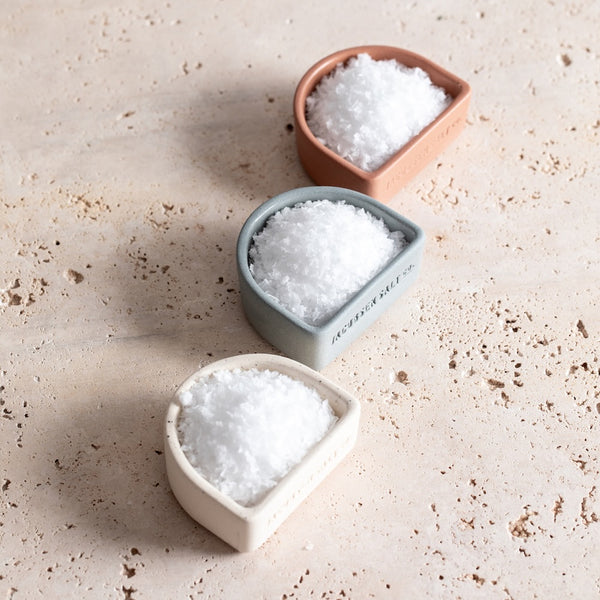
Start with the flake versus grain distinction because it changes how you use the product. Flake salts, like those from Jacobsen and Amagansett, have large irregular crystals that dissolve slowly and add texture. They are finishing salts: best applied at the table or at the last moment before serving. Fine-grain salts work better in baking and brines where even distribution matters more than texture. Mineral character varies more than most people expect. Pacific coast salts tend to taste clean and briny with a sharp finish. Appalachian brine salts from wells like JQ Dickinson carry a slightly earthy, mineral depth that comes from the ancient sea they tap. Icelandic salts like Saltverk are often lighter and faster-dissolving than Atlantic varieties. Tasting a small quantity on its own before adding to food is the fastest way to understand a salt's character. Origin traceability matters. The best craft salt brands tell you exactly where their water comes from, how it is harvested, and how it is processed. If you cannot find that information on the product page, you are likely buying a commodity salt with a craft label on top. For most home cooks, two salts cover everything: one flake salt for finishing cooked food and one fine-grain everyday salt for cooking. Start with a small Jacobsen tin to taste the difference from what you have been using. From there, smoked salts work well on eggs, grilled vegetables, and fish, while flavored salts are better as accents than daily drivers.