Mint Districts Food

Fair Trade Coffee Subscriptions Worth Committing To

The fair trade certification on coffee is a floor, not a ceiling. It sets a minimum price that protects farmers from commodity market crashes, but the roasters worth following pay significantly above that. The brands in this district range from worker-owned cooperatives (Larry's Coffee) to carbon-negative operations (Tiny Footprint) to thirty-year indigenous farming partnerships (Cafe Mam). What separates them from the grocery store fair trade aisle is specificity: they know their farmers by name, visit origin regularly, and can explain why the price they pay reflects the actual cost of good farming. If you are paying for a bag of coffee and wondering where that money goes, the brands here can actually answer that question.

Food · 7 Brands

The Fair Trade Coffee District

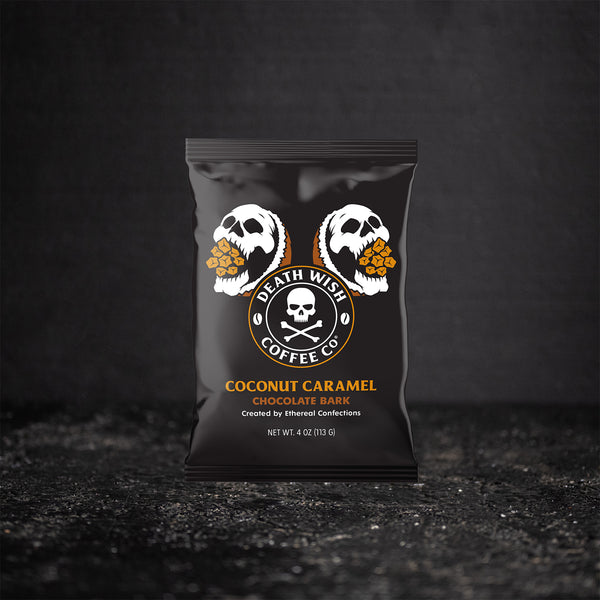
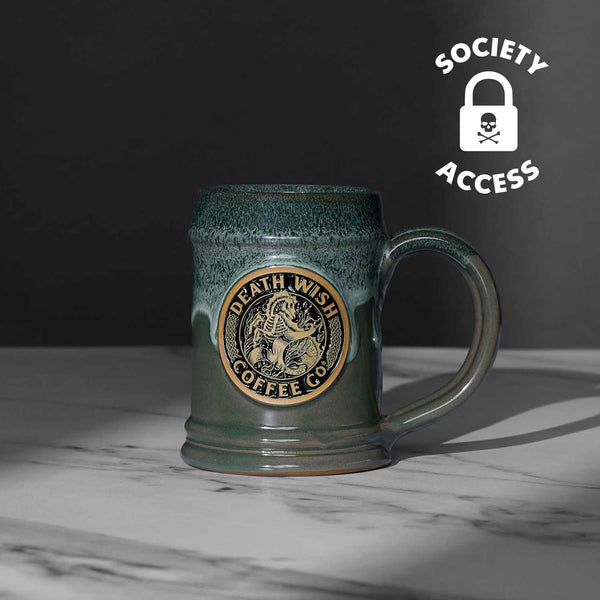
Death Wish Coffee

Saratoga Springs, NY

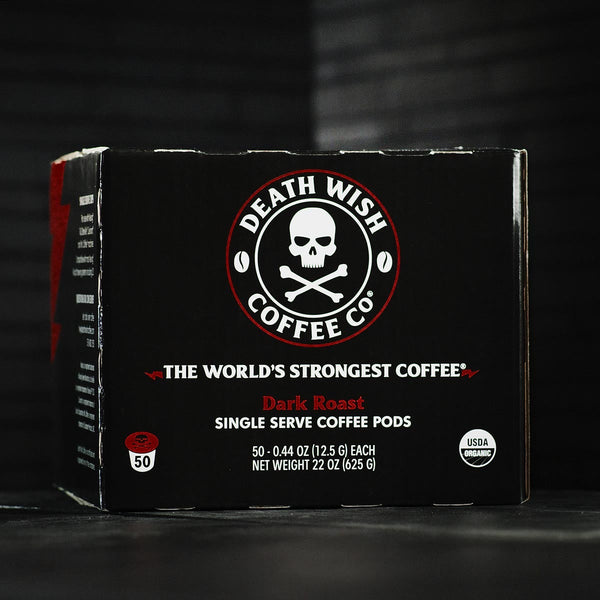
USDA organic, fair trade certified, and built for people who need more caffeine.

Built around one bet: that the world's strongest coffee could also be ethically sourced. The USDA organic and Fair Trade certifications came first; the cult following came later. Based in upstate New York, Death Wish proved that serious sourcing standards and extreme caffeine are not mutually exclusive.
Enter Store

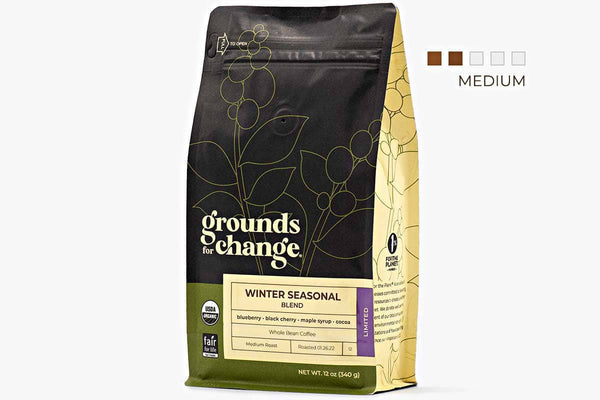
Grounds for Change

Poulsbo, WA

Fair trade and organic since before either was a marketing differentiator.

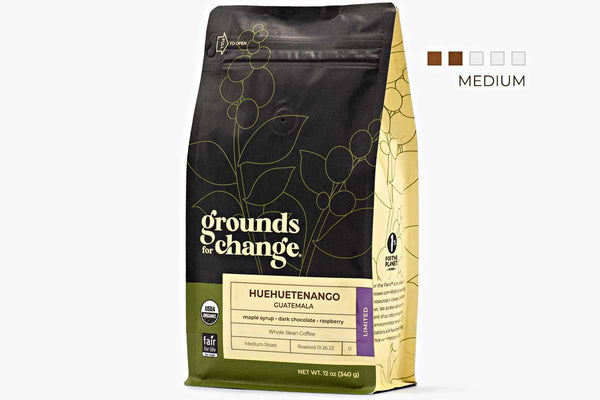
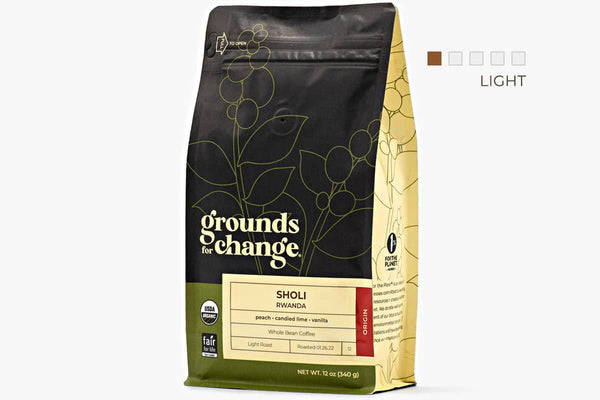
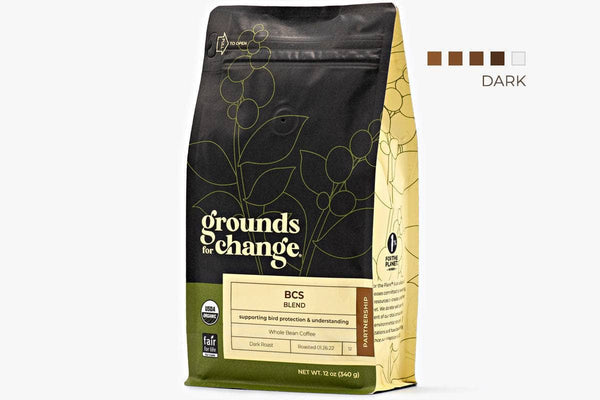
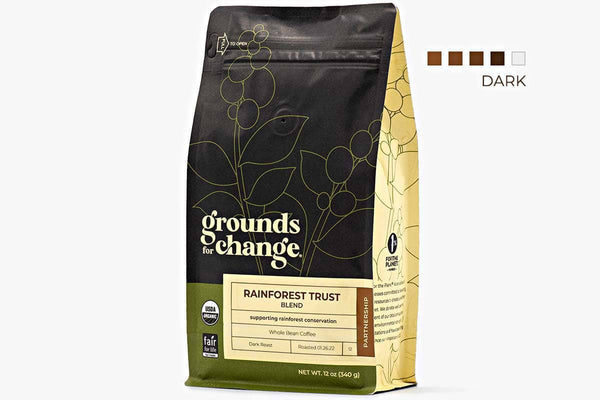
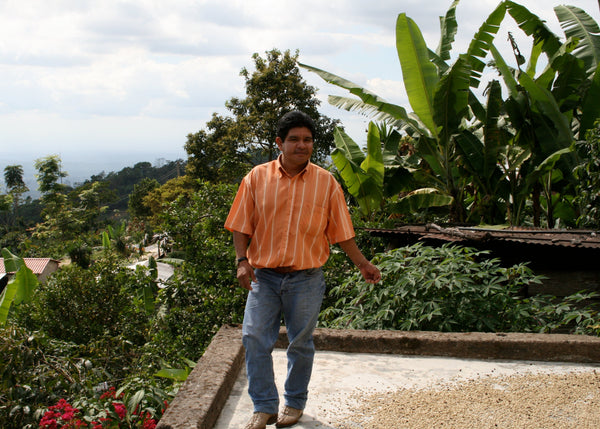
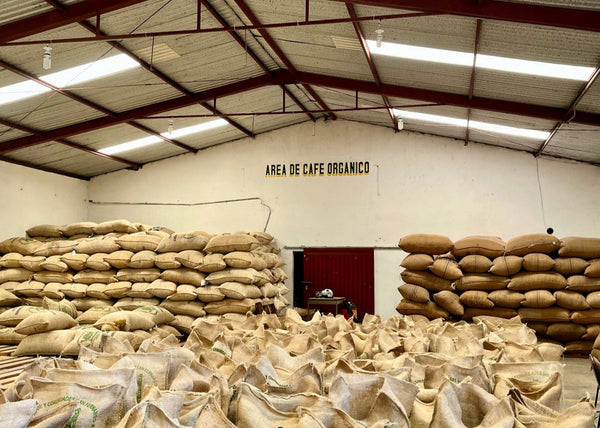
A small Washington State roaster that began certifying fair trade and organic before either was a competitive advantage. Grounds for Change pays above-market rates and has maintained genuine farmer relationships across Latin America for decades, without influencer campaigns or seasonal gimmicks.
Enter Store

Tiny Footprint Coffee

Minneapolis, MN

The only carbon-negative coffee roaster in the business.

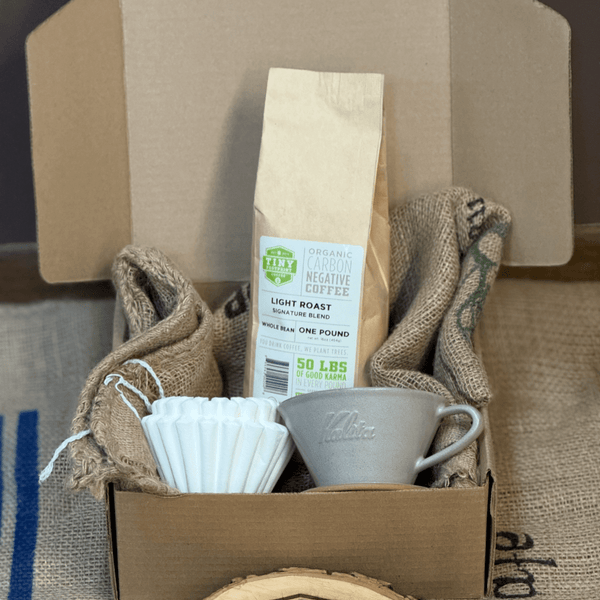
Tiny Footprint does not just offset its emissions; it offsets more carbon than it produces. Every purchase funds reforestation in Ecuador's Mindo cloud forest. The coffee is organic and fair trade certified, the roastery runs on renewable energy, and the sustainability story is the hardest to match in the specialty coffee category.

Enter Store

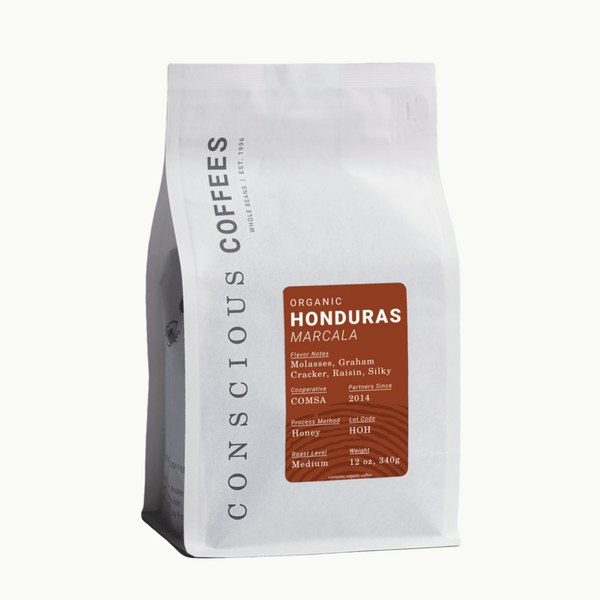
Conscious Coffees

Boulder, CO

Direct trade relationships built over twenty years, not a sourcing press release.

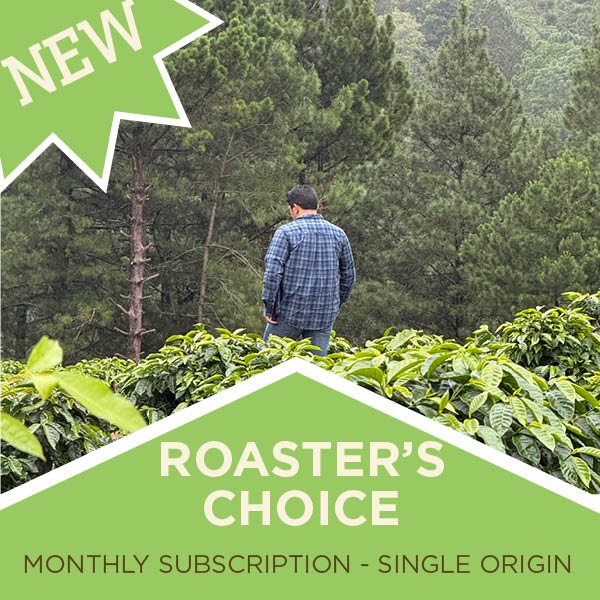
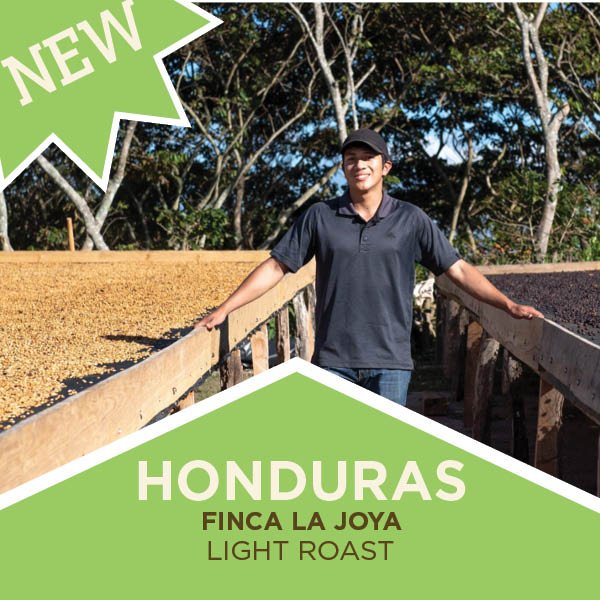
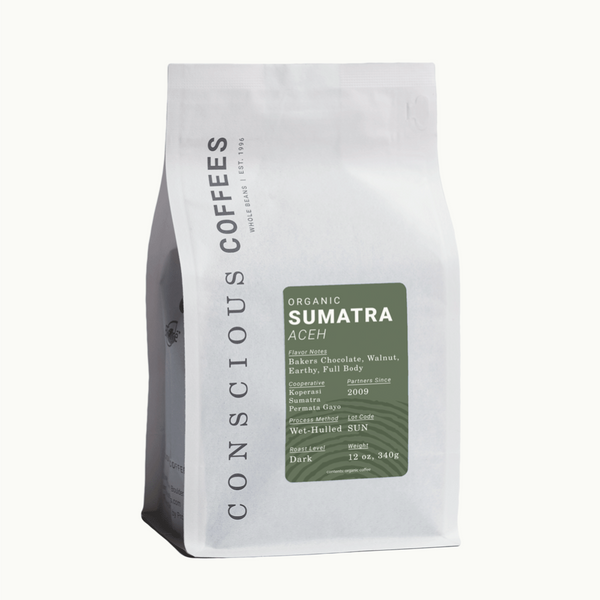
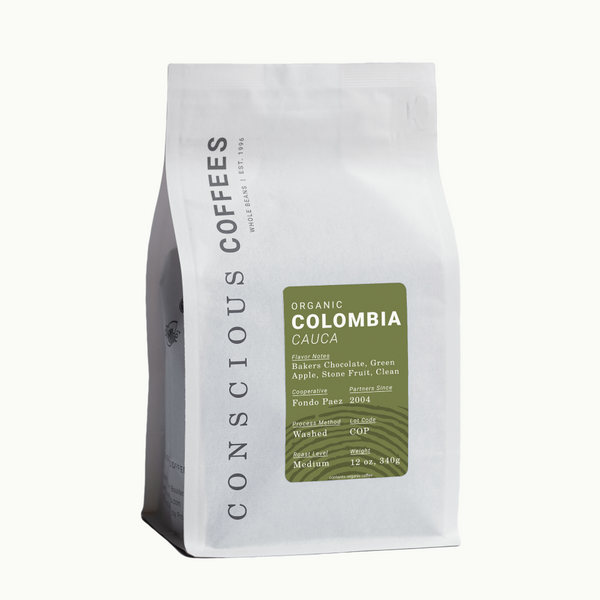
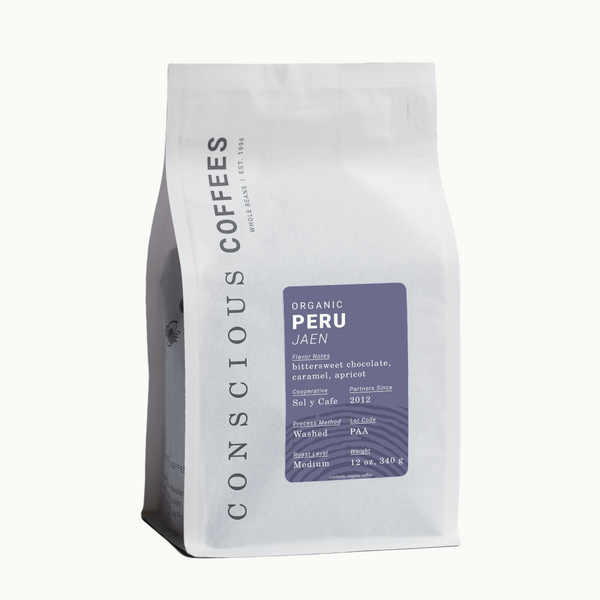
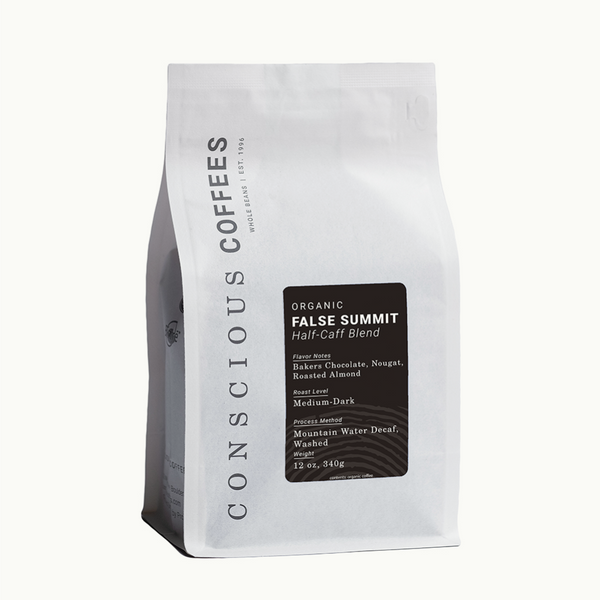
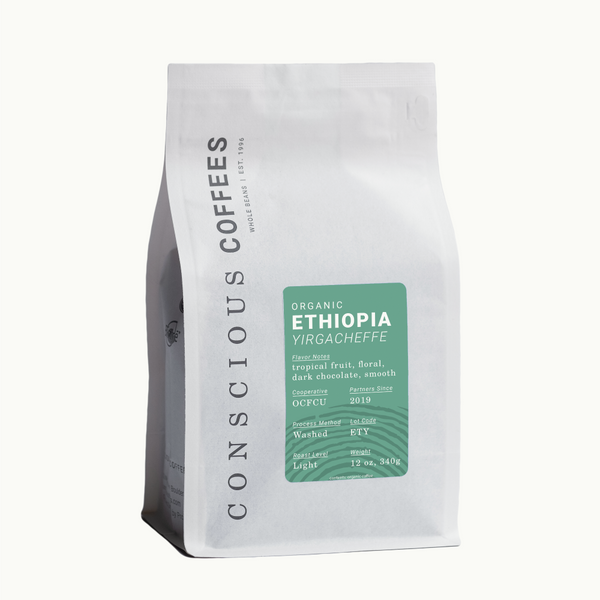
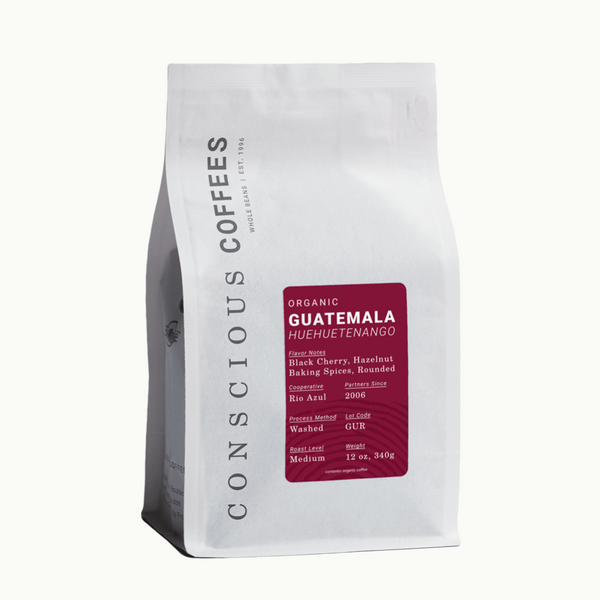
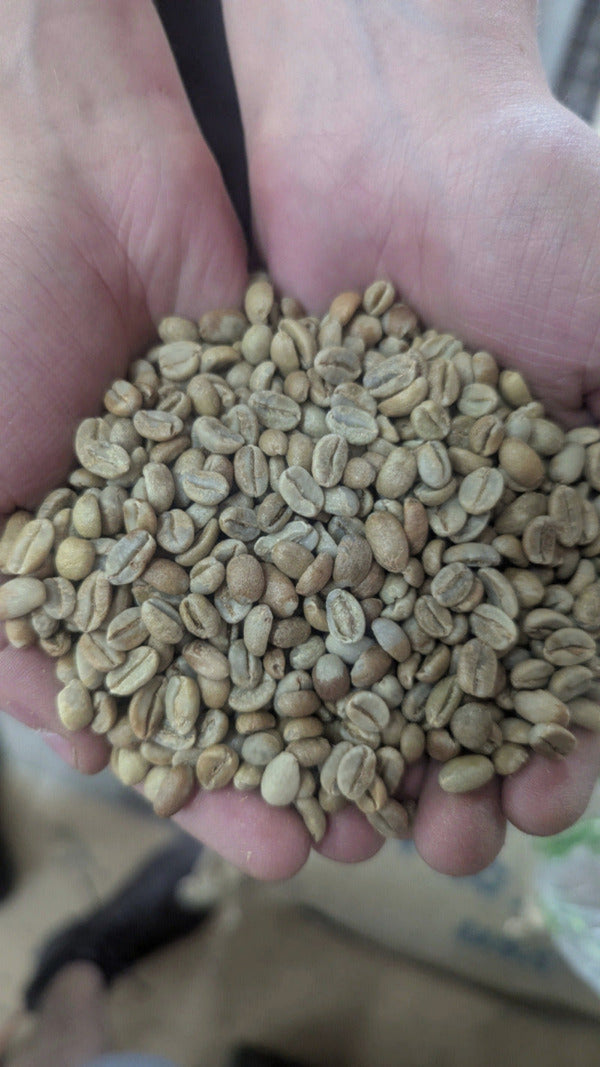
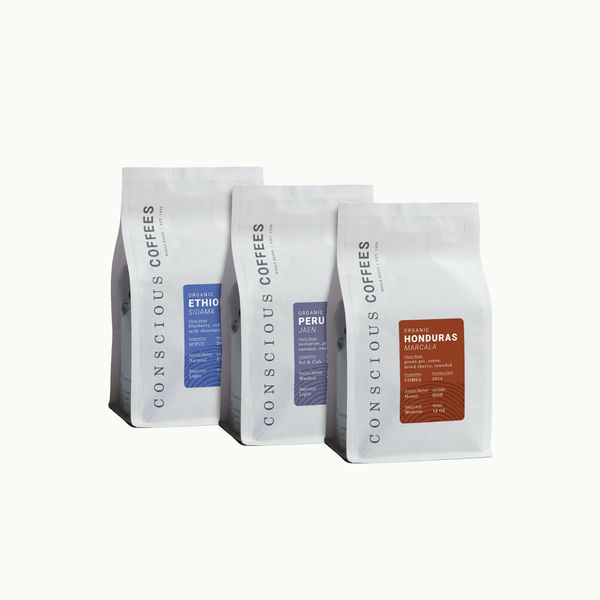
Operating out of Boulder since the early 2000s, Conscious Coffees built farm relationships before direct trade was a category name. The founders traveled to origin, learned farmer names, and structured pricing that guarantees a living wage regardless of commodity market swings. The paper trail most roasters cannot produce, they can.

Enter Store

Cafe Mam

Eugene, OR

Indigenous-grown Chiapas coffee, fairly traded since 1993.

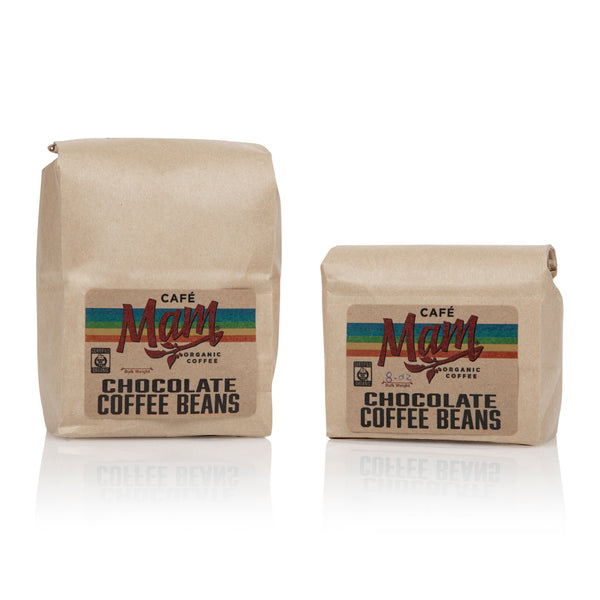
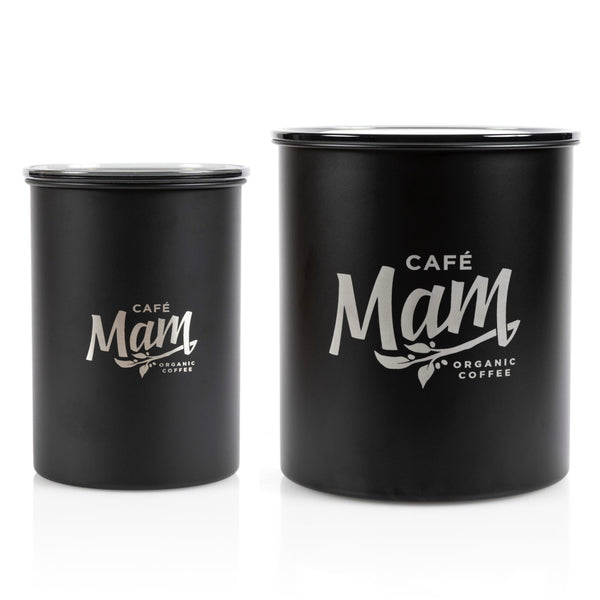
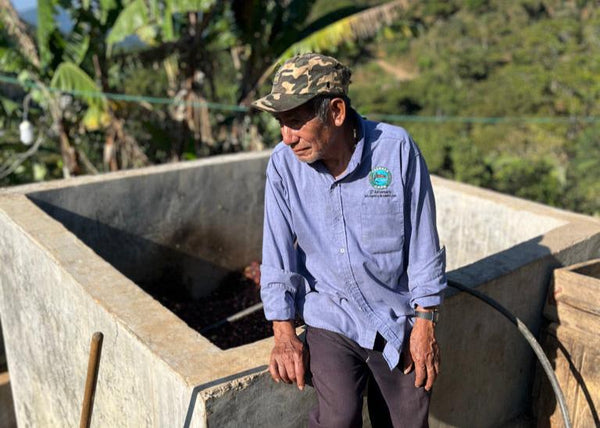
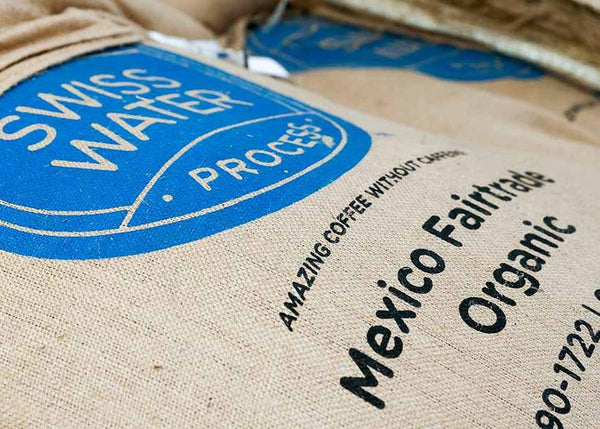
Cafe Mam sources exclusively from indigenous Maya cooperatives in Chiapas, Mexico, and has done so since 1993. That is a three-decade commitment predating most of the fair trade certification industry. The coffee is shade-grown, organic, and arrives with a farmer provenance story that most subscription services could never replicate.

Enter Store

Larry's Coffee

Raleigh, NC

Worker-owned, fair trade certified, and genuinely principled about supply chains.

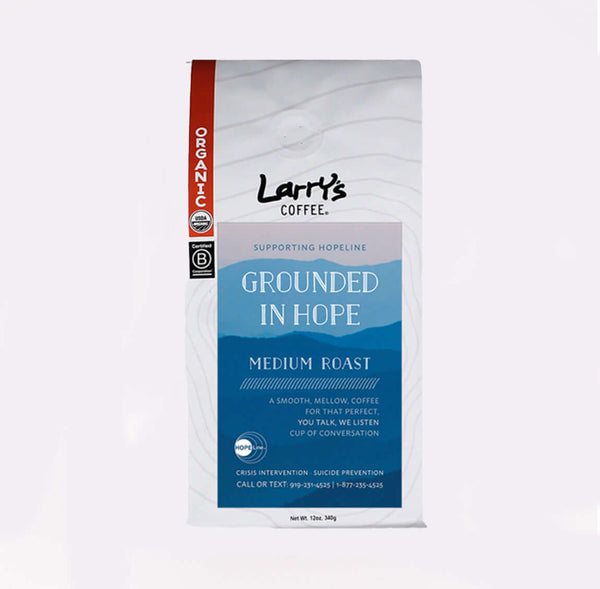
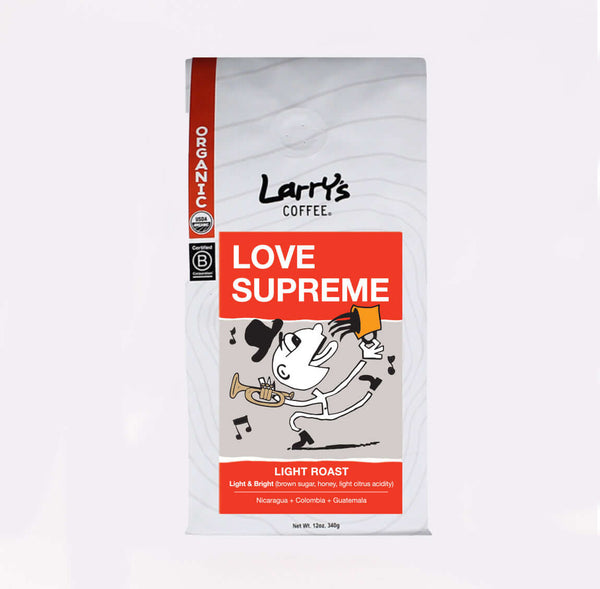
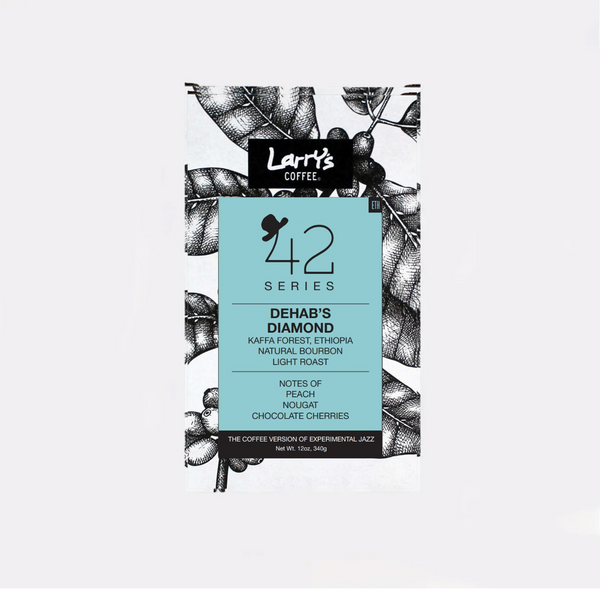
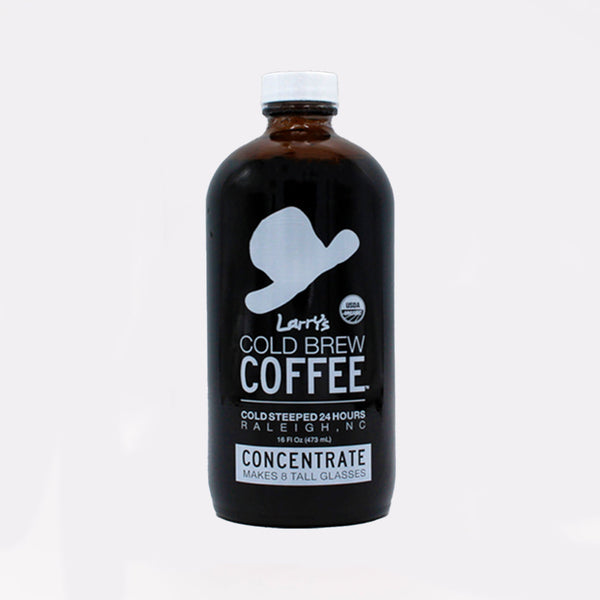
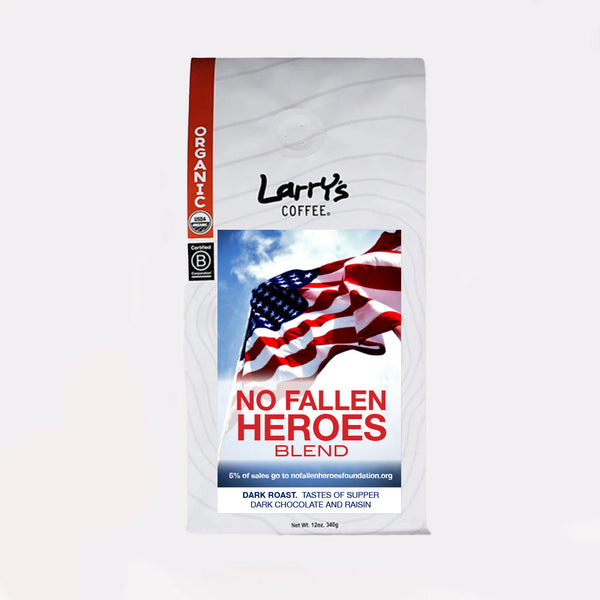
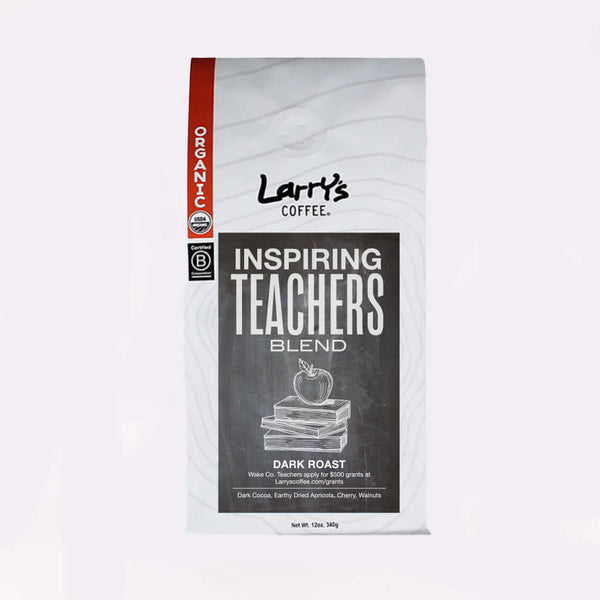
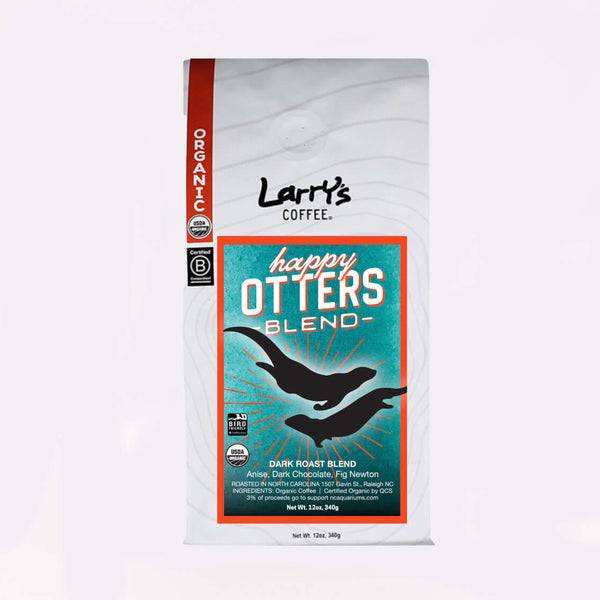
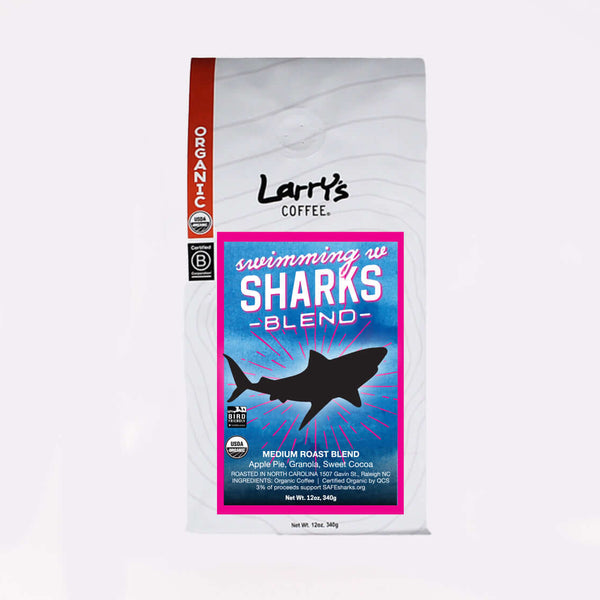
A worker-owned cooperative roasting certified fair trade and organic coffee out of Raleigh, North Carolina. The team bikes local deliveries, powers the roastery with renewable energy, and holds opinions about supply chain justice that go considerably beyond what any certification requires.

Enter Store

MistoBox

Specialty coffee subscription that matches you with the best ethical roasters.

Rather than roasting itself, MistoBox curates from 50-plus specialty roasters and offers a subscription that learns your palate over time. The platform surfaces a high proportion of direct trade and fair trade roasters, making it a practical entry point for people who want ethical coffee but have not yet found their roaster.

Enter Store

About This District

Fair trade certification is a minimum standard, not a finish line. The certification guarantees coffee is purchased at or above a floor price and that cooperatives meet basic labor and environmental standards. That is meaningful in a commodity market that has historically underpaid farmers, but the best roasters go further. Direct trade goes beyond certification: roasters purchase directly from individual farms or cooperatives, negotiate prices based on quality, and typically pay 20-40% above fair trade minimums. This arrangement gives farmers more income and roasters more control over quality. The tradeoff is transparency: fair trade is third-party verified, direct trade relies on relationship and trust. When evaluating a fair trade subscription, look for specificity. Good subscriptions name the farm or cooperative, the region, and the harvest date. Mystery provenance is a red flag. Check whether subscriptions offer single-origin options; single-origin coffee lets you taste what origin actually means. Freshness matters as much as sourcing. Coffee peaks between 4-14 days after roasting. Subscriptions that roast to order and ship fresh are worth the premium. MistoBox is useful if you are still finding your palate among roasters. Grounds for Change and Conscious Coffees are better choices once you know you want long-term farmer relationships and verifiable supply chains.