Mint Districts Beauty

The Best Handmade Soap Brands That Actually Clean Your Skin

Most people do not think about soap until a bar of it ruins their skin. The handmade soap world started as a farmers market curiosity but matured into something genuinely worth paying attention to. Small-batch producers cold-press their bars, cure them for weeks, and skip the synthetic detergents that commercial brands rely on. The result is soap that leaves your skin feeling like skin, not like it has been stripped and then shellacked. These six brands span charcoal bars for oily skin, goat milk options for sensitive types, and fair-trade African black soap that has been around longer than most brands grandparents.

Beauty · 6 Brands

The Handmade Soap District

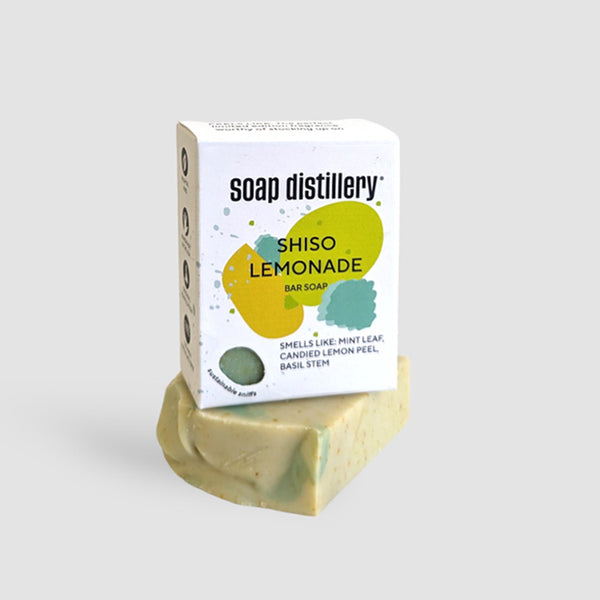
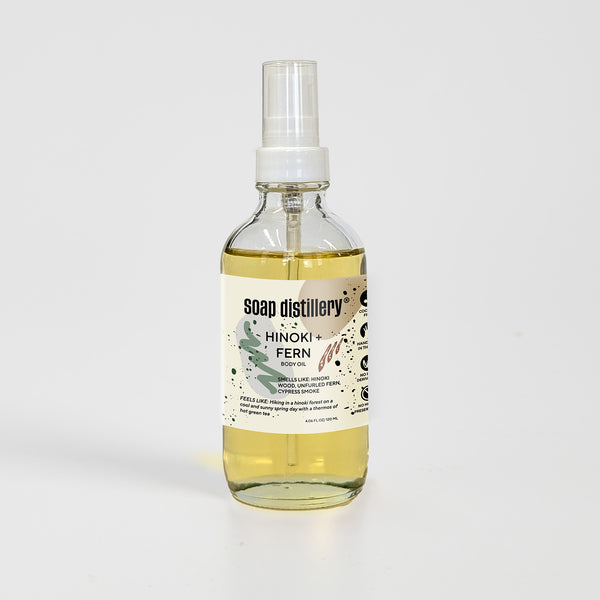
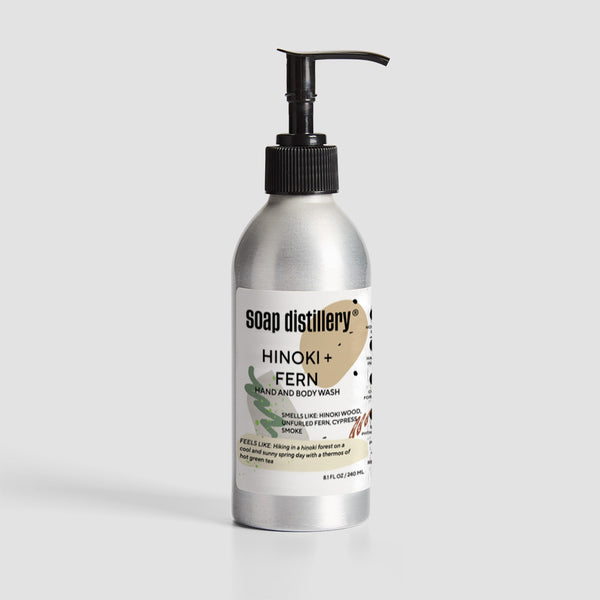
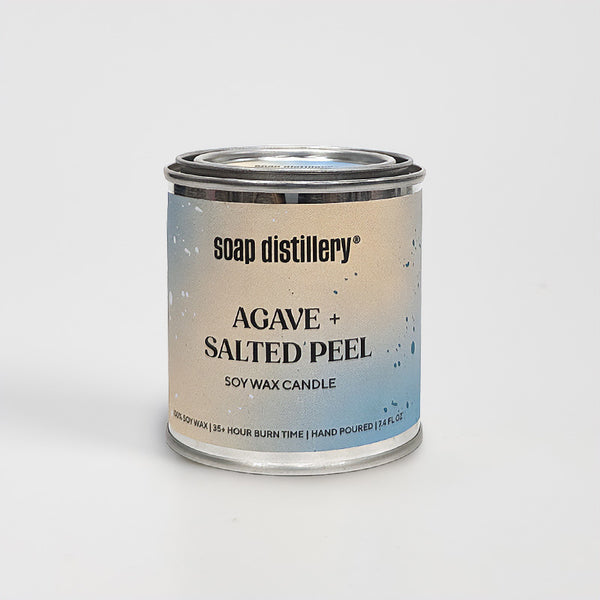
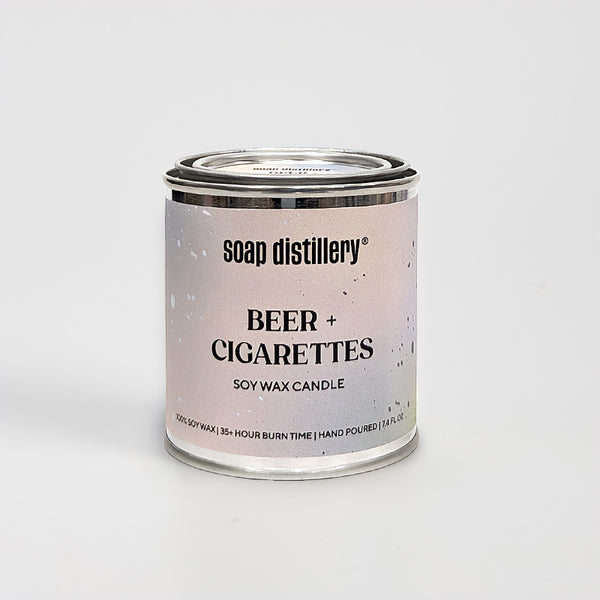
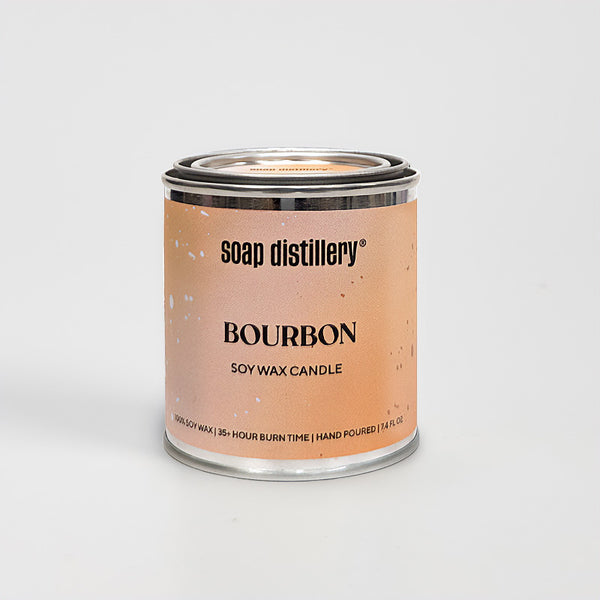
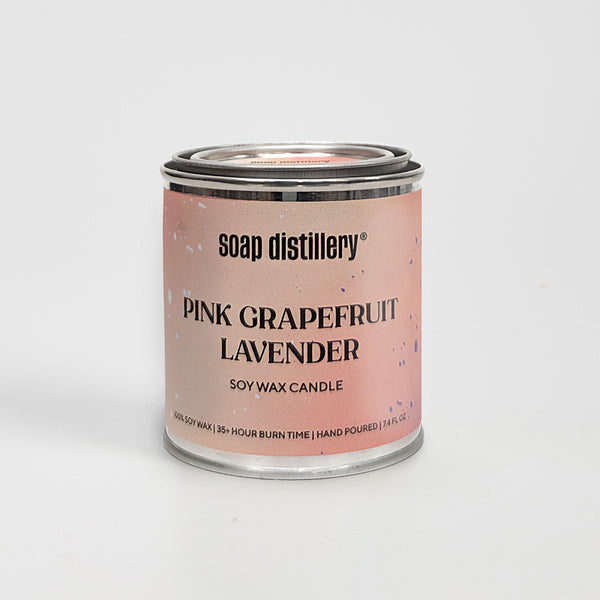
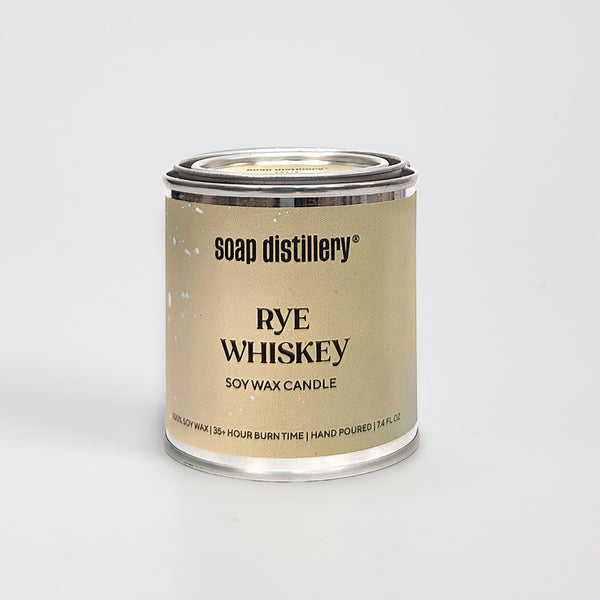
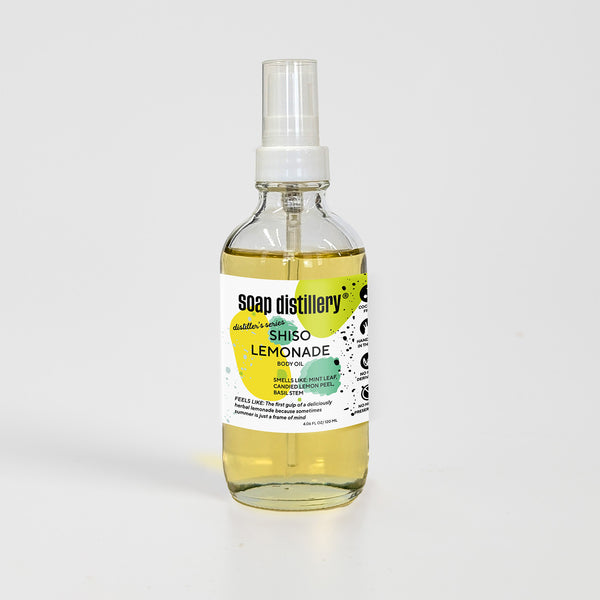
Soap Distillery

Kansas City, MO

Cold-process bar soap brewed with the precision of craft beer

Started by a former chemist who got obsessed with lye chemistry and farmers market feedback loops, Soap Distillery treats bar soap like the crafted product it actually is. Every batch is poured by hand, cured for four weeks, and formulated from oils they would be comfortable putting on a salad.

Enter Store

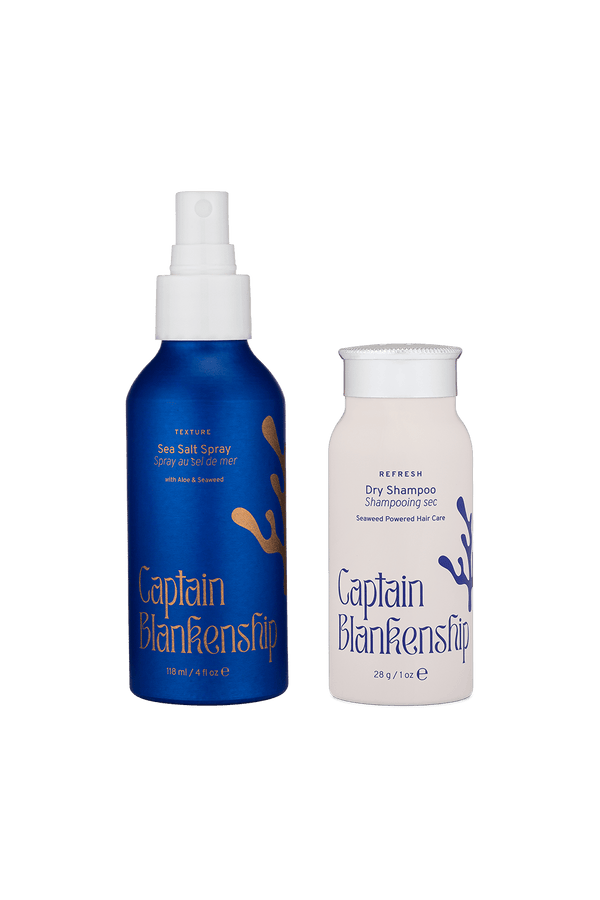
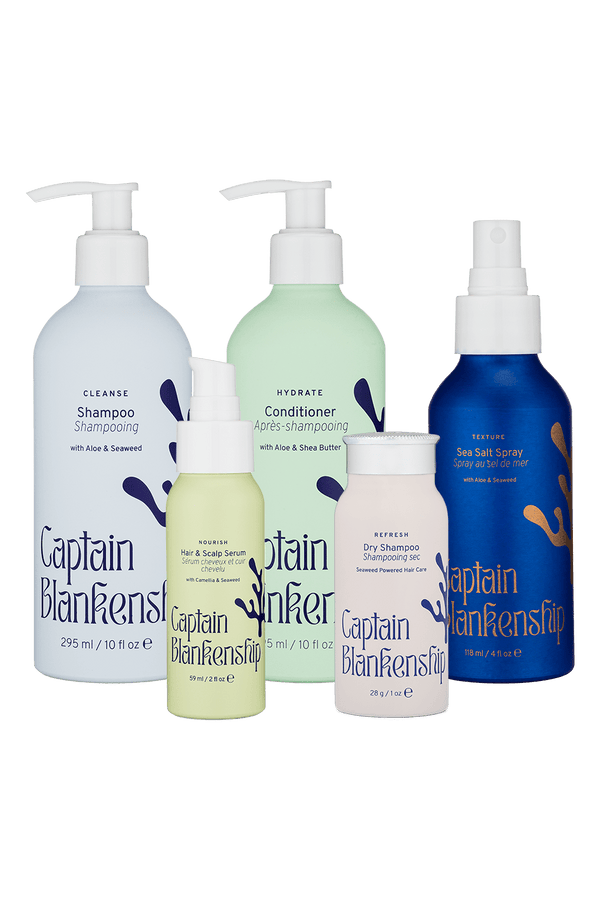
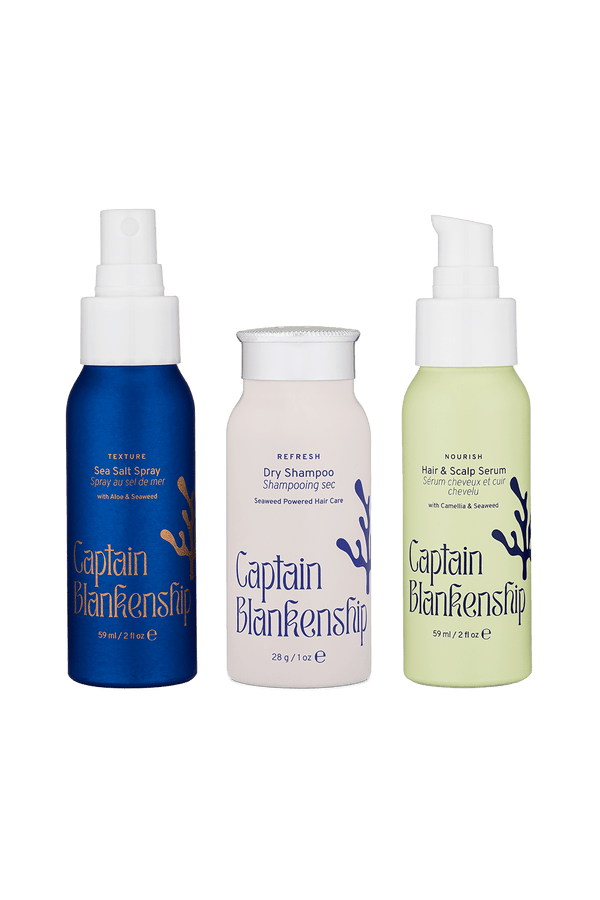
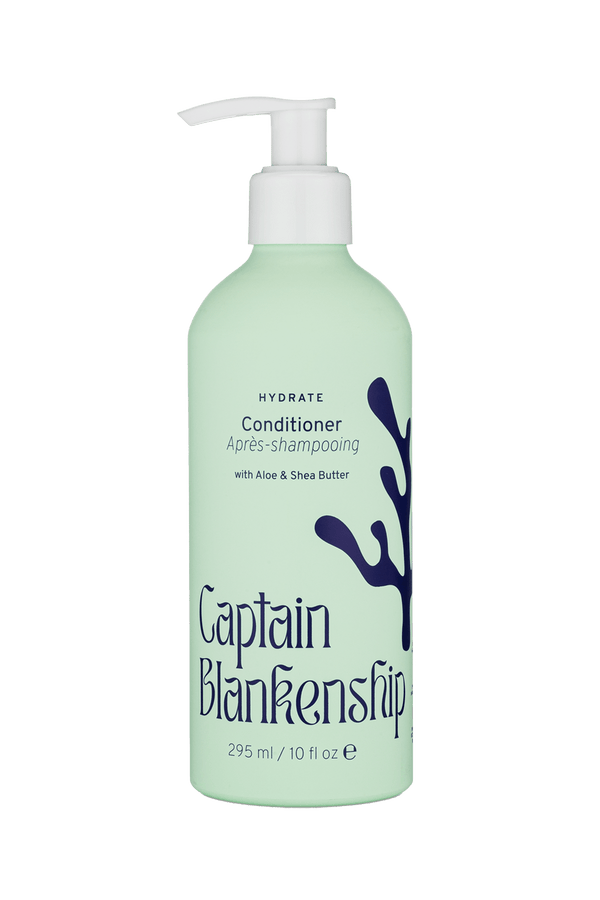
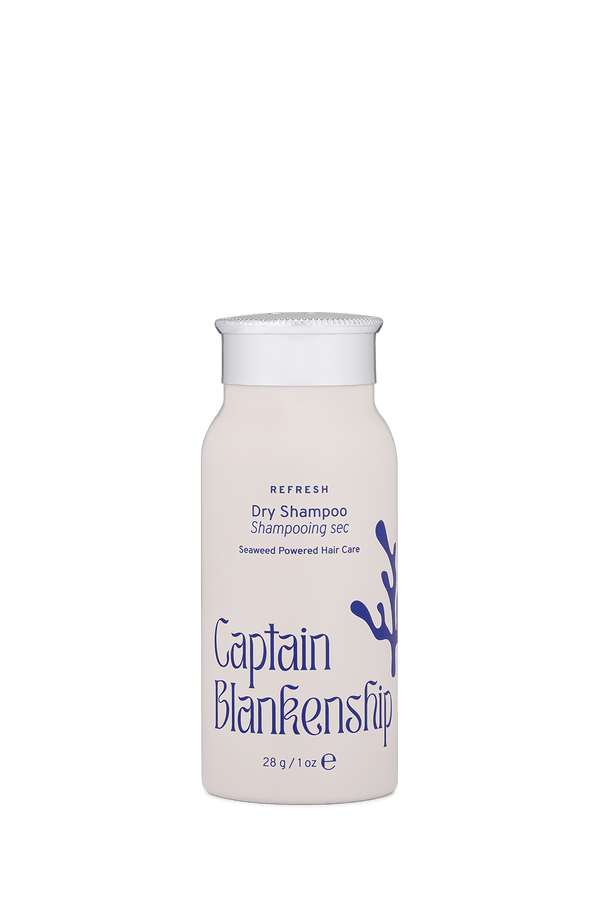
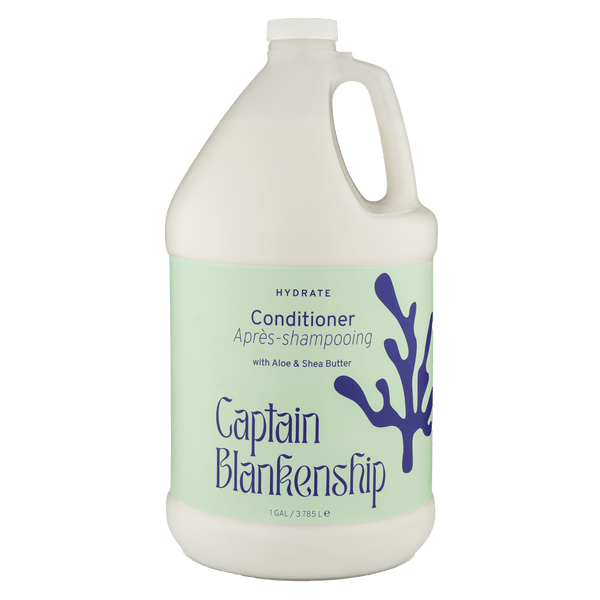
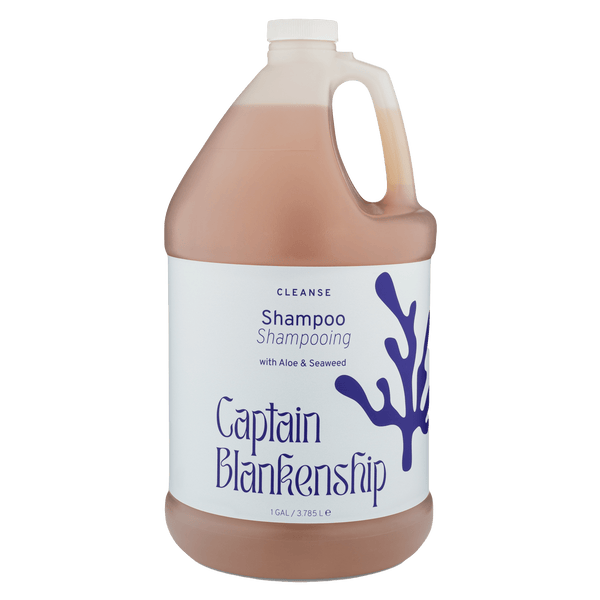
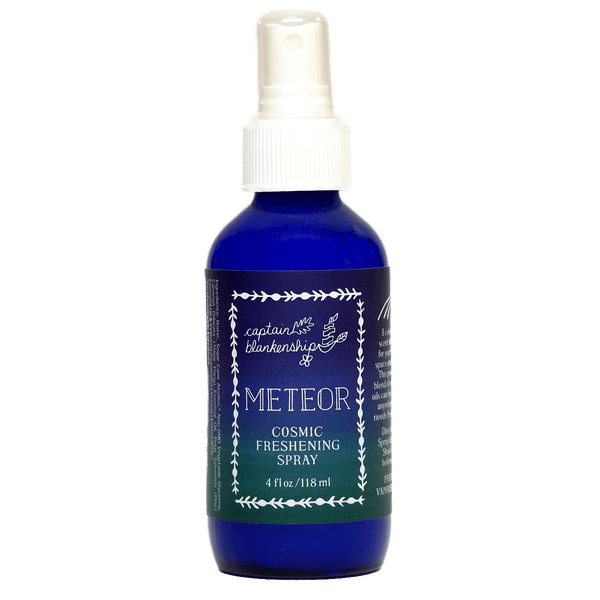
Captain Blankenship

Hudson Valley, NY

Botanical body care made in small batches by a former designer

Founder Jana Blankenship traded her design career for a soap kettle and a garden. The line runs on wild-harvested botanicals and handcrafted small-batch production from her Hudson Valley studio, with a formulation philosophy closer to herbalism than beauty marketing.
Enter Store

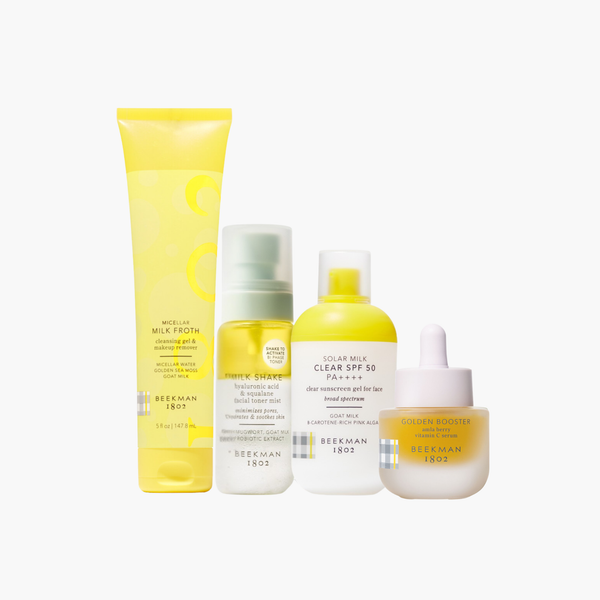
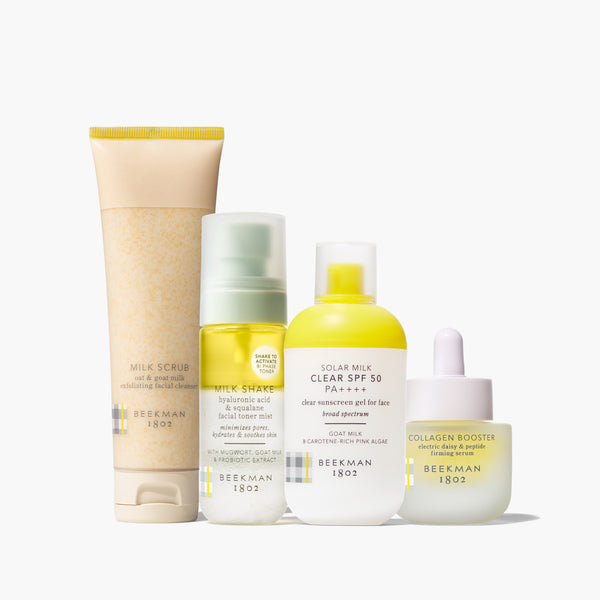
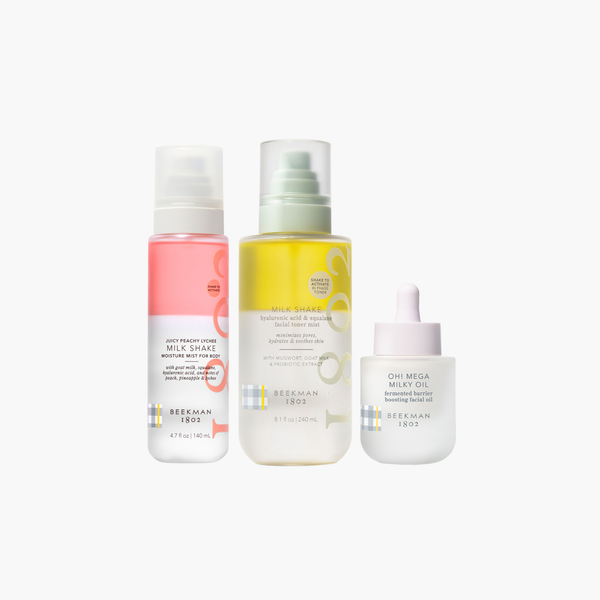
Beekman 1802

Sharon Springs, NY

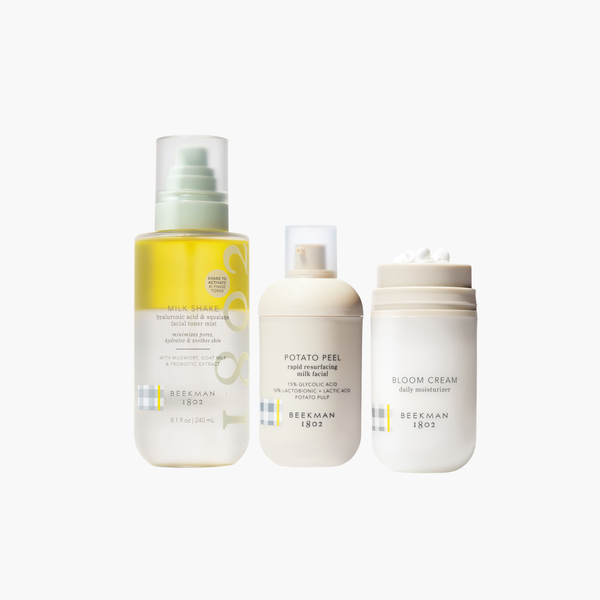
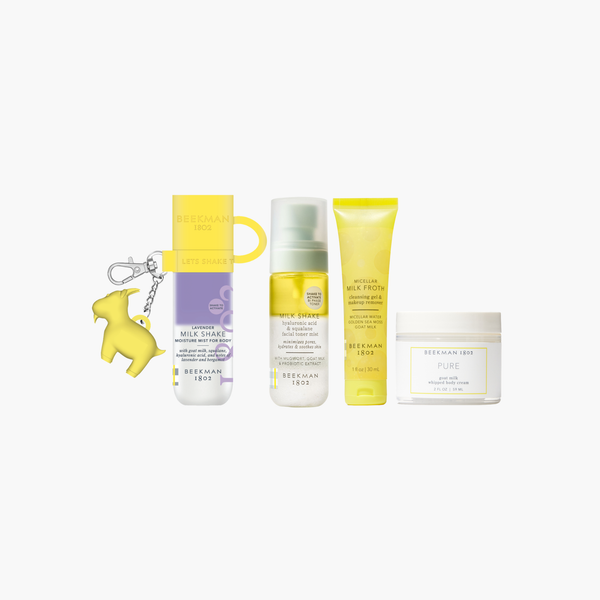
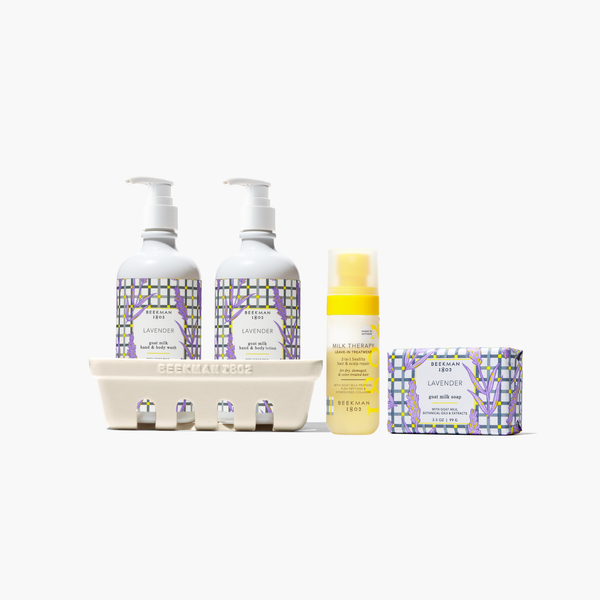
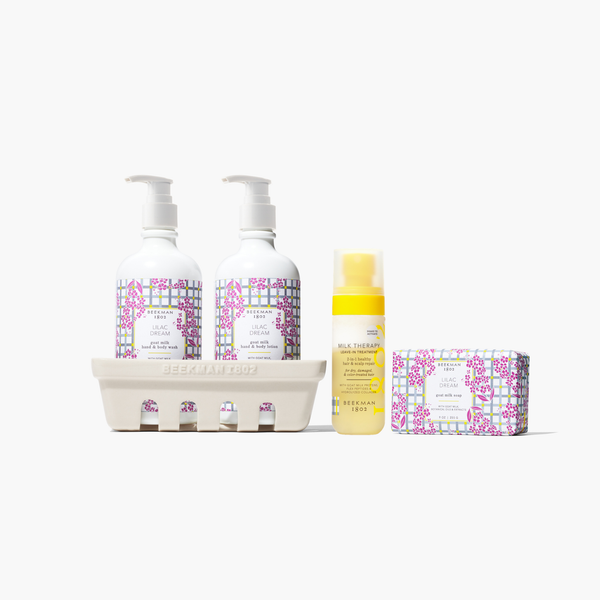
Goat milk skincare from a real working farm in upstate New York

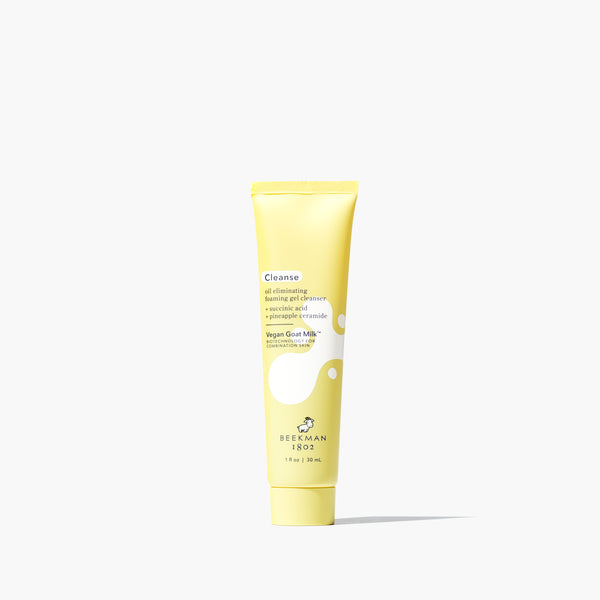
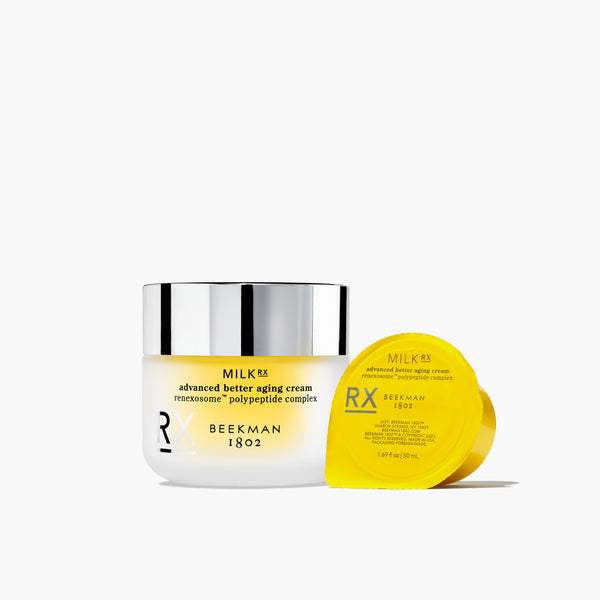
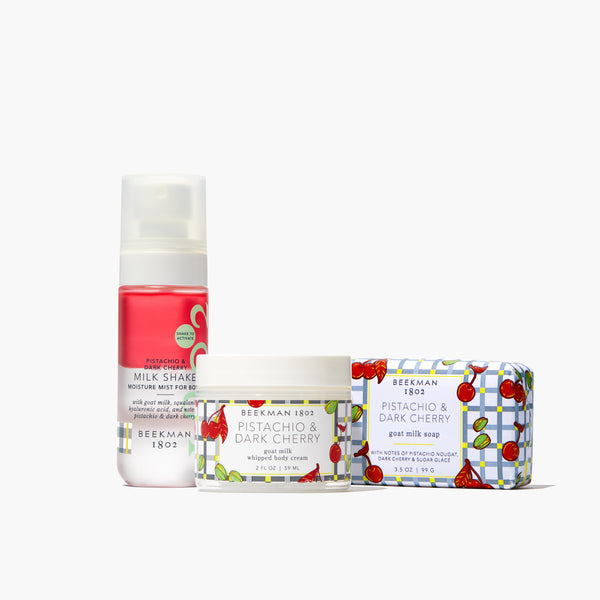
Two guys bought a struggling goat farm in Sharon Springs and started making soap with the milk. Two decades later, Beekman 1802 still sources goat milk from small family farms and puts it in everything from bar soap to SPF, backed by clinical skin science rather than just farm aesthetics.

Enter Store

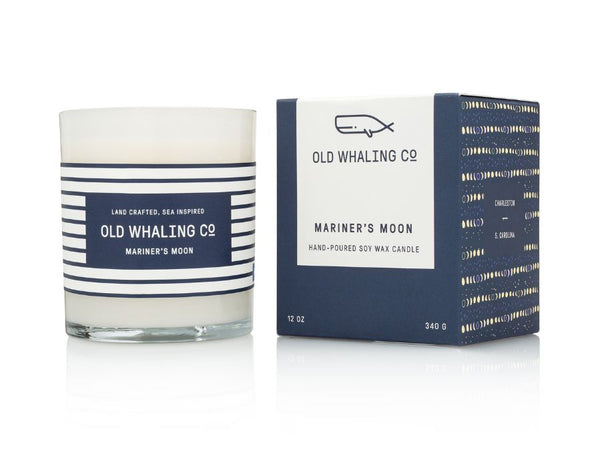
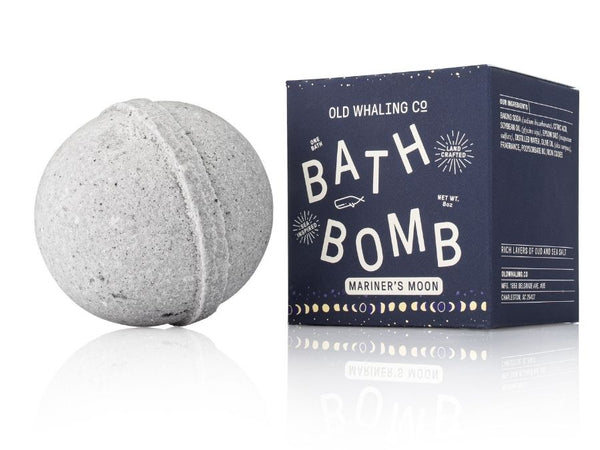
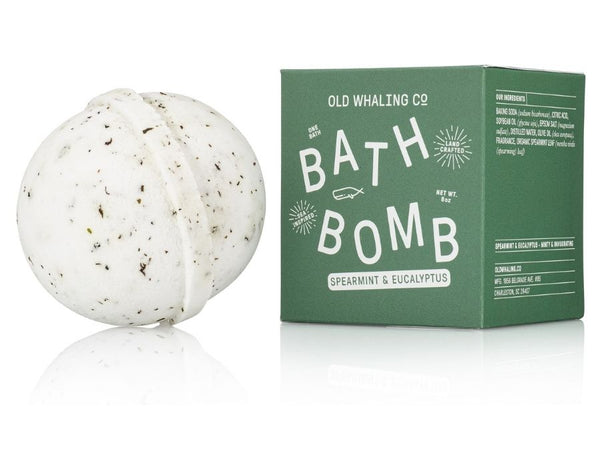
Old Whaling Company

Charleston, SC

Sea salt soap and coastal body care from the South Carolina shore

Growing up near the water in Charleston, the founders wanted body care that smelled like real ocean air rather than synthetic fragrance approximating it. Their sea salt soap bars and lotions are made in small batches for people who actually spend time outside.

Enter Store

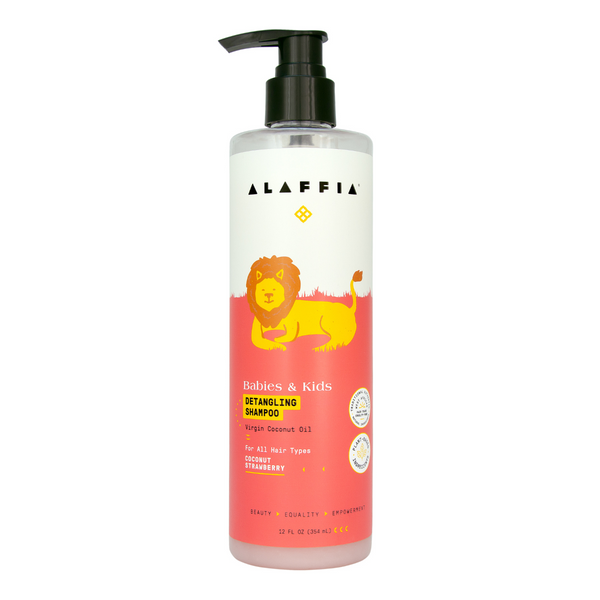
Alaffia

Olympia, WA

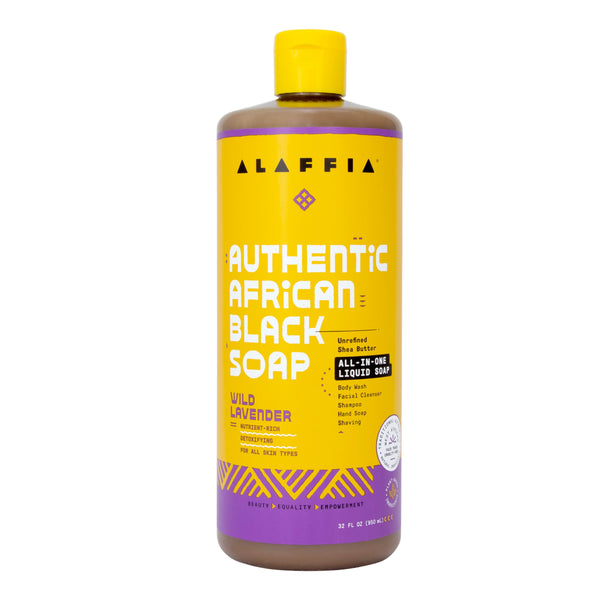
Fair-trade African black soap from West African womens cooperatives

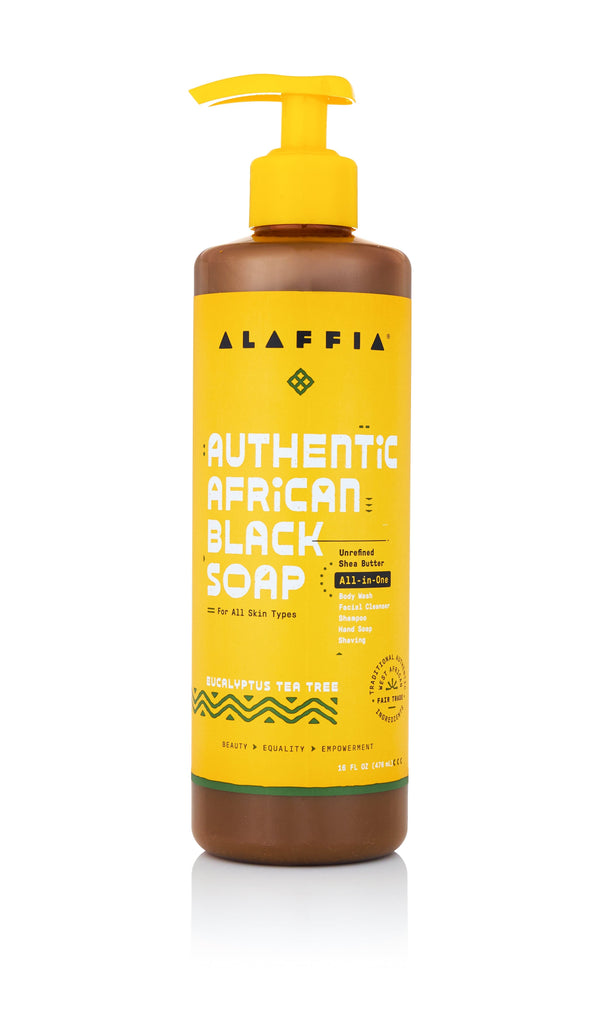
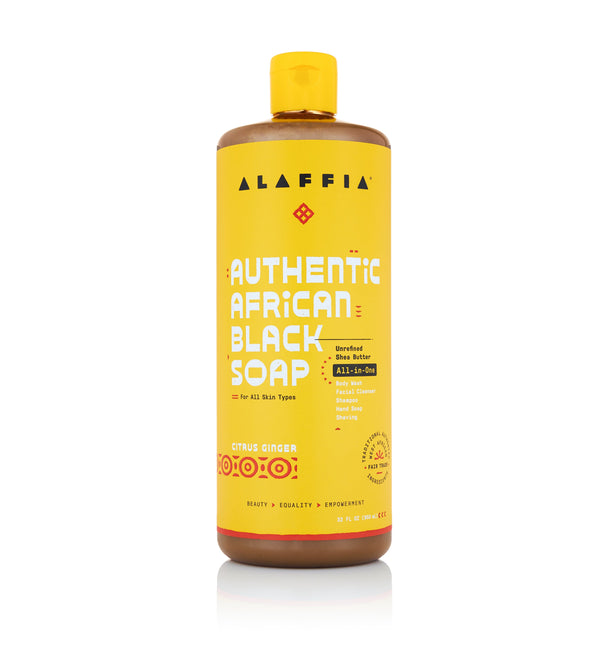
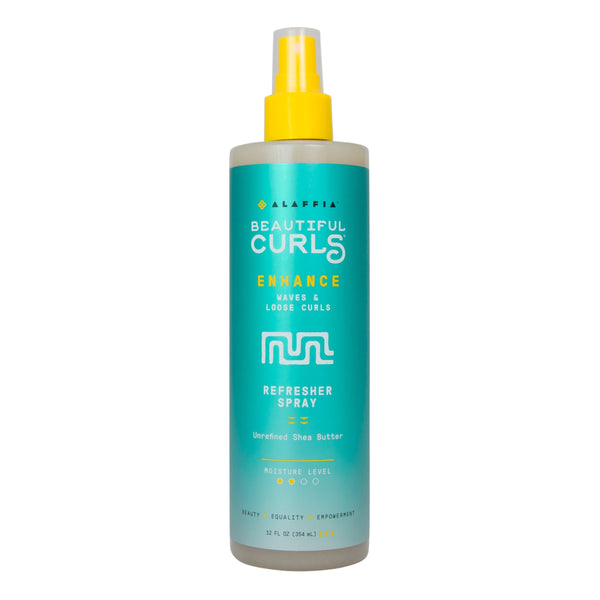
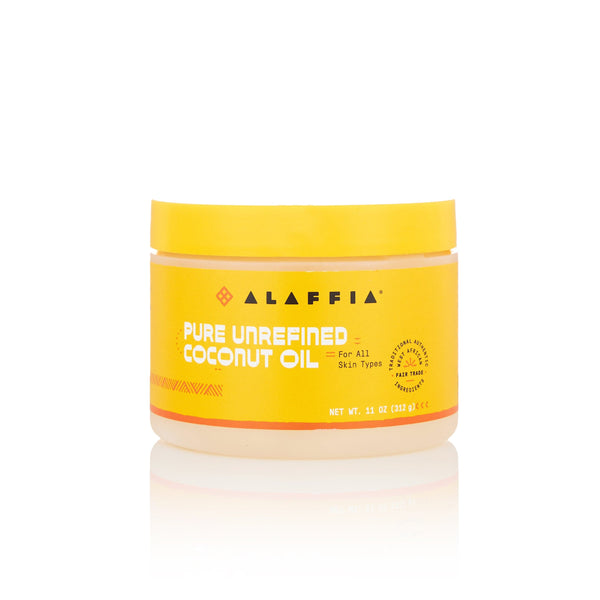
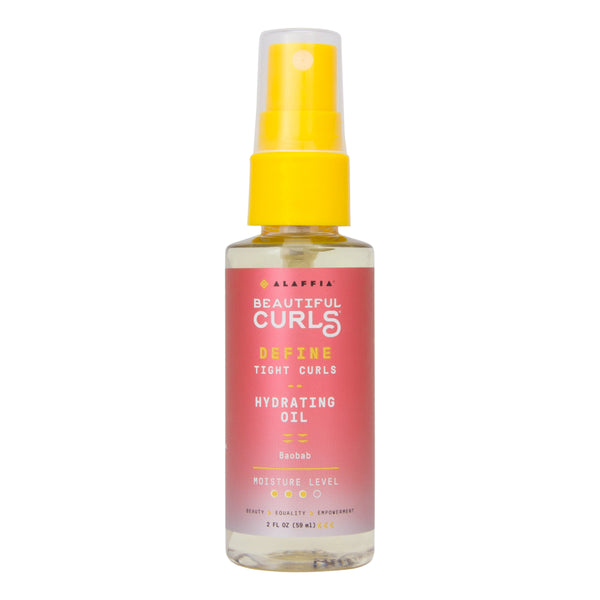
Before clean beauty was a marketing category, West African women were making shea butter soap using methods passed down for generations. Alaffia works directly with cooperatives in Togo to source unrefined shea and authentic black soap, reinvesting profits into local education and maternal health programs.

Enter Store

About This District

The oil base determines everything about how a soap bar behaves. Coconut oil creates lather; olive oil conditions; castor oil boosts bubbles; shea butter adds creaminess. A soap built around a diverse oil blend tends to outperform one built around a single cheap oil. Cold-process vs. melt-and-pour: cold-process soap starts from raw oils and lye, then cures for four to six weeks. The wait produces a harder, longer-lasting bar with more complex chemistry. Melt-and-pour uses a pre-made soap base that manufacturers add color and fragrance to. Both methods can be natural, but cold-process is the more from-scratch approach. Fragrance is where handmade gets murky. The word fragrance on a soap label can still mean synthetic compounds, even on a small-batch bar. If you have sensitivities or skin reactions, look for brands that use only essential oils, or that specifically name their scent sources. Cure time signals quality. A well-cured bar, at least four to six weeks, is harder, produces less waste in the shower, and lasts significantly longer than a fresh-poured one. Brands that mention cure time are usually worth trusting. For sensitive or reactive skin: activated charcoal works well for oily and breakout-prone skin. Goat milk soap is genuinely soothing for dry and eczema-prone types. Unscented castile bars are the safest option for people with fragrance sensitivities. African black soap, made from plantain ash and shea, has a long history of use on sensitive skin across West Africa.