Mint Districts Home

The Best Handmade Wooden Kitchenware Brands Selling Direct

Mass-market wooden kitchen tools are almost uniformly bad — soft woods that split, handles that crack after six months, vague artisan claims stamped on factory finishes. The brands in this district are different. Most of them started because a single maker wanted kitchen tools that actually held up, and grew from there — slowly, without compromising how things are made. You'll find heirloom-quality spoons hand-carved from Appalachian hardwoods, teak boards finished through six rounds of sanding, and rolling pins turned from American black walnut. These are the tools that outlast your kitchen renovation.

Old Saguaro

Home

Arizona woodcraft: functional kitchen tools built with real intention.

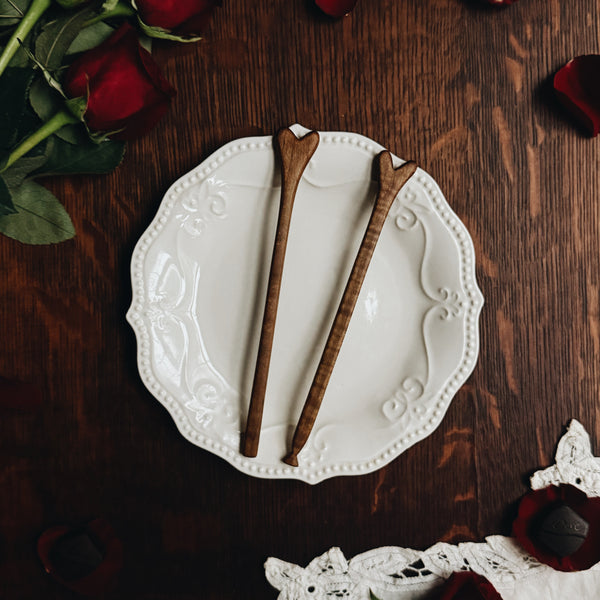
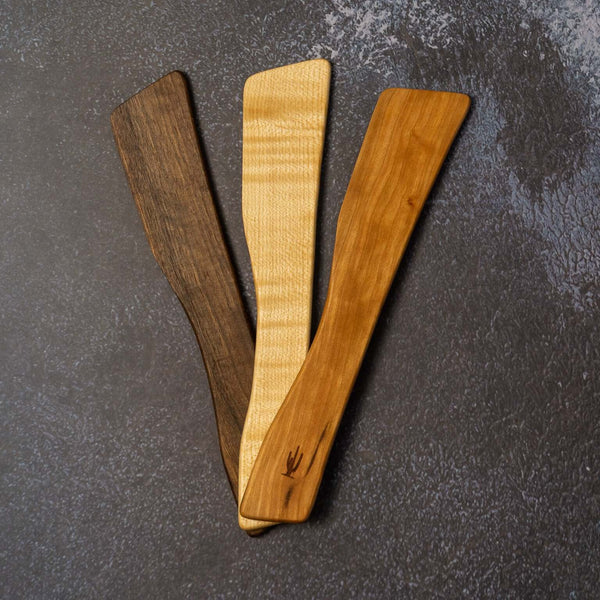
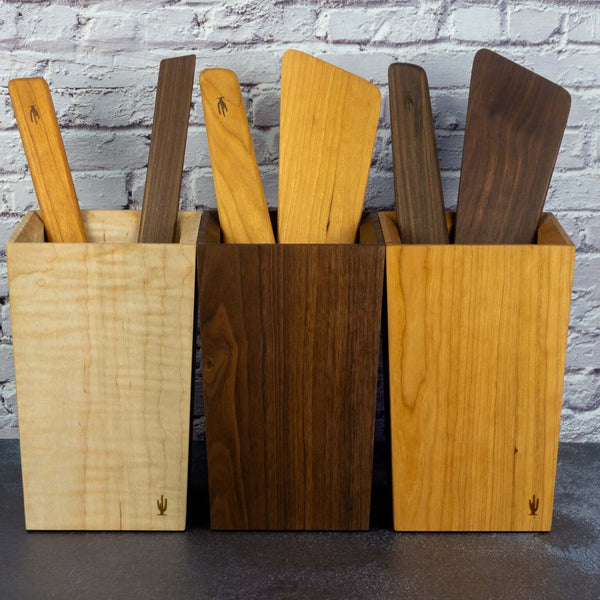
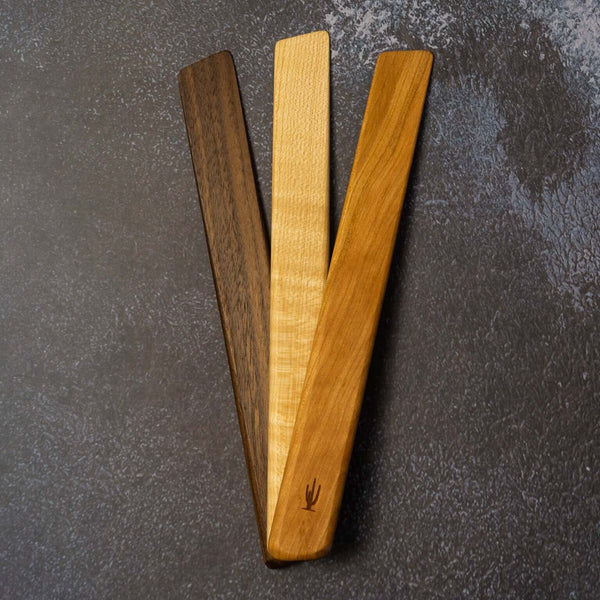
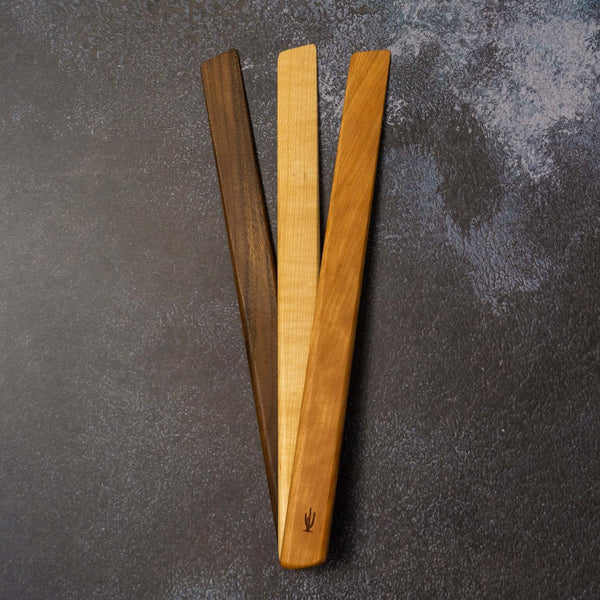
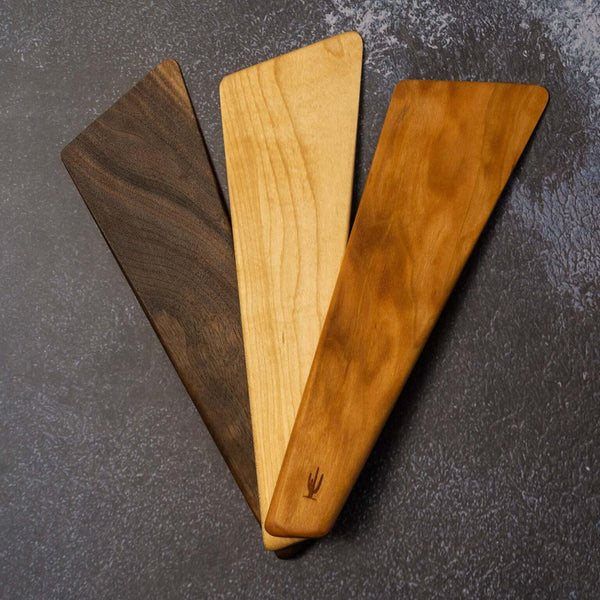
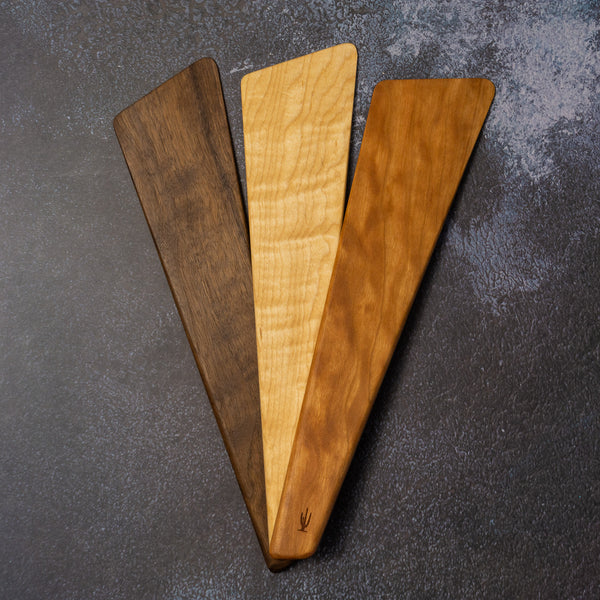
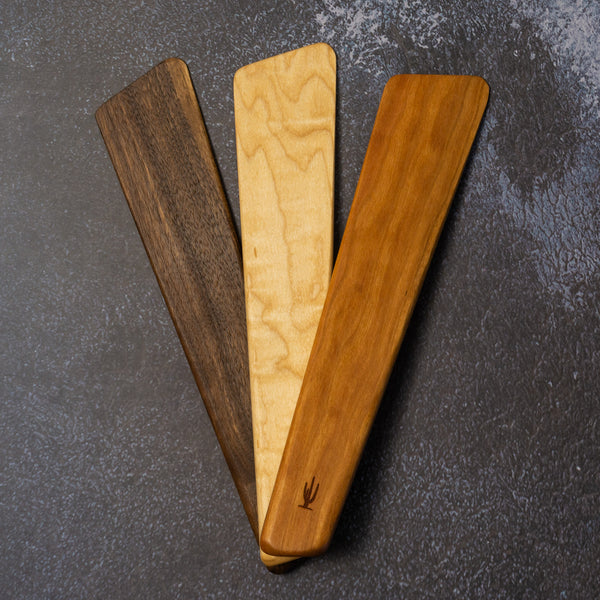
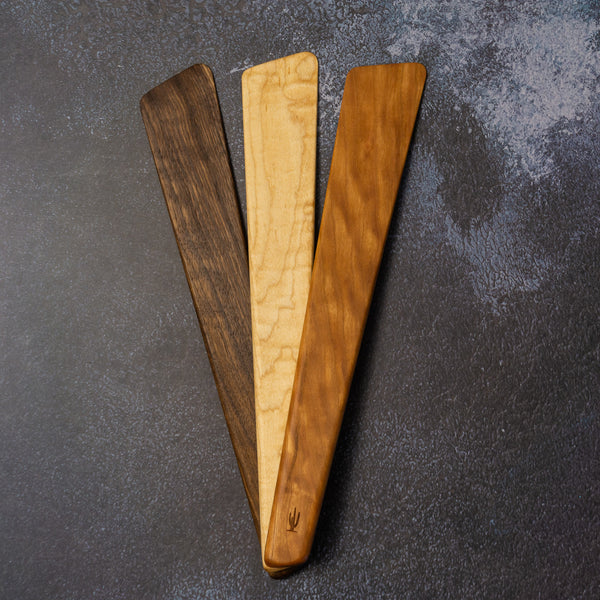
Out of a small shop in Arizona, O.S. Woodcraft makes kitchen pieces that lean closer to craft objects than commodity tools. The range is deliberately tight — spoons, spatulas, boards — each turned from woods sourced and chosen by the maker. The aesthetic is clean and unfussy, exactly what kitchen tools should be when someone actually cares how they're made.

Enter Store

Earlywood Designs

Home

Heirloom wooden kitchen utensils, handcrafted in the USA for daily use.

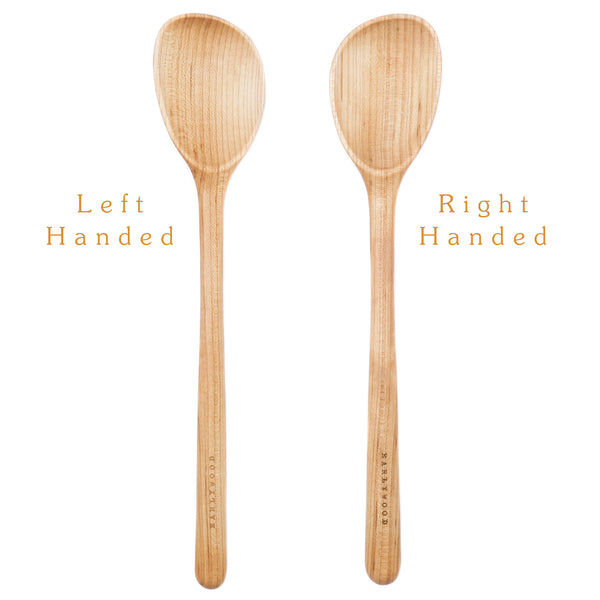
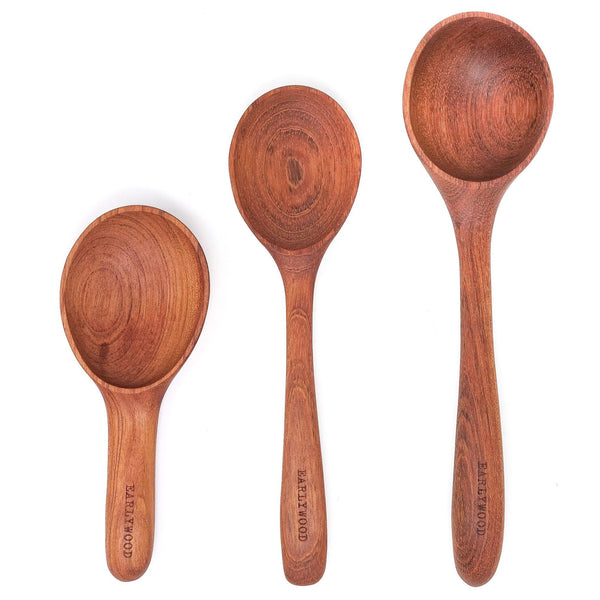
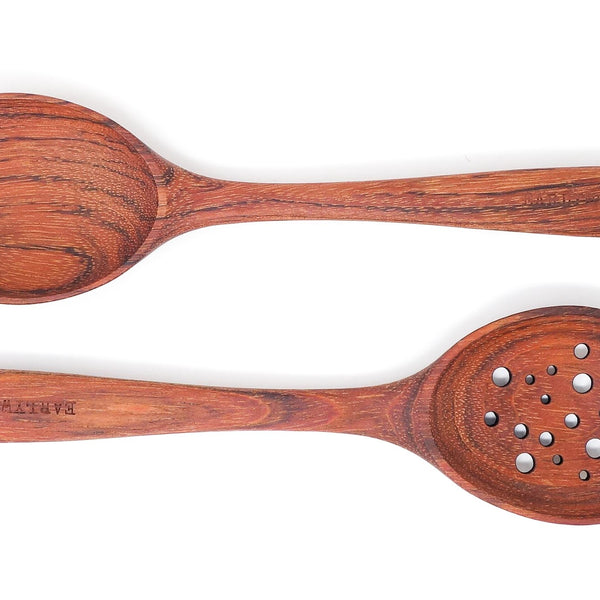
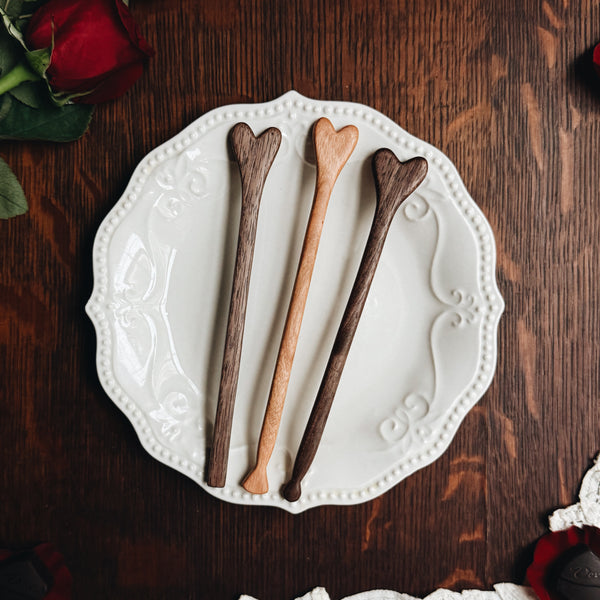
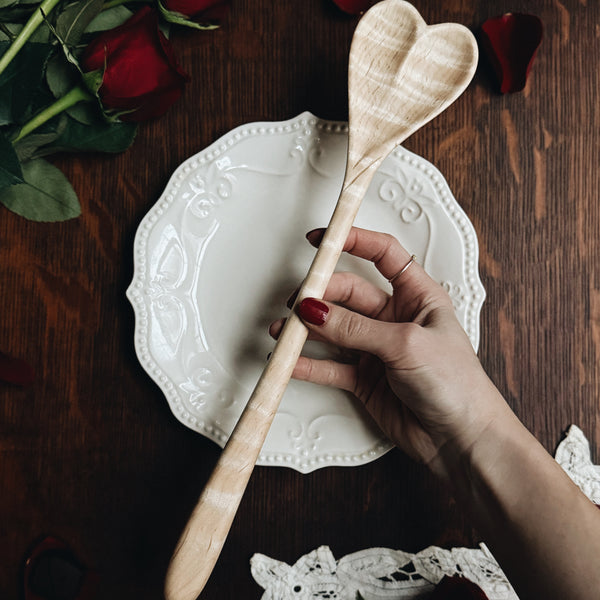
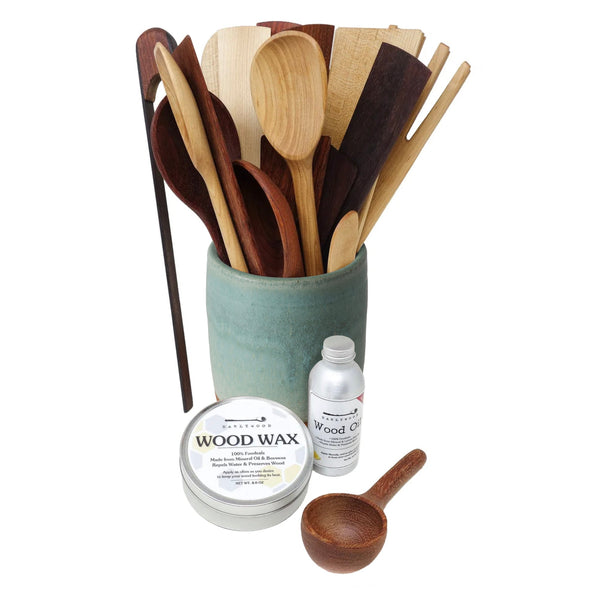
Earlywood started with a simple premise: wooden kitchen tools should last generations, not seasons. Made in the USA from dense hardwoods including jatoba and hard maple, their spoons, spatulas, rolling pins, and tongs are designed for actual cooking — balanced, durable, and finished with food-safe mineral oil. The kind of tool you give away in a will.

Enter Store

Rainforest Bowls

Home

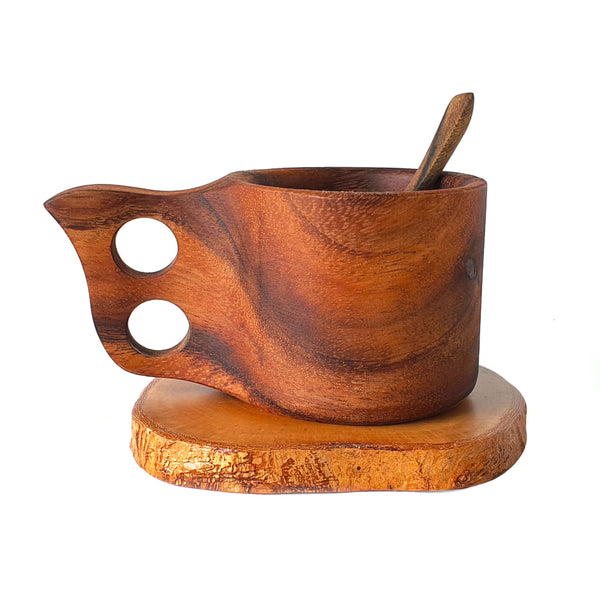
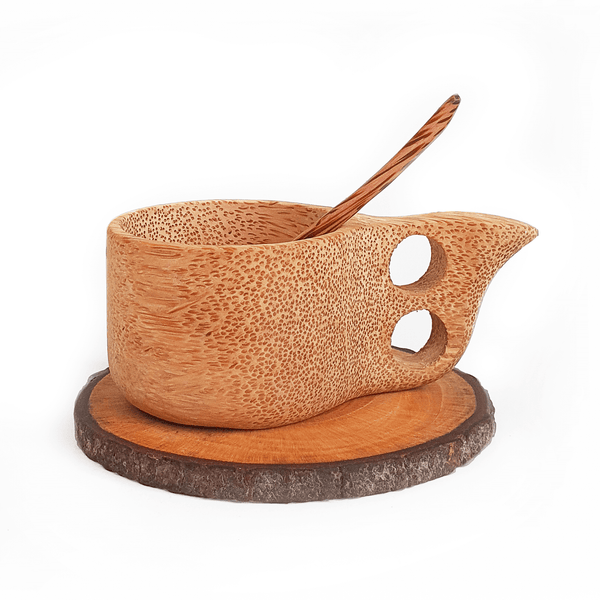
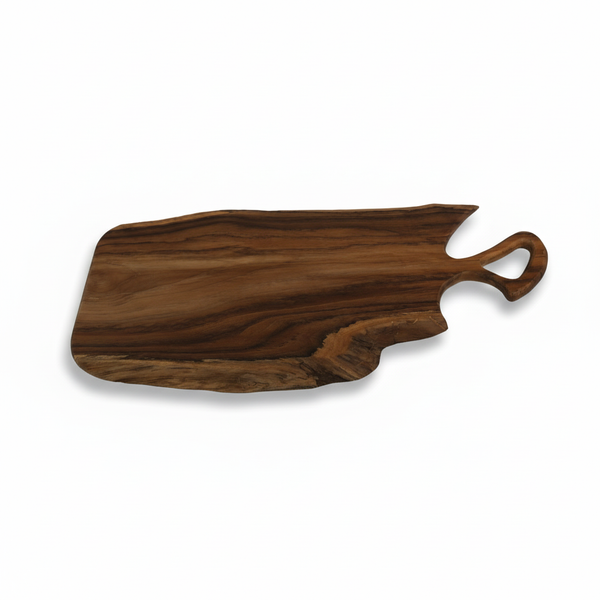
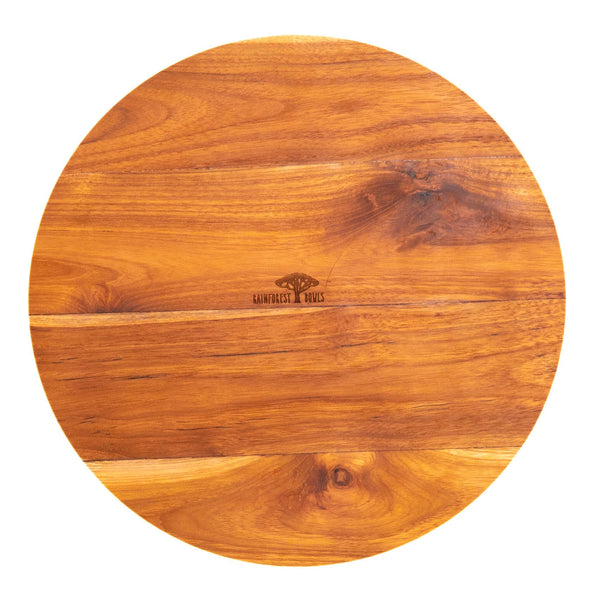
Teak and acacia kitchenware finished with six rounds of hand sanding.

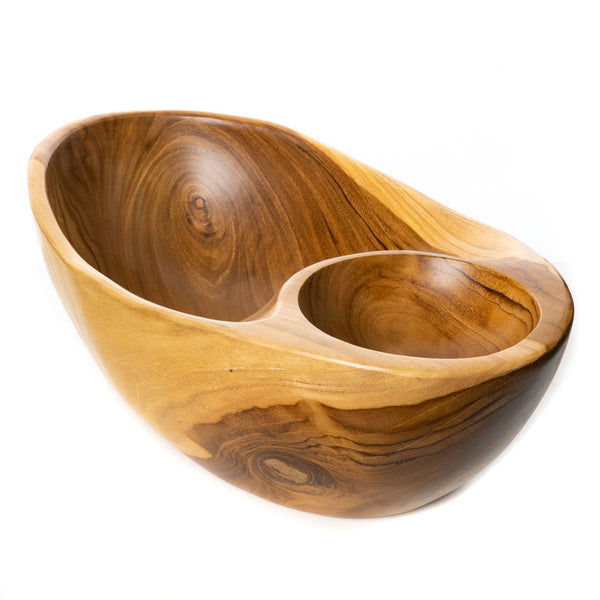
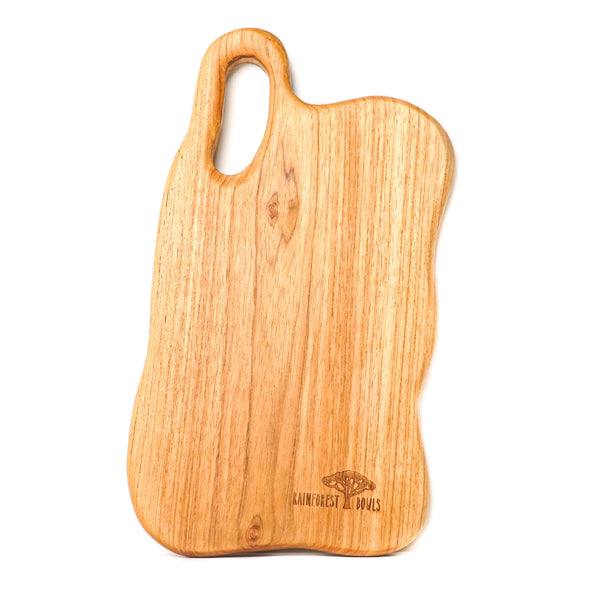
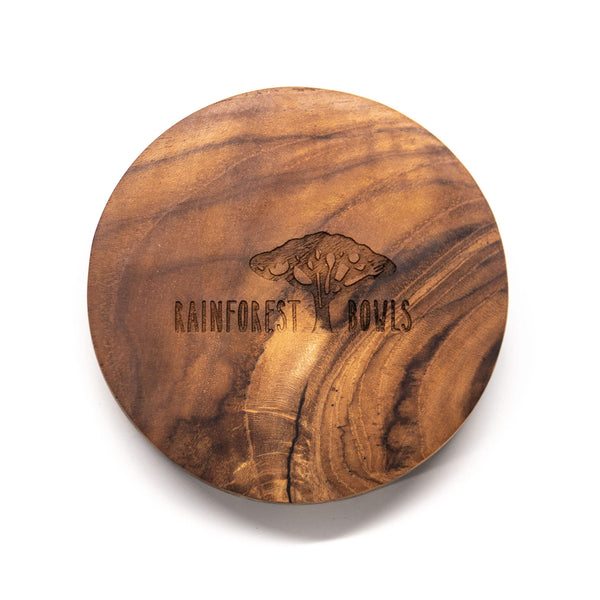
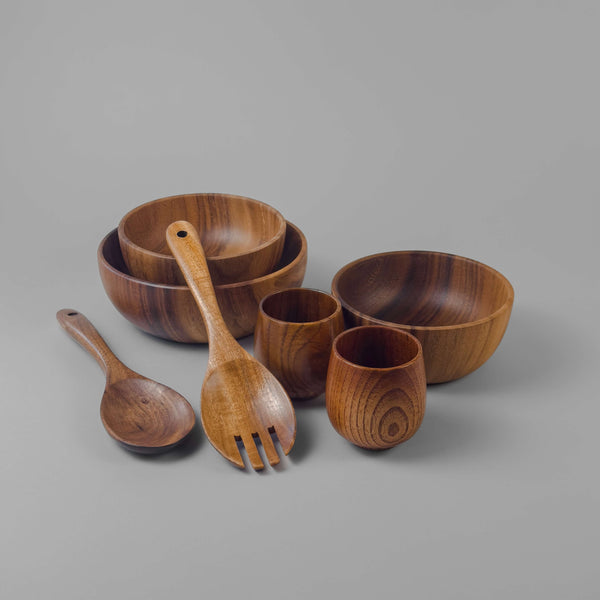
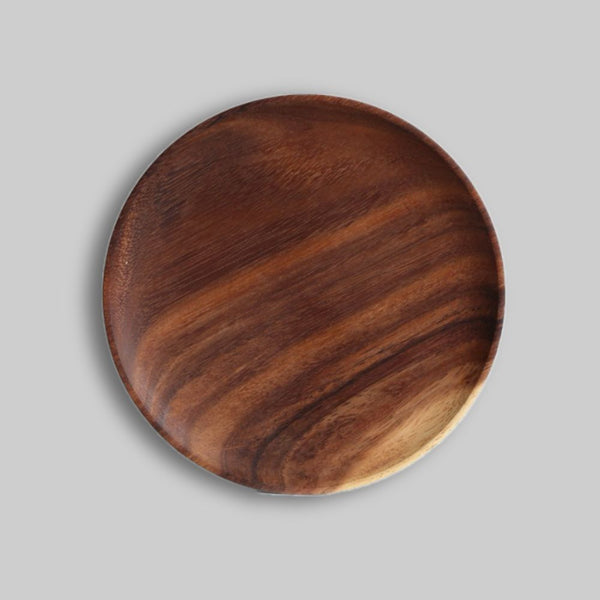
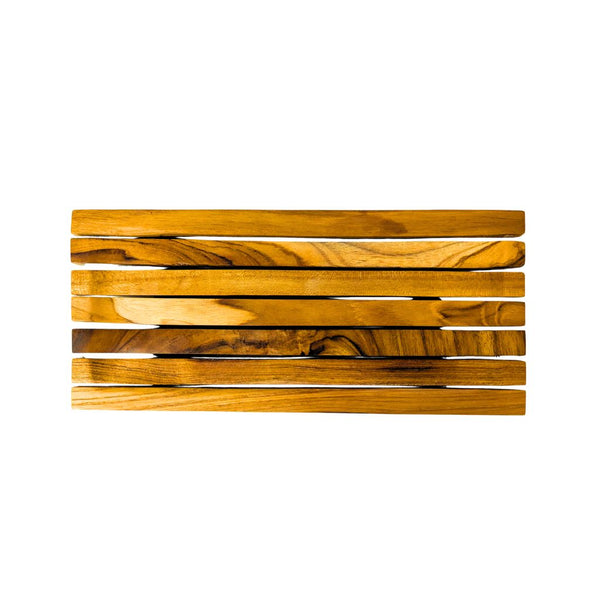
What makes Rainforest Bowls stand out is the finishing process: every piece goes through six rounds of sanding and two rounds of food-grade sealing before it ships. The result is a consistently smooth, durable surface on teak and acacia pieces that hold up to daily kitchen use. Indonesian artisan-made, with a quality control process more rigorous than most.

Enter Store

Almazan Kitchen

Home

Serbian olive wood kitchen tools made for outdoor cooks and serious kitchens.

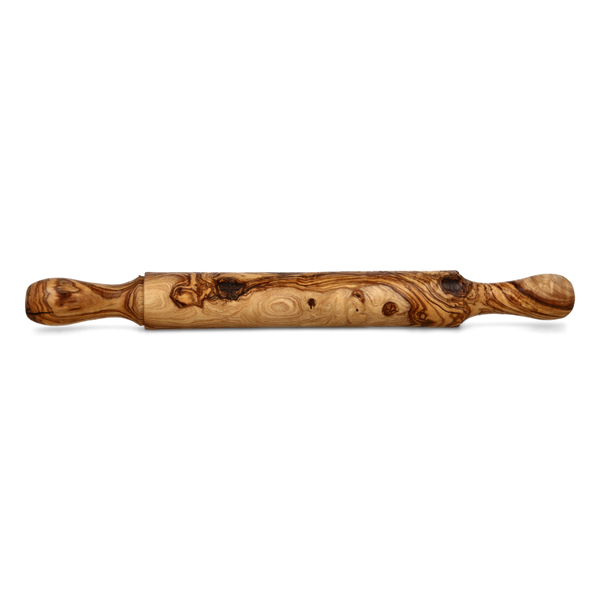
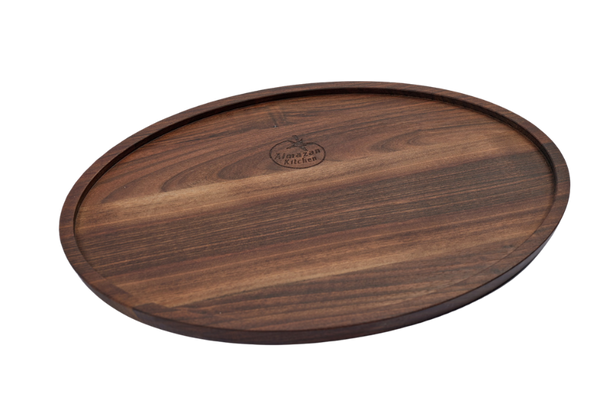
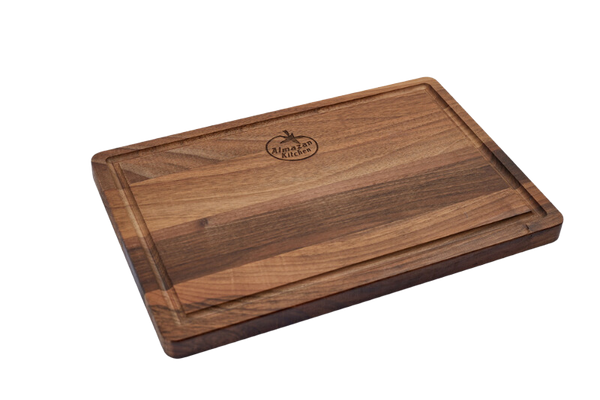
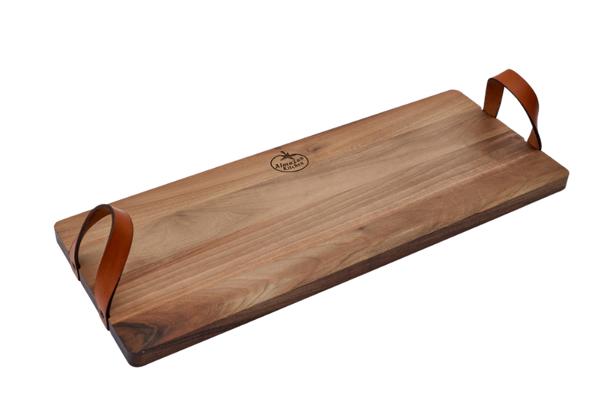
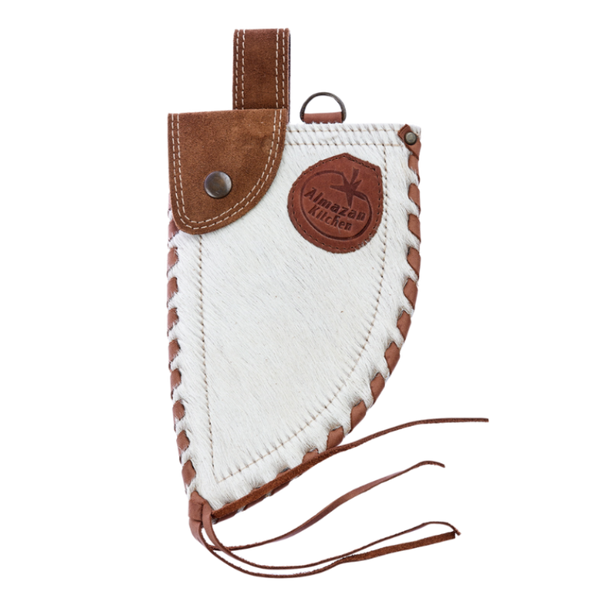
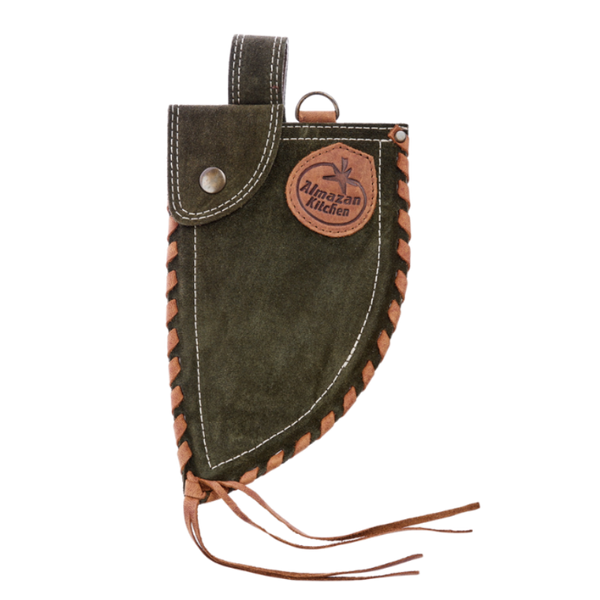
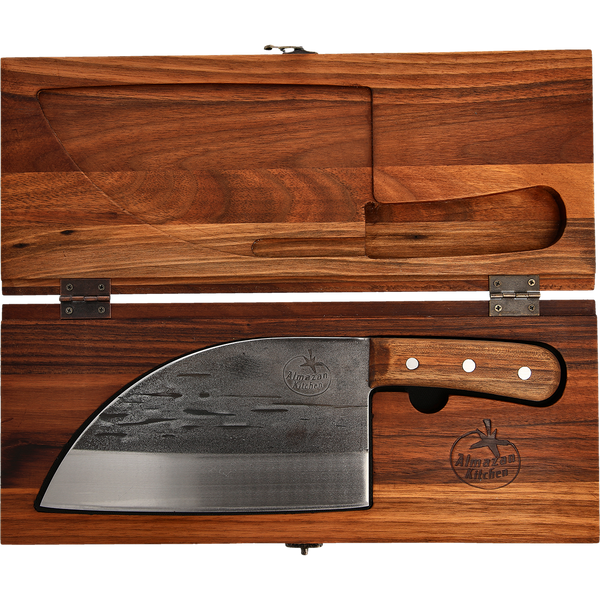
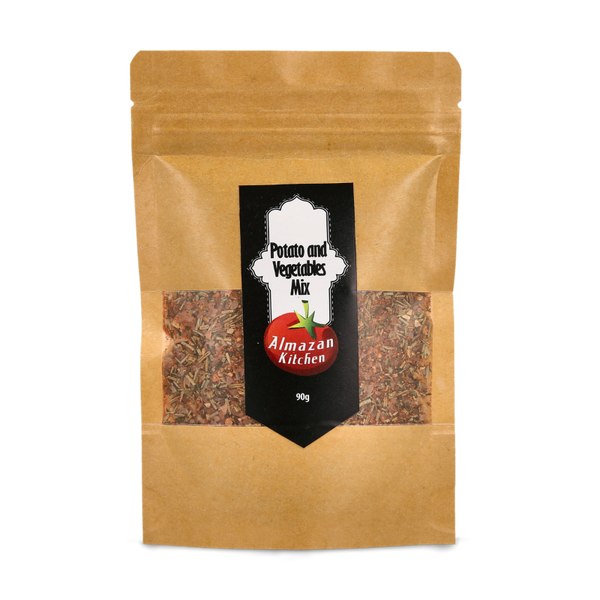
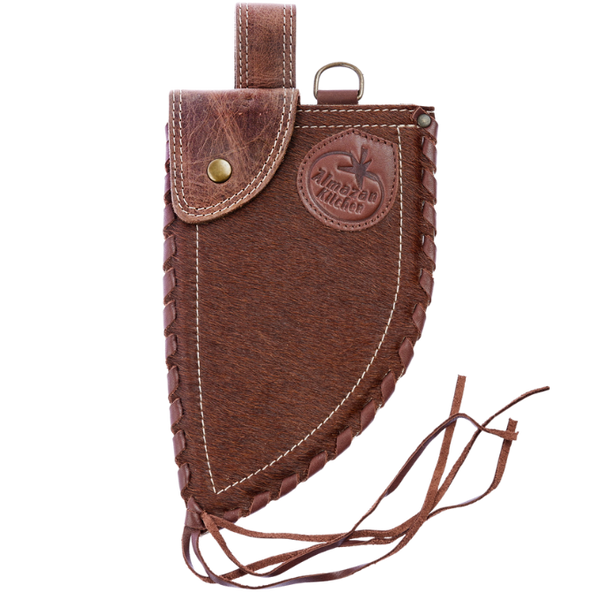
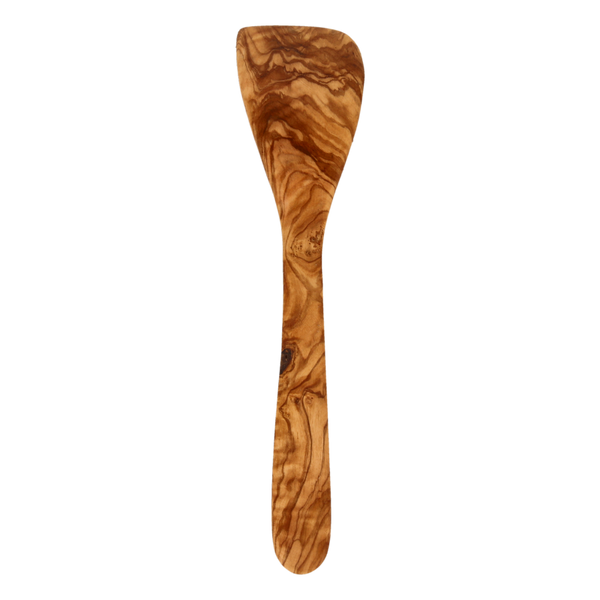
Built out of Serbia by a team with roots in outdoor cooking culture, Almazan Kitchen uses premium Serbian and olive wood to make spatulas, spoons, and serving pieces that feel as intentional as their now-famous open-fire cooking videos. The wood is sourced from regional forests, the forms are traditional, and the finish is oil and wax — nothing synthetic. A brand that built its following through cooking content before brand-building was a strategy.

Enter Store

Wondrwood

Home

Walnut chopping boards, acacia utensils, and bowl sets made for everyday tables.

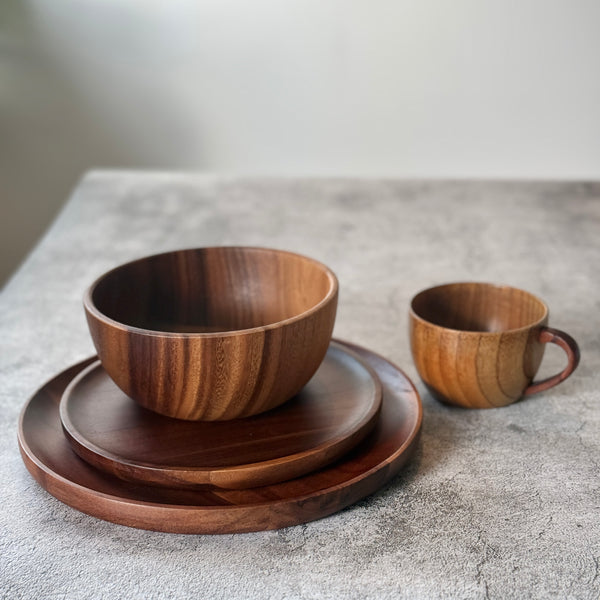
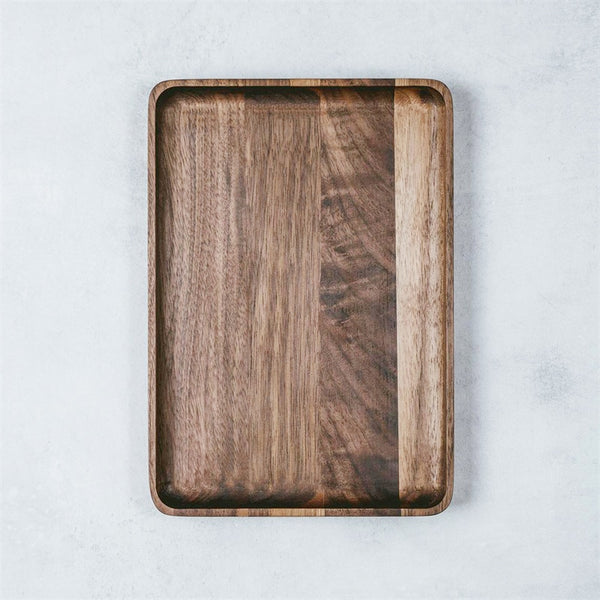
Wondrwood focuses on the tableware side of wooden kitchenware — bowl sets, walnut chopping boards, acacia salad servers and utensils. The pieces are designed to move between prep and table without needing to hide. Clean, considered forms in natural wood tones that work whether your kitchen is Scandinavian minimal or warm and maximalist.

Enter Store

Polder's Old World Market

Home

Hand-carved spoons and utensils made on a farm from local fallen hardwoods.

The Polder family started selling wooden spoons door-to-door before eventually taking their craft online. Every piece is carved on their farm from fallen hardwoods salvaged from the surrounding land — which means no two are exactly alike, and nothing goes to a factory. Their full name is a mouthful, but the work is simple: excellent wooden kitchen tools made by a family that has been doing this long enough to know what actually works.


Enter Store

New Hampshire Bowl and Board

Home

Walnut cutting boards, cook spoons, and lazy Susans from a New England workshop.

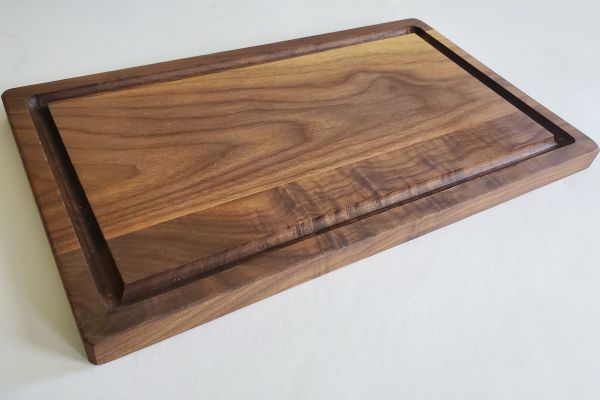
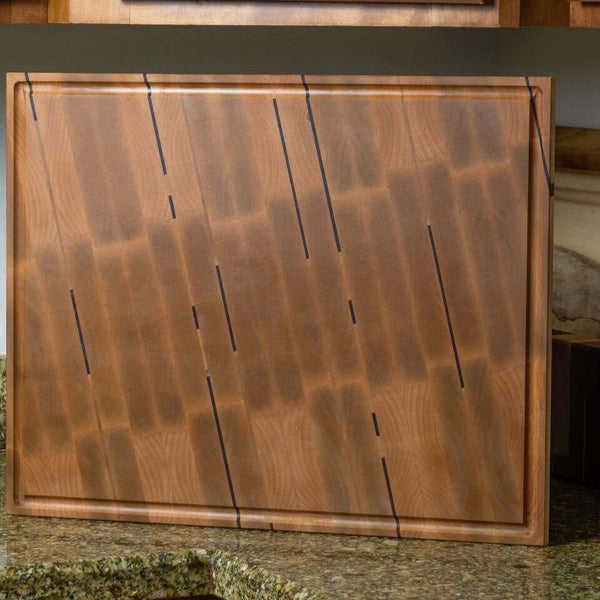
Based in New Hampshire and making walnut-forward kitchen pieces since the brand's early days, New Hampshire Bowl and Board is a no-nonsense shop that sells serious cutting boards, cook spoons, and serving pieces without a lot of lifestyle noise. Their walnut boards are thick, properly finished, and priced honestly — the kind of kitchen tool that makes more sense the longer you cook.

Enter Store

About This District

When shopping for handmade wooden kitchenware, the first question is wood species. Dense hardwoods — black walnut, cherry, hard maple, teak — are the gold standard for cooking utensils. They resist moisture, hold up to heat, and develop a patina over years of use. Soft woods like pine and poplar look lovely but won't survive daily cooking. Next: finishing. Look for food-safe oils (tung, mineral, raw linseed) and avoid brands that won't tell you what finish they use. For cutting boards, thickness matters — boards under 1 inch tend to warp. End-grain boards are harder on knife edges but exceptionally durable; edge-grain is more common and equally valid. For utensils, consider grain orientation and handle thickness — thicker, close-grained handles absorb less liquid over time. The best makers will tell you exactly how to care for their pieces: monthly oiling, hand wash only, no dishwasher. That's not fussiness — it's the tradeoff for a tool that lasts a decade.