Mint Districts Fashion

The Best Hemp Fashion Brands Making Clothes from the Ground Up

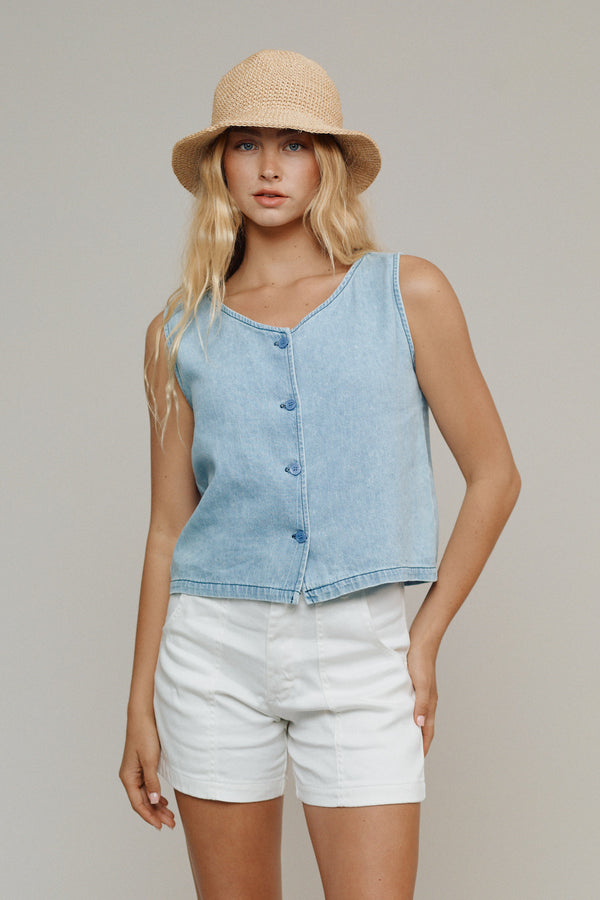
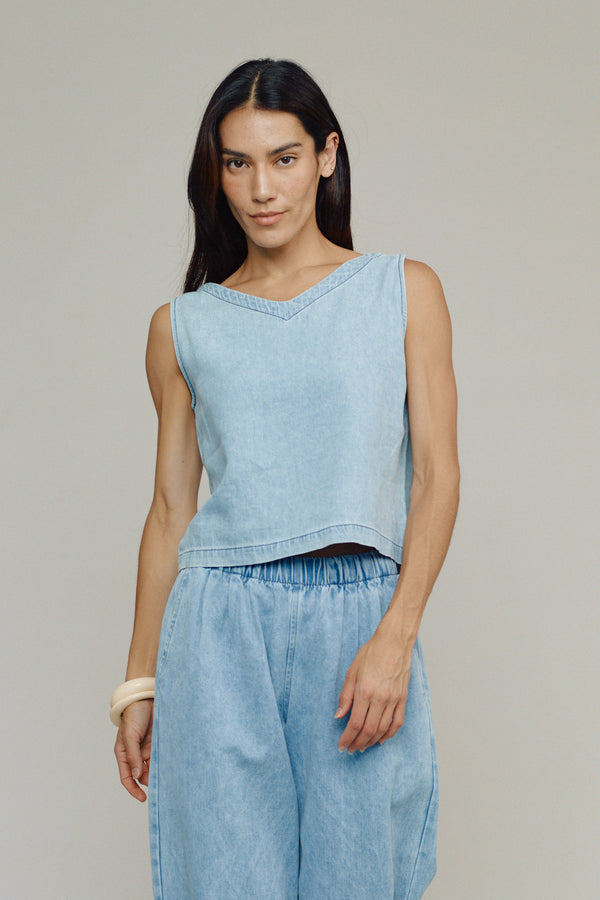
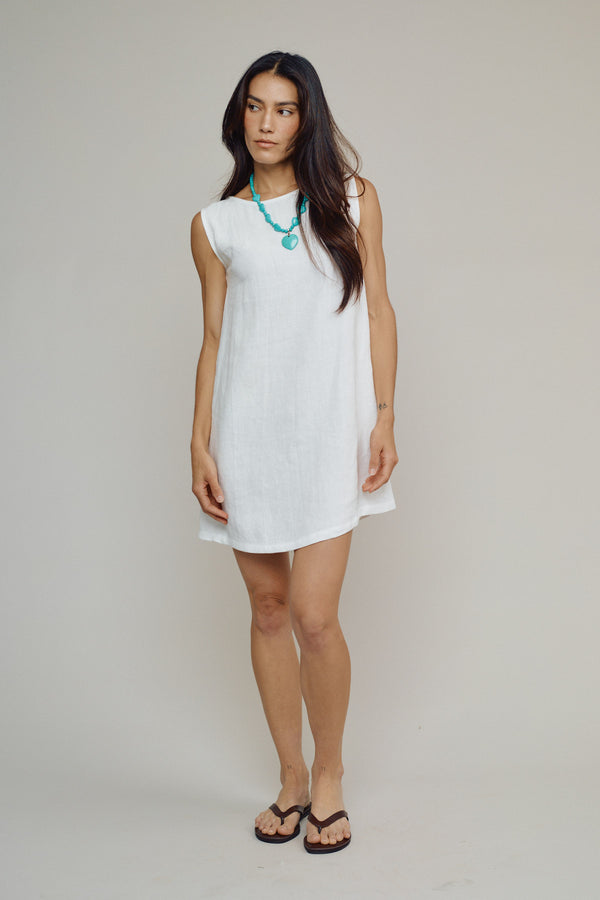
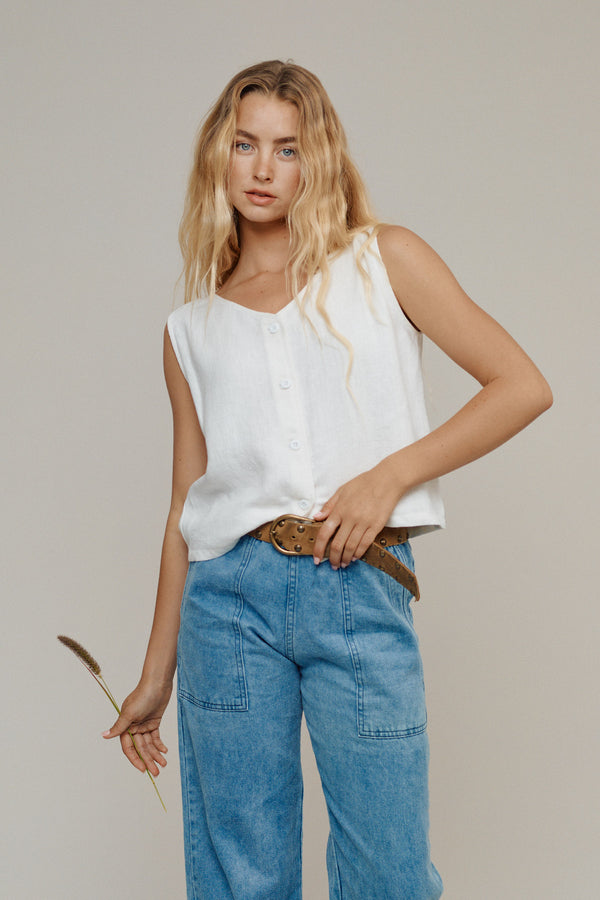
Hemp is having a moment, but the brands making it work have been at it for decades. The case for hemp clothing is not just environmental, though the plant uses a fraction of the water cotton needs and requires basically no pesticides. It is also practical: hemp fiber gets softer with every wash, holds its shape longer than most synthetics, and has a warmth-to-weight ratio that works across seasons. These brands have figured out how to turn raw plant material into clothing you would actually want to wear every day, not just buy out of guilt.

Fashion · 6 Brands

The Hemp Fashion District

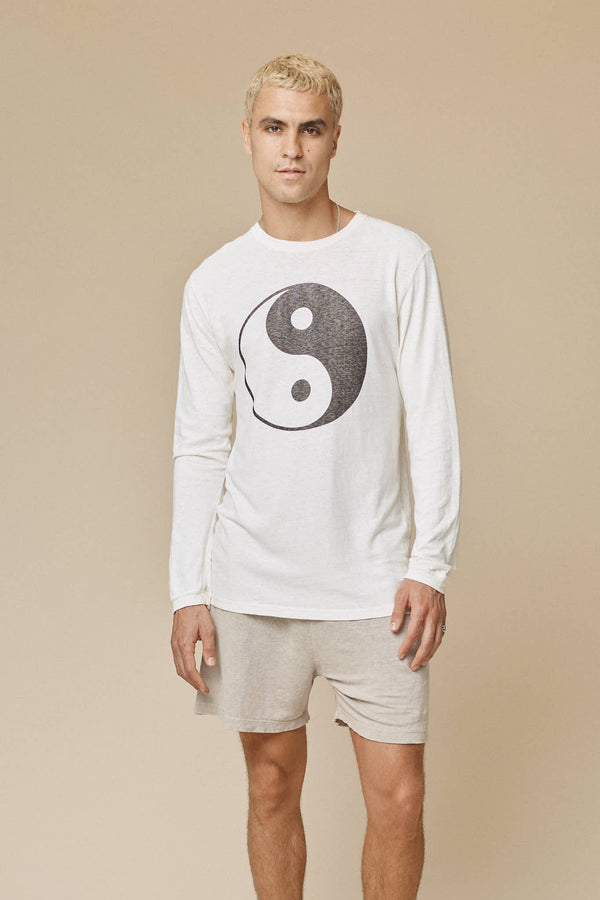
Jungmaven

Los Angeles, CA

Hemp t-shirts done seriously, since 2005

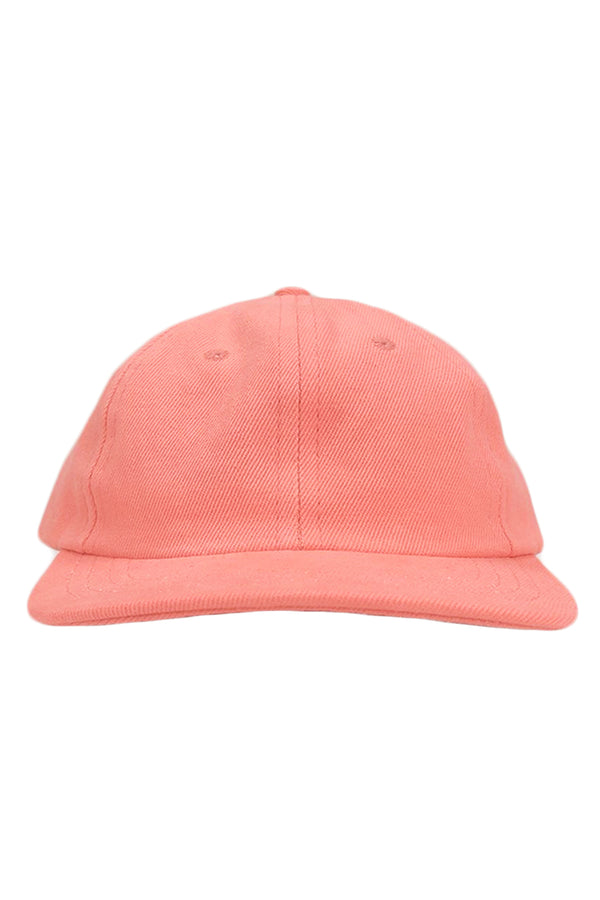
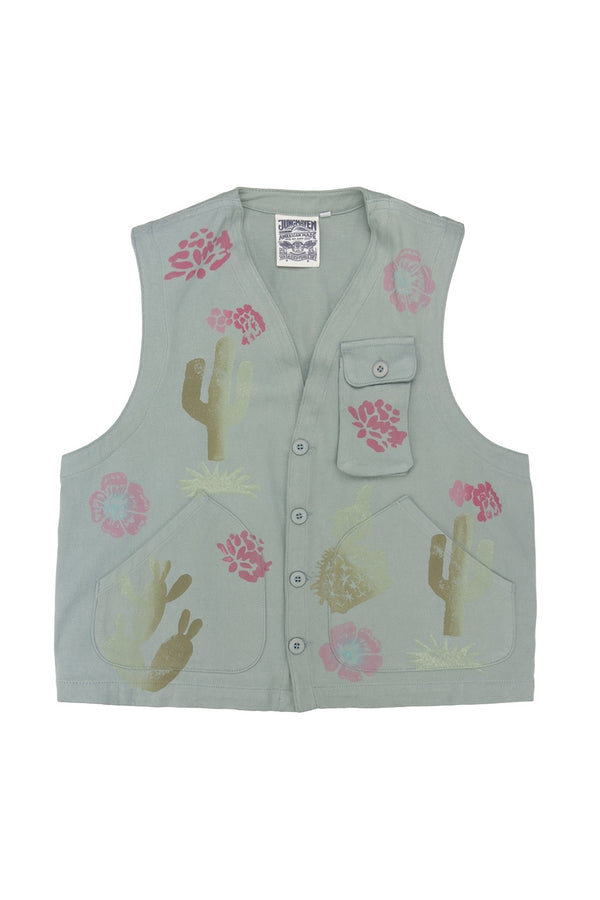
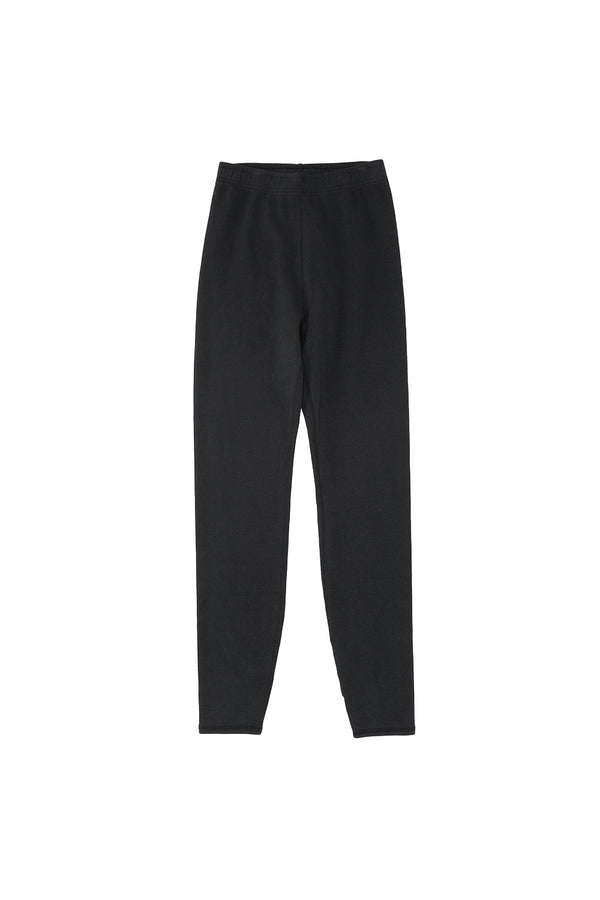
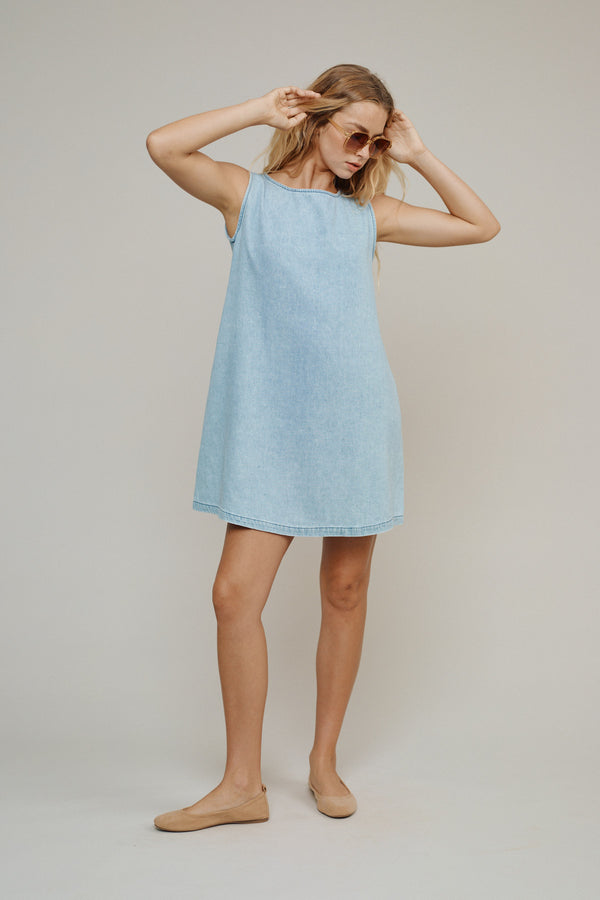
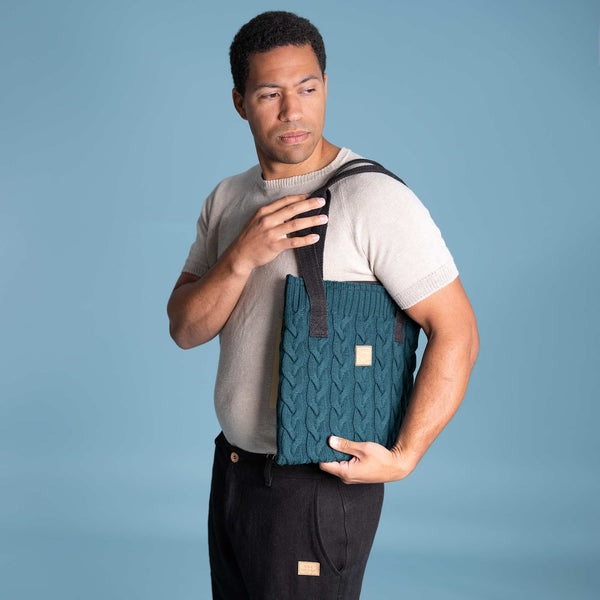
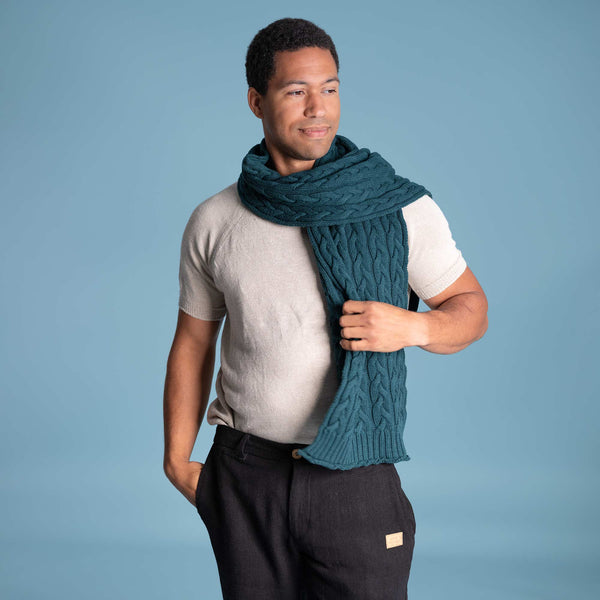
Started in Los Angeles by Robert Jungmann, who spent years trying to convince Americans that hemp could be a fashion fabric before hemp fashion was a category. Their 55/45 hemp-cotton blend is the benchmark other brands get compared to. Soft, durable, and available in more colors than you would expect from a heritage brand.
Enter Store

Rawganique

British Columbia, Canada

Organic hemp clothing made without compromise or synthetics

One of the oldest hemp clothing companies in North America, founded in 1997. Every piece is chemical-free from fiber to finished product, which is harder than it sounds. They make everything from hemp towels to full apparel lines, and their supply chain transparency sets a high bar for the category.

Enter Store

Tentree

Victoria, BC

Sustainable clothing with ten trees planted per purchase

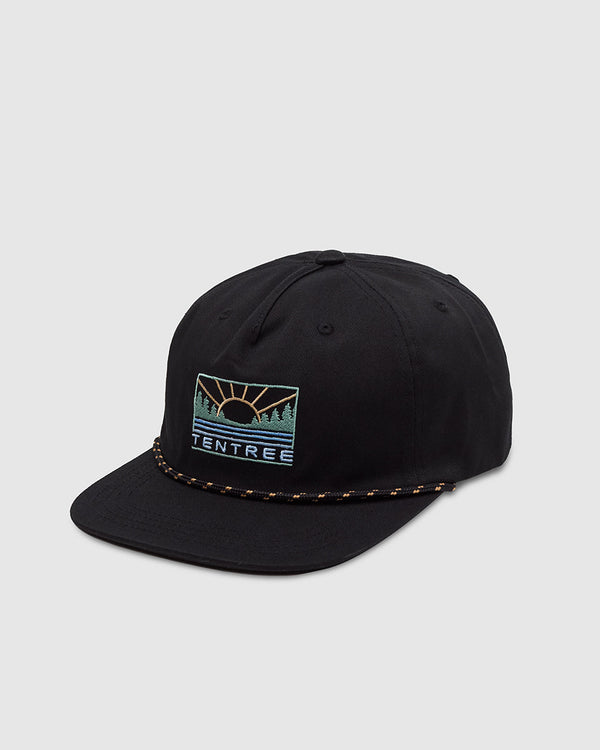
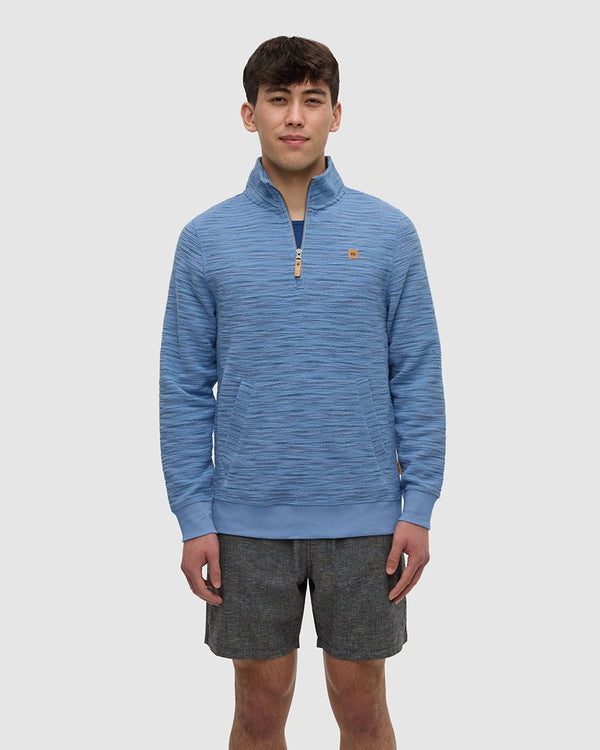
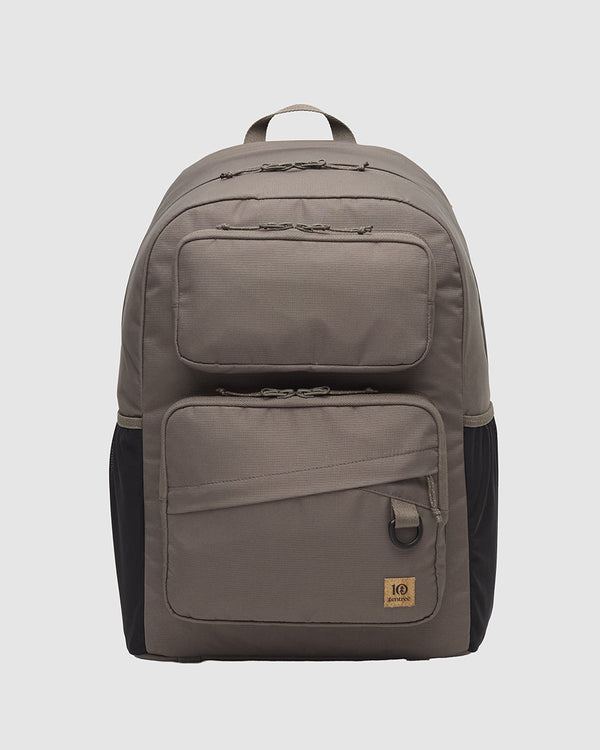
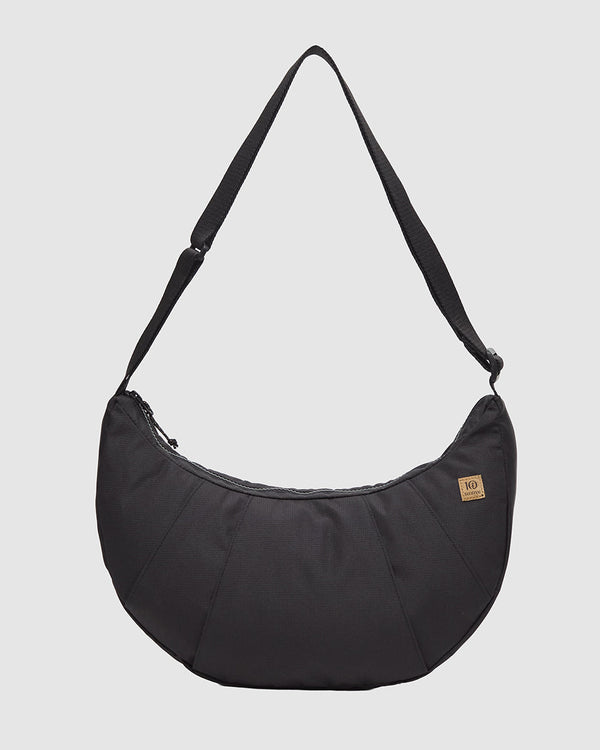
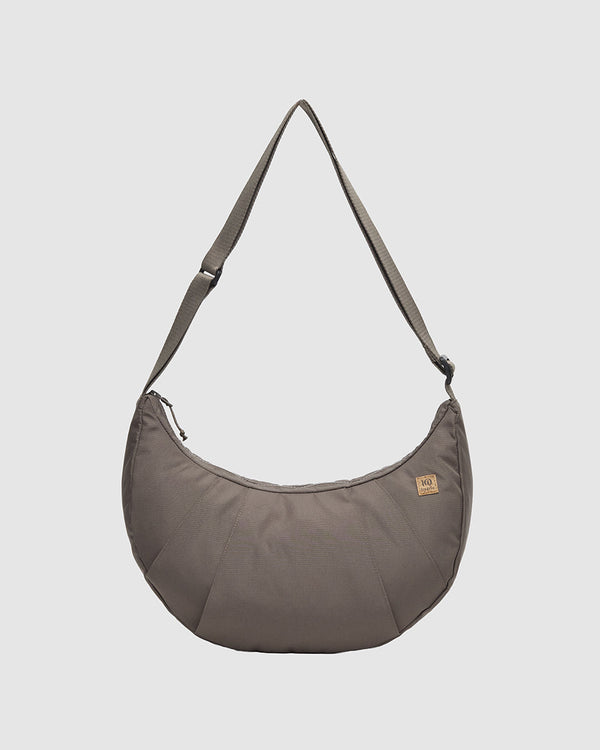
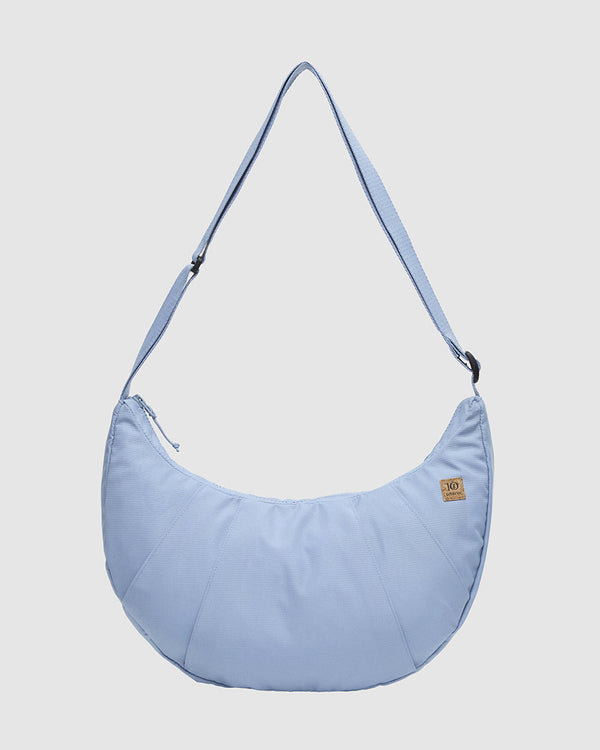
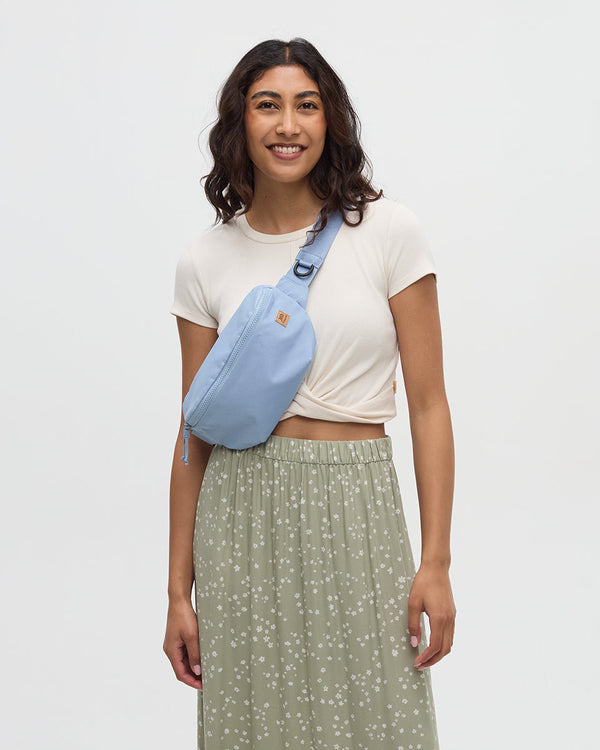
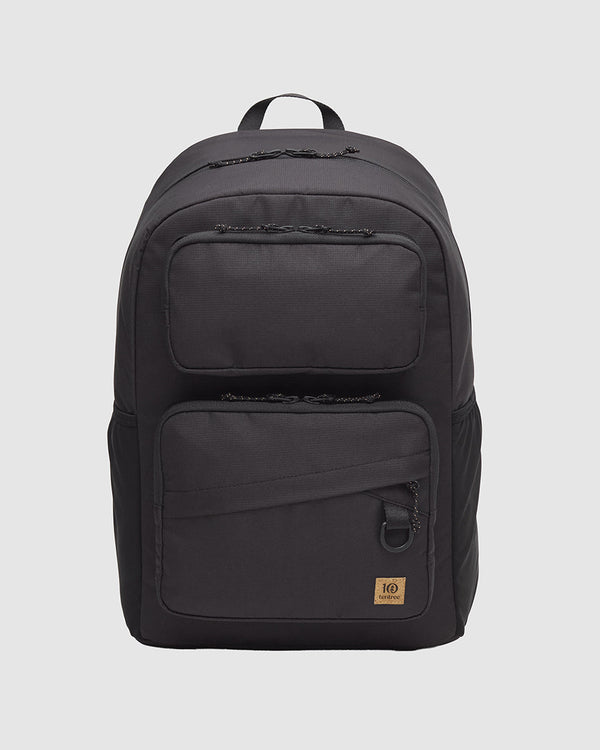
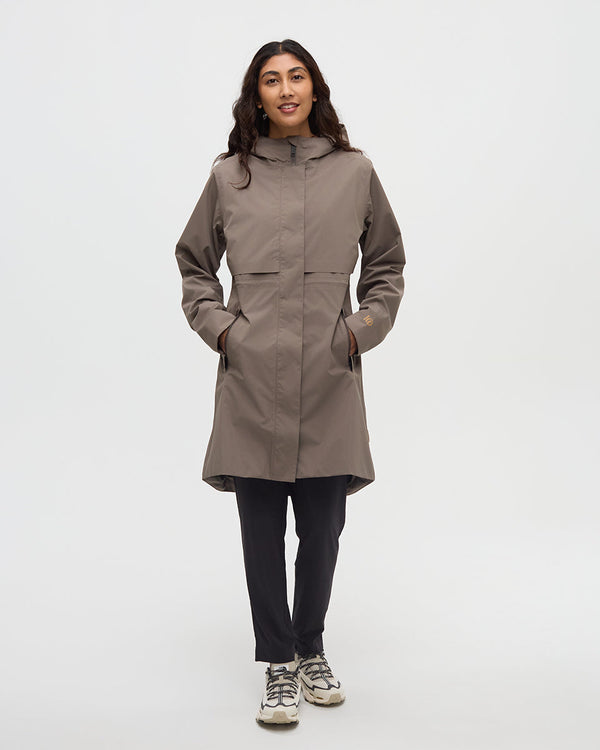
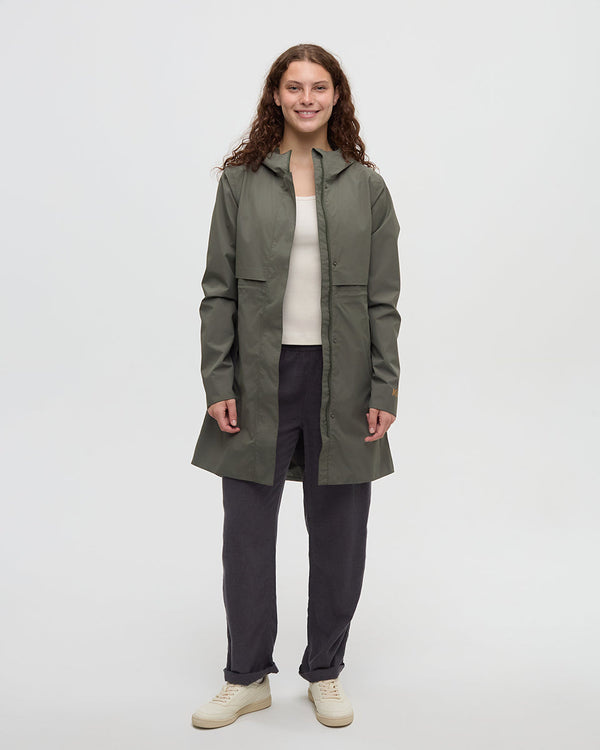
Founded in 2012 with the commitment to plant ten trees for every item sold, Tentree built a following before sustainable fashion was mainstream. Their hemp-organic cotton collections are a core part of their lineup, not an afterthought. Over 100 million trees planted since launch.

Enter Store

Toad&Co

Santa Barbara, CA

Outdoor-inspired sustainable clothing with real hemp fabric

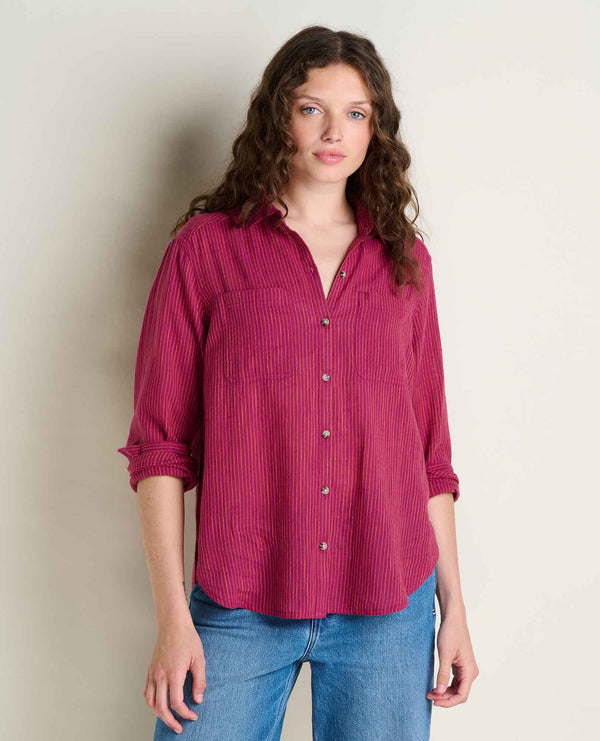
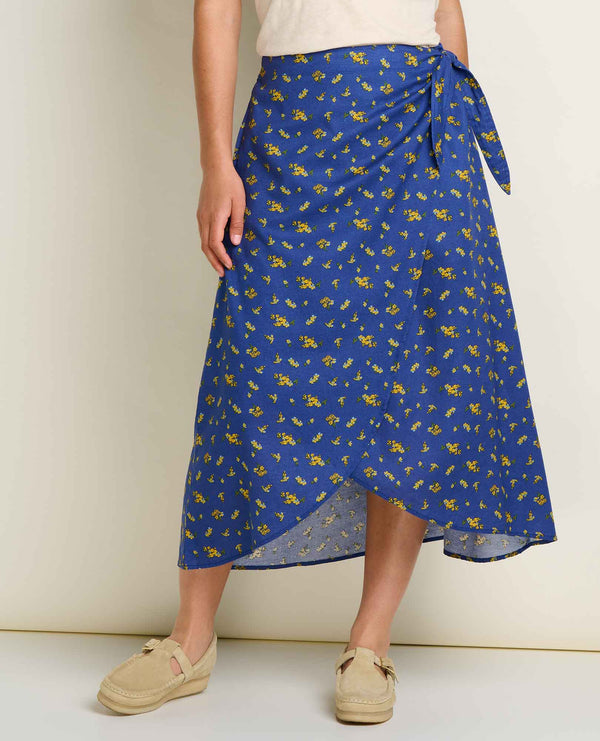
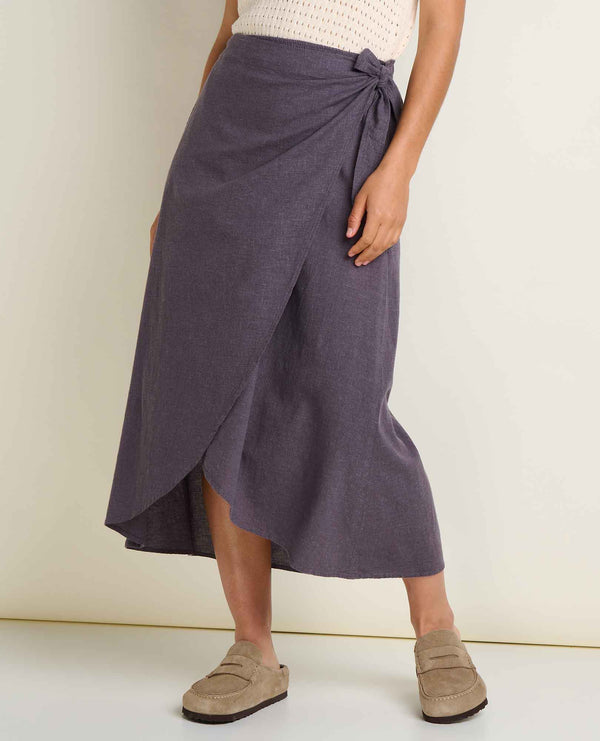
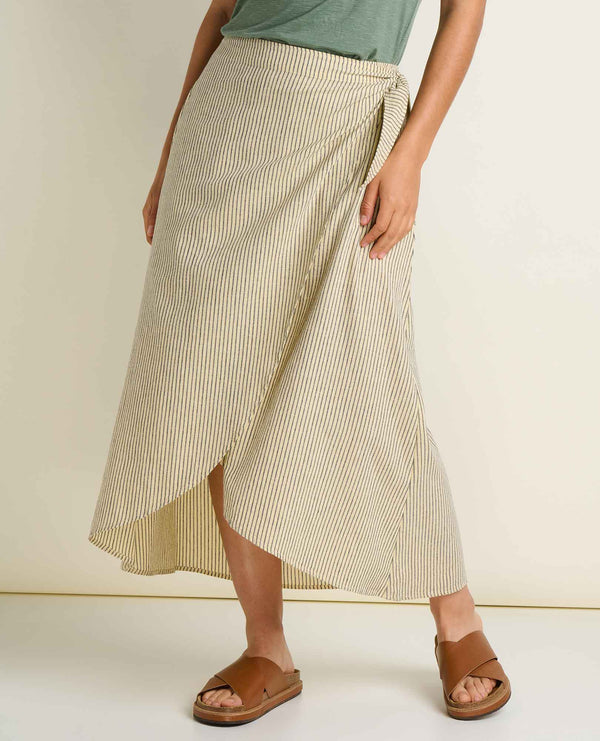
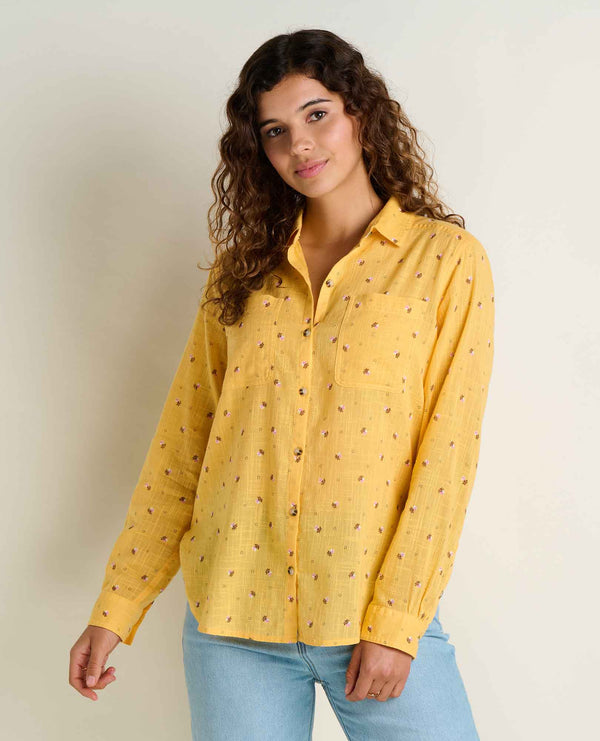
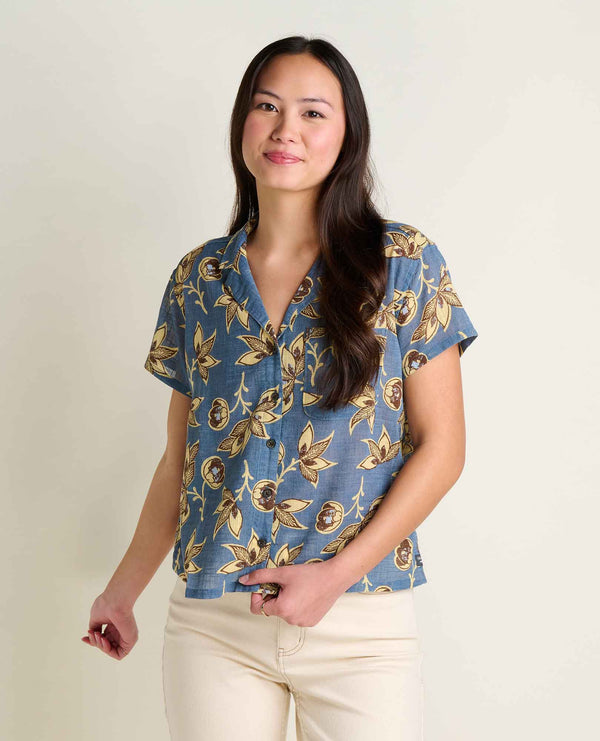
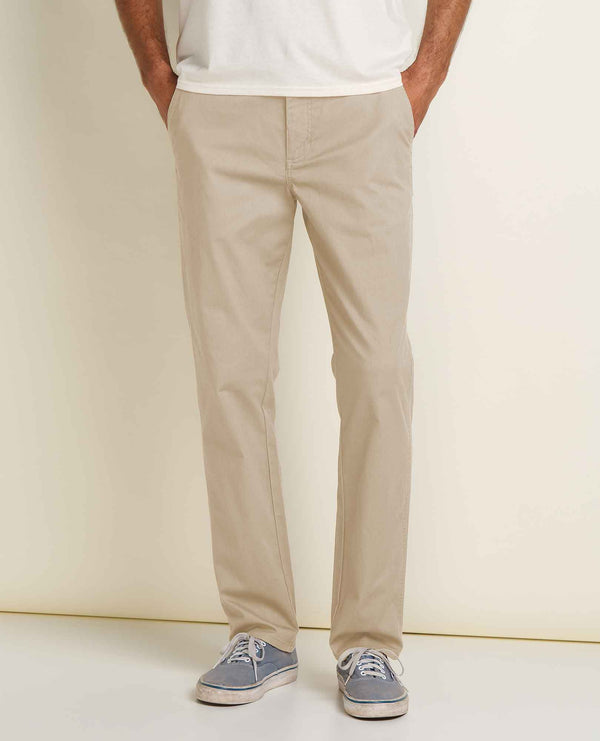
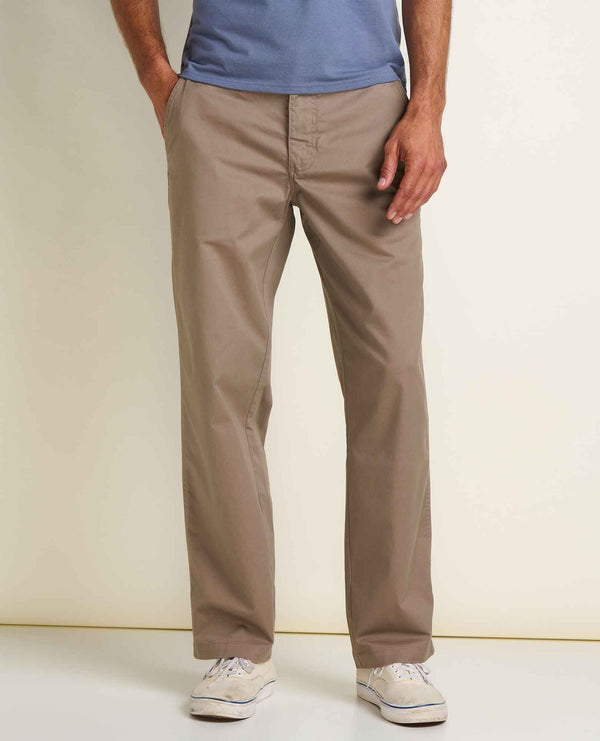
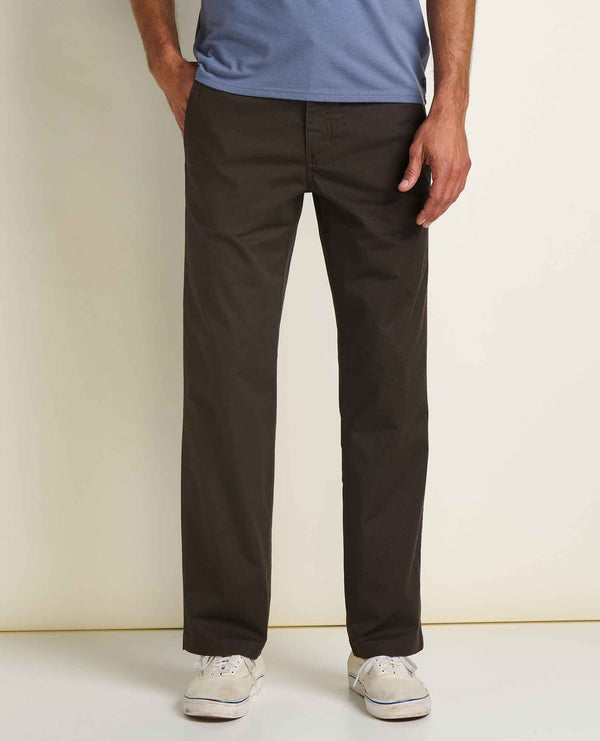
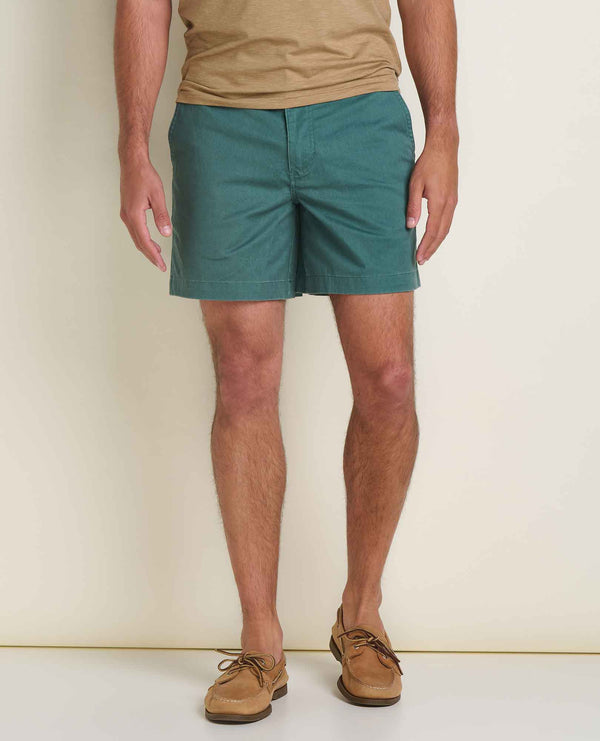
Outdoor casual brand with deep roots in sustainable fabric sourcing. Hemp is a recurring material across their seasonal lines, usually in pants, shirts, and jackets designed for people who move between trails and towns. The brand has been doing responsible materials sourcing since before it was a marketing asset.

Enter Store

Afends

Byron Bay, NSW

Hemp streetwear from Byron Bay, built for real life

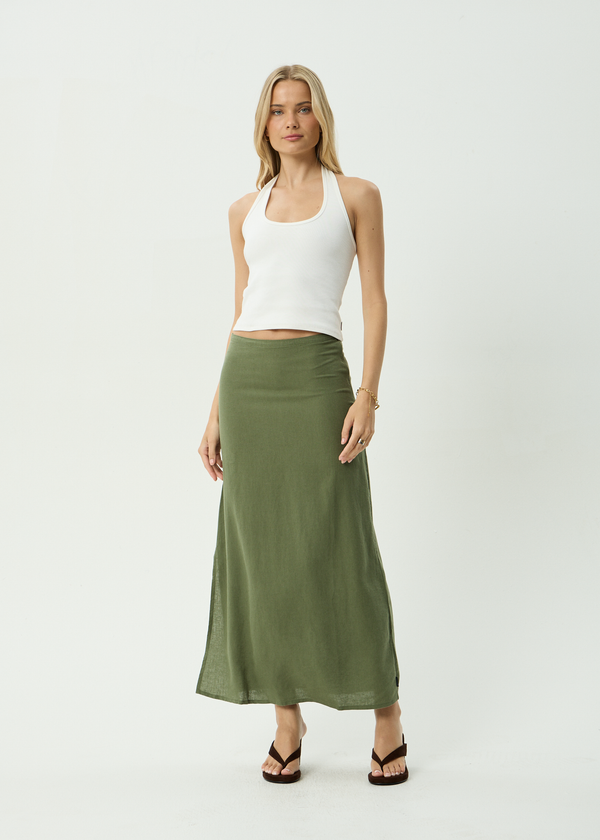
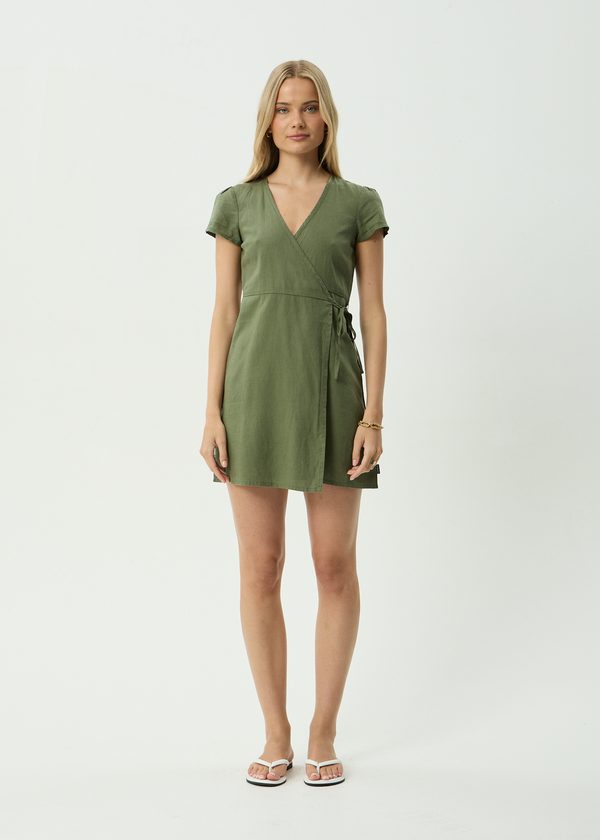
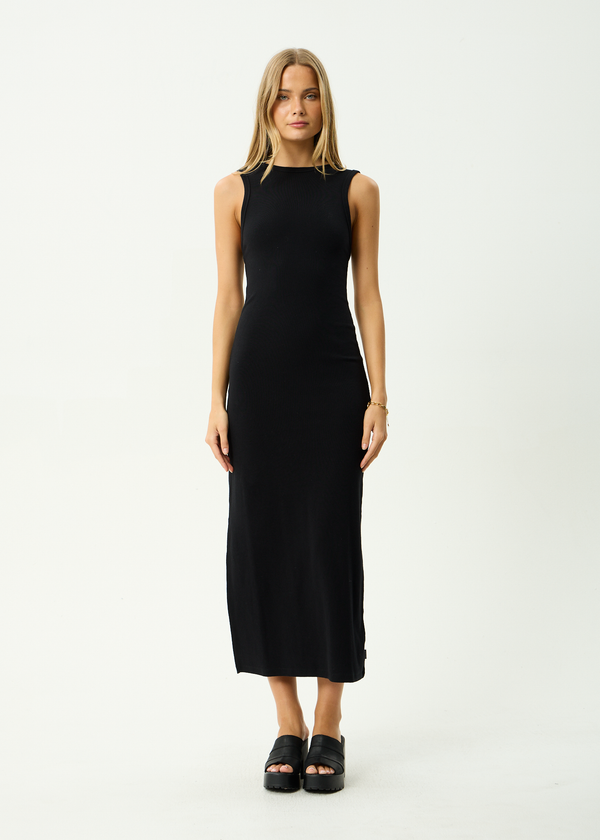
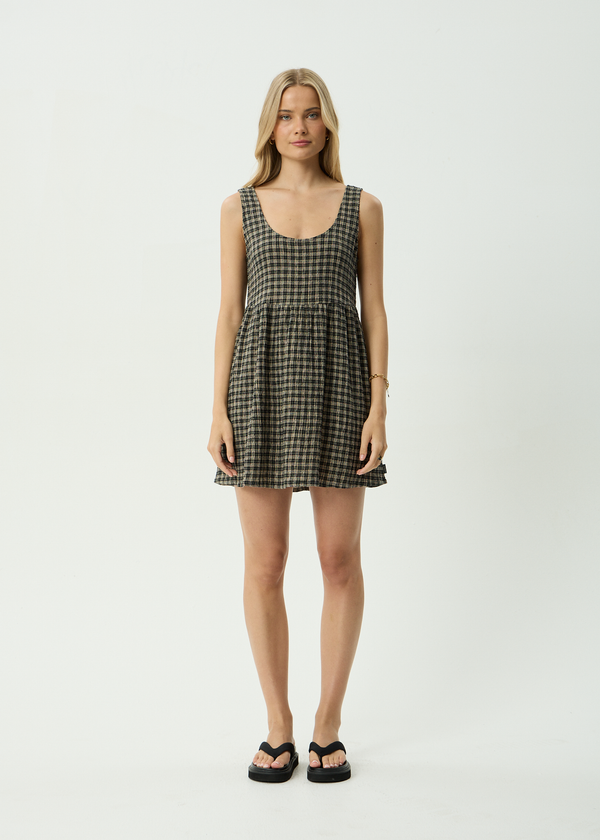
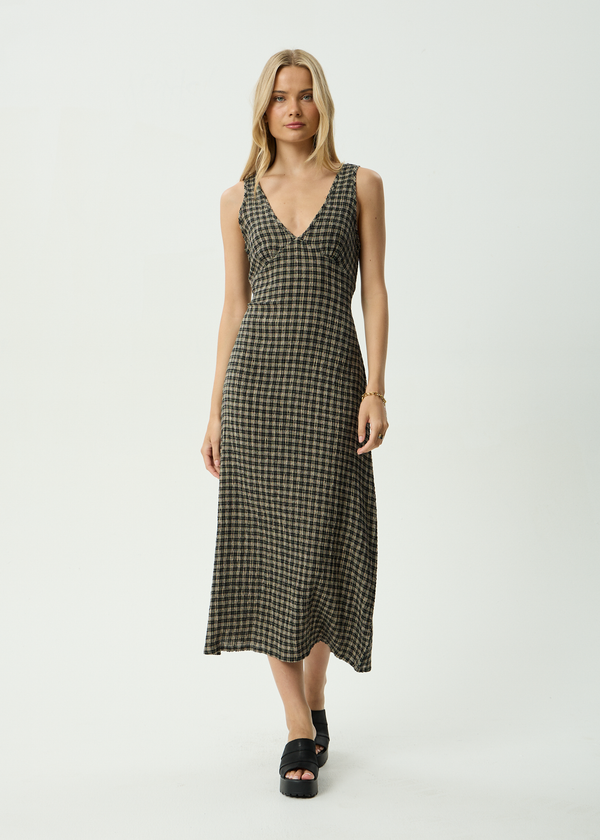
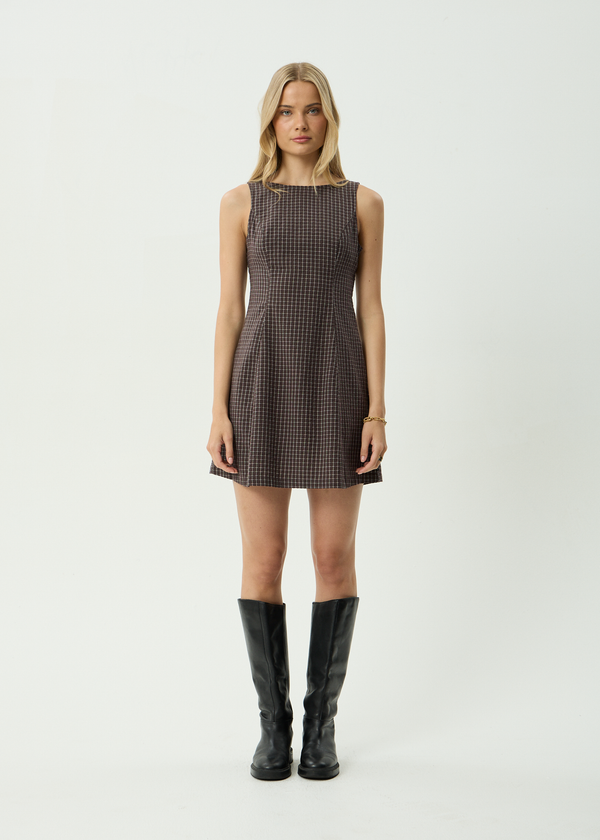
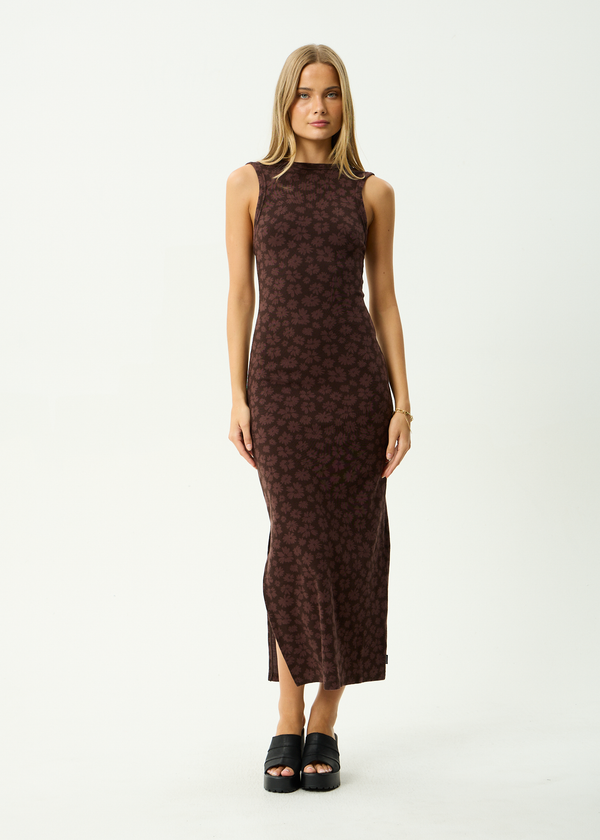
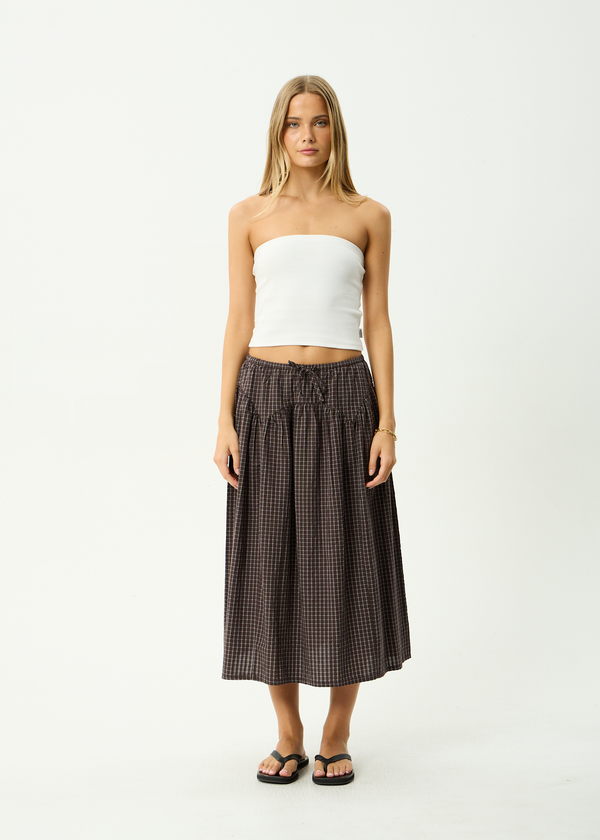
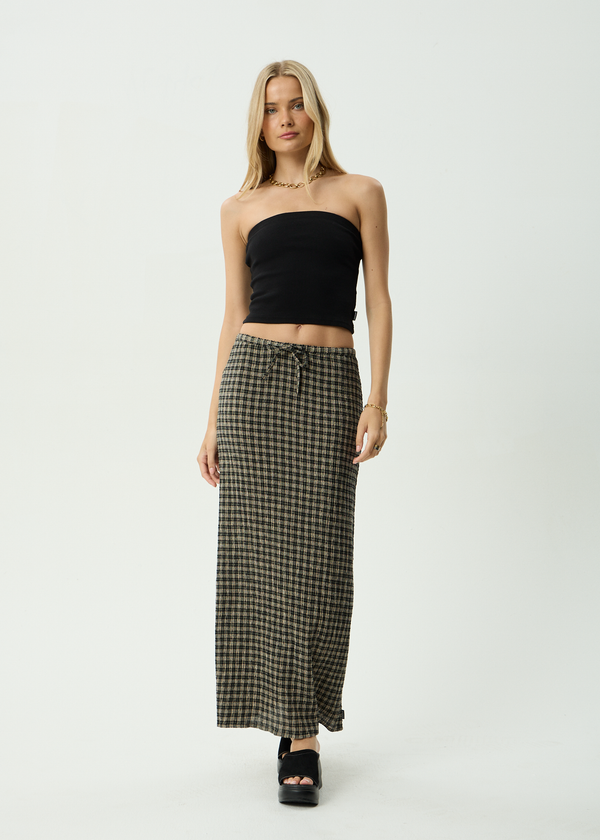
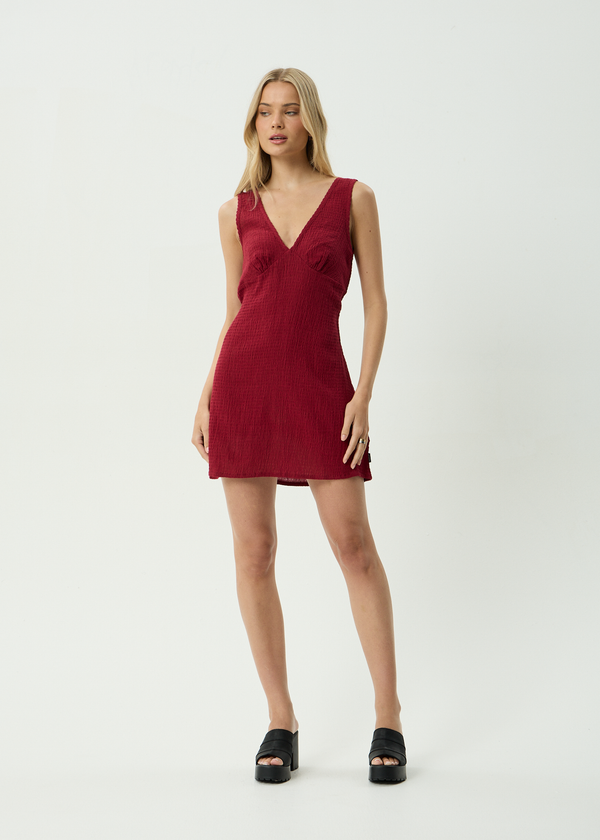
Two surfers from Byron Bay built Afends into one of Australia's most recognized sustainable streetwear brands, with hemp as a signature material. Their skate-influenced cuts use 55% hemp/45% tencel blends that drape well and hold up through active use. A genuine product, not just a green rebrand.
Enter Store

Organic Basics

Copenhagen, Denmark

Copenhagen essentials made from responsible natural fibers

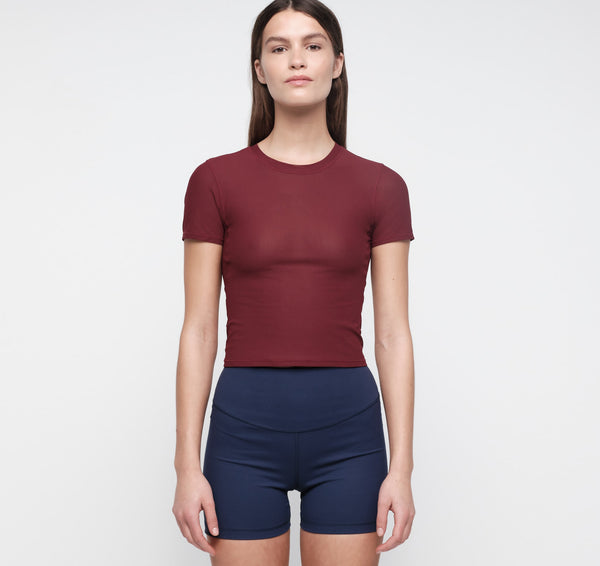
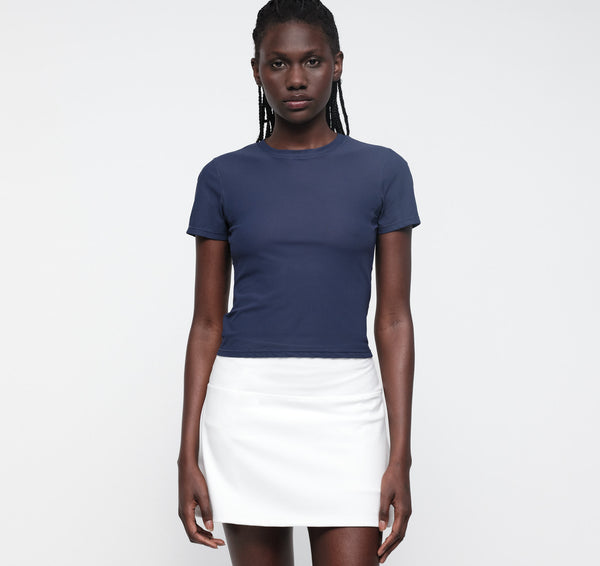
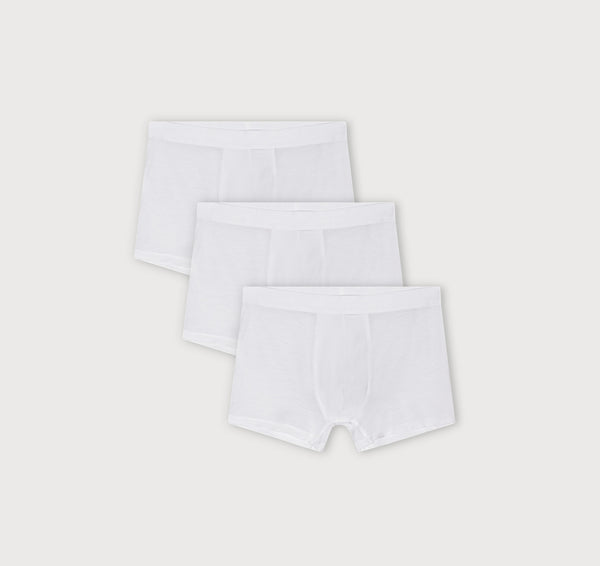
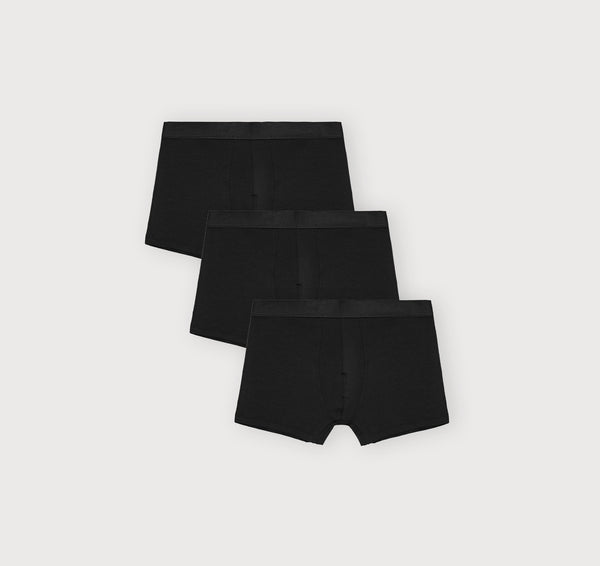
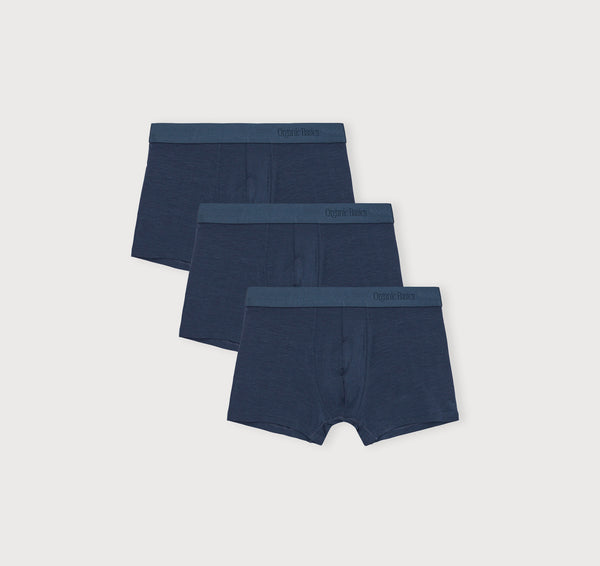
Three friends in Copenhagen launched Organic Basics in 2015 with a simple idea: make everyday basics that are genuinely better for the planet. Their lineup spans organic cotton, recycled synthetics, and hemp-blend pieces. Known for strong supply chain transparency and a no-greenwashing approach to communication.

Enter Store

About This District

Buying hemp clothing for the first time? The main thing to understand is fabric blends. Pure 100% hemp tends to be stiffer and works best for structured pieces like jackets, bags, or heavy-duty pants. Hemp blended with organic cotton (usually 55/45) is the sweet spot for t-shirts and basics: it has the environmental benefits of hemp with the softness you expect from a well-worn tee. Hemp-tencel or hemp-lyocell blends are softer still, with a slight drape, and show up in dresses and flowy casual wear. Look at where and how the hemp is processed. Certified organic hemp means it was grown without synthetic pesticides, but processing matters too. Some brands use water-based dyes and closed-loop manufacturing; others are less transparent. If certifications matter to you, look for GOTS (Global Organic Textile Standard) or OEKO-TEX labeling on the product page. Fit runs slightly different with hemp. The fabric has less stretch than jersey cotton, so if you are between sizes, go up. Hemp also wrinkles naturally, which some people love as part of the aesthetic and others find incompatible with office settings. Pricing: genuine hemp clothing costs more than conventional cotton because production is still scaling. Expect to pay $40 to $80 for a well-made t-shirt and $100 to $200 for a good pair of hemp pants. Care for it right (cold wash, line dry) and it will outlast most of your closet.