Mint Districts Home

Japanese Home Goods Brands Worth Knowing

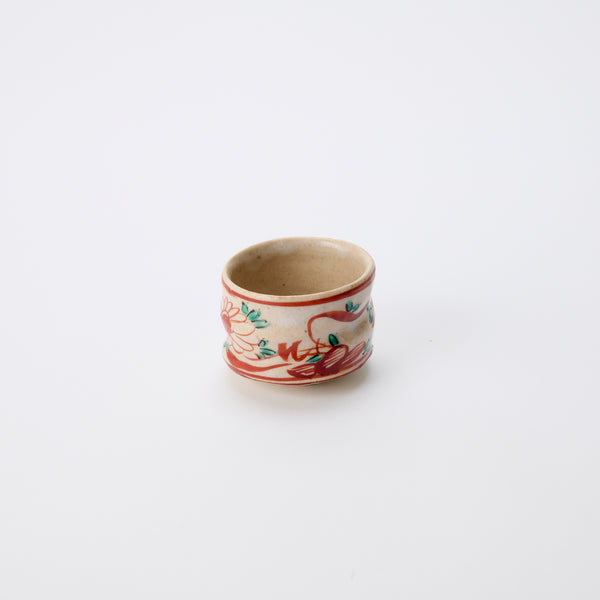
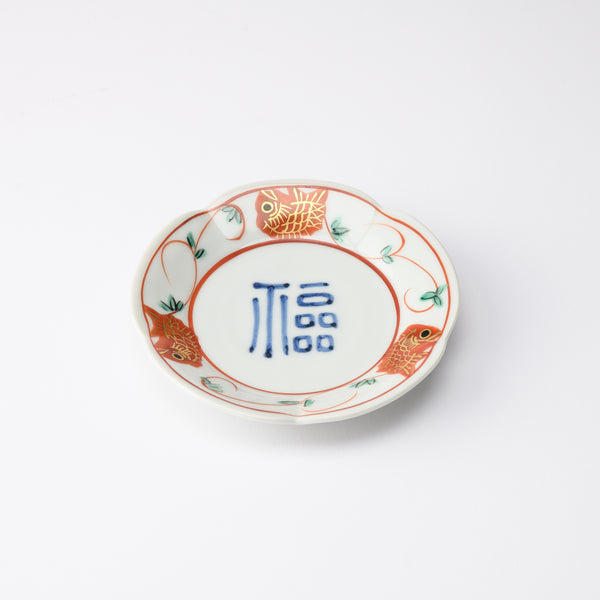
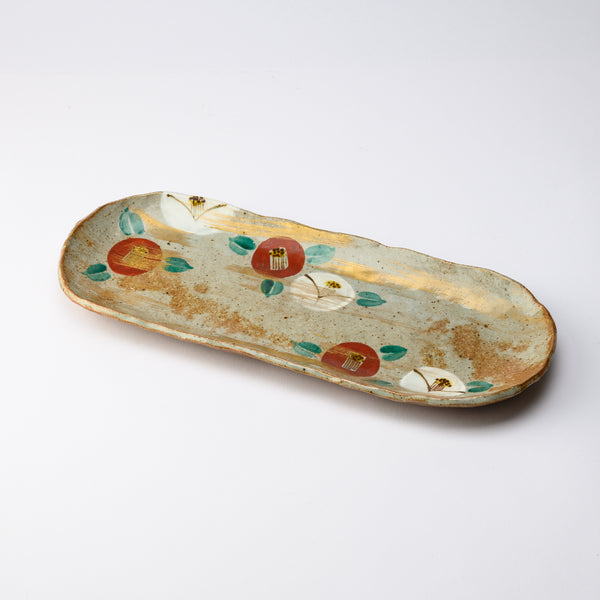
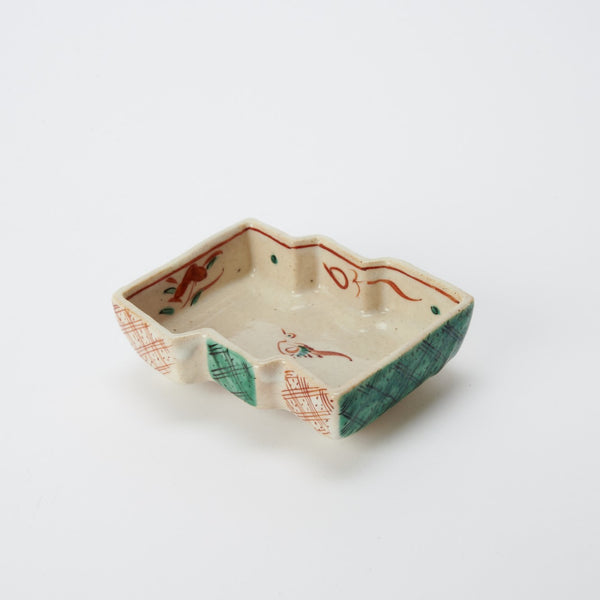
Japanese craft has a specific kind of patience behind it. A ceramic cup from Hasami takes weeks to fire. A donabe clay pot from Iga is shaped by hand from local earth that has been used for 400 years. These are not mass-produced goods with a Japanese label slapped on them. The brands in this district either manufacture in Japan or source directly from workshops where the craft lineage is real and traceable. They sell tableware, kitchen tools, textiles, and objects for daily life that treat function and beauty as the same thing.

Home · 8 Brands

The Japanese Craft District

Hasami Porcelain

Hasami, Nagasaki, Japan

Modular porcelain from Nagasaki that stacks, nests, and lasts forever.

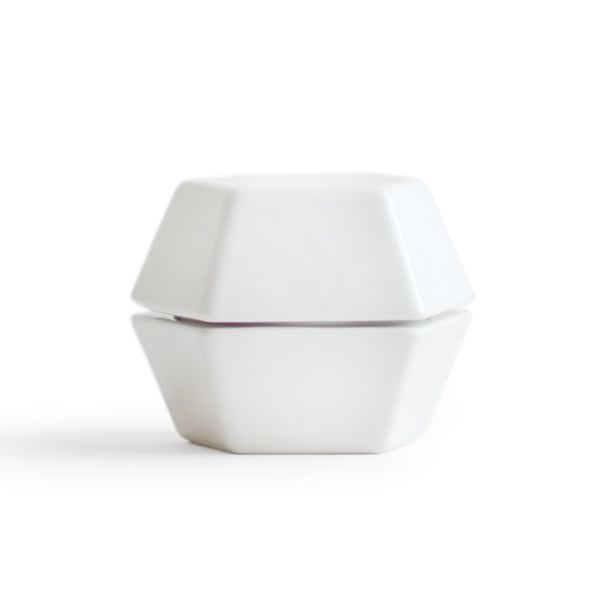
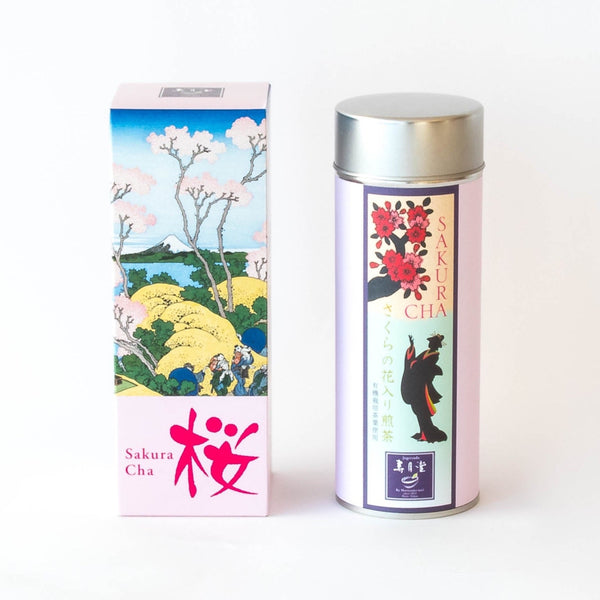
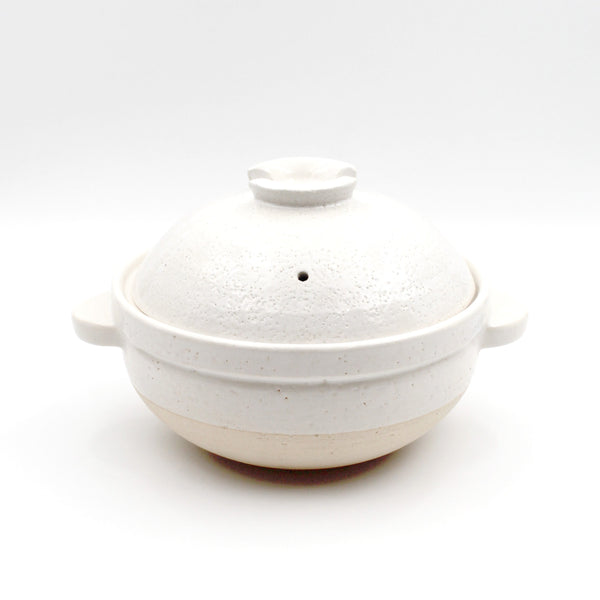
Designed by Takuhiro Shinomoto and produced in the Hasami region of Nagasaki, where porcelain has been made for 400 years. The modular system means every plate, bowl, and mug in the line stacks perfectly with every other piece. Sold in the US primarily through Jinen and authorized retailers.
Enter Store

Toiro Kitchen

Los Angeles, CA

Authentic Iga-yaki donabe clay pots and Japanese kitchenware.

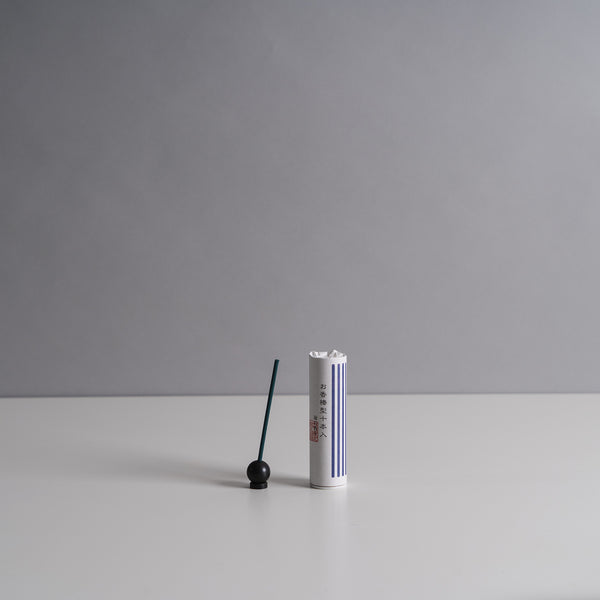
The official US representative of Nagatani-en, one of the oldest donabe makers in Iga, Japan. Every clay pot is hand-shaped from local Iga earth and fired at high temperature, producing the porous structure that makes donabe cooking distinct. They also carry curated tableware and kitchen tools from small Japanese makers.
Enter Store

Nalata Nalata

New York, NY

Handcrafted Japanese home goods curated from small workshops.

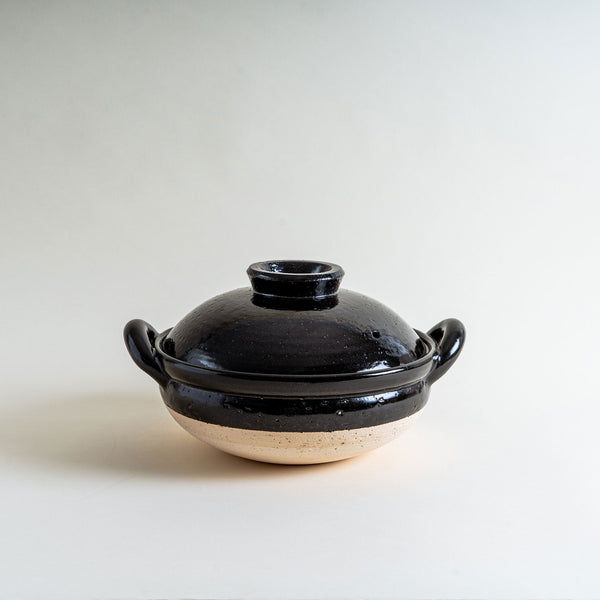
Founded by Stevenson Aung in New York, Nalata Nalata sources directly from Japanese artisans and small manufacturers. Their buyers travel to Japan multiple times a year to find pieces from workshops that do not export on their own. The Bowery storefront doubles as a gallery for the objects they carry.
Enter Store

Rikumo

Philadelphia, PA

Japanese life goods chosen with an architect's eye.

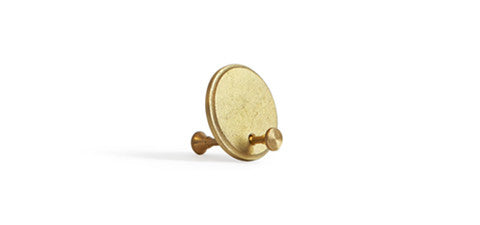
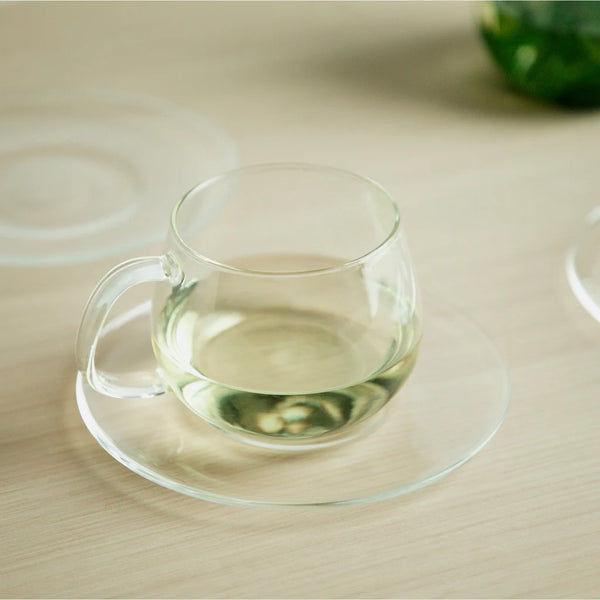
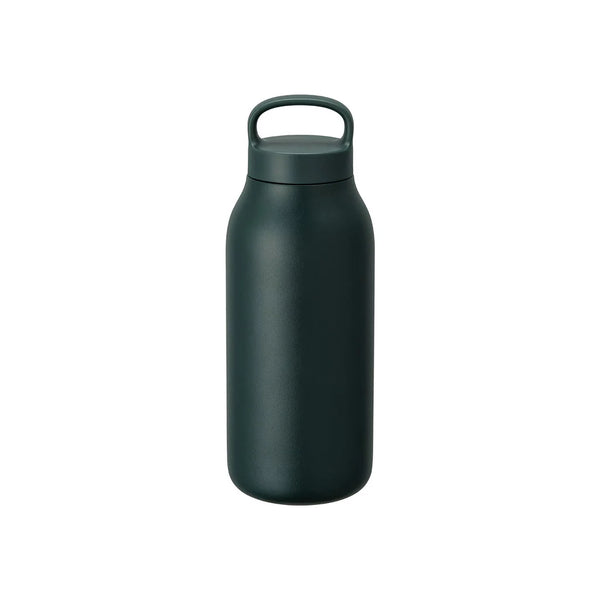
Founded in 2009 by a Japanese couple with backgrounds in architecture and interior design. Rikumo imports directly from small Japanese manufacturers, focusing on kitchen tools, brass hardware, ceramics, and textiles. Everything in the shop has a specific reason for being there, functional beauty is the only criteria.
Enter Store

Mogutable

Japanese pantry goods and tableware for the considered kitchen.

A curated shop carrying hard-to-find Japanese kitchen and table goods, from specialized graters and cooking chopsticks to handmade ceramics. Mogutable fills a gap that most US Japanese goods retailers miss: the everyday tools that Japanese home cooks actually use, not just the photogenic showpieces.

Enter Store

Musubi Kiln

Saga, Japan

Traditional Japanese pottery shipped direct from Kyushu kilns.

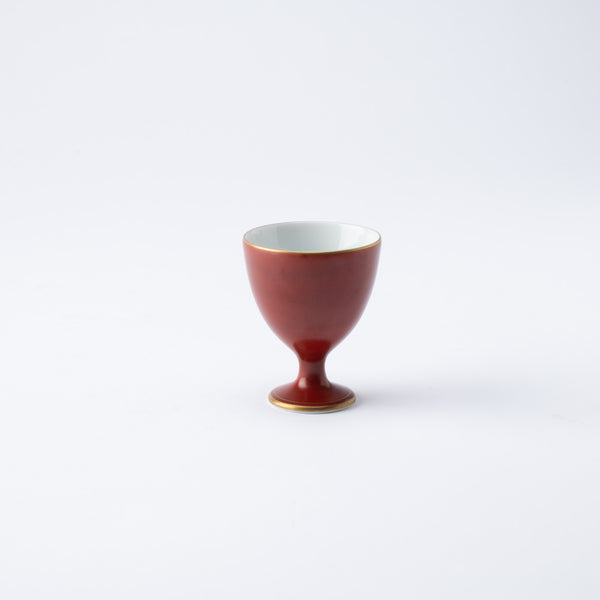
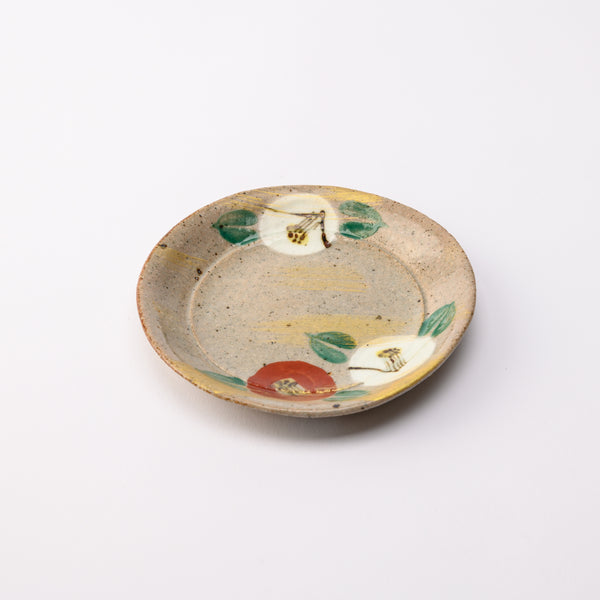
Musubi Kiln works directly with pottery kilns across Kyushu, including Arita, Hasami, and Satsuma regions. They carry an enormous catalog of traditional Japanese ceramics, from teapots to sake sets, with detailed provenance for each piece. Their scale lets them offer kiln-direct pricing that smaller curators cannot match.

Enter Store

Kobo Candles

Brooklyn, NY

Soy candles rooted in Japanese fragrance tradition.

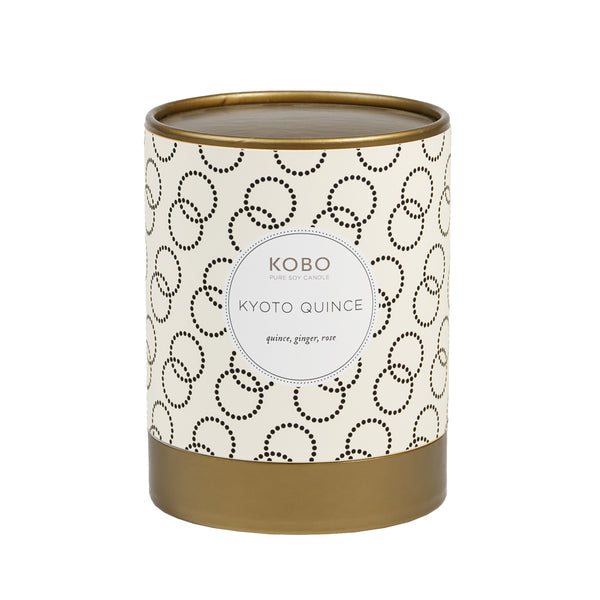
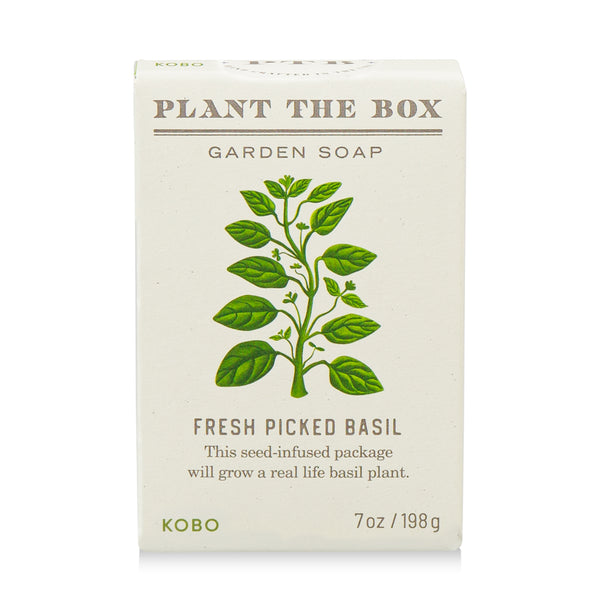
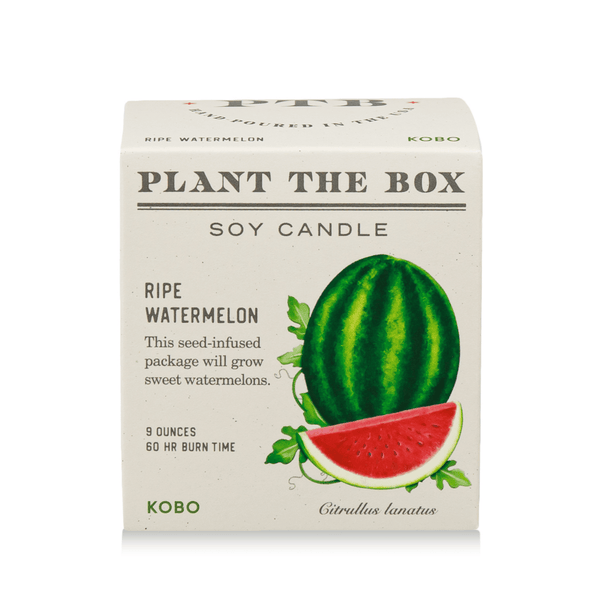
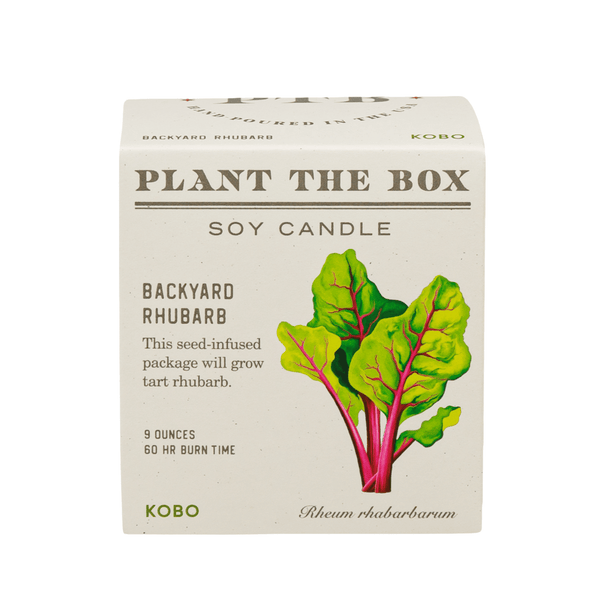
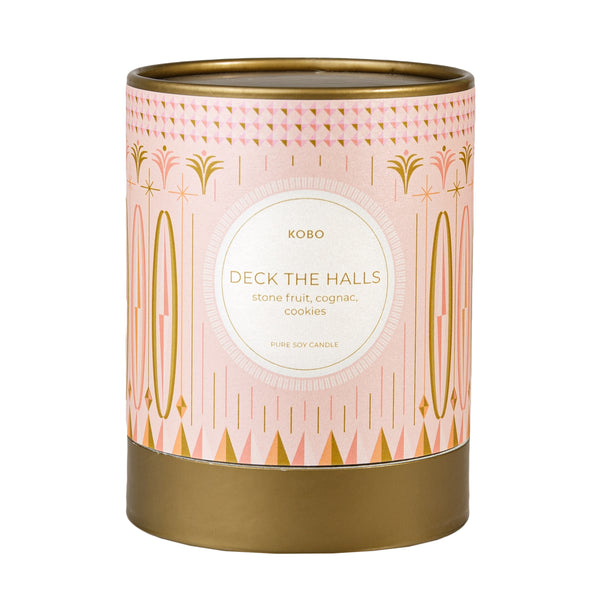
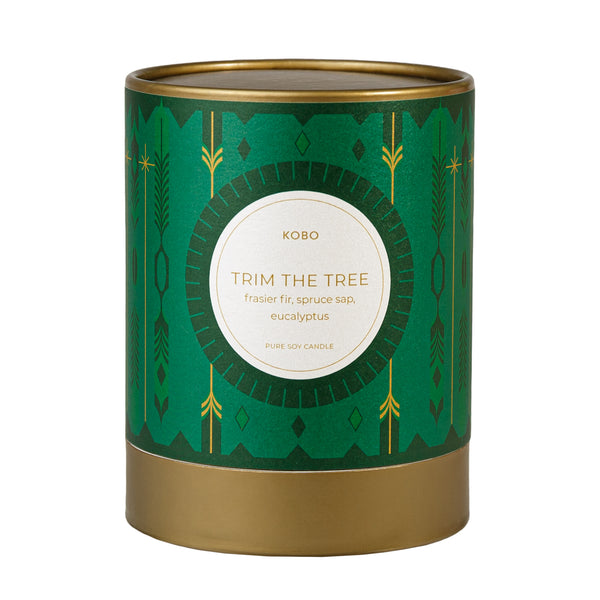
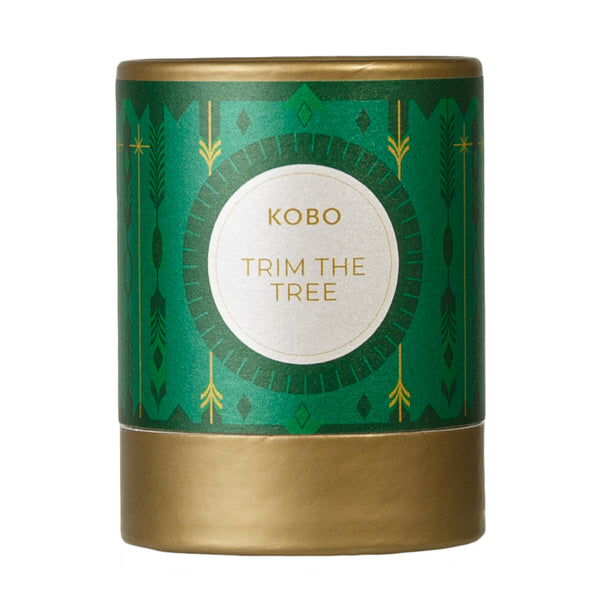
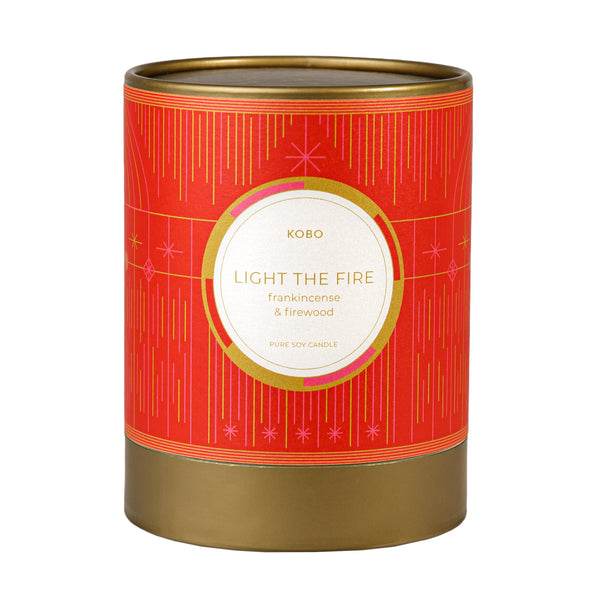
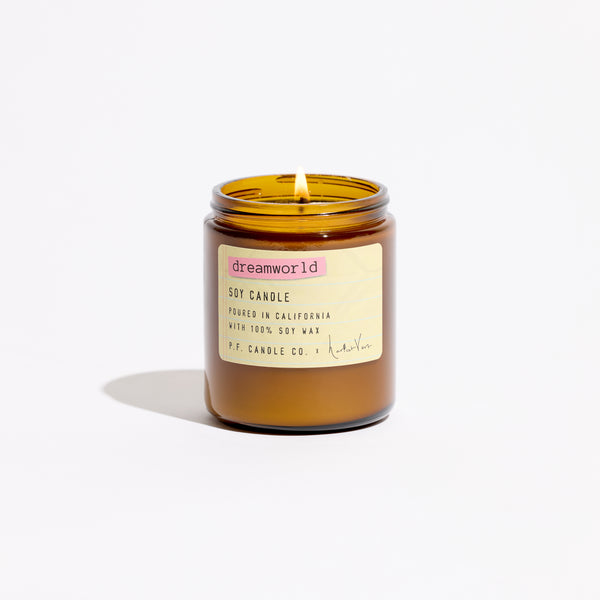
Founded in Brooklyn, Kobo makes pure soy candles with fragrance profiles drawn from Japanese incense culture. Their signature series uses notes like hinoki cypress, yuzu, and tatami that reference specific Japanese sensory experiences rather than generic seasonal themes.

Enter Store

Jinen

A Japanese general store built around craft and daily ritual.

Jinen stocks an edited selection of Japanese ceramics, kitchen tools, textiles, and stationery from brands like Hasami Porcelain, Kinto, and smaller makers. The shop is organized around daily rituals: tea, cooking, bathing, writing. Every product has a story card explaining its origin and maker.

Enter Store

About This District

Start with the objects you use most often. A rice bowl, a teacup, a kitchen cloth. Hasami Porcelain and Jinen both carry modular tableware systems where pieces stack and nest, so you can build a set gradually instead of buying everything at once. For cooking, Toiro Kitchen is the authority on donabe clay pots, and their Nagatani-en pieces are the real deal from Iga. Mogutable carries hard-to-find Japanese pantry and kitchen goods that most US retailers overlook. When evaluating Japanese home goods, look for specific regional origin. Hasami porcelain comes from Nagasaki. Mino ware comes from Gifu. Iga ware comes from Mie. If a product does not name its region or kiln, it is probably factory-made overseas. Avoid anything marketed as Japanese-inspired that is manufactured in China. The price difference between real Japanese craft and imitations is worth paying, the real thing lasts decades and ages beautifully.