Mint Districts Home

The Best Linen Bedding Brands Selling Direct for Sleep Worth It

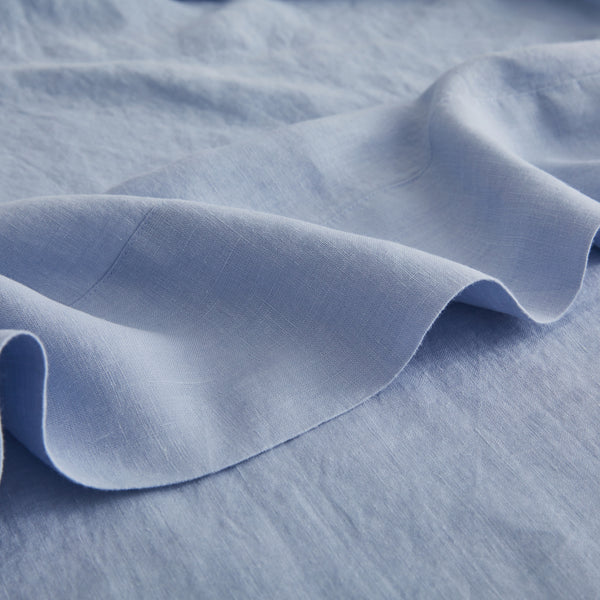
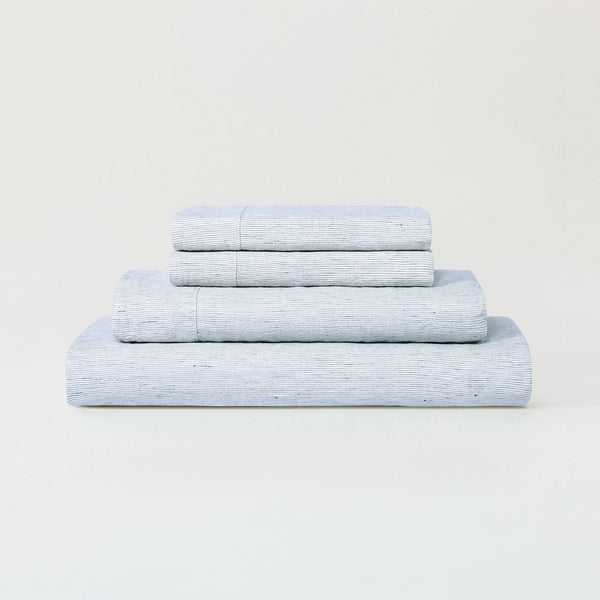
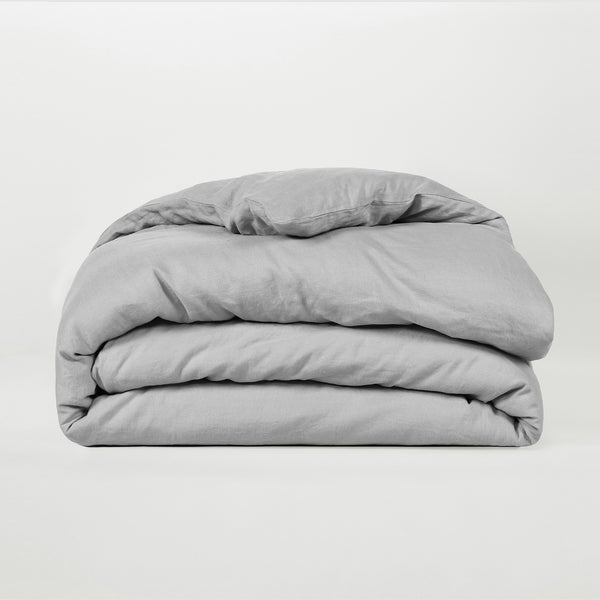
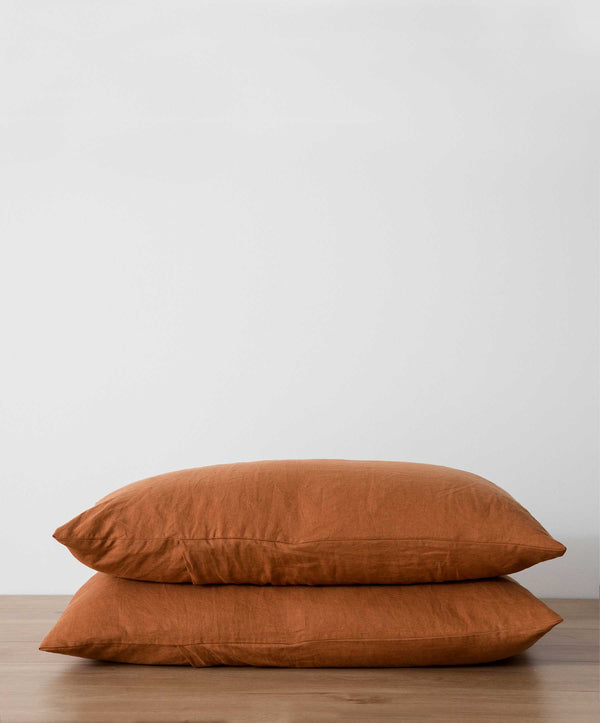
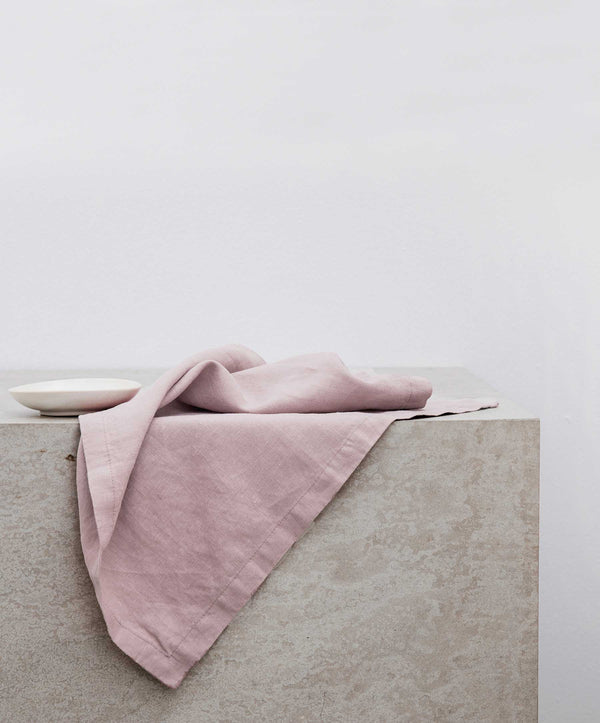
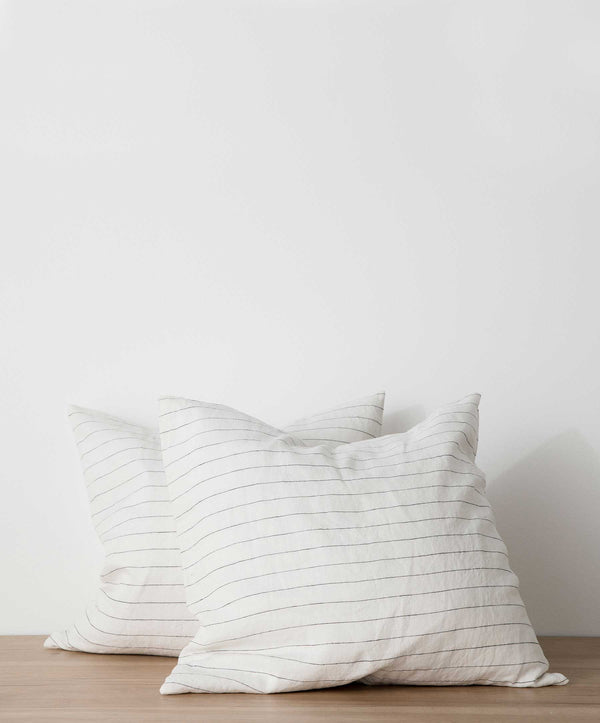
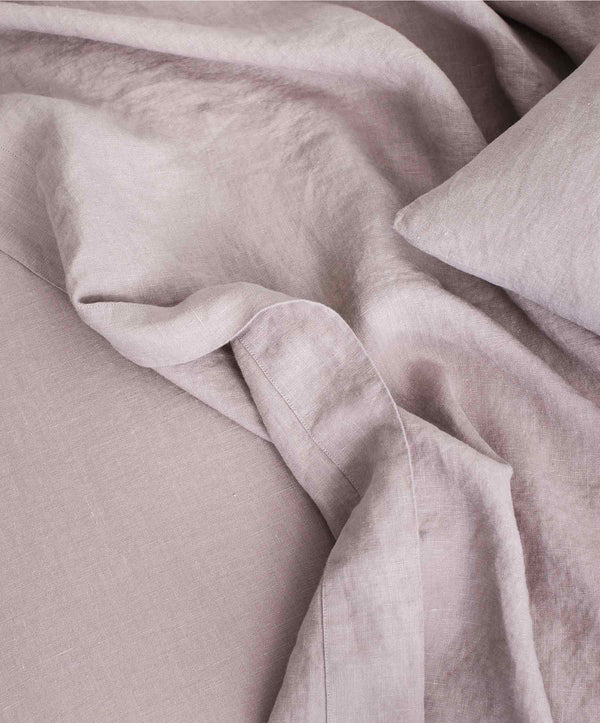
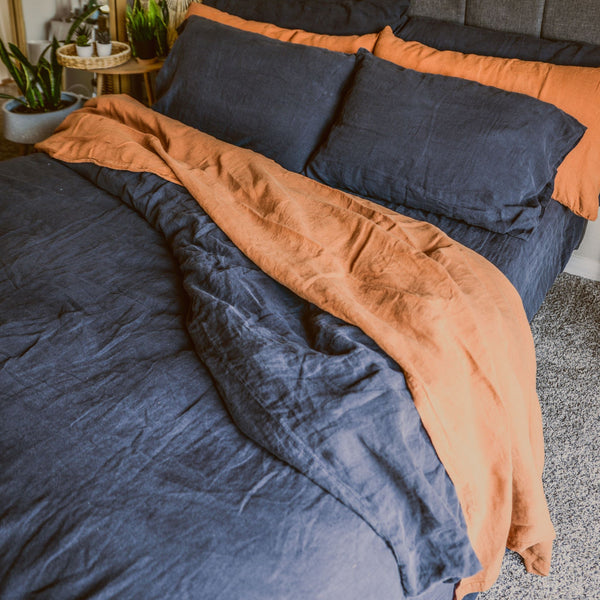
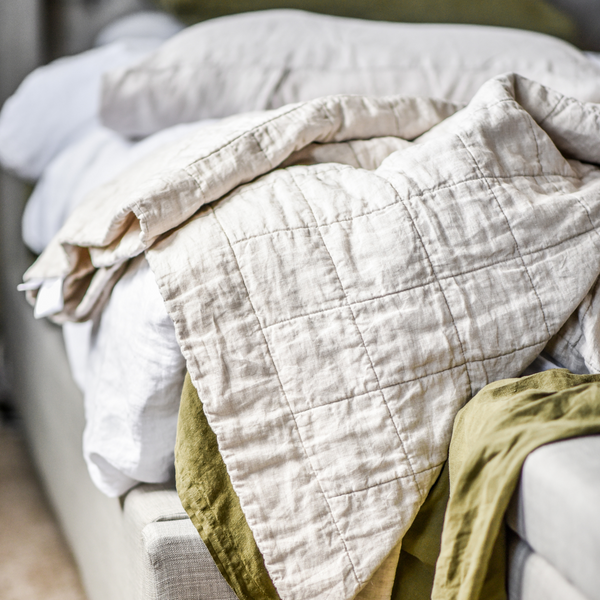
Linen bedding occupies a specific niche in home textiles because the material's best qualities only become apparent after several months of use. Linen sheets feel rough to some people when new. They wrinkle constantly, and they cost more than cotton alternatives. None of that changes. What changes is everything else: the thermoregulation that makes them work in both summer and winter, the way the weave softens progressively with each wash, the way the wrinkles start to look intentional rather than neglected. These DTC brands have built businesses on the premise that enough people will pay for that experience if the product is honest and the price is fair.

Home · 7 Brands

The Linen Bedding District

Bed Threads

Melbourne, AU

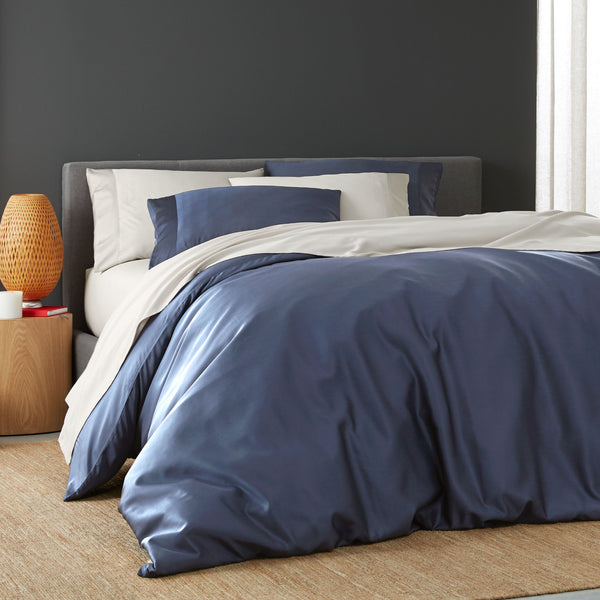
Stonewashed French flax linen bedding that earns its price.

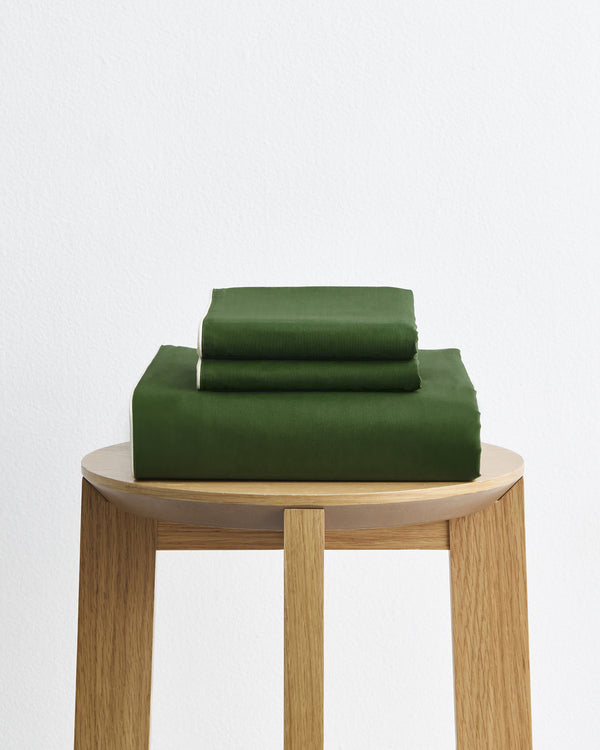
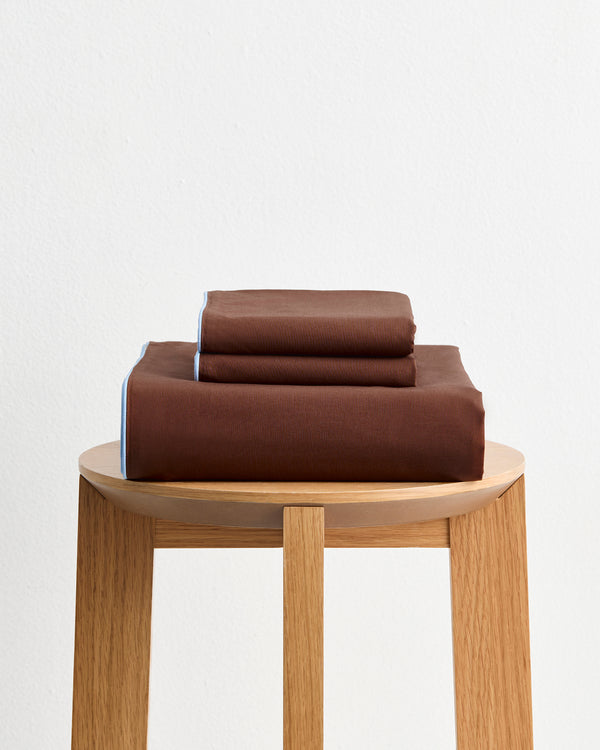
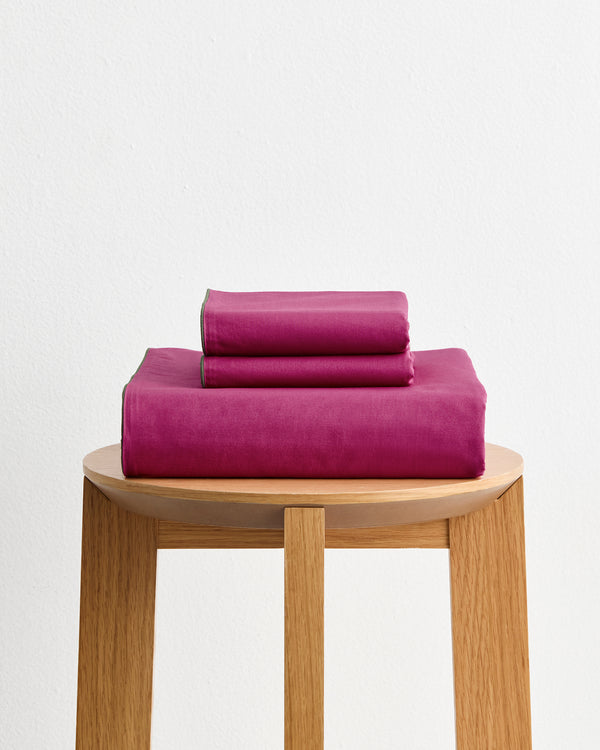
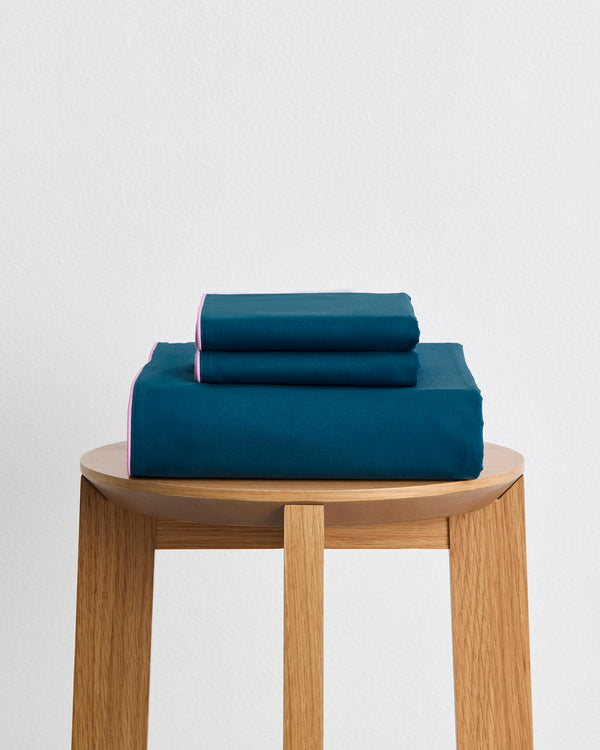
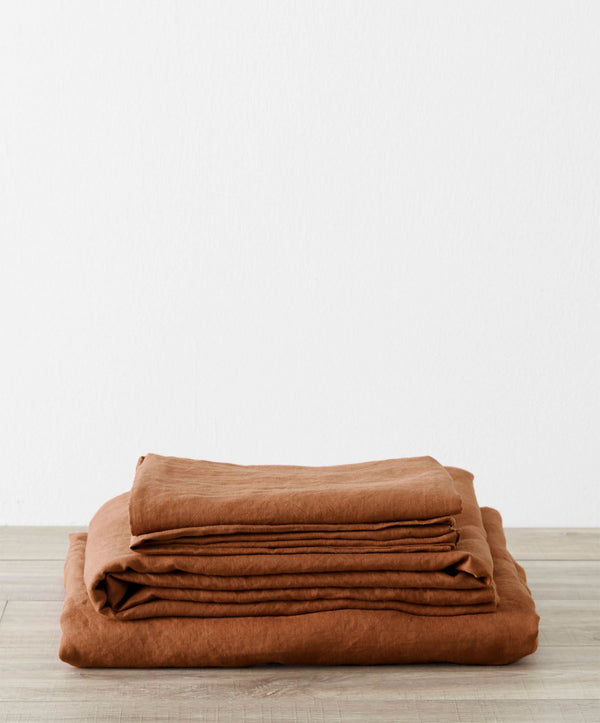
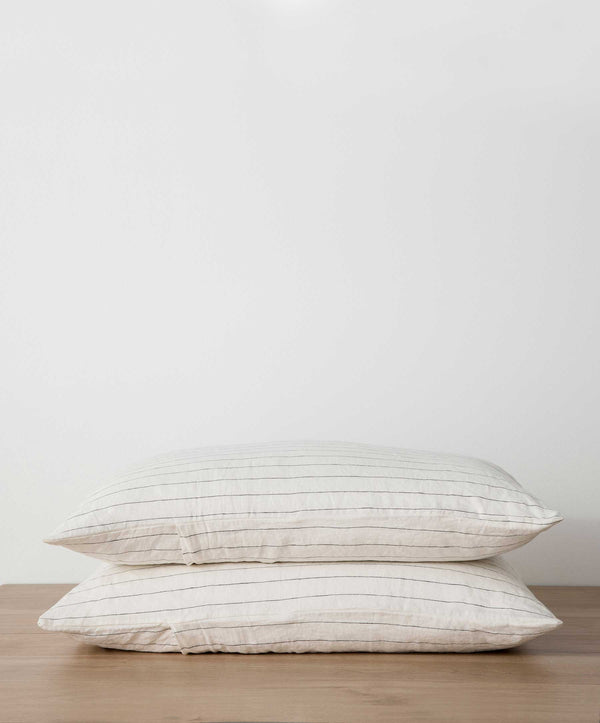
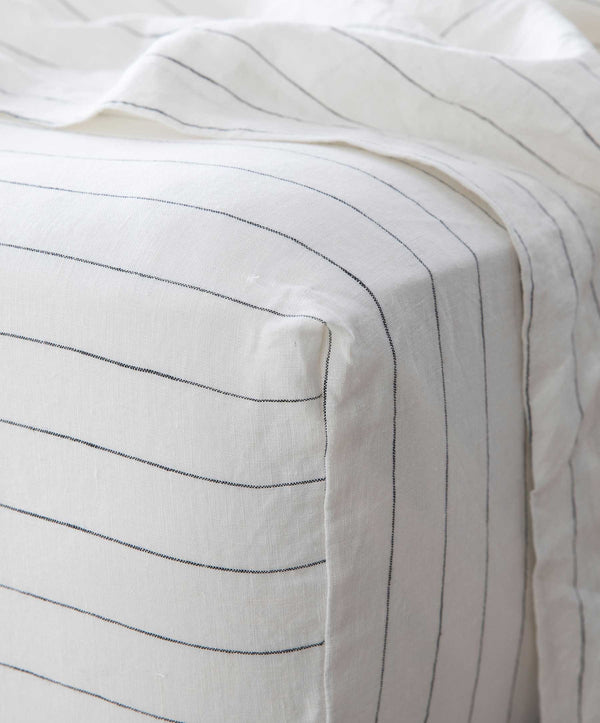
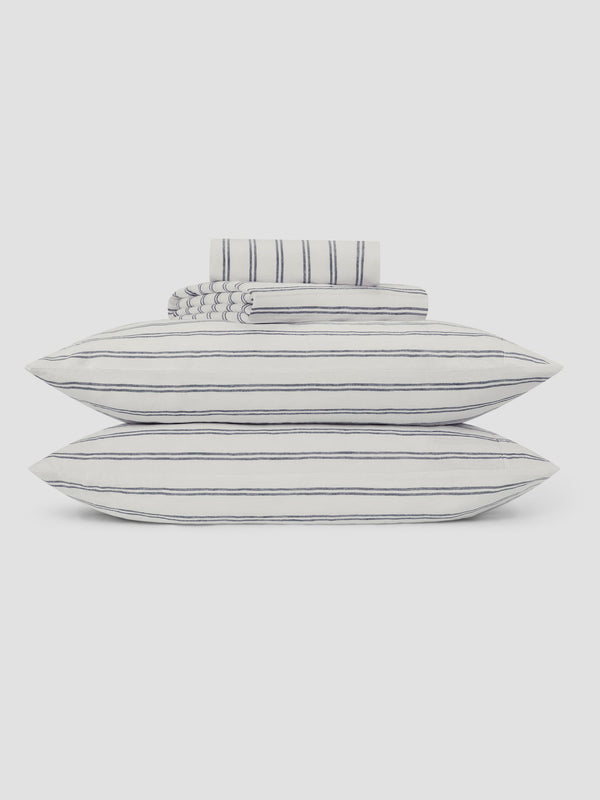
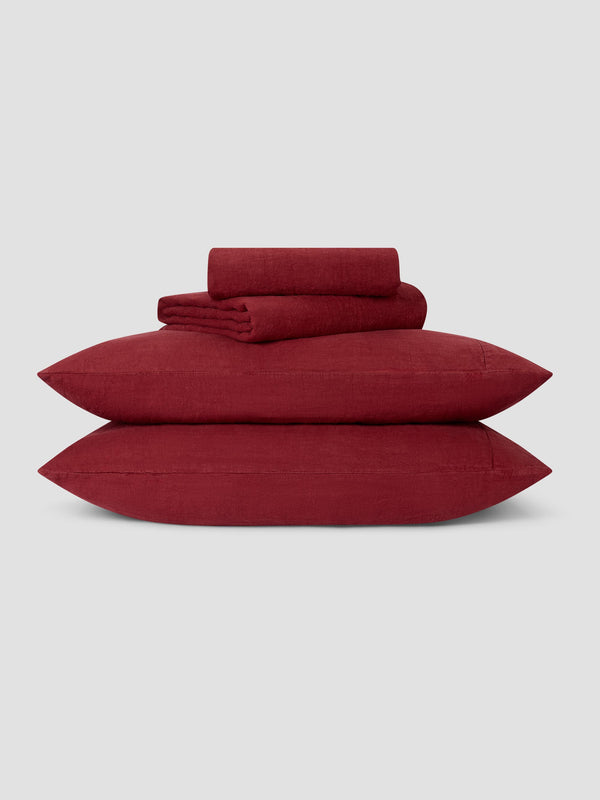
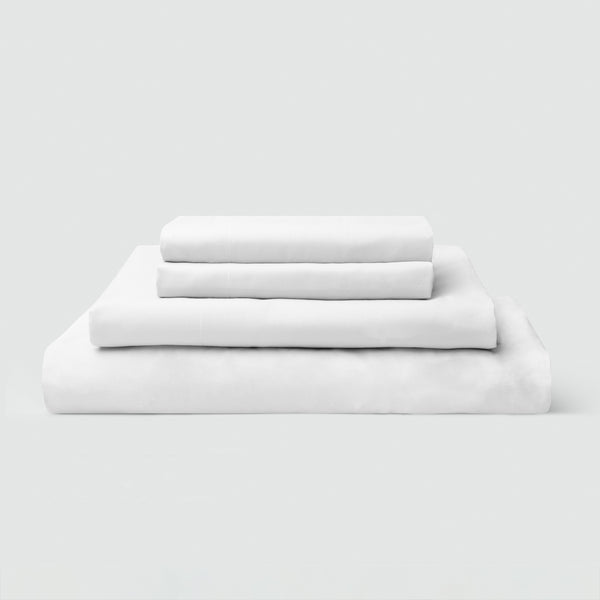
Built in Australia with the belief that linen bedding should not require a boutique markup. Bed Threads sources stonewashed French flax and sells direct, which brings a quality tier that used to live only in high-end homeware stores into an accessible range. The wrinkles are intentional and the color options are refreshingly wide.
Enter Store

Sijo

New York, NY

Eucalyptus, bamboo, and linen with full material transparency.

Sijo built its reputation on publishing certifications, explaining fabric sourcing, and comparing materials honestly. The linen collection sits alongside their TENCEL and bamboo lines with the same commitment to natural fiber quality and honest pricing. An unusually trustworthy brand in a category prone to vague claims.

Enter Store

notPERFECTLINEN

Vilnius, LT

Pure linen from Lithuania: imperfect by design, softer every wash.

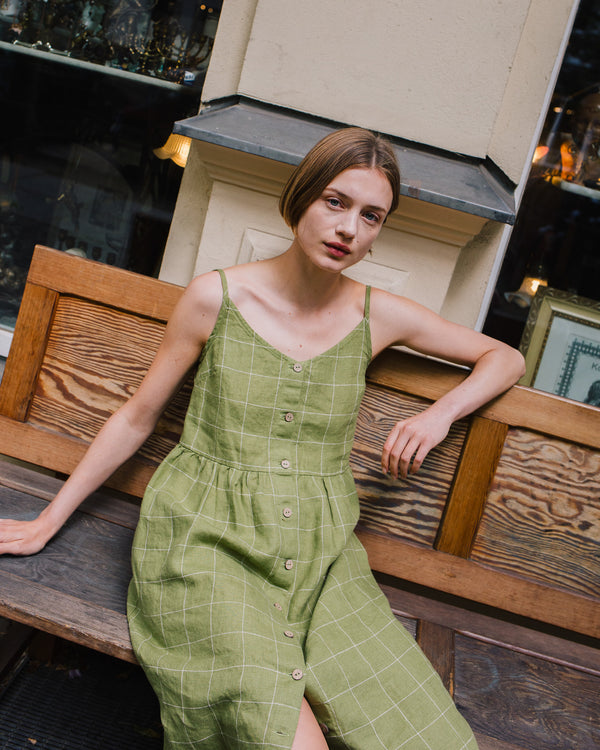
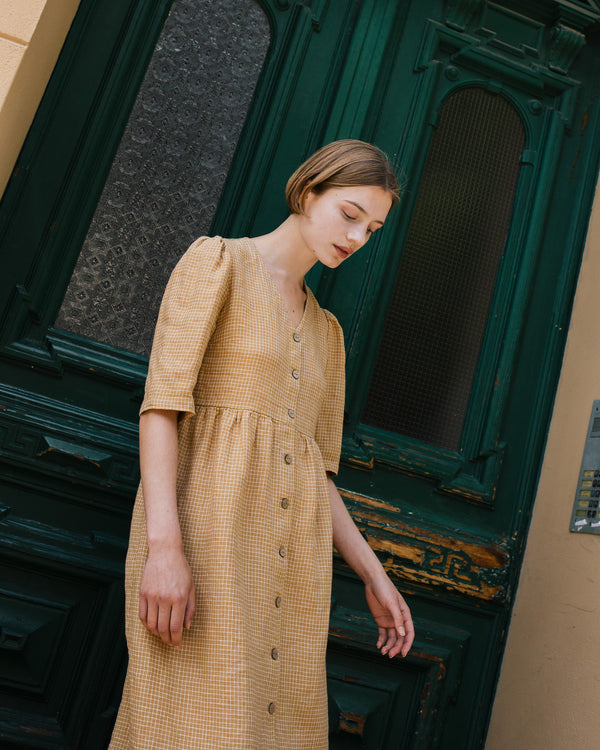
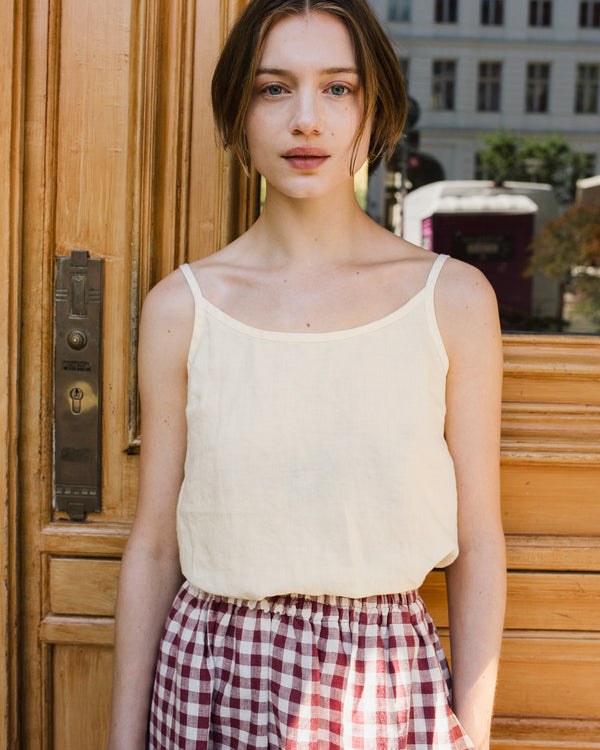
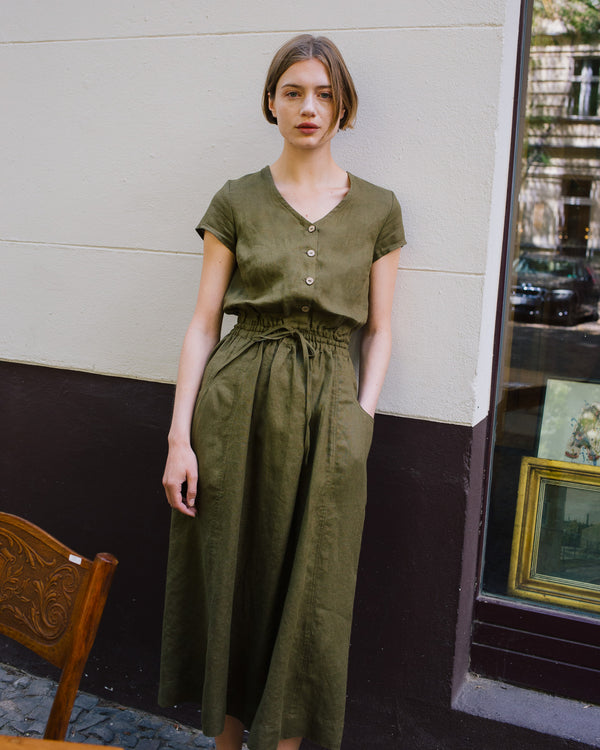
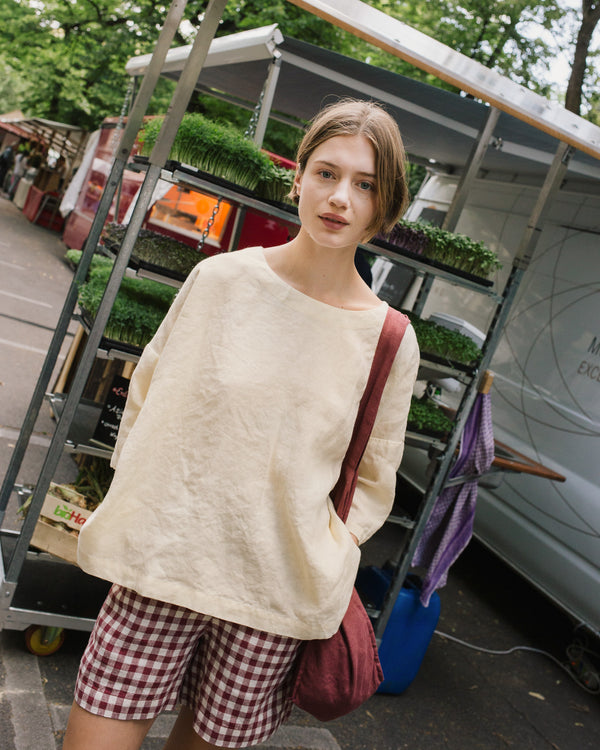
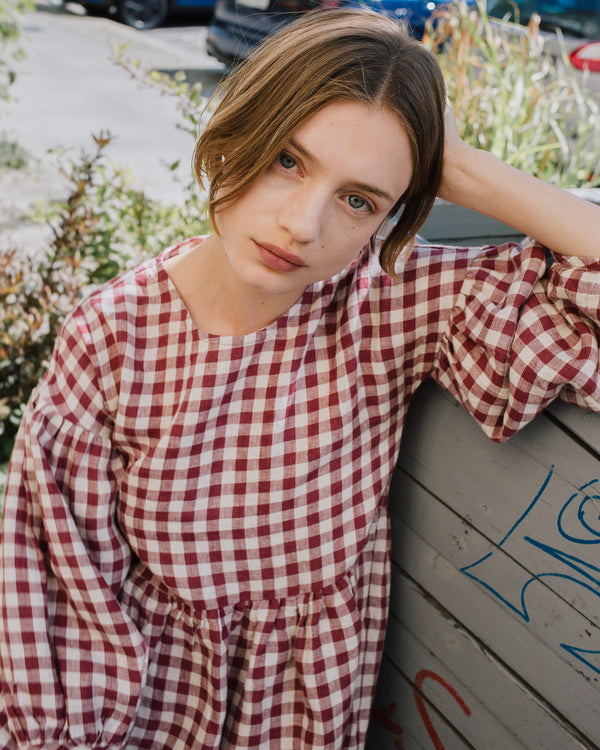
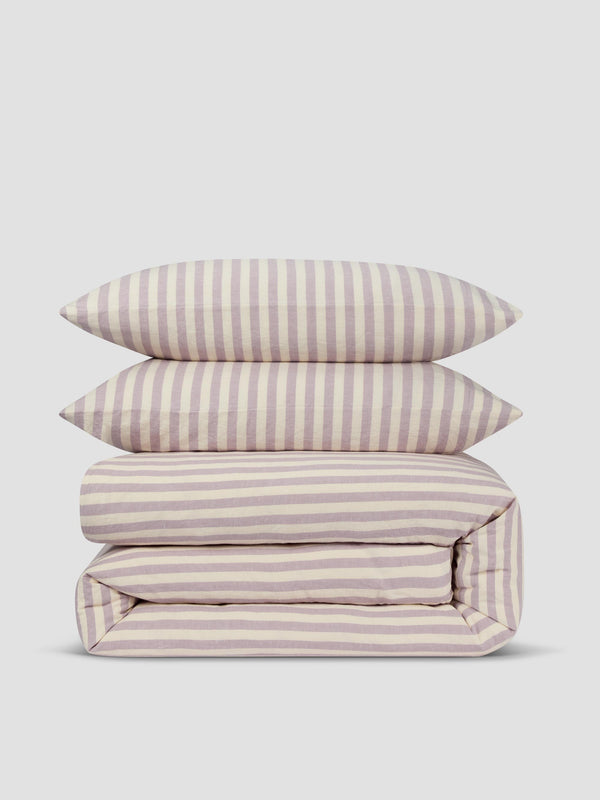
Launched from Vilnius, notPERFECTLINEN makes linen bedding and clothing with a clear philosophy: natural materials, no additives, no chemical softeners. The slight texture variation and color irregularity that other brands minimize are what this brand documents as features. Exactly what pure linen should do.

Enter Store

CULTIVER

Sydney, AU

French linen bedding designed in Australia for beds that age well.

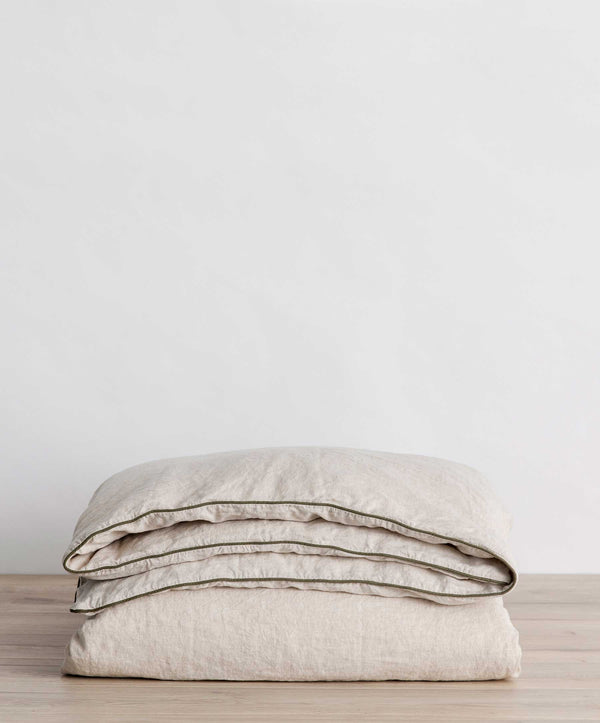
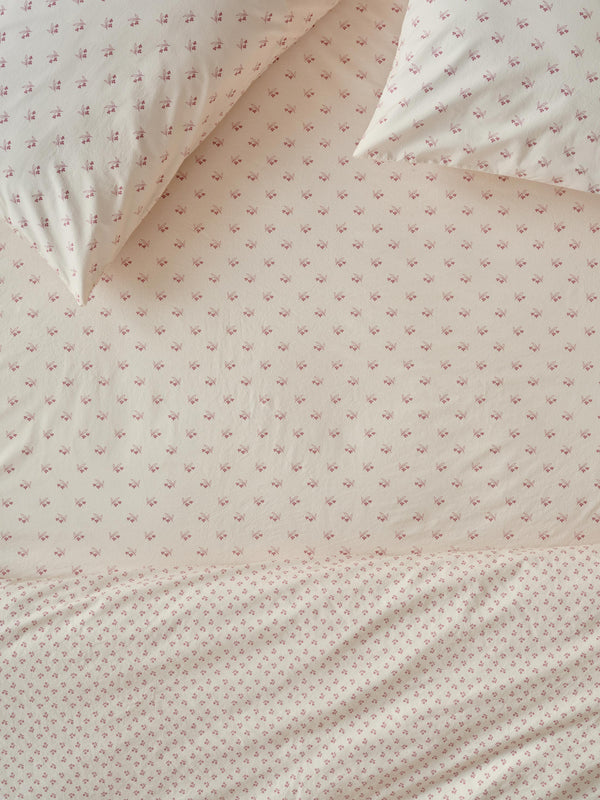
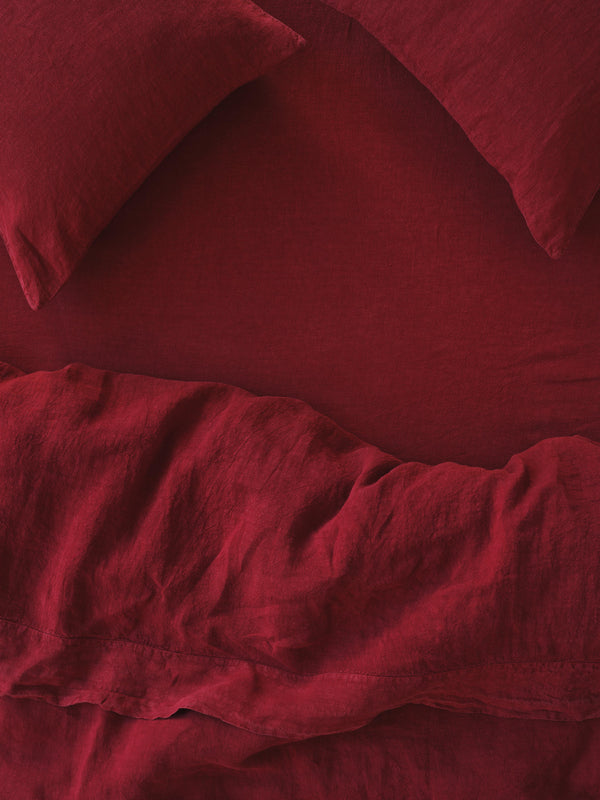
Adele Rankin started Cultiver to close a gap: linen bedding with genuine design sensibility, not just sustainability credentials. The palette is restrained, the construction is tight, and the stonewashing process creates a drape that synthetic fabrics cannot approximate. A brand that has earned its loyal following.
Enter Store

Piglet in Bed

Devon, UK

Washed linen for beds that look lived-in, in the best way.

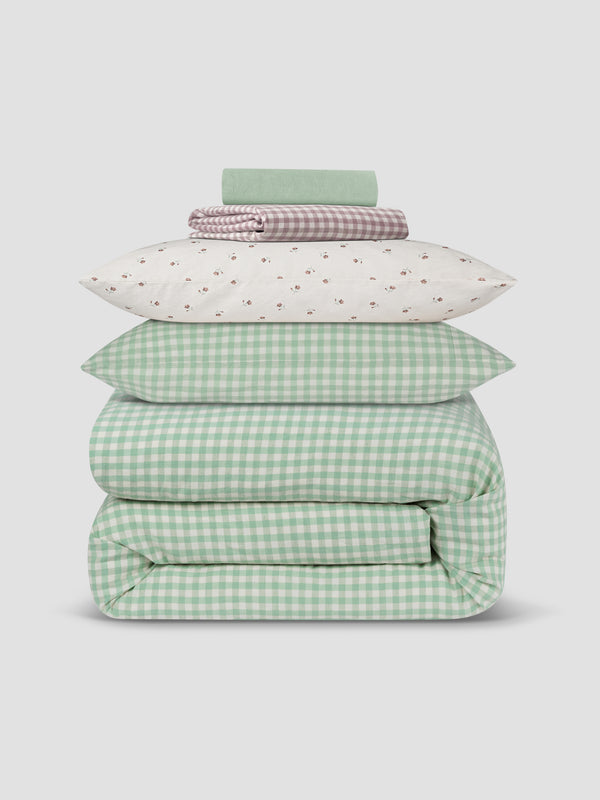
Launched in the UK with the explicit aim of making linen bedding feel approachable rather than aspirational. The color range is unusually wide, the product descriptions are honest about what linen does and does not do, and the stonewashed French flax delivers exactly what the brand promises.

Enter Store

BeFlax Linen

100% European flax, nothing blended, nothing hidden.

BeFlax is a linen specialist that refuses to blend. The fabric is 100% European-certified flax with no polyester added for wrinkle resistance or softness claims. What you get is pure linen: warm in winter, cool in summer, and increasingly soft with each wash cycle. No compromise on the material.

Enter Store

Coyuchi

Point Reyes, CA

Certified organic cotton and linen for beds without corners cut.

Founded in Point Reyes, California, Coyuchi was among the first home textile brands to pursue organic certification seriously. The linen line meets GOTS and OEKO-TEX standards. The company publishes impact reports and runs a circular textile return program. One of the few bedding brands that backs its sustainability claims with data.

Enter Store

About This District

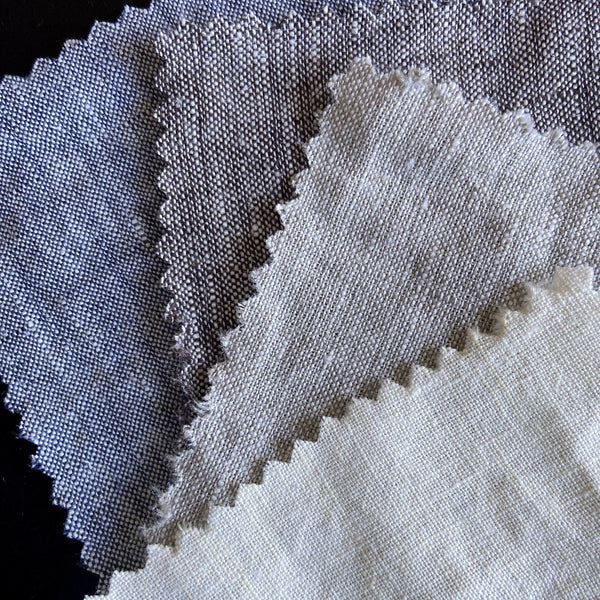
Linen bedding quality varies more than most categories admit. The fiber source is the starting point: European flax, primarily from France and Belgium, is considered the benchmark for quality linen. French flax in particular carries an EU-regulated designation that ensures specific growing and processing standards. Lithuanian linen has a strong reputation as well. Chinese linen exists and is less expensive, but quality is more variable. Look for fiber origin disclosure. Thread count is less meaningful for linen than for cotton, because linen fibers are thicker and woven more loosely by design. GSM, grams per square meter, is a more useful metric for linen weight: 150-180 GSM is lightweight and suitable for warmer climates; 180-220 GSM is a standard weight good year-round; above 220 GSM is heavier and more suitable for cold climates. Stonewashing or garment washing softens linen significantly before it reaches you, which reduces but does not eliminate the initial stiffness of raw linen. Brands that describe their fabric as stonewashed or pre-washed are telling you something meaningful. The color palette of quality linen is limited by the natural off-white base of flax fiber. Colors that are very bright or saturated have been heavily dyed, which can affect the fiber's natural breathability. Earth tones, soft whites, and muted colors are most natural to the material.