Mint Districts Fashion

Natural Dye Clothing Brands Making Fashion from the Earth Up

Synthetic dyes have dominated textile manufacturing since the 1850s, and the environmental cost is considerable. The natural dye clothing movement is a pushback that goes beyond trend. These brands use indigo, madder, weld, woad, and plant tannins to create color that behaves differently from synthetic alternatives: slightly variable, deepening with wash and wear, connected to seasonal and regional growing cycles. The palette is earthy by definition. If you want neon, look elsewhere. If you want color that has a history and a source, these are the brands doing it with integrity.

Fashion · 6 Brands

The Natural Dye Clothing District

Harvest & Mill

San Francisco, CA

American-grown cotton from seed to shirt, naturally.

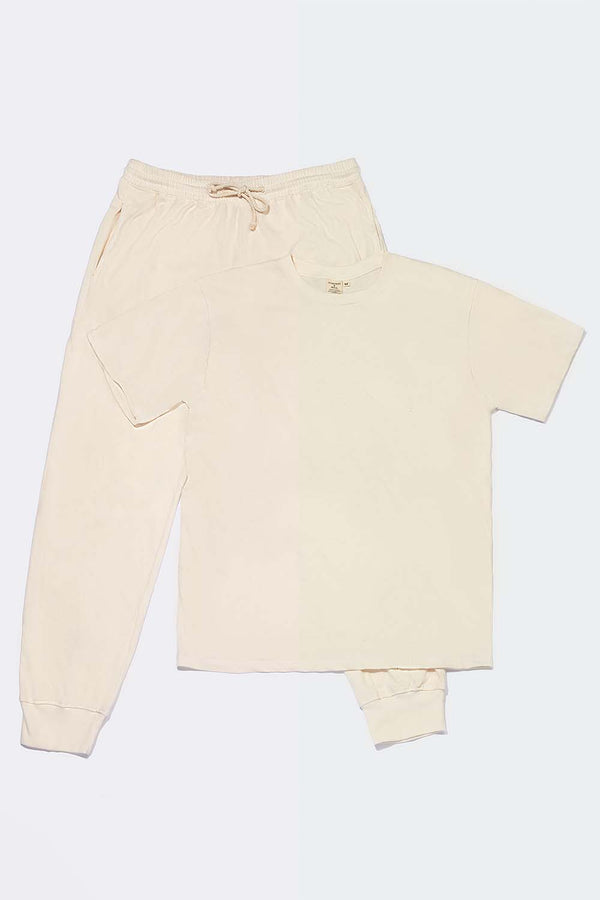
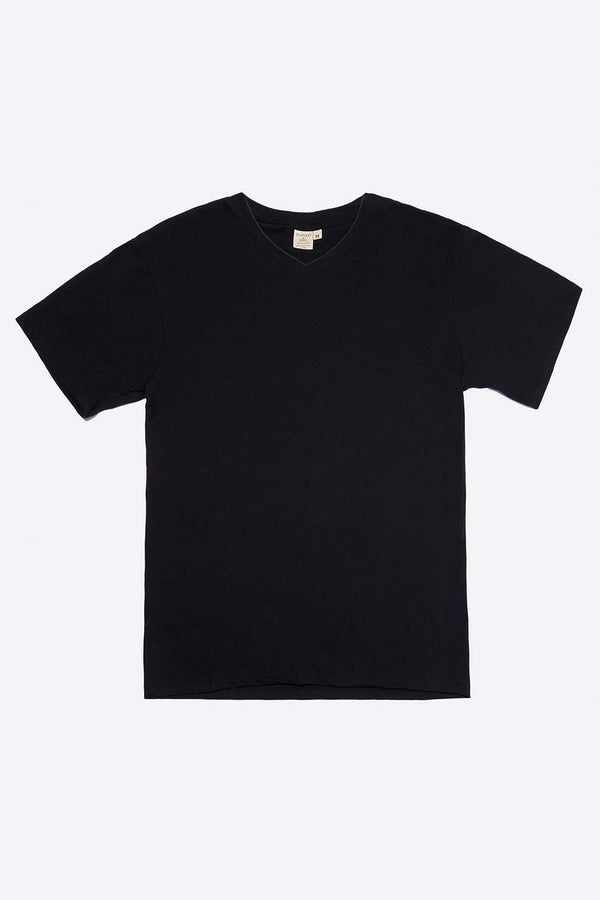
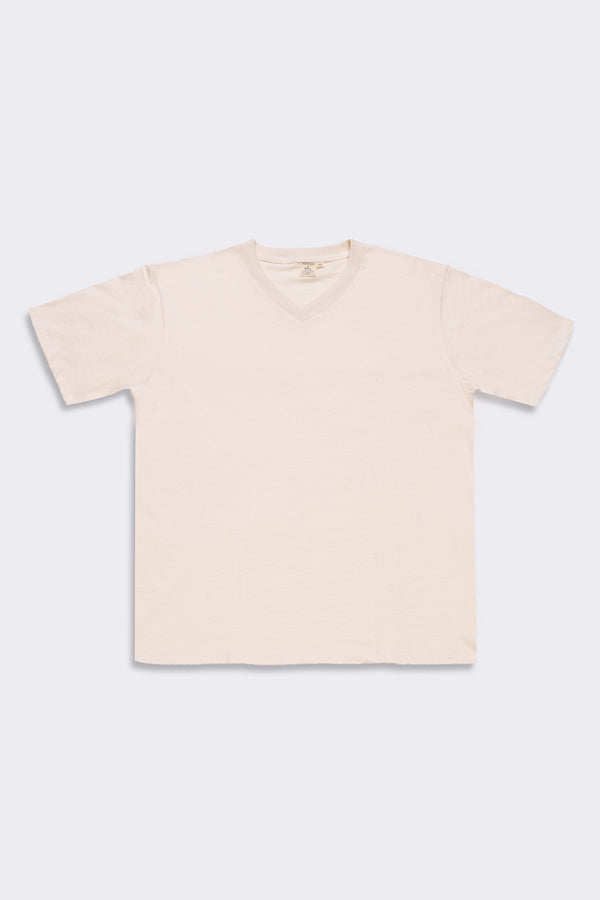
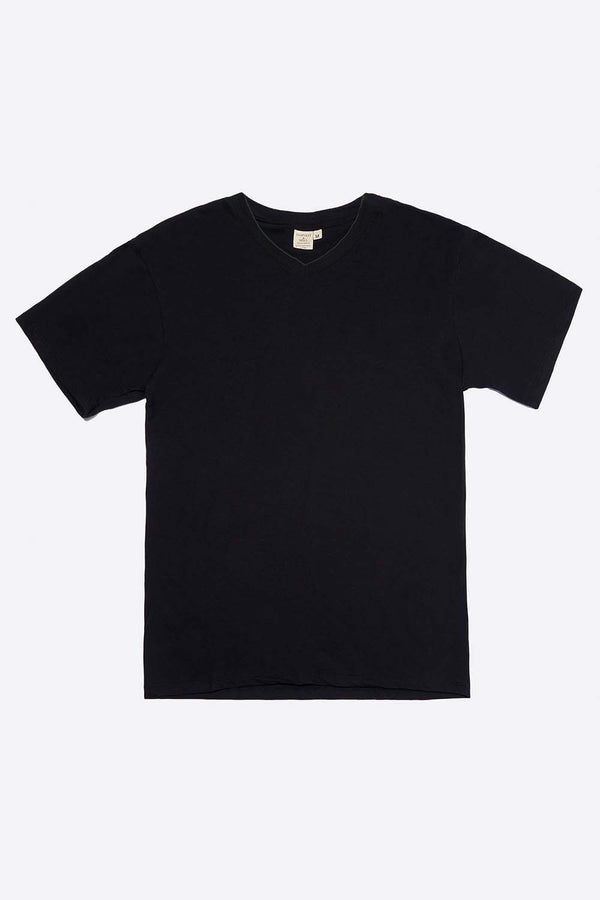
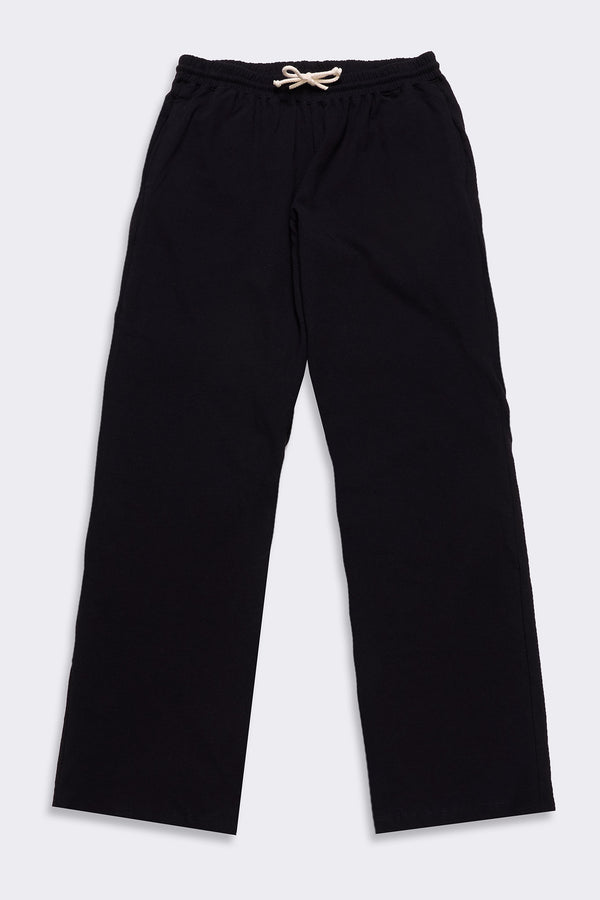
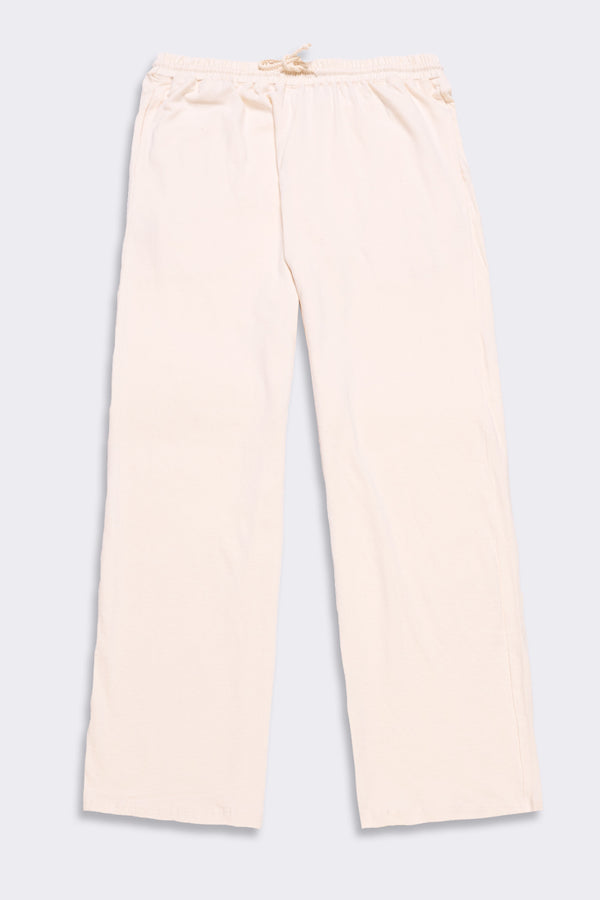
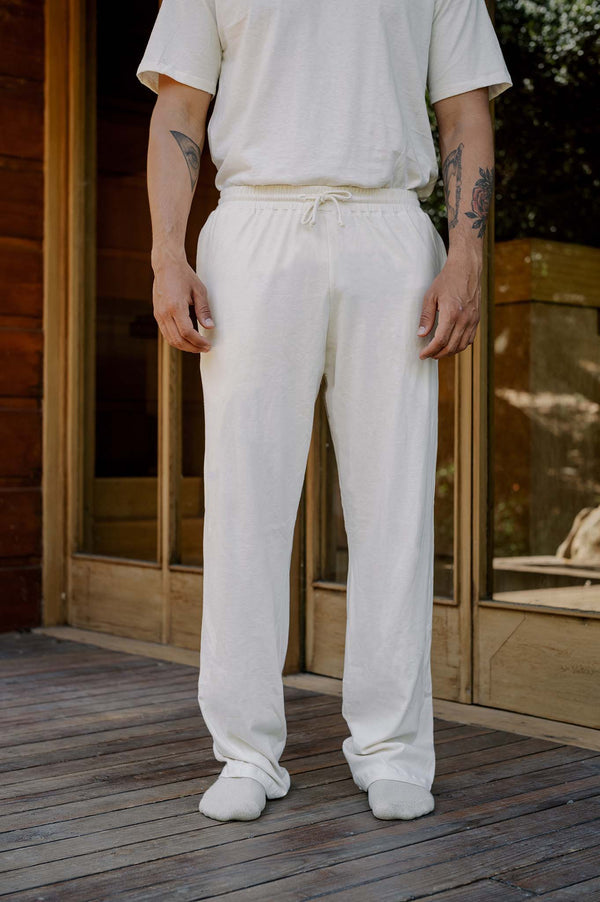
Harvest & Mill traces every shirt back to a specific farm. The brand insists on the full domestic supply chain: cotton grown, spun, dyed, and sewn in the US. Natural and low-impact dyes are part of the product story rather than an afterthought, and the brand publishes its supply chain publicly.
Enter Store

MATE the Label

Los Angeles, CA

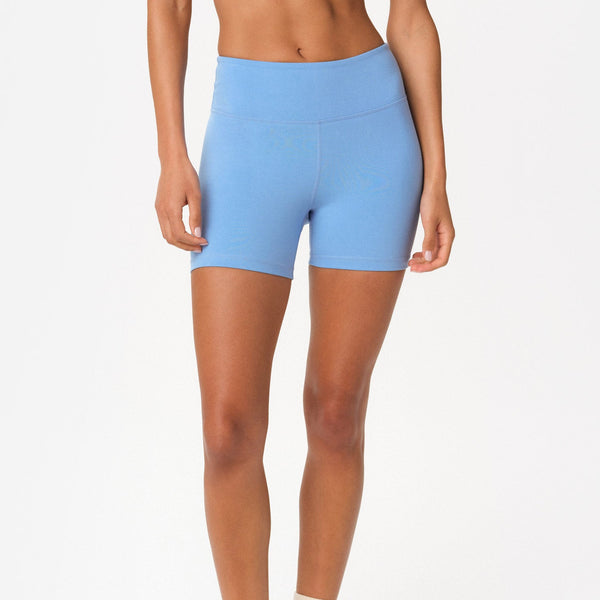
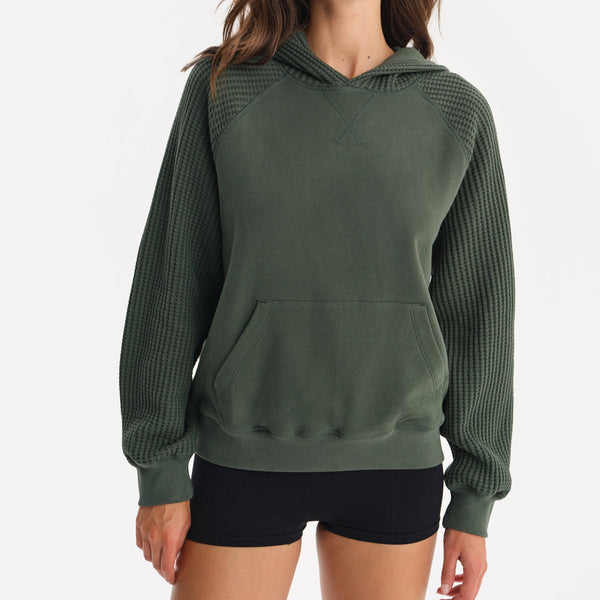
Organic basics made without the markup on sustainability.

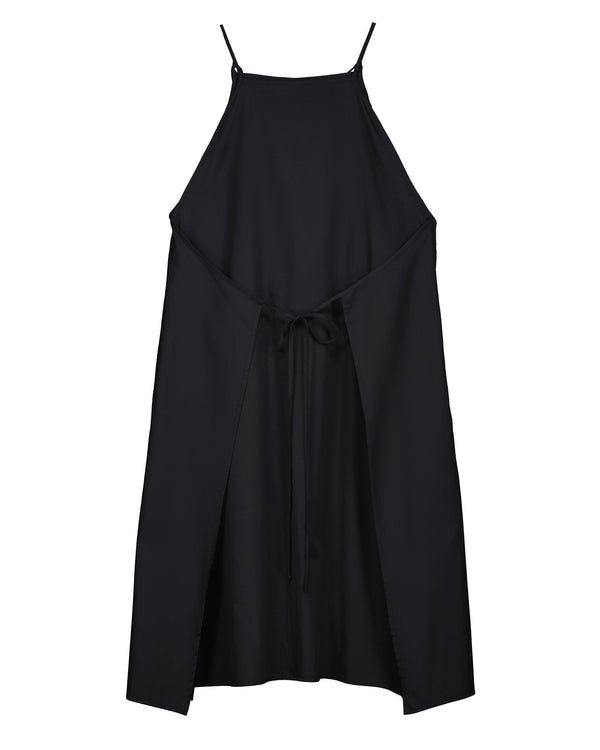
Founder Kayti O'Connell Carr built MATE the Label out of frustration with the price premium attached to organic clothing. By selling direct and keeping the line focused on basics, the brand brought GOTS-certified fabrics and low-impact dye processes into a range most people can afford to buy regularly.
Enter Store

Sustain by Kat

Small-batch, plant-dyed clothing built around the craft.

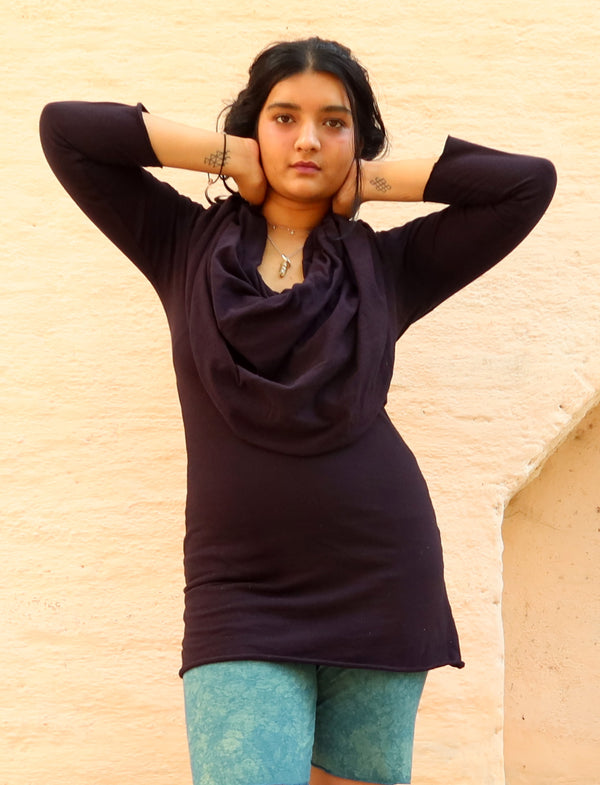
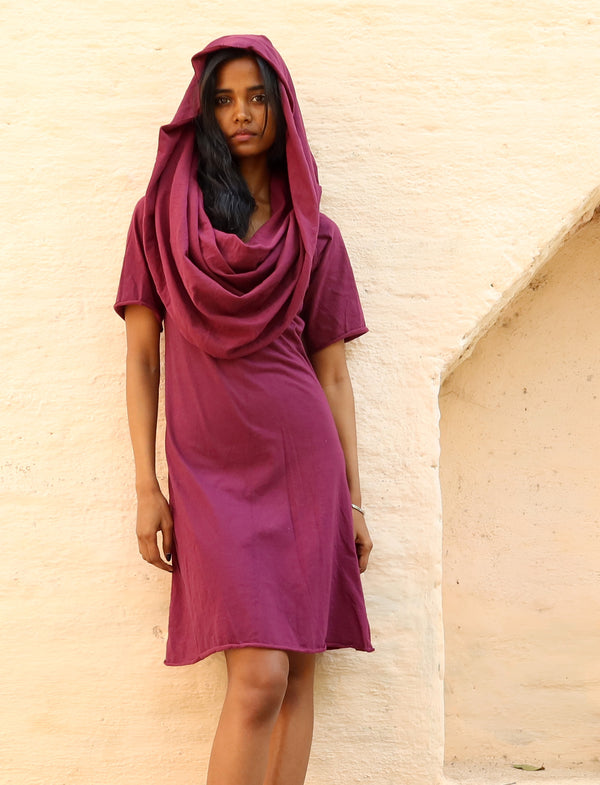
A one-woman operation centered entirely on the practice of botanical dyeing. Each batch is dyed by hand using plants like indigo, weld, and madder. The slight color variation between pieces is inherent to the process and documented in the product listings, making each garment genuinely one of a kind.

Enter Store

Gaia Conceptions

Hemp and organic cotton, dyed with plants, cut for movement.

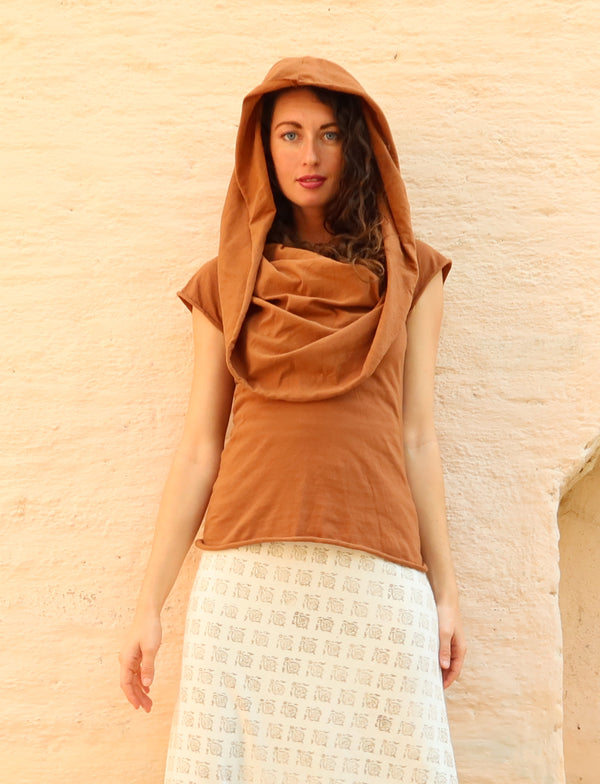
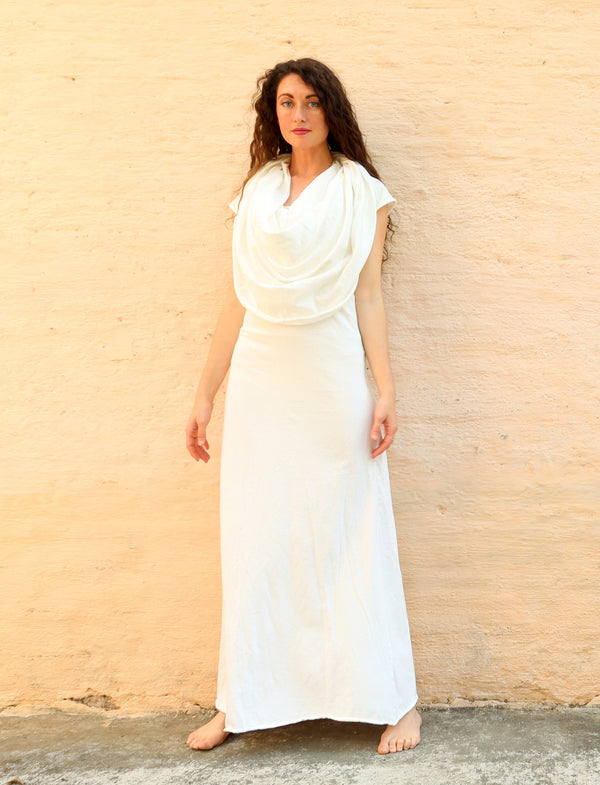
Gaia Conceptions has been making natural fiber garments since the late 1990s, long before slow fashion was a marketing term. The brand uses botanical and low-impact dyes on hemp-cotton blends, with a focus on comfort and durability over trend participation. The clothes are cut loose and meant to last decades.

Enter Store

Kowtow

Wellington, NZ

Certified organic cotton, fair trade from field to finished garment.

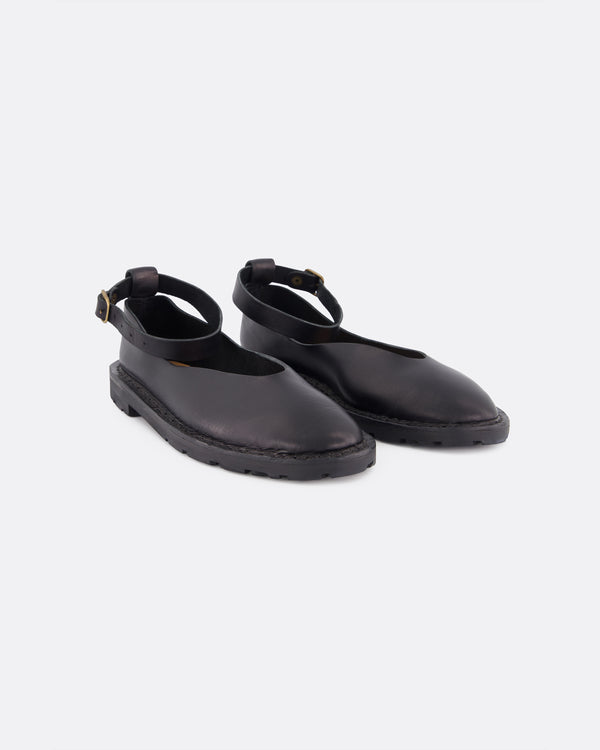
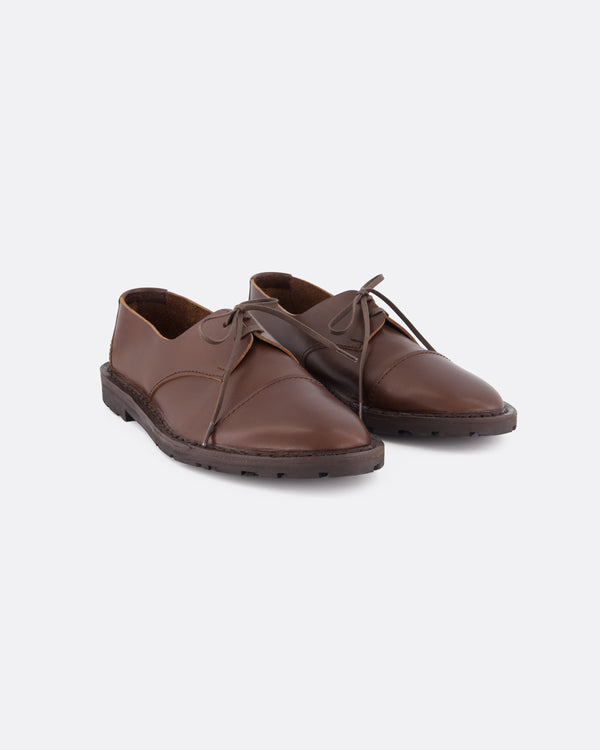
Founded in Wellington, New Zealand, Kowtow was among the early brands to build a fully Fairtrade organic cotton supply chain. The aesthetic is quiet and layerable, built for longevity rather than seasonality. The natural tone palette derives from pigments that avoid synthetic processing at every stage.
Enter Store

Tentree

Vancouver, BC

Eco-material clothing with ten trees planted per purchase.

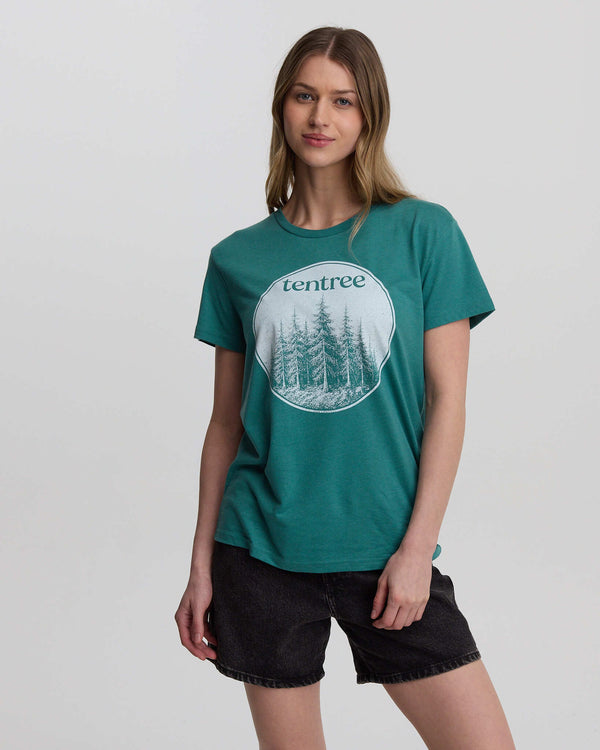
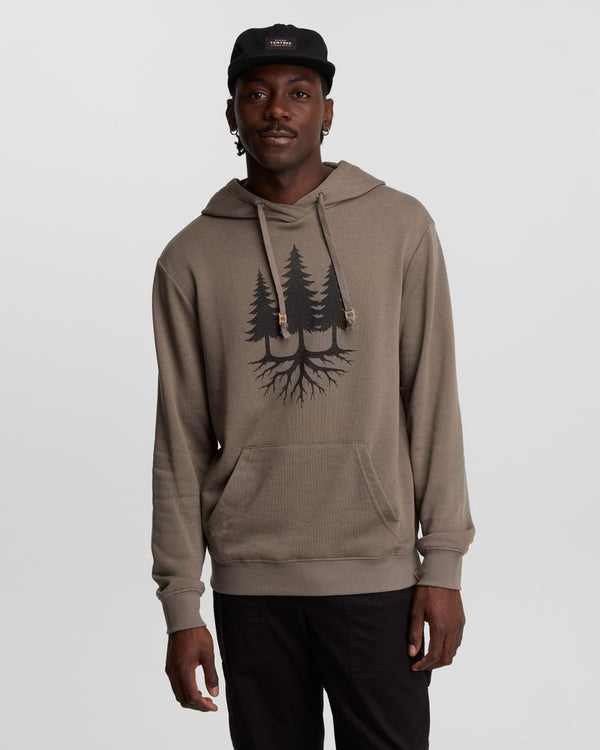
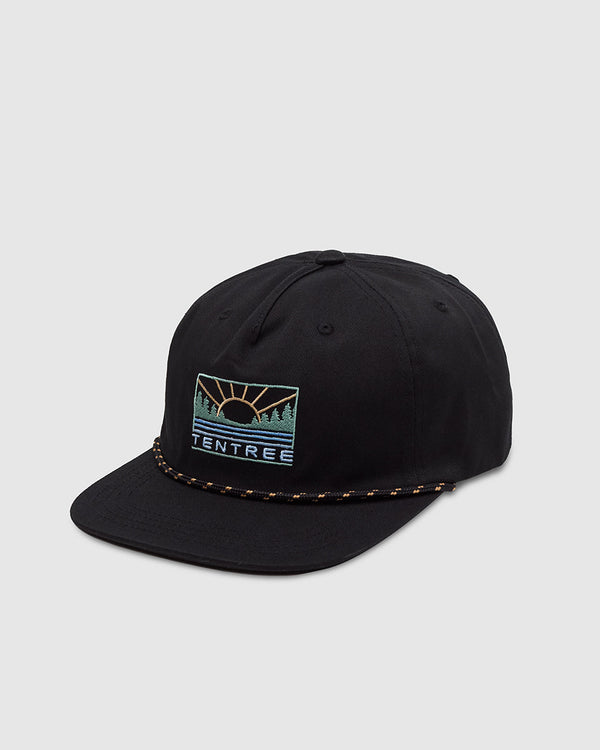
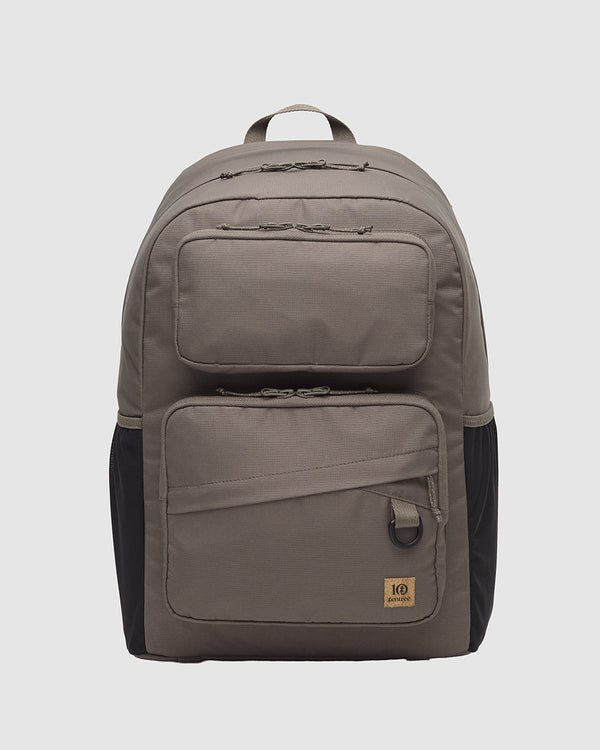
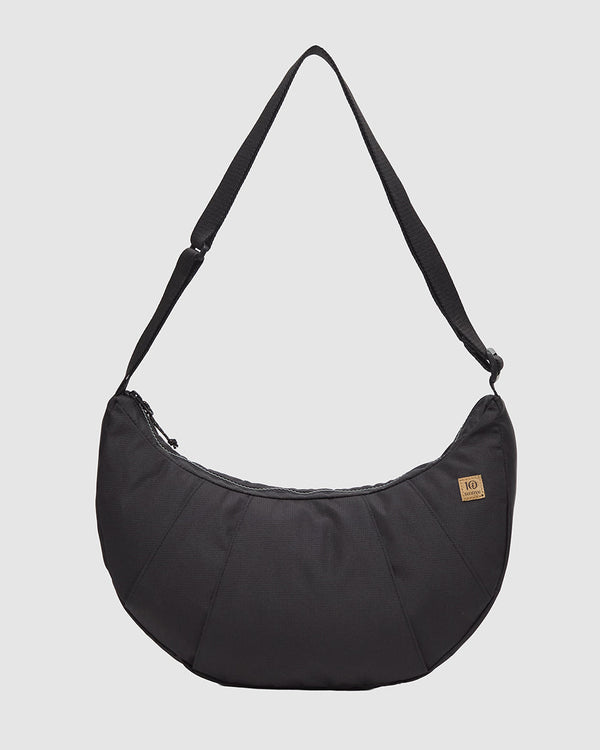
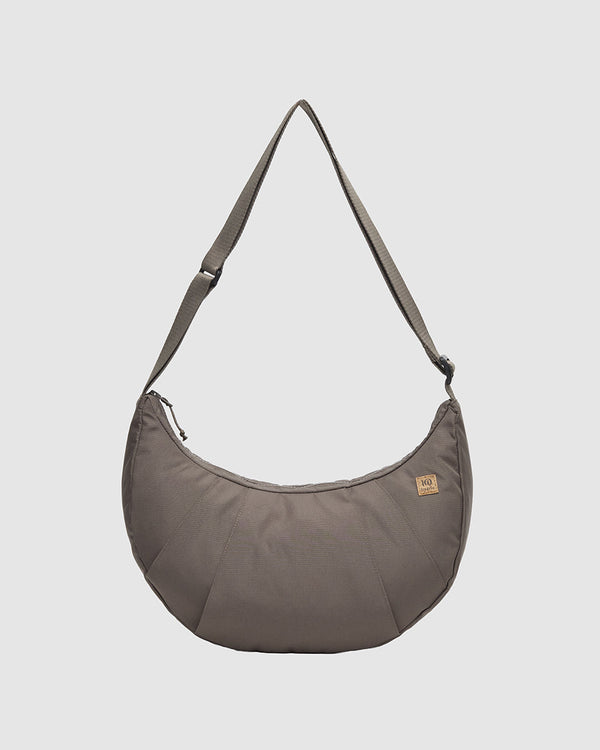
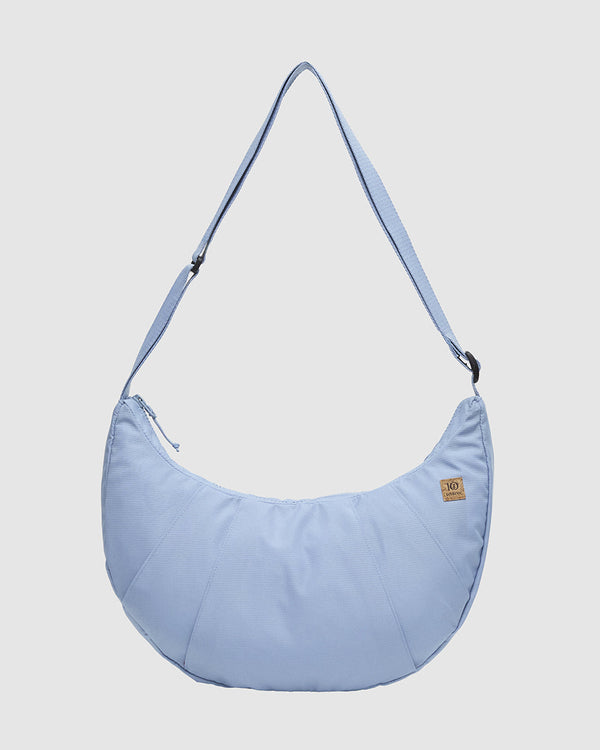
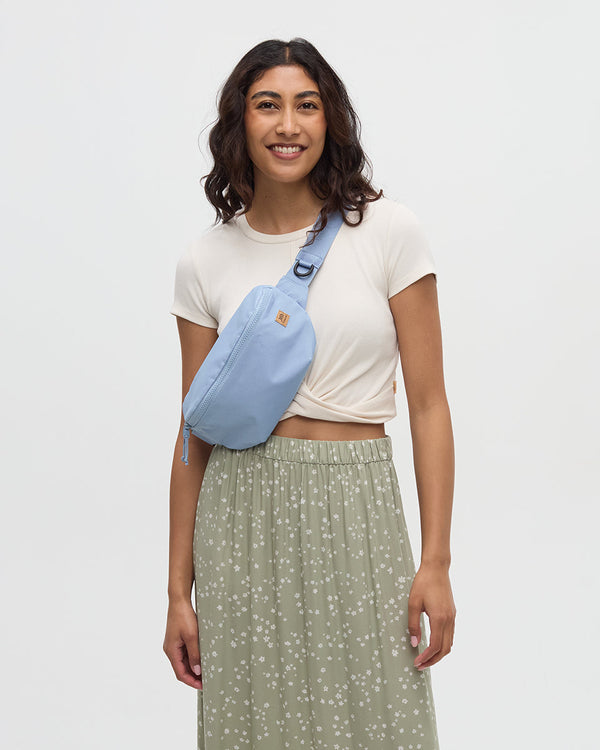
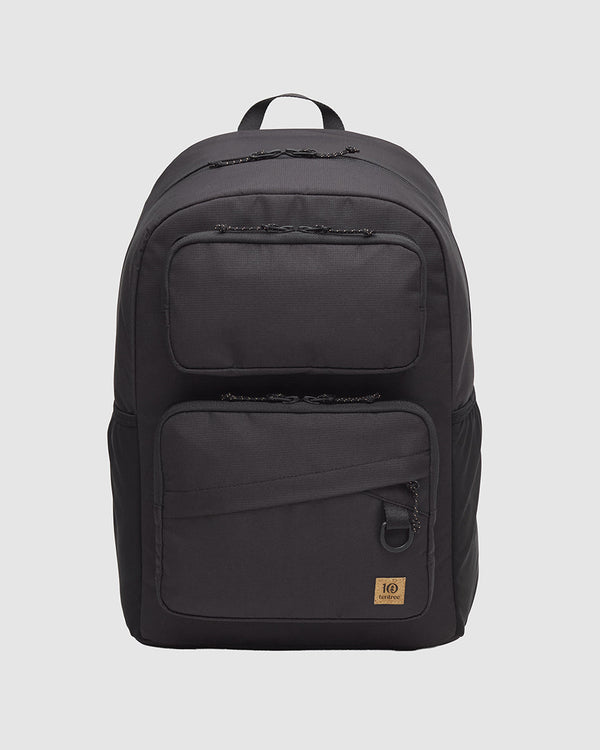
Tentree embedded environmental action into its business model from the start, planting ten trees for every product sold. The collections use organic cotton, recycled polyester, and Tencel alongside low-impact dye processes. The brand makes the connection between clothing choice and land restoration more tangible than most.

Enter Store

About This District

Buying natural dye clothing requires adjusting a few expectations. First: color fastness. Natural dyes are generally less color-stable than synthetics, particularly with UV exposure and washing. Look for brands that specify mordanting processes, which lock dye into the fiber. Iron, alum, and tannin mordants each affect color and washfastness differently. Second: the palette is seasonal and limited. Brands that dye in small batches cannot guarantee exact color replication between runs. This is usually disclosed as a feature, but if you need an exact match to an existing piece, verify before purchasing. Third: fiber compatibility matters. Natural dyes work best on protein fibers like wool and silk, and on cellulose fibers that have been properly scoured and mordanted. Cotton and linen require more preparation than animal fibers to achieve good dye uptake. Look for brands working with organic fibers alongside natural dyes, as the fiber quality affects both the color result and the wear life. Price reflects process: natural dye clothing from skilled practitioners runs at a premium over conventional alternatives because the labor and ingredient cost are genuinely higher. Brands charging the same as fast fashion for natural dye claims deserve scrutiny.