Mint Districts Beauty

Best Natural Lip Balm Brands: Artisan DTC Picks Worth Trying

Most lip balms are petroleum-byproduct sticks with a splash of peppermint and a three-dollar price tag. These aren't those. The independent natural lip care brands worth knowing are either deeply ingredient-obsessed, single-source lanolin, tallow from grass-fed cattle, organic beeswax from certified farms, or doing something genuinely interesting with formula, like a multi-use tinted balm that works on lips, cheeks, and lids. What unites them is an absence of filler and real people with real opinions behind the brand. A few of them have been quietly beloved by beauty nerds for years. Now they're easier to find than ever.

Beauty · 7 Brands

The Natural Lip Care District

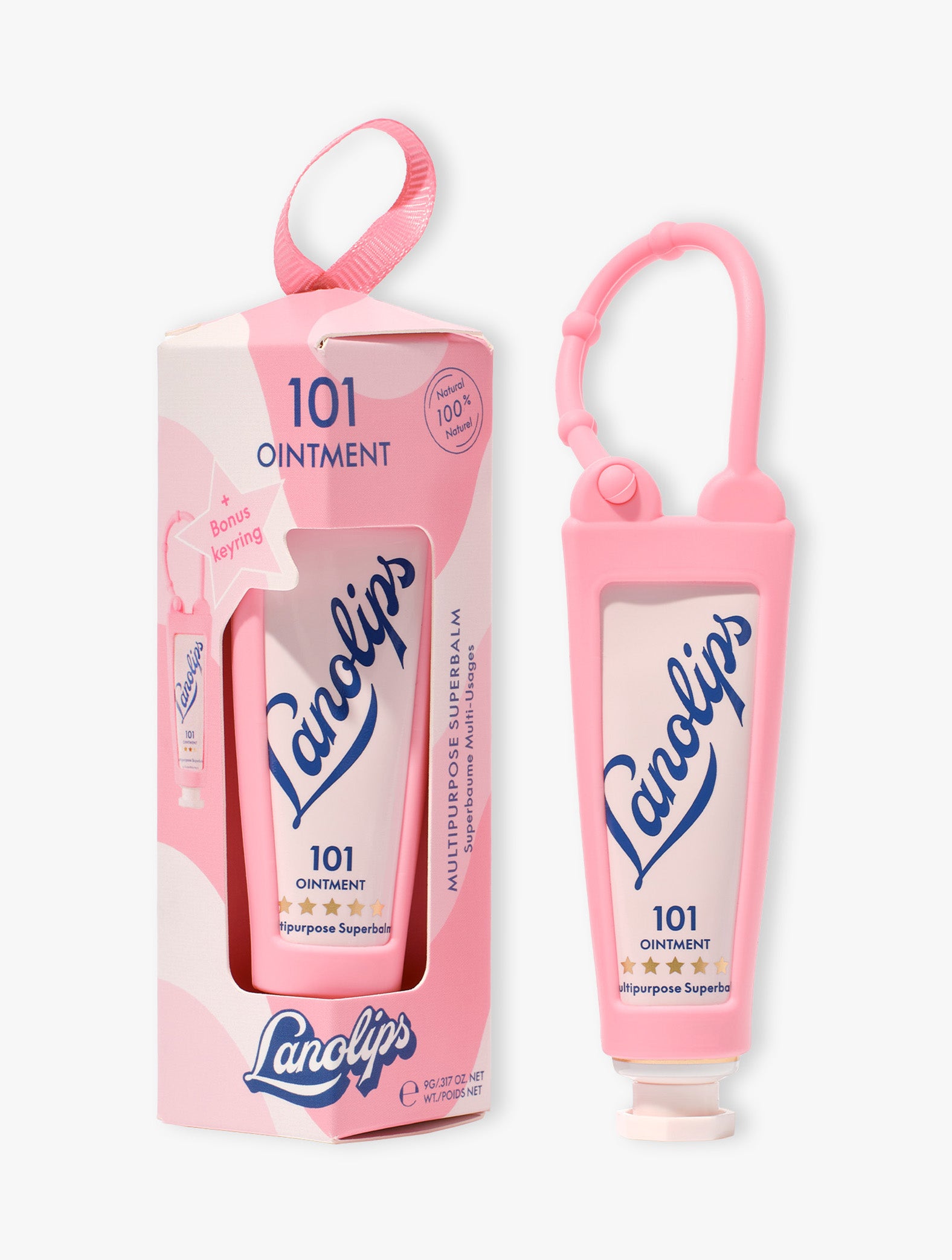
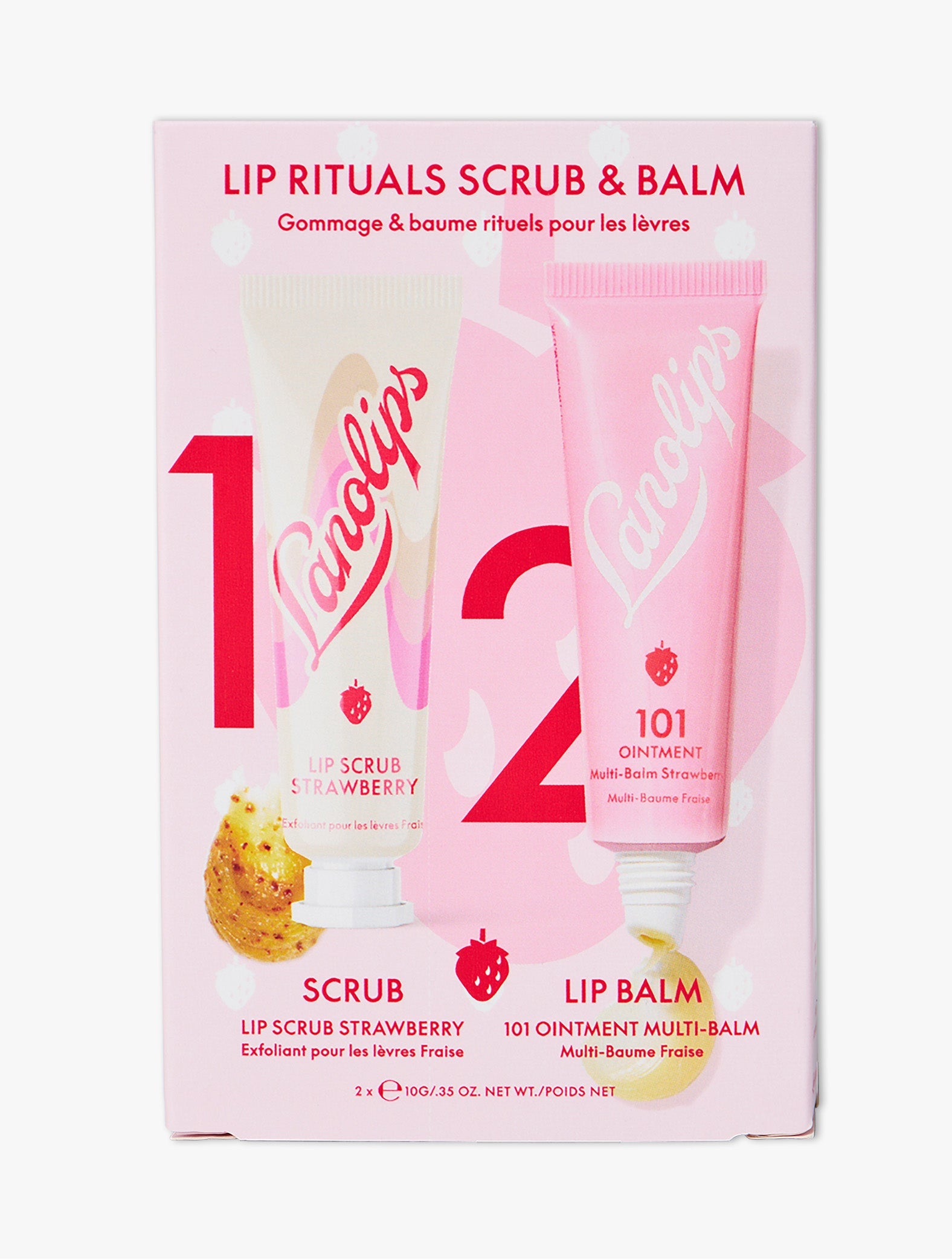
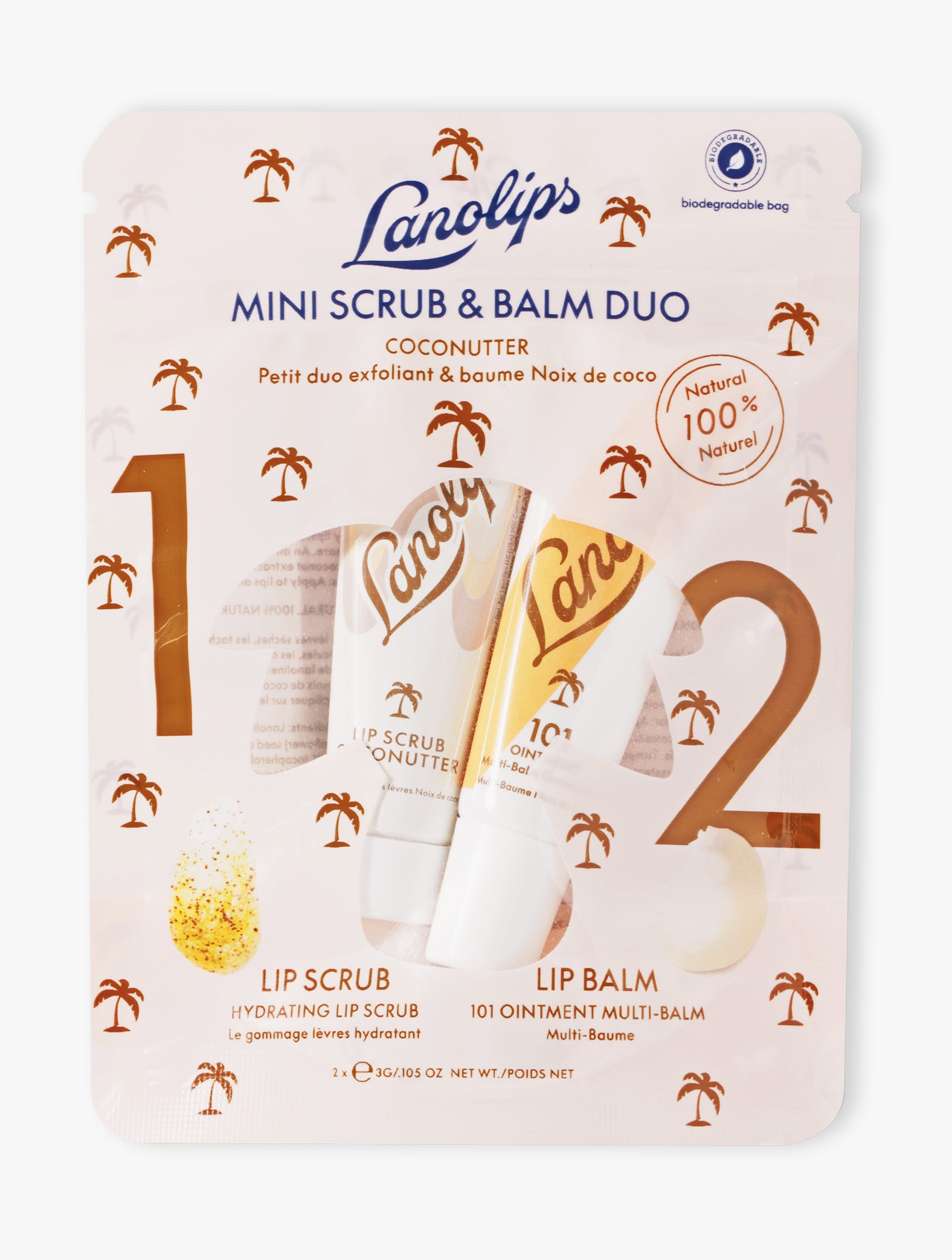
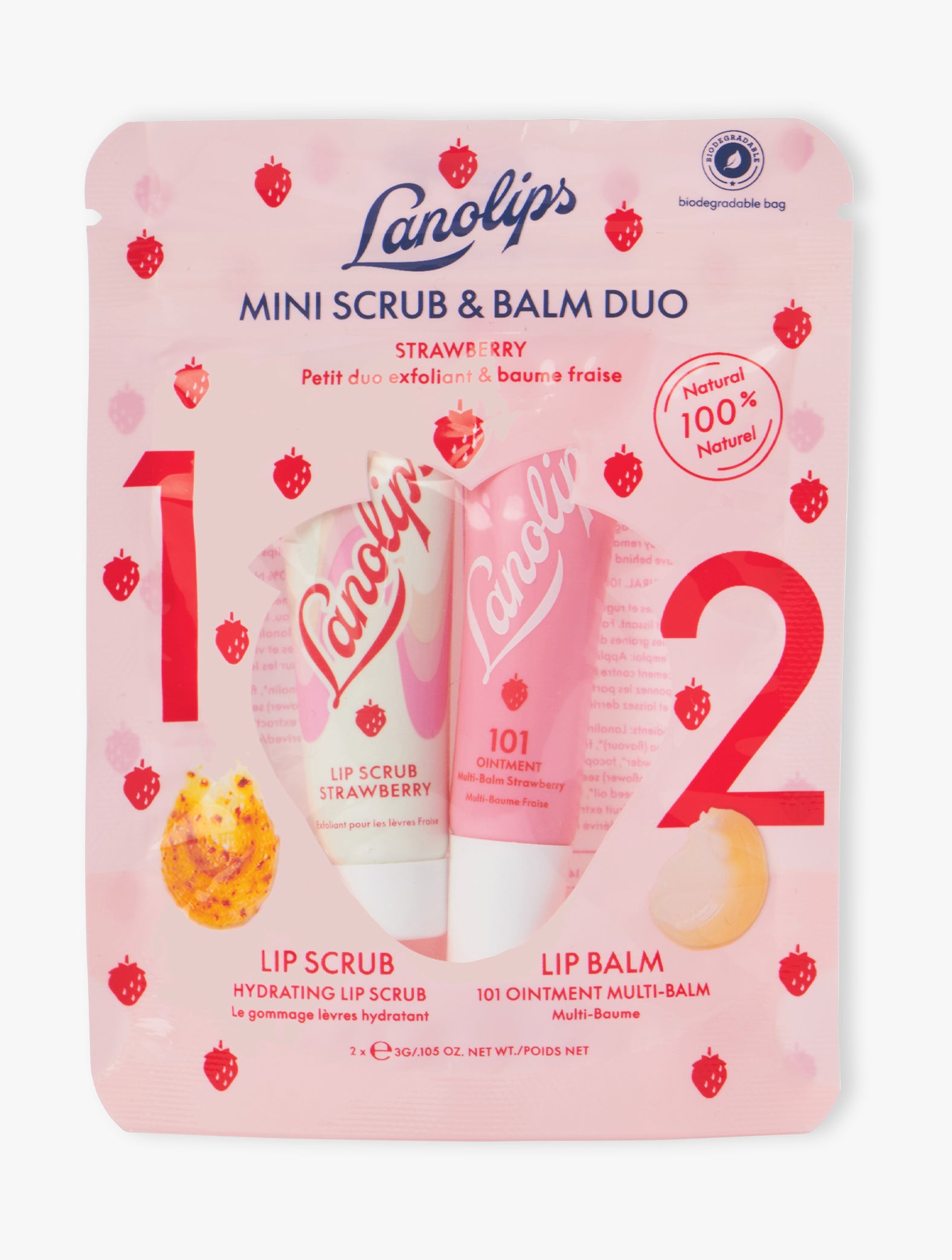
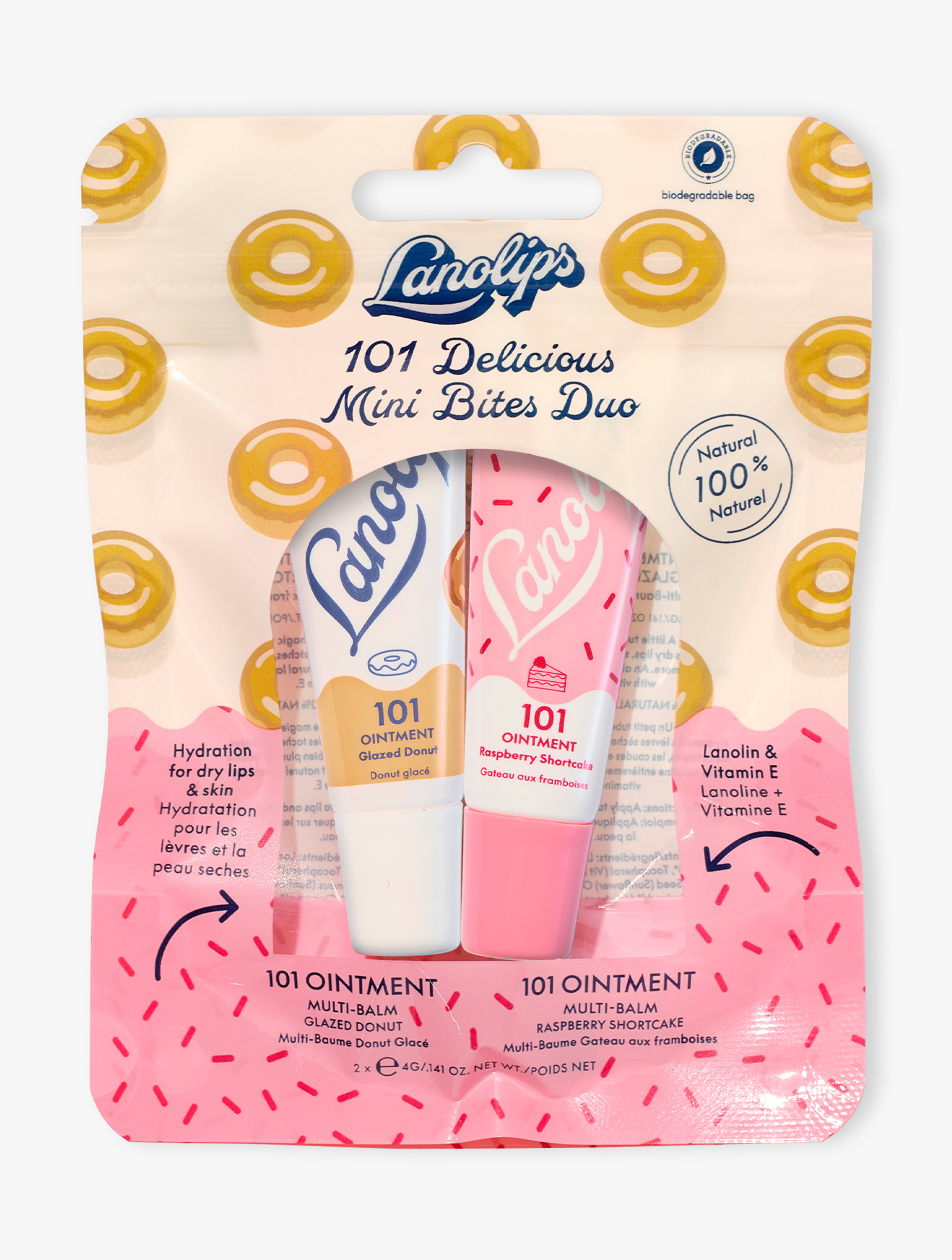
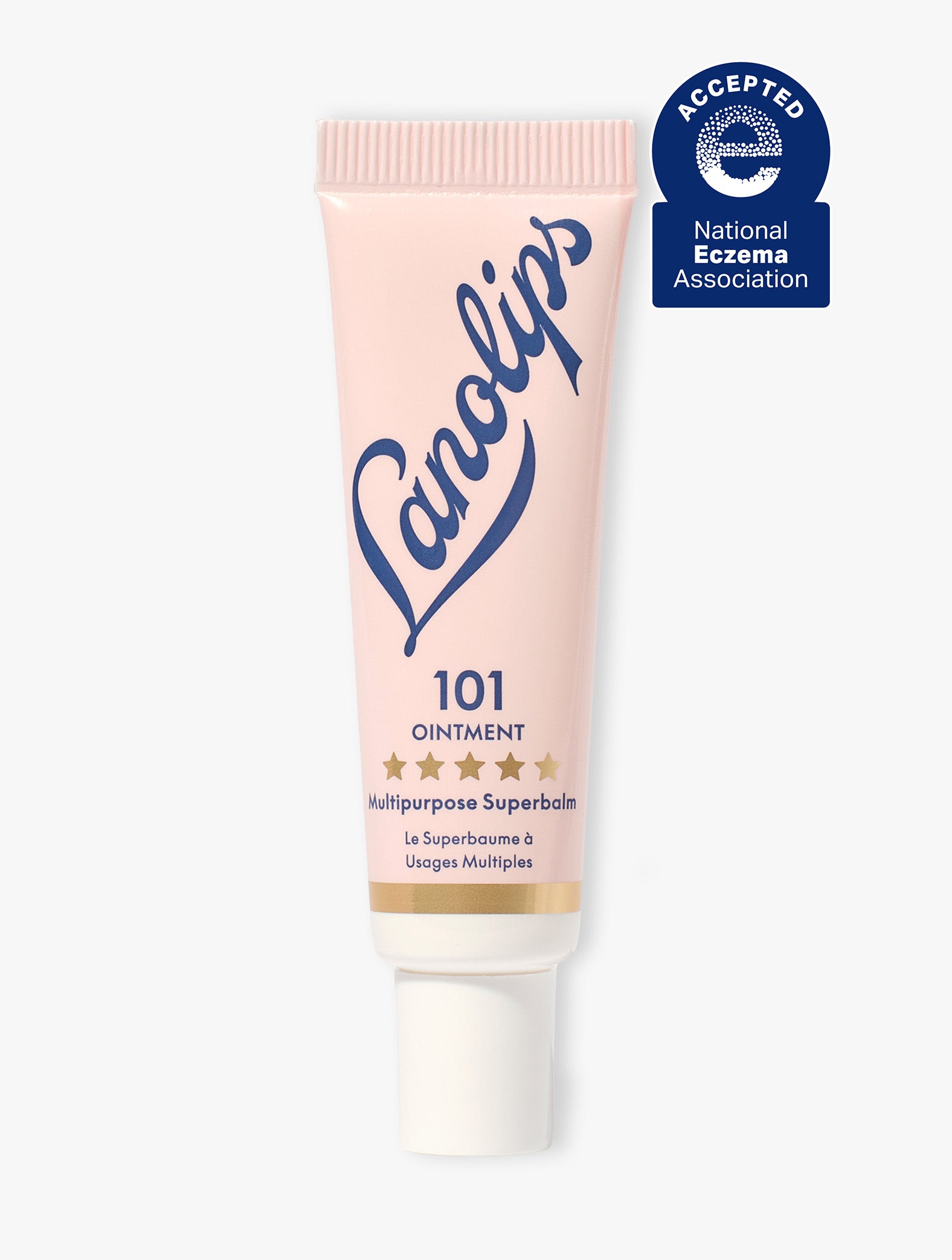
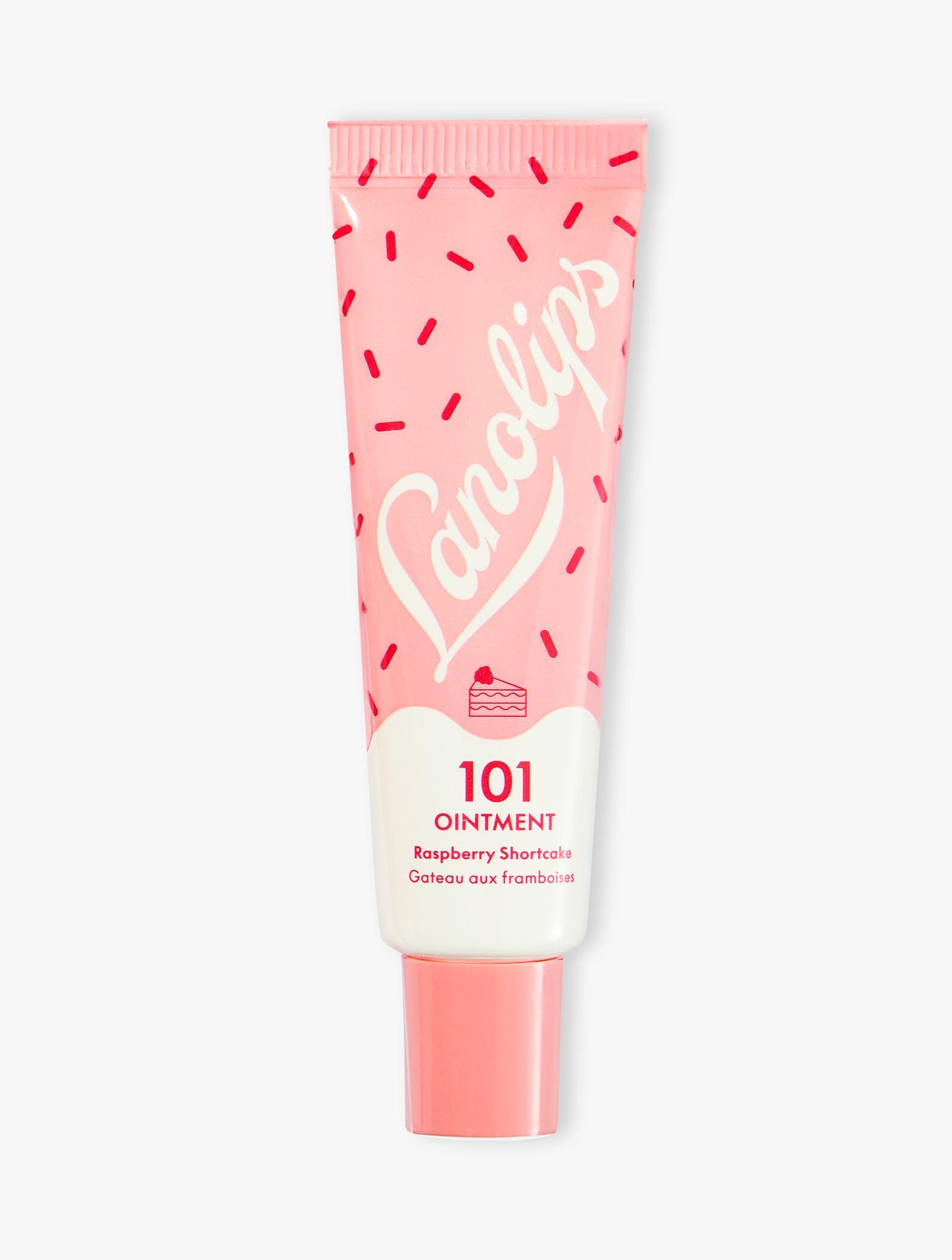
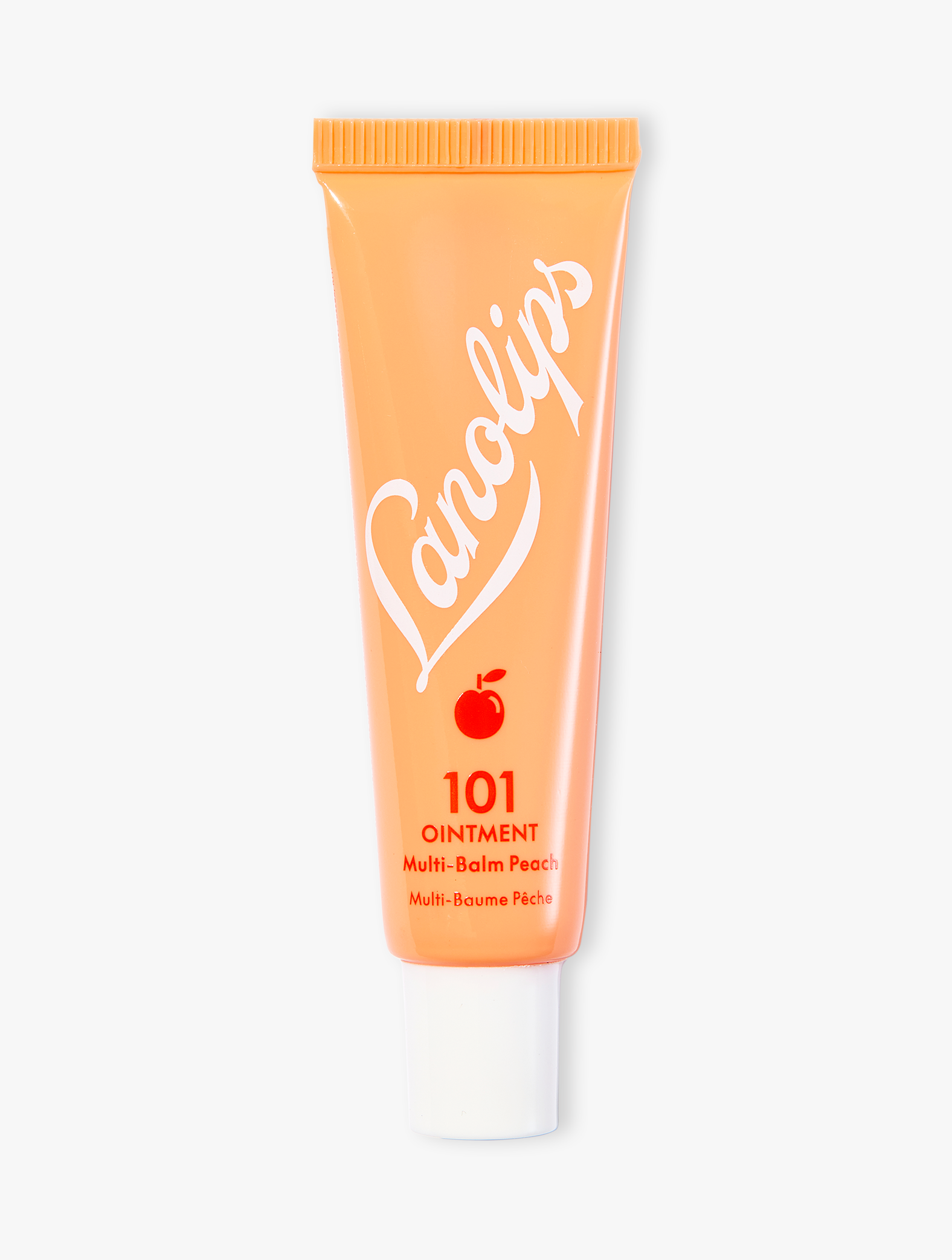
Lanolips

Pharmaceutical-grade lanolin, one standout ingredient, actually works

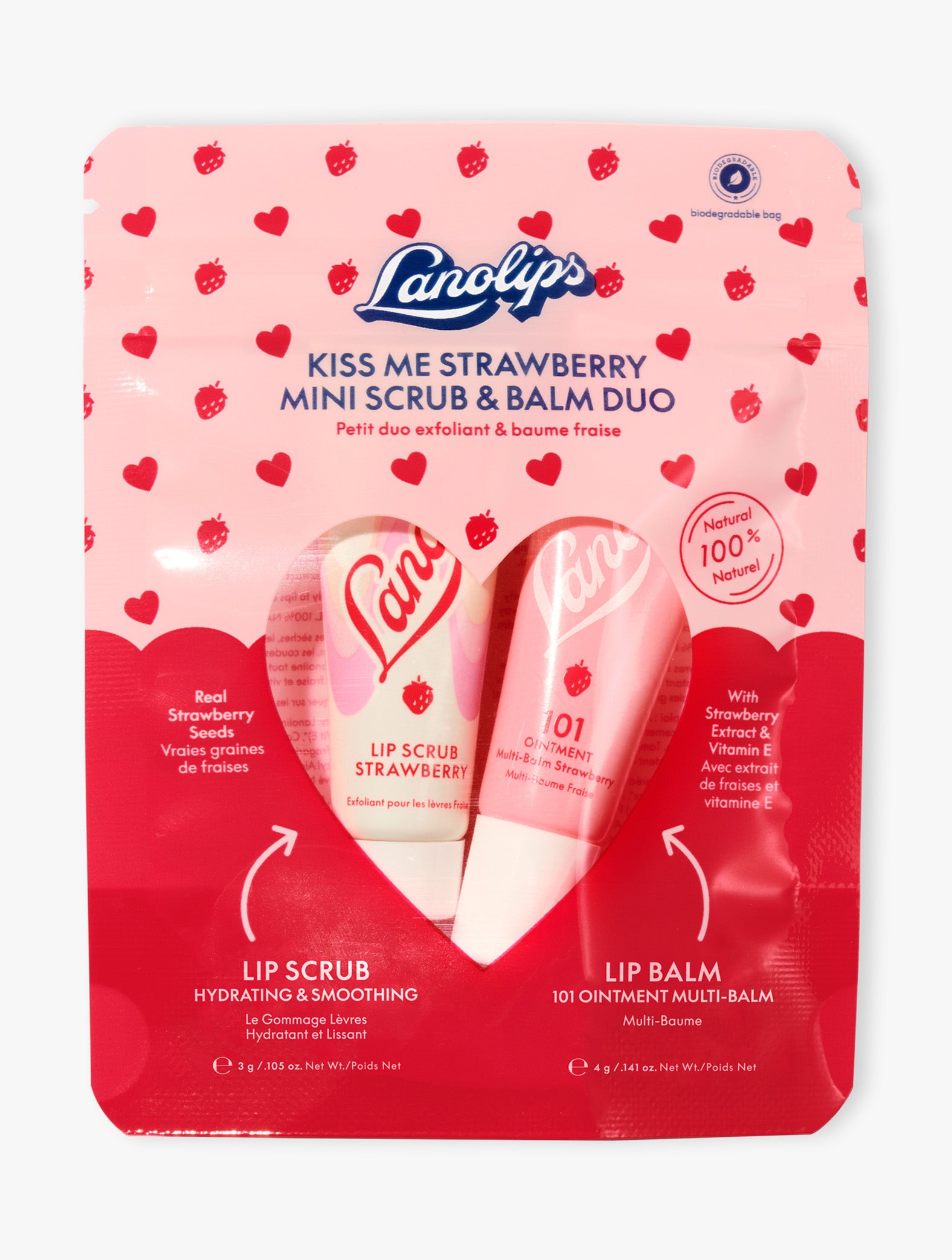
Founded in Australia after Kirsten Carriol couldn't find a lip balm that didn't require reapplying every hour. The 101 Ointment, pure pharmaceutical-grade lanolin, nothing else, became a cult product. Still formulated around the belief that the most effective skincare is usually the simplest; the US store ships the same core formula that started it all.
Enter Store

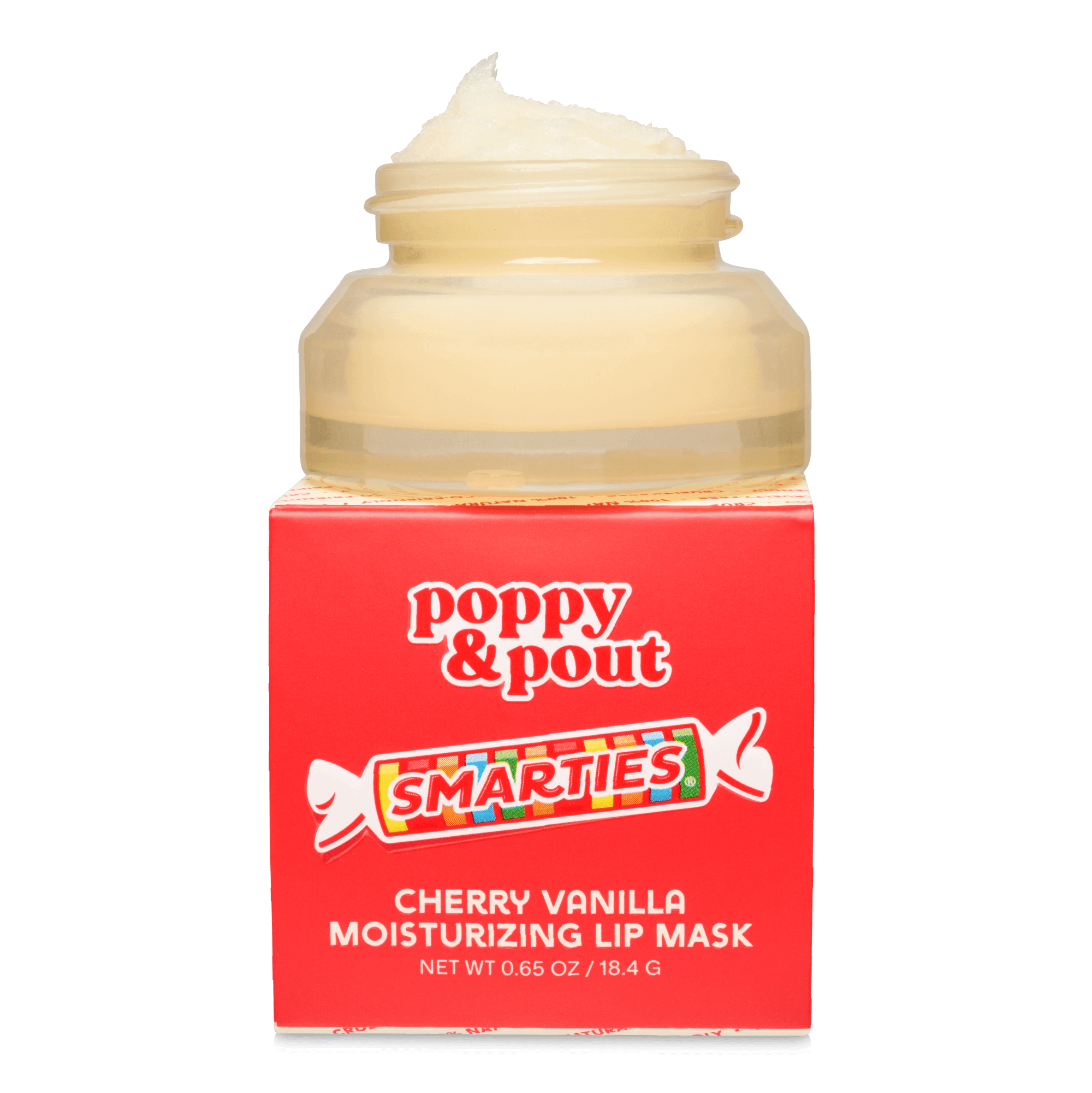
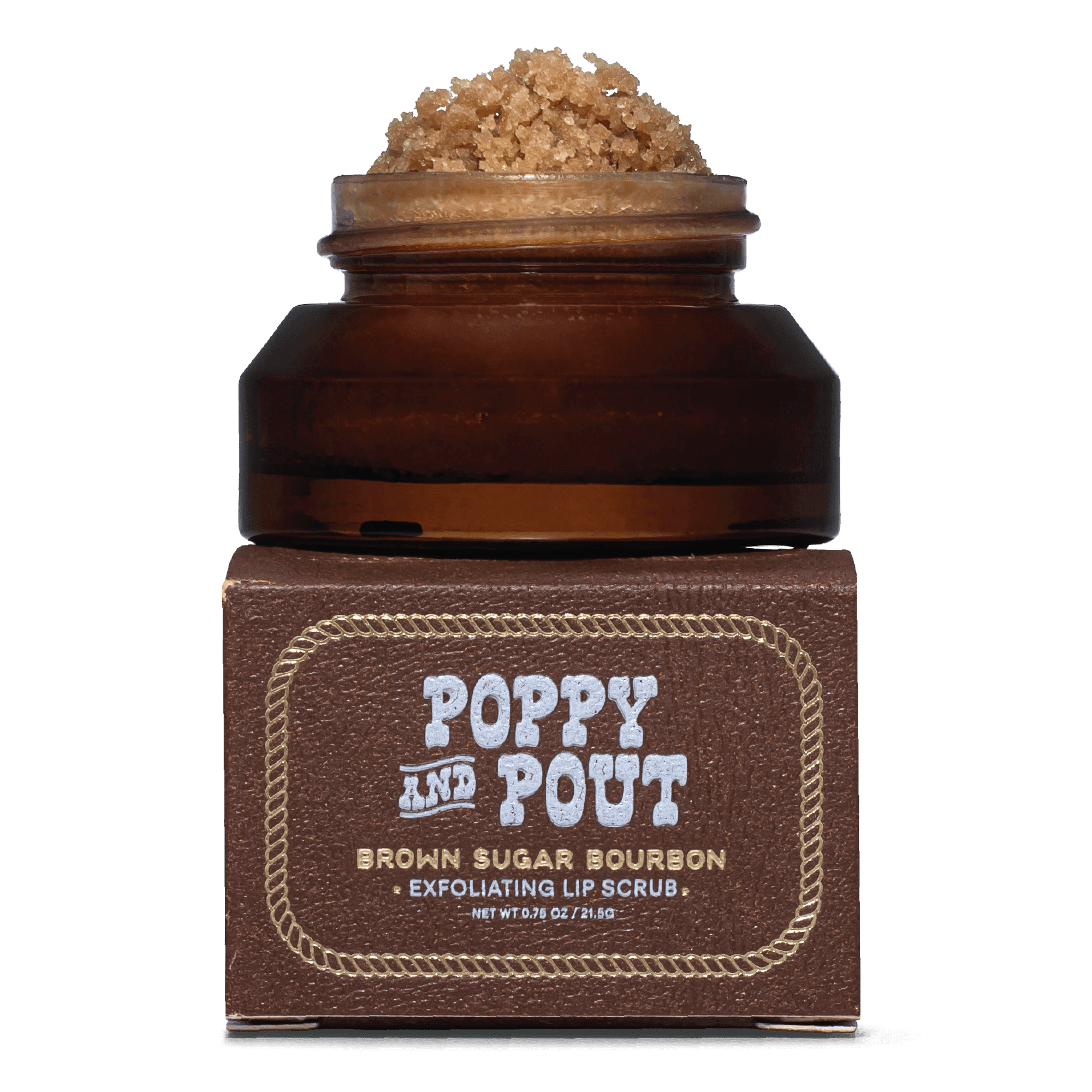
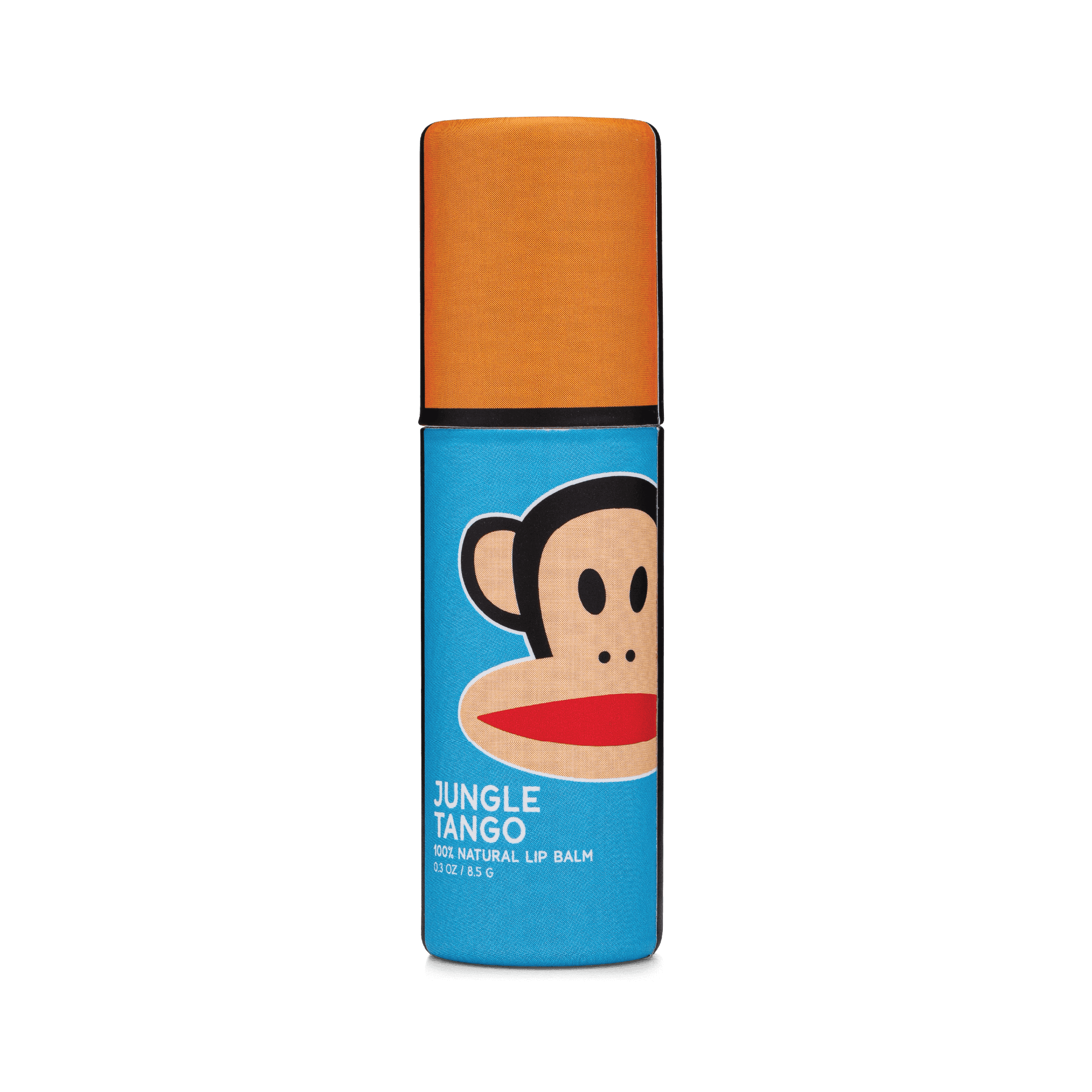
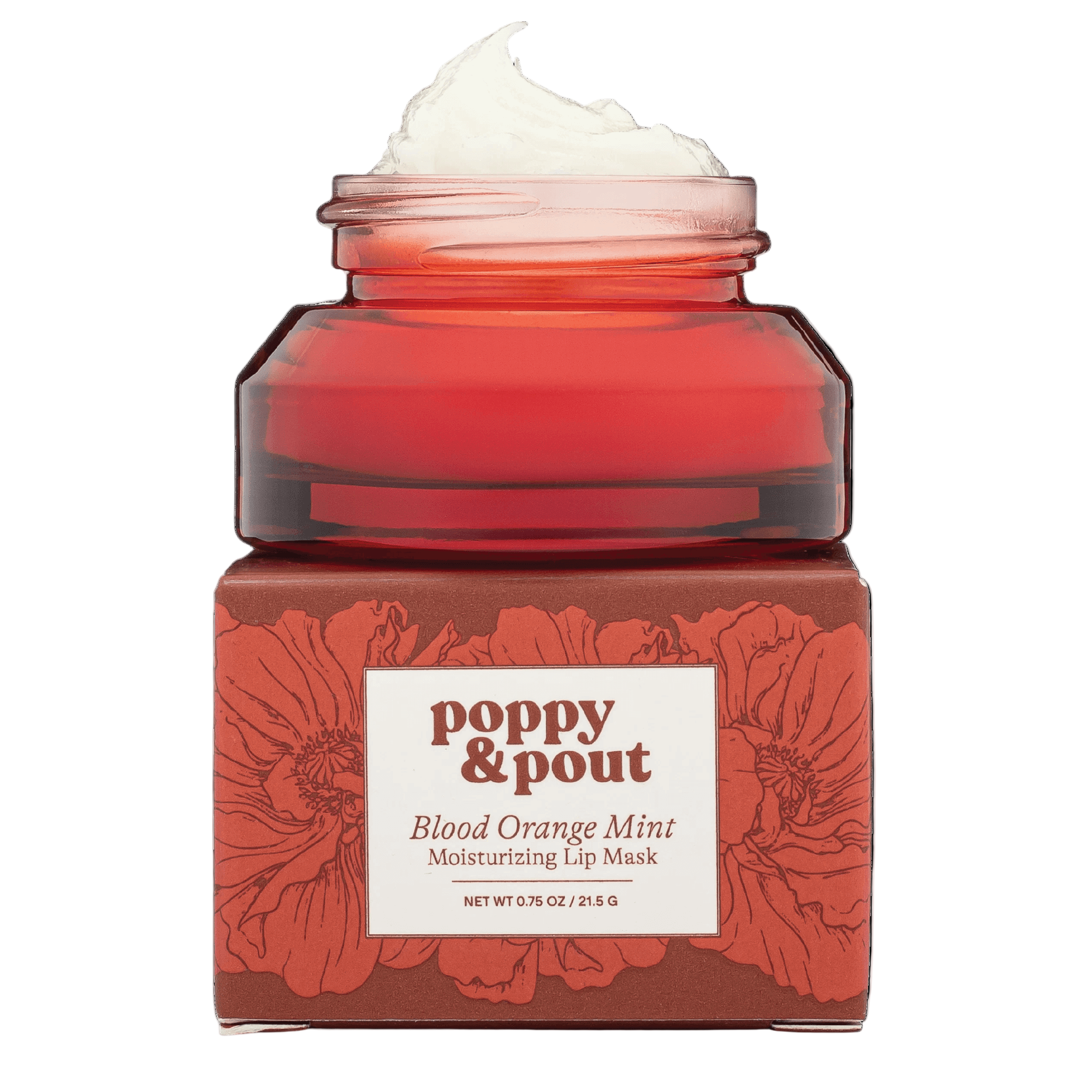
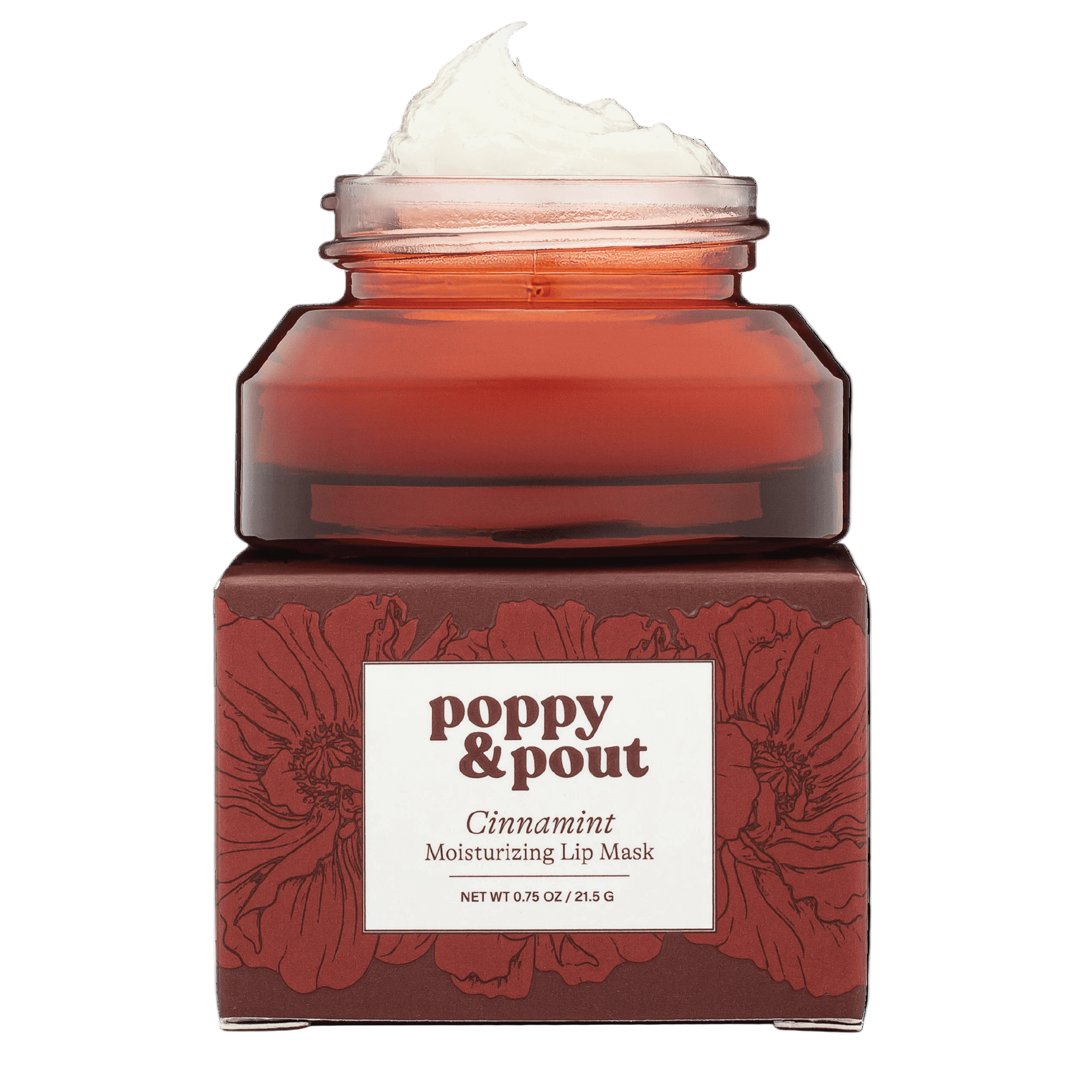
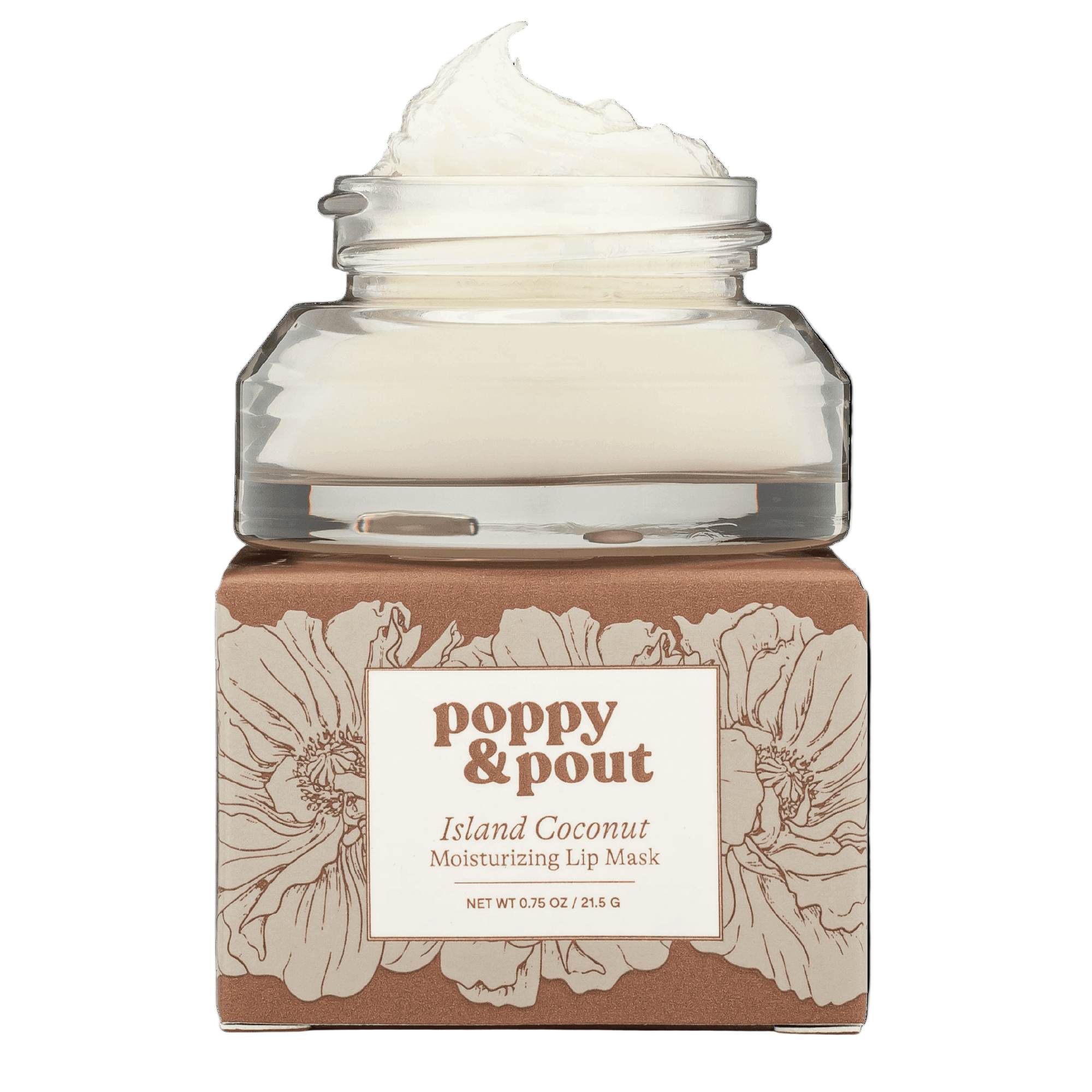
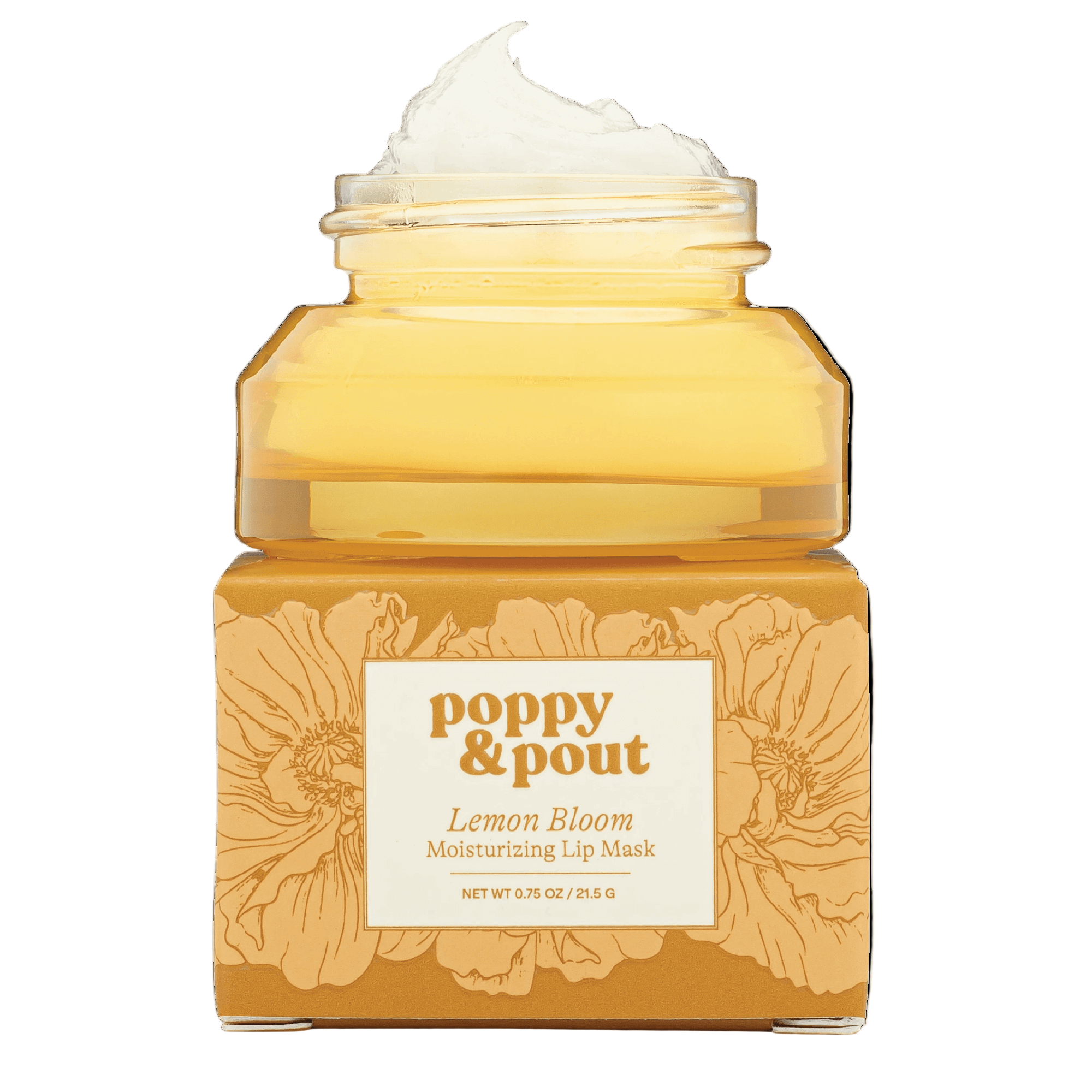
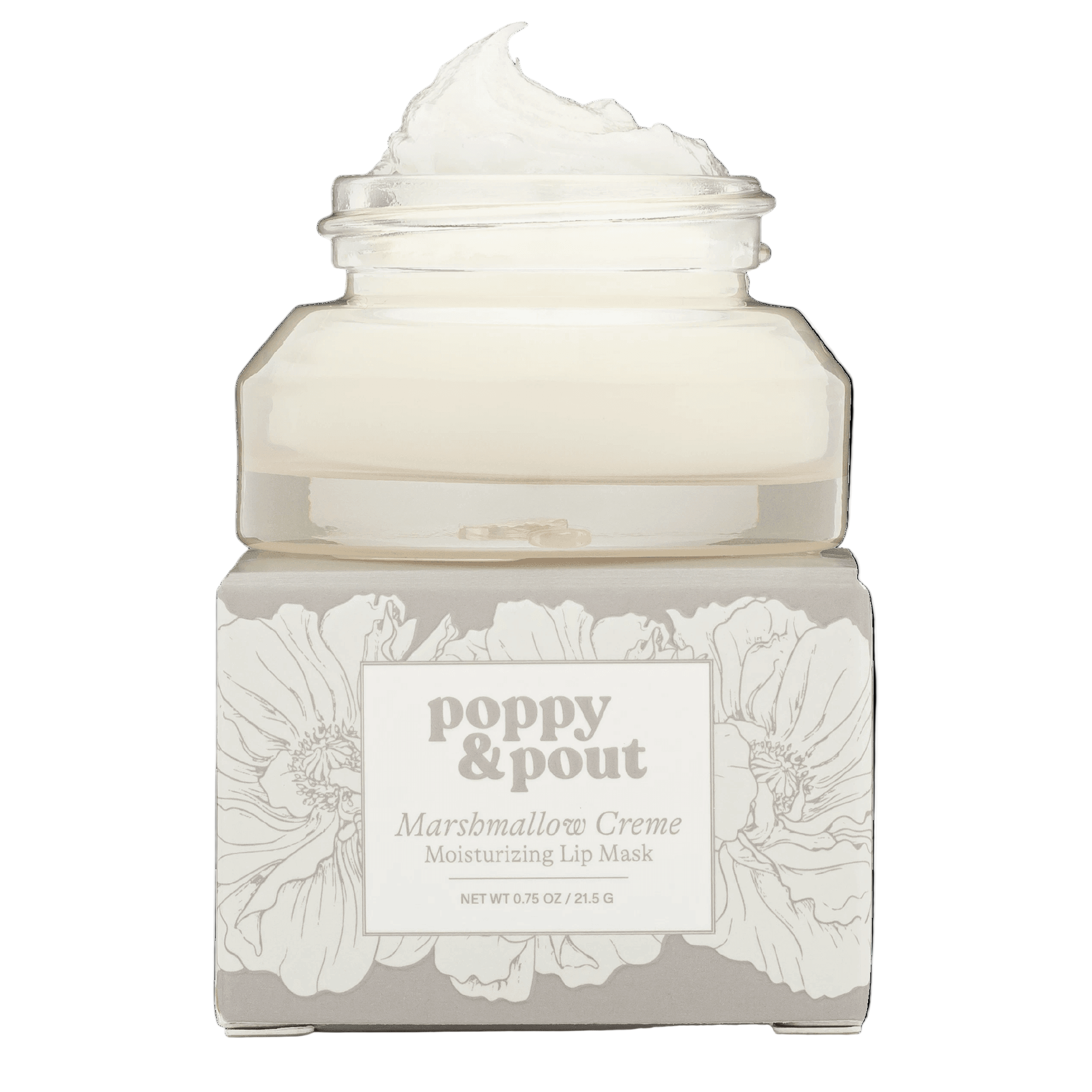
Poppy & Pout

Family-made in Idaho, beeswax-based, sustainable packaging to the last tin

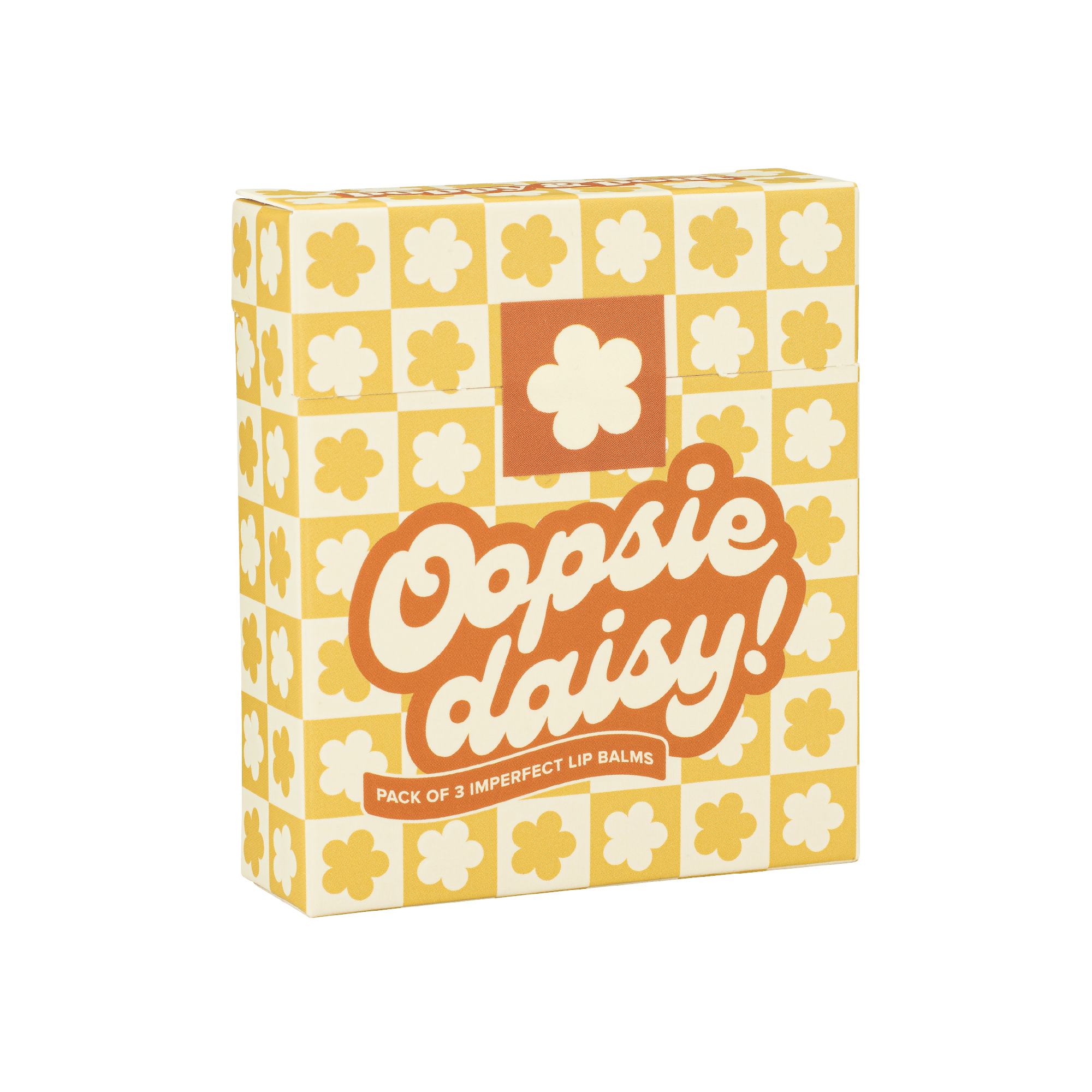
Started by a husband-and-wife team in southern Idaho who wanted a lip balm they felt good handing to their kids. Eco-forward packaging, certified cruelty-free, and a formula built around organic beeswax and plant oils. The kind of small brand that's been quietly doing the right thing before anyone was watching.
Enter Store

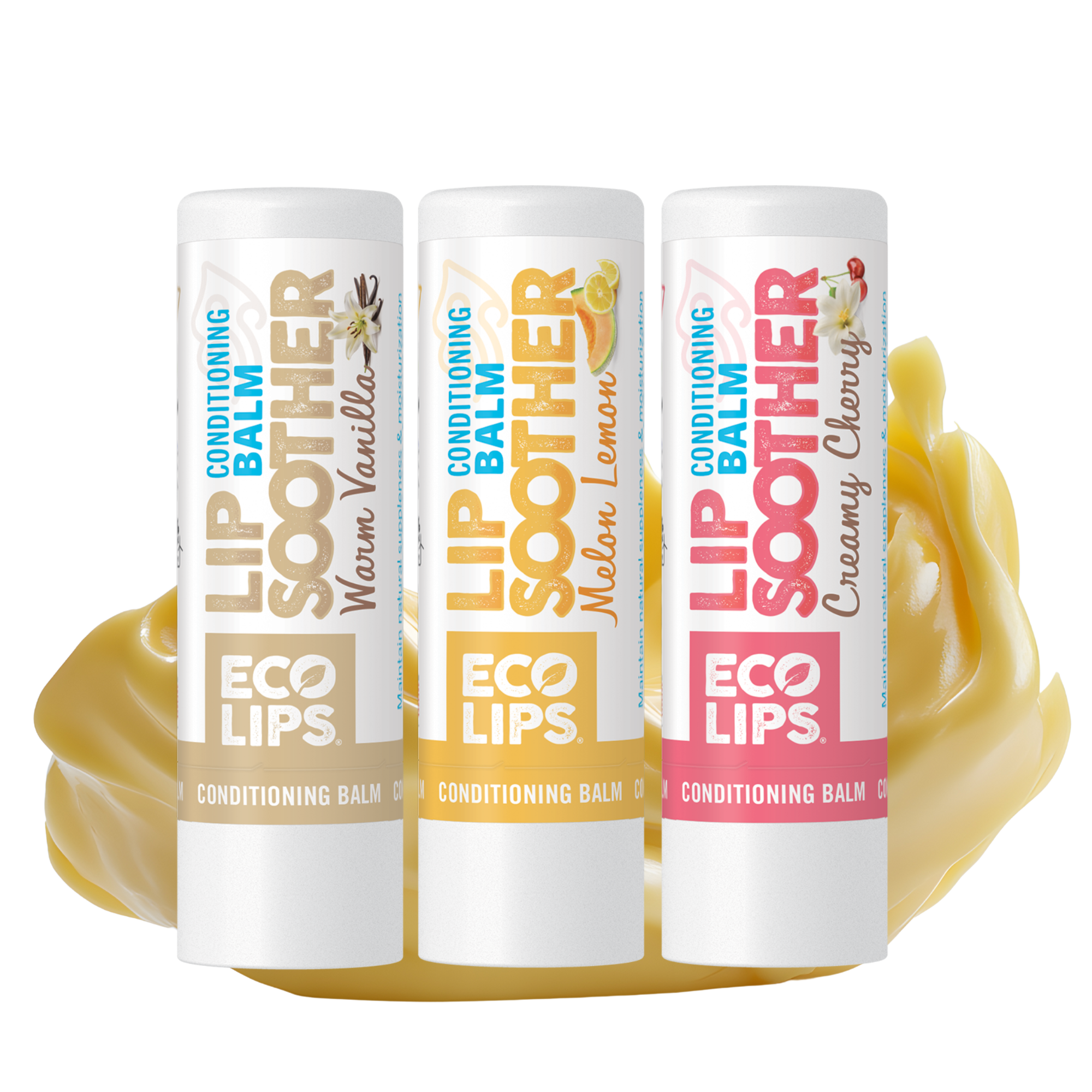
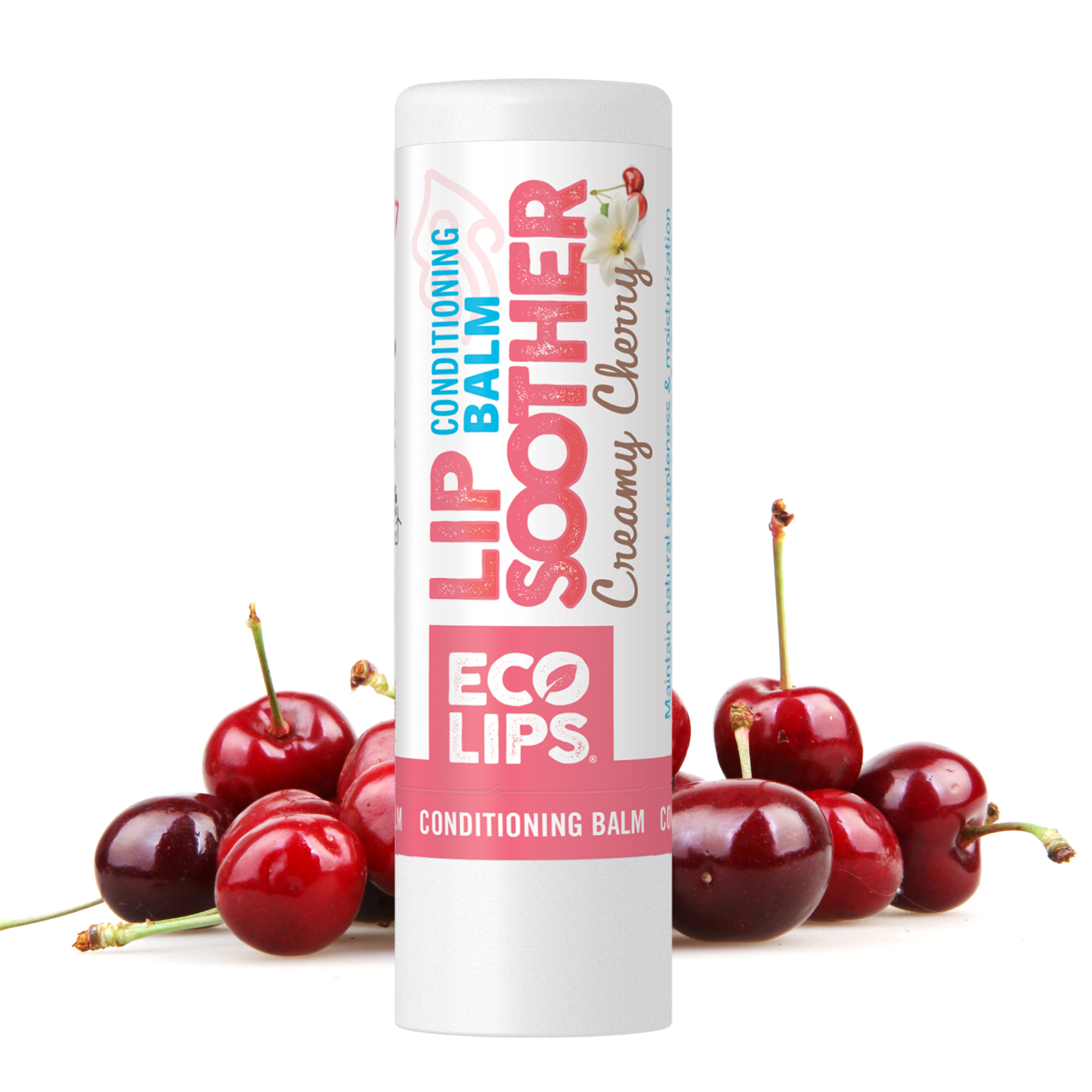
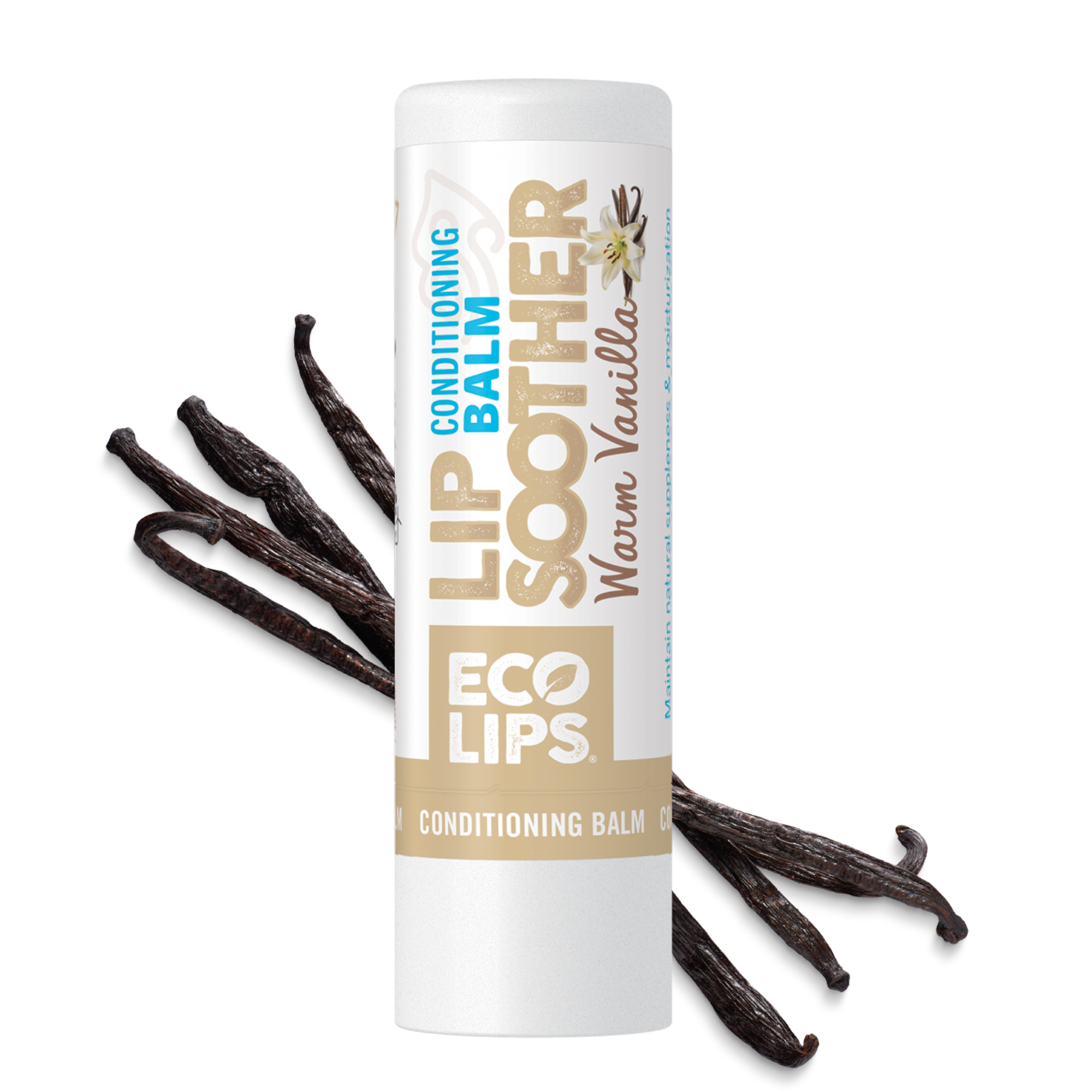
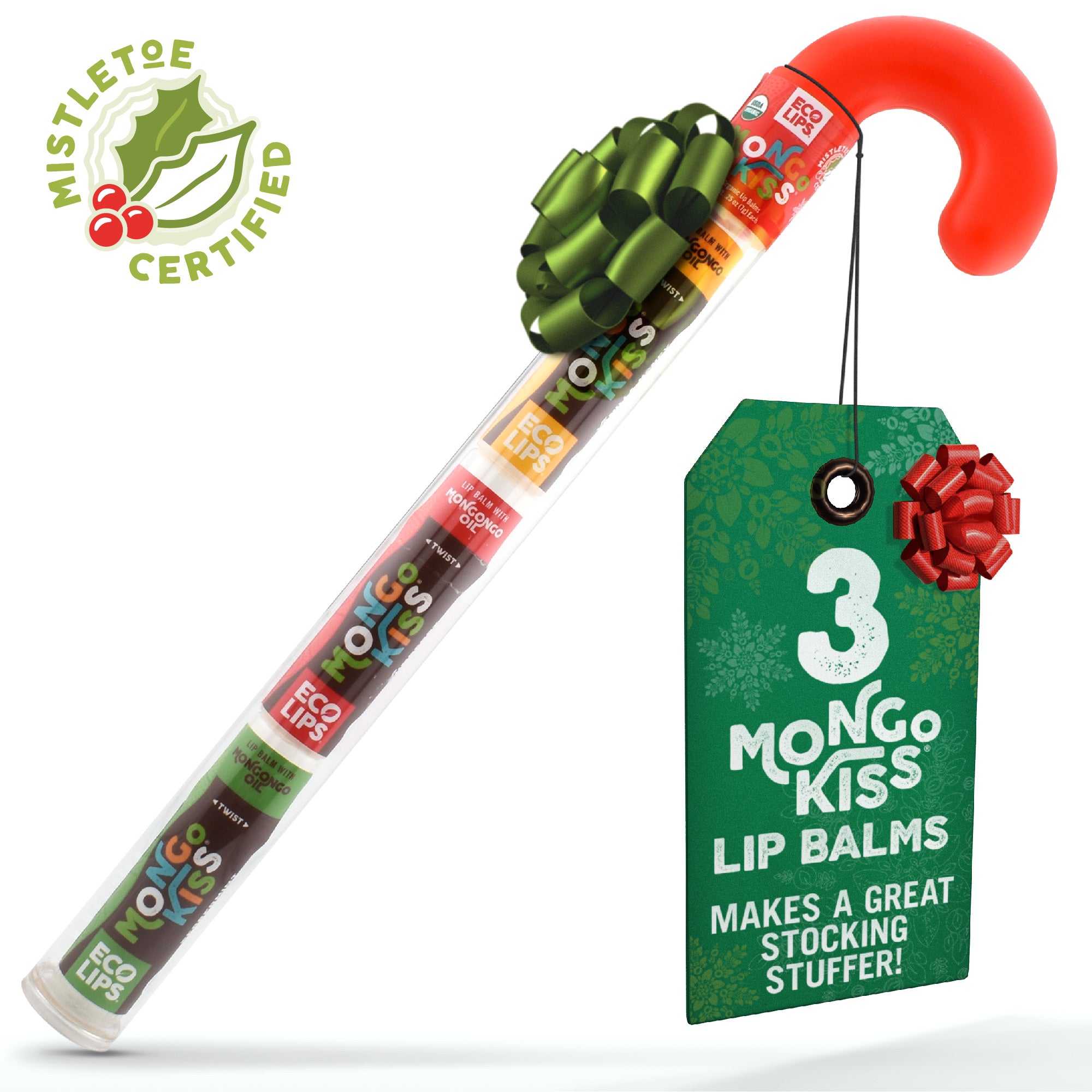
Eco Lips

B Corp-certified USDA Organic lip care, made in Cedar Rapids Iowa since 2003

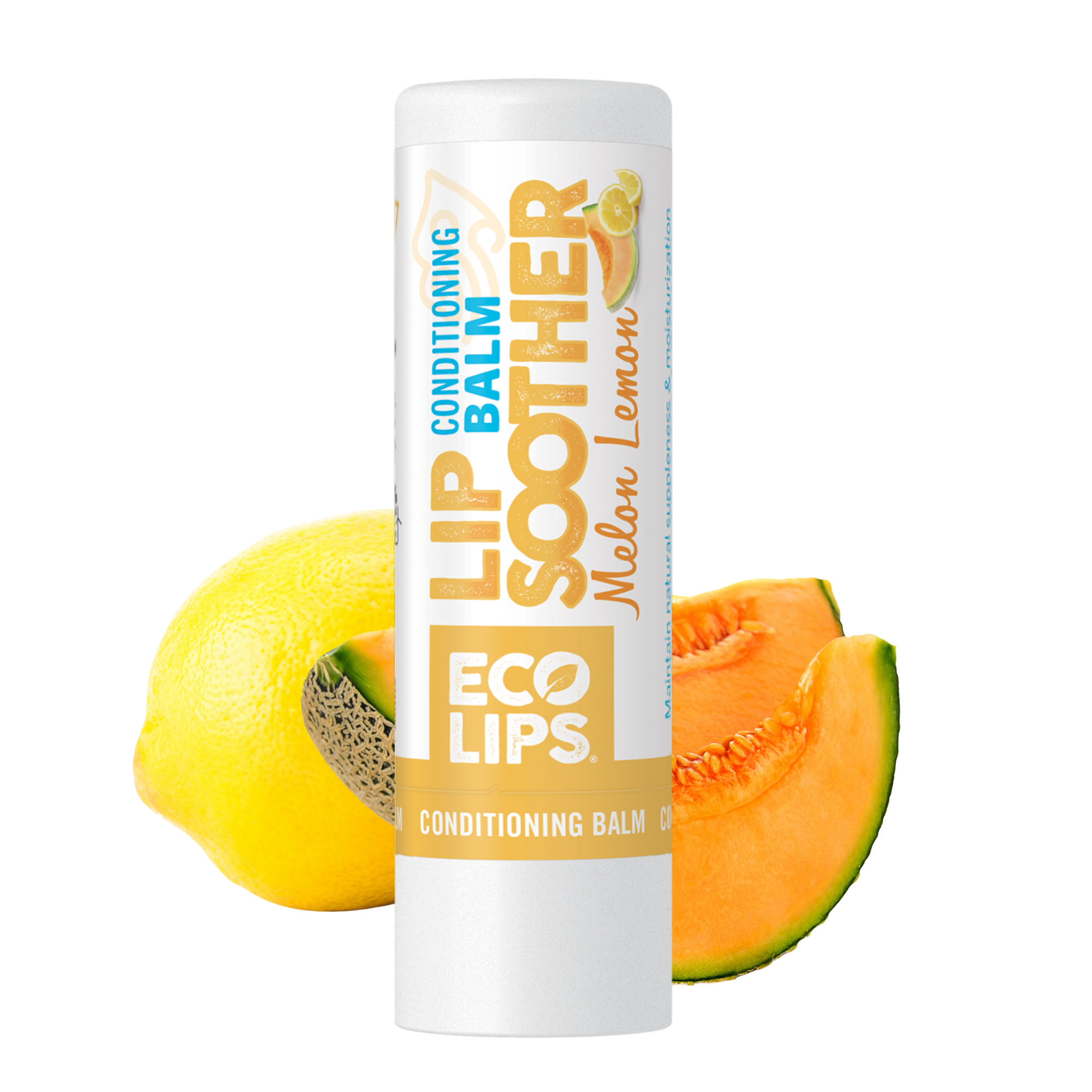
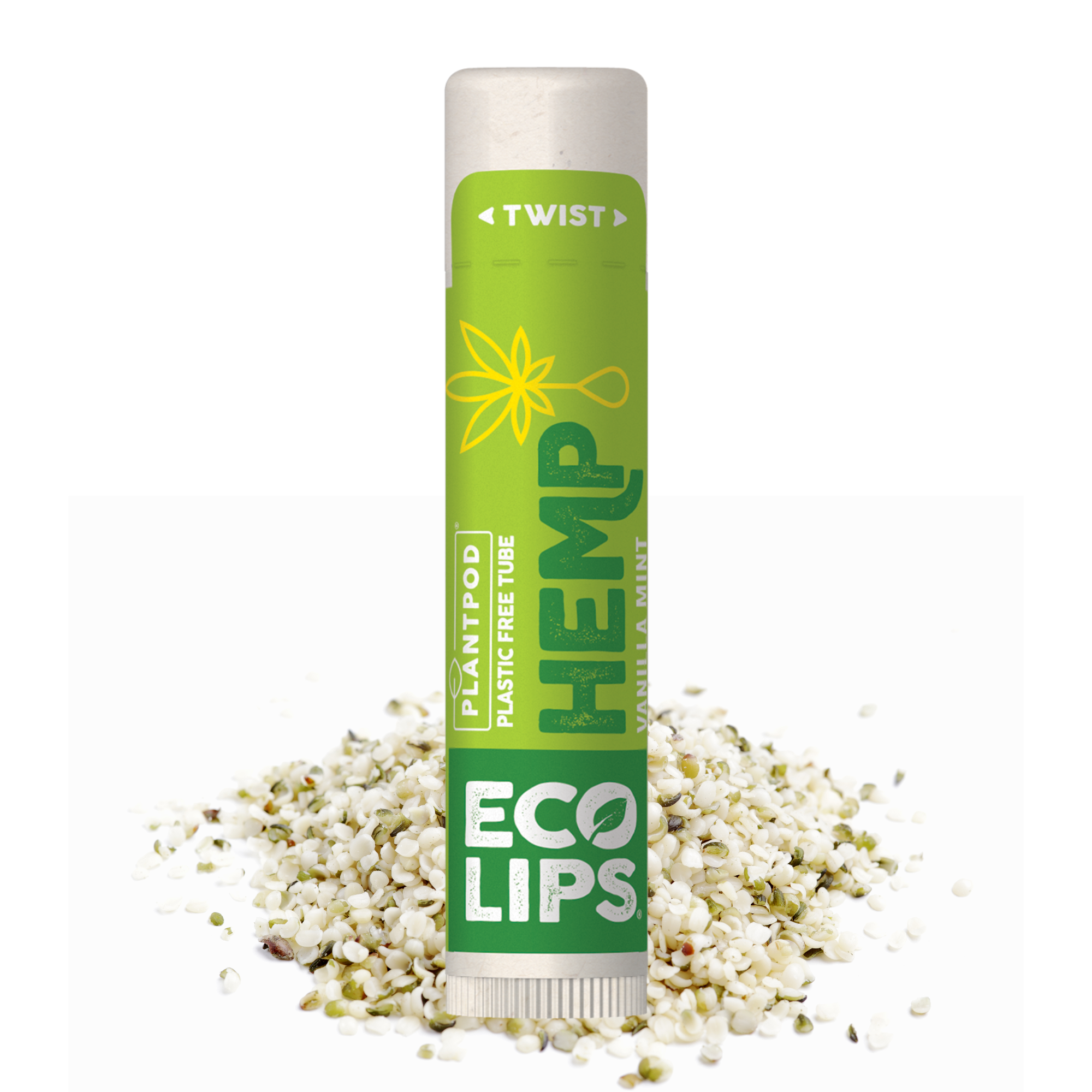
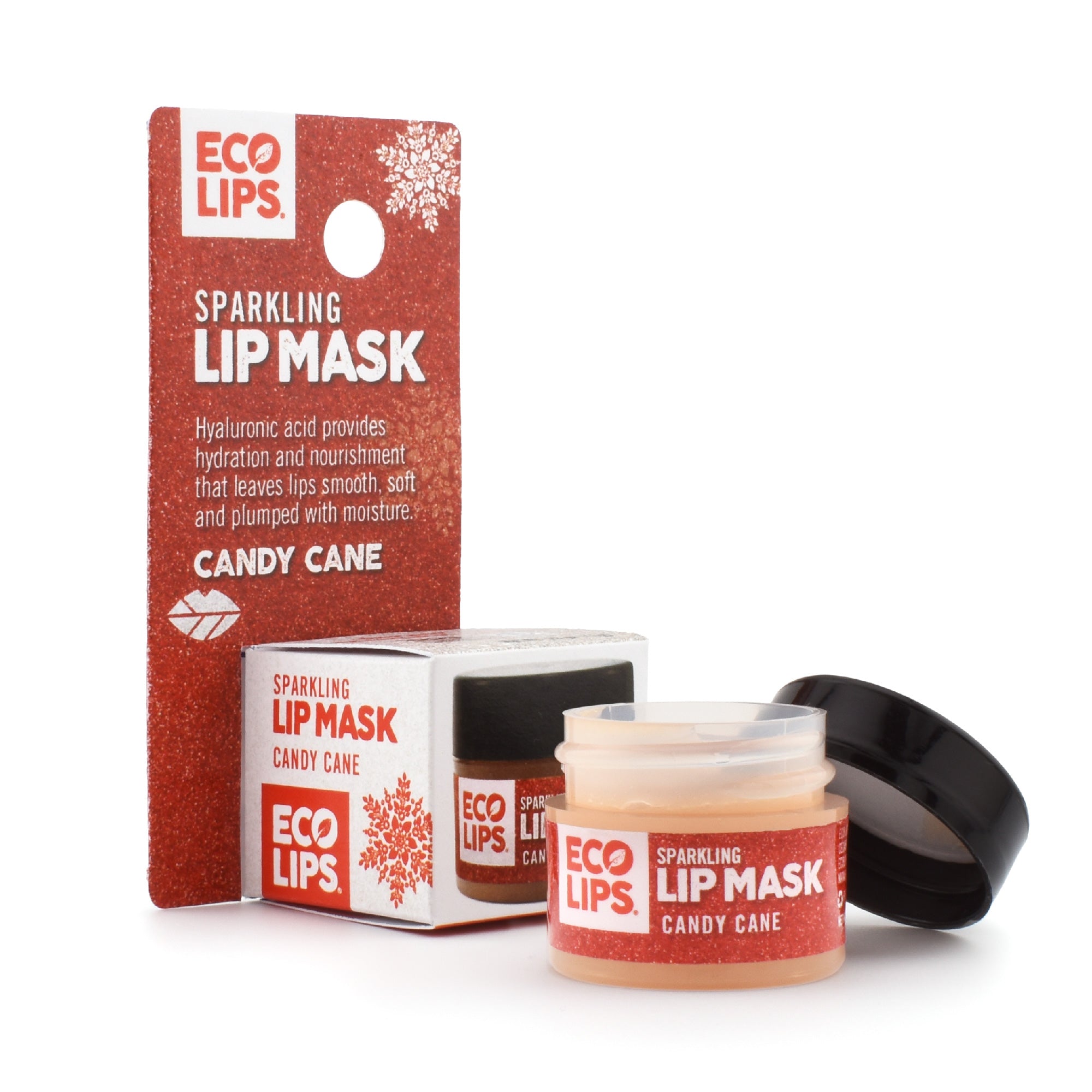
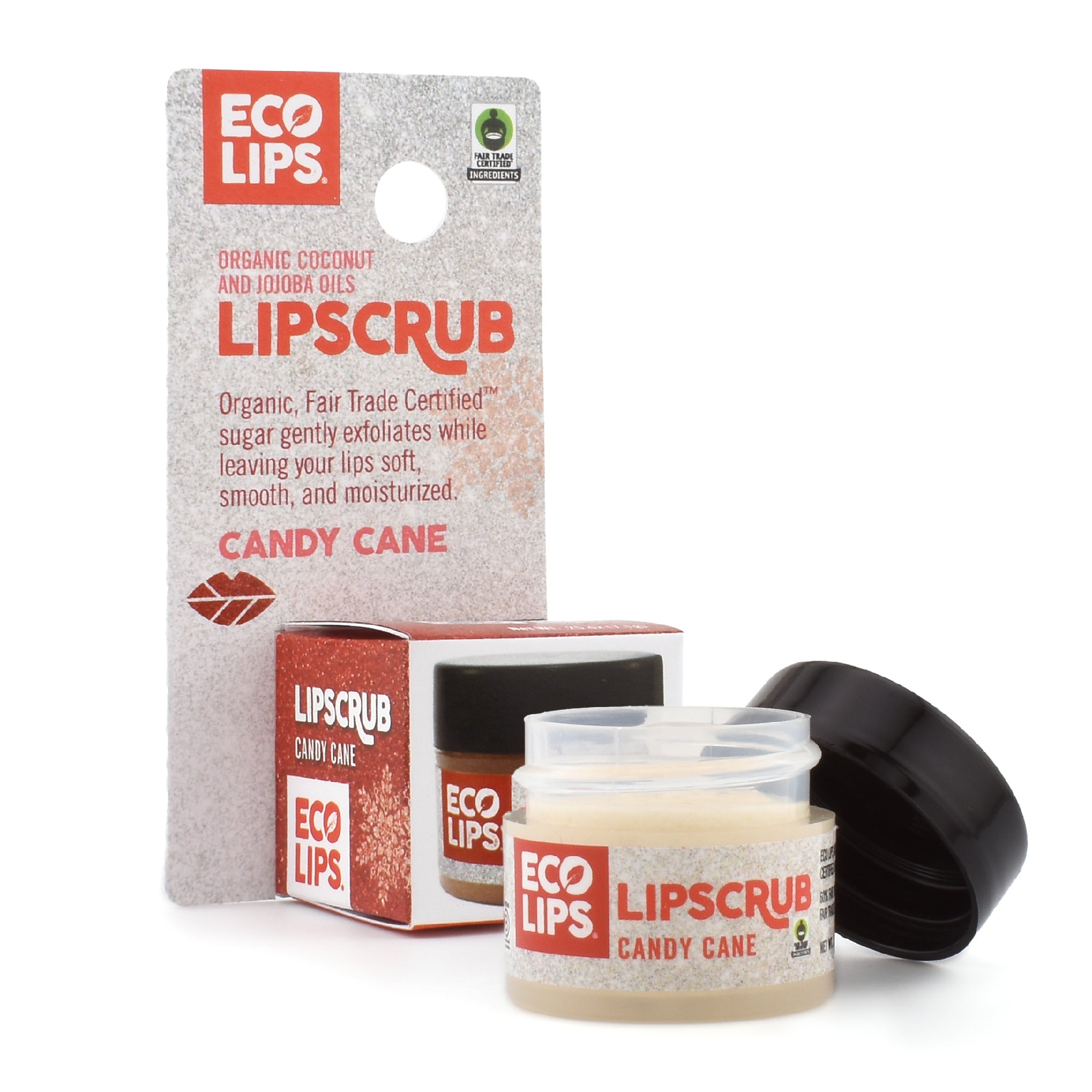
An Iowa-based maker that's been producing USDA Organic lip balm before clean beauty became a trend. Certified B Corporation, which means the whole business, not just the formula, gets audited for environmental and social standards. One of the most credentialed indie lip care brands in the US and consistently underrated.

Enter Store

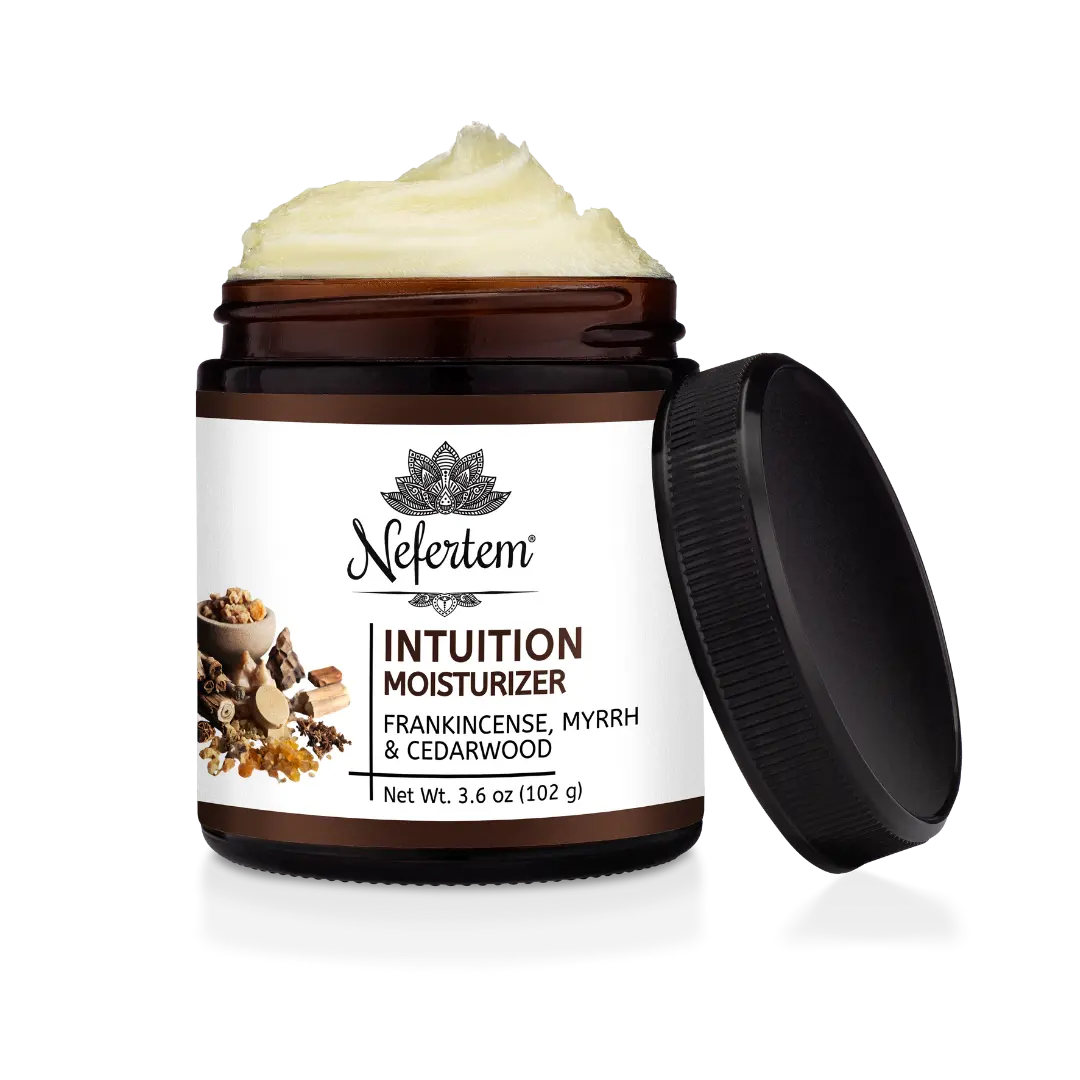
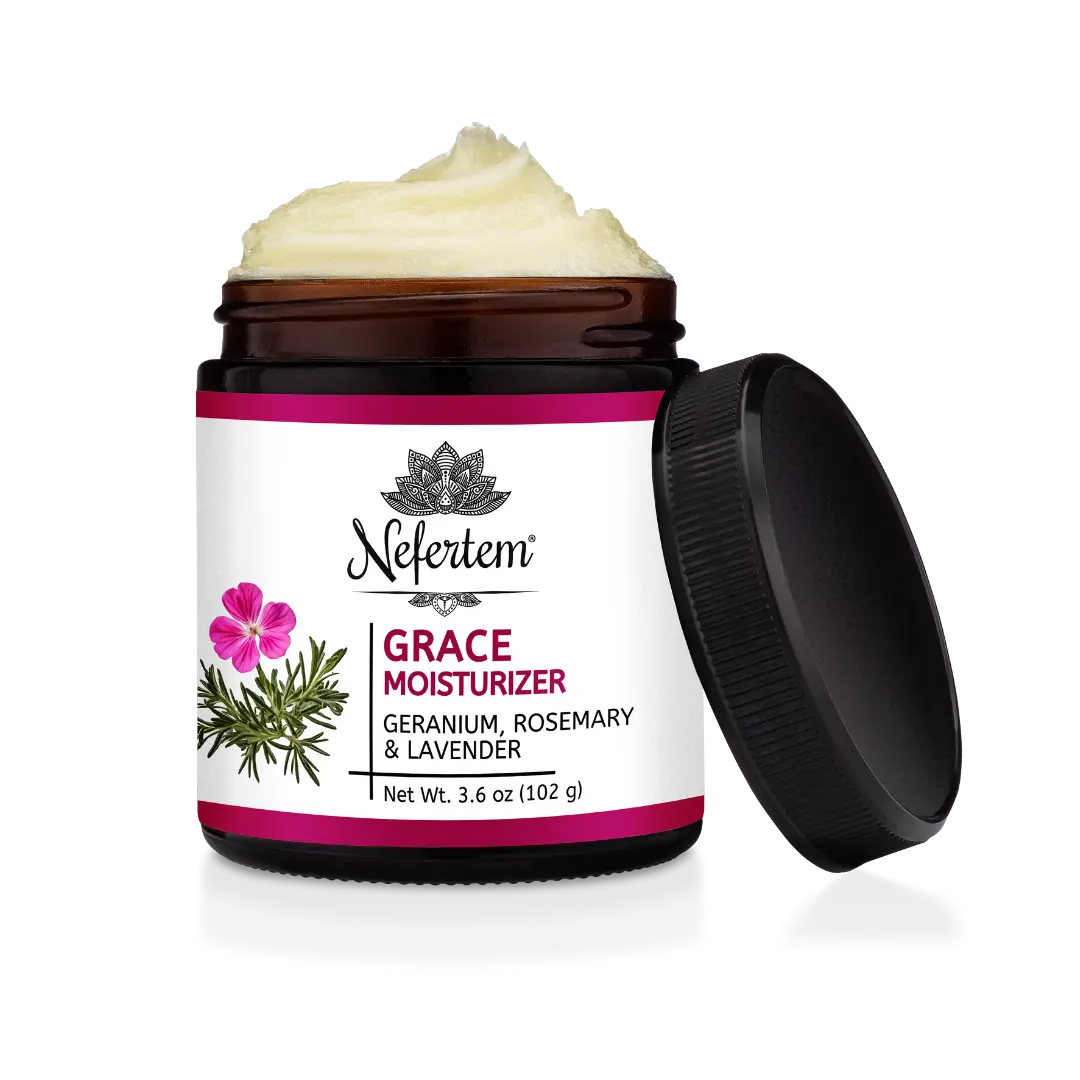
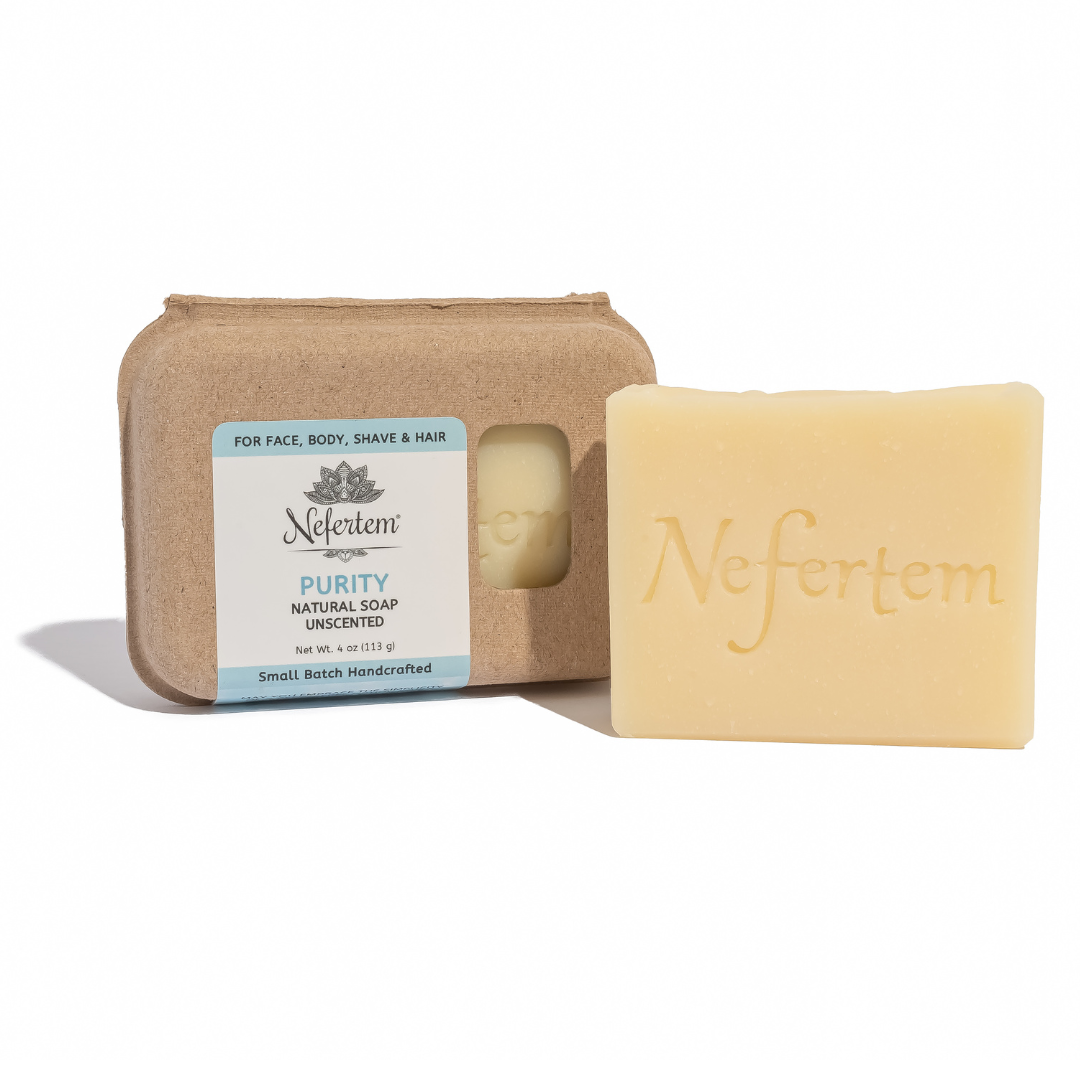
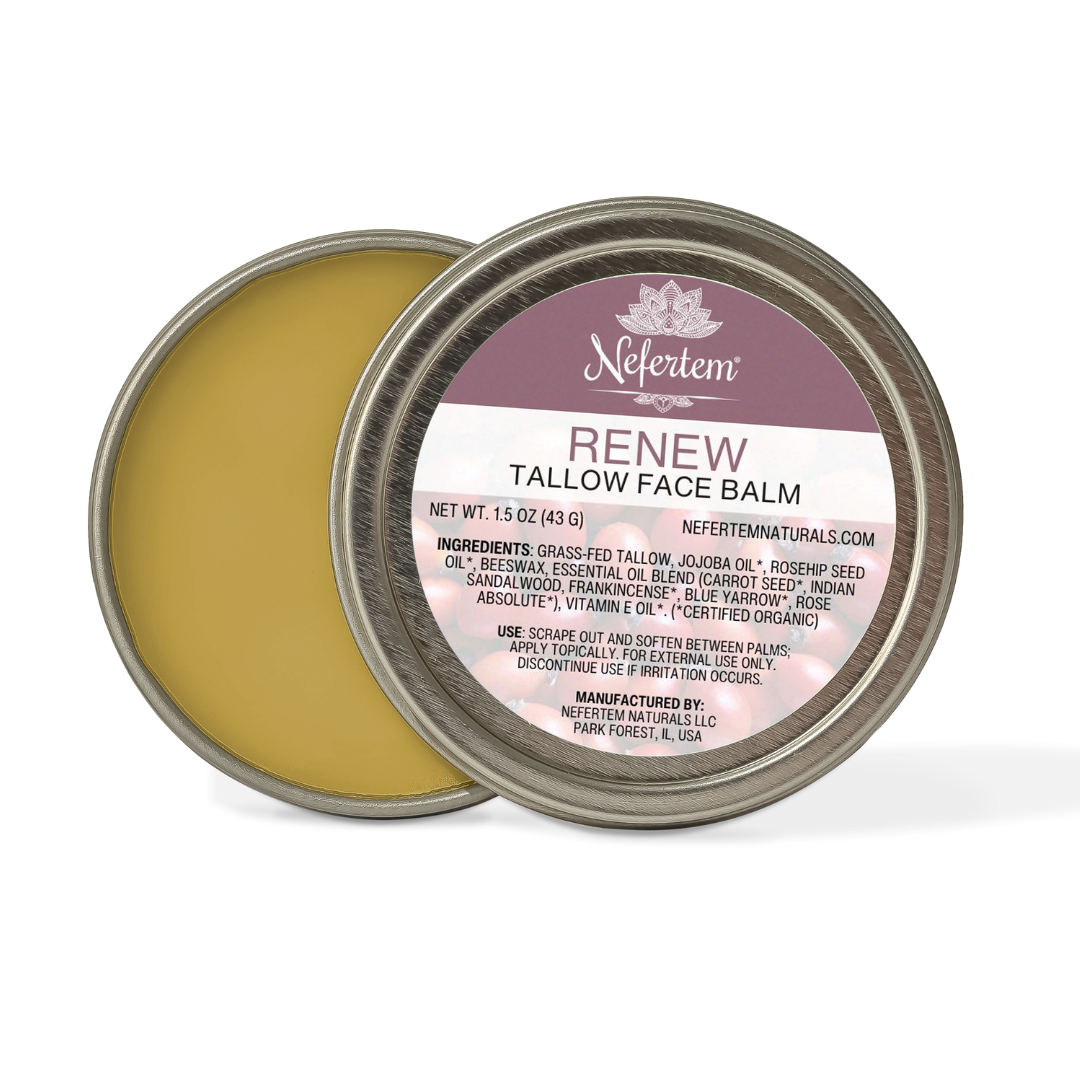
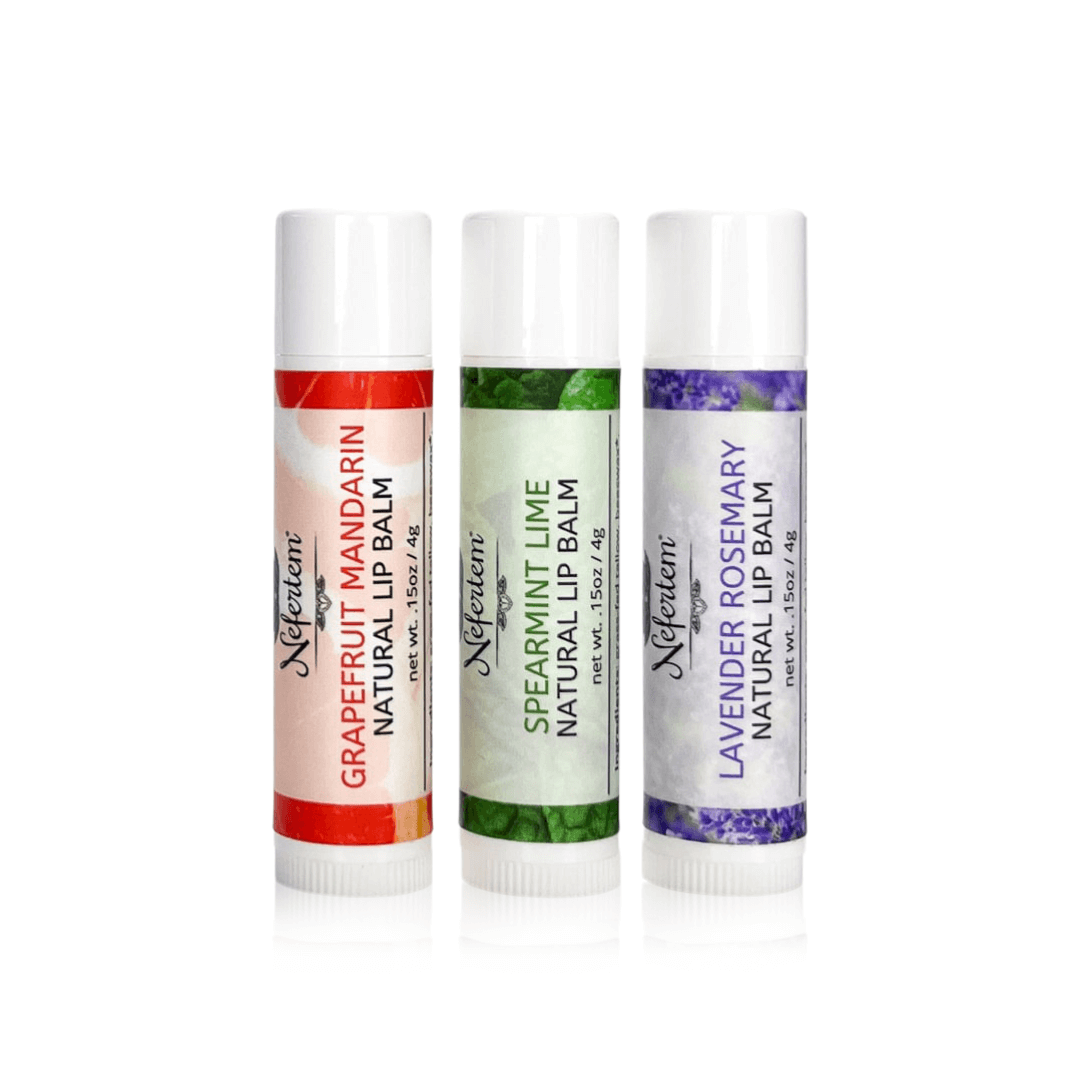
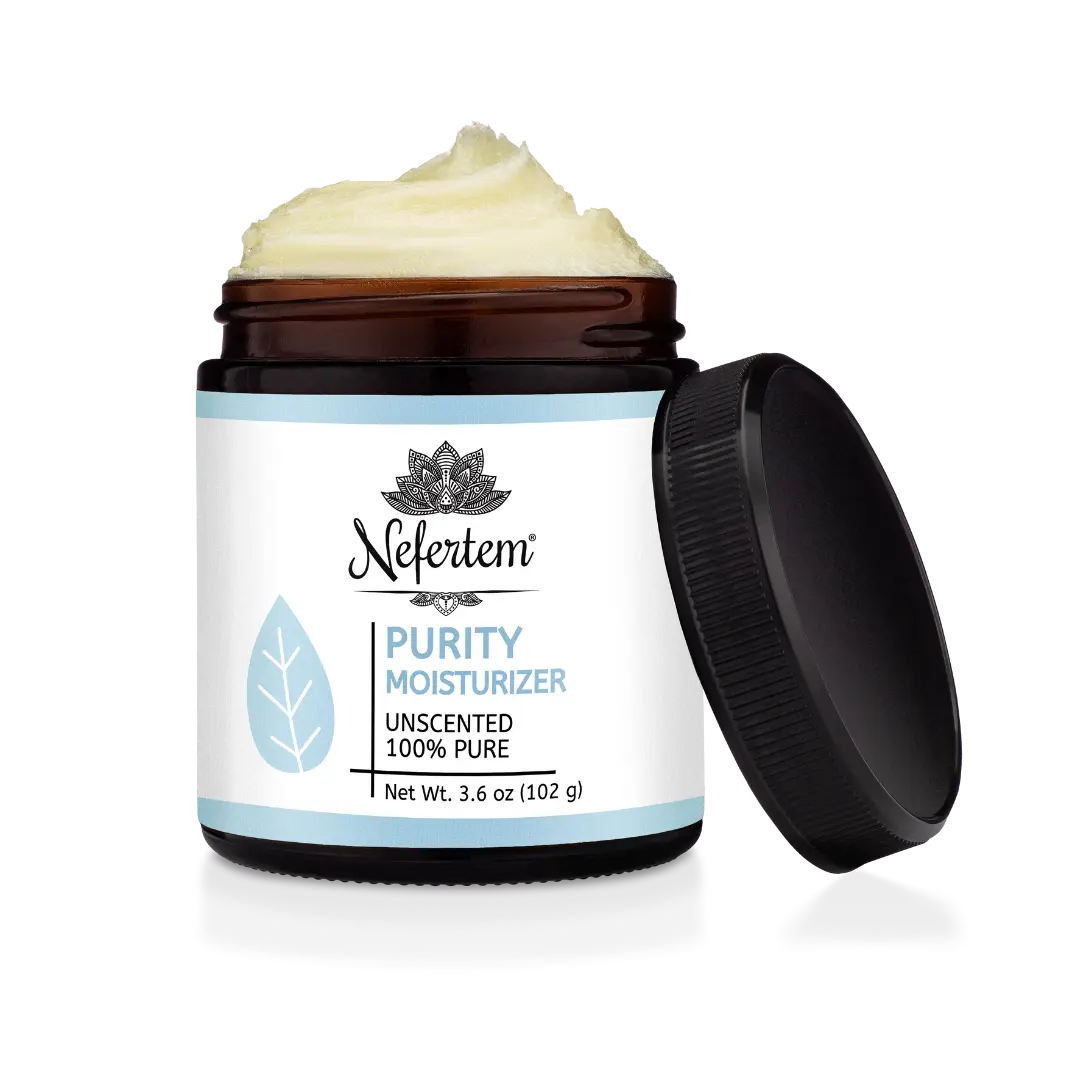
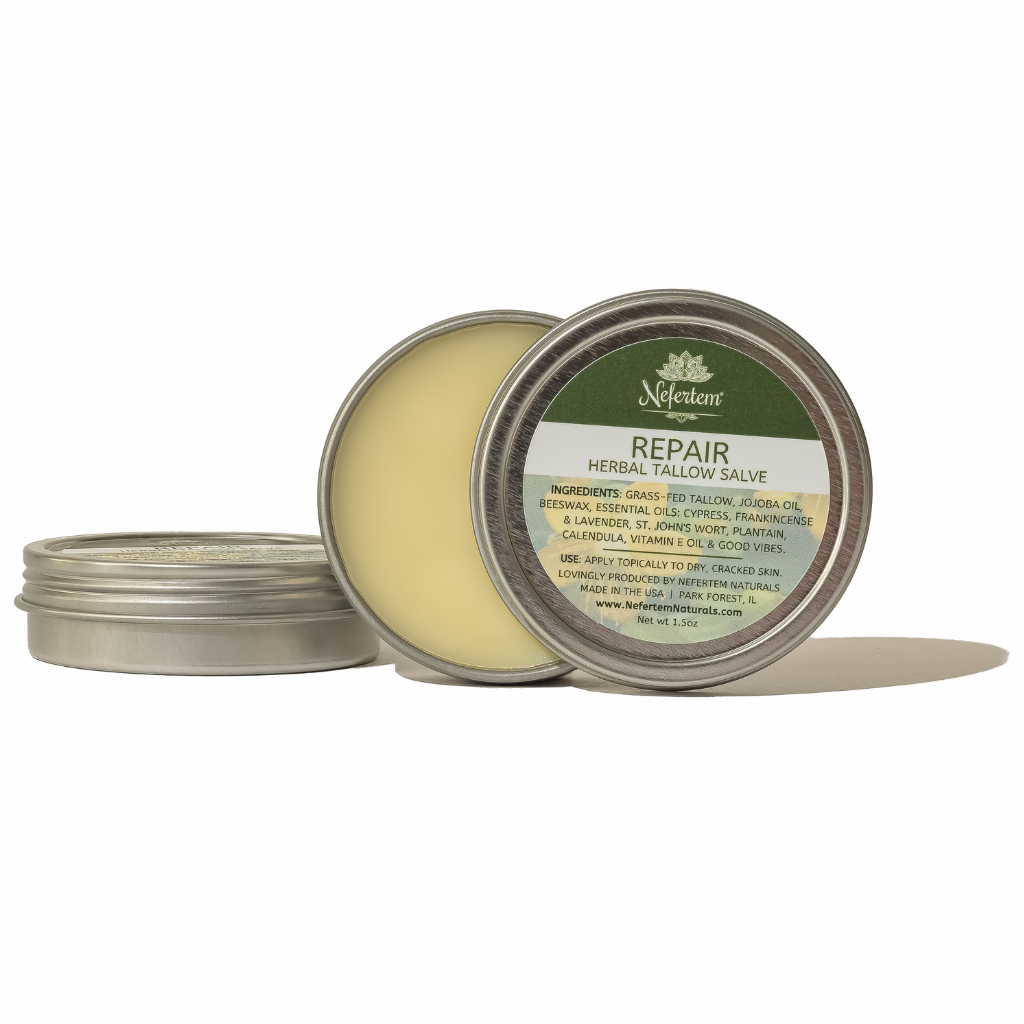
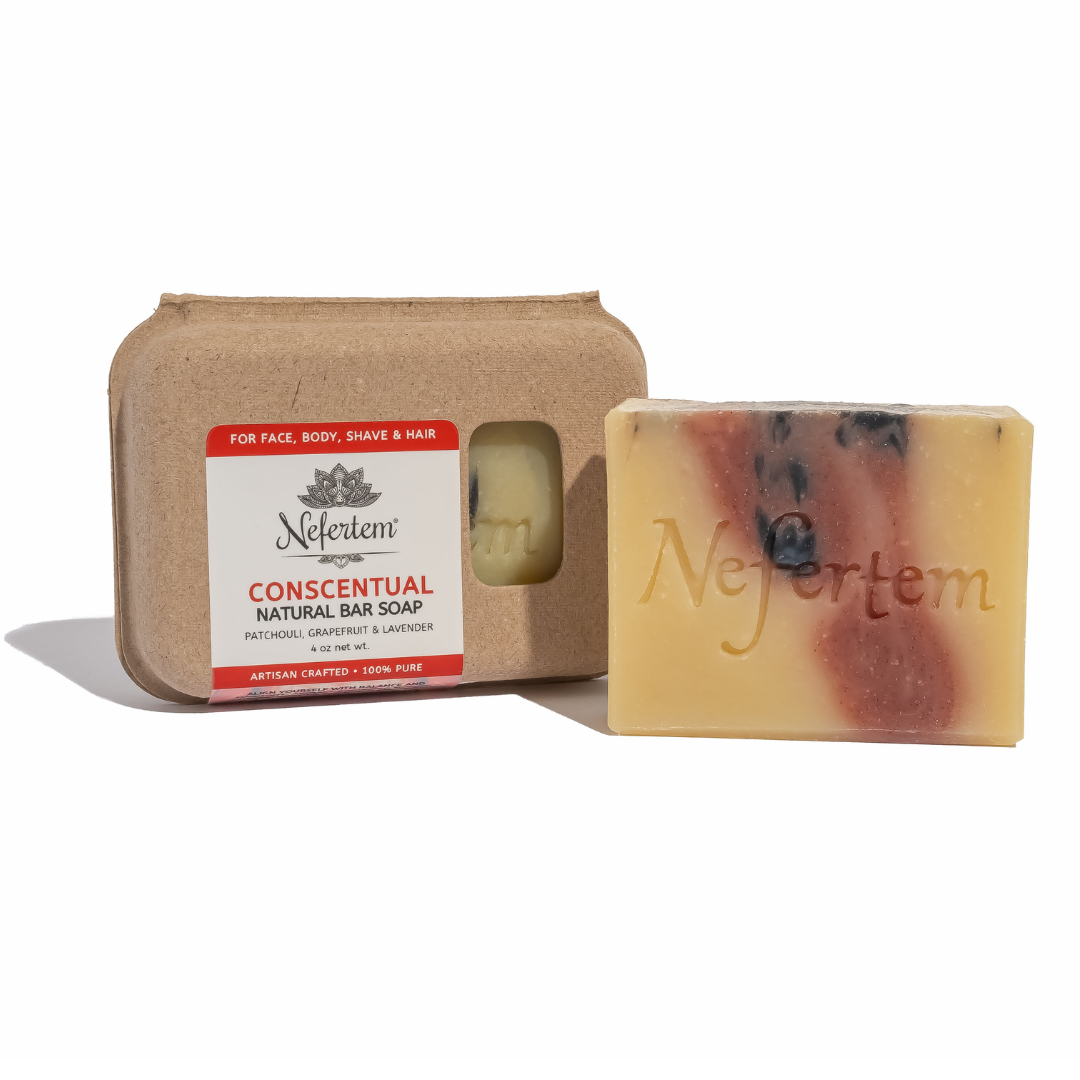
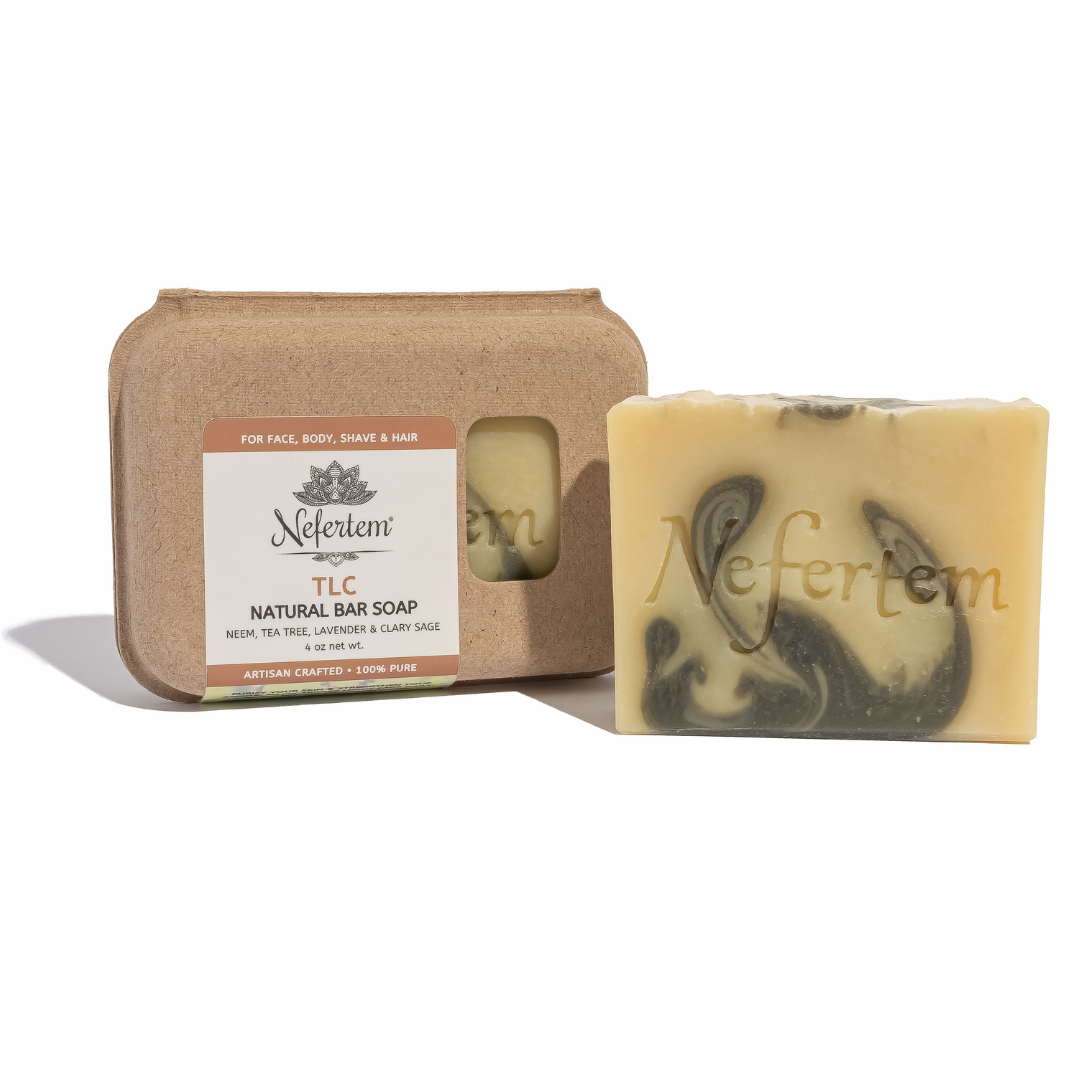
Nefertem Naturals

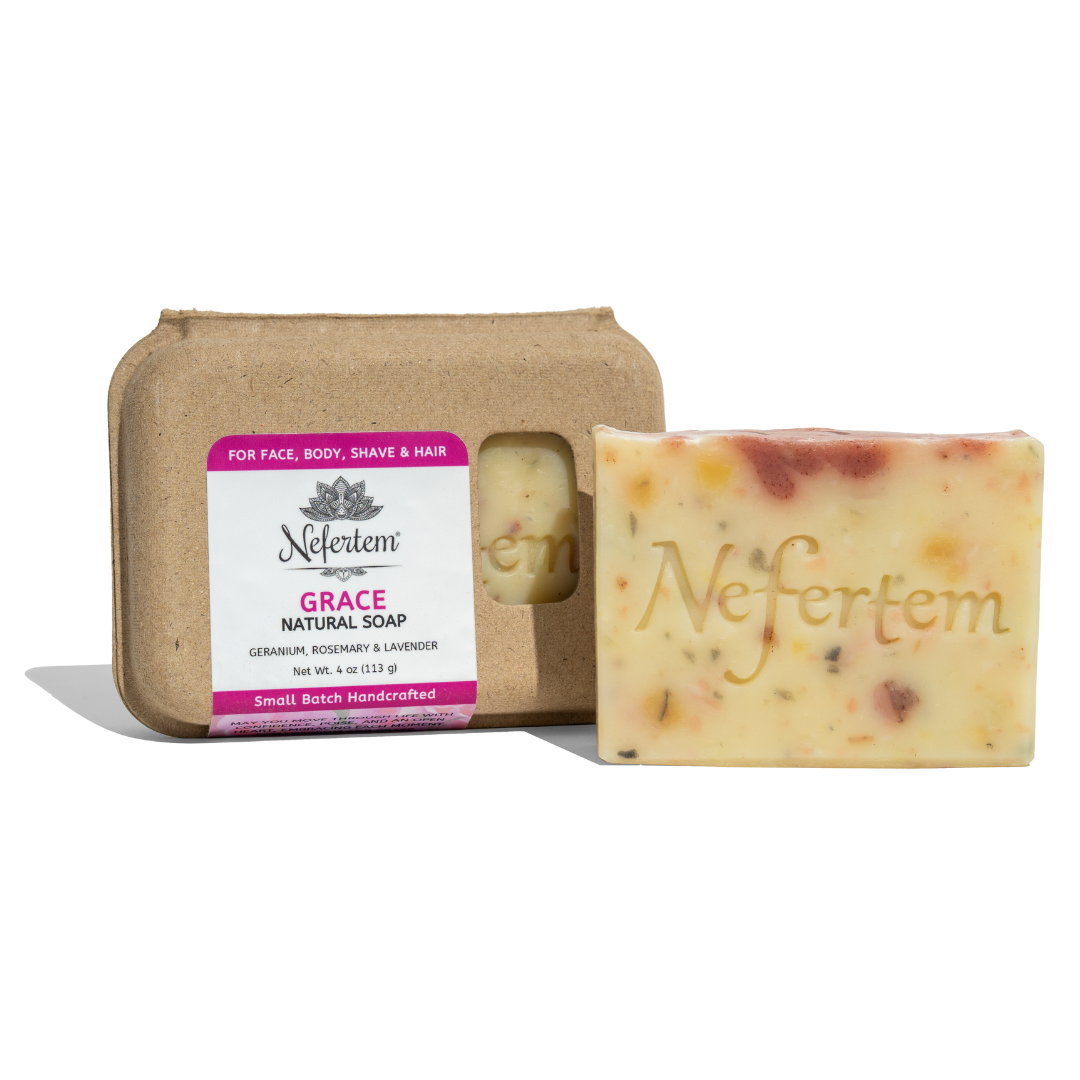
Grass-fed tallow and herbs, ancestrally inspired, small batch handmade

Built around tallow, rendered fat from grass-fed cattle, as a core ingredient. It's polarizing until you try it: tallow's lipid profile is remarkably close to the skin's own. Each batch is small, made by hand, and the ingredient list reads like a farmer's pantry rather than a lab sheet. For people who take the ancestral skincare angle seriously, this is the real version.

Enter Store

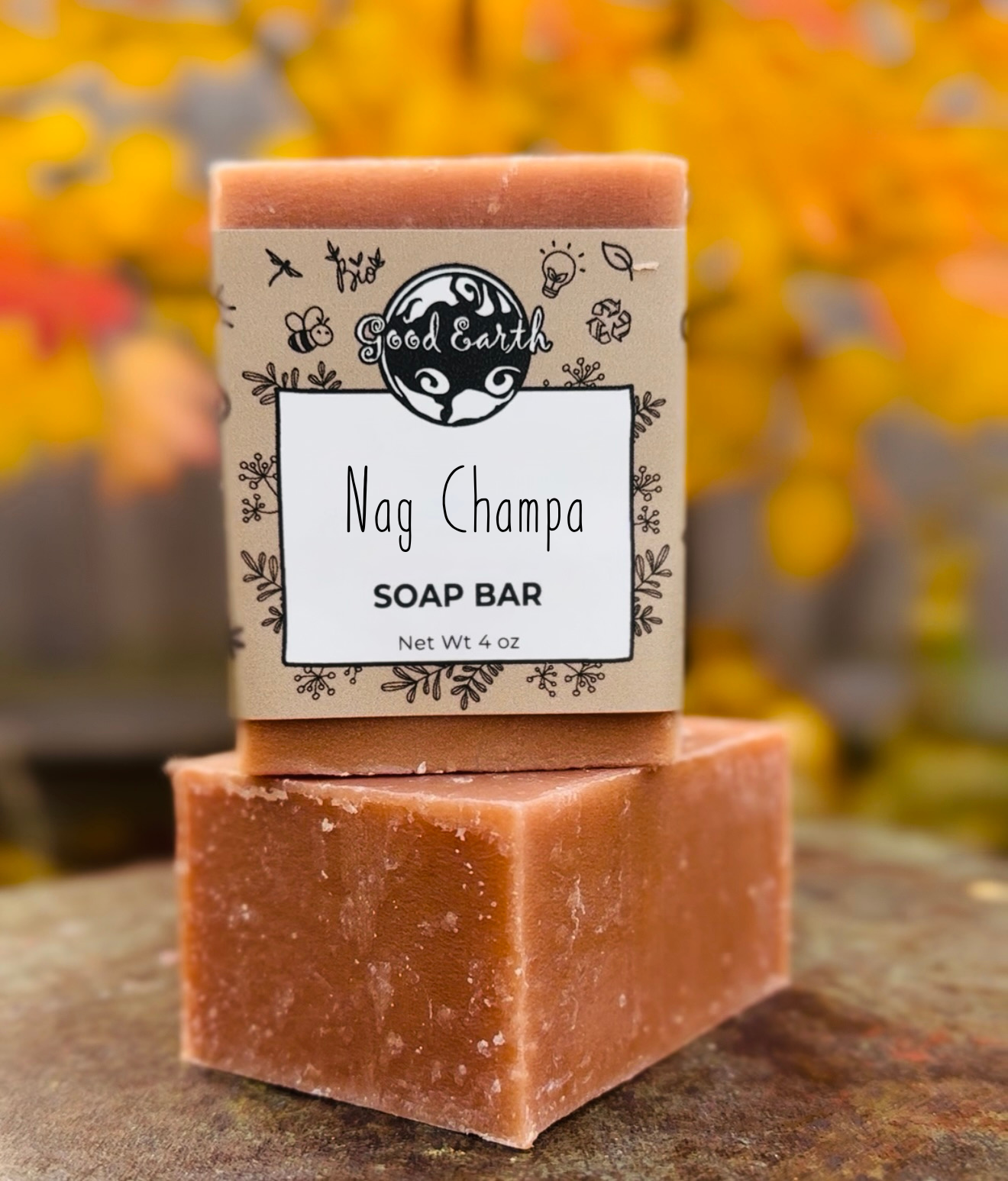
Good Earth Soap

Handcrafted all-natural lip butter in six flavors, family-owned since the beginning

A family-owned natural bodycare company that approaches lip balm the same way they do soap, handcrafted in small batches with recognizable ingredients. The lip butter formula balances staying power with a non-greasy finish. Six flavors, including a hazelnut vanilla and rosemary mint that actually taste like what they claim, which is more than most can say.

Enter Store

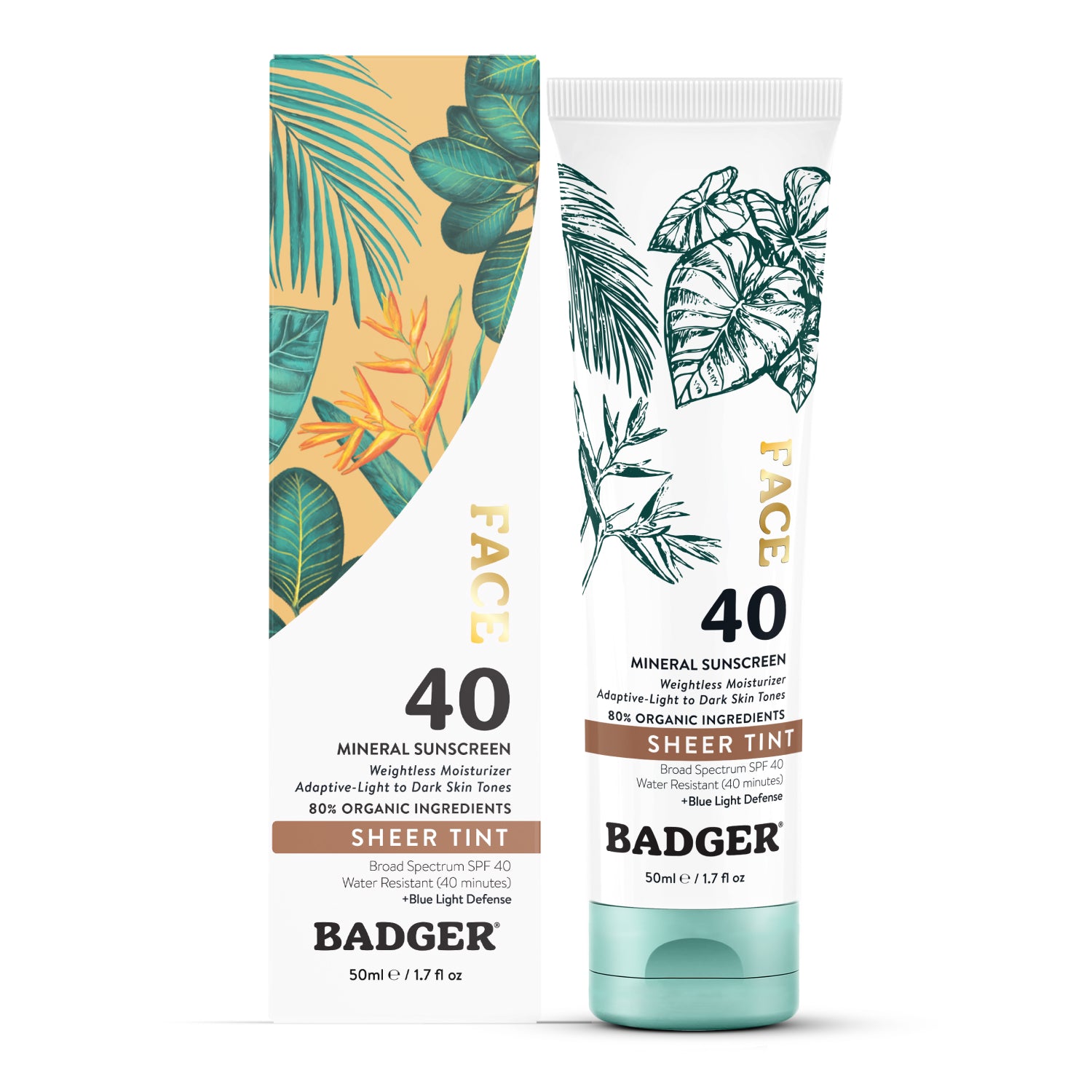
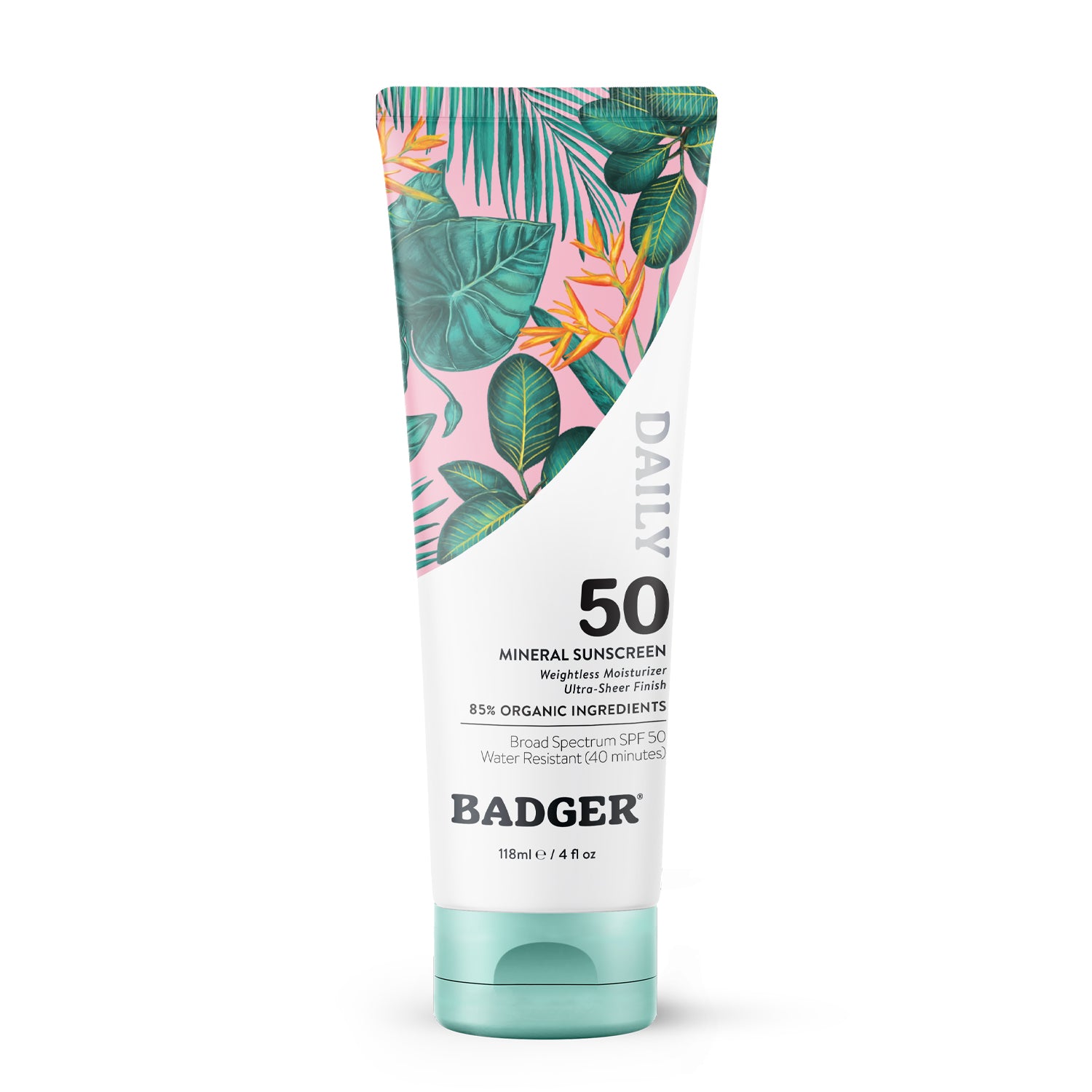
Badger Balm

New Hampshire family-owned, Fair Trade certified, uncompromising organic standards

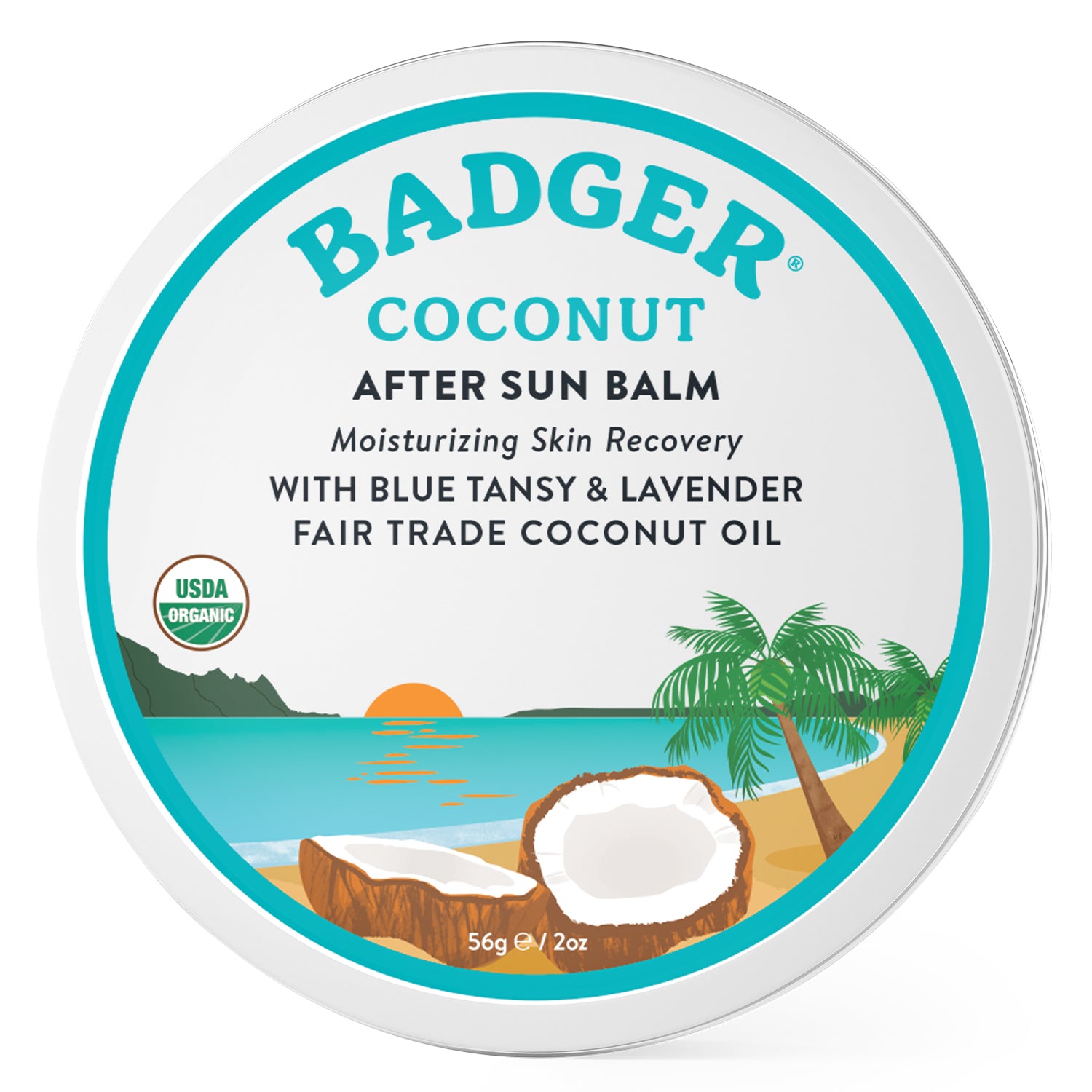
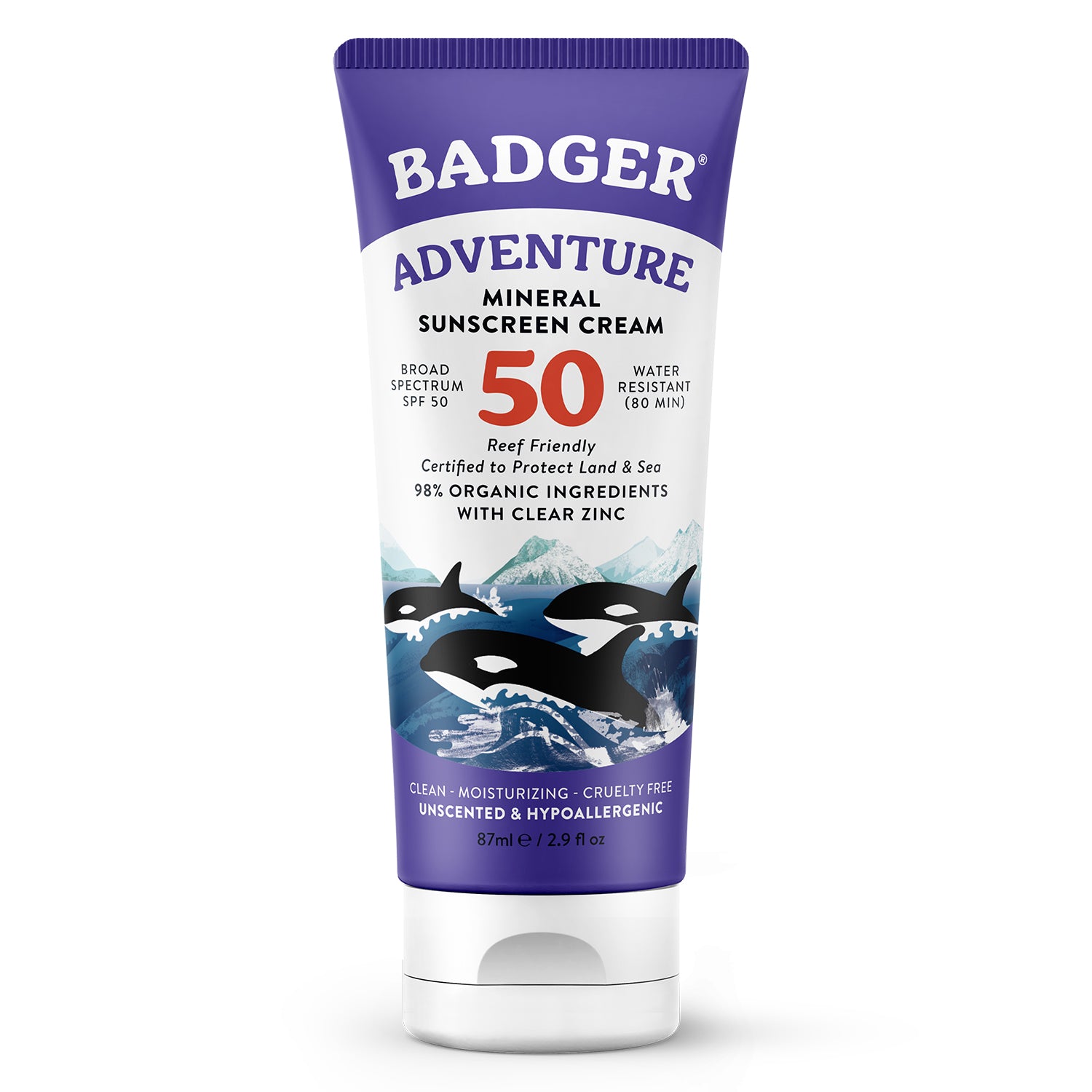
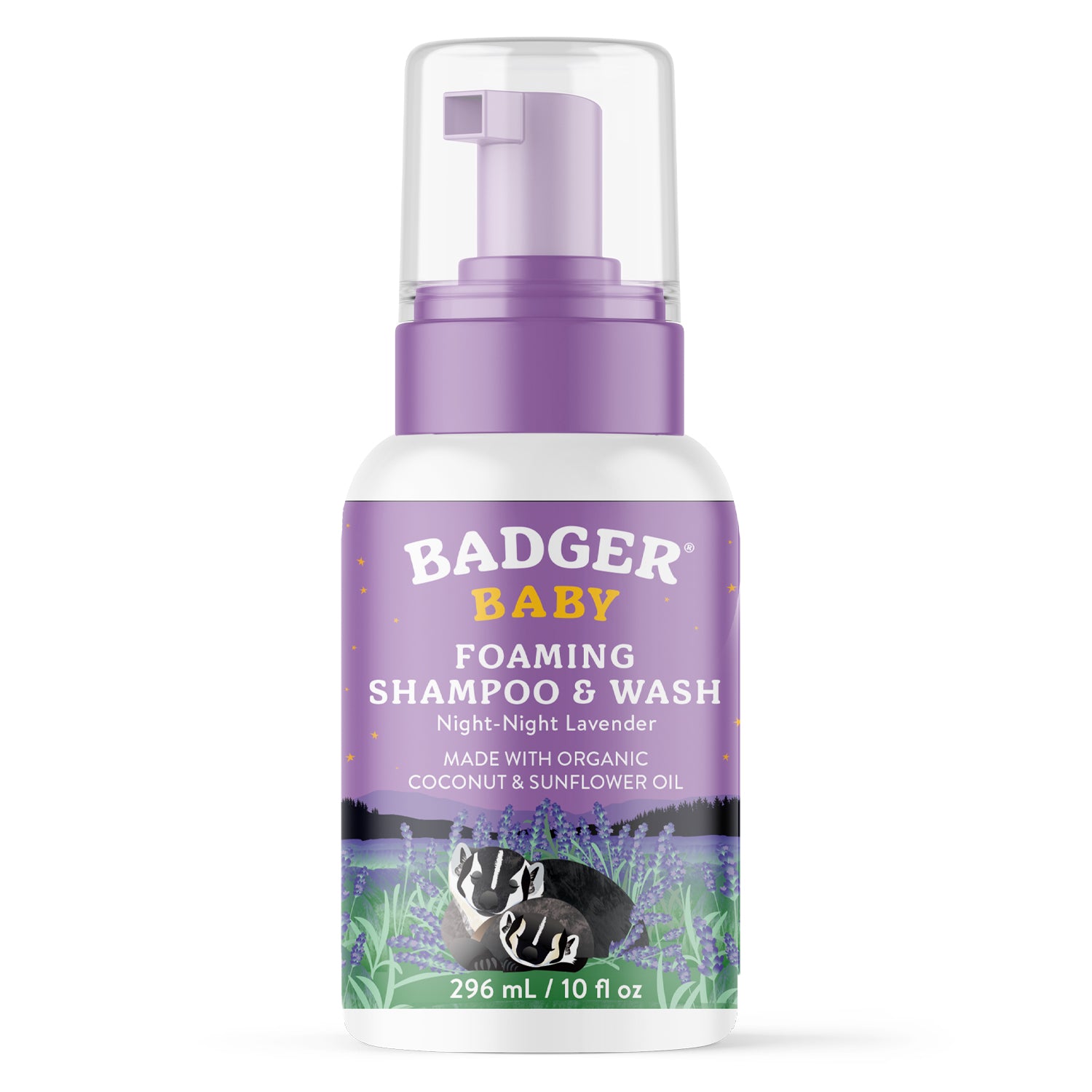
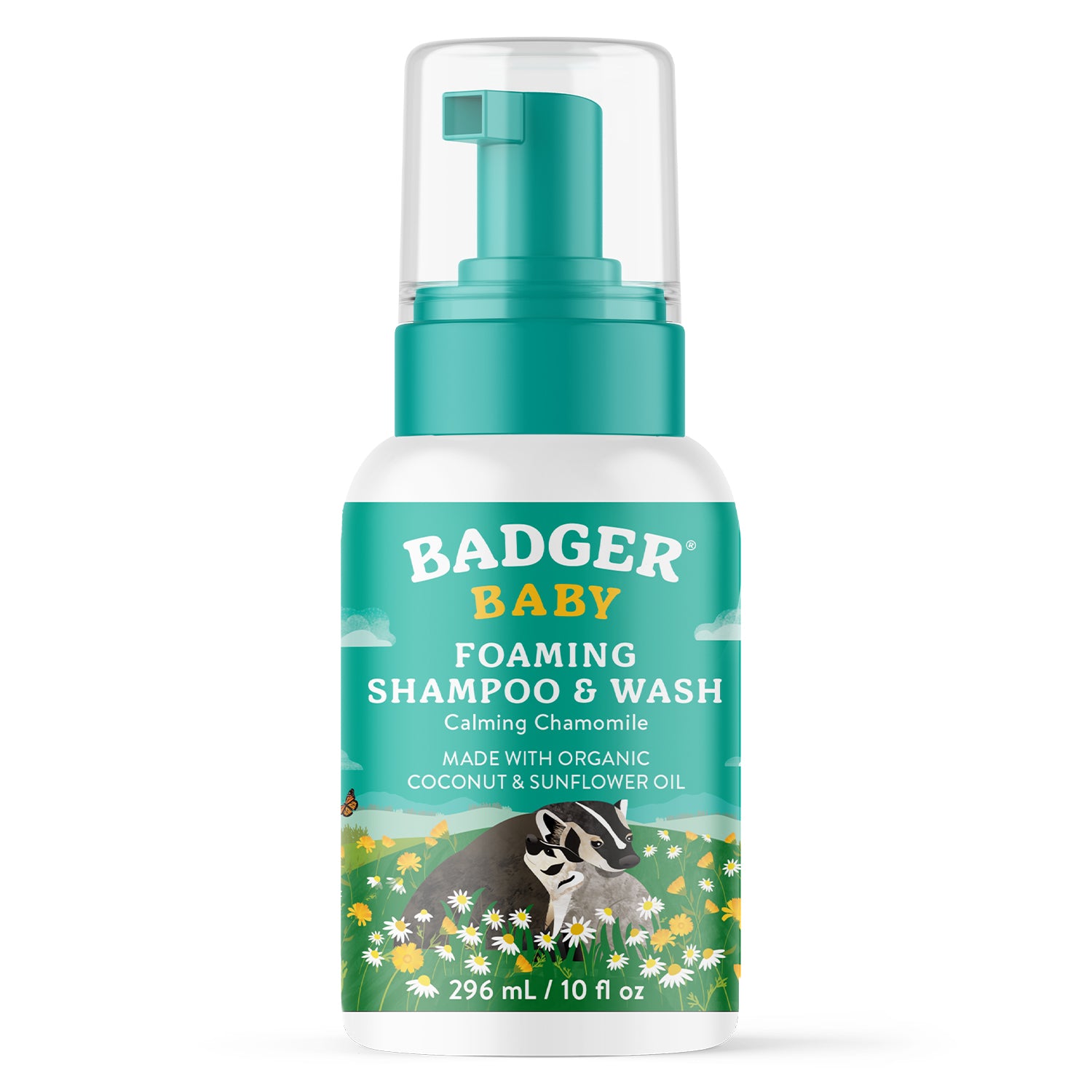
Started by a carpenter in New Hampshire who needed something for cracked winter hands and couldn't find anything without petroleum in it. Still family-owned, still certified B Corporation, still using USDA Organic and Fair Trade certified ingredients including shea butter and cocoa butter. One of the most thoroughly credentialed independent bodycare brands in the country, and the products are genuinely good.

Enter Store

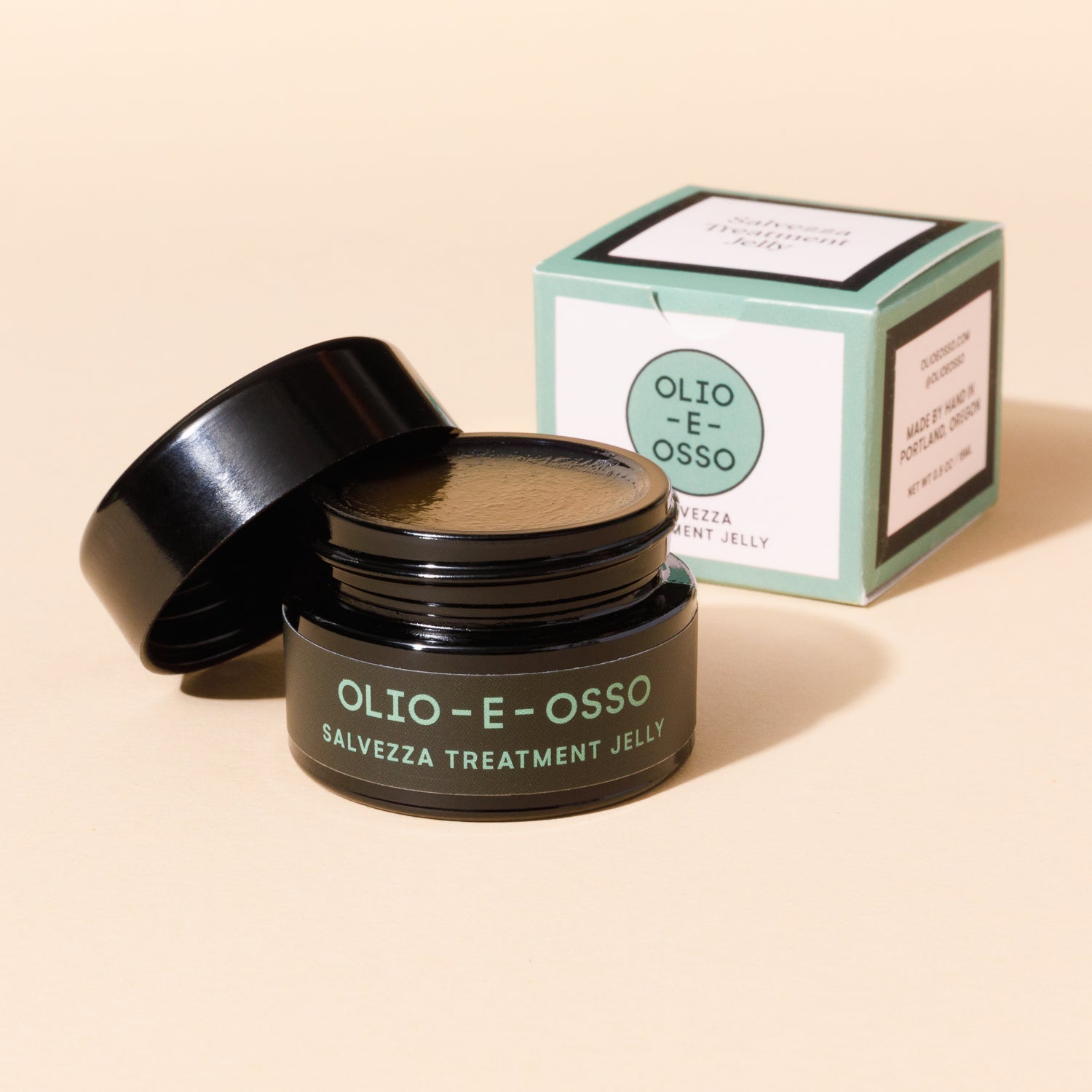
Olio e Osso

Portland, USA

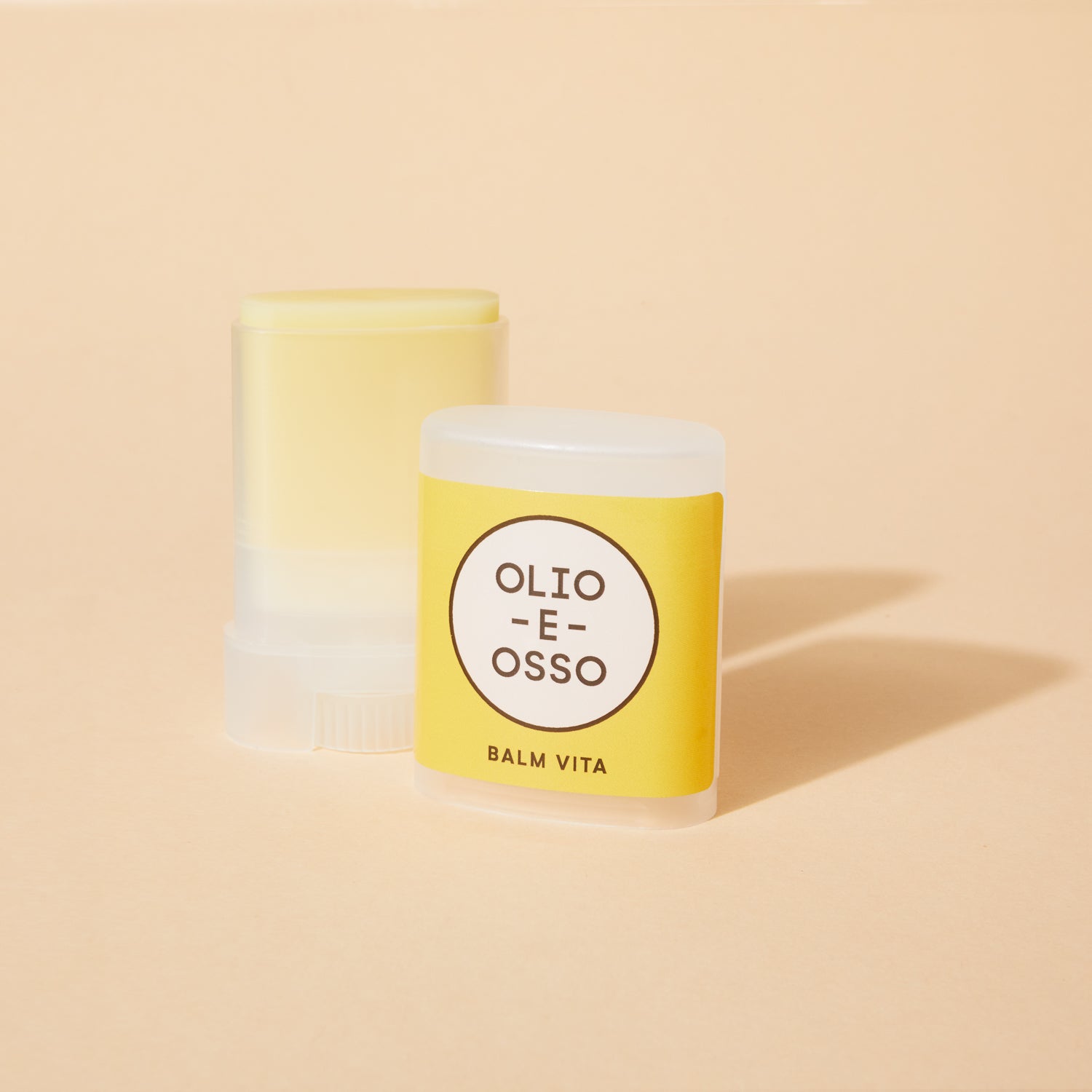
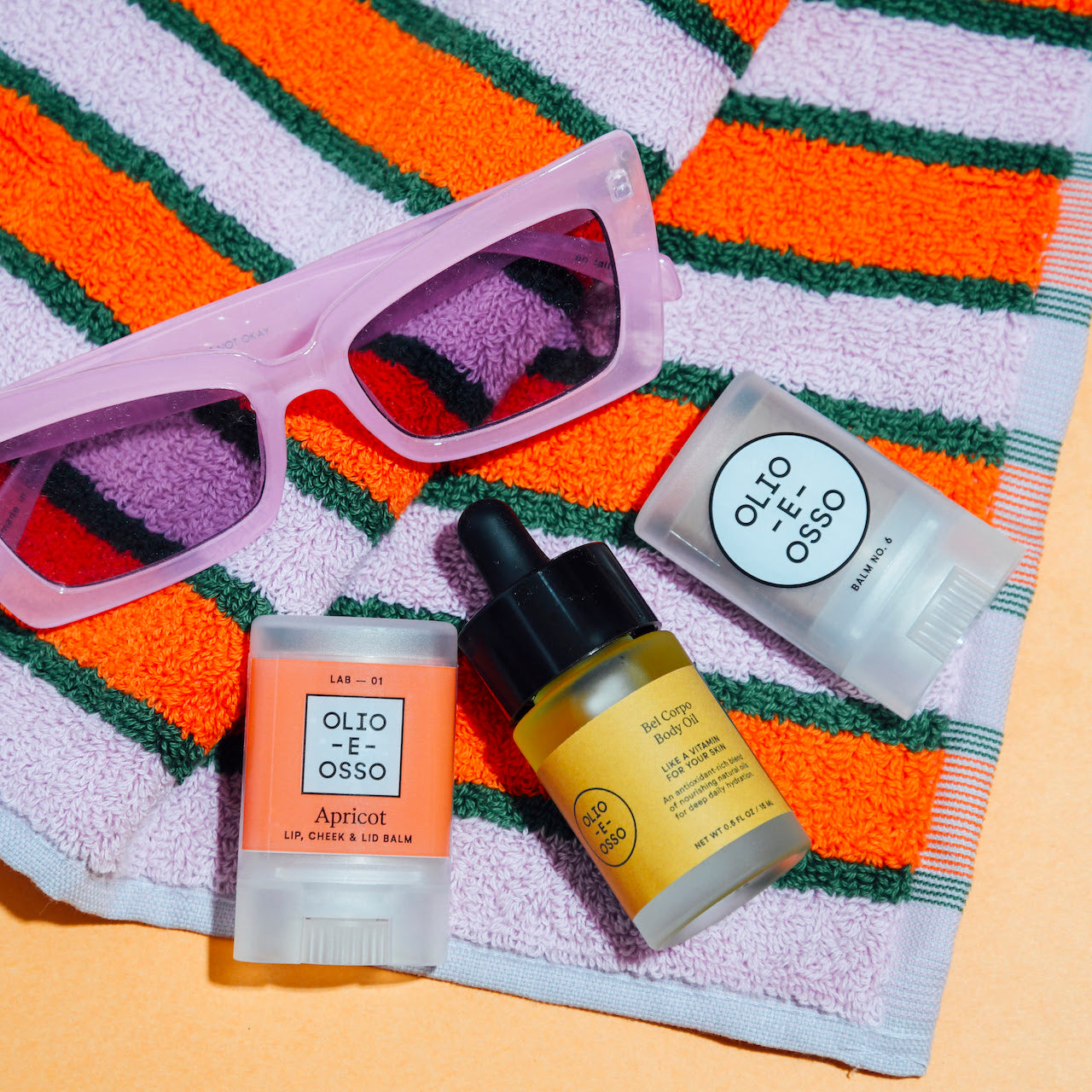
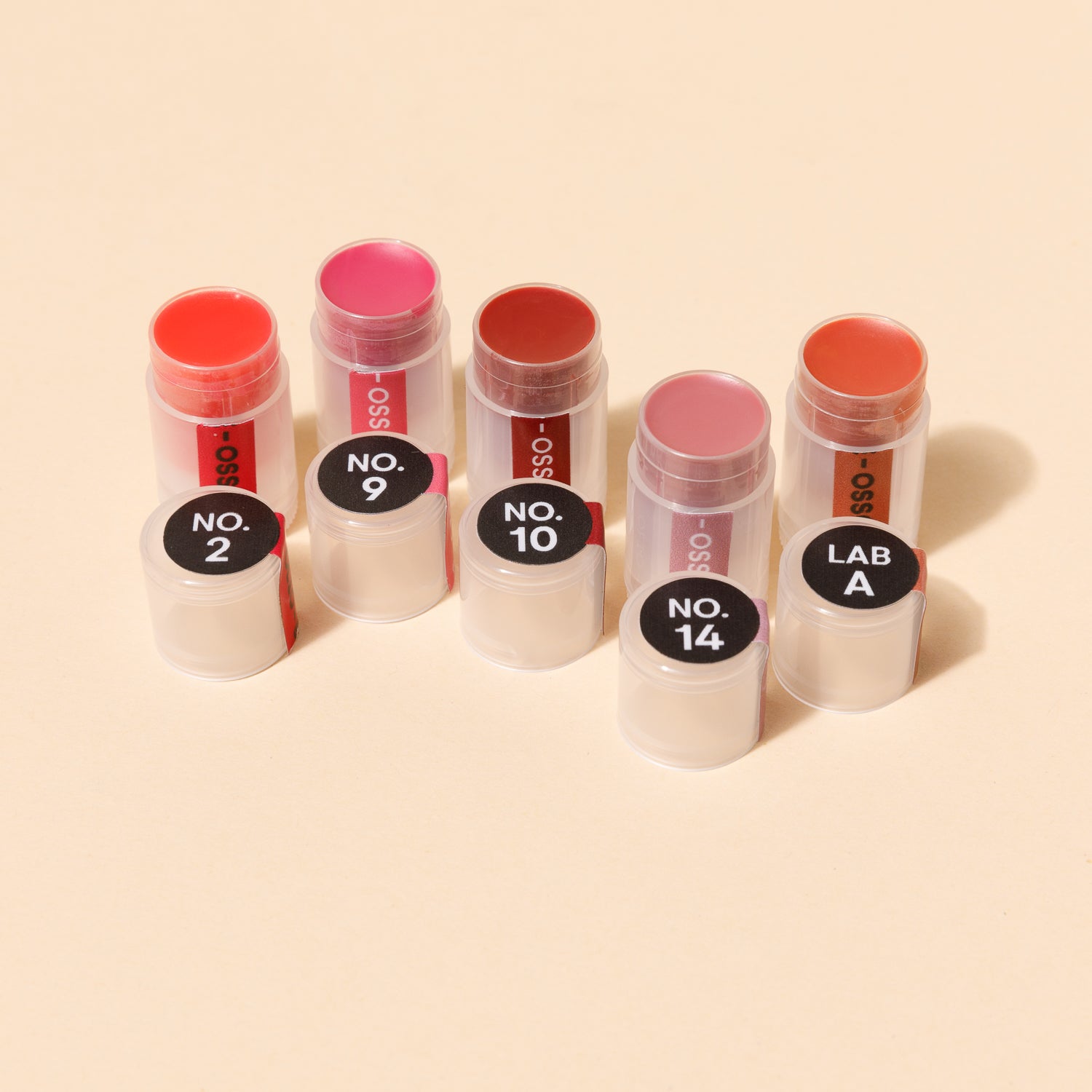
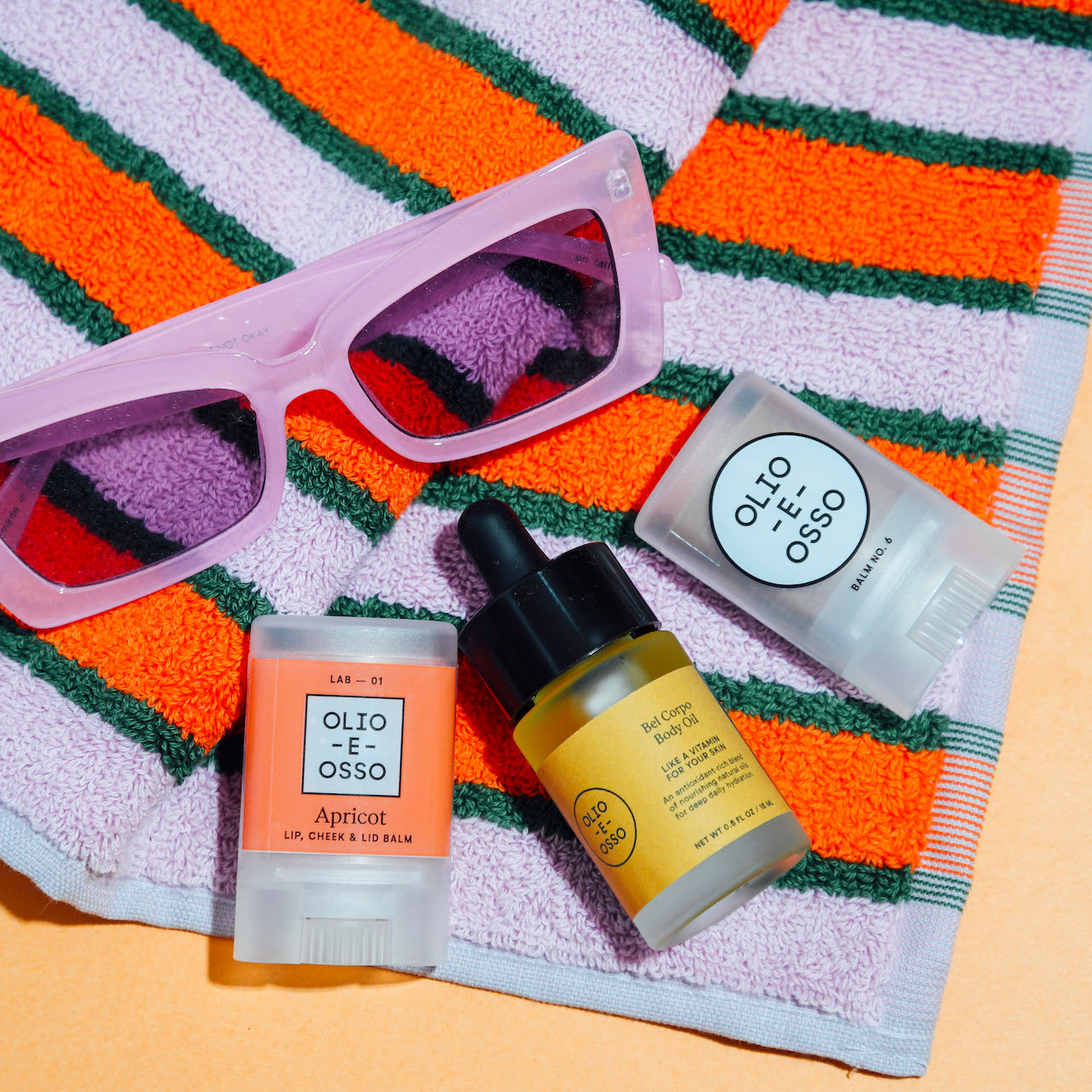
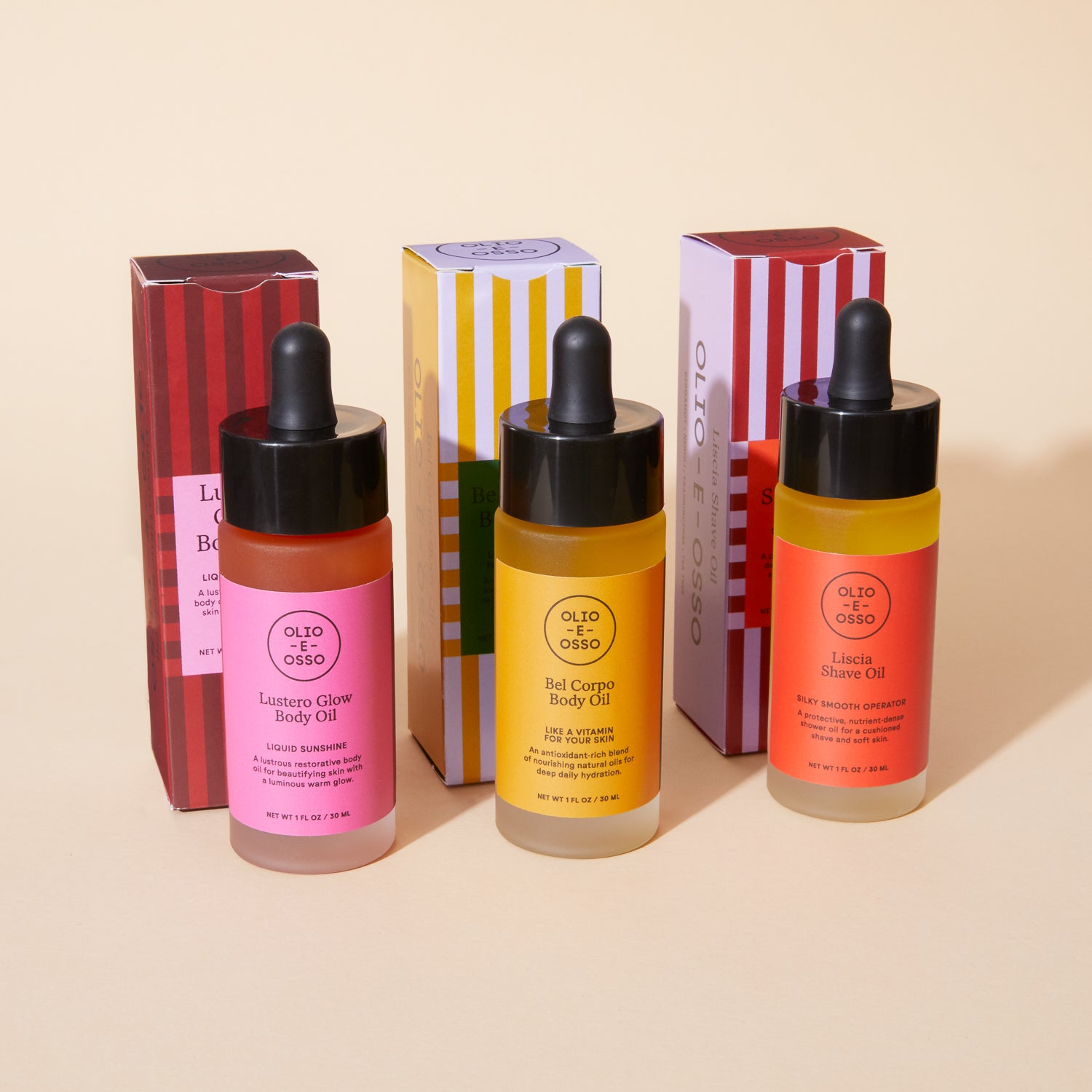
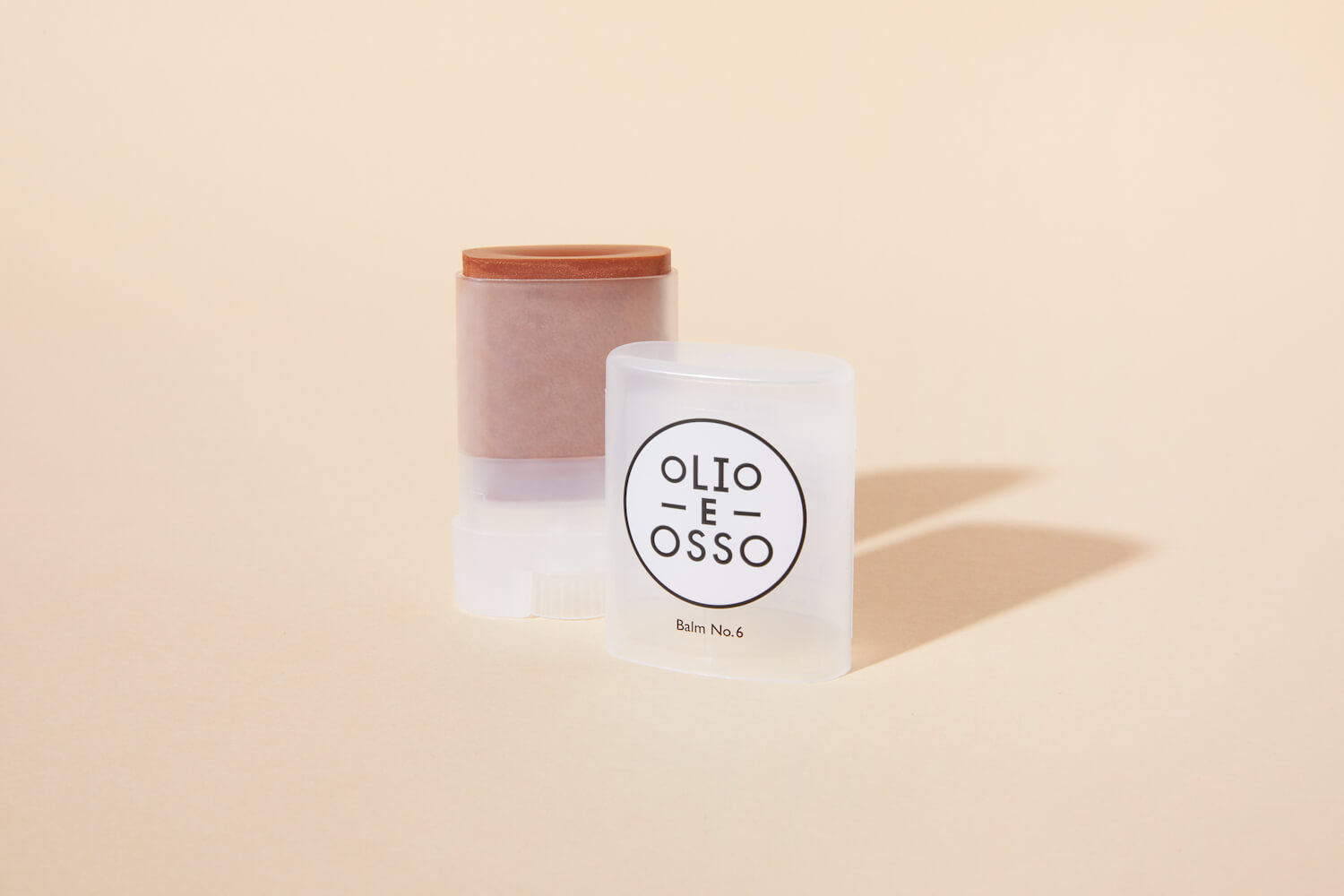
Portland-made tinted balm for lips, cheeks, and lids, one formula, multiple uses

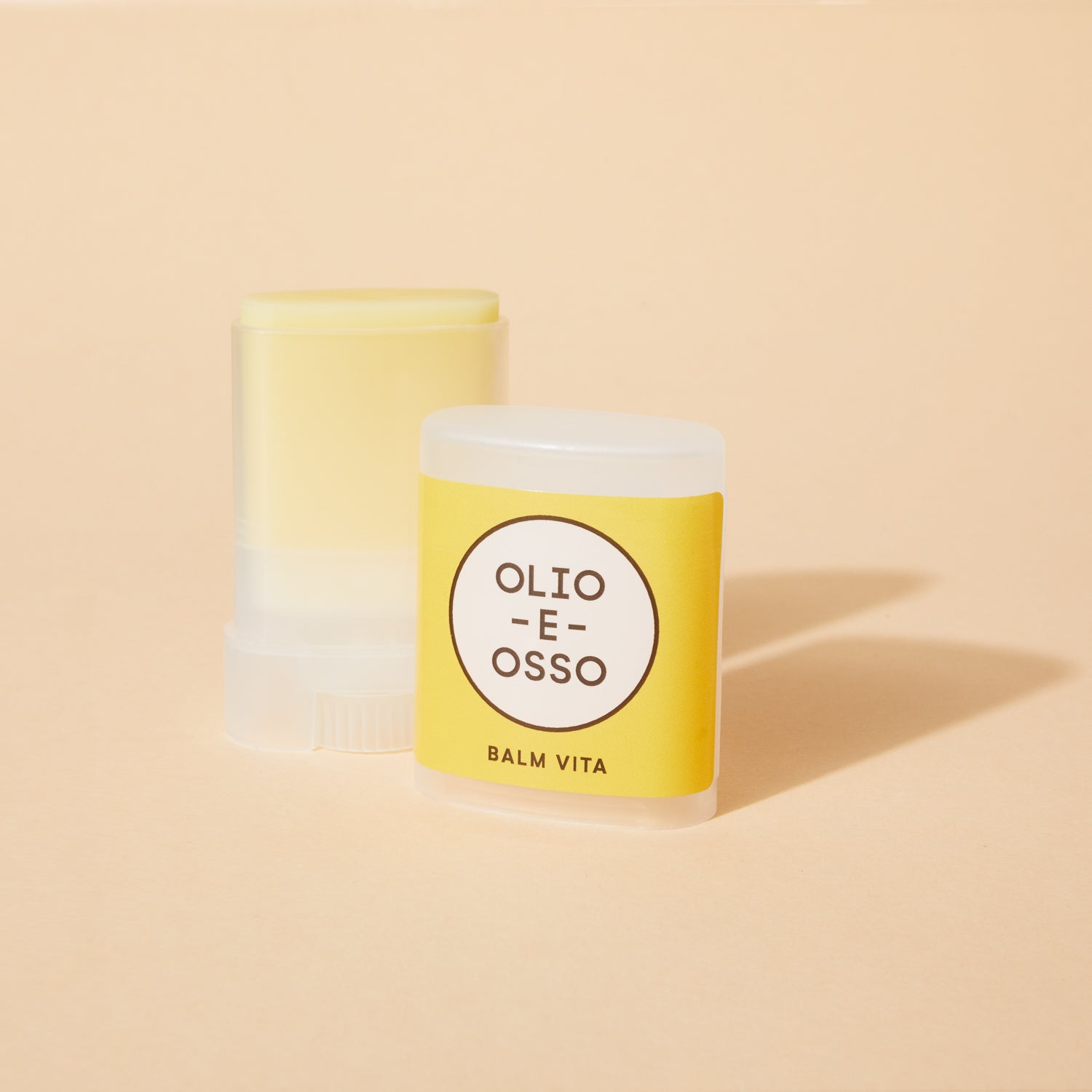
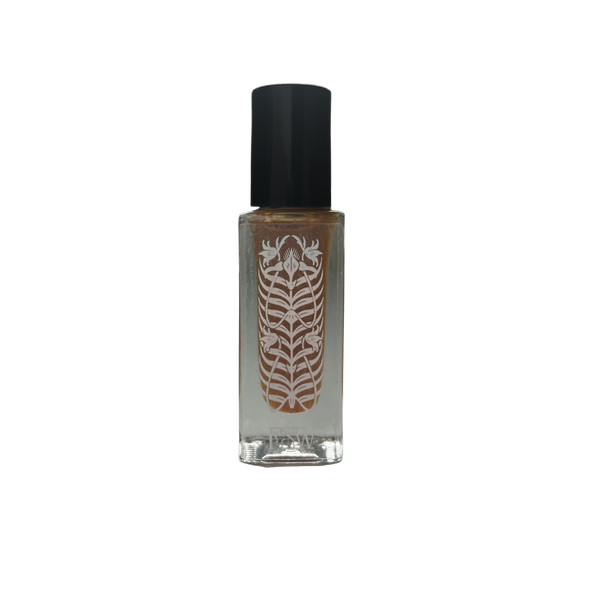
A Portland-born beauty brand with a simple thesis: one clean formula, multiple applications, nothing superfluous. The numbered tinted balms, formulated with argan oil, carnauba wax, and castor oil, work on lips, cheeks, and eyelids. Functional clean beauty that doesn't dress itself up in wellness language, just works.

Enter Store

About This District

When shopping for a natural lip balm, the ingredient list tells you almost everything. Look for real emollient bases, beeswax, shea butter, cocoa butter, lanolin, or tallow, not petroleum derivatives dressed up with a few drops of vitamin E. Organic certifications (USDA Organic especially) matter here because lips are one of the few places you actually ingest what you apply. B Corp certification, while a broader business-ethics signal, often tracks with more honest ingredient sourcing. Watch out for brands that still use synthetic fragrance, labeled simply as "fragrance", or phenoxyethanol as a preservative. Neither belongs in truly clean lip care. For dry or cracked lips, beeswax-heavy or lanolin-heavy formulas are the most occlusive and tend to outlast most alternatives. If you have a beeswax allergy or follow a vegan protocol, candelilla wax is the cleanest substitute. For a tinted everyday option, look at multi-use balms that double as cheek color, they're often better-formulated than dedicated lip products and significantly more efficient. Shorter ingredient lists are almost always better. If you can't pronounce it and it's not a plant name, ask why it's there.