Mint Districts Food

Best Artisan Pasta Brands DTC: Small Batch, Bronze-Cut, Worth It

The difference between mass-market pasta and small-batch artisan pasta is not subtle. Bronze-cut extrusion leaves a rougher surface that sauces actually cling to. Slow drying at low temperatures preserves the wheat's flavor rather than baking it out. These are not marketing points. Cook a box of Sfoglini rigatoni next to a supermarket brand and the difference is apparent before you taste it. Independent pasta brands like Della Terra, Pasta Sonoma, and Pozza's Pasta make their pasta in small runs from durum wheat with attention to shape and drying time that the category leaders abandoned decades ago. The result is pasta that tastes like the ingredient it is, not just a vehicle for sauce.

Food · 6 Brands

The Artisan Pasta District

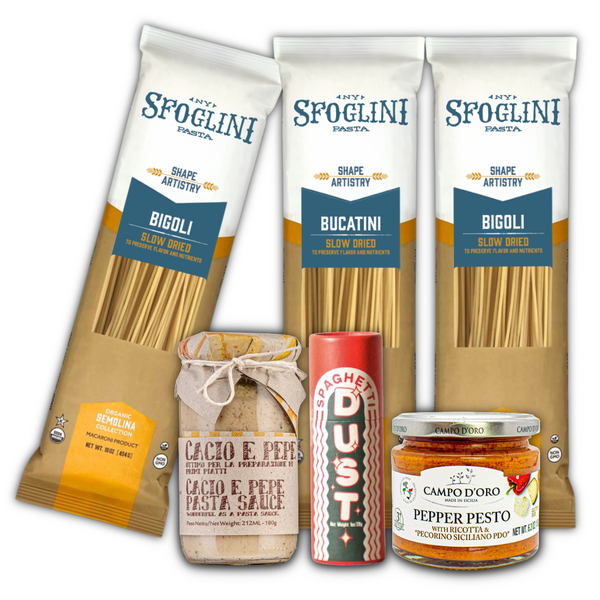
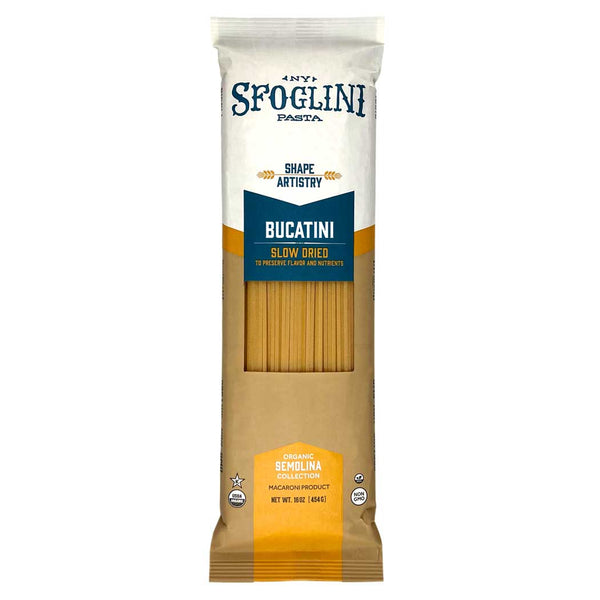
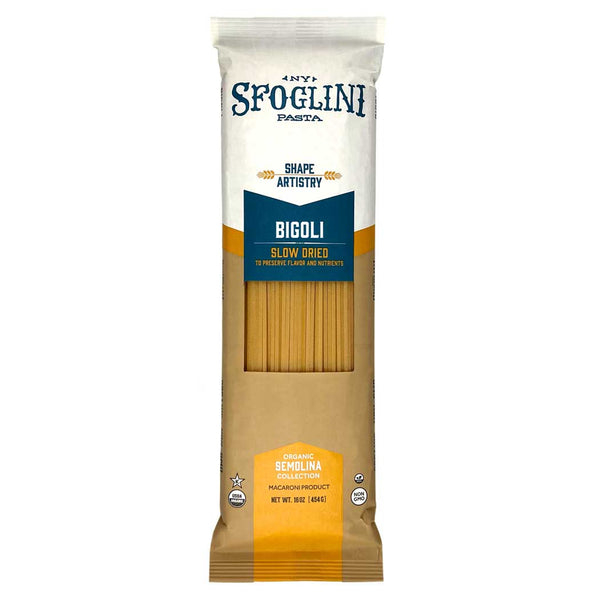
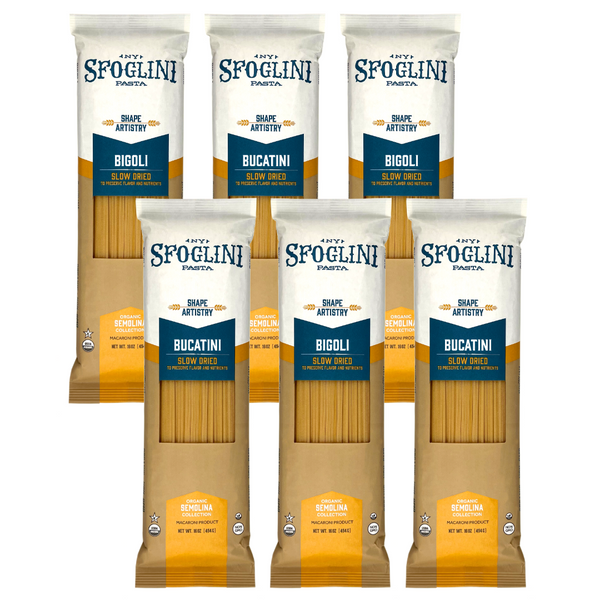
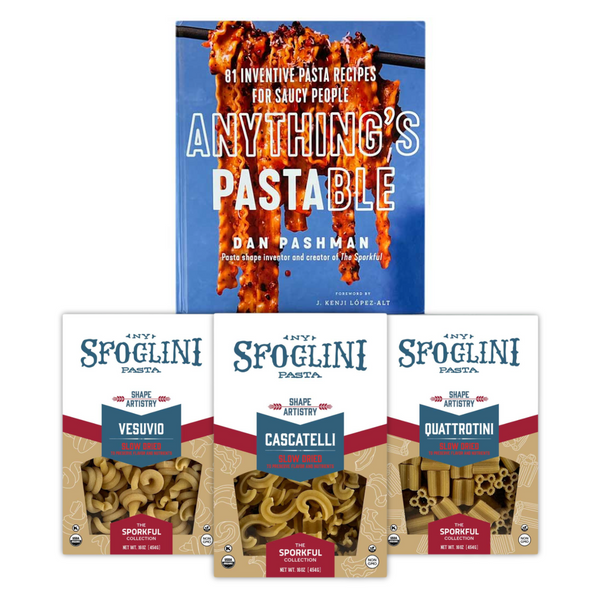
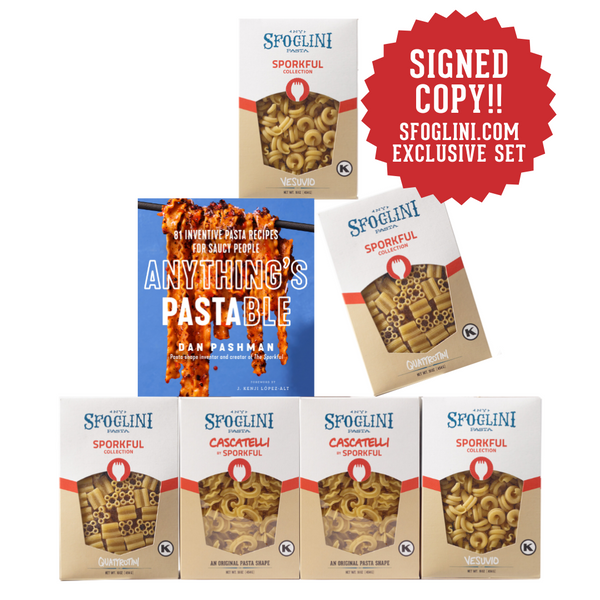
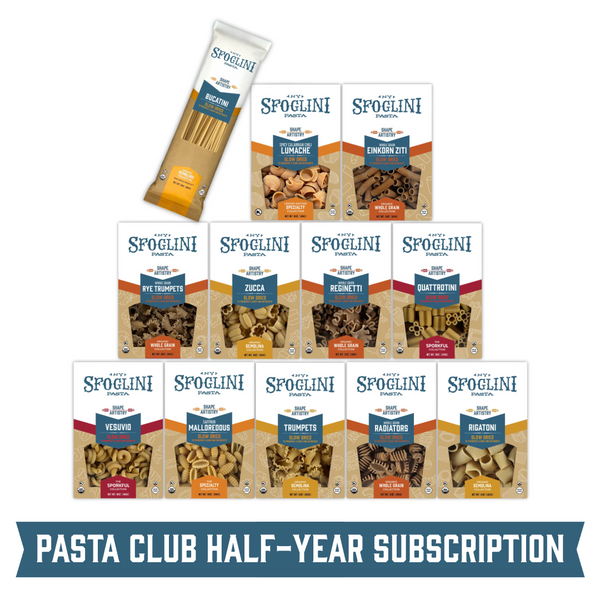
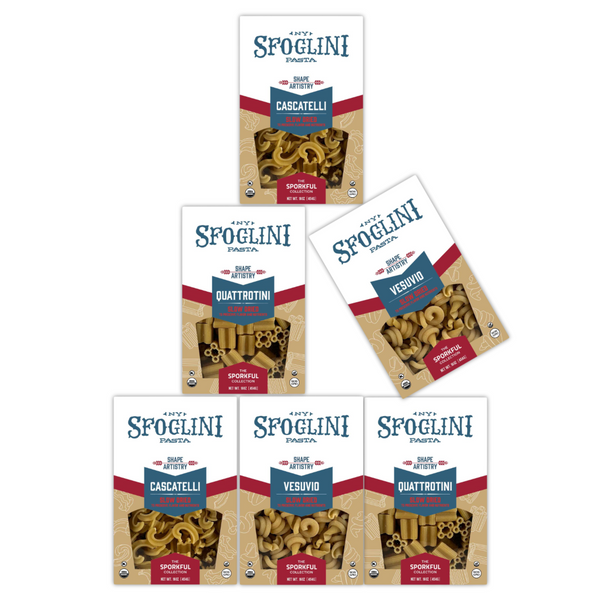
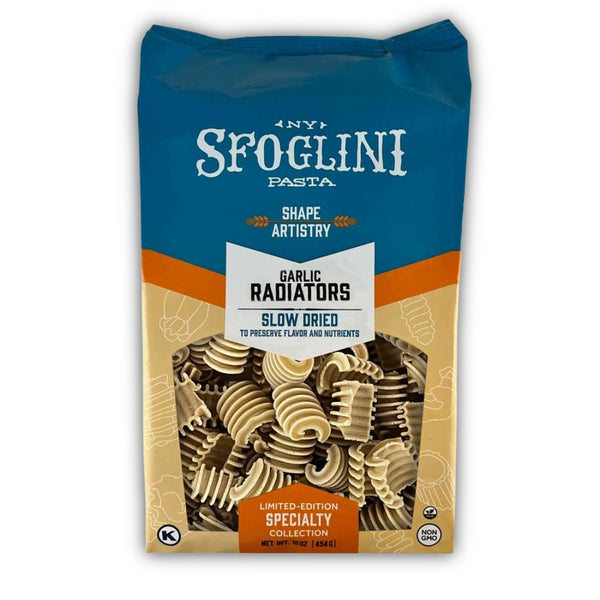
Sfoglini

Coxsackie, NY

American bronze-cut pasta with heritage grains and creative shapes

Founded in Brooklyn by two industry veterans who wanted to bring Italian pasta-making methods to American wheat, Sfoglini extrudes through bronze dies and slow-dries every batch. Their seasonal flavored shapes like hemp and rye have made them a genuine pantry staple for food writers.
Enter Store

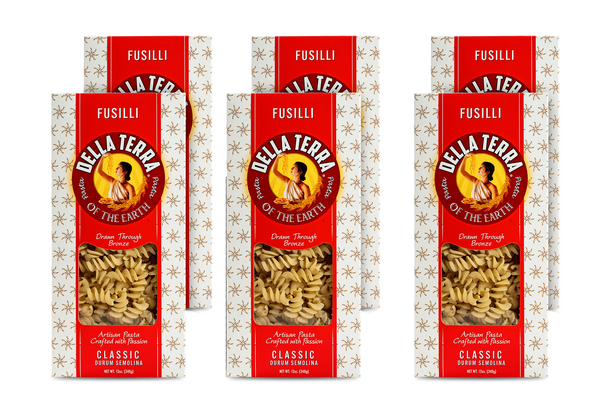
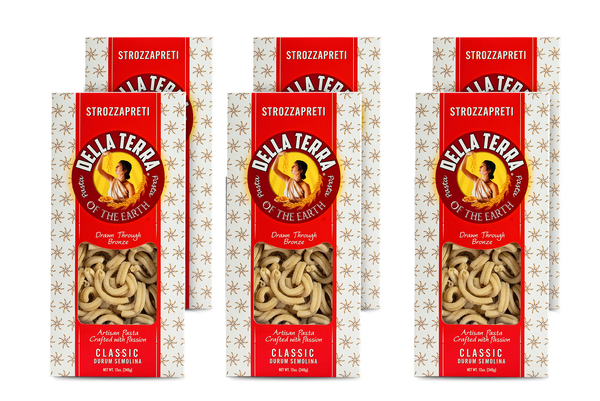
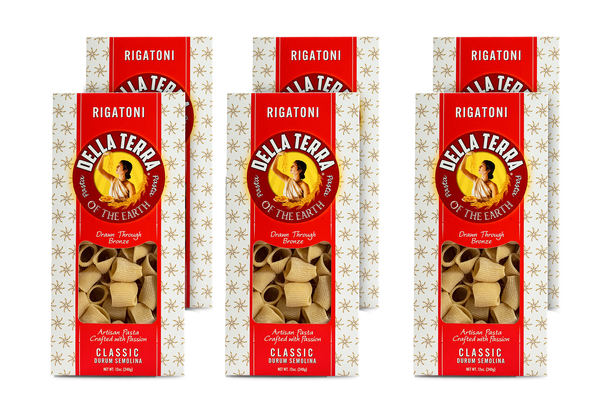
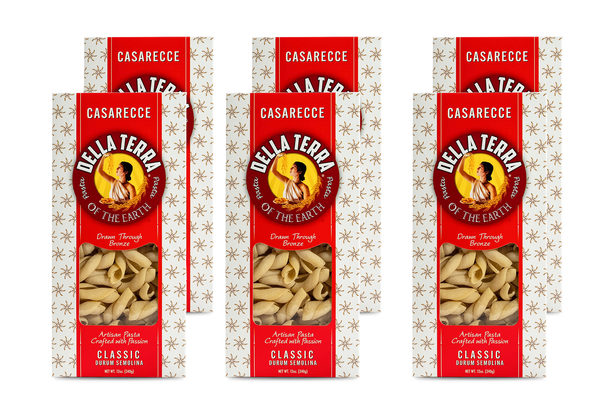
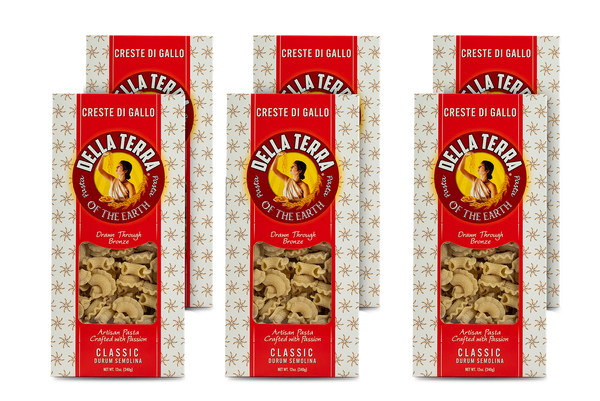
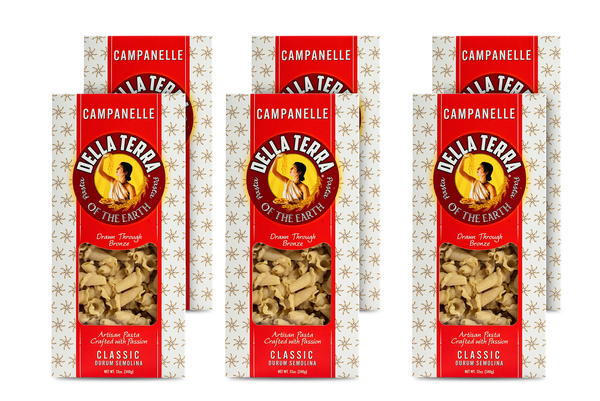
Della Terra Pasta

Chicago, IL

Old-world bronze-die pasta crafted with slow drying for real texture

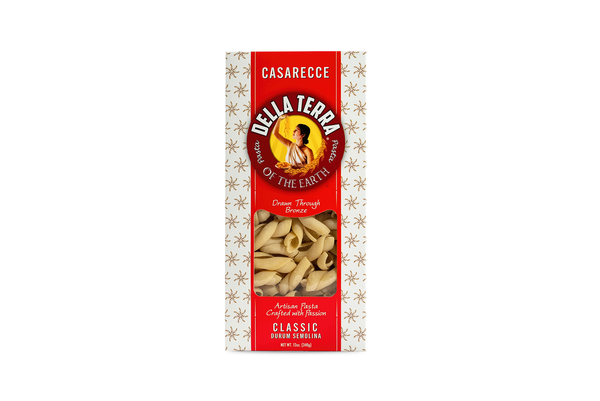
Della Terra's entire operation is built around replicating the old-world pasta-making process: bronze dies, slow drying, and durum wheat sourced for flavor rather than just protein content. Their rigatoni has earned a loyal following among home cooks who cook pasta seriously.

Enter Store

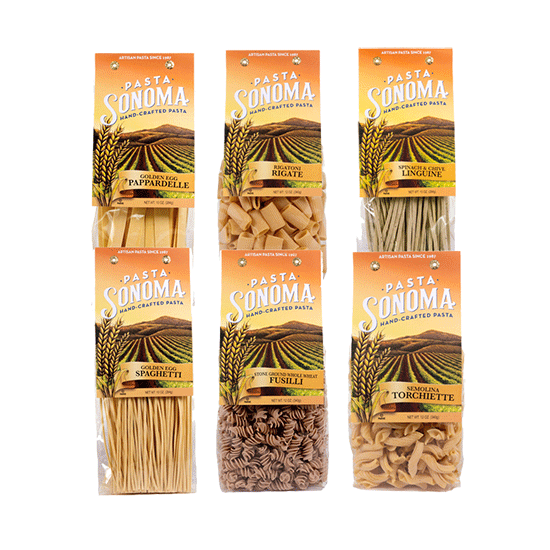
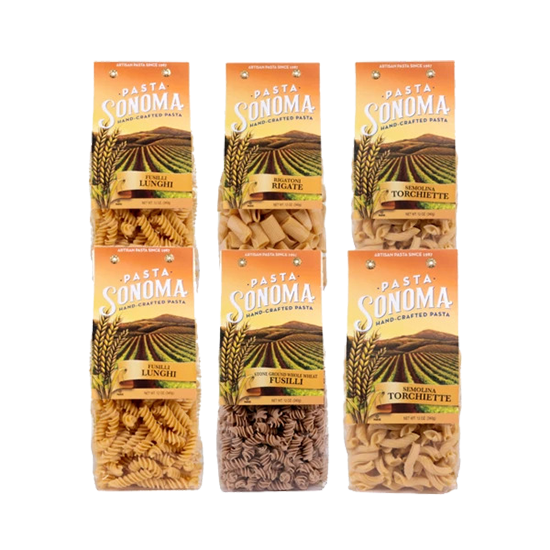
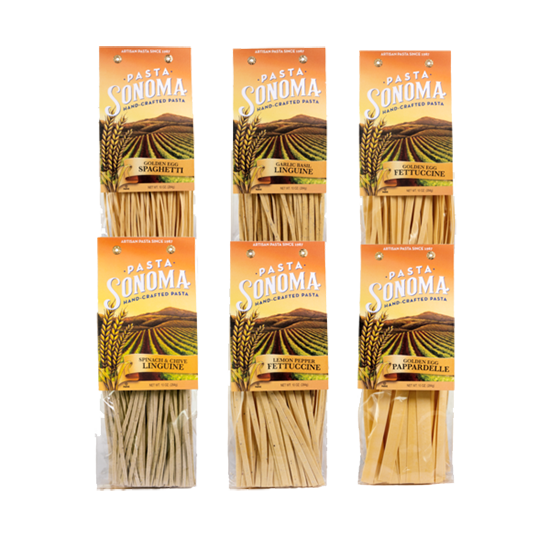
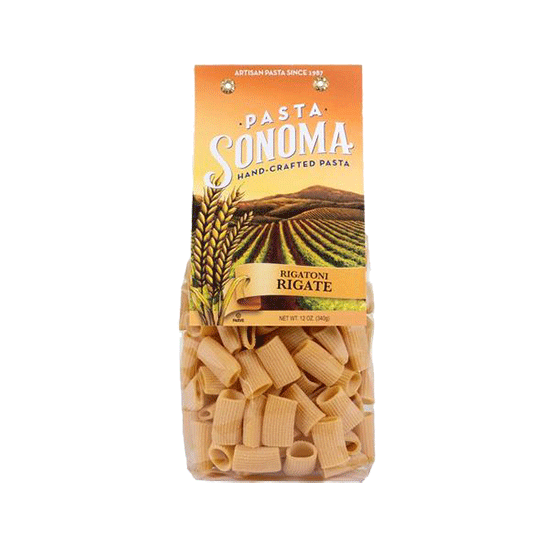
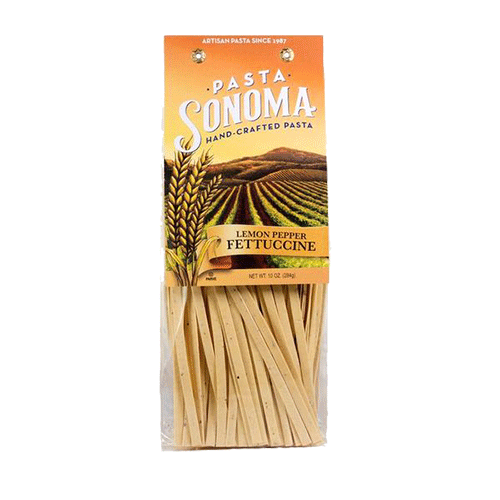
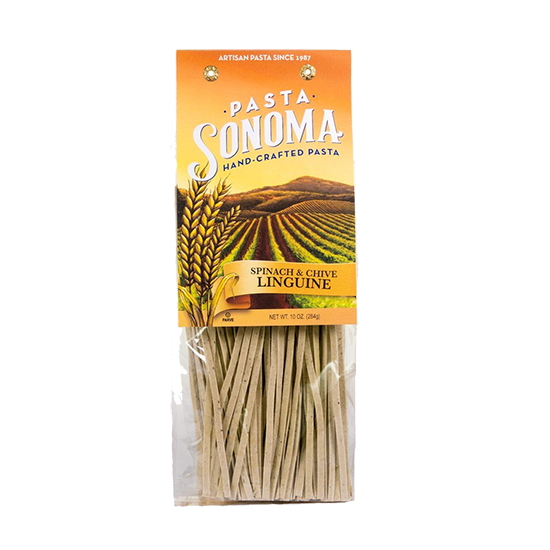
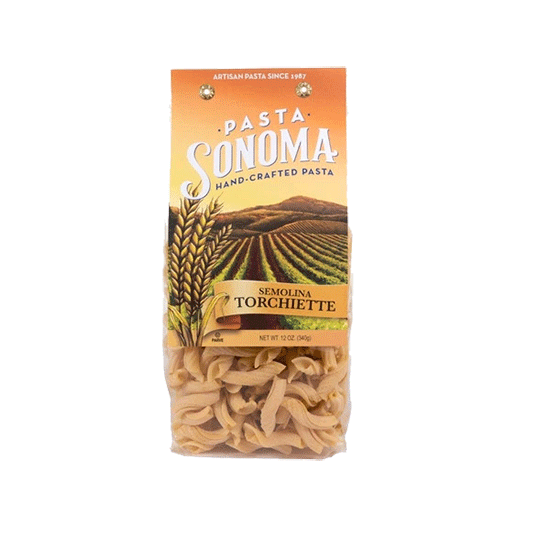
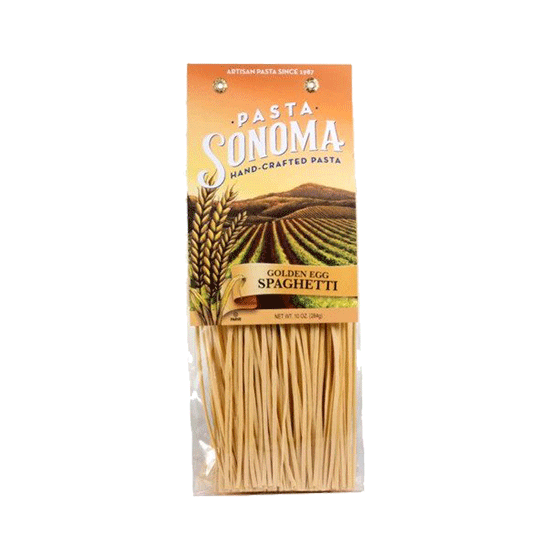
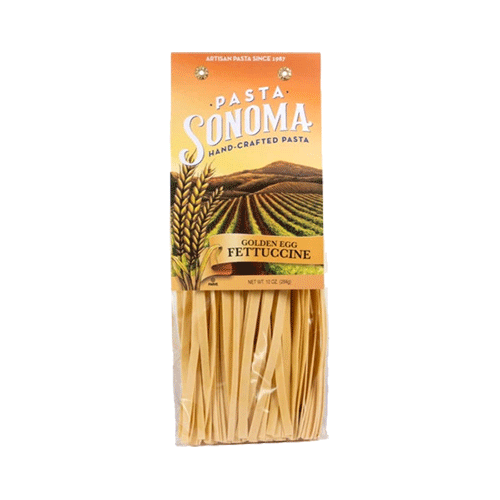
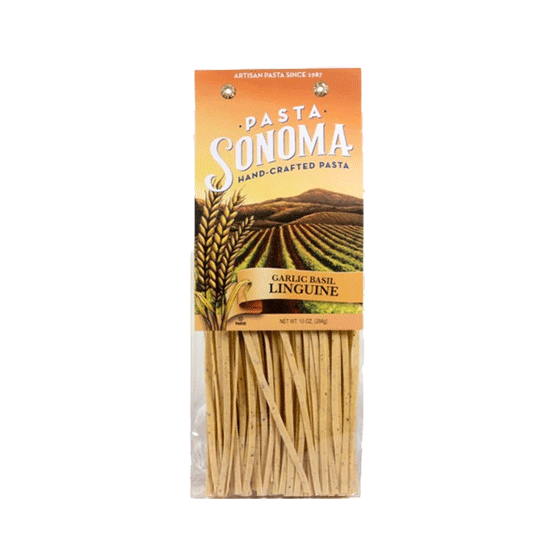
Pasta Sonoma

Sonoma, CA

Wine country handmade pasta from Montana-grown durum wheat

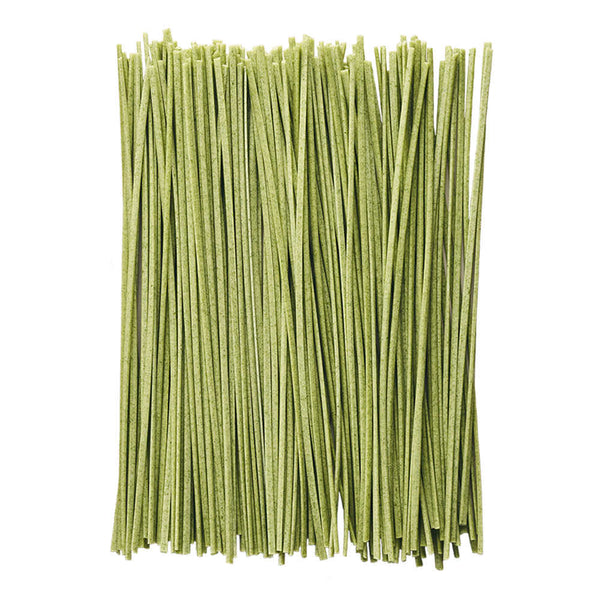
Made in the heart of Sonoma County from Montana-grown hard amber durum wheat, Pasta Sonoma's hand-crafted batches include both traditional and specialty egg pastas. They've been making pasta this way since the 1990s, long before artisan pasta became a food media category.
Enter Store

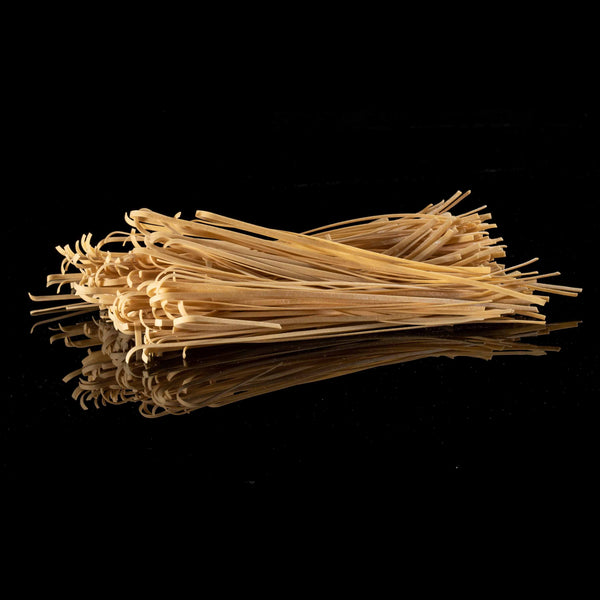
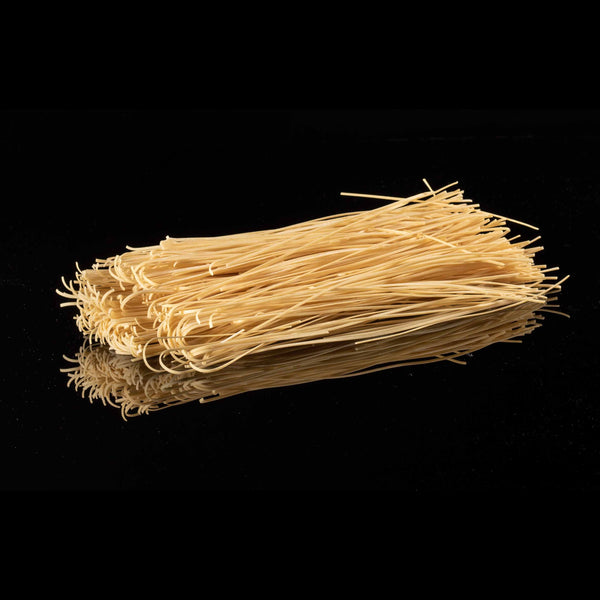
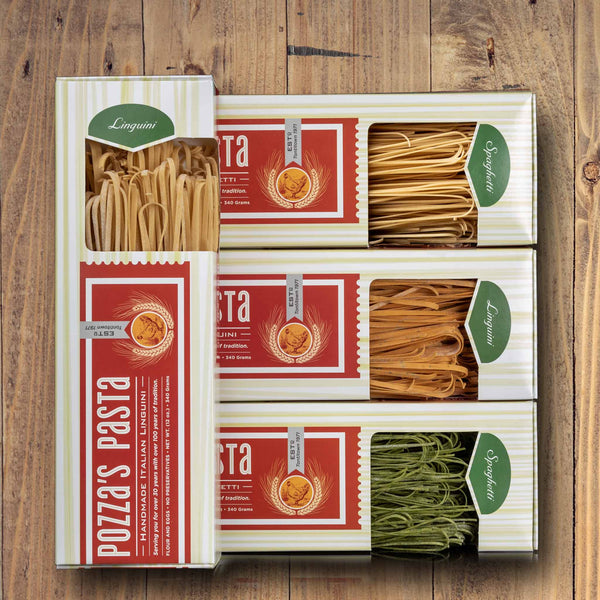
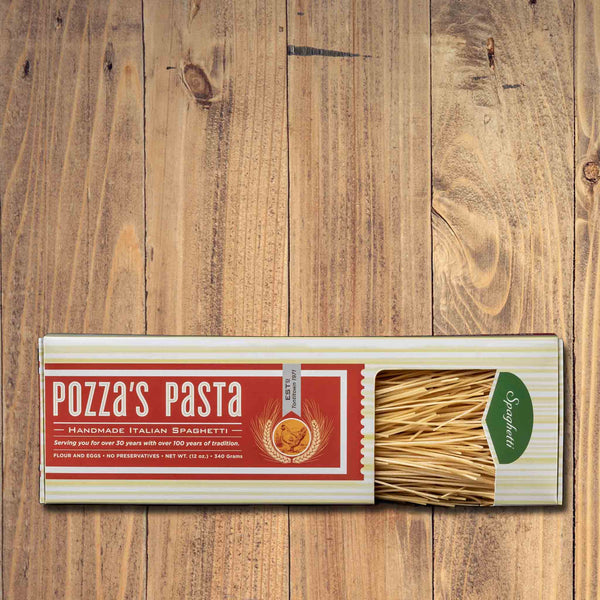
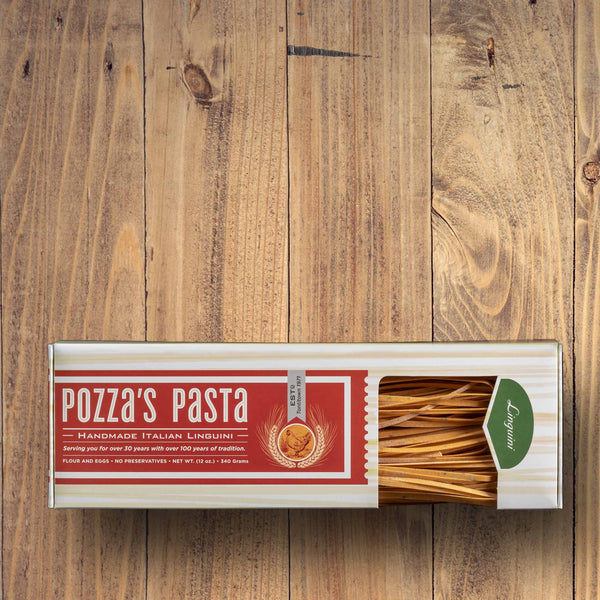
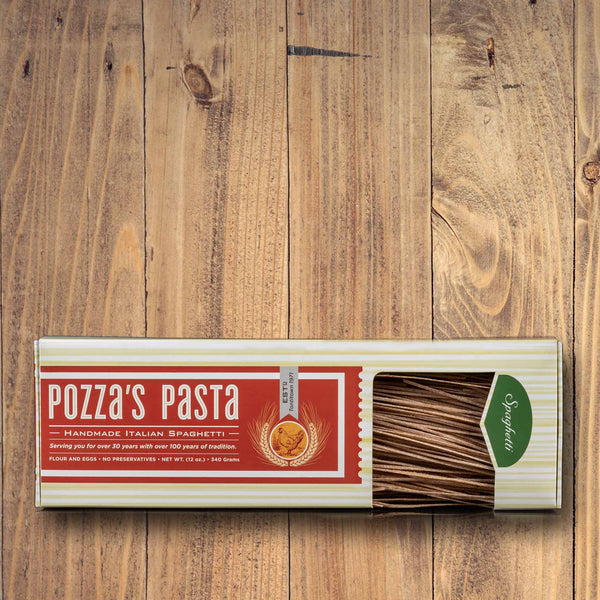
Pozza's Pasta

Texas

Daily handmade air-dried pasta using decades-old family techniques

Pozza's makes their pasta by hand every single day using a family recipe that predates their commercial operation. Air-dried rather than oven-dried, their pasta develops a slightly different texture that holds particularly well in long-simmered dishes.

Enter Store

Gotham Grove

New York, NY

Curated Italian pantry staples imported for the serious home cook

Gotham Grove's pasta selection pulls from small Italian producers who don't export through traditional channels, making brands like Masciarelli and Cavalieri available to American cooks who know what to look for. A reliable source for bronze-cut Italian imports.

Enter Store

About This District

When comparing artisan pasta brands, look at three things: flour source, extrusion method, and drying time. Durum wheat semolina is the baseline, but some brands specify the milling origin or variety, which affects flavor. Bronze-die extrusion creates the rough texture that holds sauces better than Teflon-extruded pasta. Slow drying at low temperatures (under 50C) preserves the wheat's natural flavor compounds, resulting in a nuttier, more complex taste. Cooking time also signals quality: artisan pasta typically takes longer and holds al dente better than commercial pasta. For shapes, rigatoni and penne from artisan brands show the most dramatic surface texture difference from mass-market versions. Sfoglini's heritage grain shapes are a good entry point. Della Terra and Pasta Sonoma both offer variety packs if you want to sample before committing to a case. Store dry pasta in a cool pantry up to two years, though most artisan pasta is best within the first 12 months.