Mint Districts Beauty

Reef Safe Sunscreen Brands That Protect You and the Ocean

The problem with conventional sunscreen isn't just what it does to your skin , it's what ends up in the coral. Oxybenzone and octinoxate, two chemical UV filters found in most drugstore SPFs, have been shown to bleach and kill coral reefs at remarkably low concentrations. Reef safe swaps those for zinc oxide and titanium dioxide: minerals that sit on top of skin rather than absorbing into it, and don't leach into marine ecosystems. What once meant a gluey white paste has gotten dramatically better. These brands have figured out texture, skin feel, and real environmental accountability at the same time.

Beauty · 8 Brands

The Reef Safe District

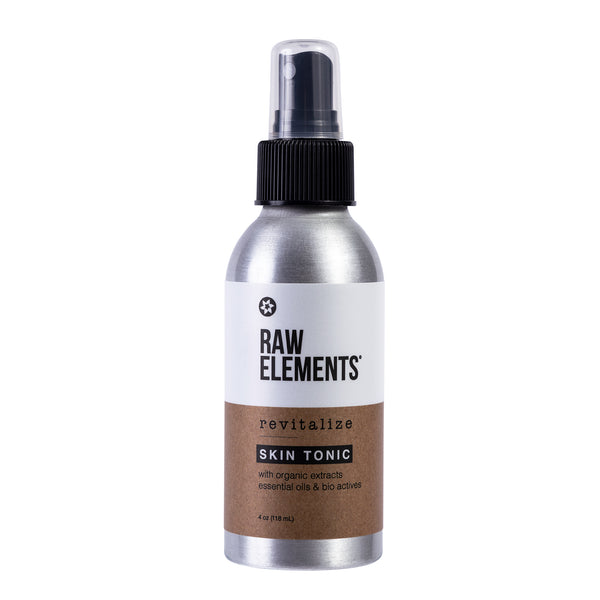
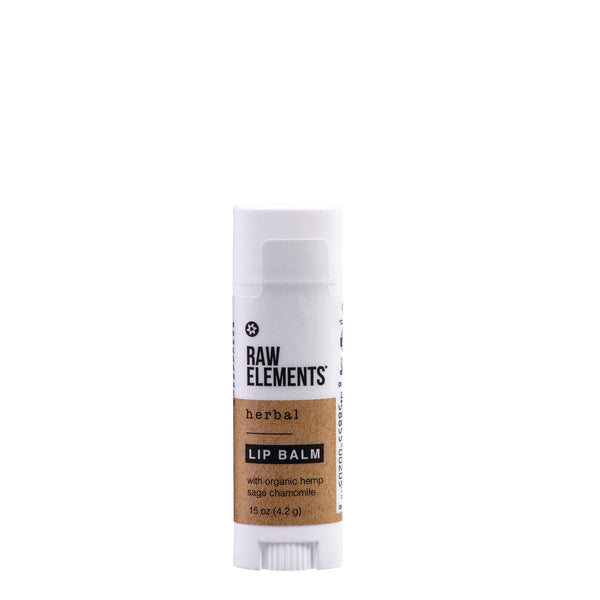
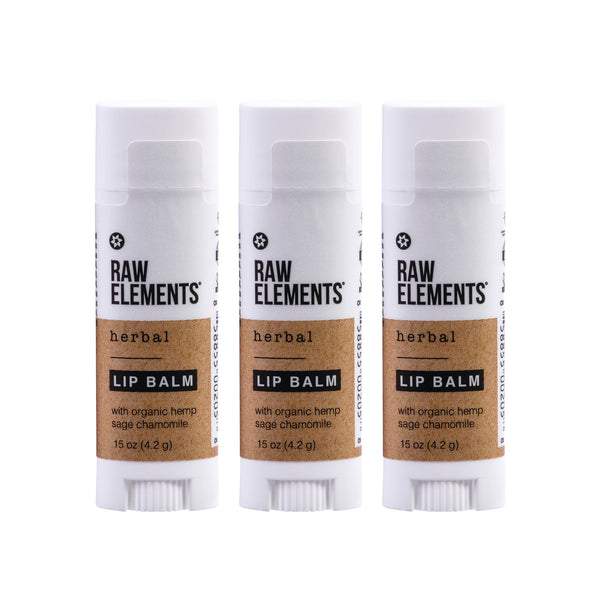
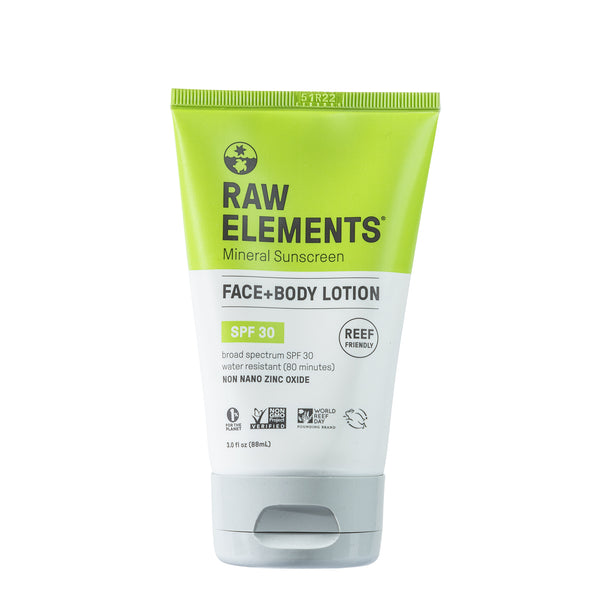
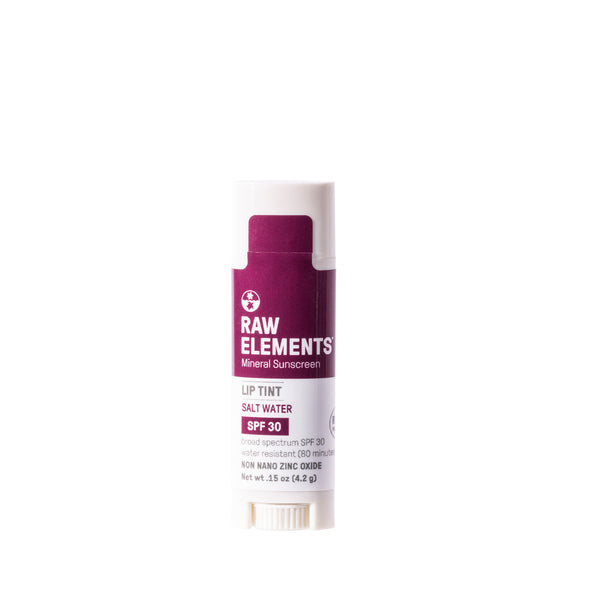
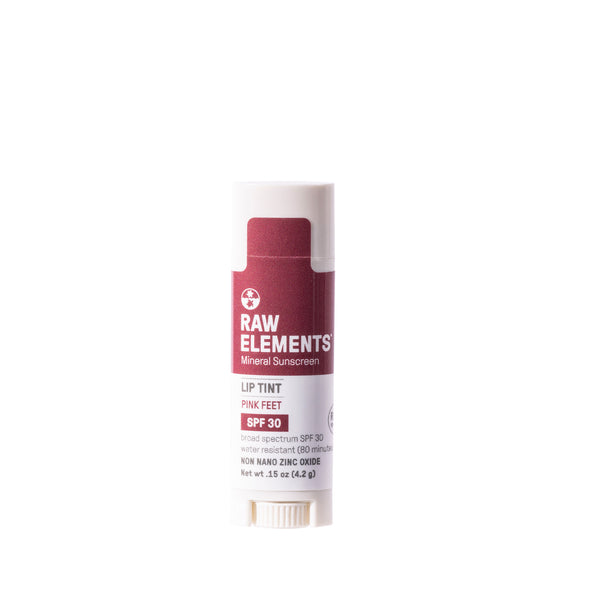
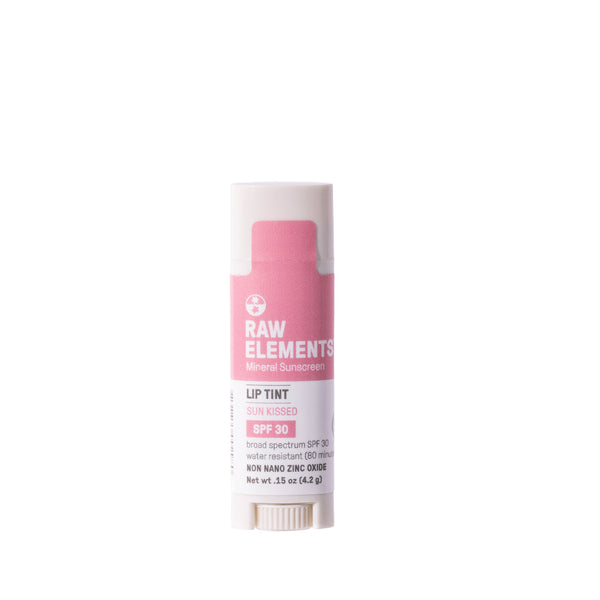
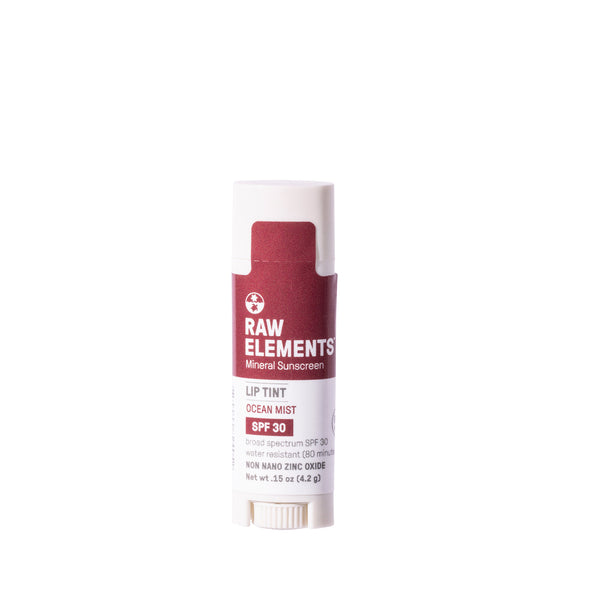
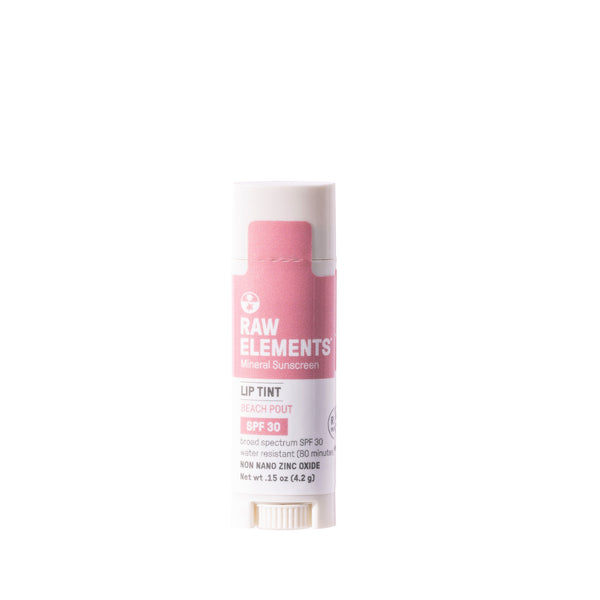
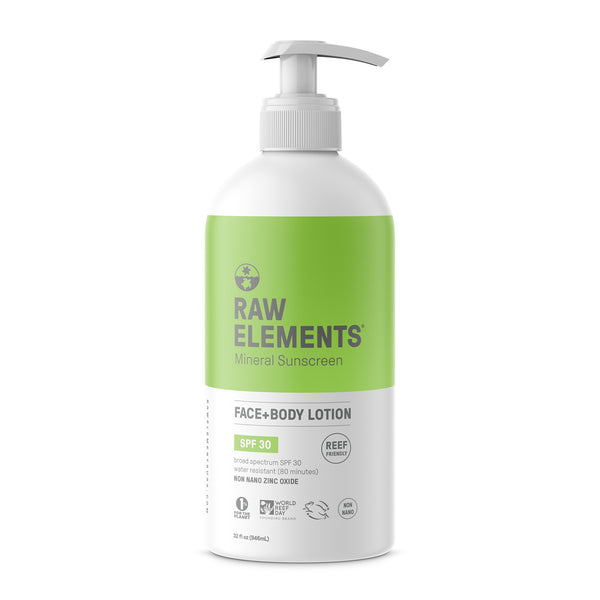
Raw Elements

Portland, OR

Certified natural sunscreen tested safe for coral and aquatic life.

Raw Elements was built around one obsession: making sunscreen that doesn't harm what you're swimming near. Every formula uses non-nano zinc oxide only, and the company was among the first to pursue third-party aquatic biodegradability testing. The reusable tins are refillable, and every product is EWG Verified.
Enter Store

Stream2Sea

Islamorada, FL

Reef-safe sunscreen formulated and tested in Florida's living waters.

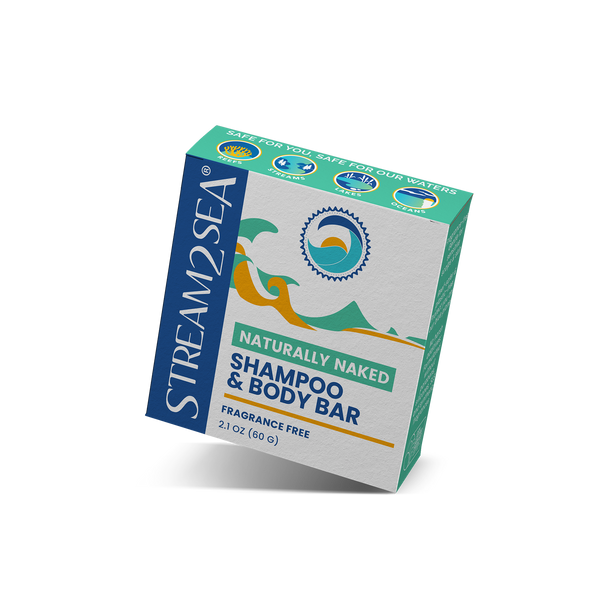
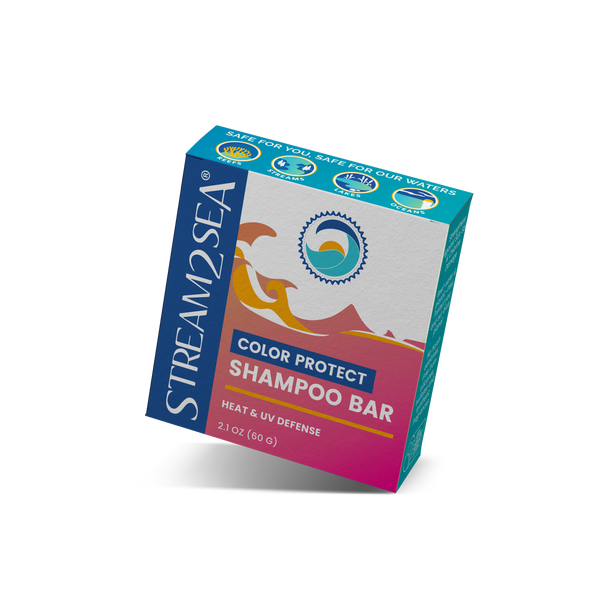
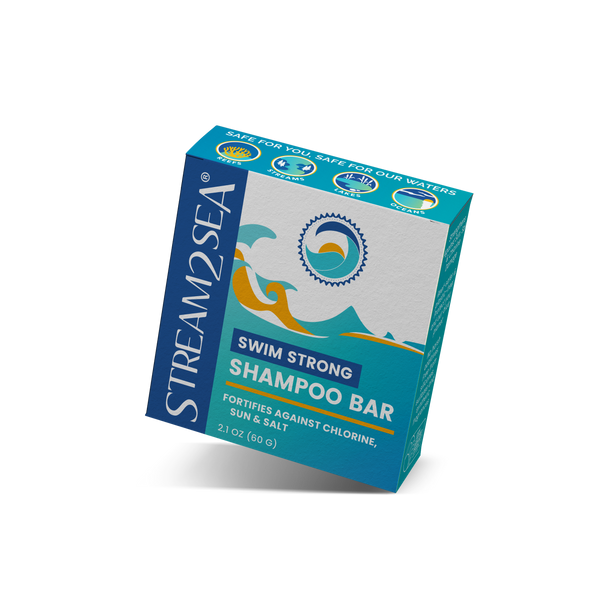
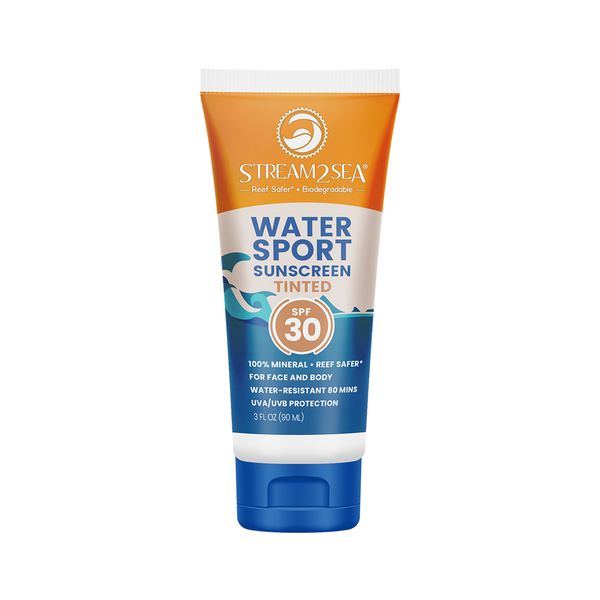
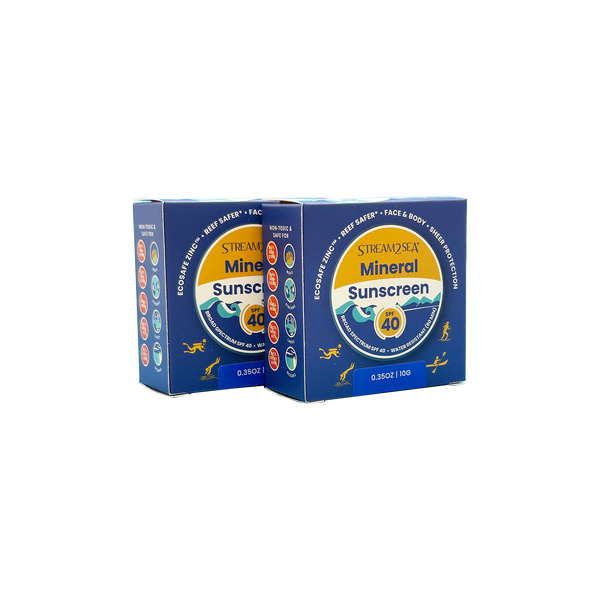
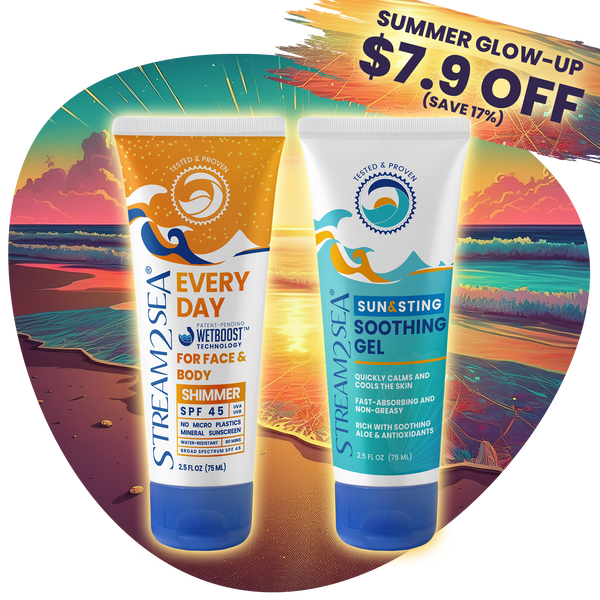
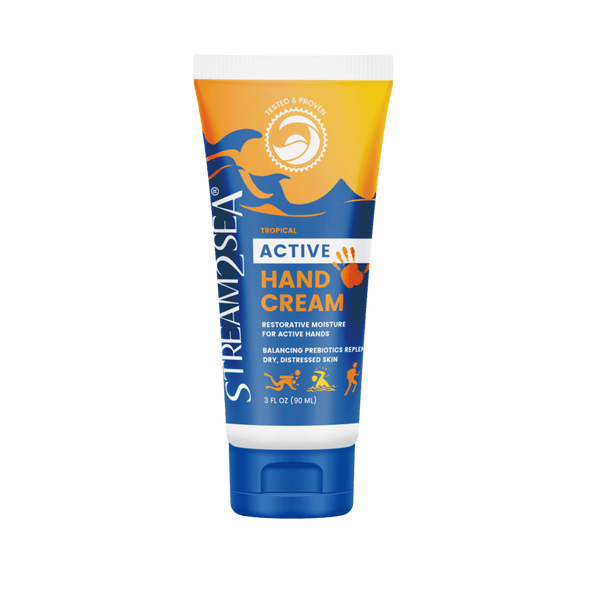
Founded by a biochemist in the Florida Keys who watched the reef she loved deteriorating, Stream2Sea tests every product against zebrafish larvae to verify genuine aquatic safety, not just ingredient compliance. The lab validation is publicly available, which puts them in a class by themselves.

Enter Store

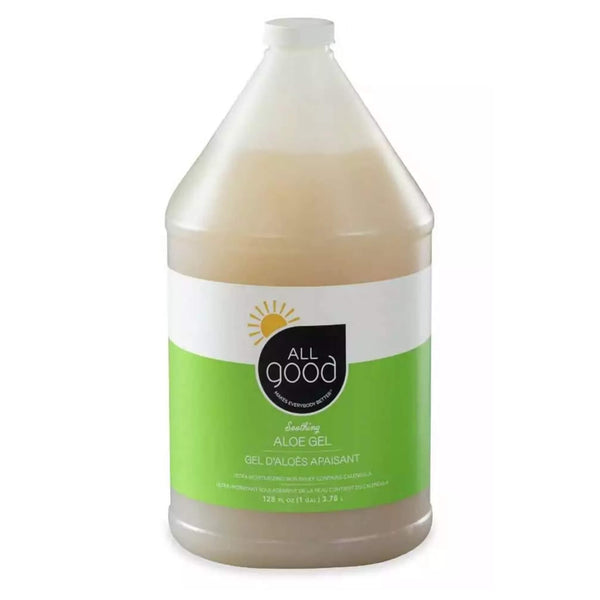
All Good

Santa Cruz, CA

Mineral sun care made with herbs grown on certified organic farms.

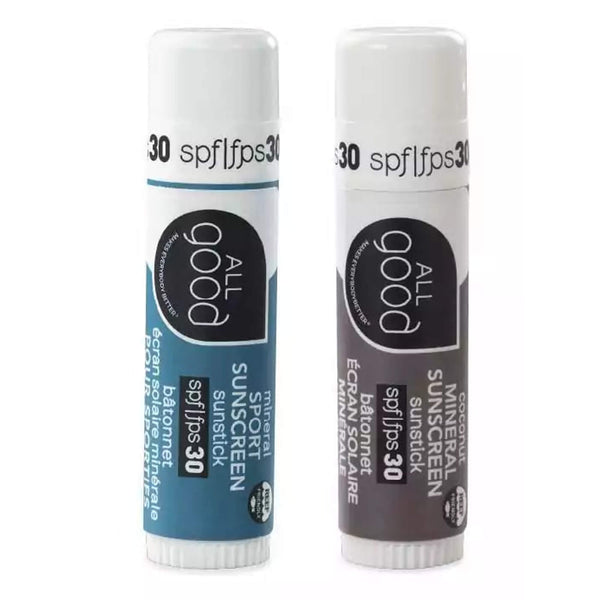
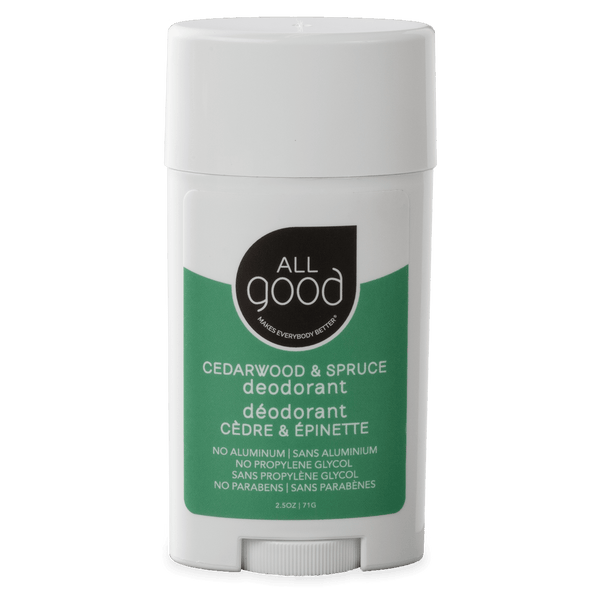
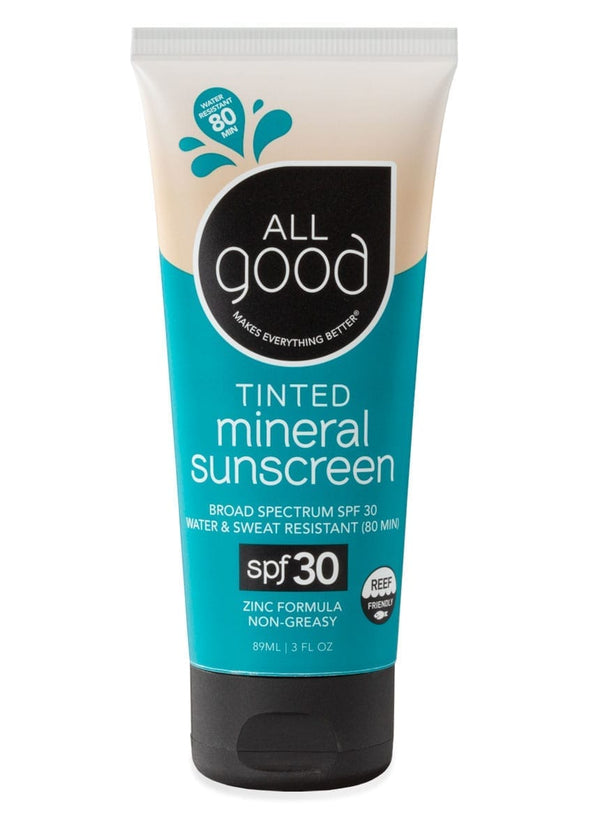
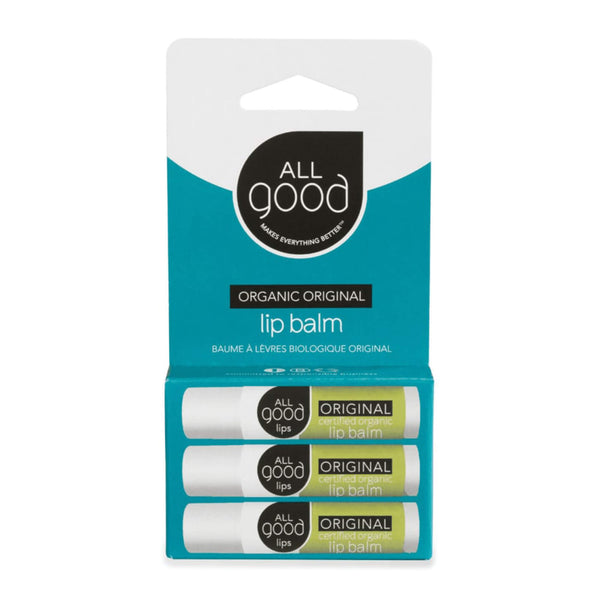
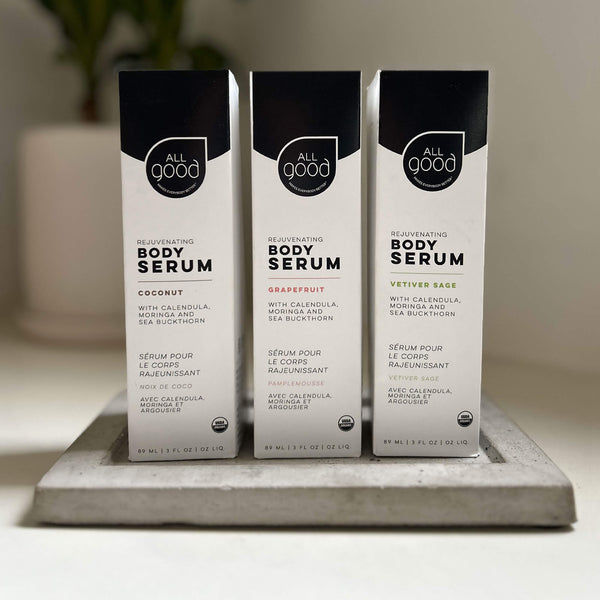
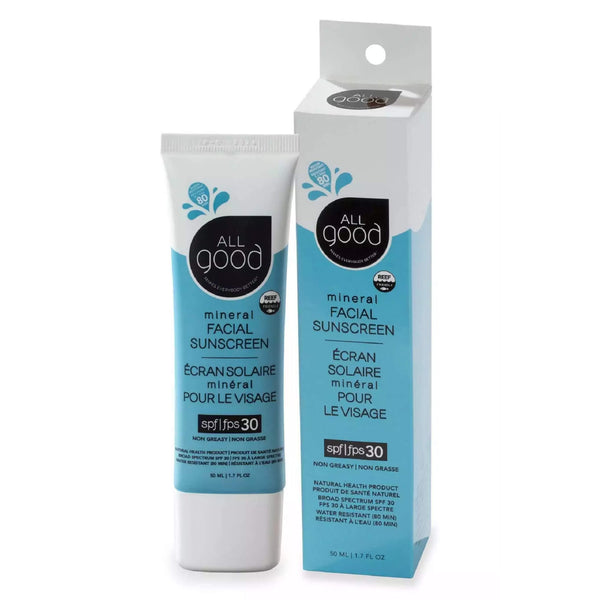
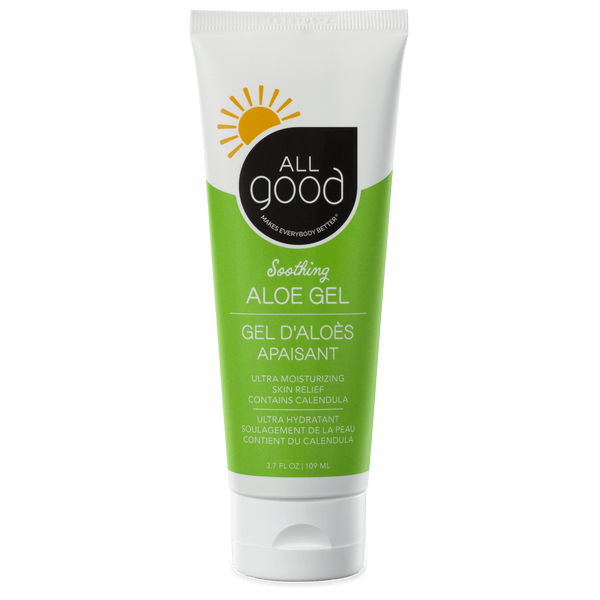
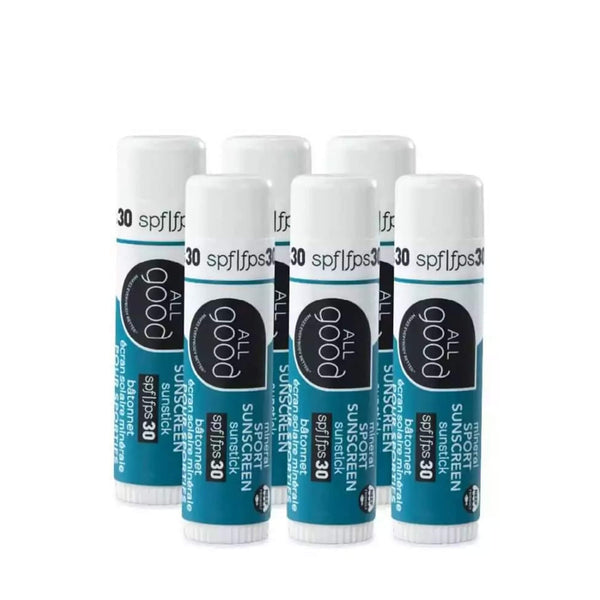
Started by a group of surfers in Santa Cruz who wanted a sunscreen that matched their values. All Good uses non-nano zinc oxide and packs certified organic botanicals like green tea, calendula, and chamomile into formulas that actually absorb well. The Sport Sunscreen Butter has won loyal fans who've tried and abandoned most of the alternatives.

Enter Store

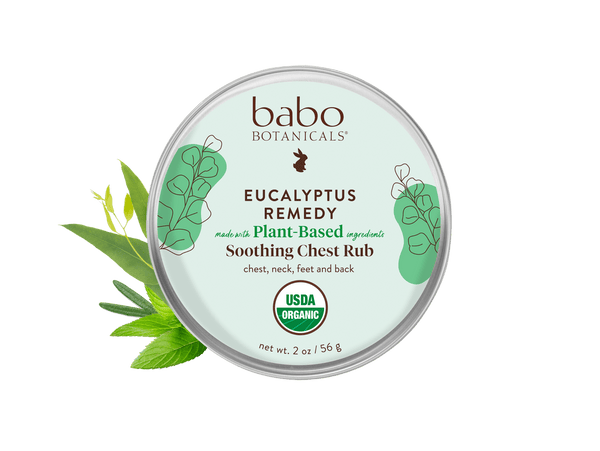
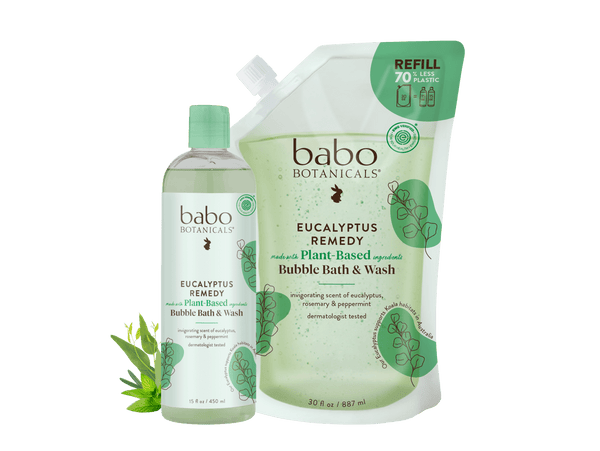
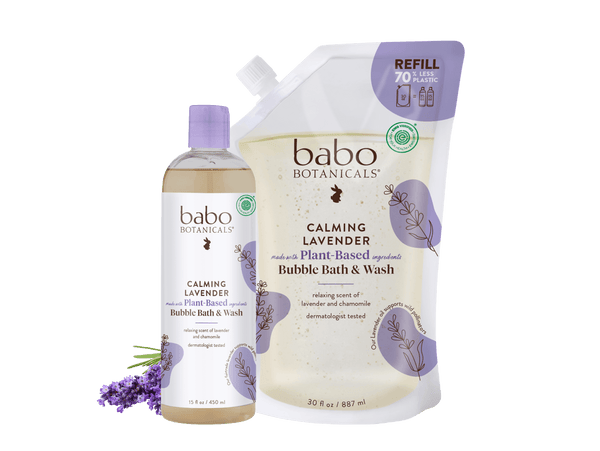
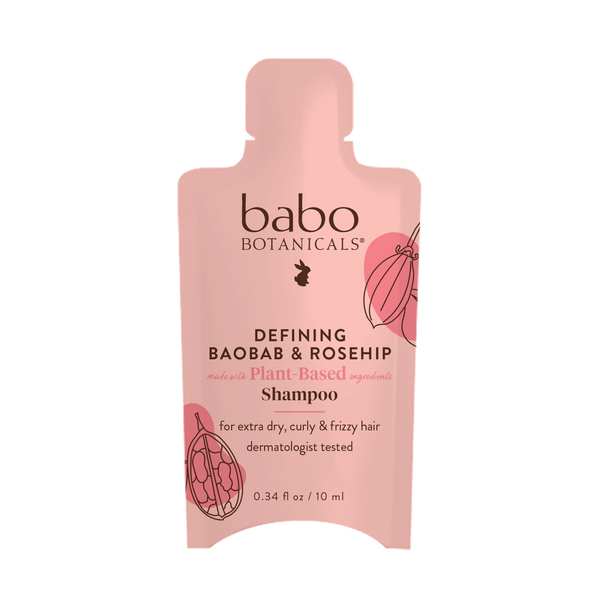
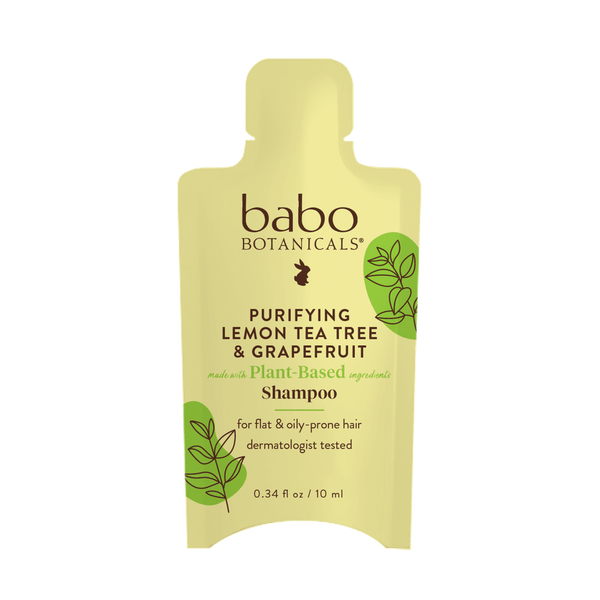
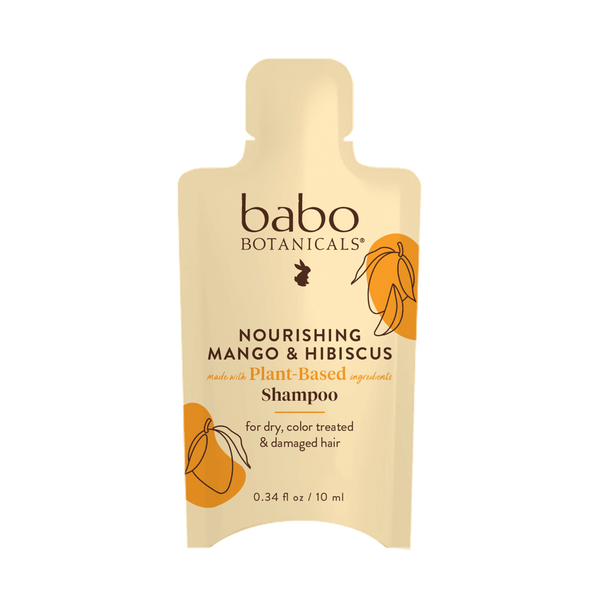
Babo Botanicals

New York, NY

Hypoallergenic mineral SPF for sensitive skin and the whole family.

Babo Botanicals was built for reactive skin types , every sunscreen is fragrance-free, non-nano zinc oxide-based, and dermatologist-tested. EWG Verified, pediatrician-approved, and one of the most trusted options for parents navigating clean SPF for children.
Enter Store

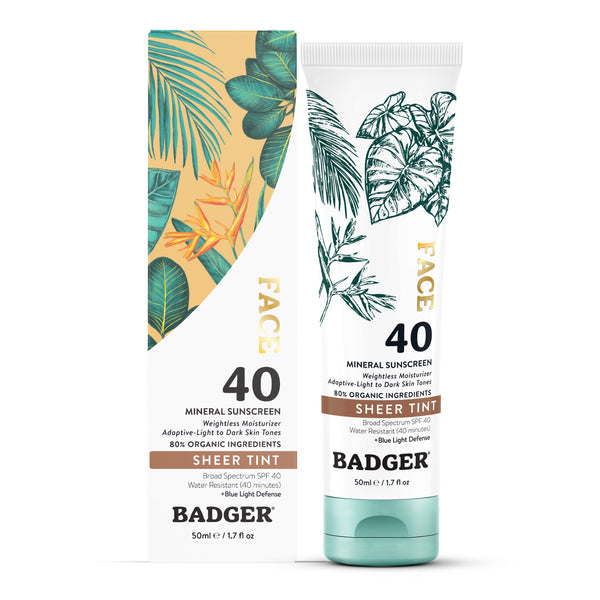
Badger Balm

Gilsum, NH

Family-made organic sunscreen from a New Hampshire certified organic facility.

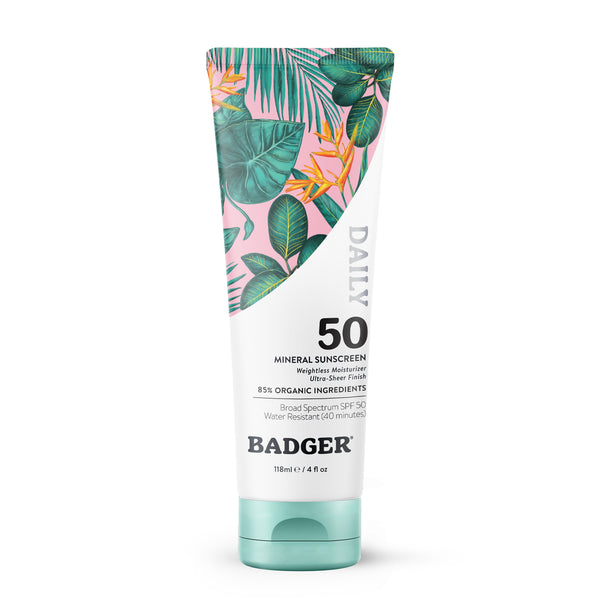
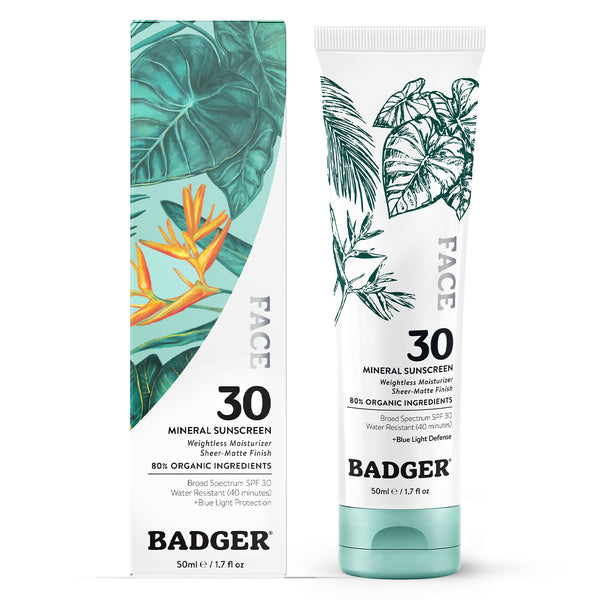
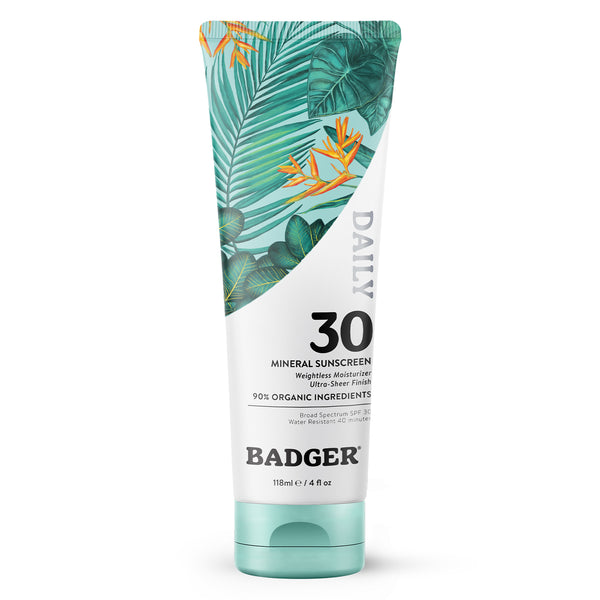
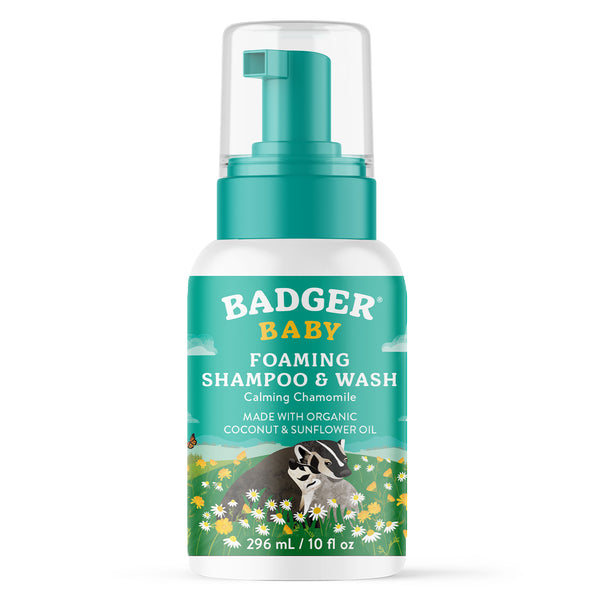
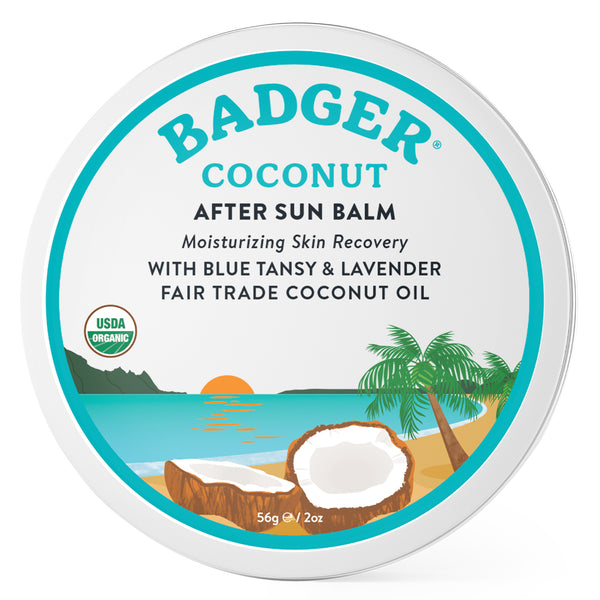
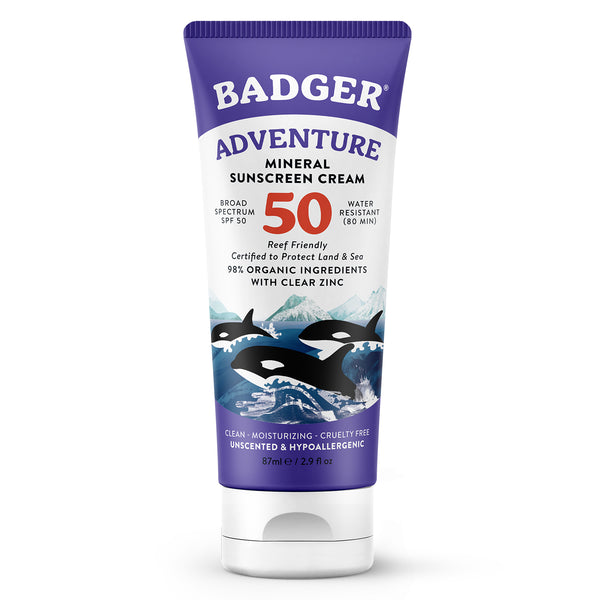
A family-owned company making mineral SPF since before 'reef safe' was even a phrase. Still employee-owned and B Corp certified, Badger was one of the original non-nano zinc oxide brands and remains the most accessible entry into genuinely clean sun care.

Enter Store

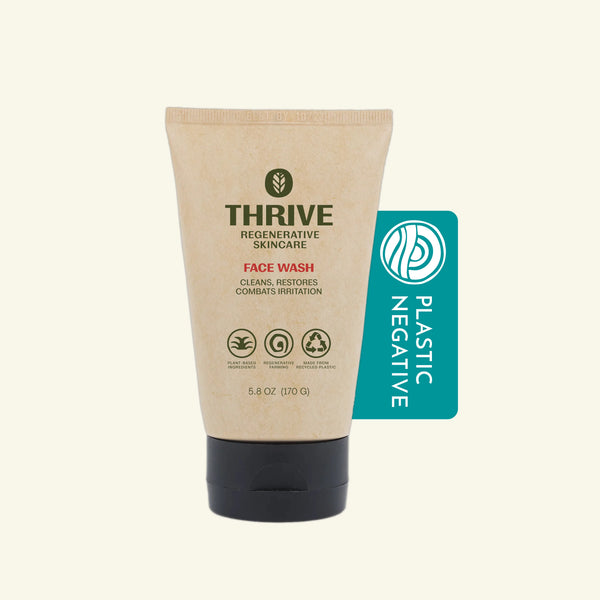
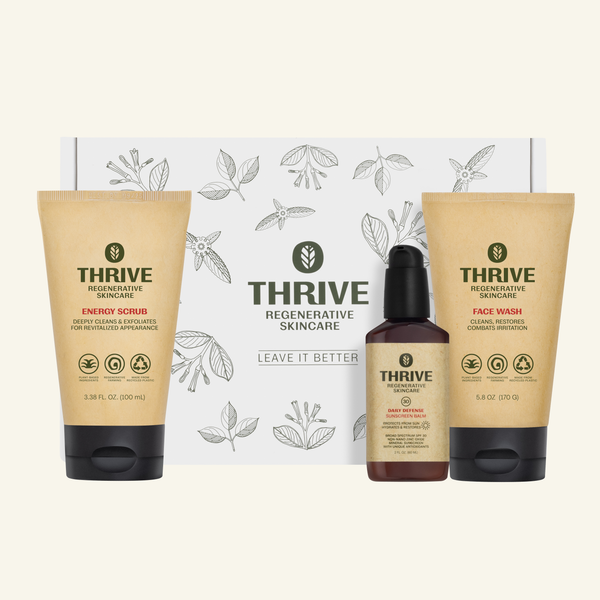
Thrive Natural Care

Regenerative sunscreen connecting ocean protection to land restoration.

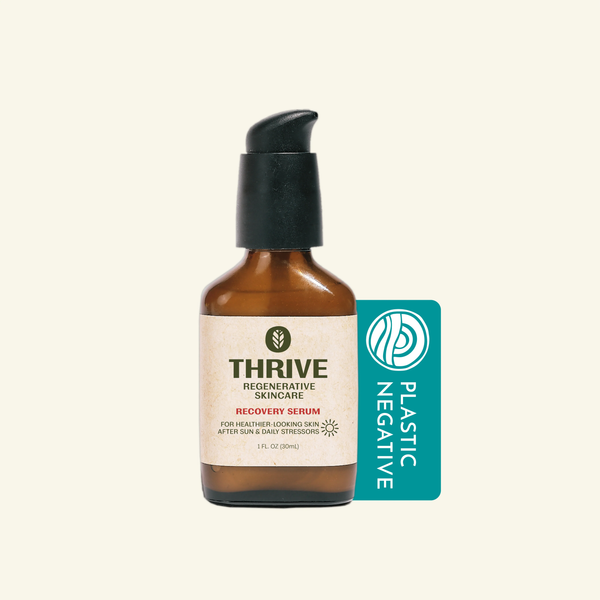
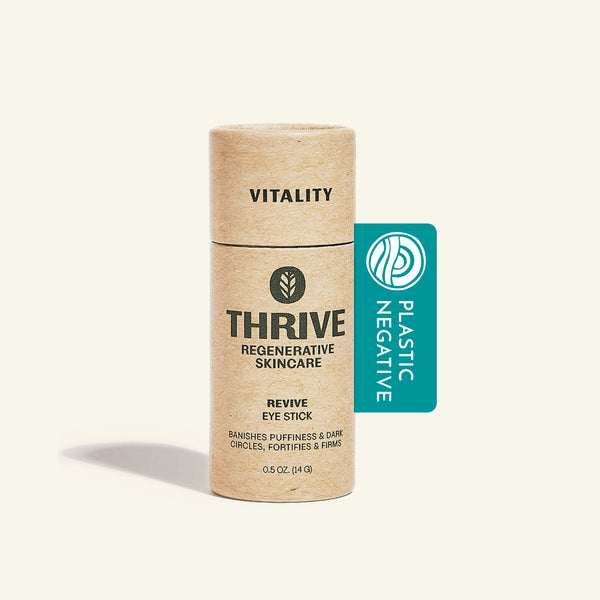
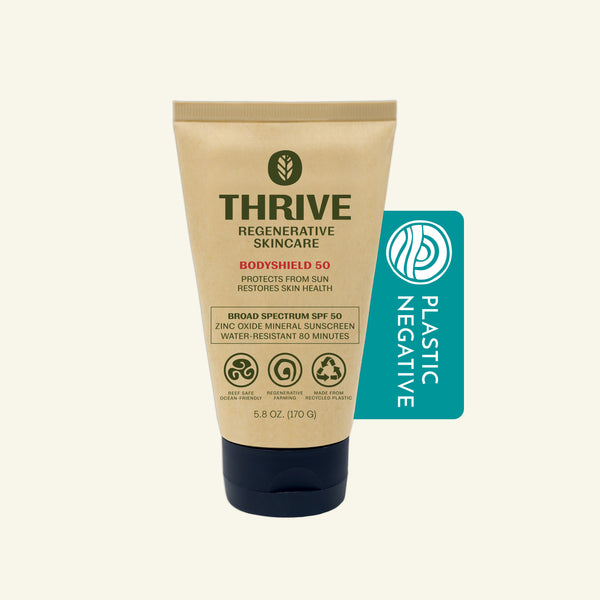
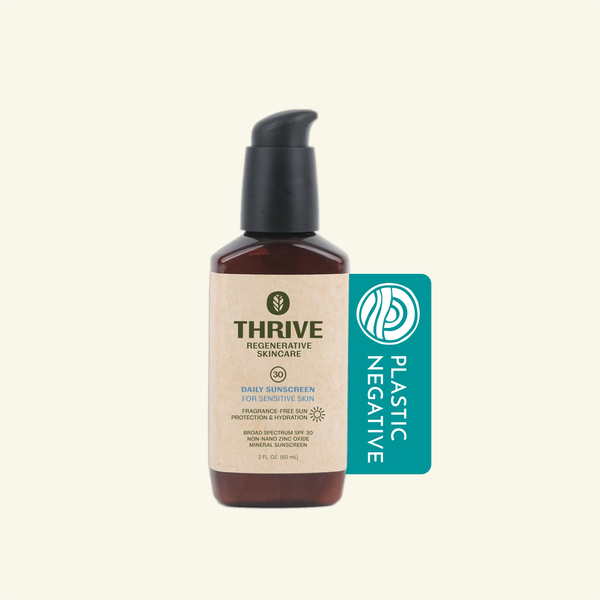
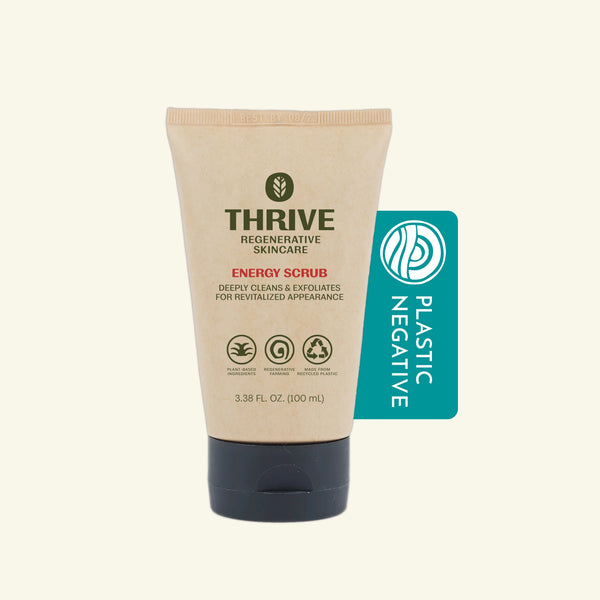
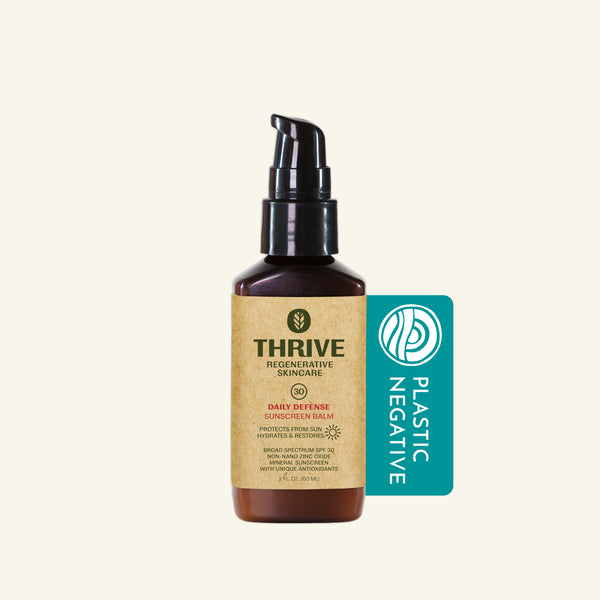
Thrive sources ingredients from farmers practicing regenerative agriculture in Costa Rica, measuring soil carbon recovery as part of their supply chain. The SPF 50 mineral formula topped Wirecutter's reef-safe ranking , one of the few brands that connects ocean protection explicitly to soil health.

Enter Store

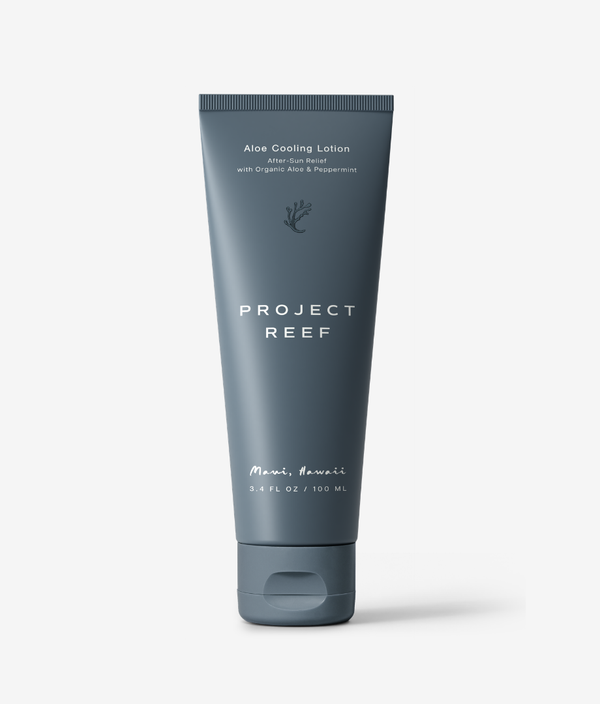
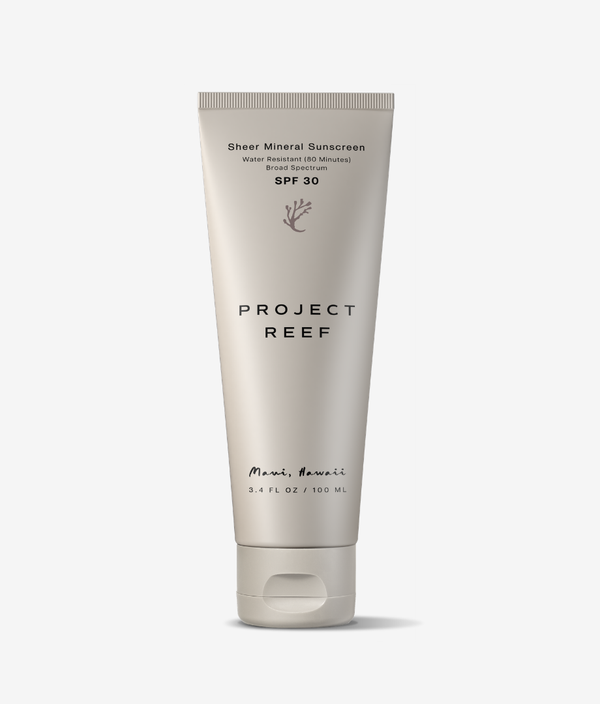
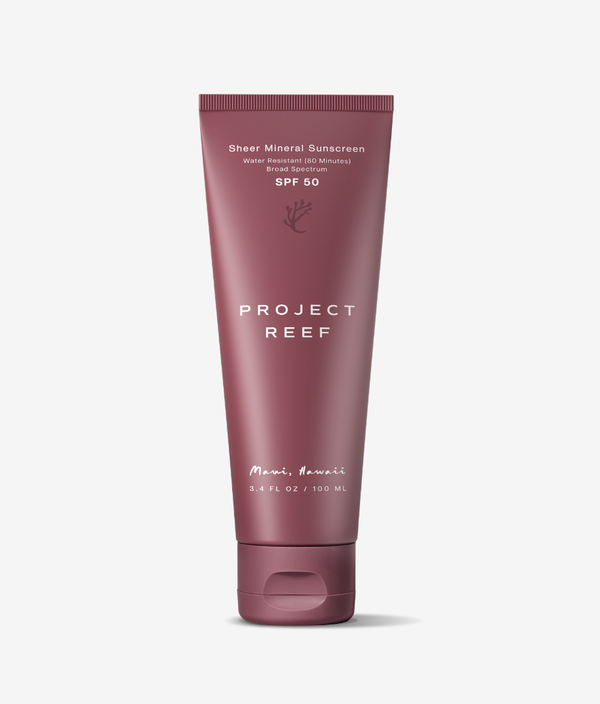
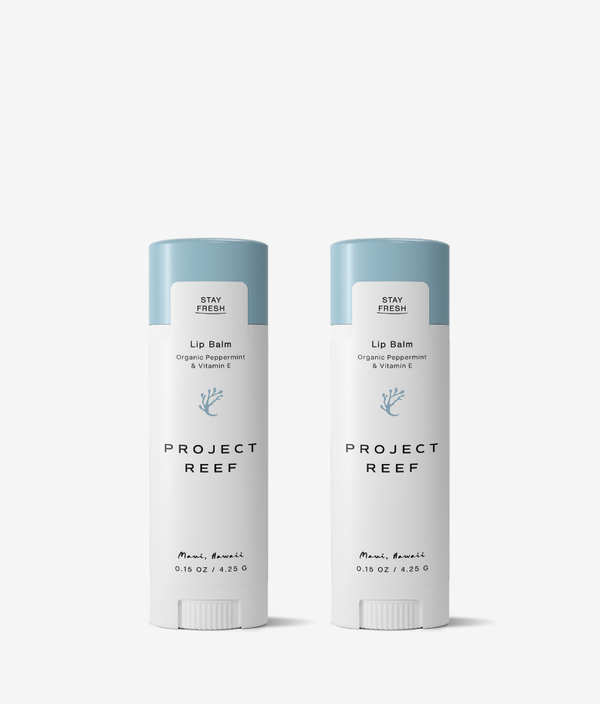
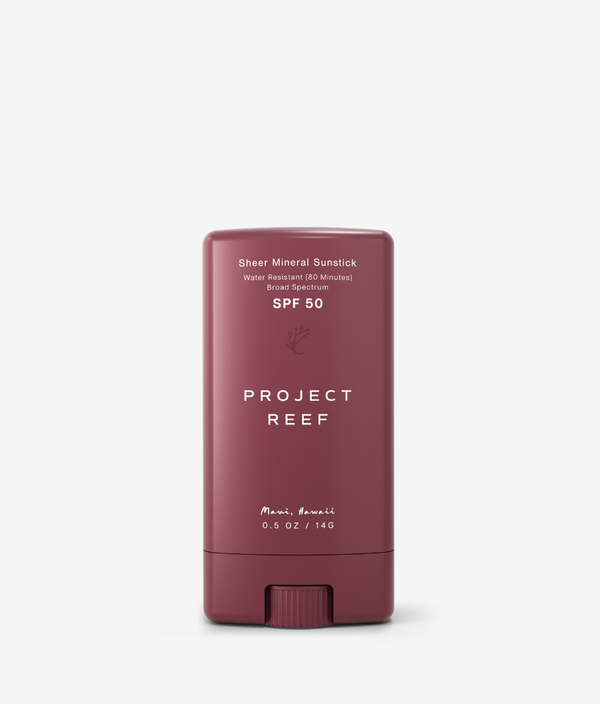
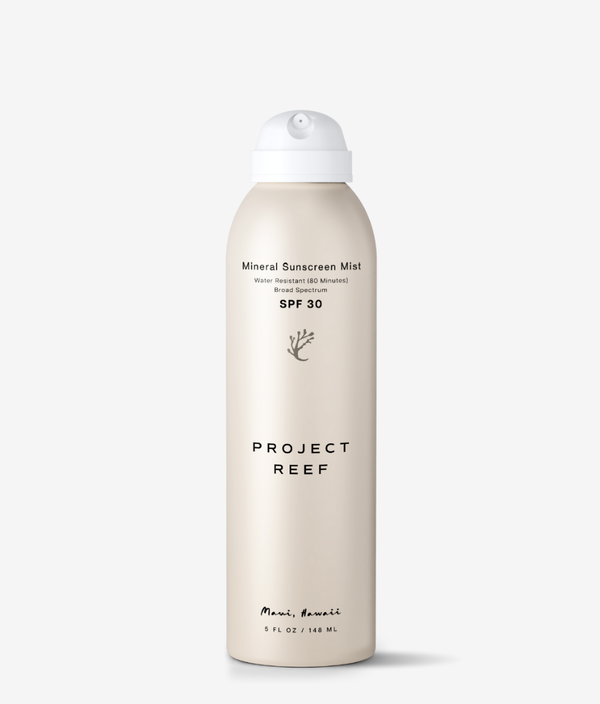
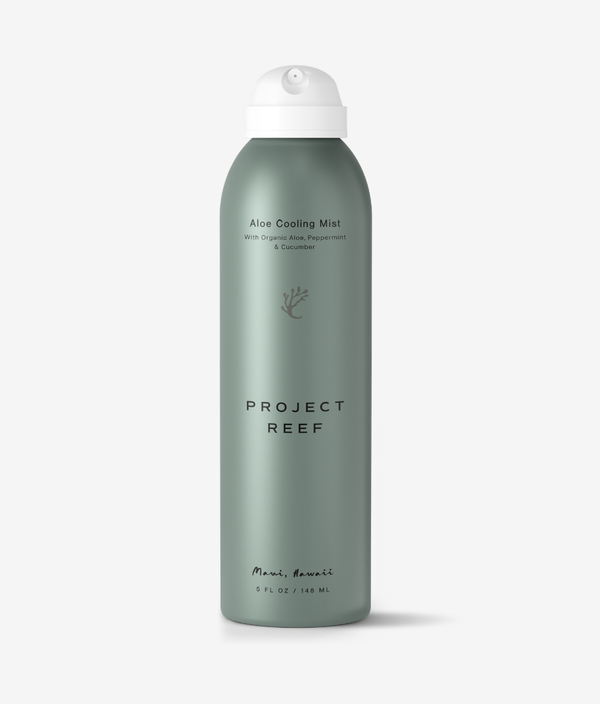
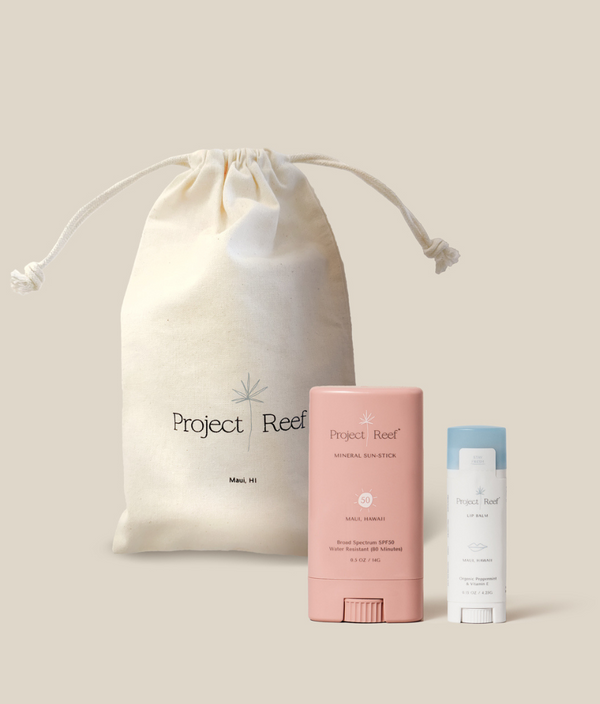
Project Reef

Every bottle funds coral restoration on Hawaiian reefs.

Part sunscreen brand, part coral reef program. Project Reef donates a portion of every sale to coral planting in Hawaii and publishes third-party biodegradability results for every formula. The products are EWG Verified and developed with reef conditions specifically in mind.
Enter Store

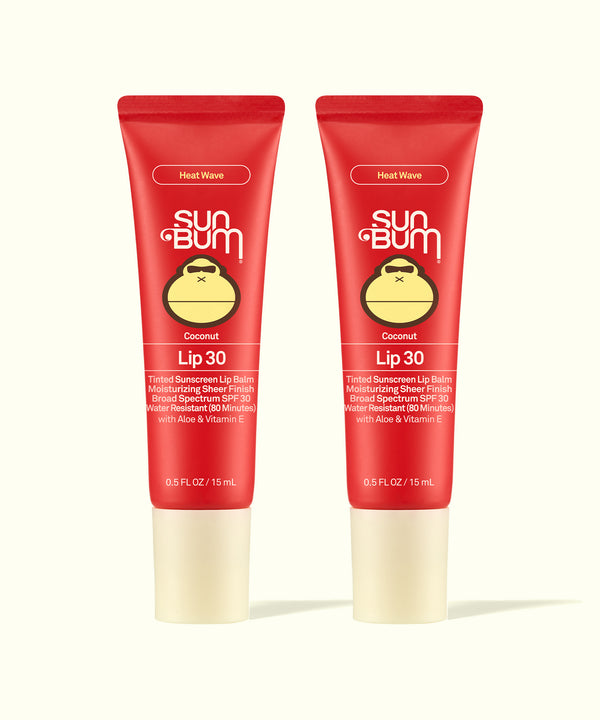
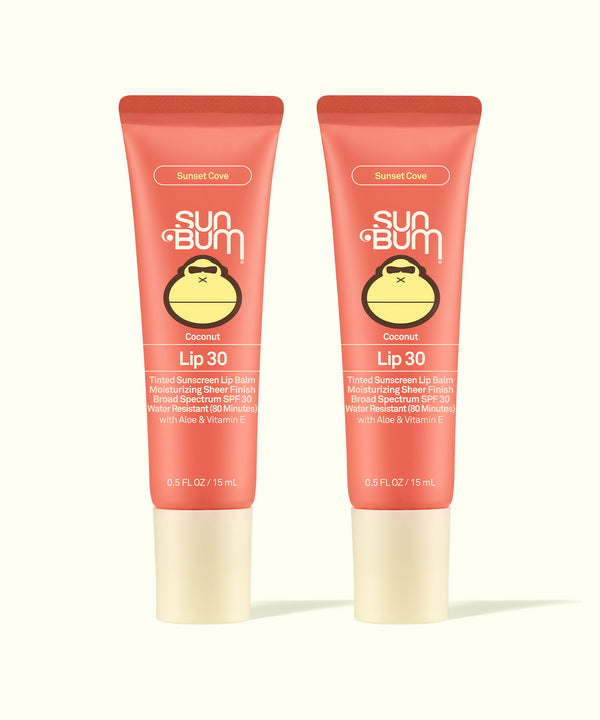
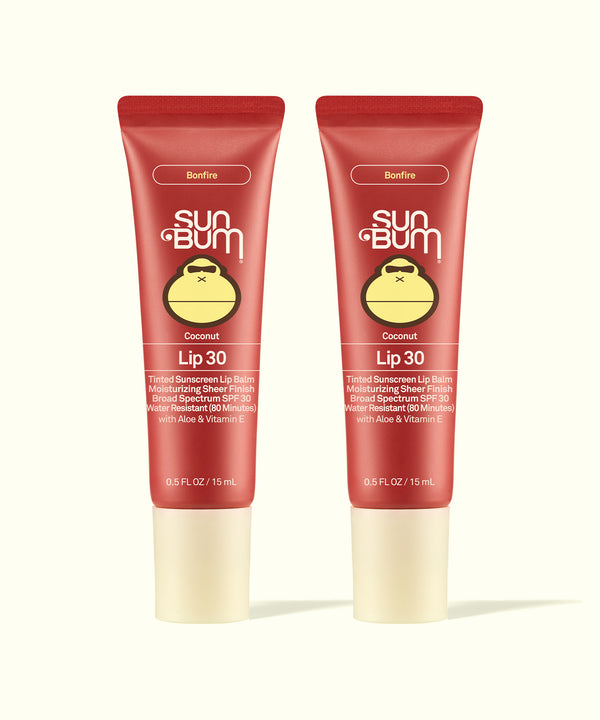
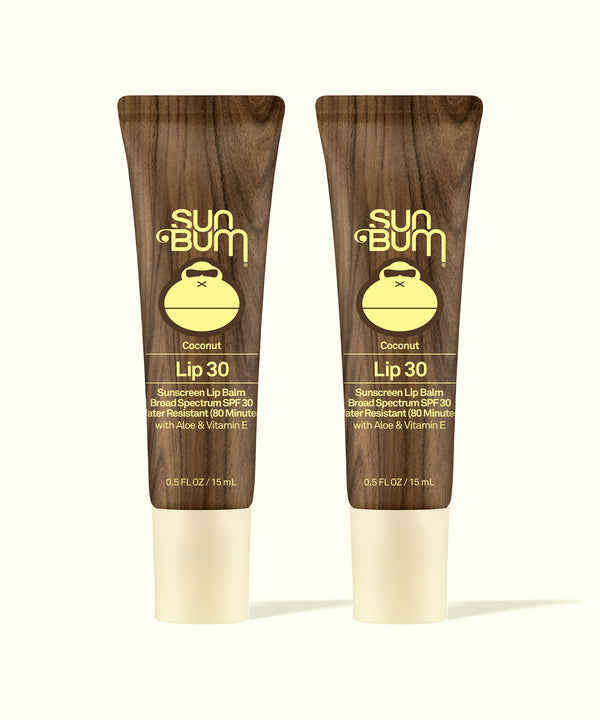
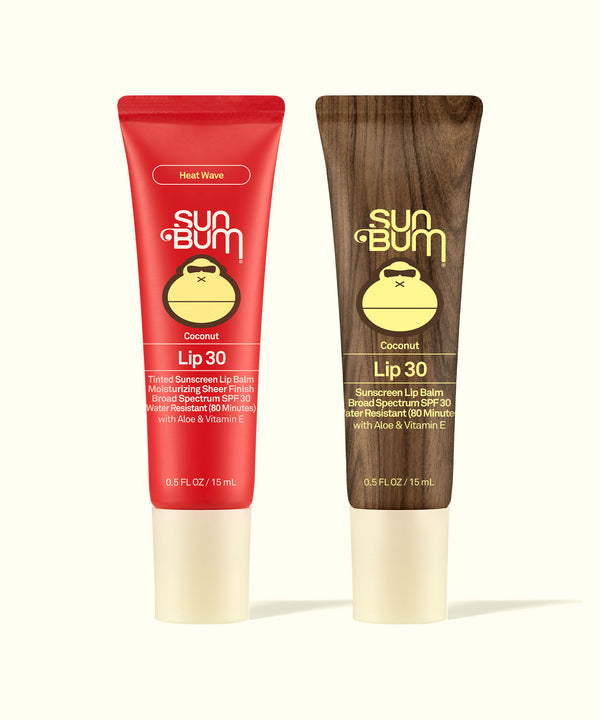
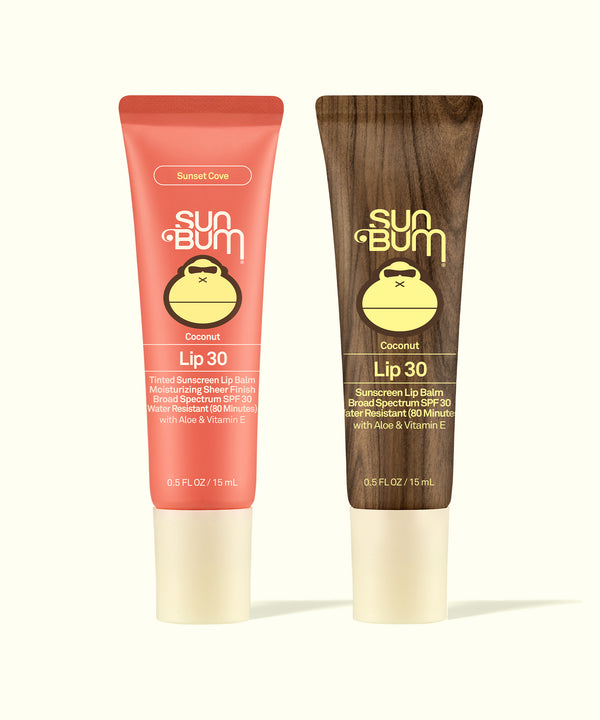
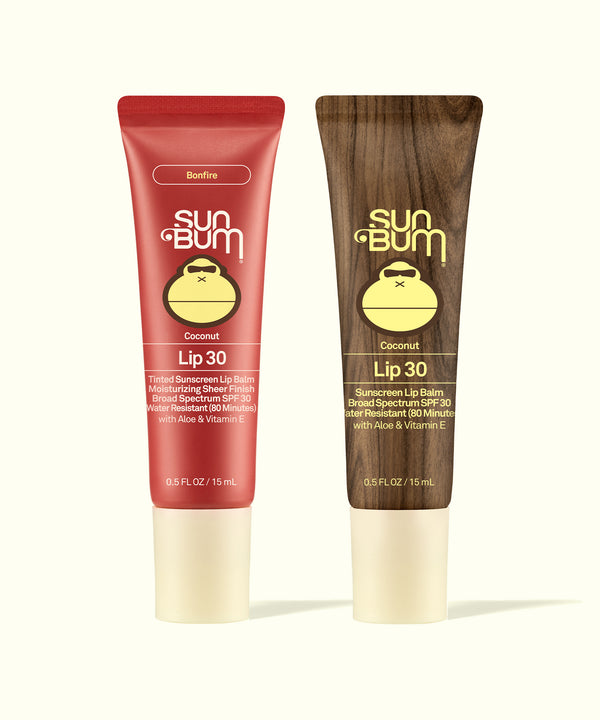
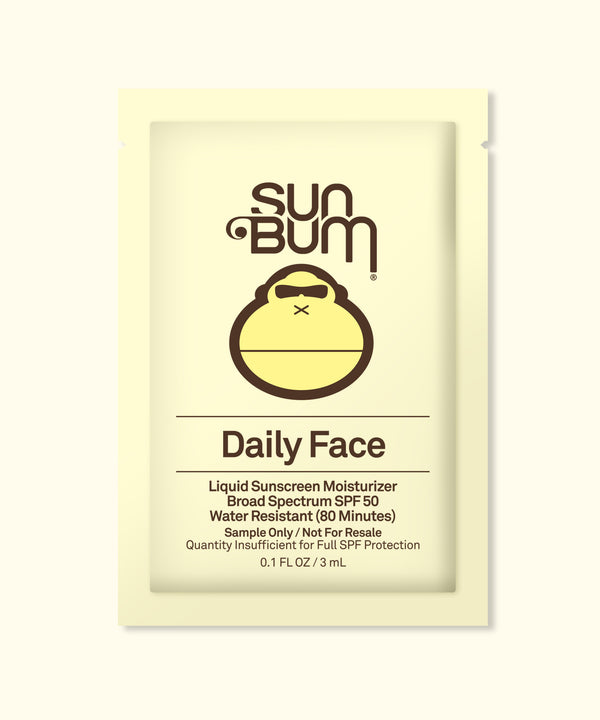
Sun Bum

Cocoa Beach, FL

Reef-friendly sun care built on a Florida coast with a beach-first ethos.
Sun Bum started on the Florida coast before most brands were thinking about reef chemistry. Their mineral line is Hawaii 104 compliant, cruelty-free, and built around the simple logic that if your home is the ocean, your products shouldn't harm it.

Enter Store

About This District

The term 'reef safe' isn't regulated by the FDA, which means brands can slap it on labels without much accountability. Two things actually matter: the active ingredients list and third-party certifications. Look for zinc oxide or non-nano titanium dioxide as the only active ingredients. Avoid oxybenzone, octinoxate, octocrylene, and homosalate , these are the primary chemical filters linked to coral damage. Non-nano matters too. Nano-scale zinc oxide particles are small enough to be ingested by marine life. Non-nano versions stay on skin's surface and don't penetrate coral tissue the same way. Raw Elements, Stream2Sea, and Badger Balm all use non-nano formulations certified for aquatic environments. Beyond ingredients, look for what the product is certified by. Hawaii banned oxybenzone and octinoxate in 2018 , that's a meaningful benchmark. Stream2Sea goes further: their products are tested for biodegradability and validated safe for aquatic life through zebrafish larval testing. Project Reef publishes third-party lab results openly on their site. For daily use, a mineral SPF 30+ lotion works for most faces. If you're snorkeling or surfing, go SPF 50 in a water-resistant formula and reapply every 80 minutes. Avoid spray sunscreens at the beach , overspray goes directly into the water. Stick or balm formats are cleaner in ocean environments, and most of the brands here offer them.