Mint Districts Home

Scandinavian Homewares Built Around Function First and Nothing Else

Scandinavian design has been co-opted into an adjective for any beige object with clean lines, which has made it harder to identify the actual tradition. The real thing is more specific and more demanding: form follows function, not the other way around, with a bias toward honest materials, long product lifespans, and objects that improve with use rather than date with it. Ferm Living was a graphic design studio before it became a furniture company. Stelton has been making the same stainless carafe since Arne Jacobsen designed it in 1967. These things are not accidents. The quality gap between genuine Scandinavian homewares and the aesthetic knockoffs is significant.

Home · 6 Brands

The Scandinavian Homewares District

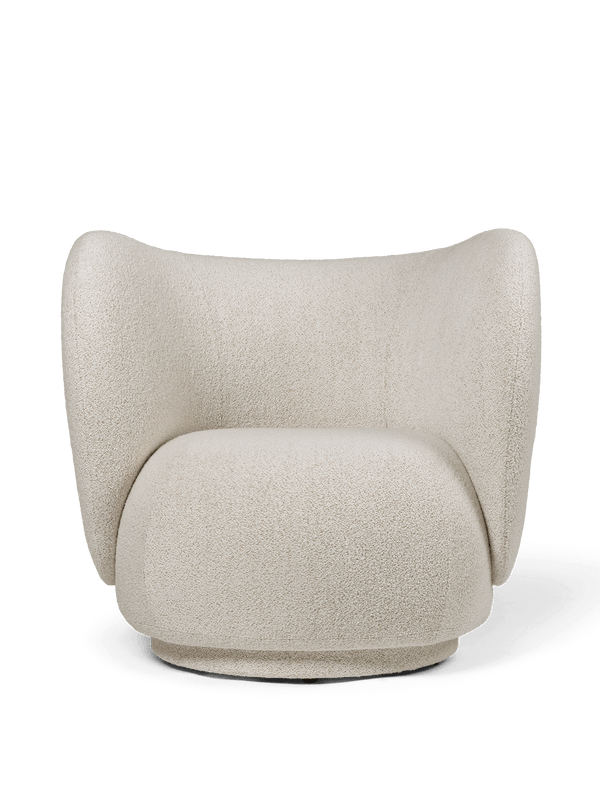
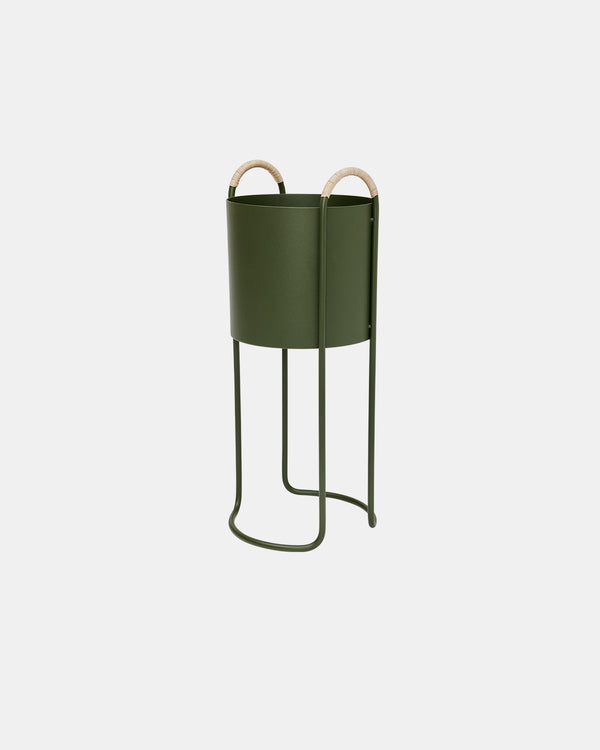
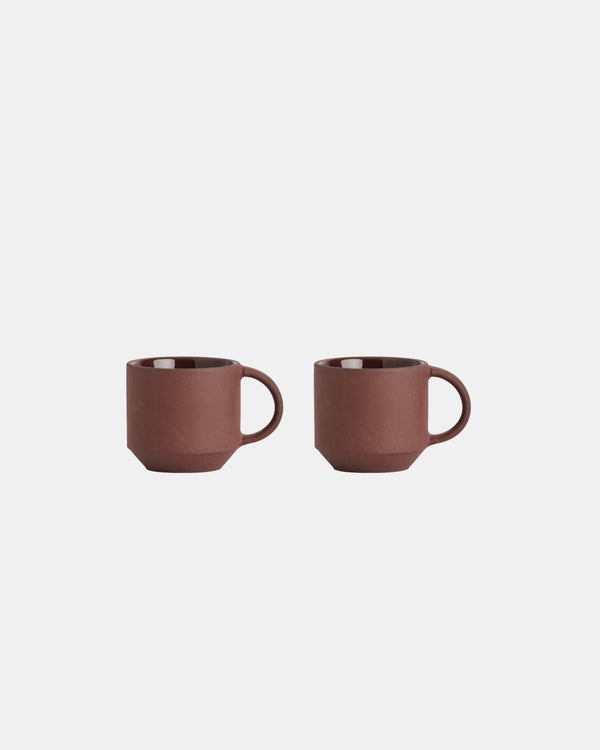
Ferm Living

Copenhagen, Denmark

Copenhagen home objects where graphic design became furniture

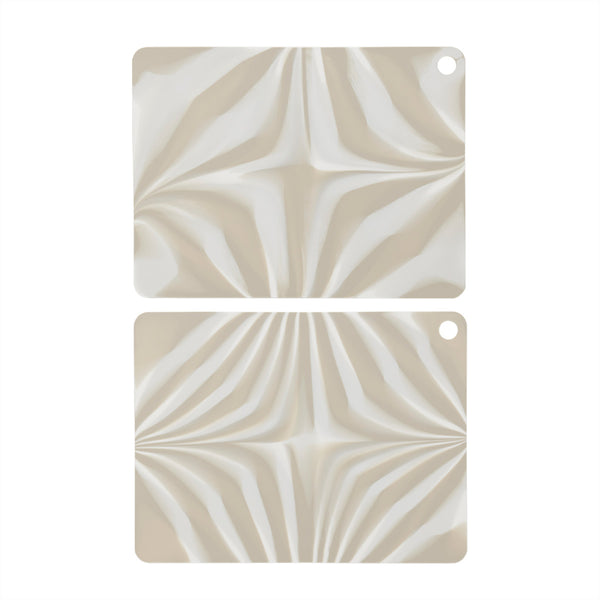
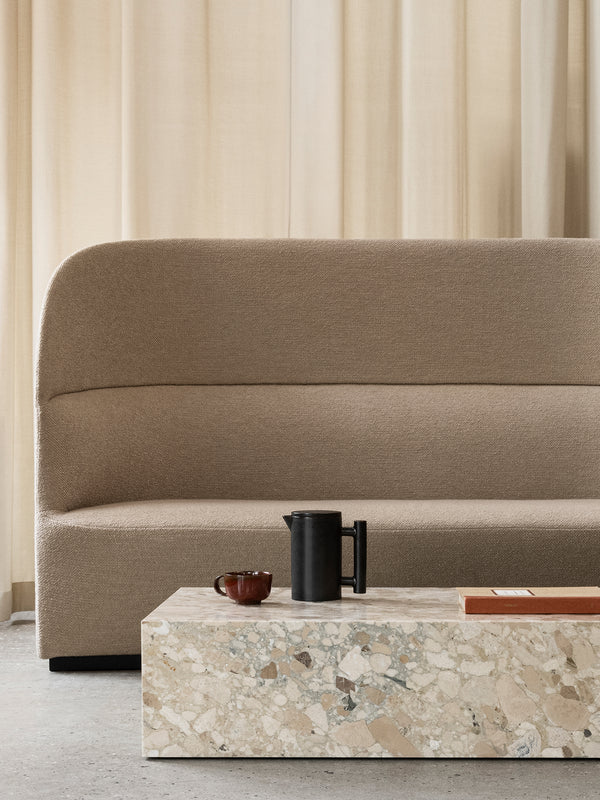
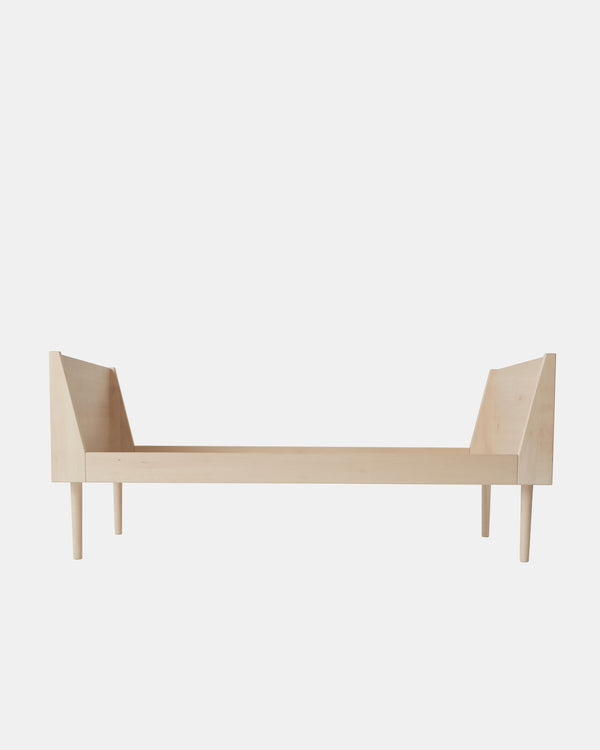
Trine Andersen started Ferm Living in 2005 as a wallpaper brand built on distinctive Scandinavian graphic patterns, then expanded into furniture, textiles, and home objects as the visual language matured. The brand treats every category with the same graphic rigor, whether that is a ceramic vase or a sofa. The palette evolves seasonally but always returns to the muted, earthy base that makes their pieces work in almost any interior.
Enter Store

OYOY Living Design

Copenhagen, Denmark

Playful Danish home design for adults who have not forgotten fun

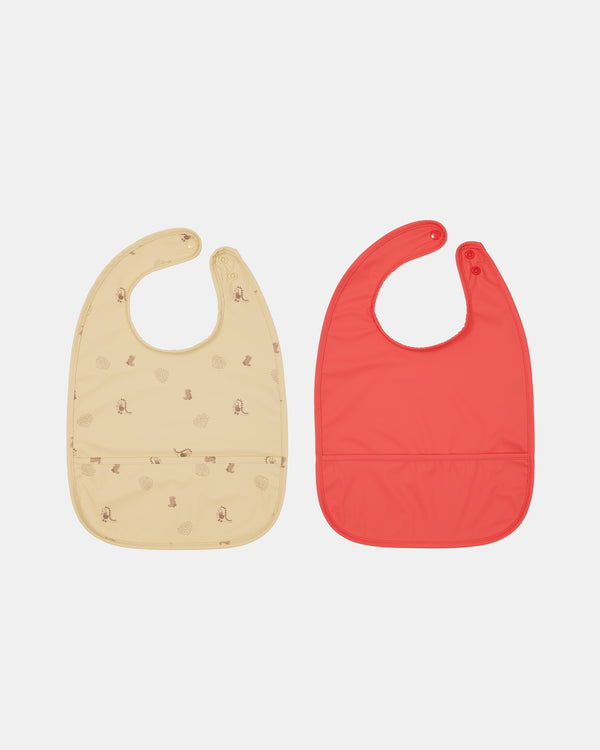
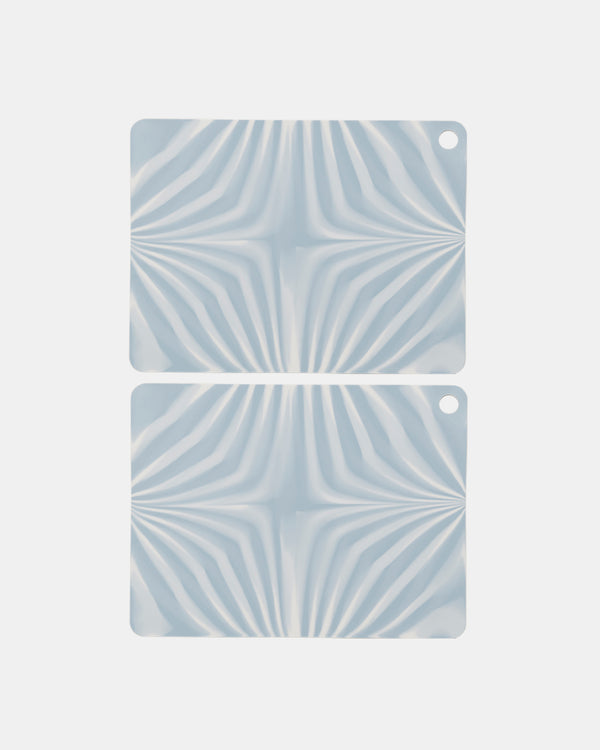
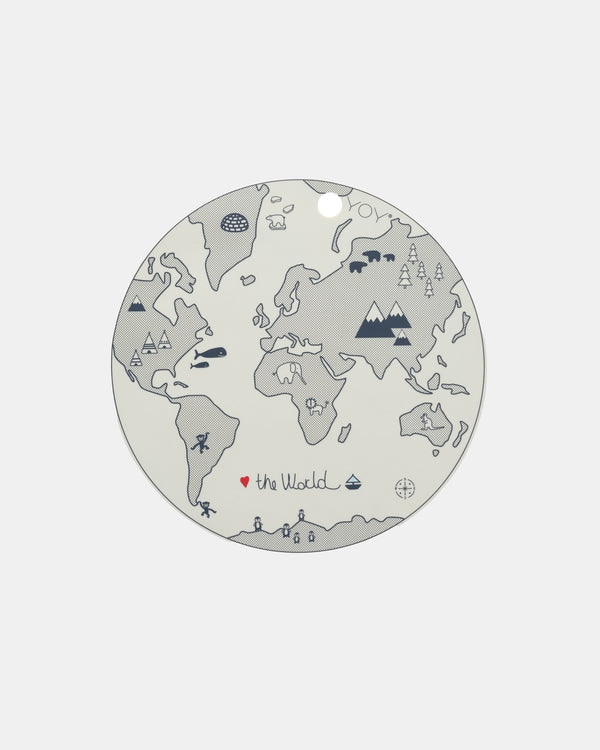
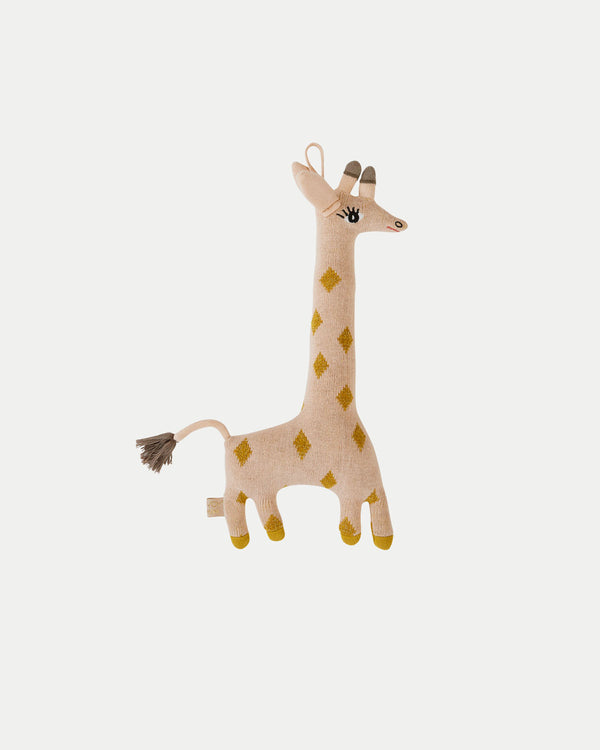
Where most Scandinavian design skews serious and minimal, OYOY runs warmer, incorporating bolder color, playful textile patterns, and a sensibility that borrows from mid-century illustration. The brand designs in Copenhagen and manufactures with durable materials, and their cushions, rugs, and home accessories have built a following among people who want Nordic design principles without Nordic severity.

Enter Store

Stelton

Copenhagen, Denmark

Danish design objects refined across 60 years of uncompromising craft

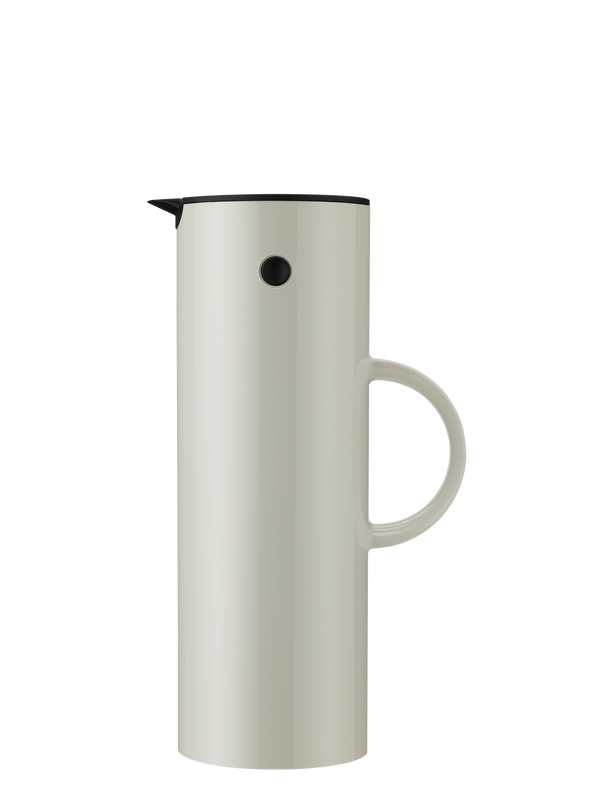
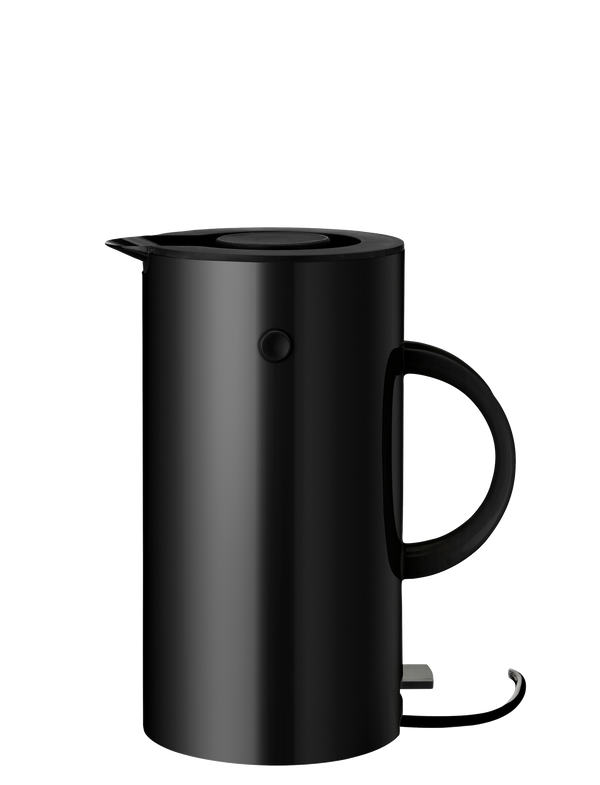
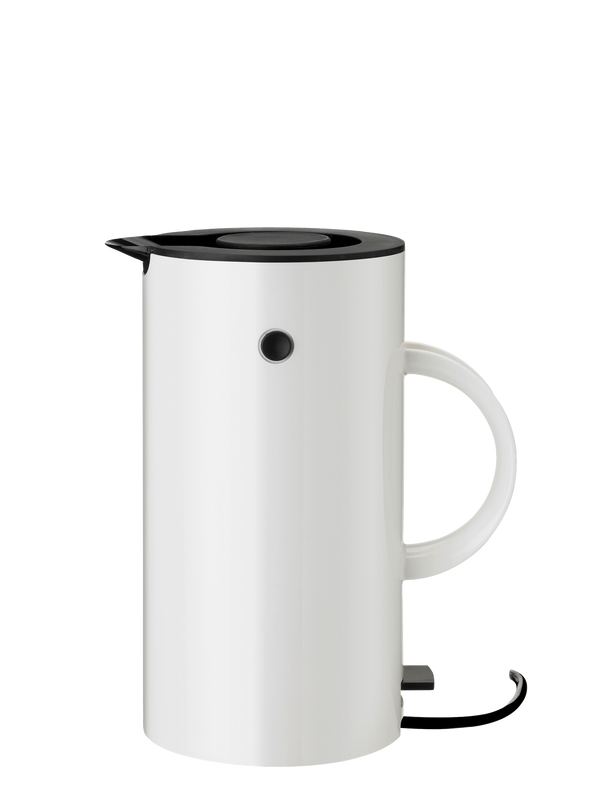
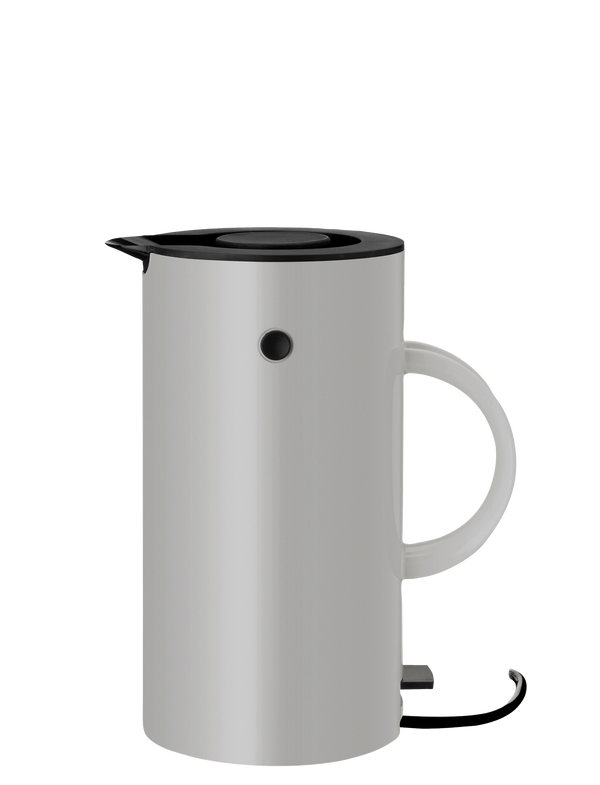
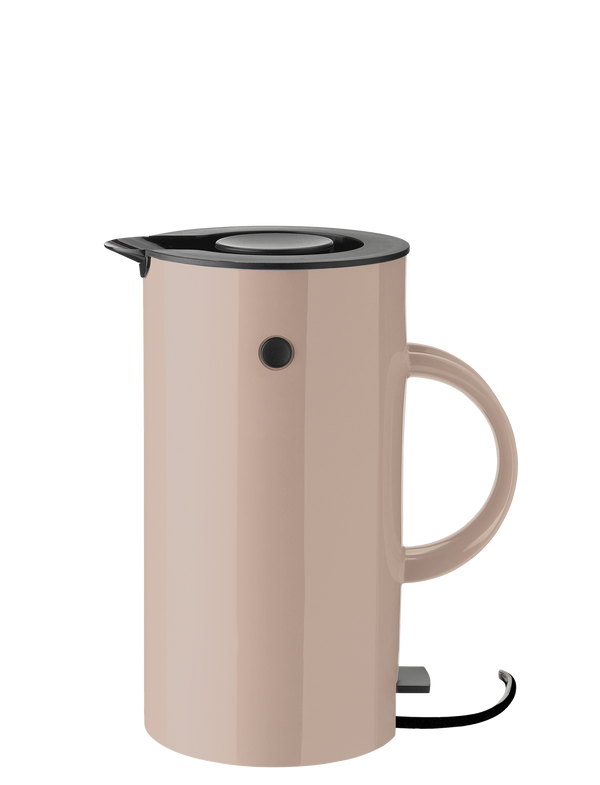
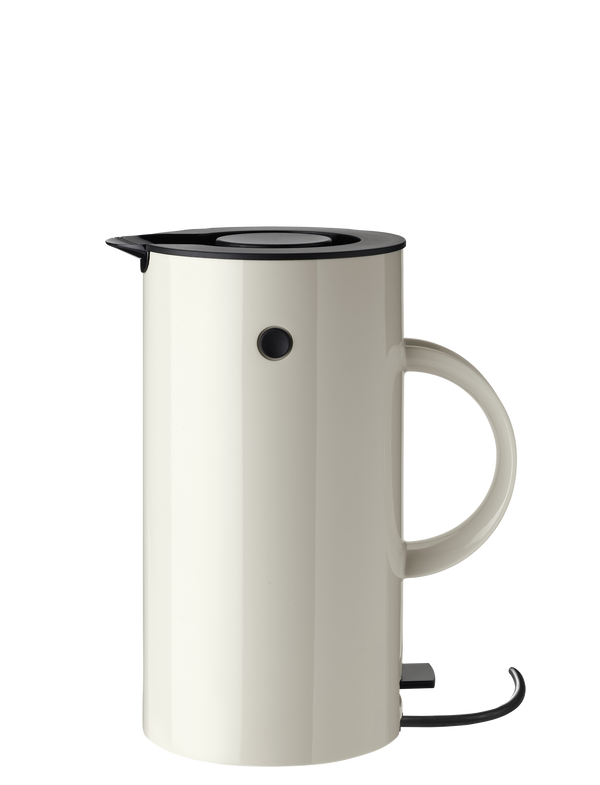
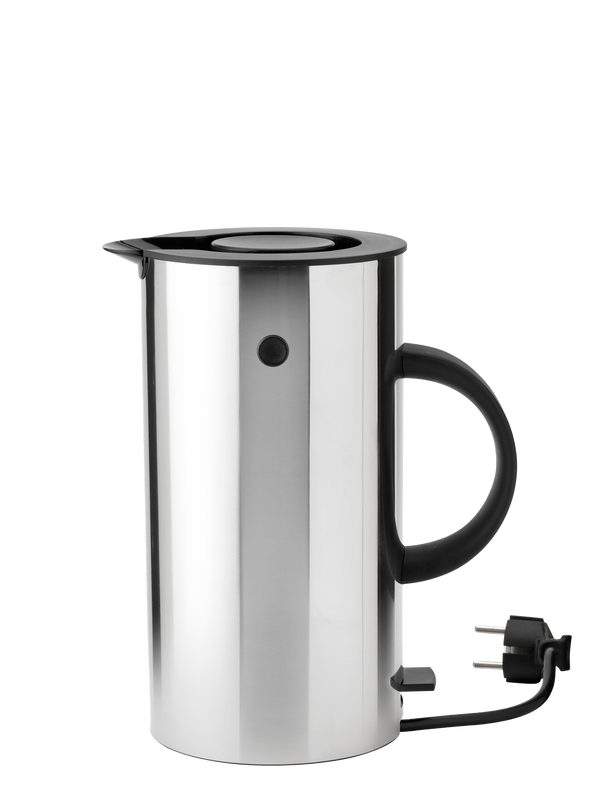
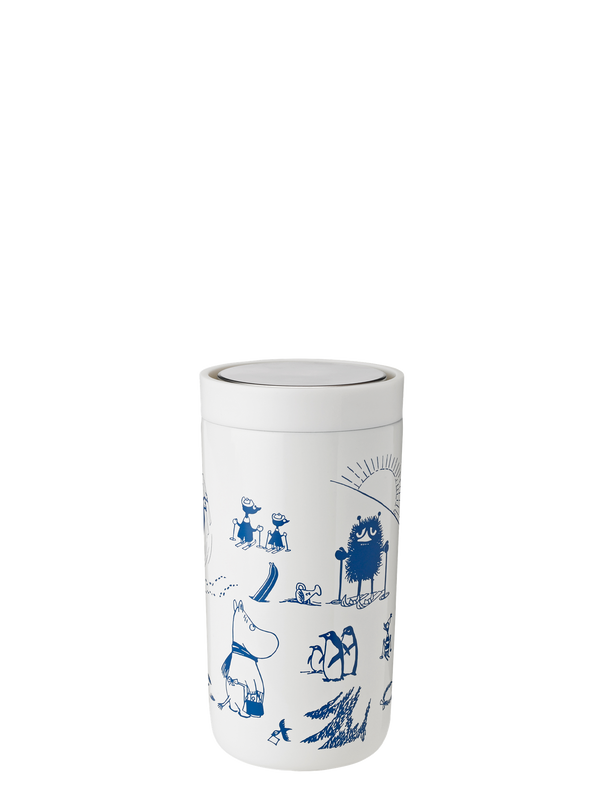
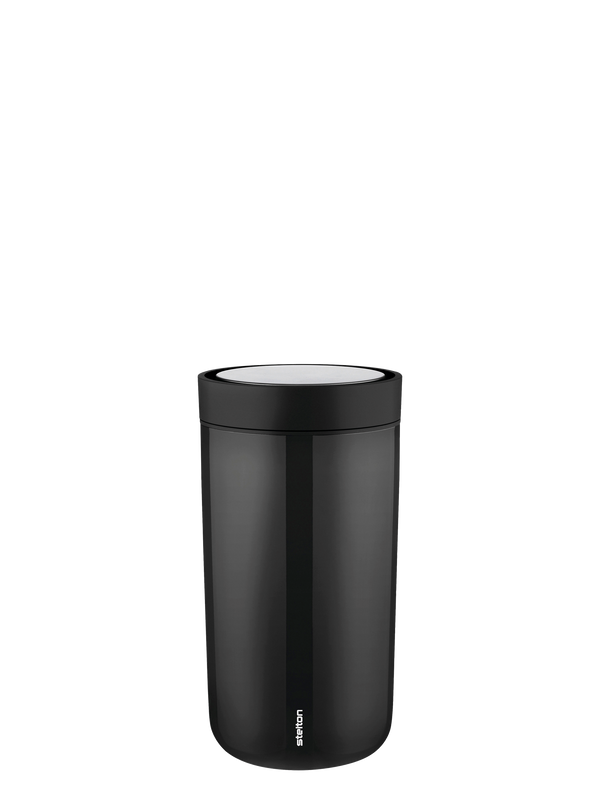
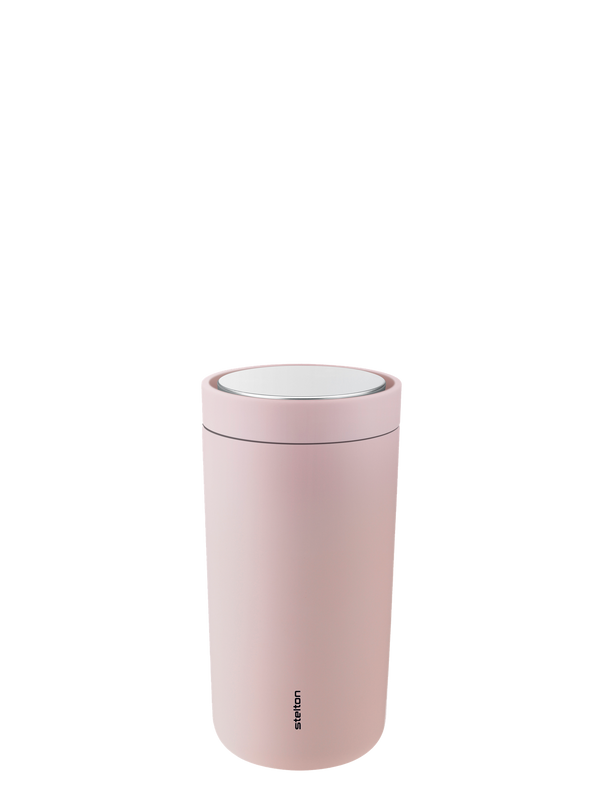
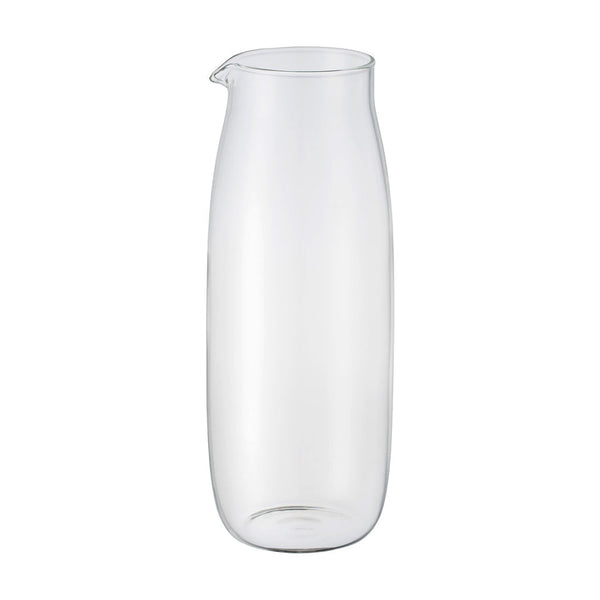
When Arne Jacobsen designed the Cylinda Line for Stelton in 1967, he produced one of the most recognized stainless steel housewares sets in design history. The brand has spent the decades since building collections that honor that commitment to functional geometry without losing relevance. The EM77 vacuum jug, designed by Erik Magnussen in 1977, is still in active production because nothing has bettered it.

Enter Store

Printworks

Stockholm, Sweden

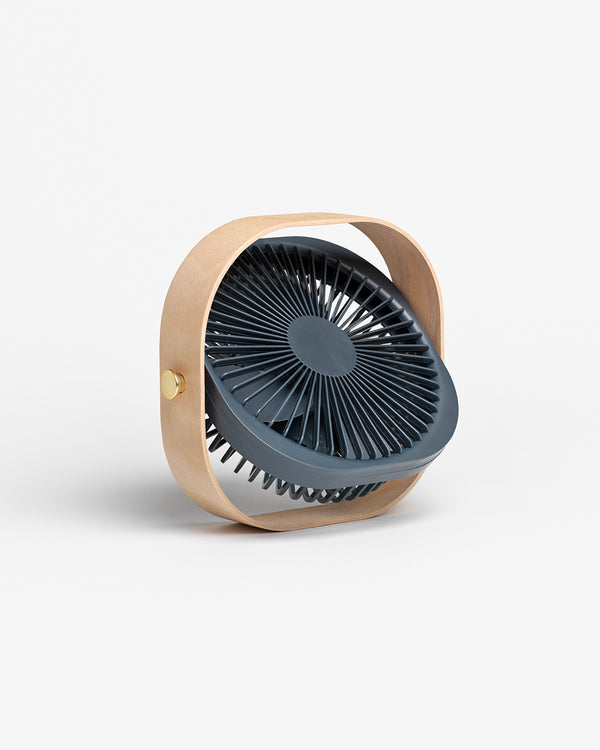
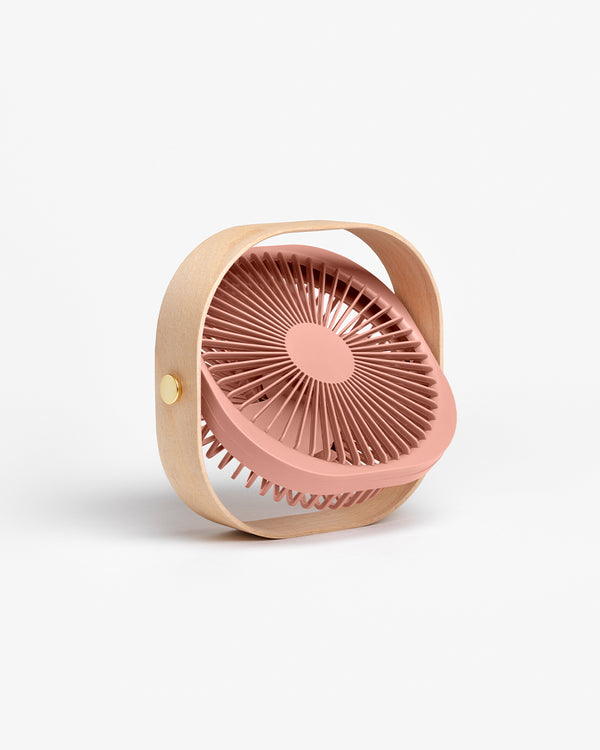
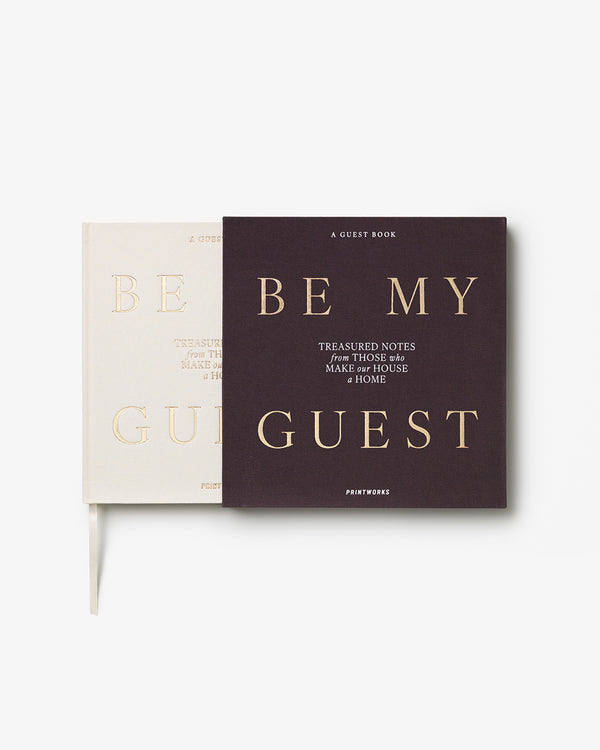
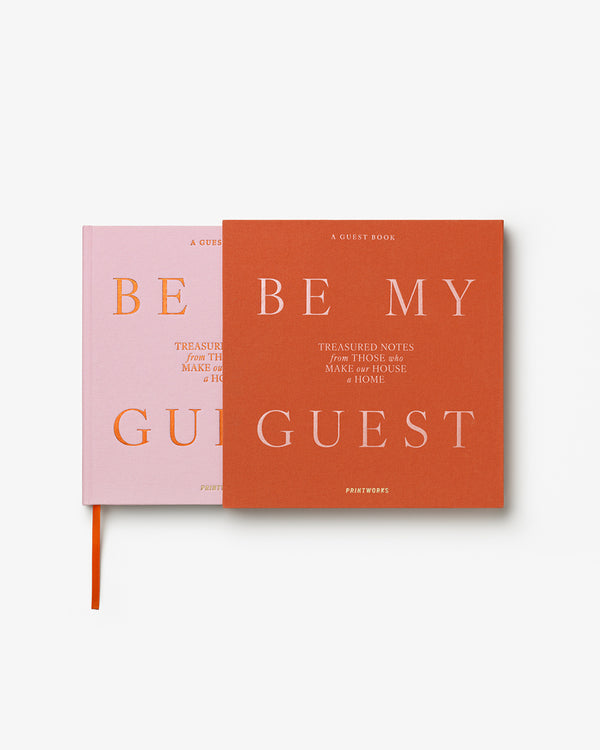
Stockholm design objects built around the printed image and craft quality

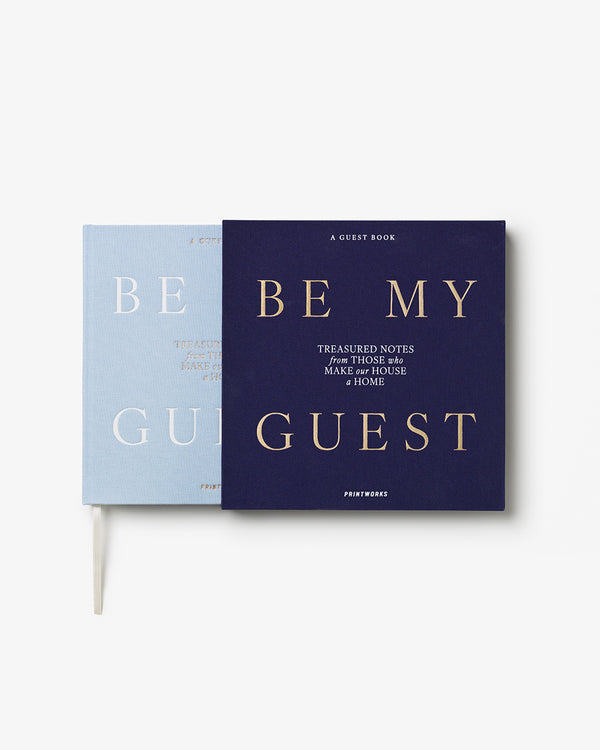
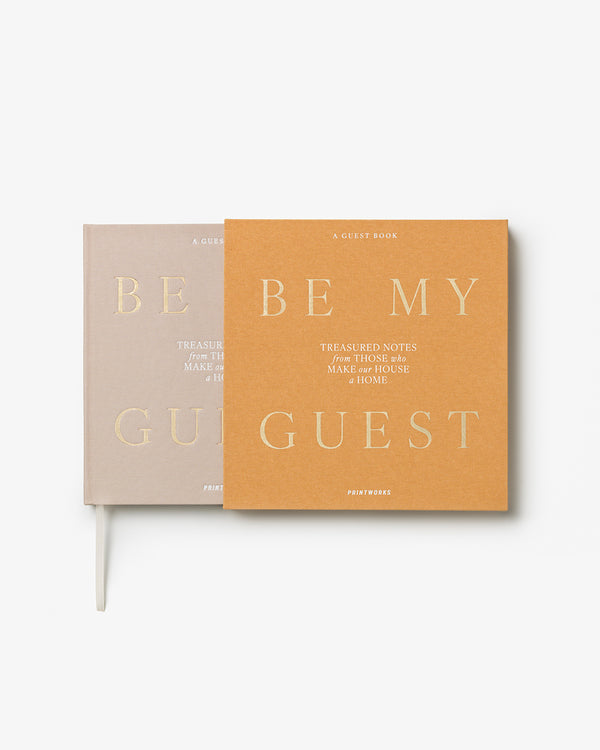
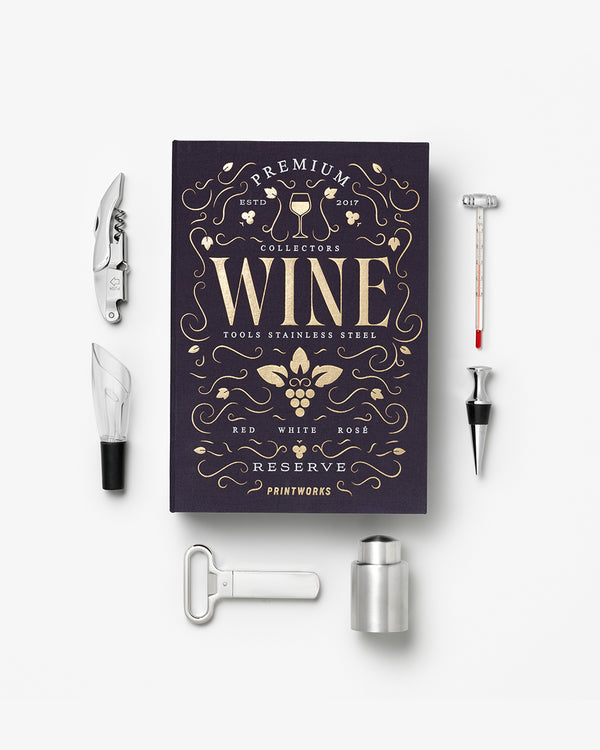
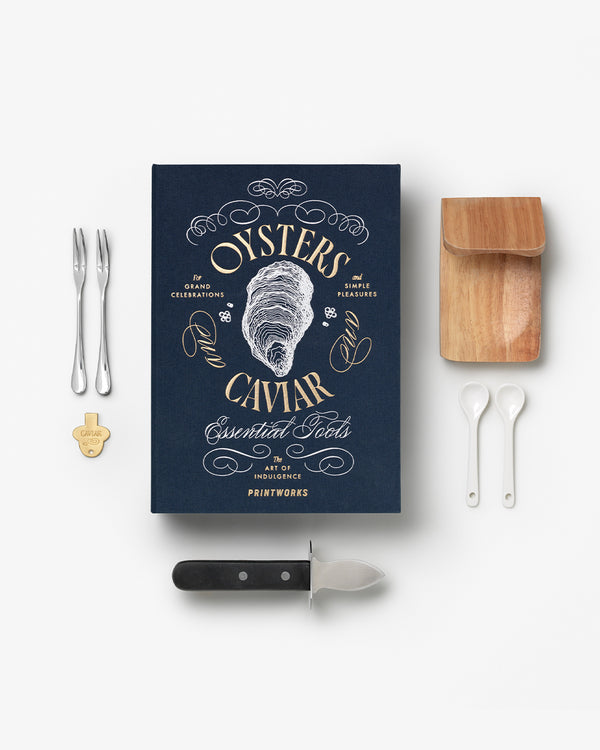
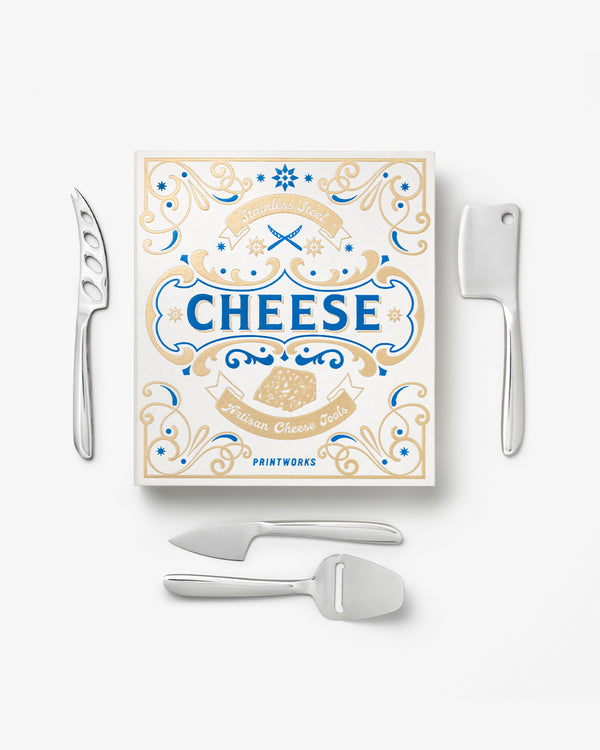
Founded in Stockholm with a focus on printed paper goods and creative tools, Printworks expanded into home accessories that carry the same attention to finish and print quality as their books and games. The aesthetic draws from Swedish graphic design tradition, and the product range covers photo albums, bar tools, and home goods that feel both playful and considered. Distribution is global; production is intentional.

Enter Store

Design Letters

Copenhagen, Denmark

Copenhagen typography-inspired home and lifestyle objects

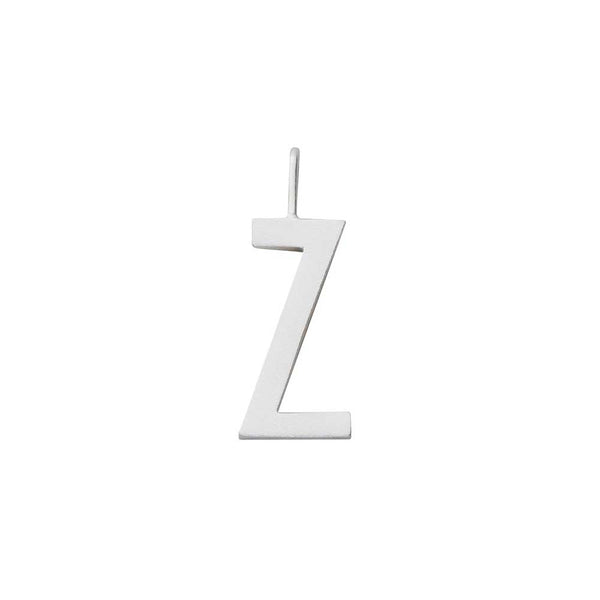
Mette Thomsen founded Design Letters in Copenhagen around the letterforms of Arne Jacobsen, whose sans-serif alphabet had never been commercially licensed as a product line. What started as alphabet mugs and jewelry expanded into a full lifestyle brand, with the same graphic characters appearing on aprons, home accessories, and stationery. The brand has maintained design integrity through its growth rather than softening the concept for broader appeal.

Enter Store

By Lassen

Copenhagen, Denmark

Audo House objects rooted in Danish modernist furniture history

The Lassen family has been connected to Danish modernist design for generations, and By Lassen revives and reinterprets pieces from that lineage for contemporary interiors. Now operating as Audo Copenhagen and based in a converted Copenhagen building, the brand produces lighting, furniture, and home accessories that engage genuinely with Scandinavian design history rather than borrowing only its surface aesthetic. The Kubus candleholder, first designed in 1962, is still the best introduction to the house.

Enter Store

About This District

Scandinavian homewares work as well in practice as they do in photographs, which is not something most home goods categories can claim. The principles behind the design tradition, honest materials, structural simplicity, and longevity over trend, translate into objects that hold up to daily use rather than deteriorating into decorative clutter. When buying from this category, prioritize functional pieces first. A Stelton vacuum jug, a set of Ferm Living ceramics, or a Printworks photo album will anchor a space without requiring commitment to a full redesign. Decorative pieces are more personal and harder to get right, but the brands here have enough range that most interiors can find an entry point. Material honesty is a reliable quality signal. Genuine Scandinavian homewares use materials that explain themselves: steel that shows its weight, ceramics with visible texture, wood with grain that changes over time. Synthetic materials coated to look like natural ones are a fast indicator that the Scandinavian styling is surface-level. Color palettes in Nordic design tend toward muted, organic tones punctuated with deliberate accents. OYOY and Ferm Living have both expanded into warmer and more saturated colorways in recent years, which expands the range beyond the stereotypical grey-and-white palette without abandoning the underlying design logic. The result is easier to work with in real homes than strict Nordic minimalism.