Mint Districts Food

Best Single Origin Chocolate Brands: Bean-to-Bar DTC Picks

Mass-market chocolate is mostly sugar and fat with some cocoa butter added back after the flavor has been processed out. Bean-to-bar single origin chocolate starts from the opposite direction: specific farmers, specific beans, specific terroir, and then as little interference as possible between the cacao and the finished bar. The best makers in this space taste more like wine or specialty coffee than candy. Dandelion built a factory in San Francisco specifically so people could watch the whole process. Marou goes even further, sourcing beans from Vietnamese farms and making the chocolate there before shipping it around the world. These are makers who think hard about what they do. The bars taste like it.

Food · 7 Brands

The Single Origin Chocolate District

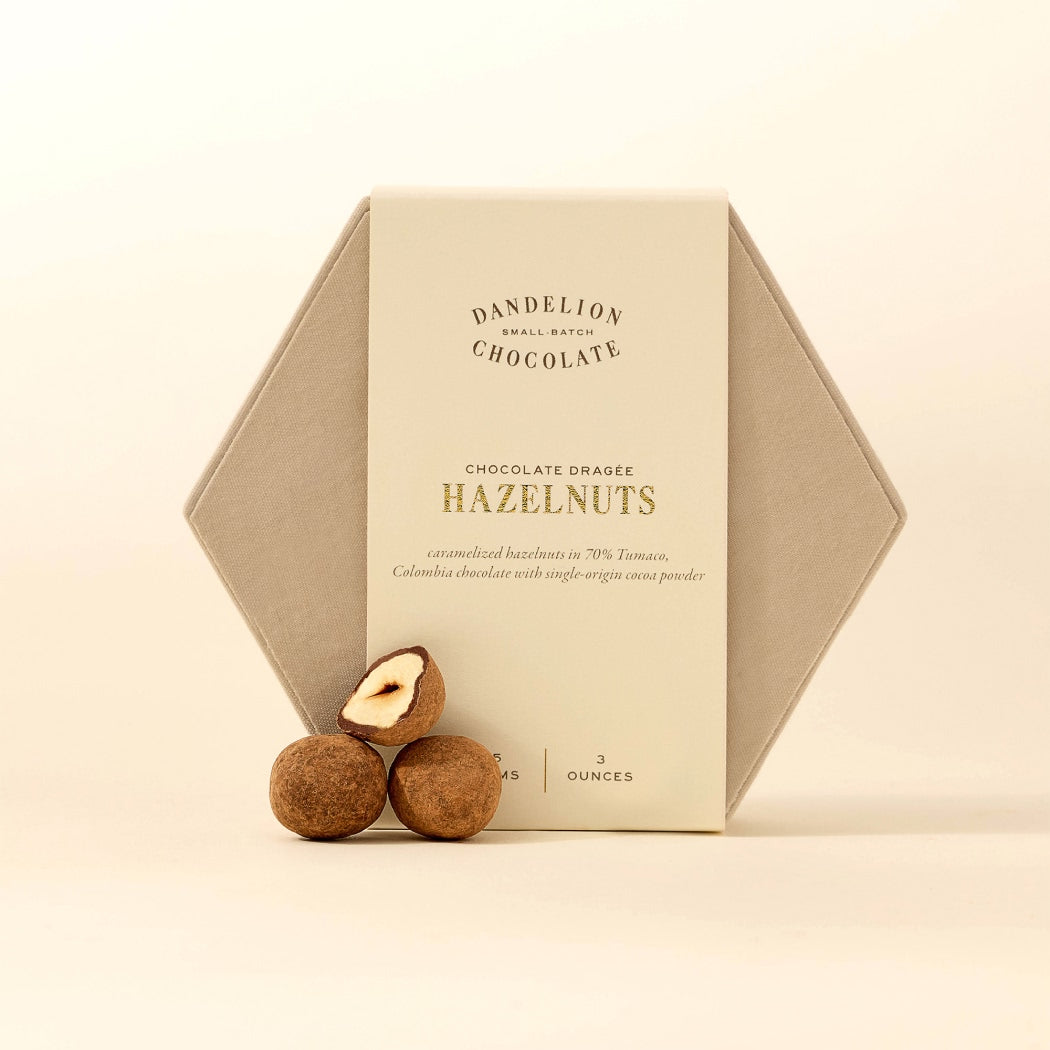
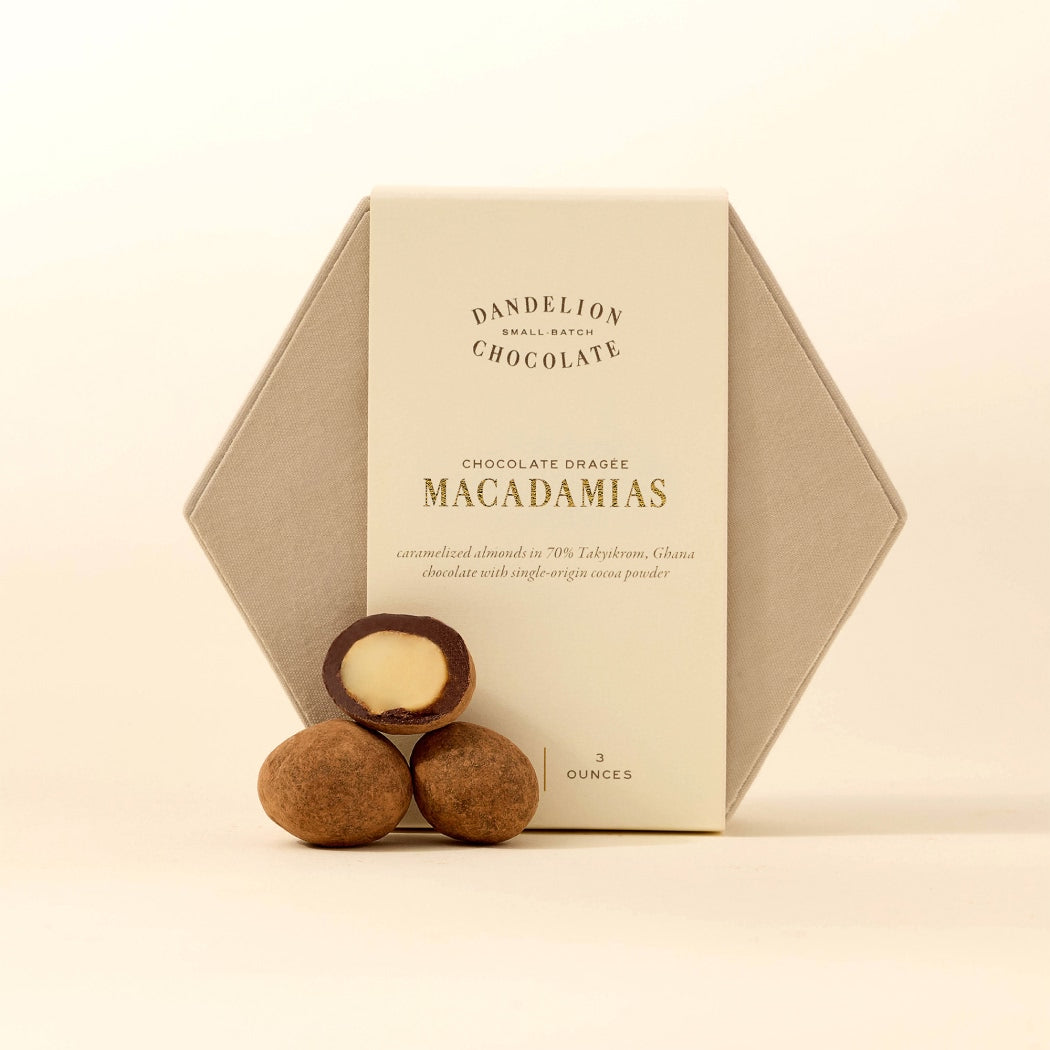
Dandelion Chocolate

Two ingredients, one source, a Mission District factory café you can watch work

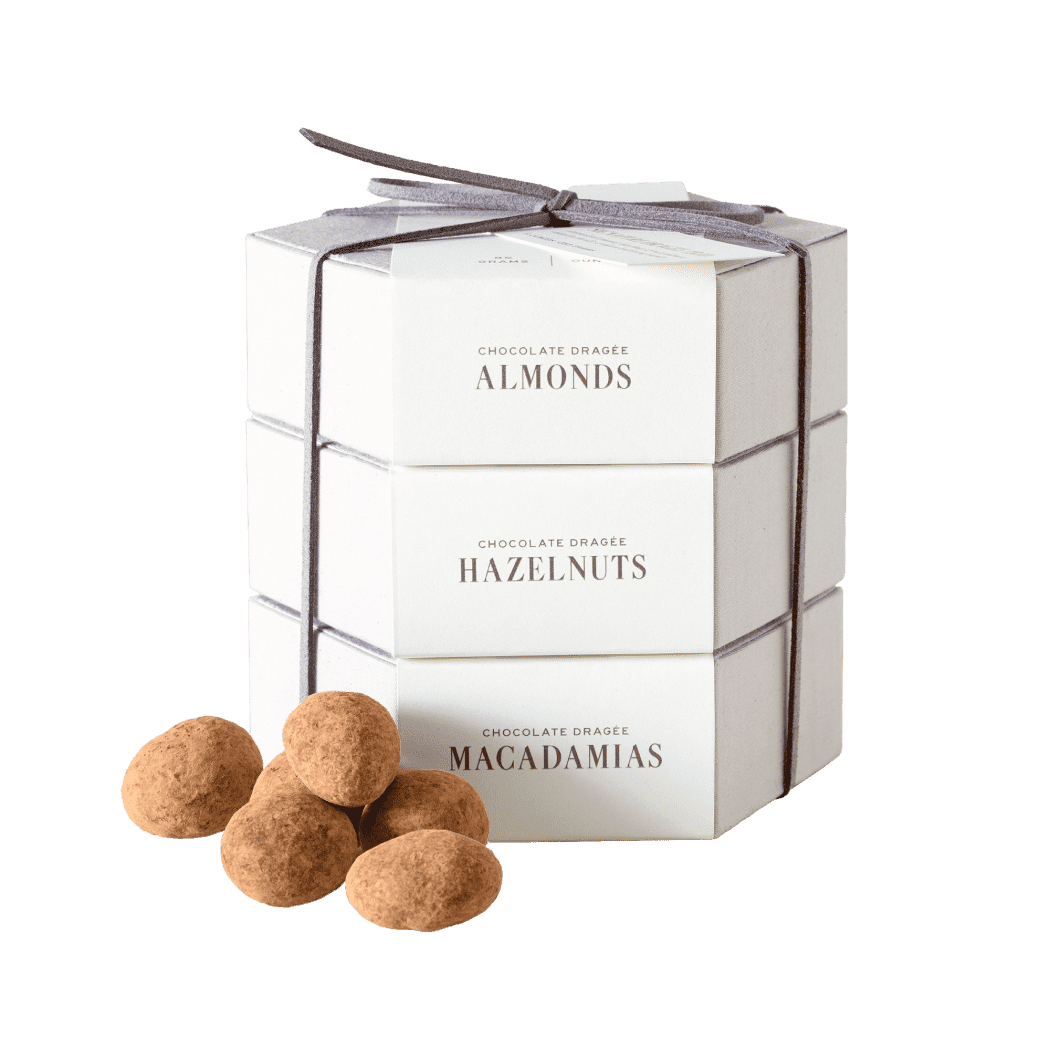
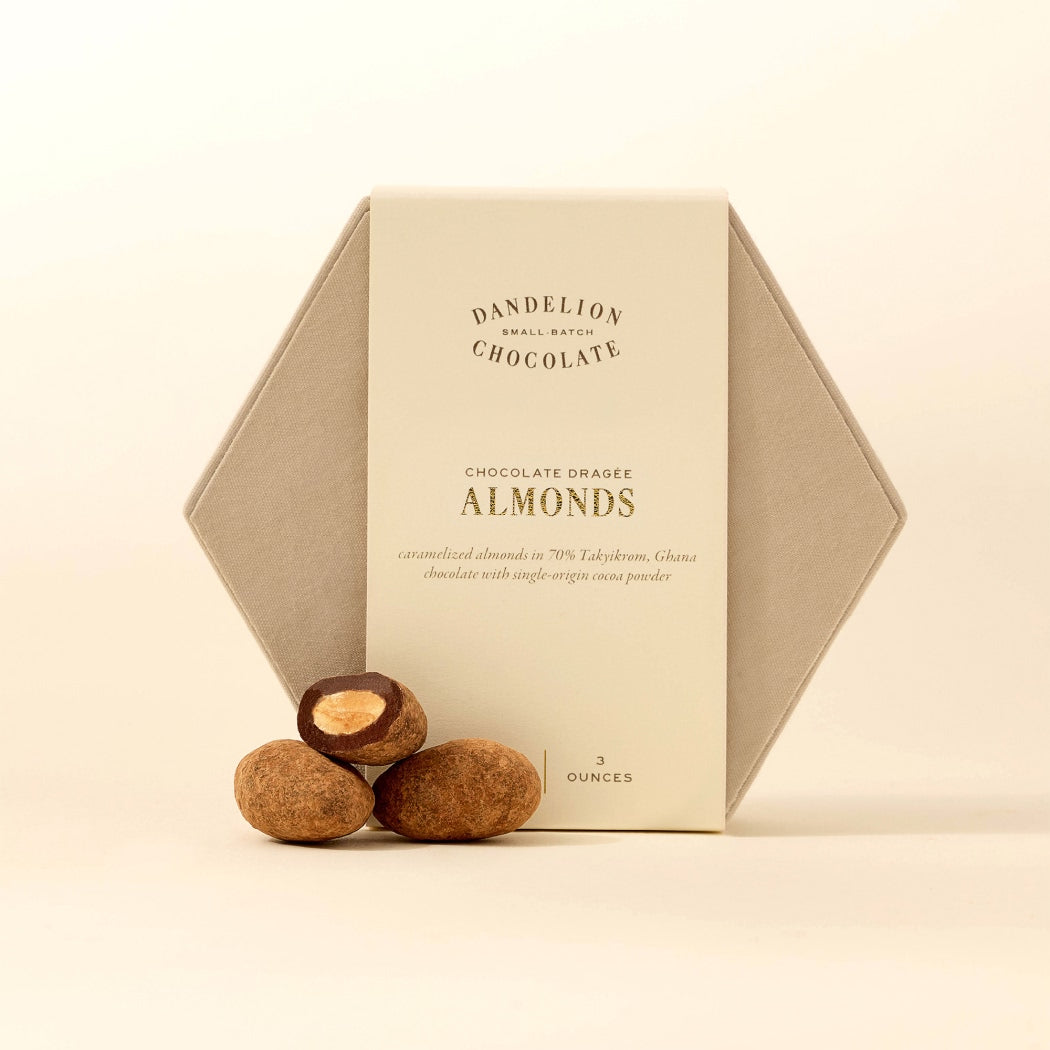
Two engineers in San Francisco who wanted to understand what chocolate actually tasted like before sugar and emulsifiers got involved. The Mission District factory is open to visitors, the bars are two ingredients (cacao plus sugar), and the sourcing is transparent down to the individual farm. Still one of the most referenced names in American craft chocolate fifteen years in.
Enter Store

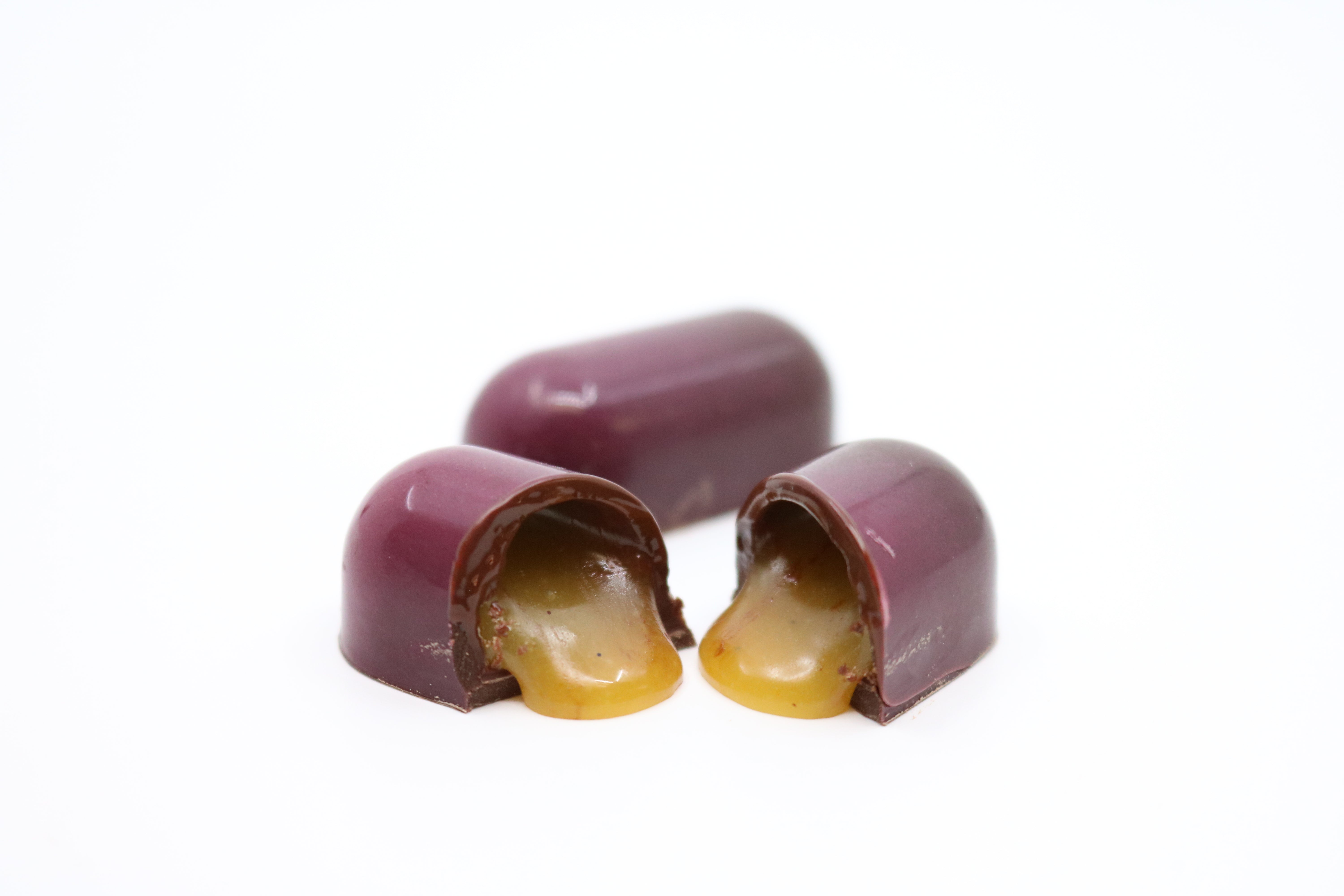
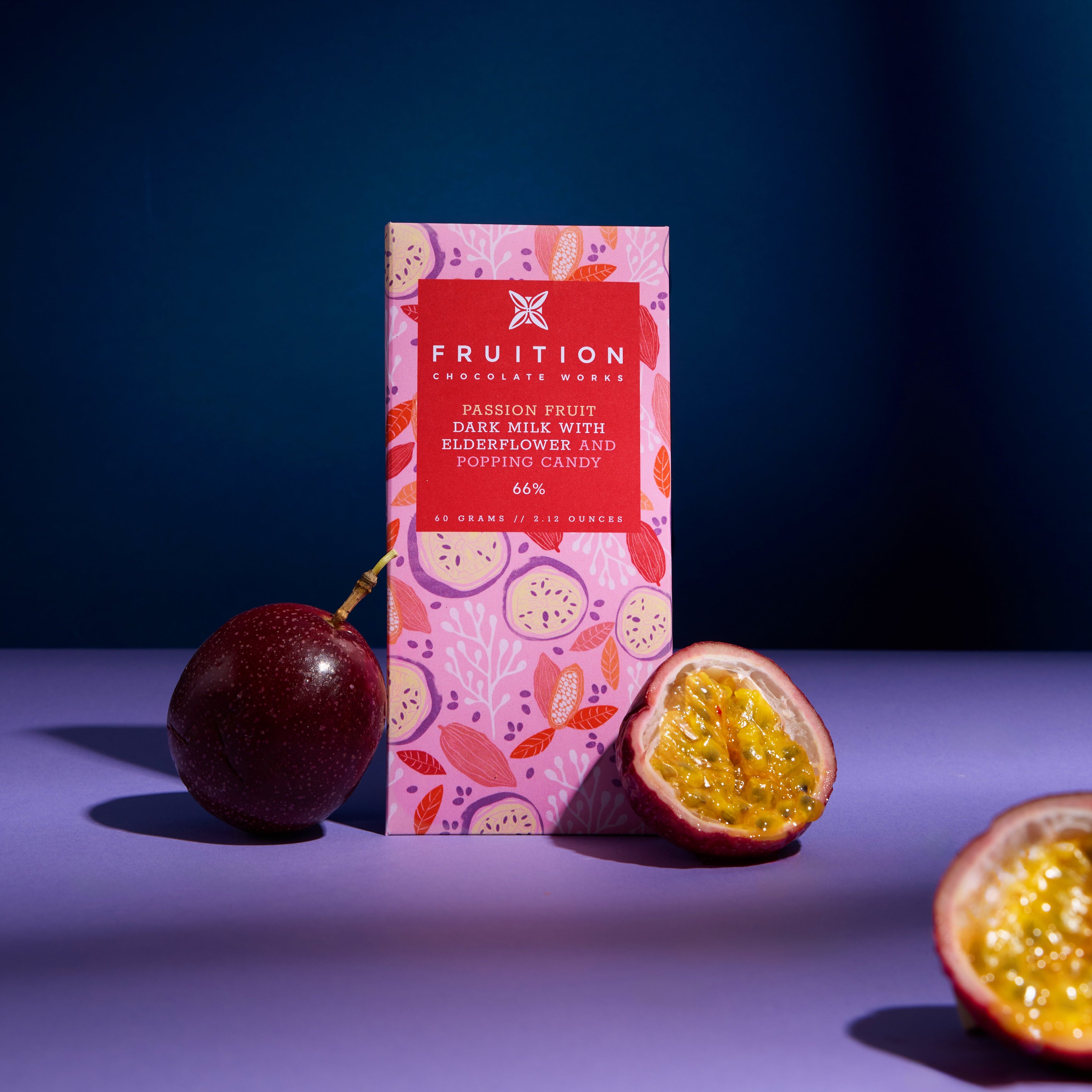
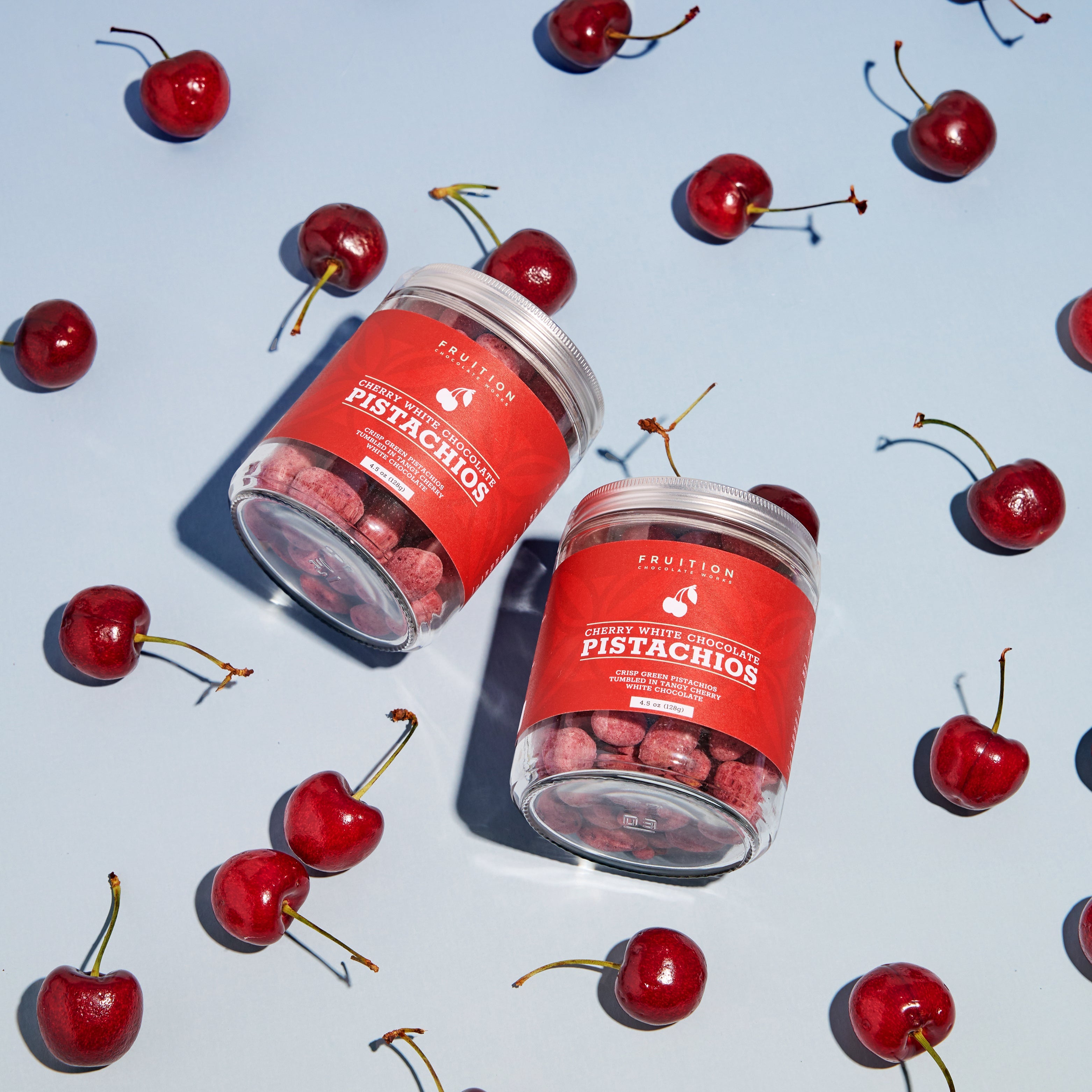
Fruition Chocolate Works

Hudson Valley workshop producing some of the most decorated single-origin bars in the US

Bryan Graham started Fruition in the Catskills with a focus on slow, careful chocolate making, and the results showed immediately. Multiple international blind-tasting awards, including competitions where his bars consistently outperform better-funded makers. Based in Shokan, NY, which is not a place you'd expect to find world-class chocolate. That's kind of the point.

Enter Store

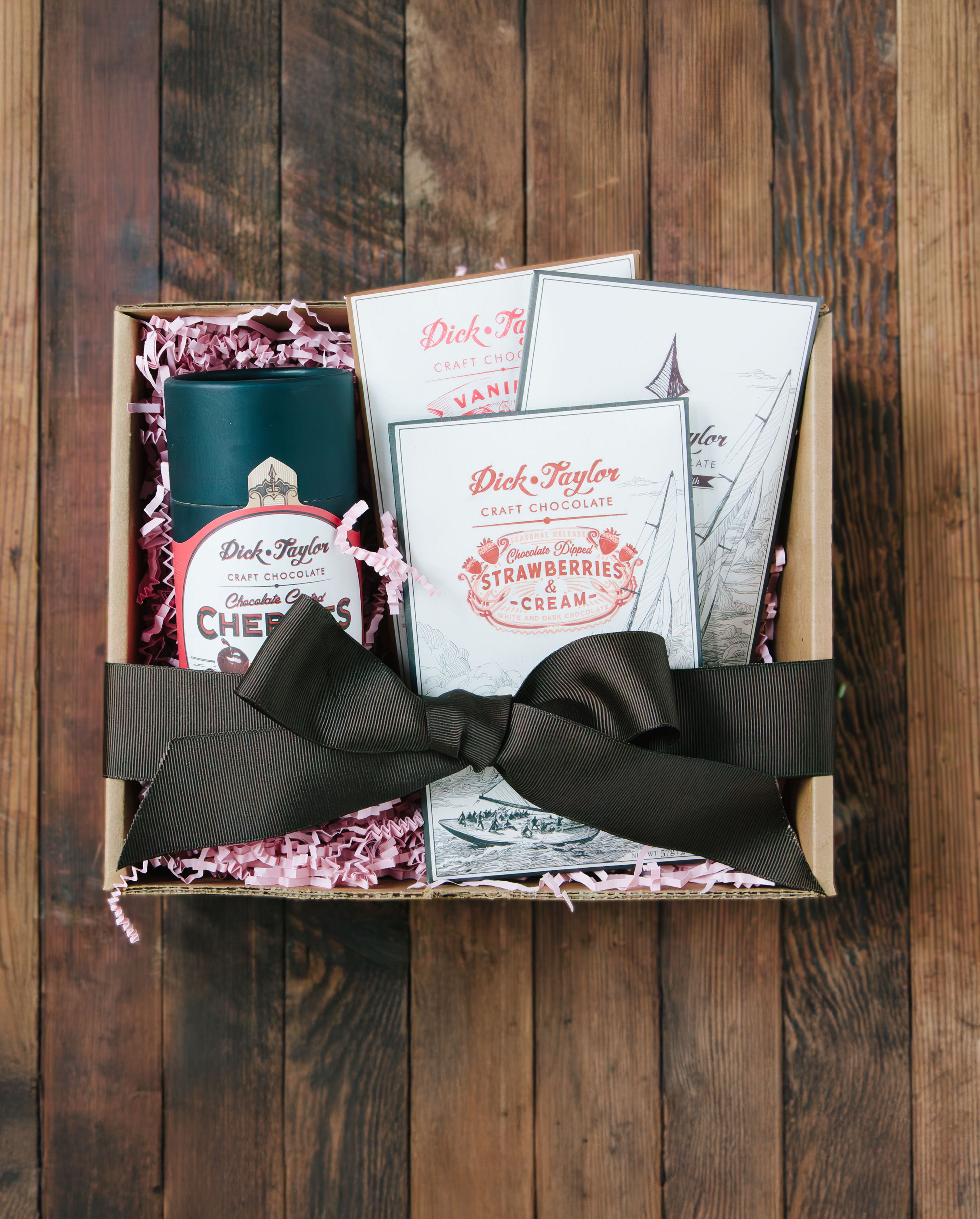
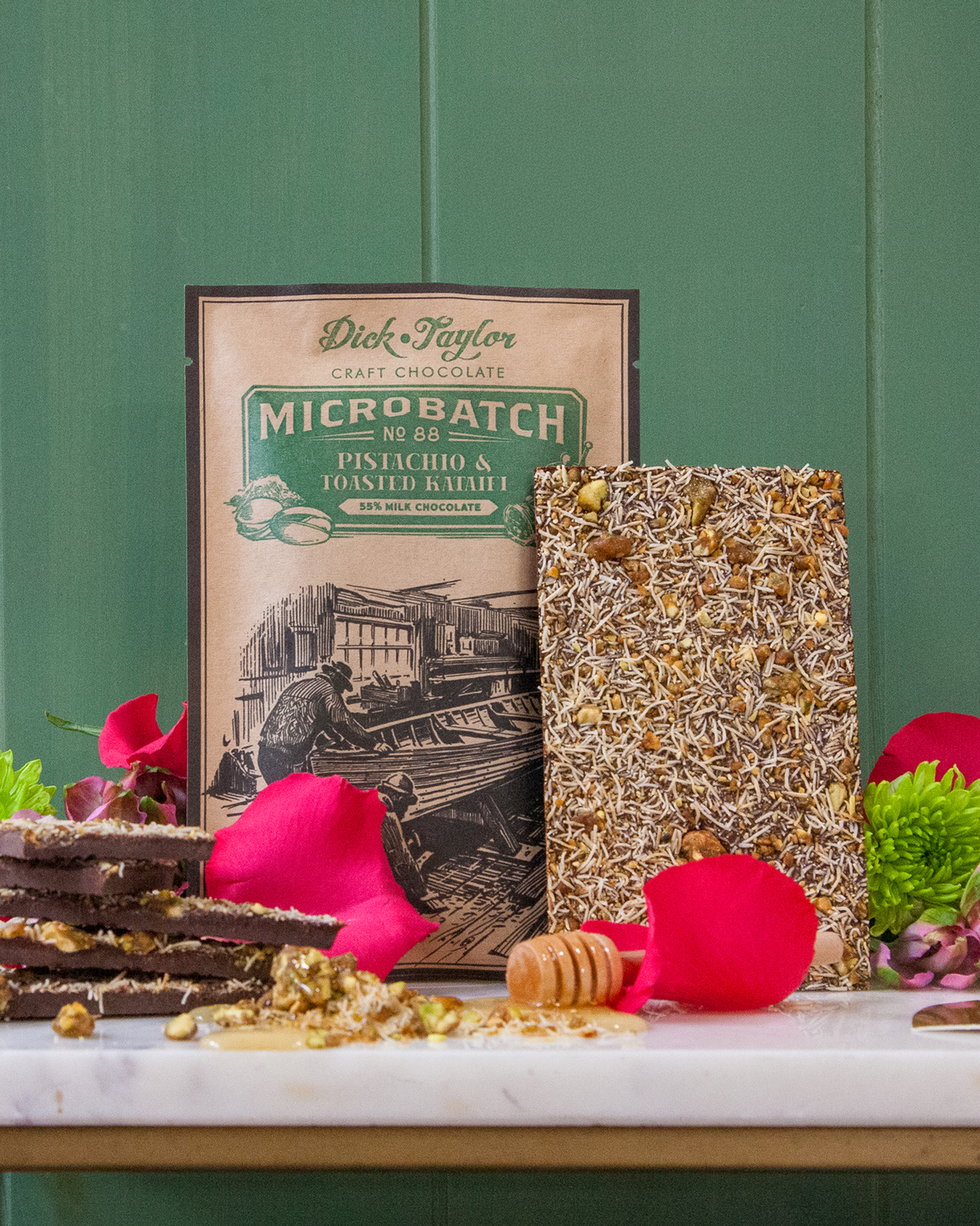
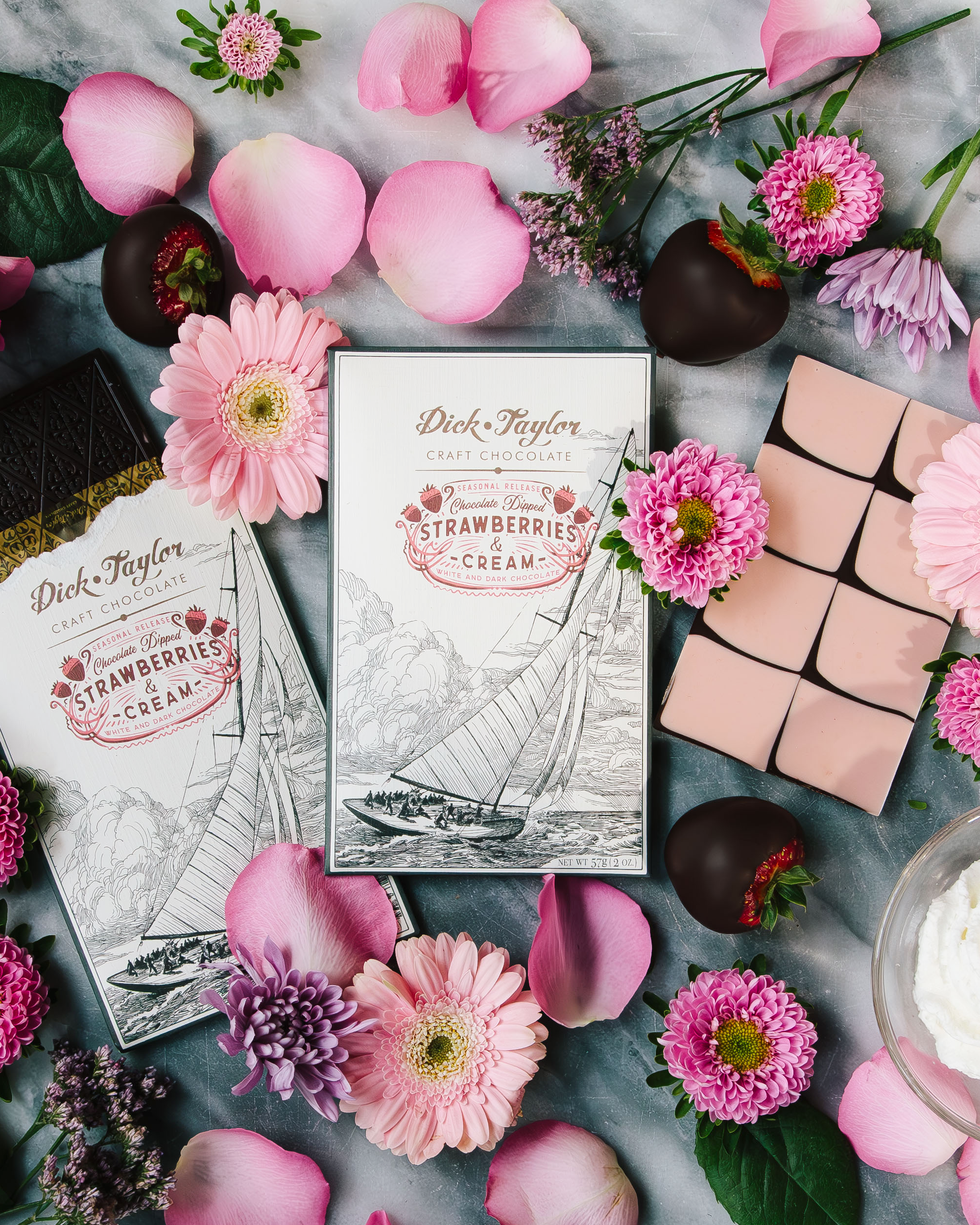
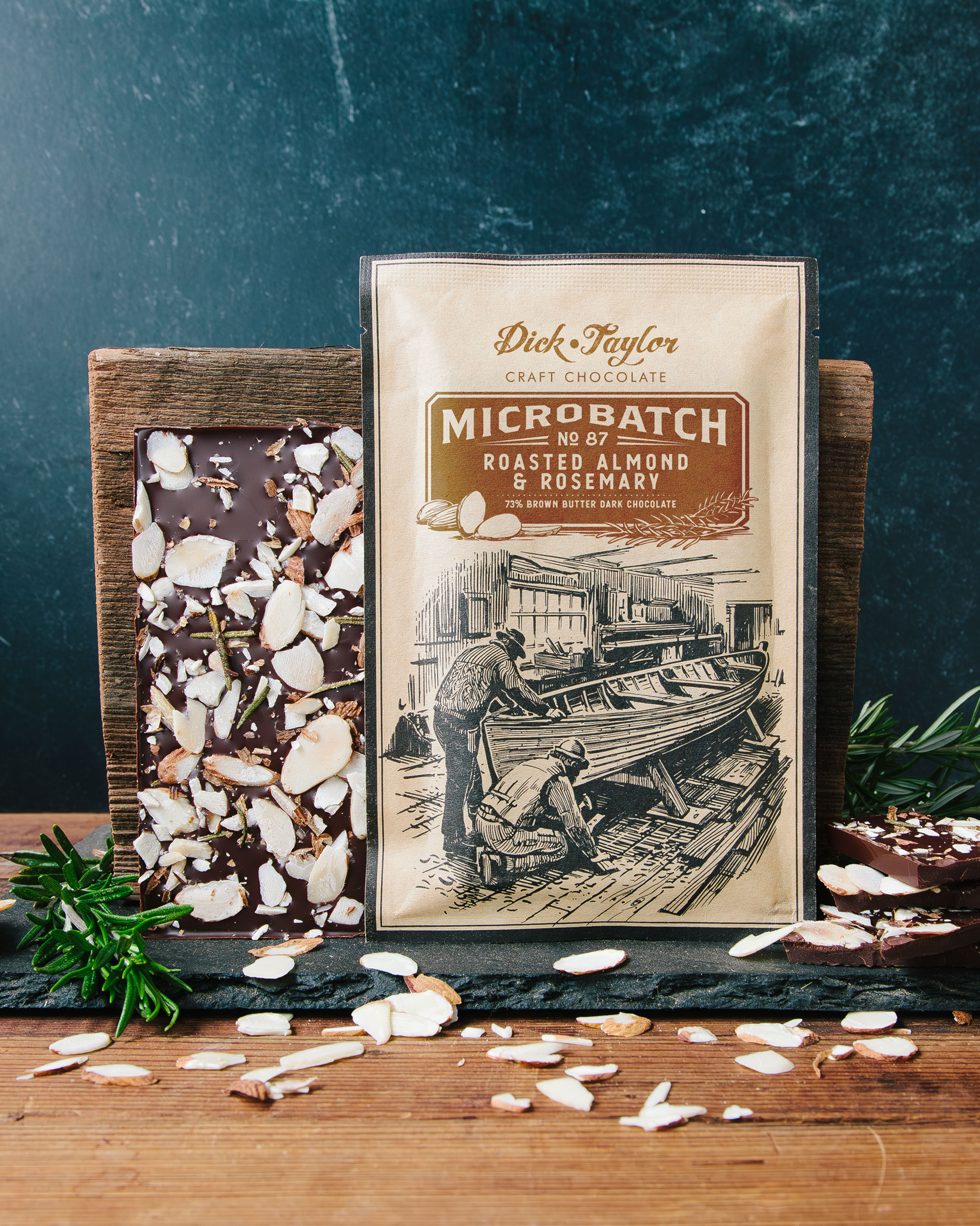
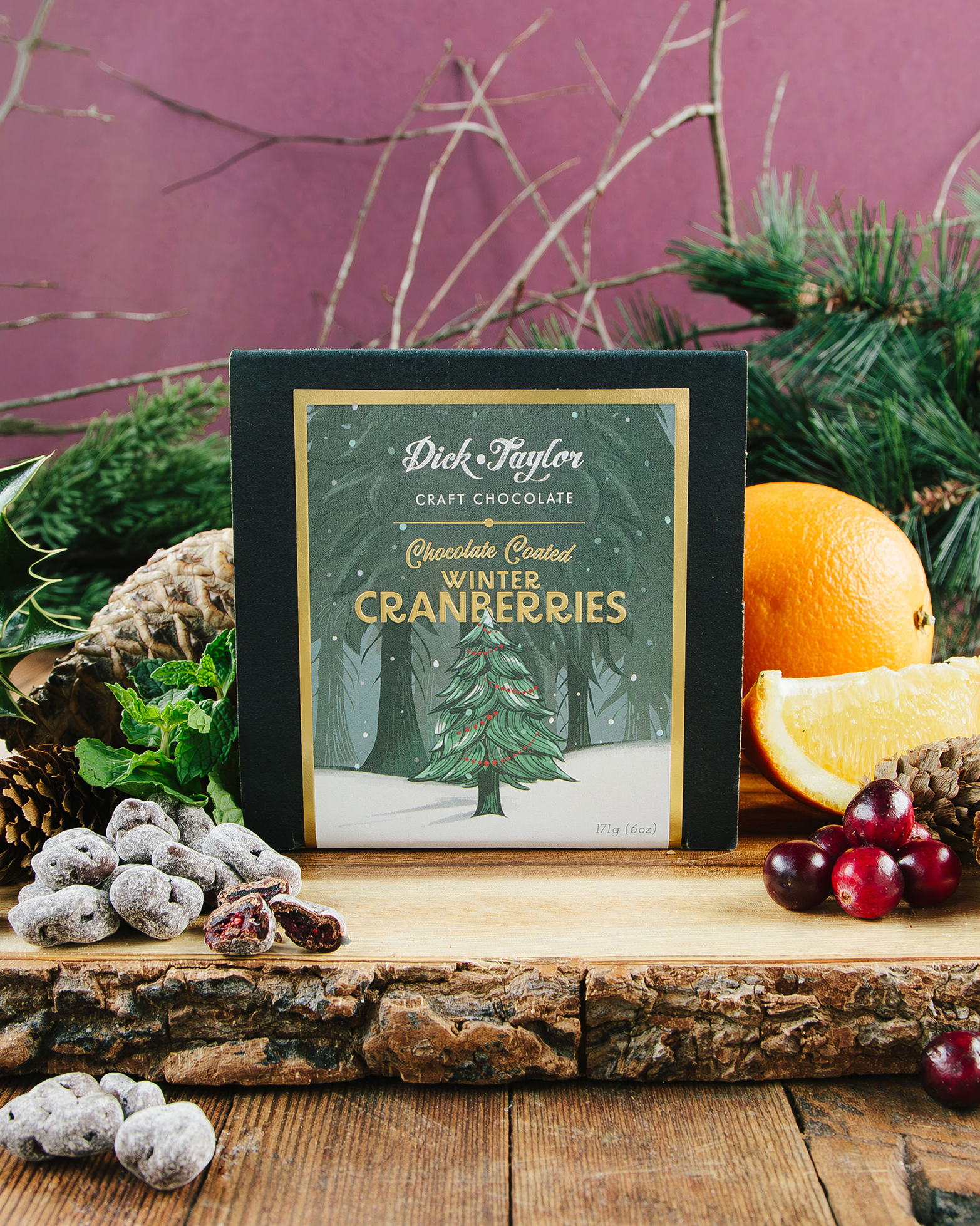
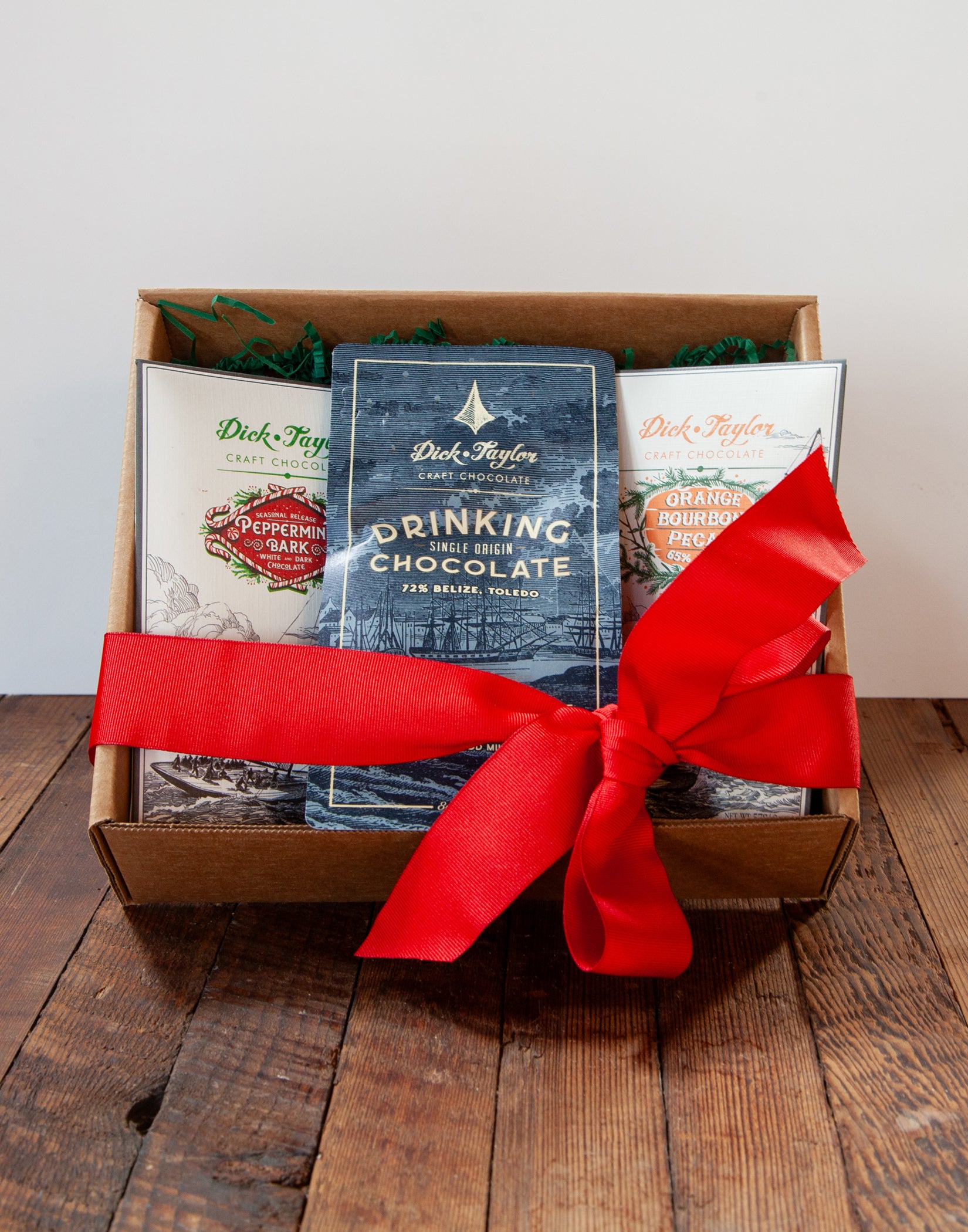
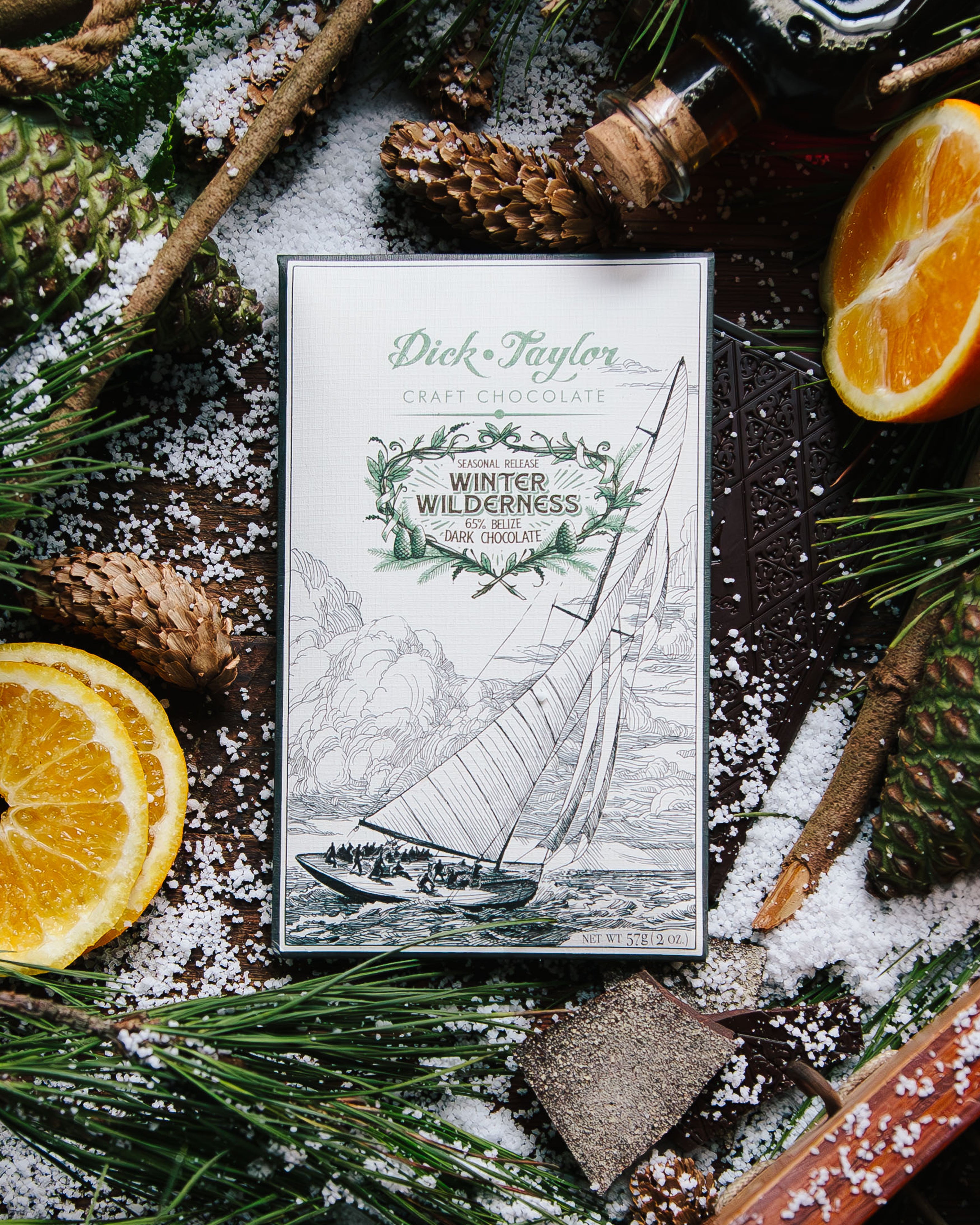
Dick Taylor Craft Chocolate

California woodworkers turned chocolate makers, two ingredients only, since 2010

Adam Dick and Dustin Taylor were making furniture when they got obsessed with bean-to-bar chocolate. Now they run a small factory in Eureka, CA, producing single-origin two-ingredient bars and a monthly microbatch series, olive oil chocolate, mayan-spiced crunch, chocolate-covered espresso beans. The craftsman background shows in how they approach the process.

Enter Store

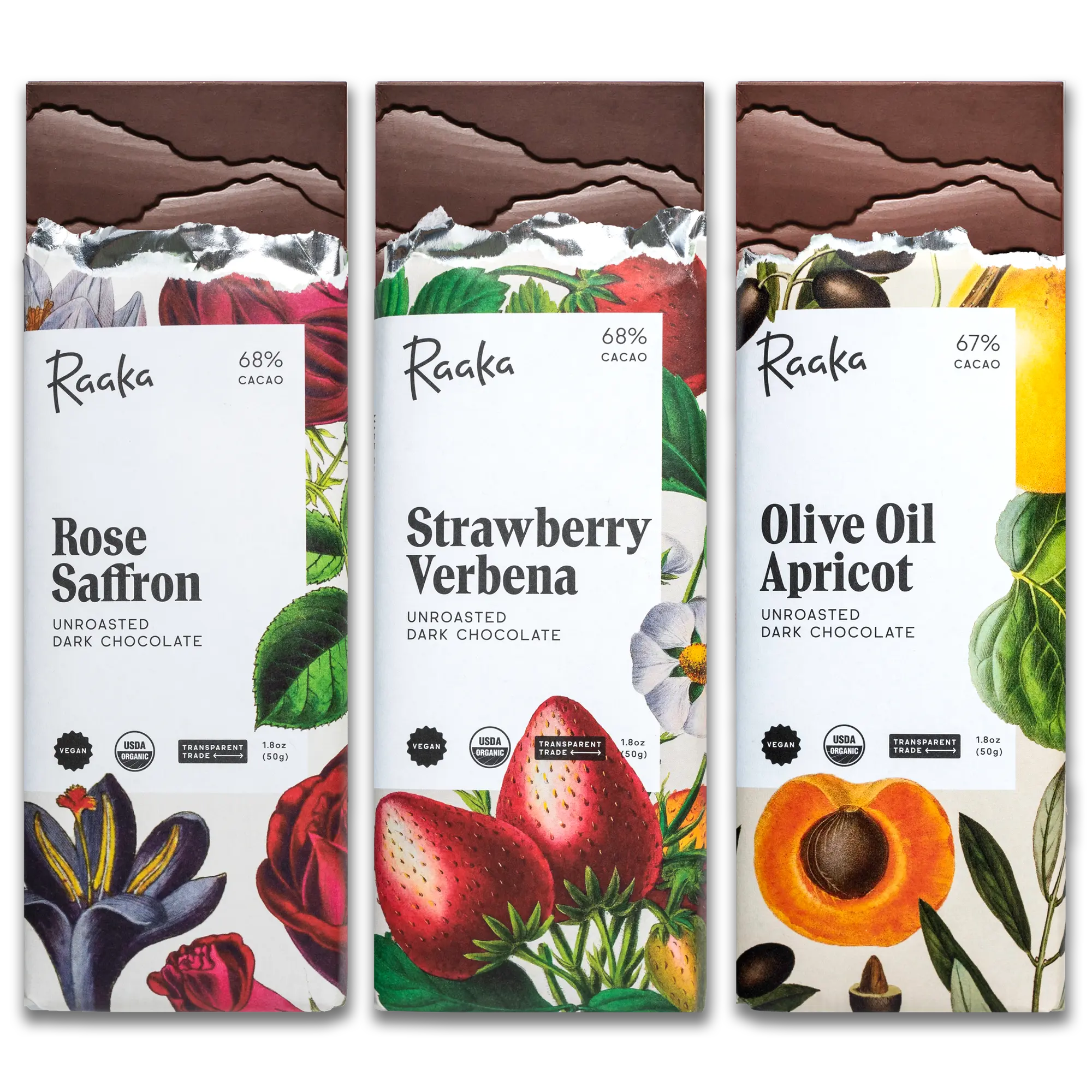
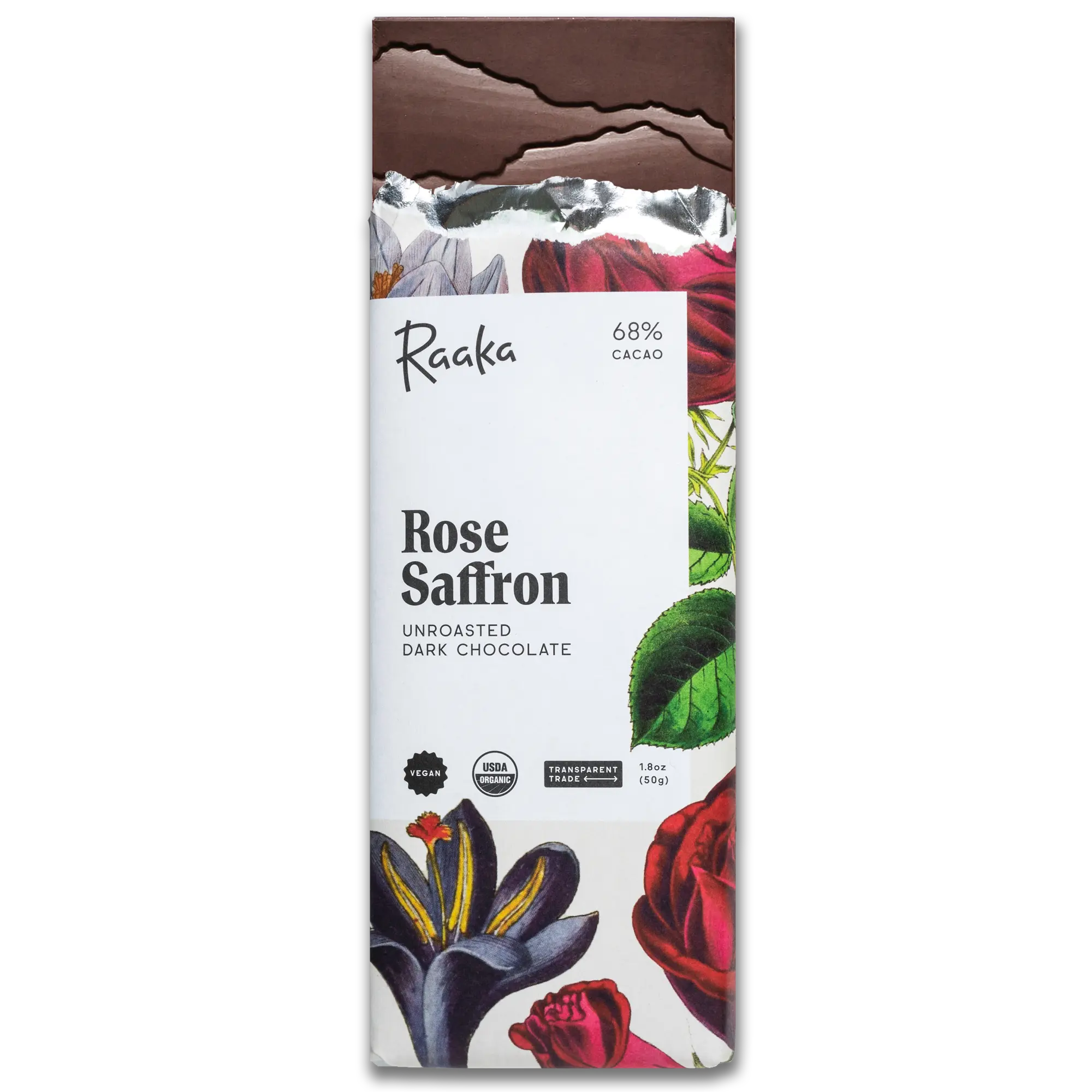
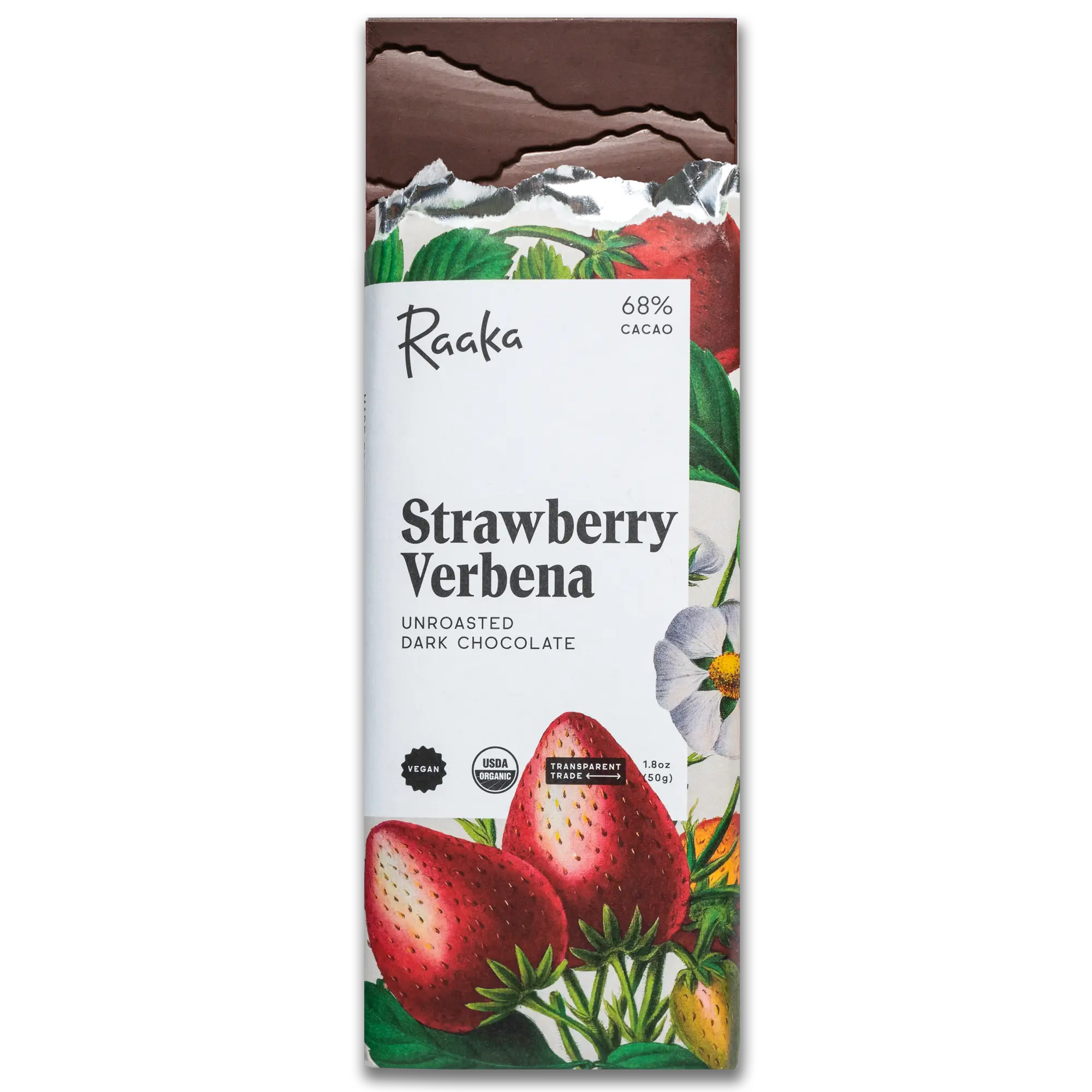
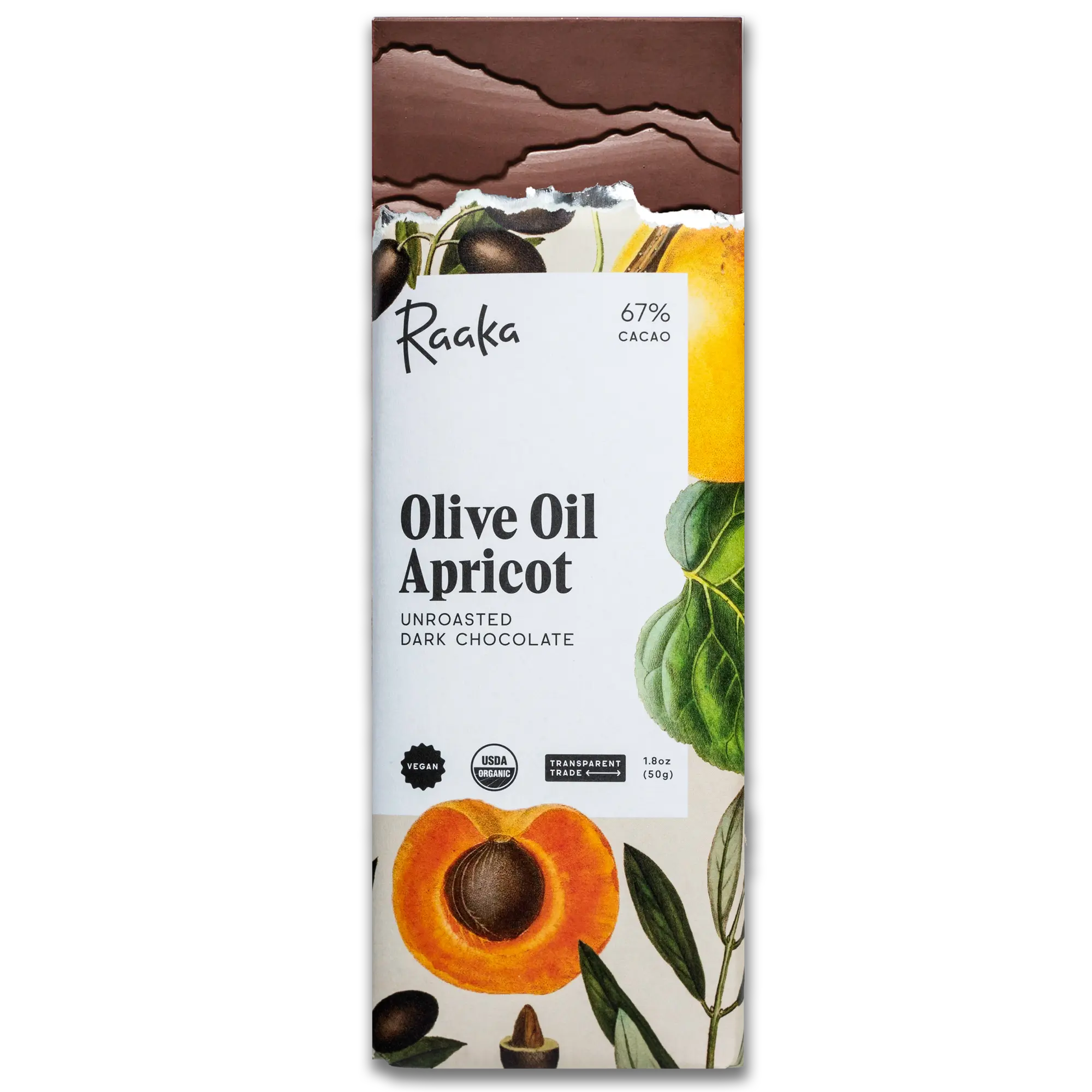
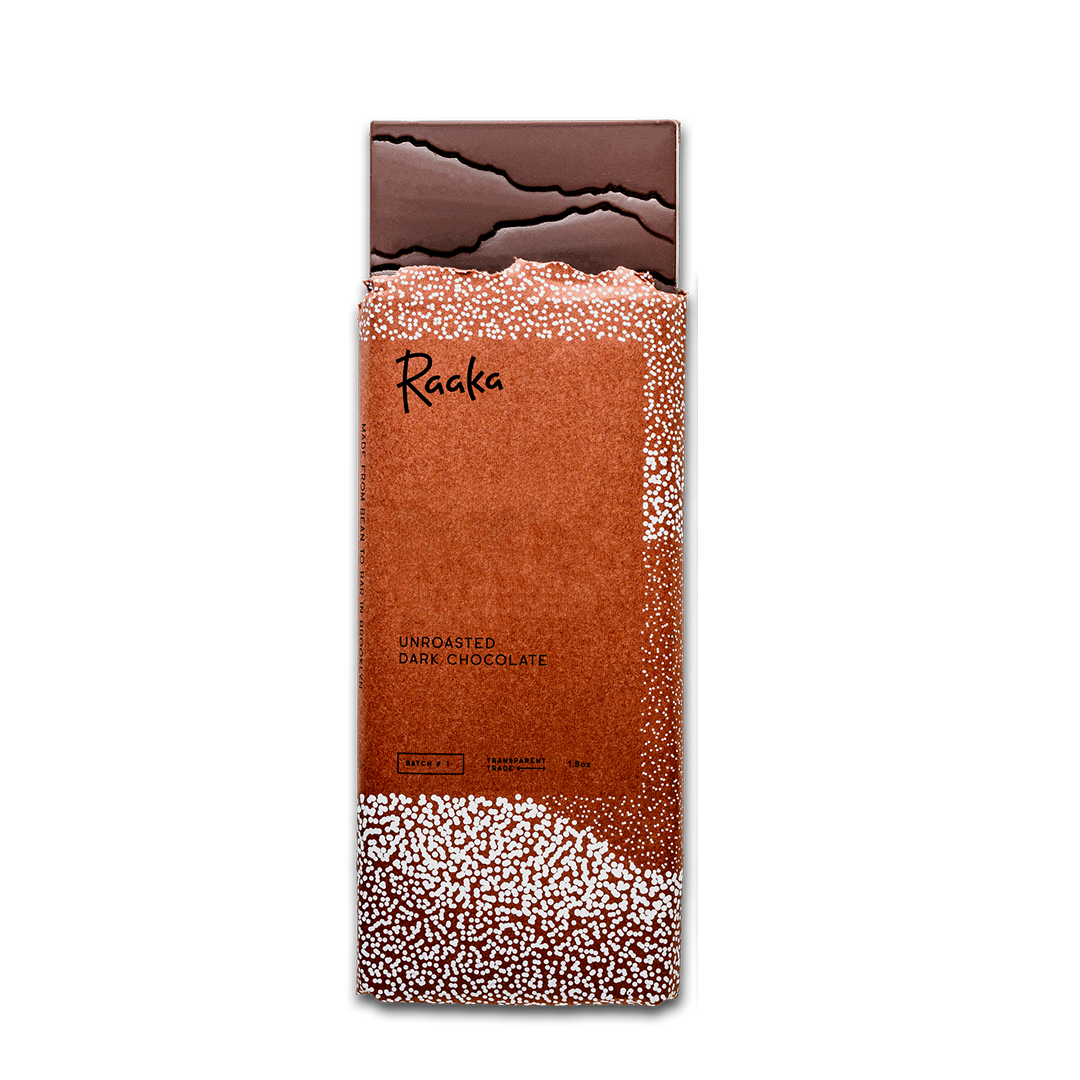
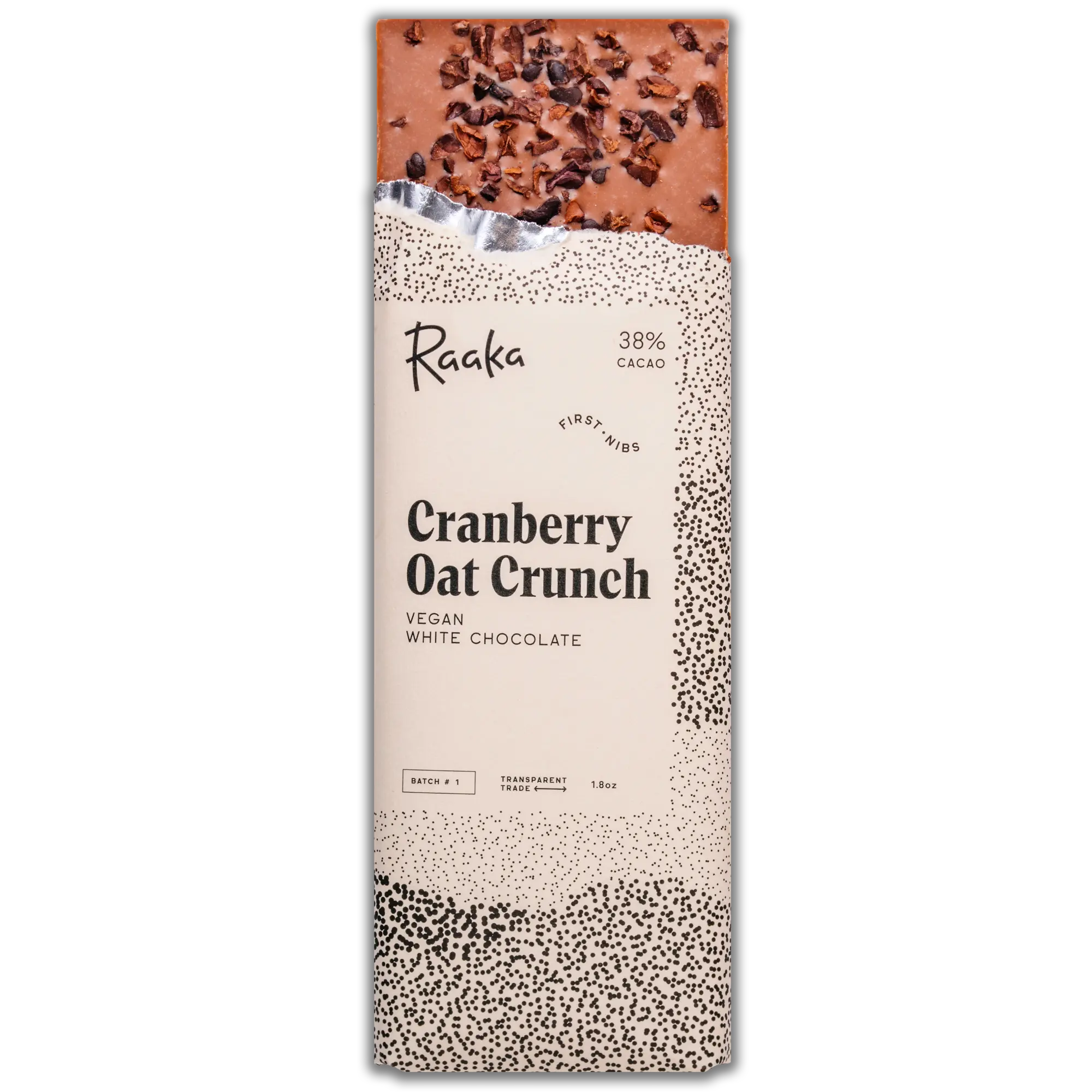
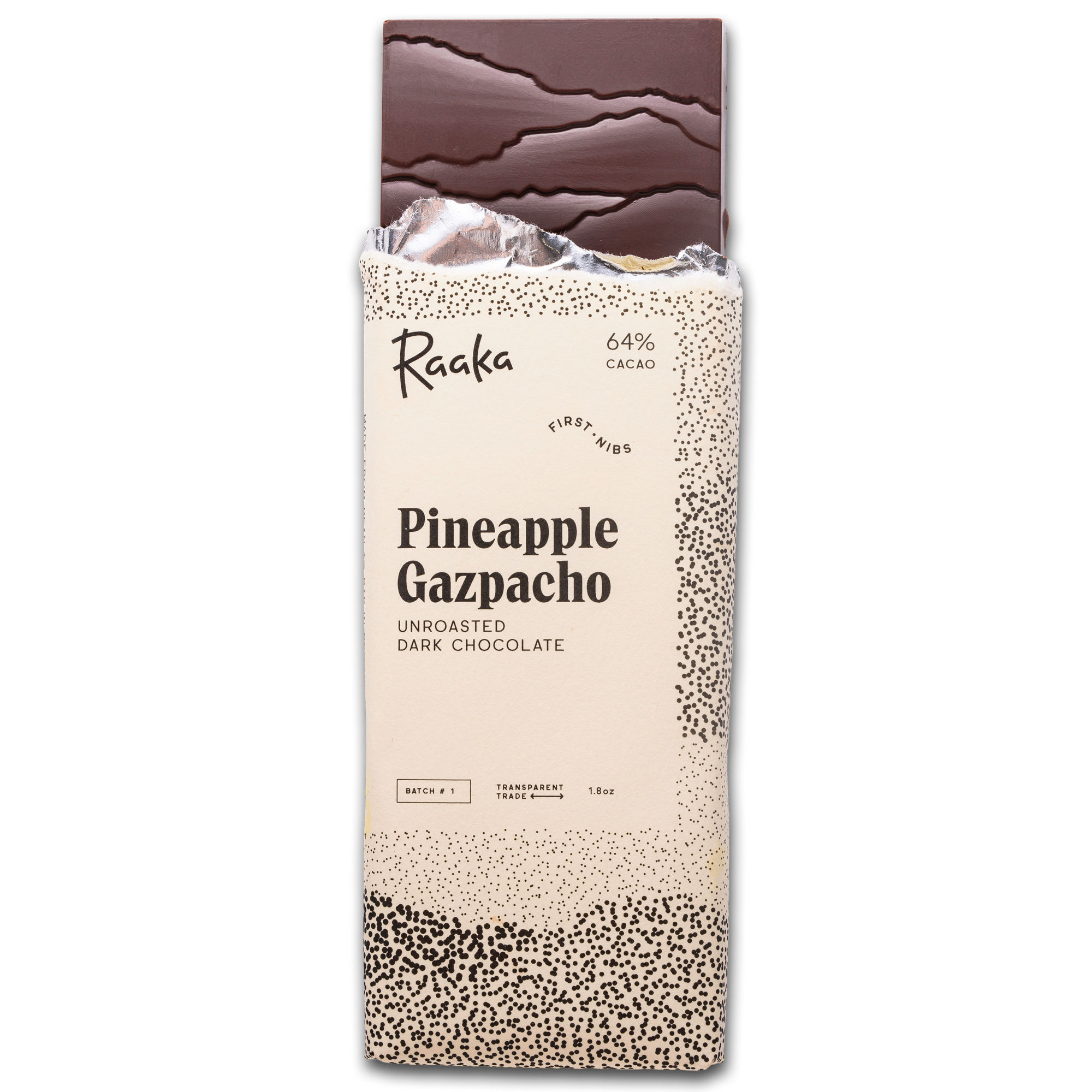
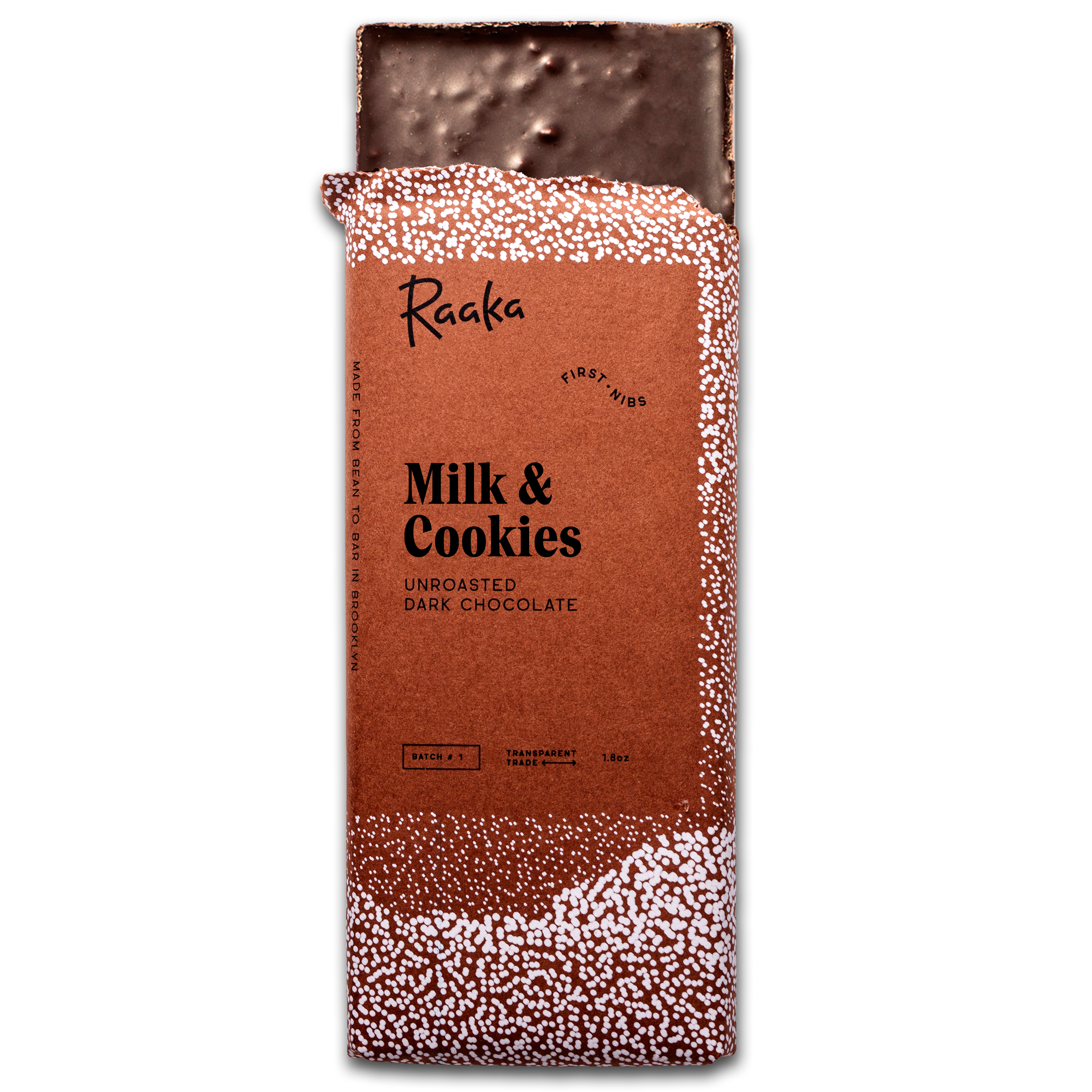
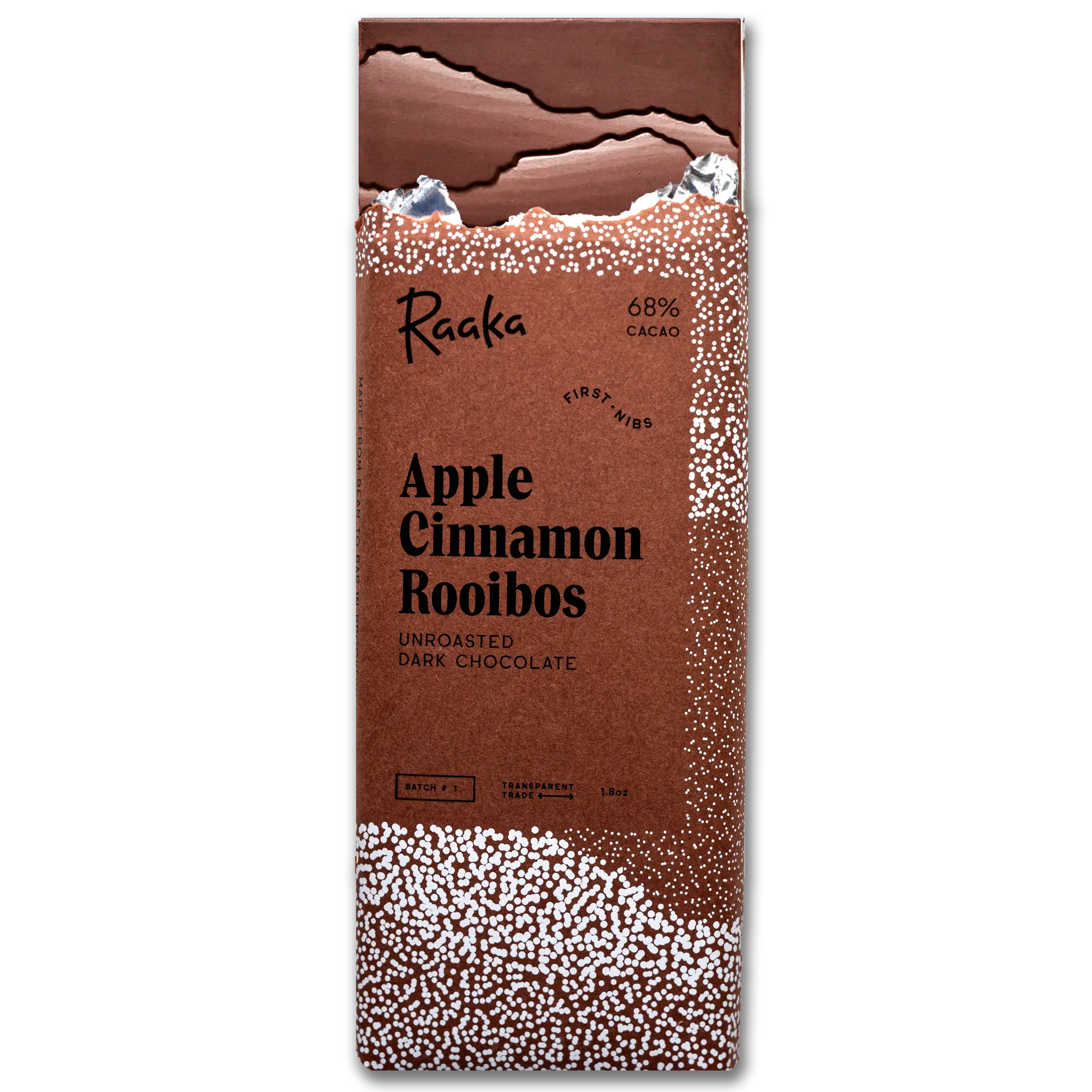
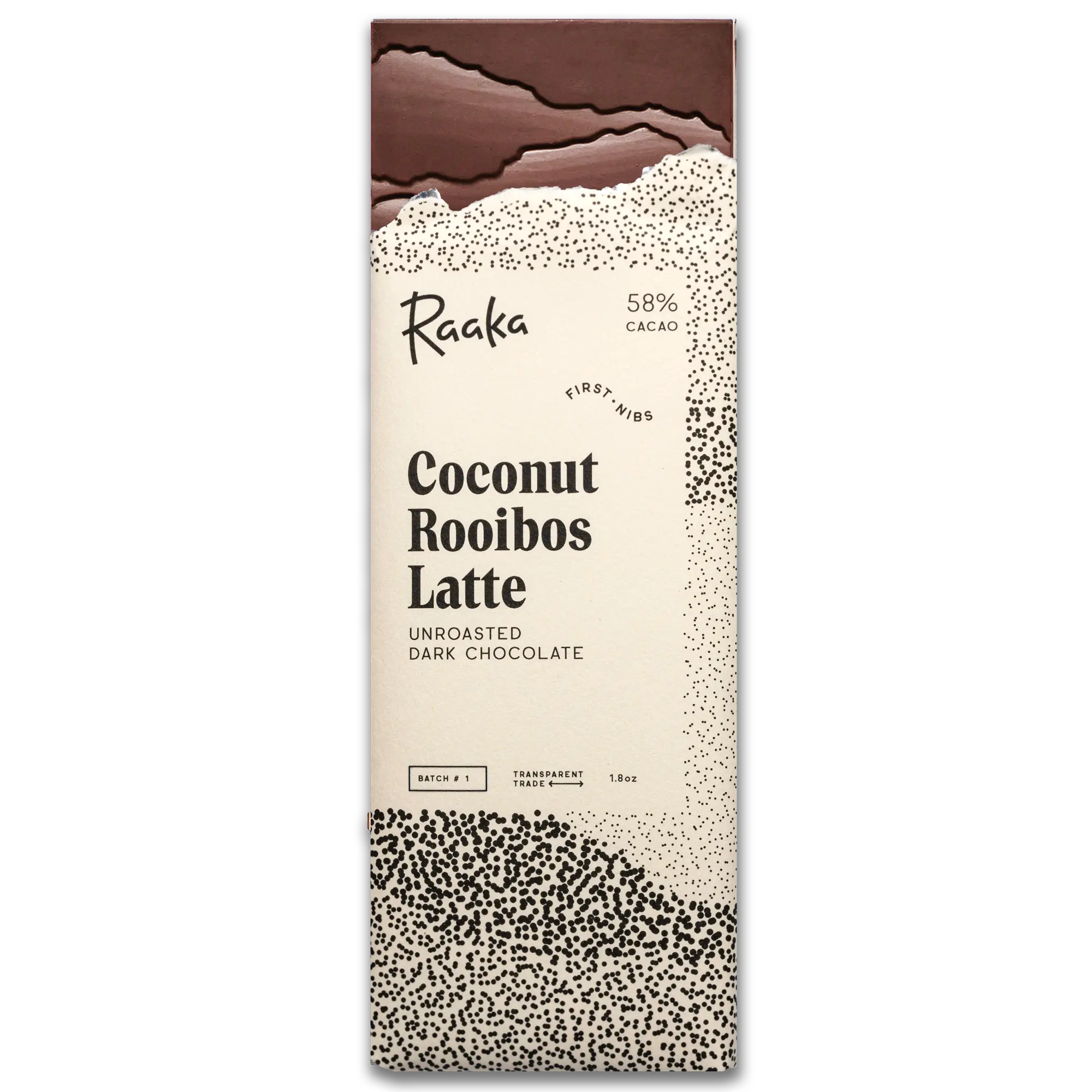
Raaka Chocolate

Brooklyn's unroasted virgin chocolate, brighter, more complex, genuinely different

Raaka's entire identity is built on not roasting the beans. Virgin cacao retains flavor compounds that get cooked off in traditional chocolate making, which means Raaka bars taste genuinely unlike anything else on the shelf, brighter, more acidic, more fruit-forward. Based in Red Hook, Brooklyn, they also run a monthly subscription of one-off small-batch bars.

Enter Store

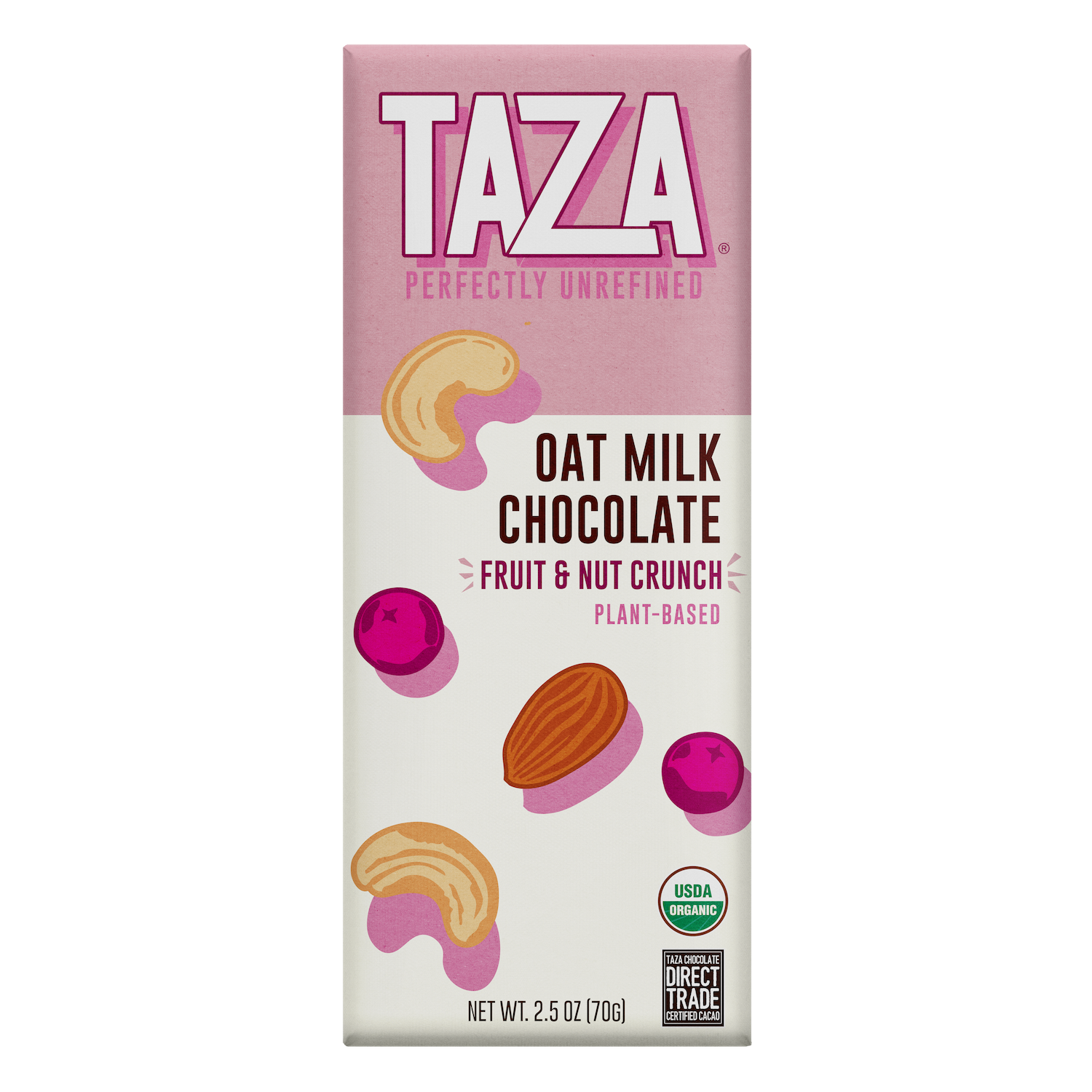
Taza Chocolate

Stone-ground Mexican-style chocolate, Direct Trade certified, made in Somerville MA

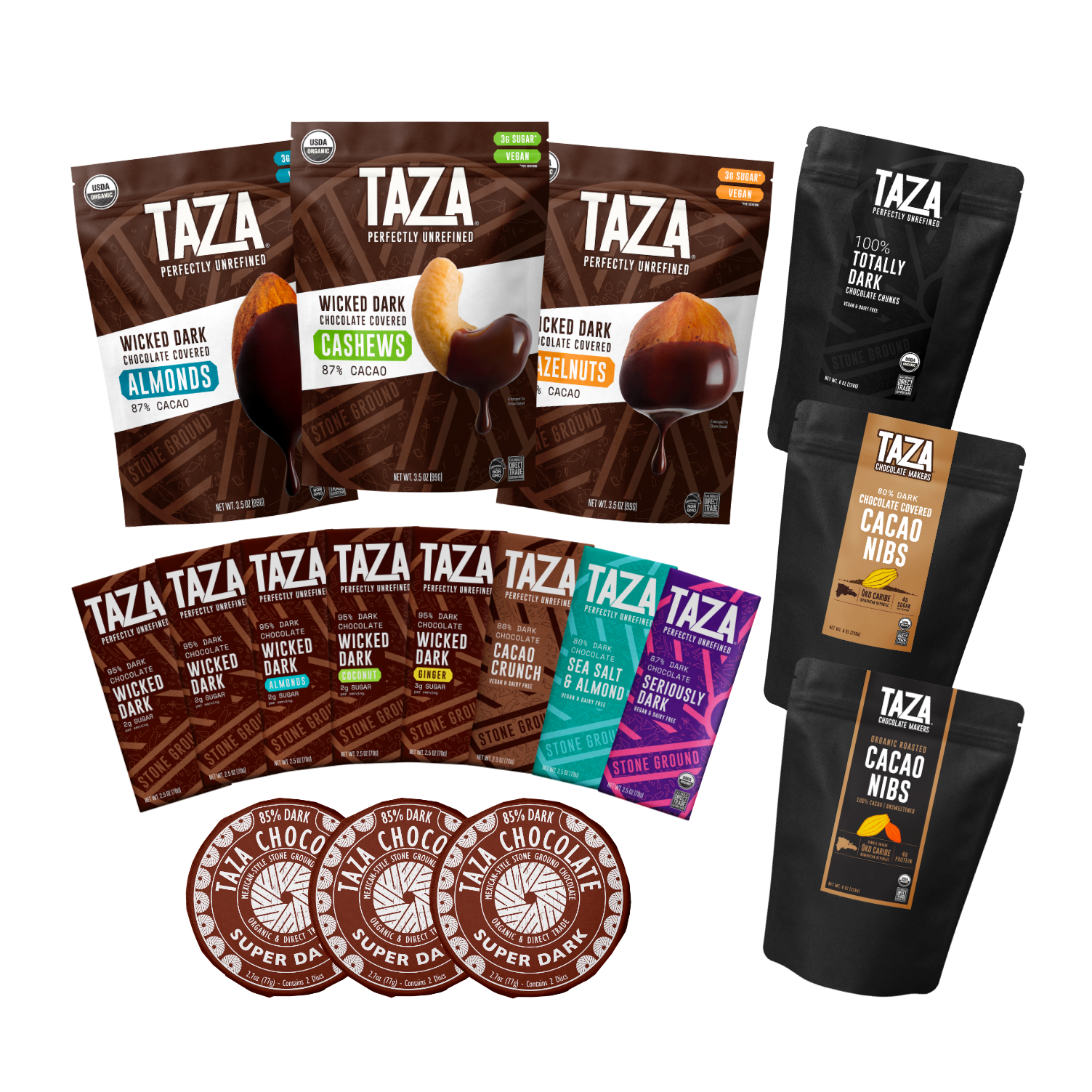
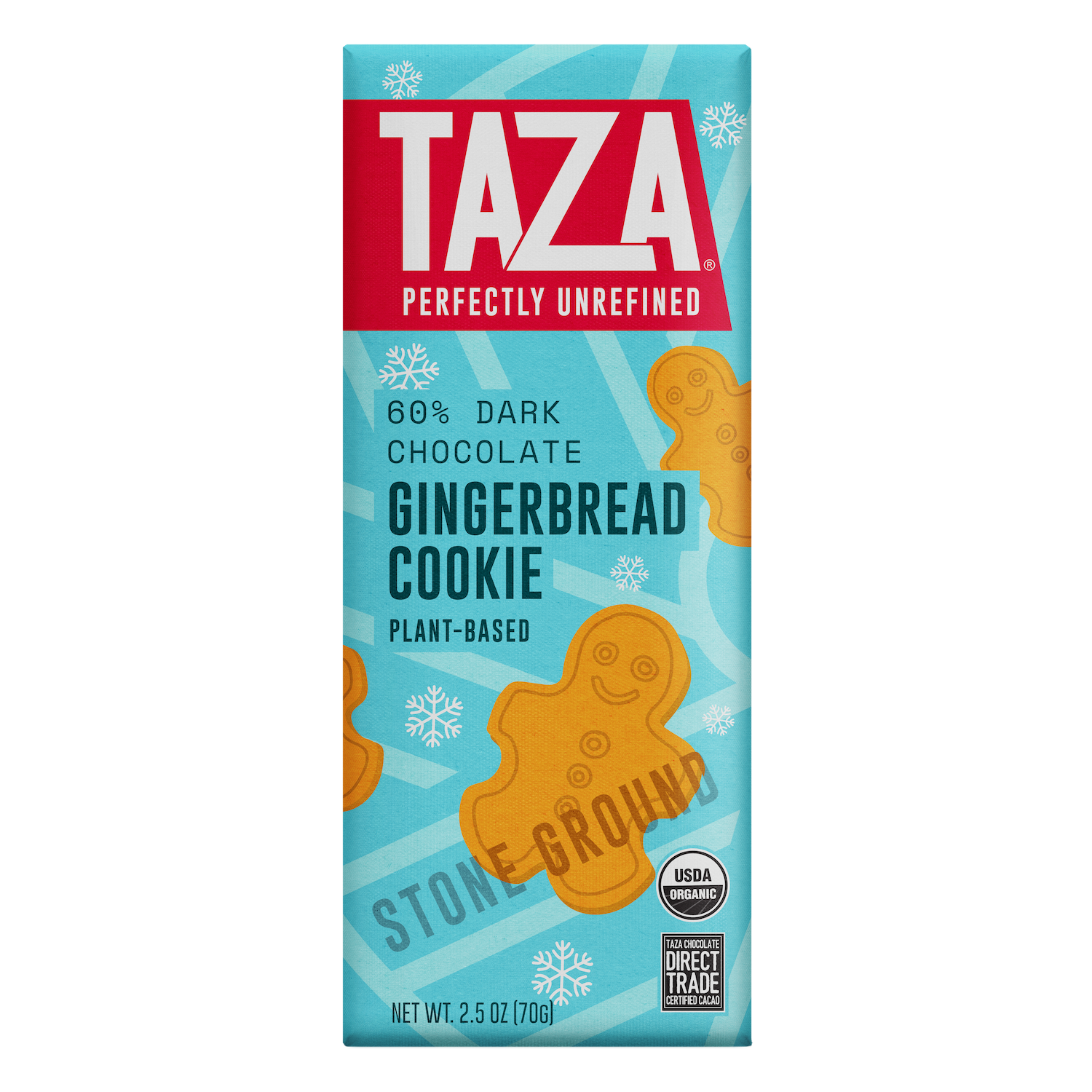
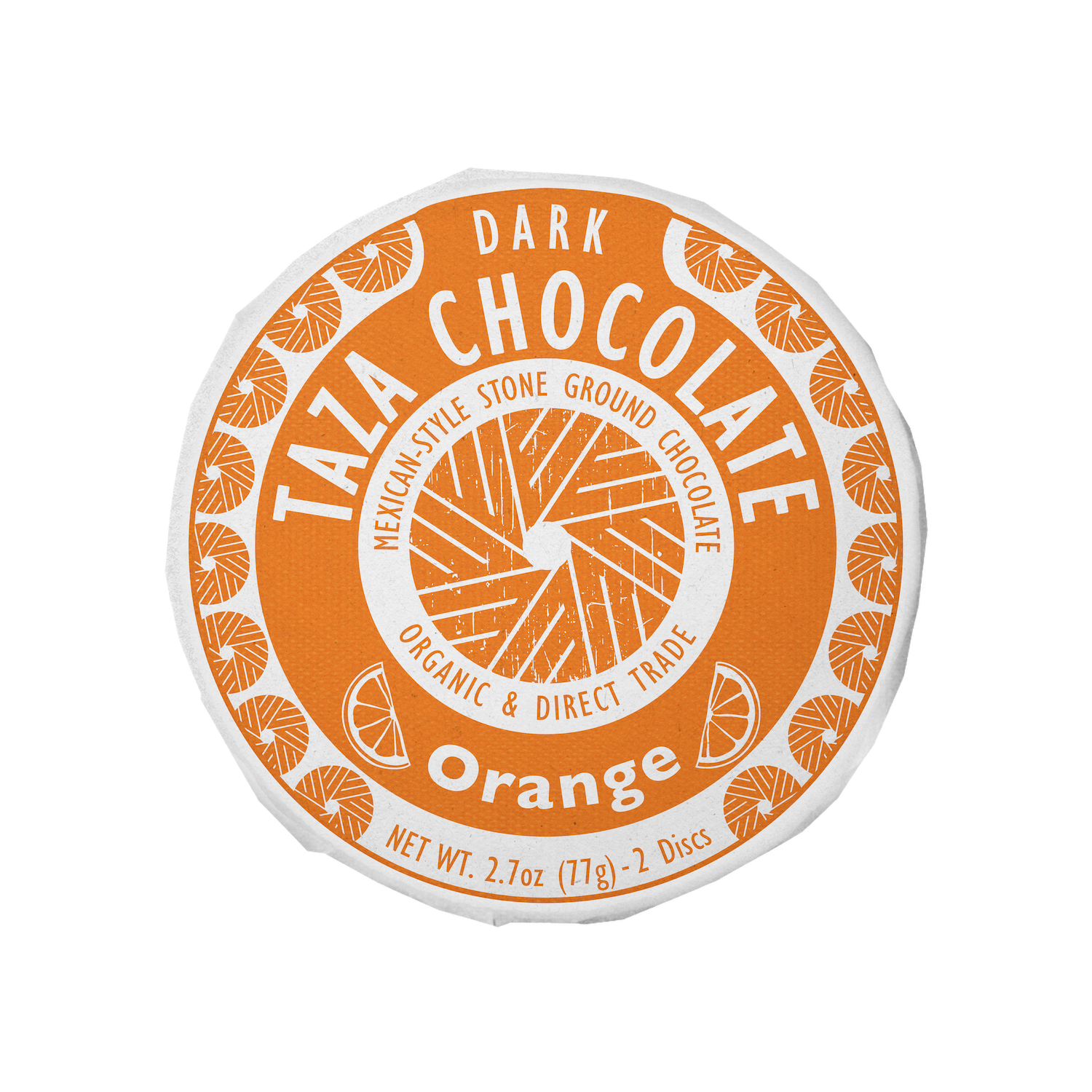
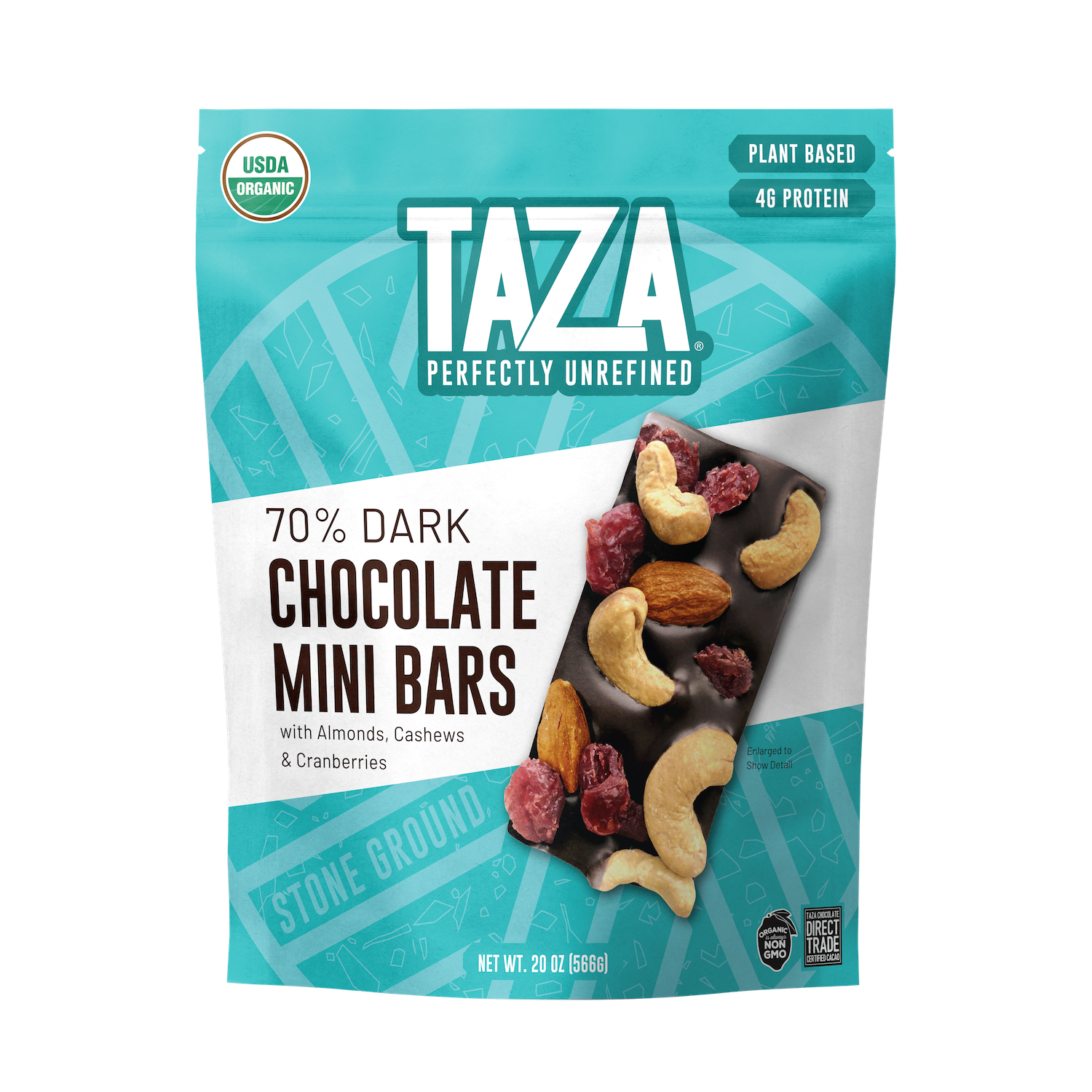
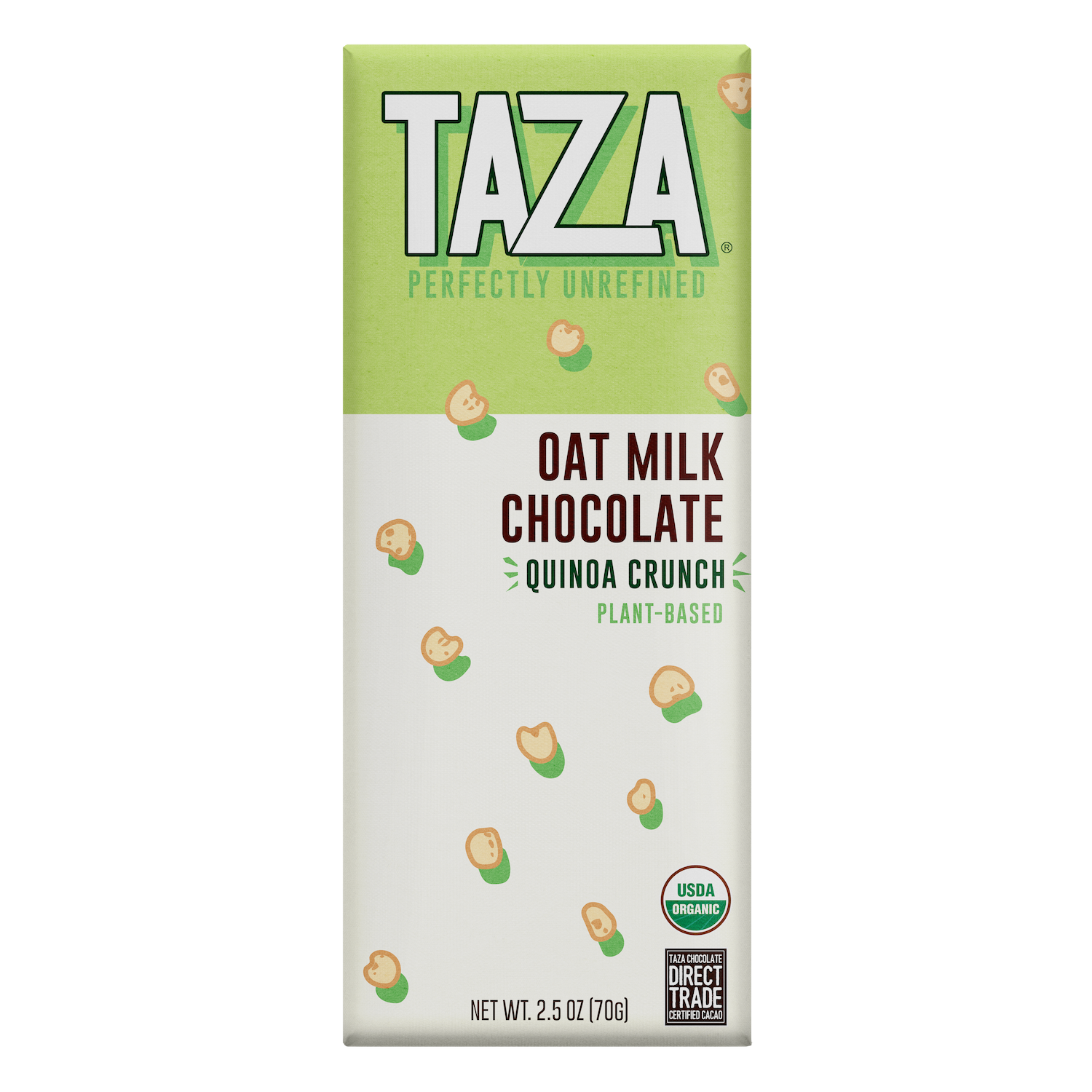
Alex Whitmore became obsessed with stone-ground Mexican chocolate during a trip to Oaxaca and found a traditional molinero willing to teach him the craft. He brought it back to Somerville and built one of the most rigorous Direct Trade programs in the chocolate industry. The result is grainy, intensely bittersweet chocolate that's nothing like conventionally conched bars, and a supply chain that actually pays farmers what the work is worth.

Enter Store

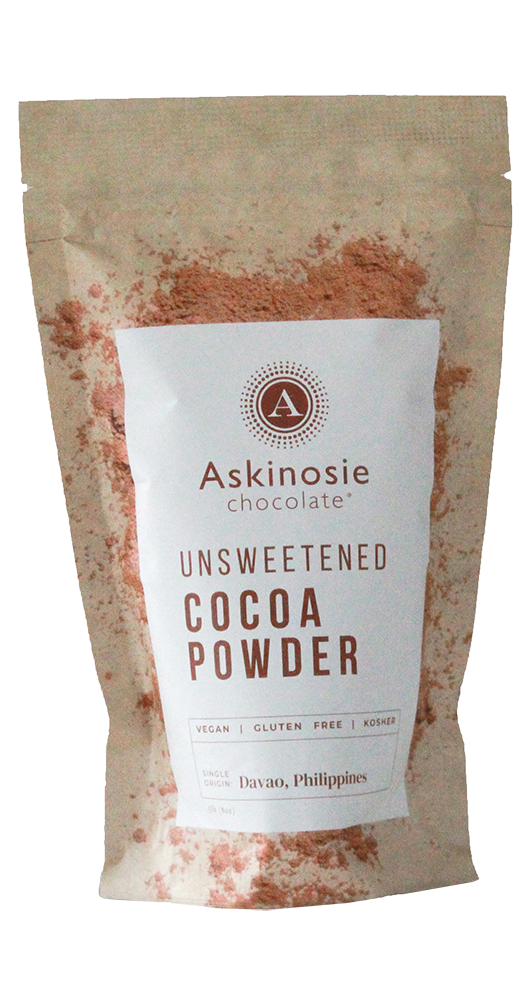
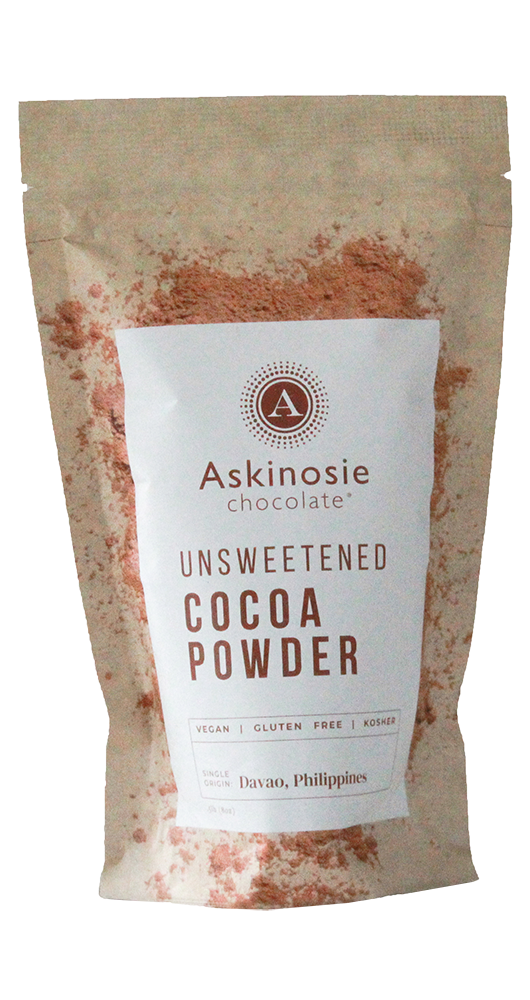
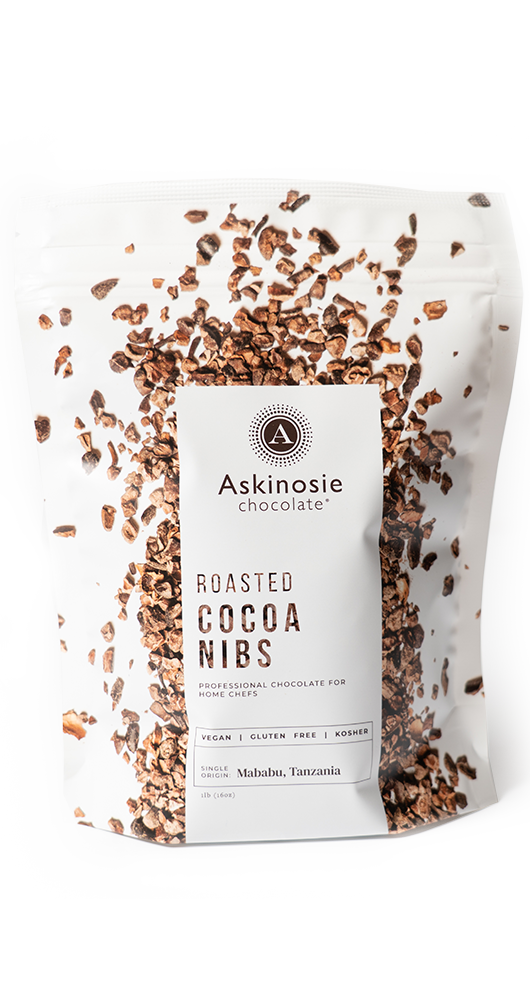
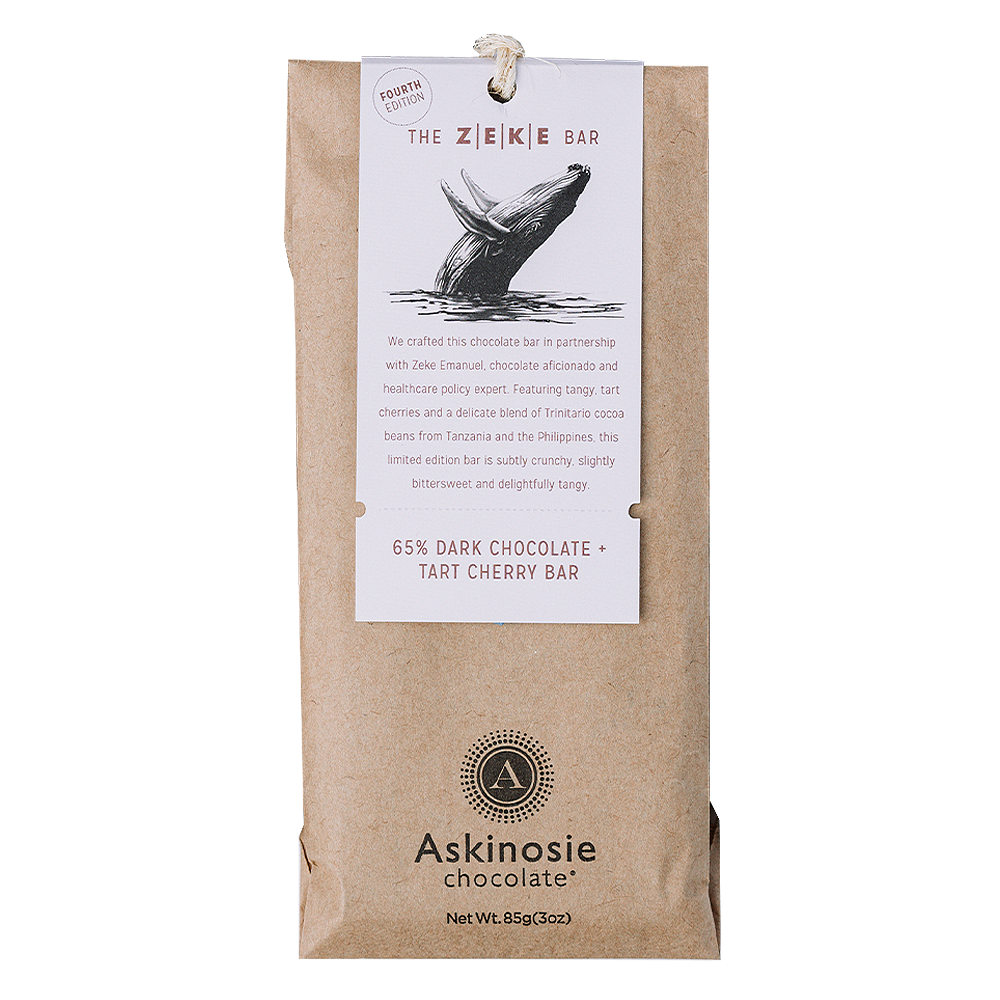
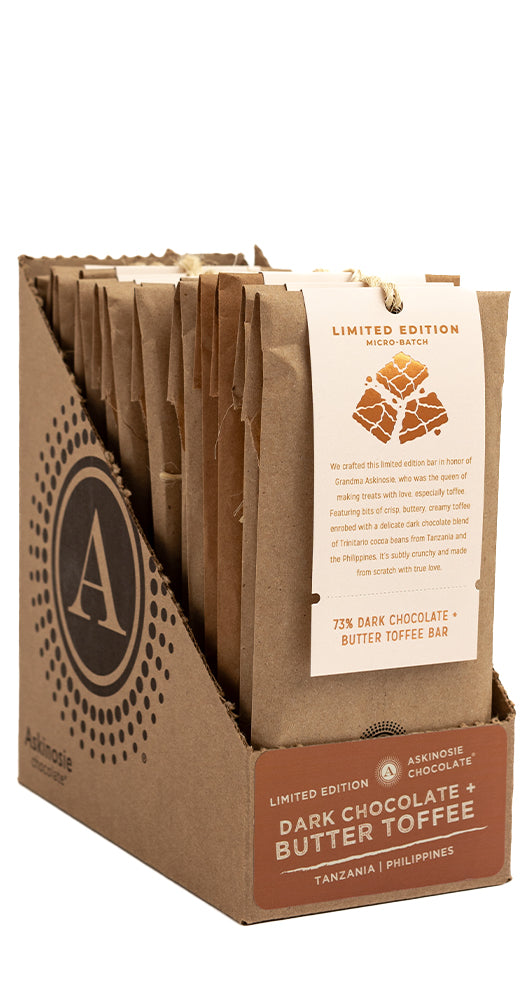
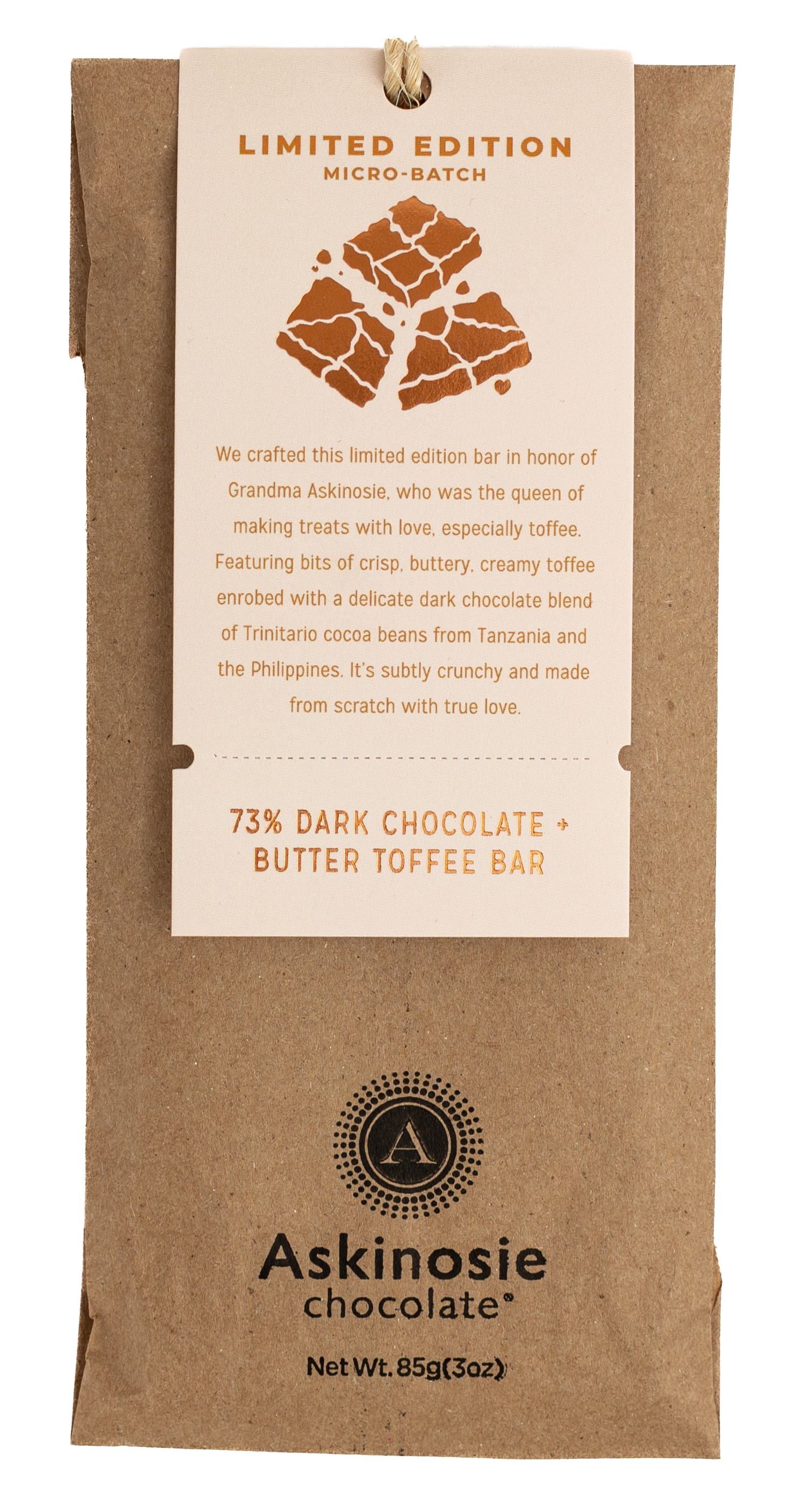
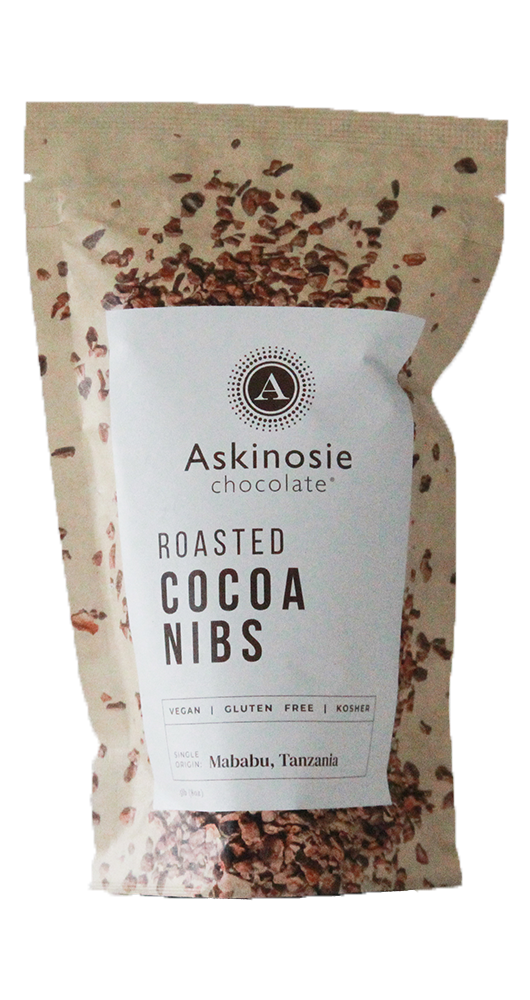
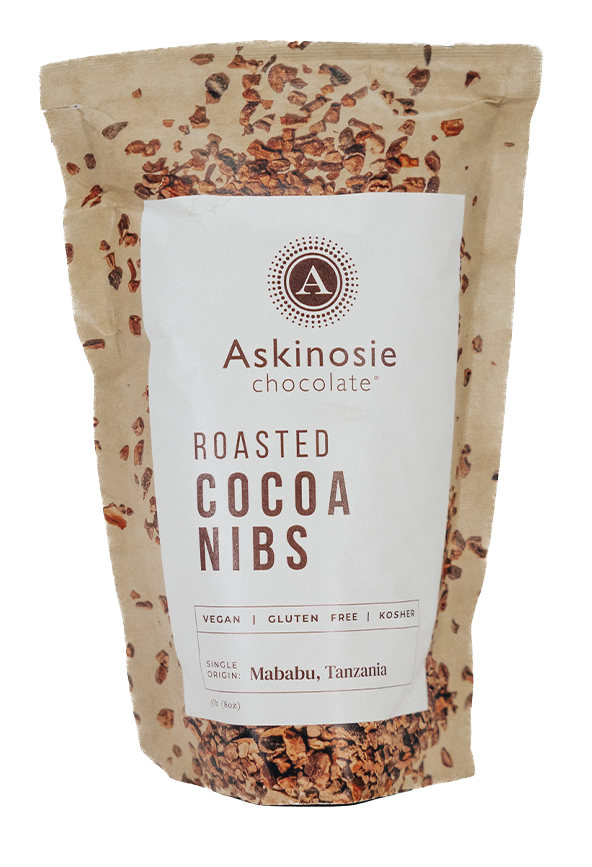
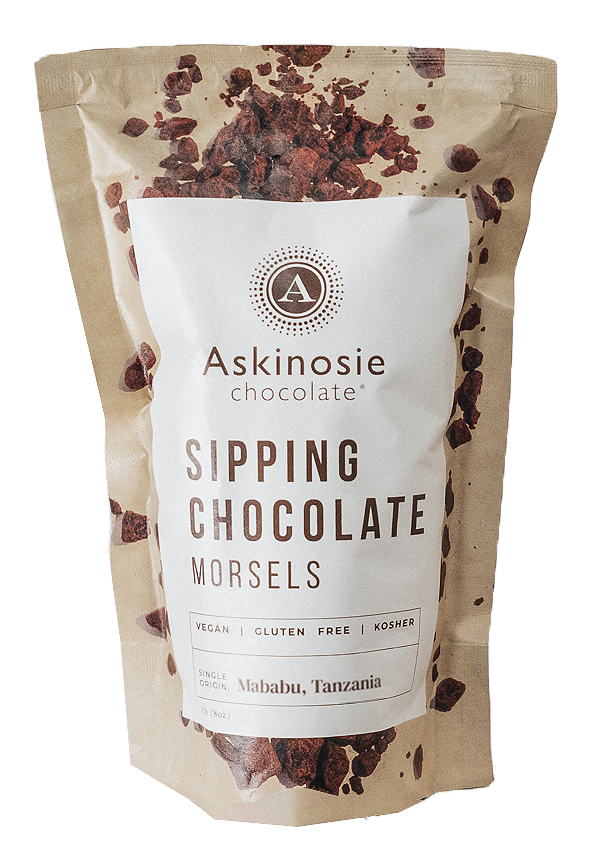
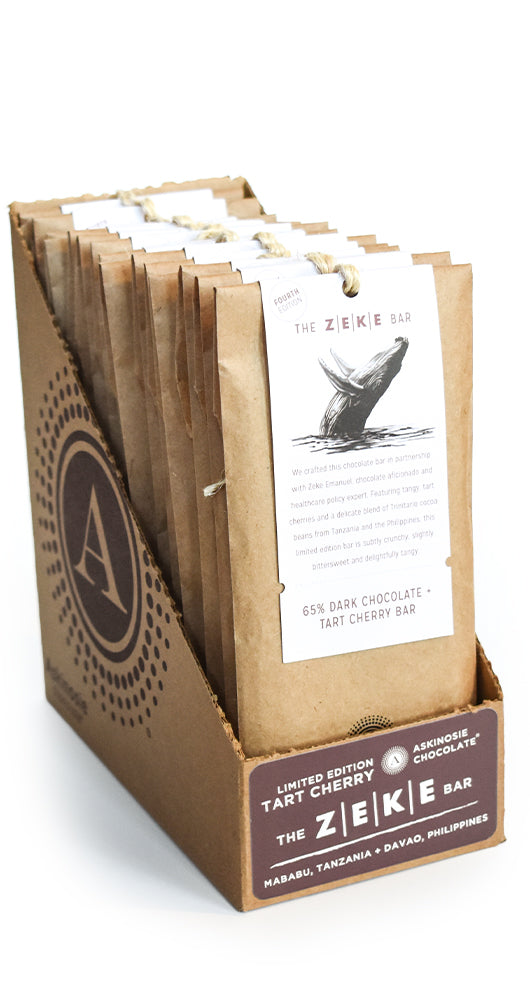
Askinosie Chocolate

Missouri lawyer turned chocolatier, farmer equity, direct sourcing, no marketing fluff

Shawn Askinosie was a criminal defense attorney who walked away to make chocolate and build something more honest. He works directly with cacao farmers in Tanzania, Ecuador, the Philippines, and Honduras, and they hold equity in the company. It's one of the few chocolate brands where "direct trade" isn't a positioning line; it's literally in the ownership structure.

Enter Store

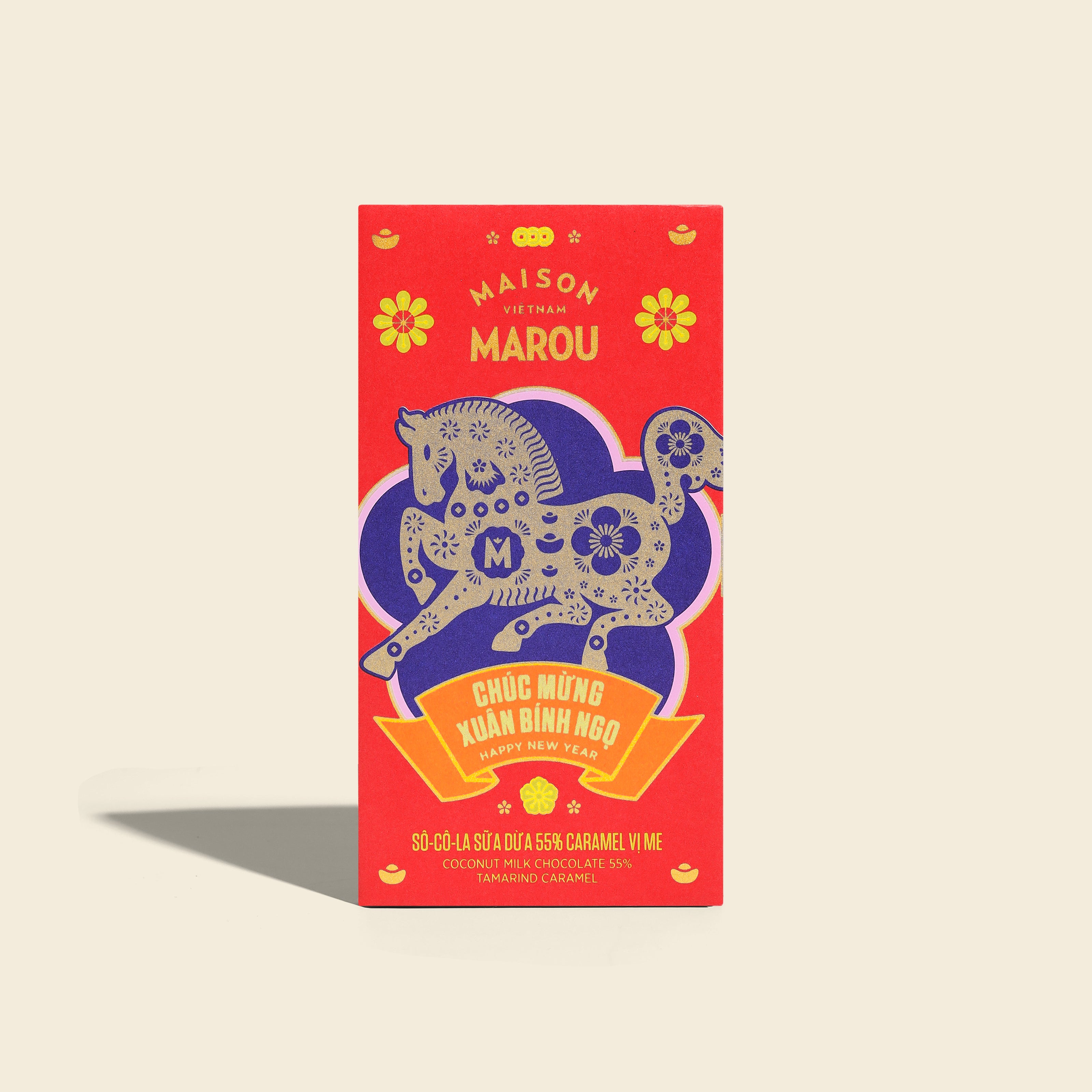
Marou Chocolate

Vietnamese cacao sourced, made, and packaged entirely in Vietnam by French expats

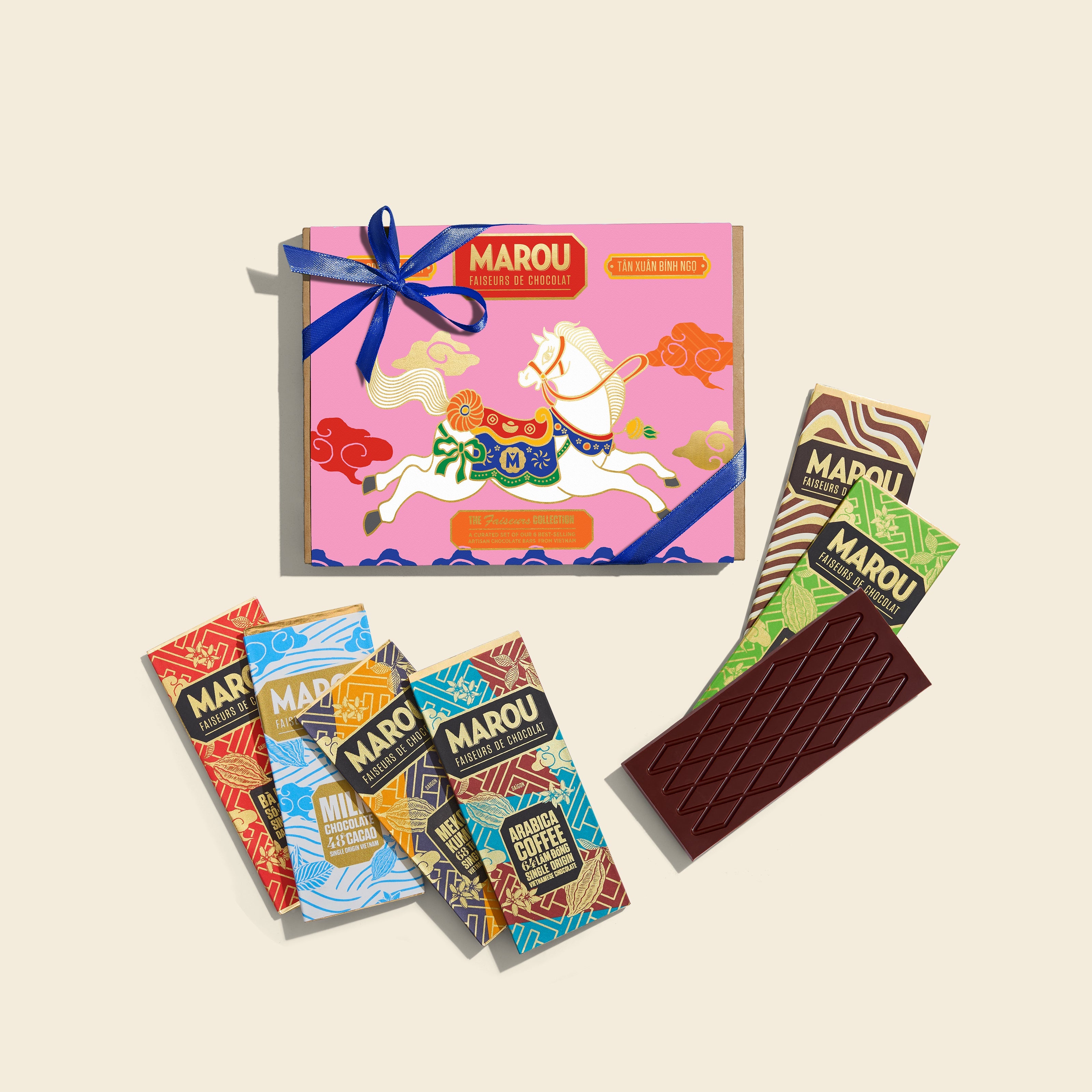
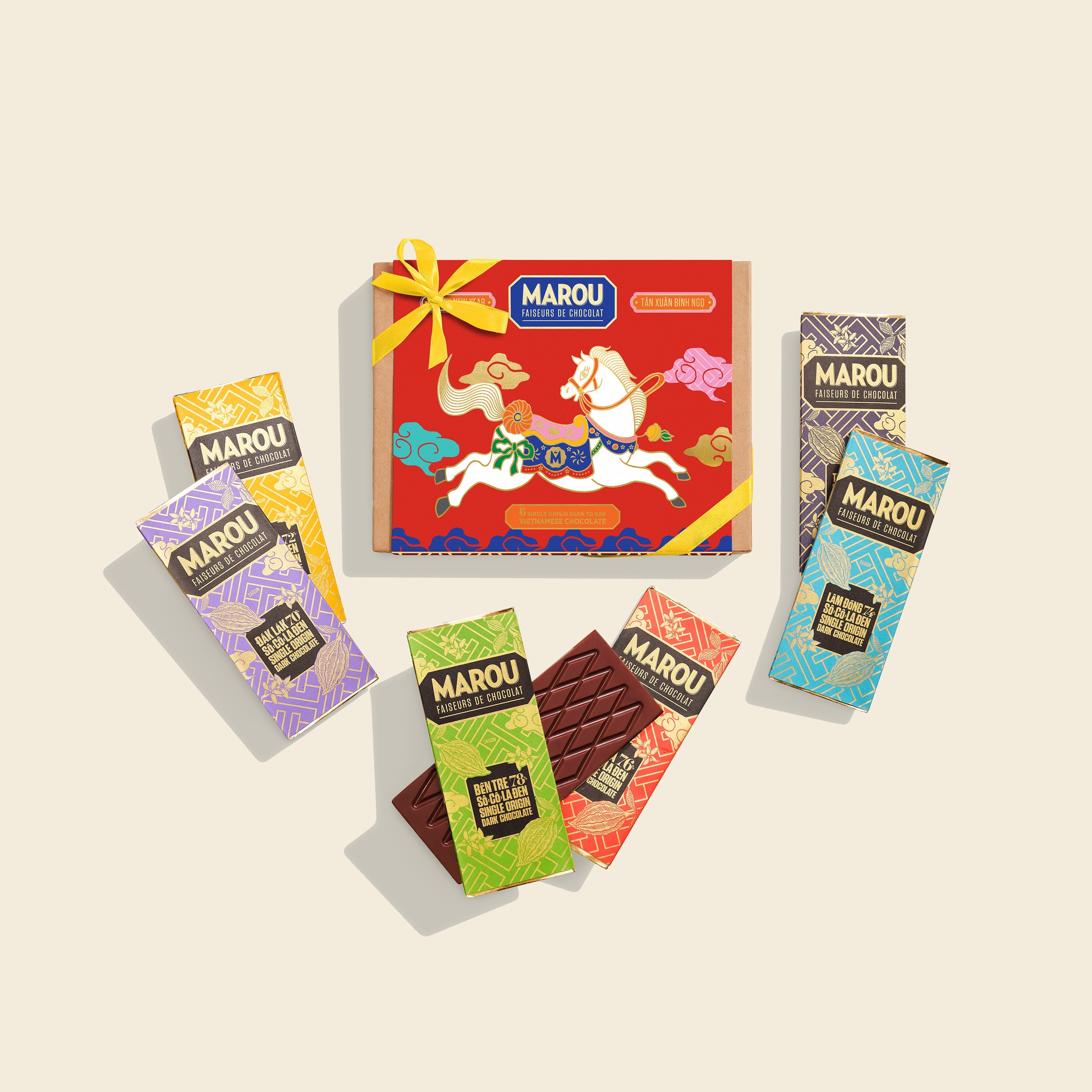
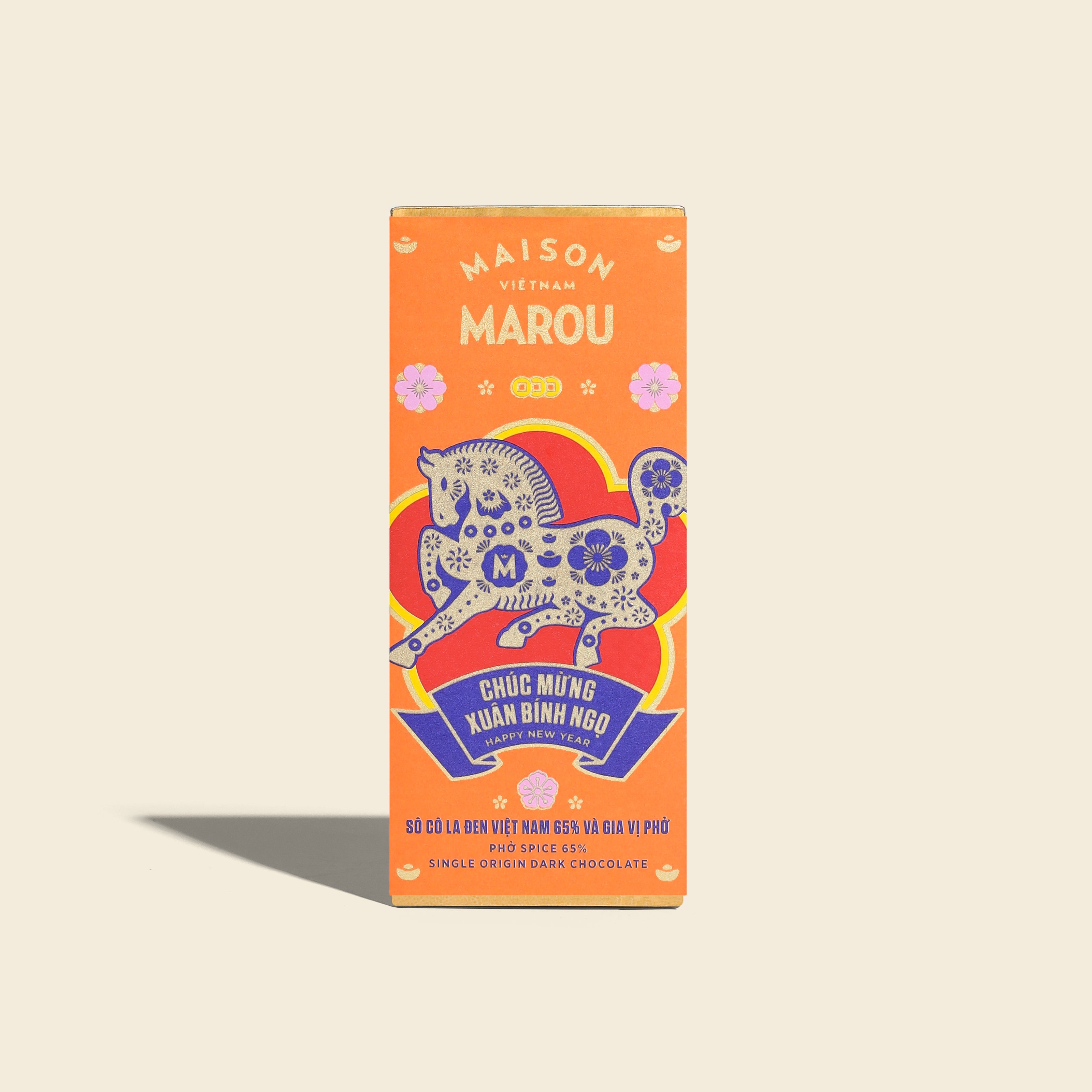
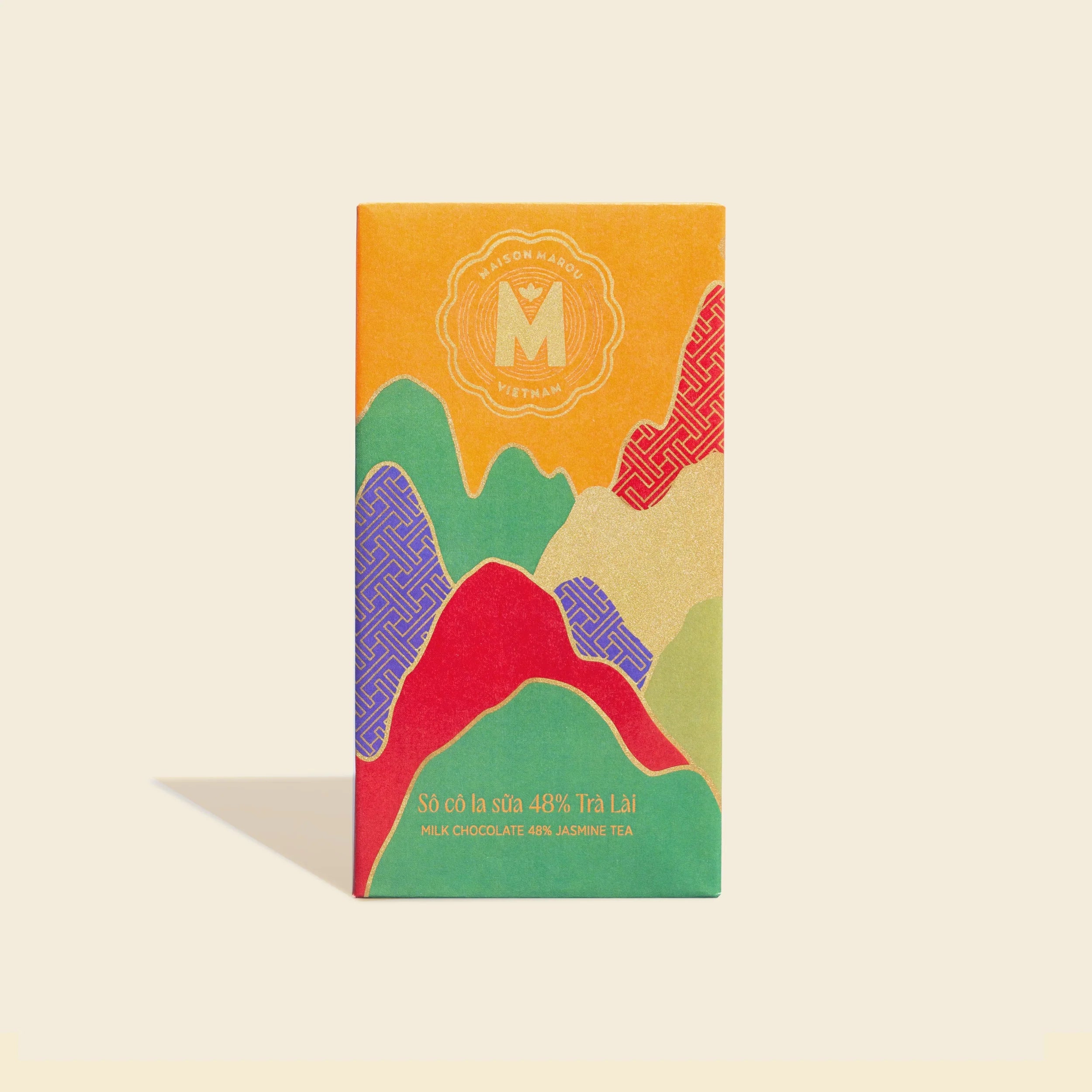
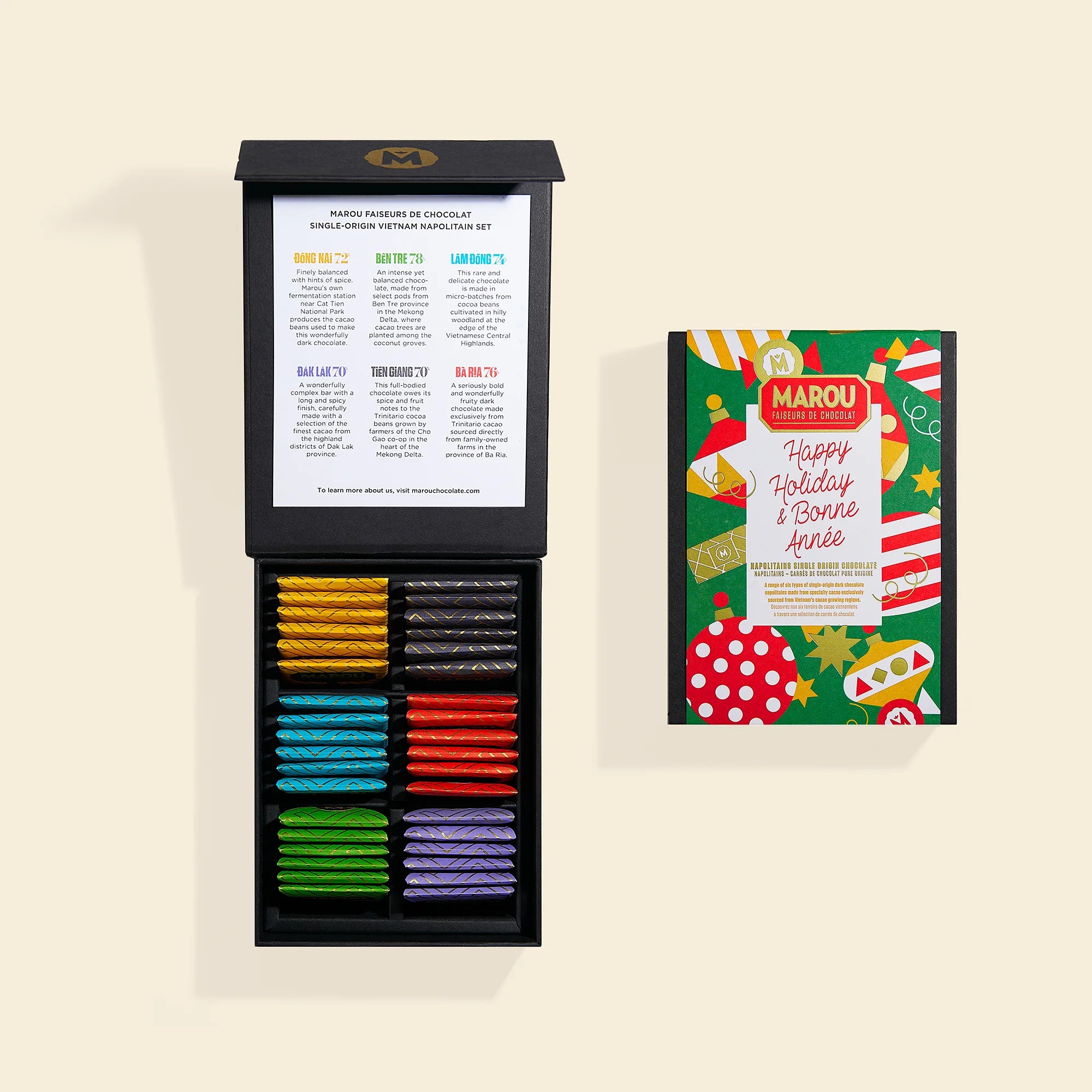
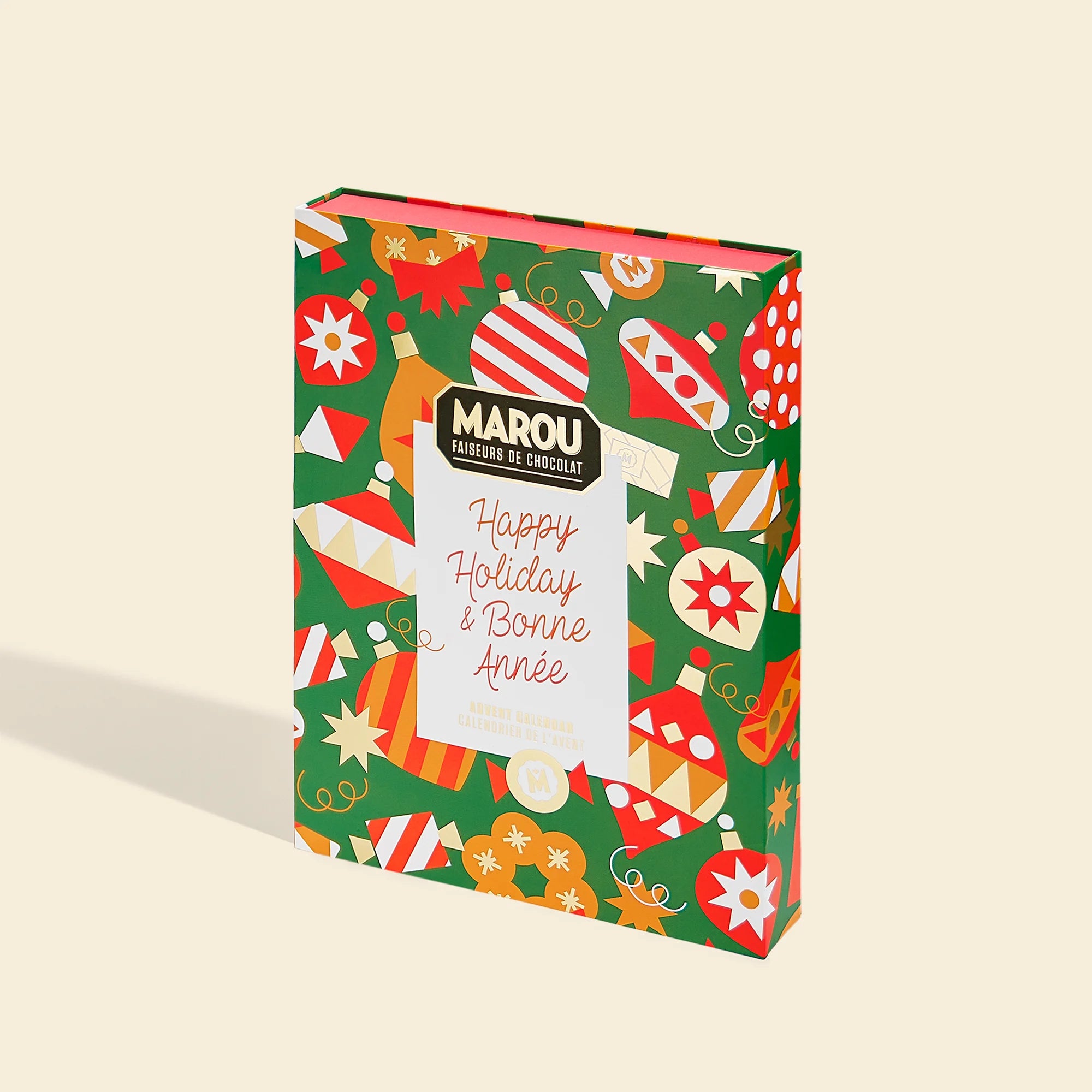
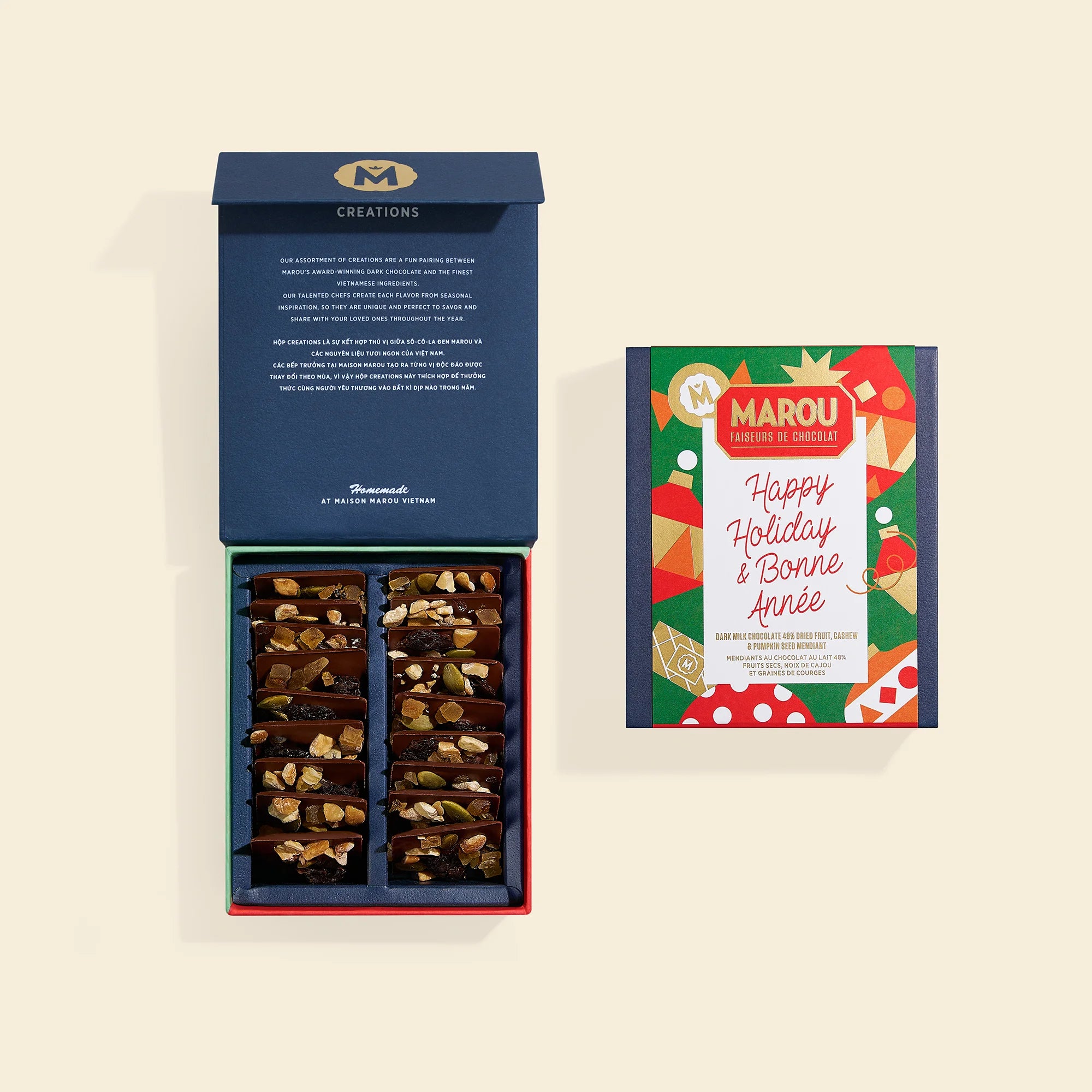
Two French expats discovered Vietnamese cacao while motorcycling through the Mekong Delta and decided to make chocolate there rather than export the beans. Marou works directly with farmers across six Vietnamese provinces, each producing distinct flavor profiles, and handles everything in Vietnam, including the illustrated foil packaging that's become iconic in specialty food circles. One of the more genuinely original operations in craft chocolate.

Enter Store

About This District

Shopping single-origin bean-to-bar chocolate is a little like buying specialty coffee: origin, process, and roast level all matter, and you develop preferences over time. Start with origin. West African beans (Ghana, Ivory Coast) tend toward classic deep chocolate, earthy, familiar, reliably bitter. Latin American origins (Ecuador, Peru, Dominican Republic, Belize) run more complex: floral, fruity, acidic in a good way. Southeast Asian cacao, Vietnam especially, has a distinctly wilder profile, fermented, tropical, surprising even to experienced tasters. Then look at percentage. Single origin bars often run 70–80% cacao. Higher percentages aren't automatically better, they just mean less sugar, which means the bean's character is more exposed. If you're new to this, 70% is a better starting point than 85%. Watch for two-ingredient bars (cacao + cane sugar). These are the clearest expression of a maker's craft because there's nowhere to hide. Some makers add cocoa butter back in for texture; that's common and acceptable. Anything with vanilla, lecithin, or milk solids starts to drift from the single-origin ideal. Tasting flights and subscription samplers are the best way to find your preferred origin. Most of these brands offer them, and at the price point of craft chocolate, a sampler is genuinely the smart first order.