Mint Districts Food

Best Small Batch Hot Sauce Brands DTC: Craft Heat Worth Ordering

The mainstream hot sauce aisle is mostly vinegar, food coloring, and borrowed brand equity from one cooking competition show. The independent craft hot sauce scene is a different animal, regional pepper sourcing, intentional fermentation, founders who are genuinely obsessive about the thing they make. Some of these brands got started at farmers markets and scaled just enough to ship nationally. Others have won blind tasting awards multiple years running. All of them are more interesting than anything sitting next to the ketchup pump at a grocery store. This list is for people who actually taste what they pour.

Food · 6 Brands

The Small Batch Hot Sauce District

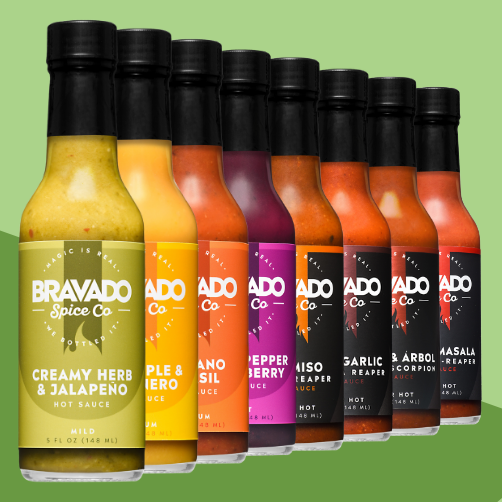
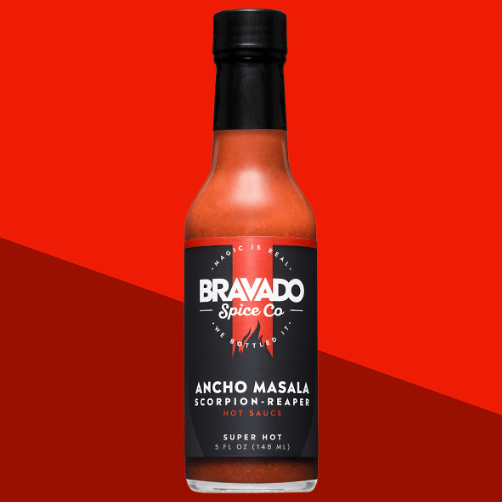
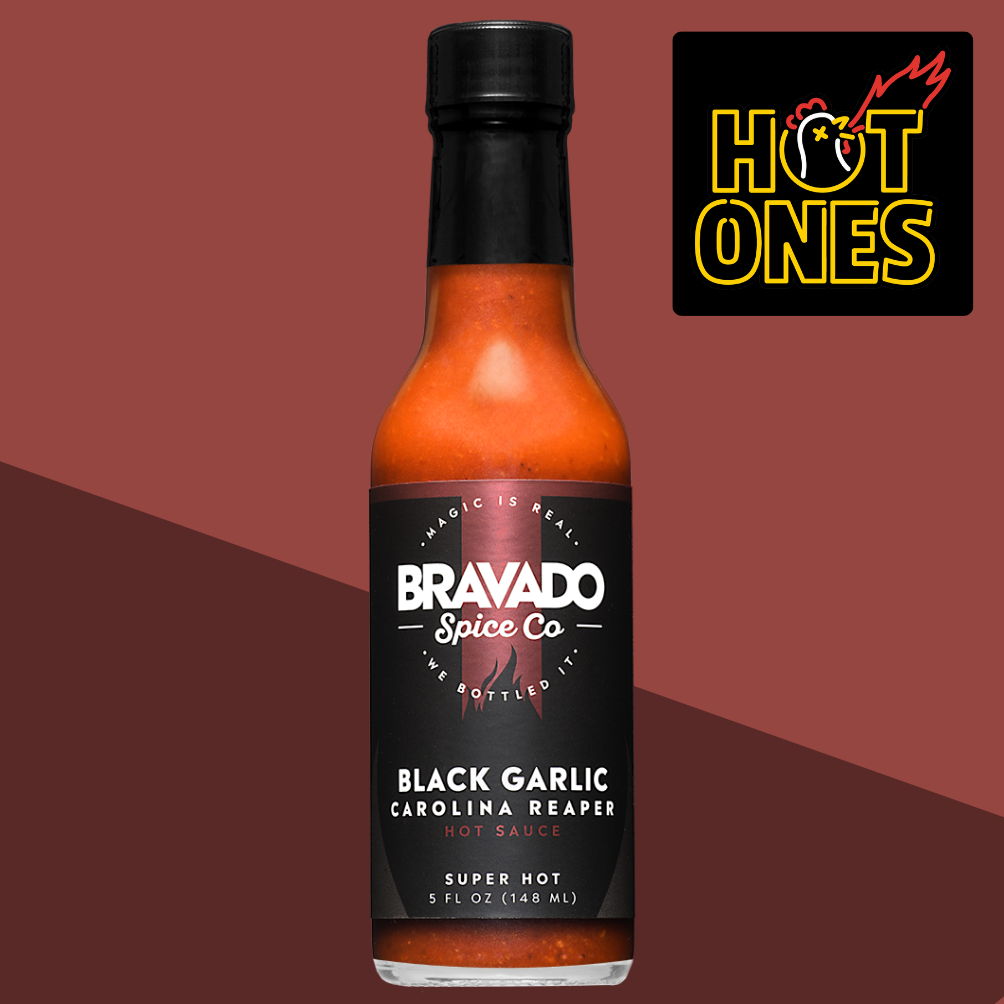
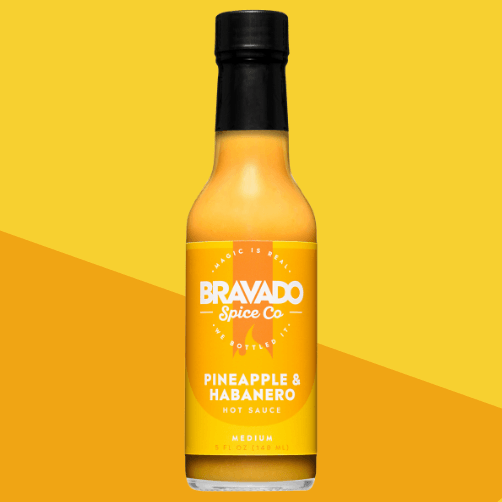
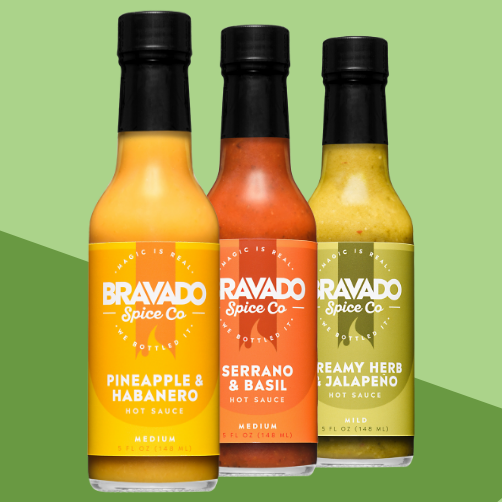
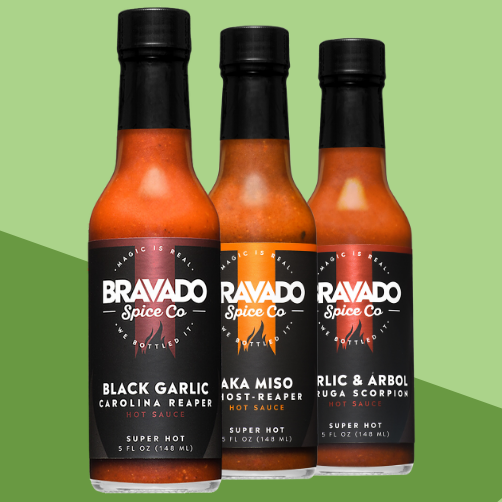
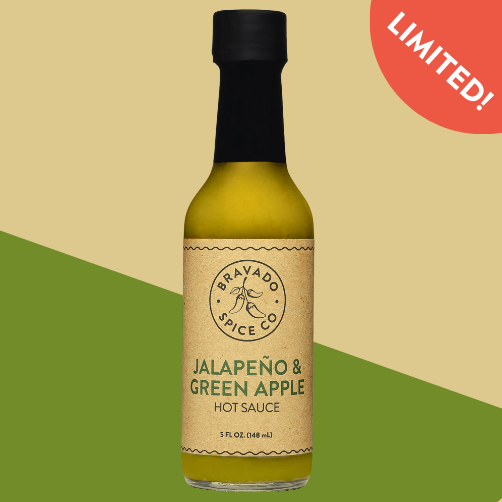
Bravado Spice Co

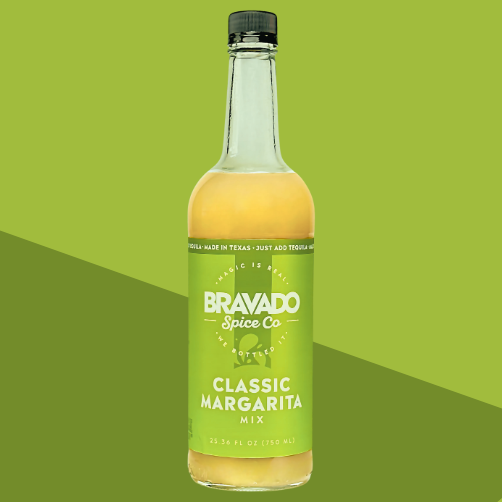
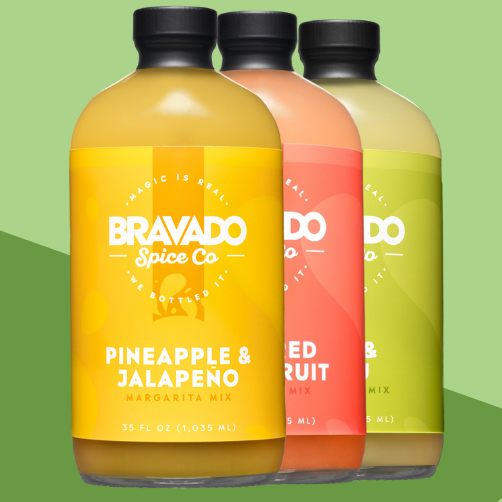
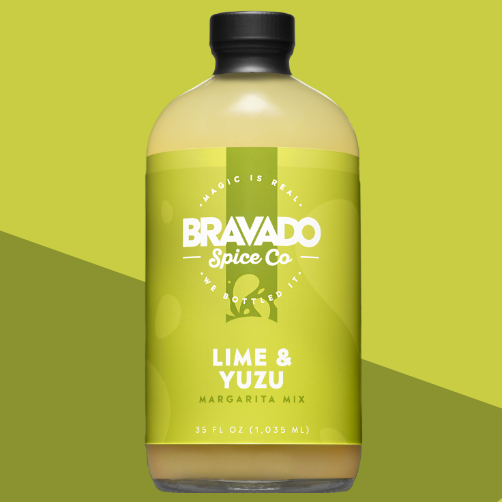
Austin craft heat, hot sauces and cocktail mixers that don't apologize for flavor

Built in Austin by a former finance professional who got obsessed with fermentation and pepper sourcing and decided to make that the job. The line has expanded from core hot sauces into margarita mixes and Mexican-inspired seasonings, but the sauce remains the center. Flavor-forward without sacrificing heat, and one of the more polished DTC operations in the craft sauce space.
Enter Store

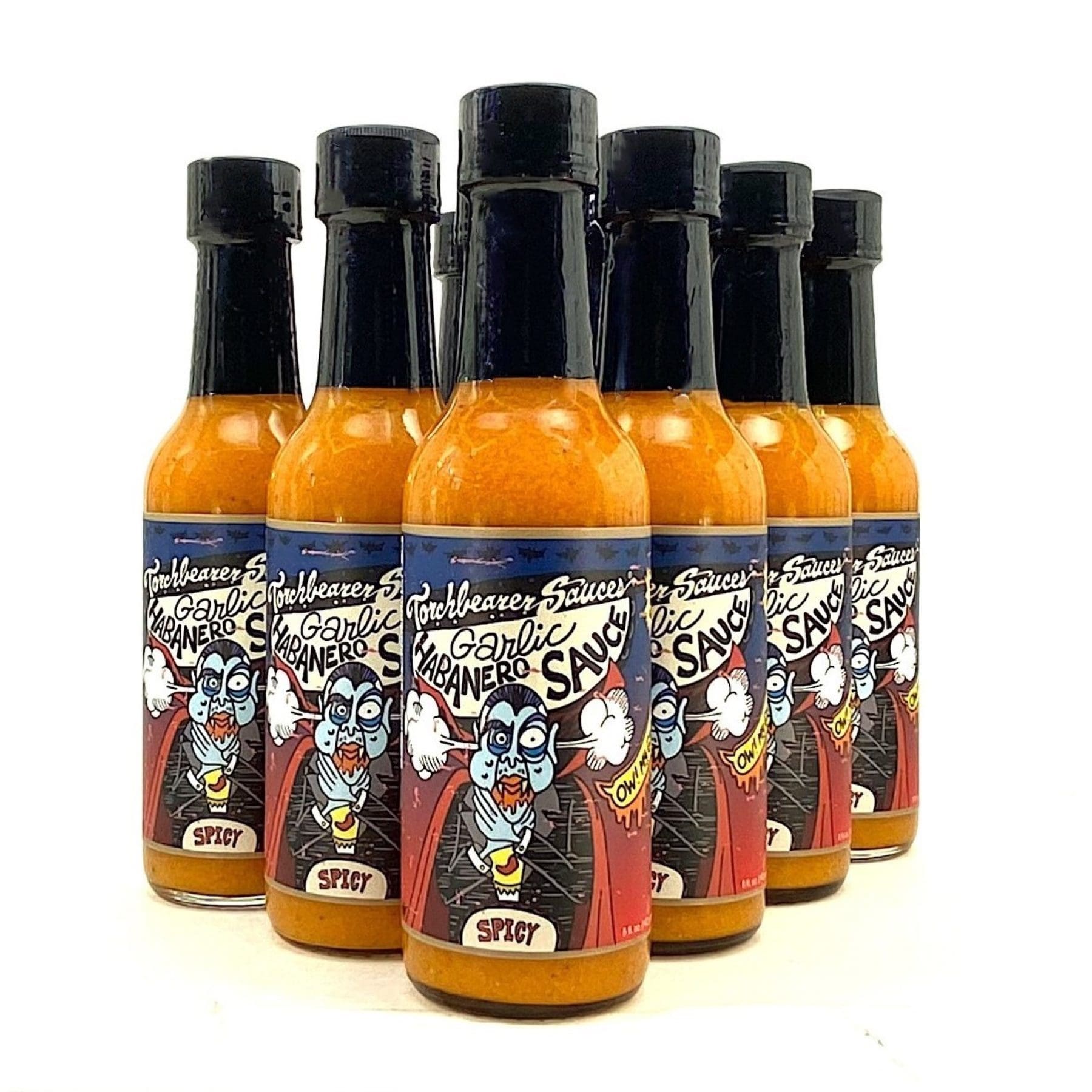
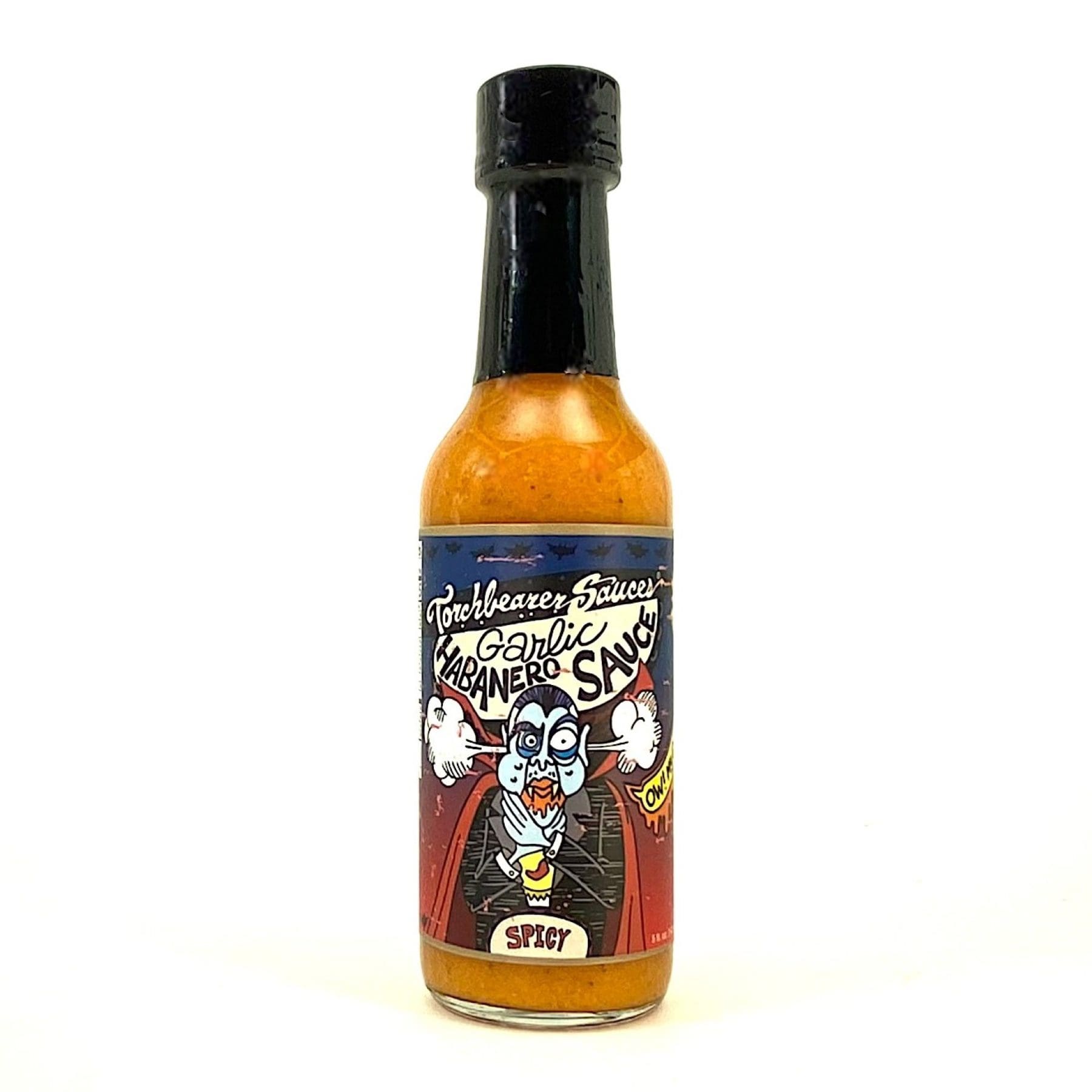
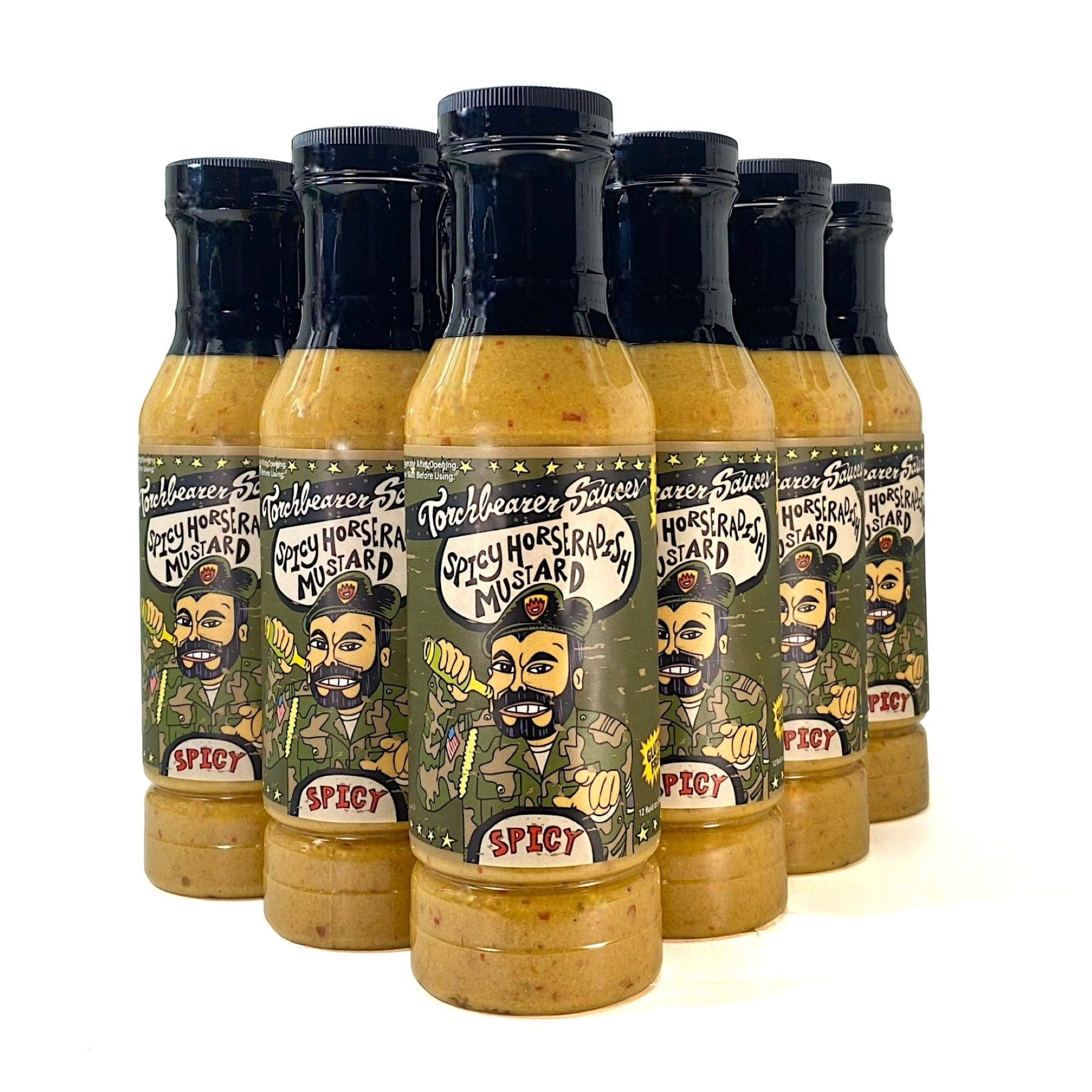
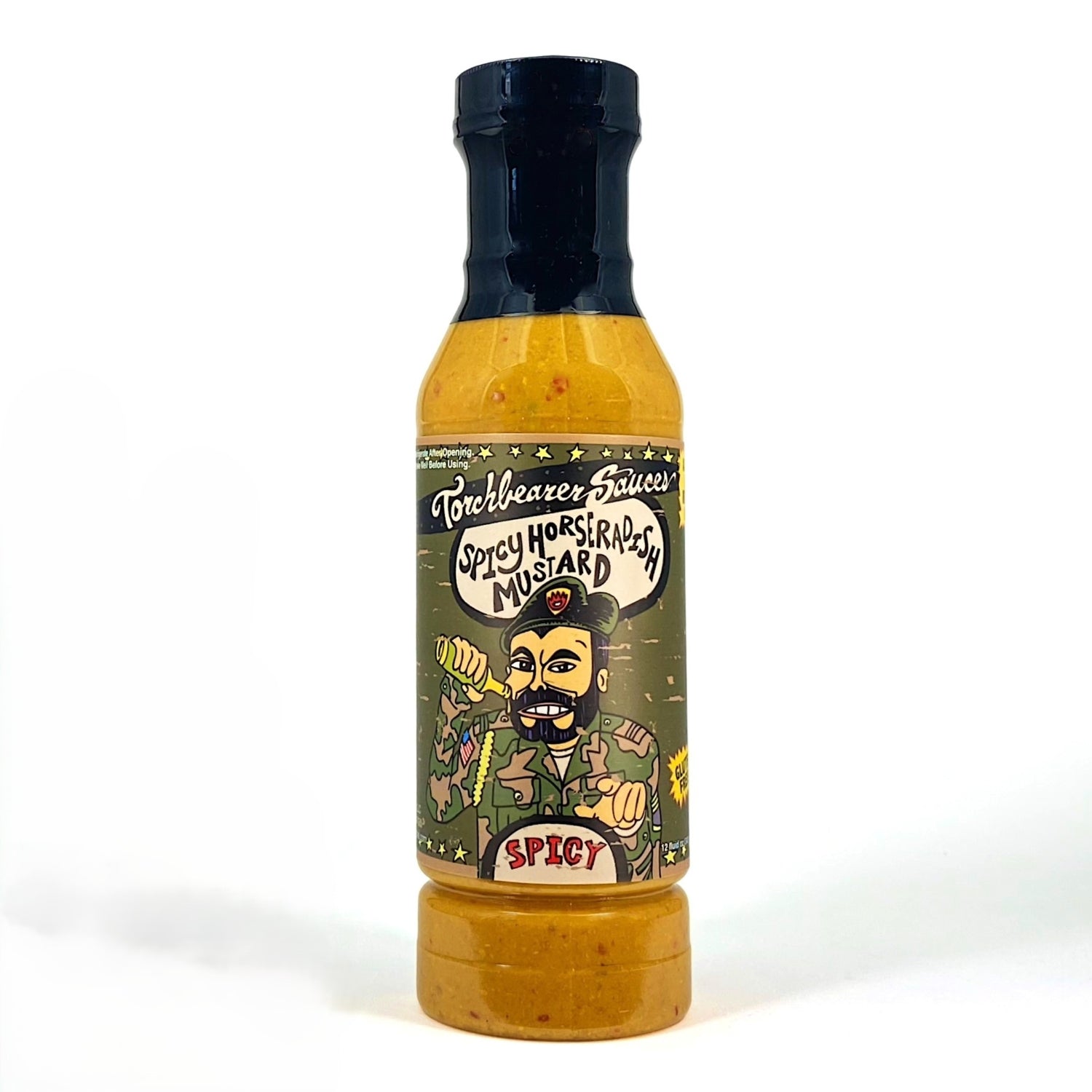
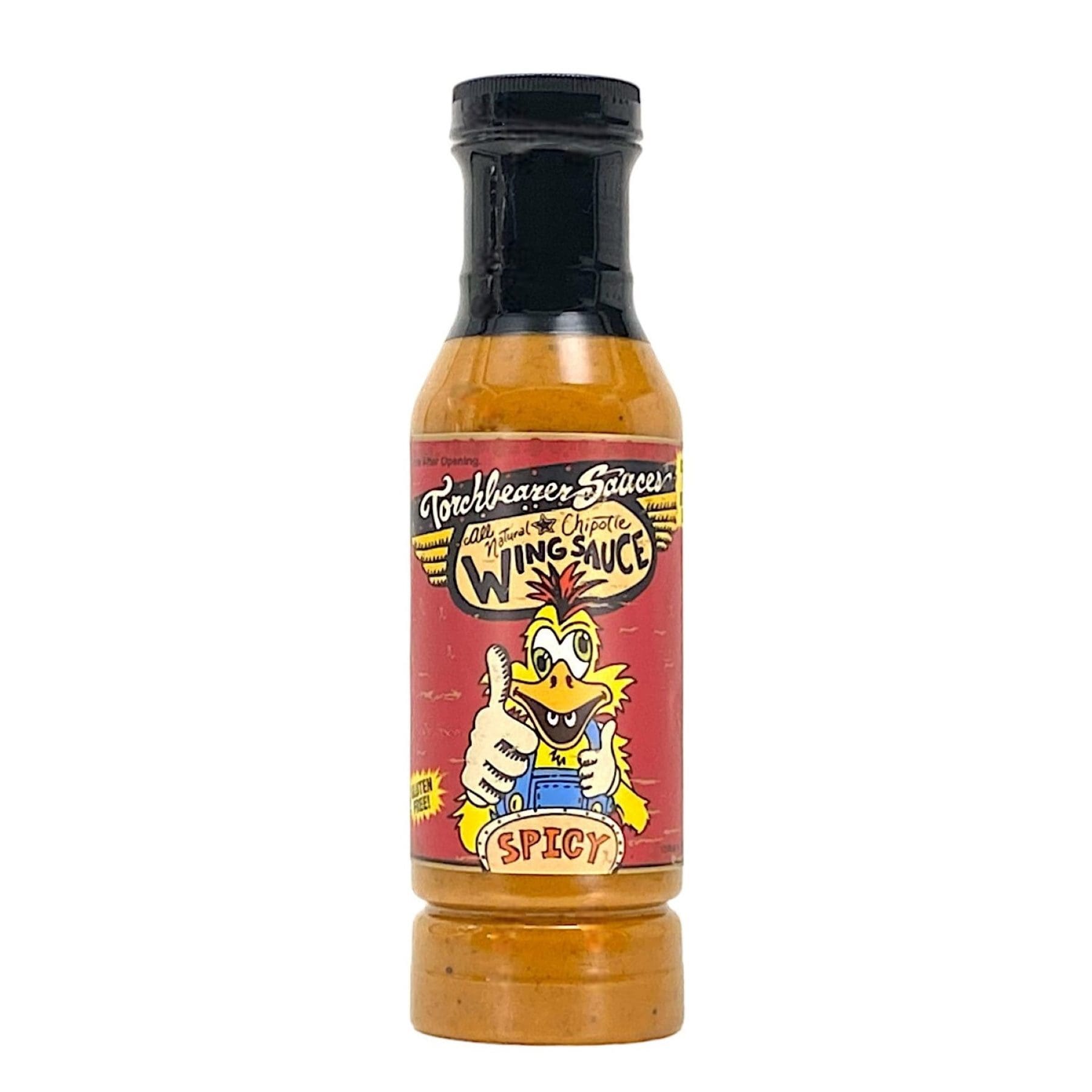
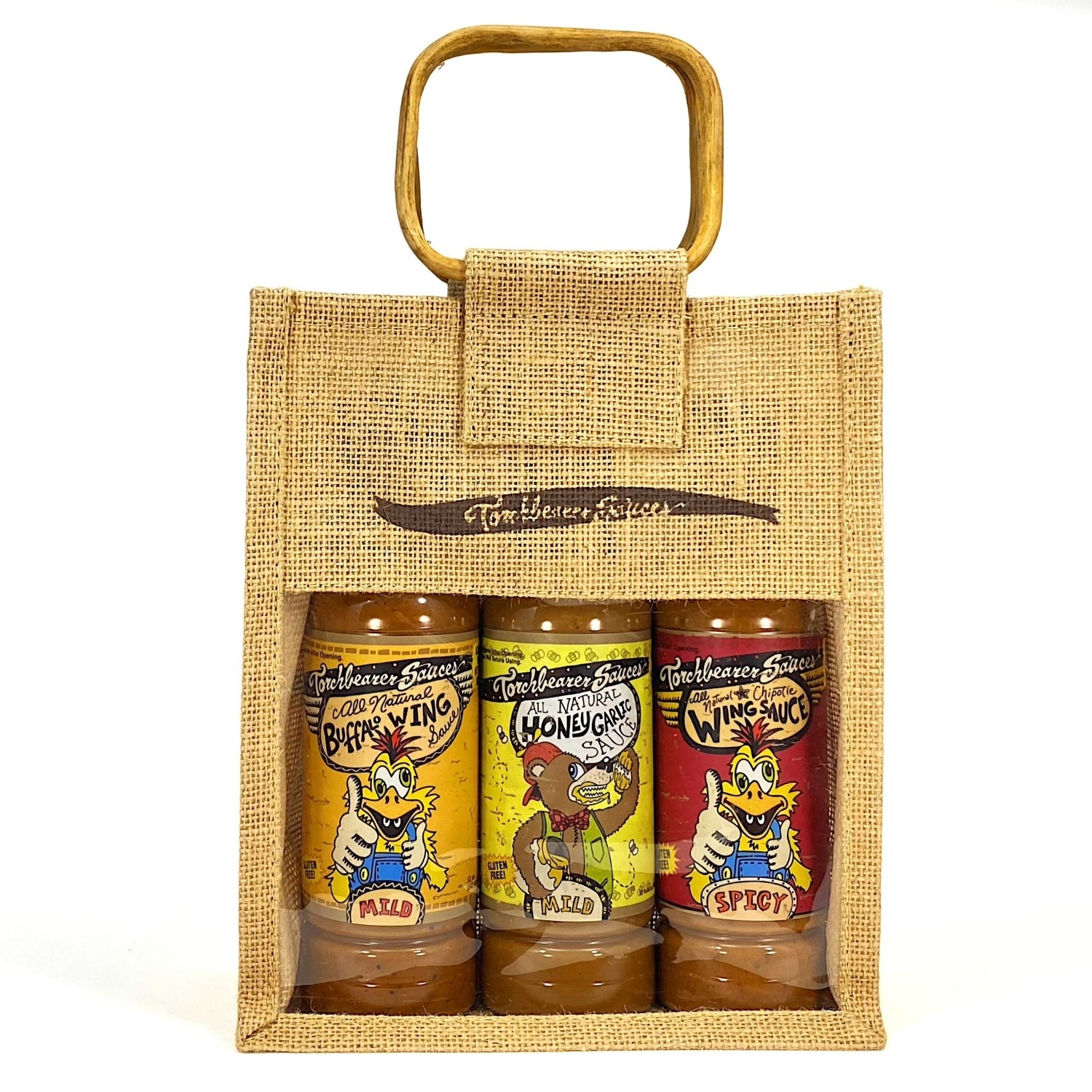
Torchbearer Sauces

Pennsylvania-made artisan hot sauce with unusual depth, flavor first, fire second

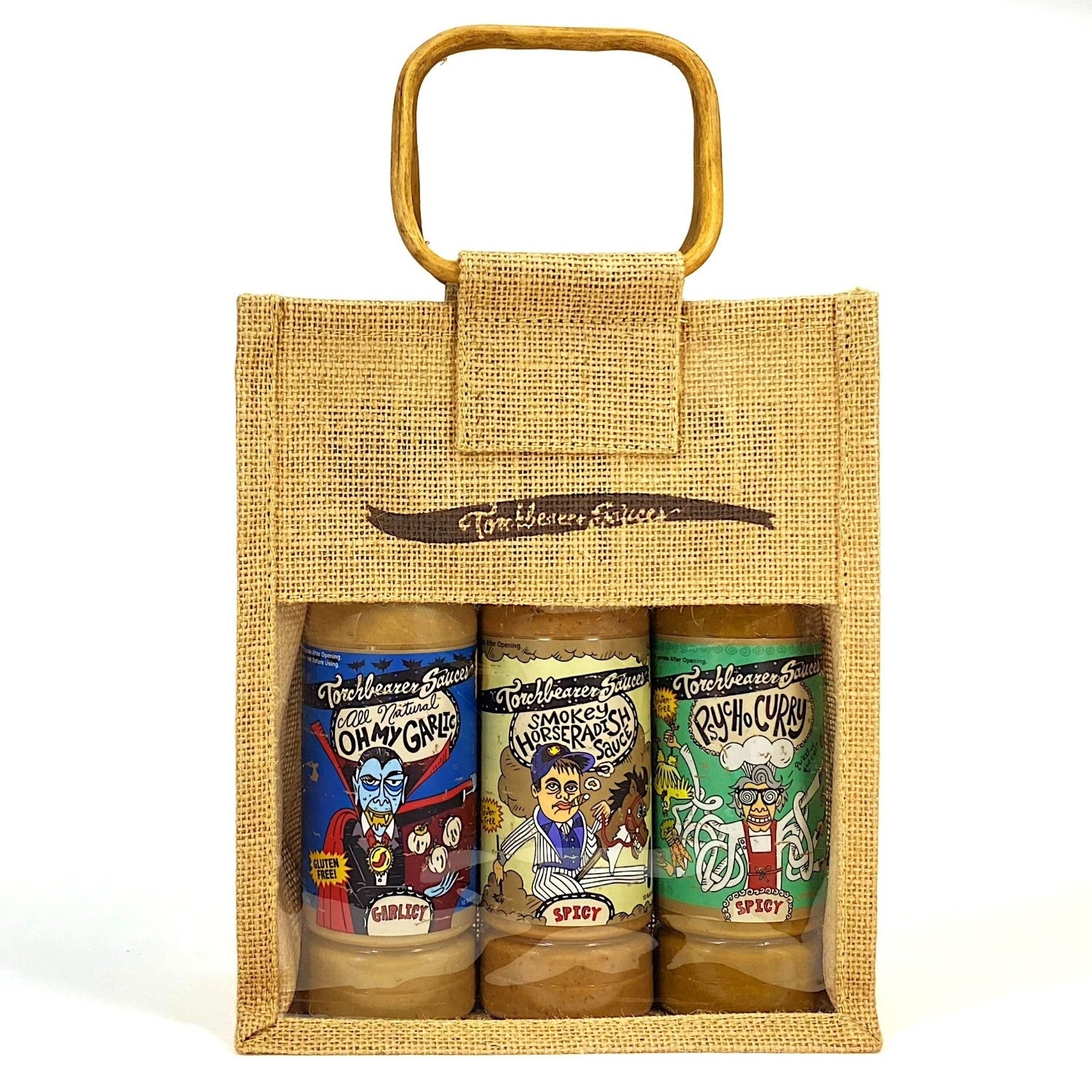
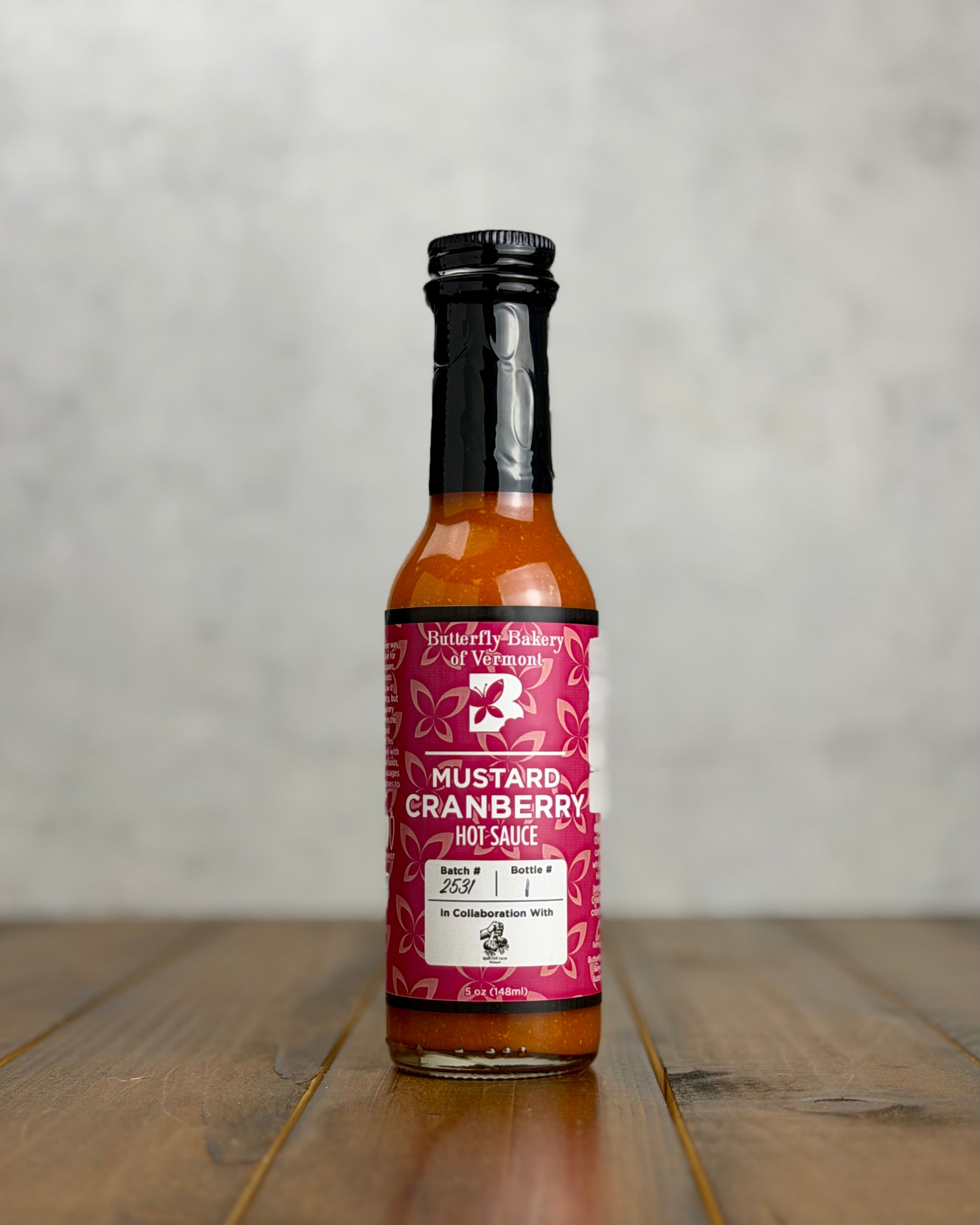
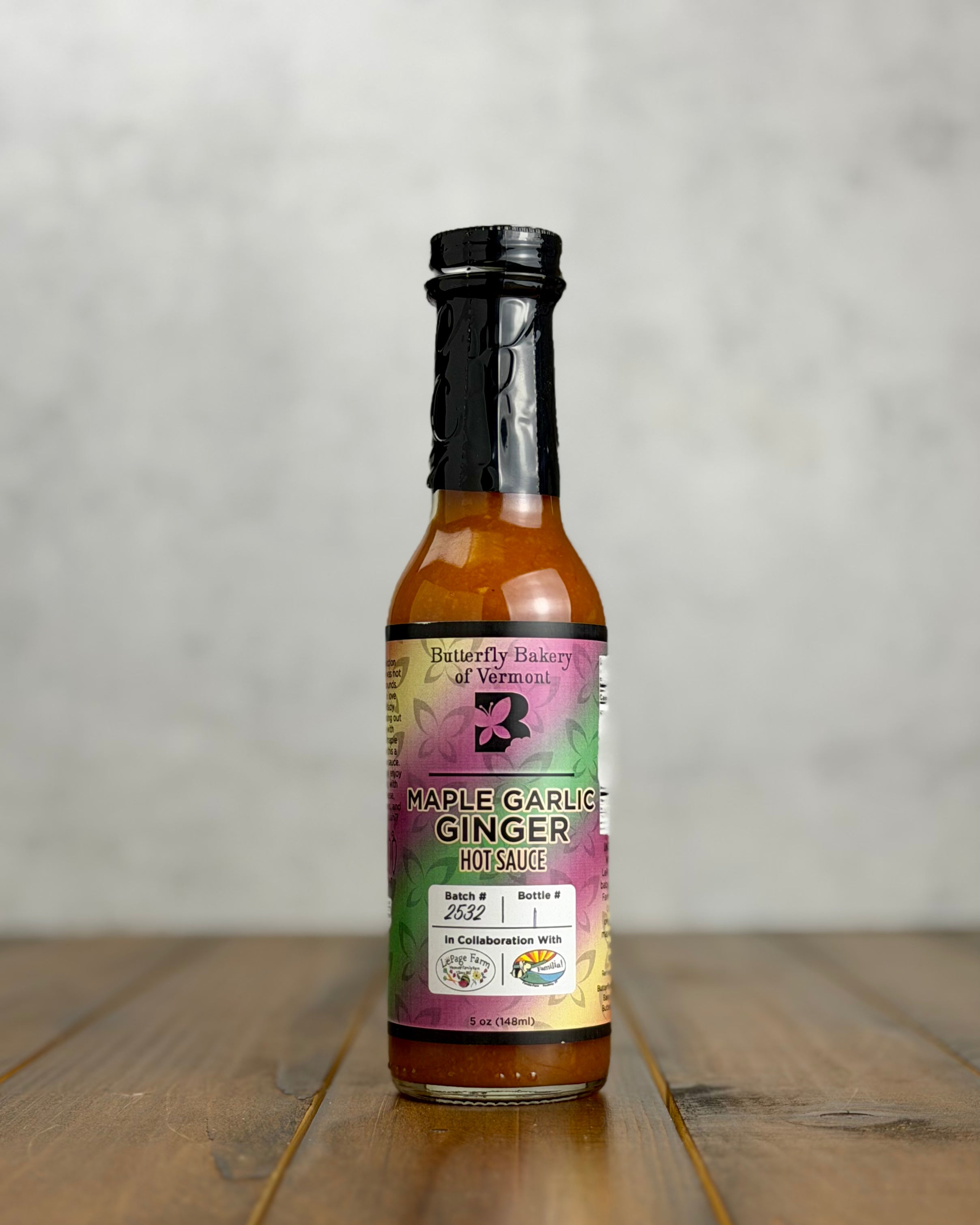
A Pennsylvania operation that built its reputation on intense sauces with real ingredient complexity rather than just pepper extract volume. Zombie Apocalypse, their most notorious product, is a 22-ingredient reaper-based sauce that somehow doesn't taste like punishment. Consistent award winner in blind tastings where judges are looking for balance, not just heat.
Enter Store

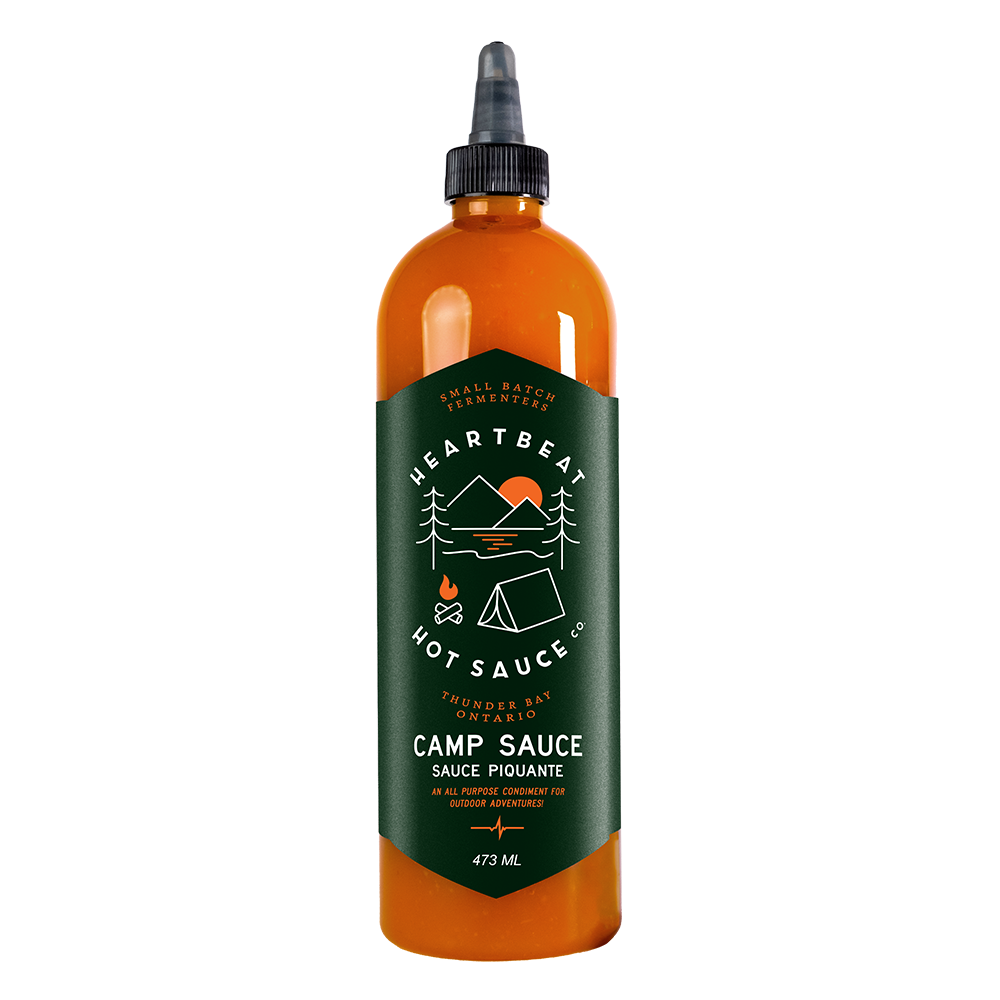
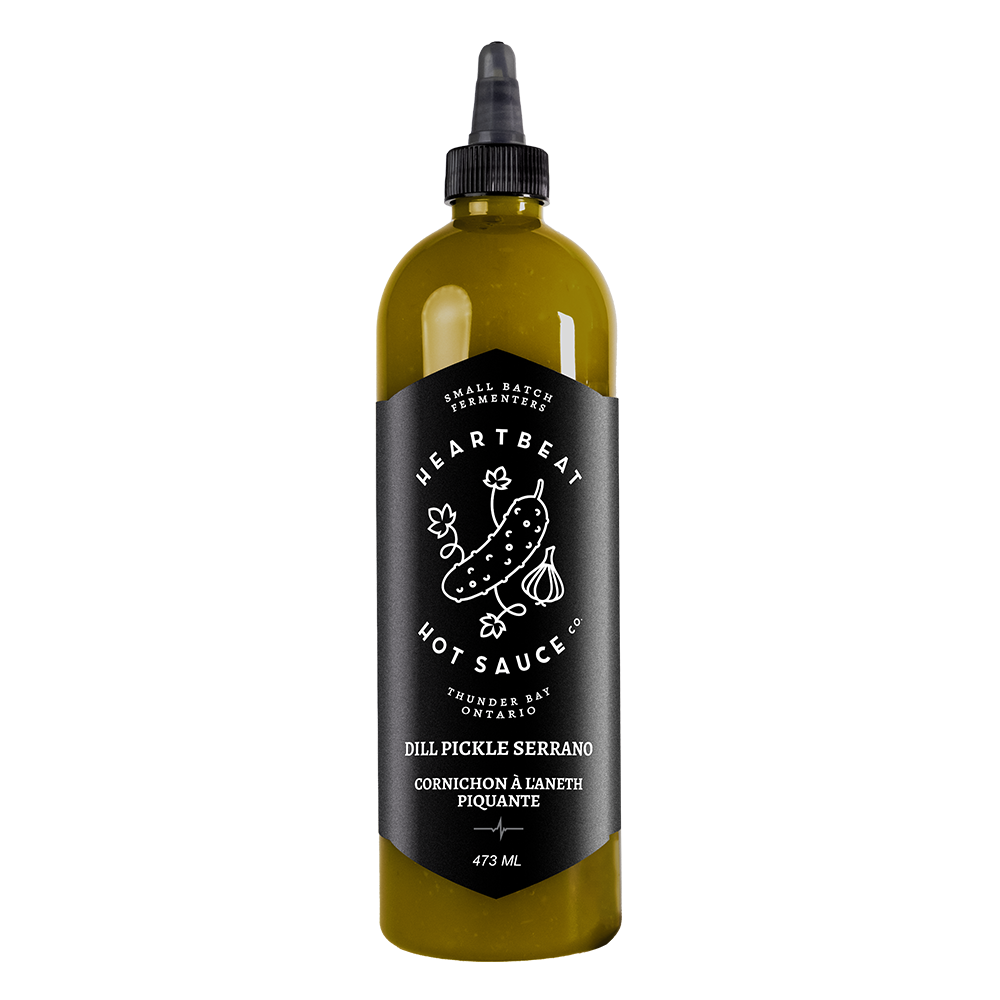
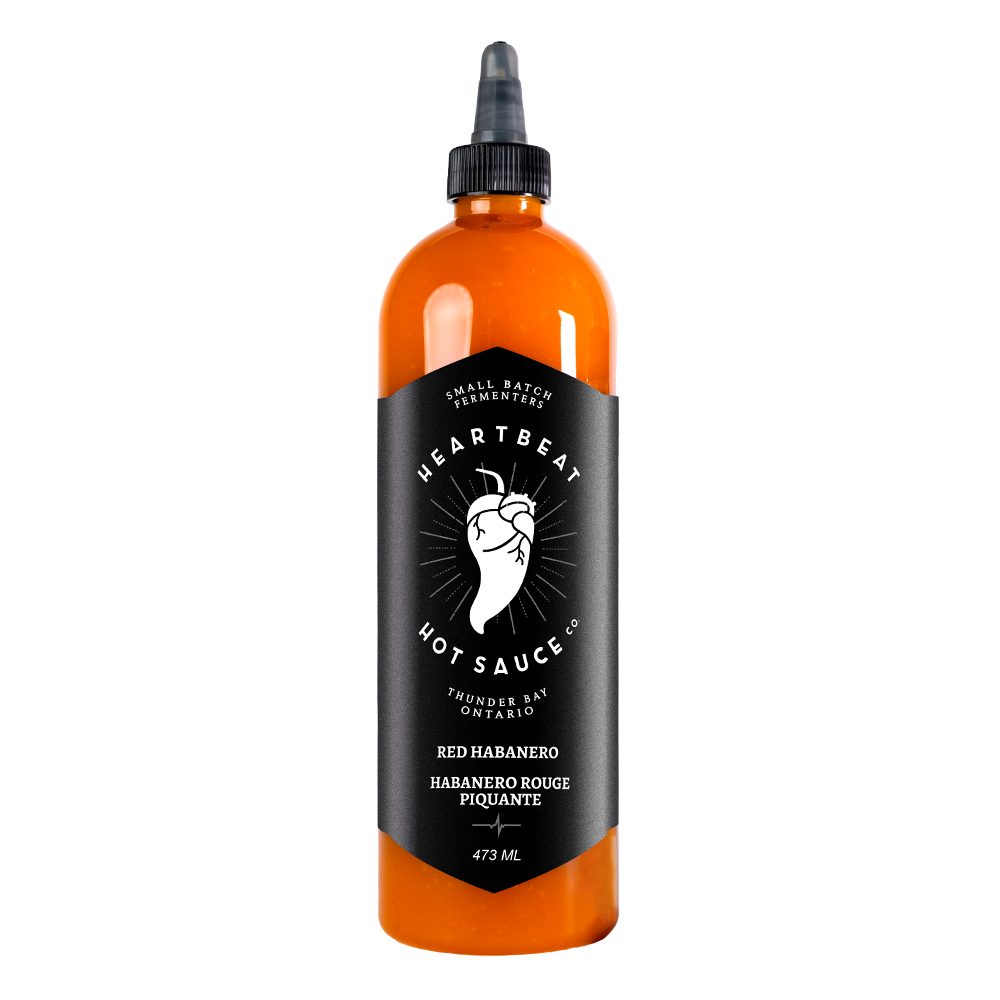
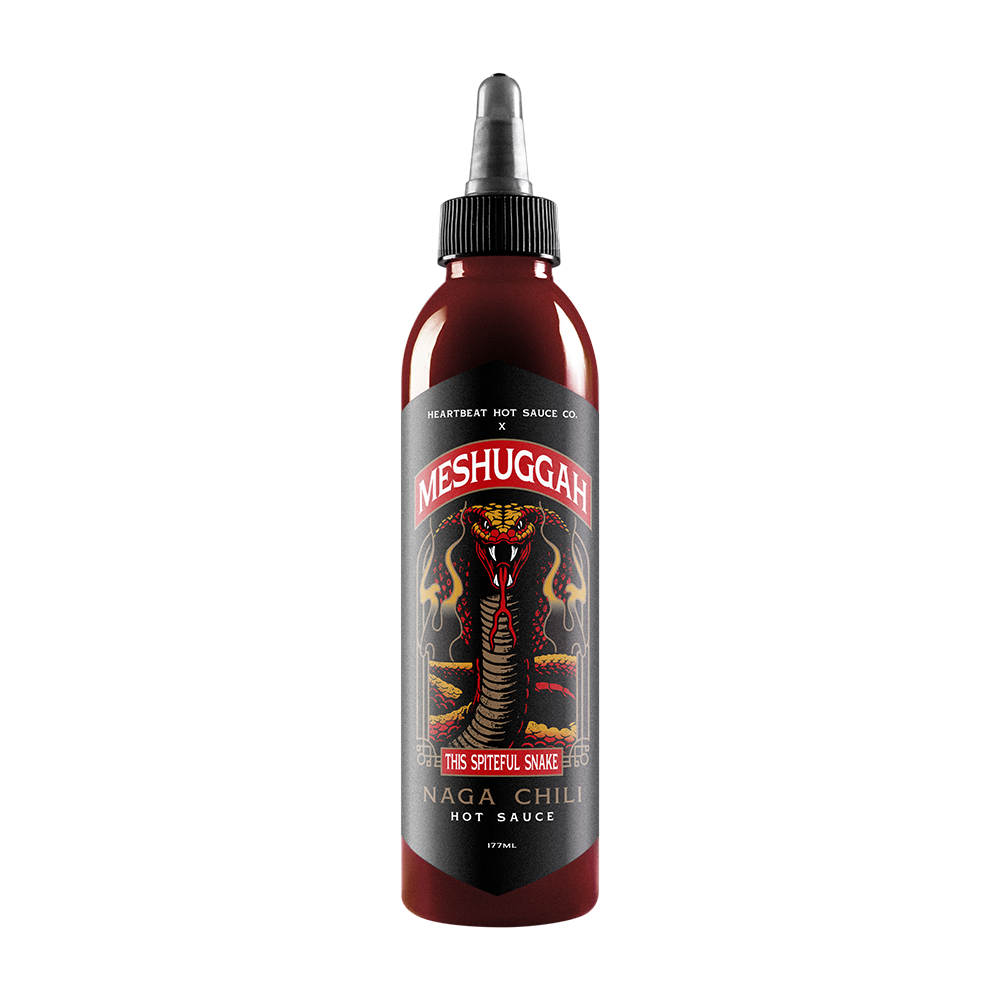
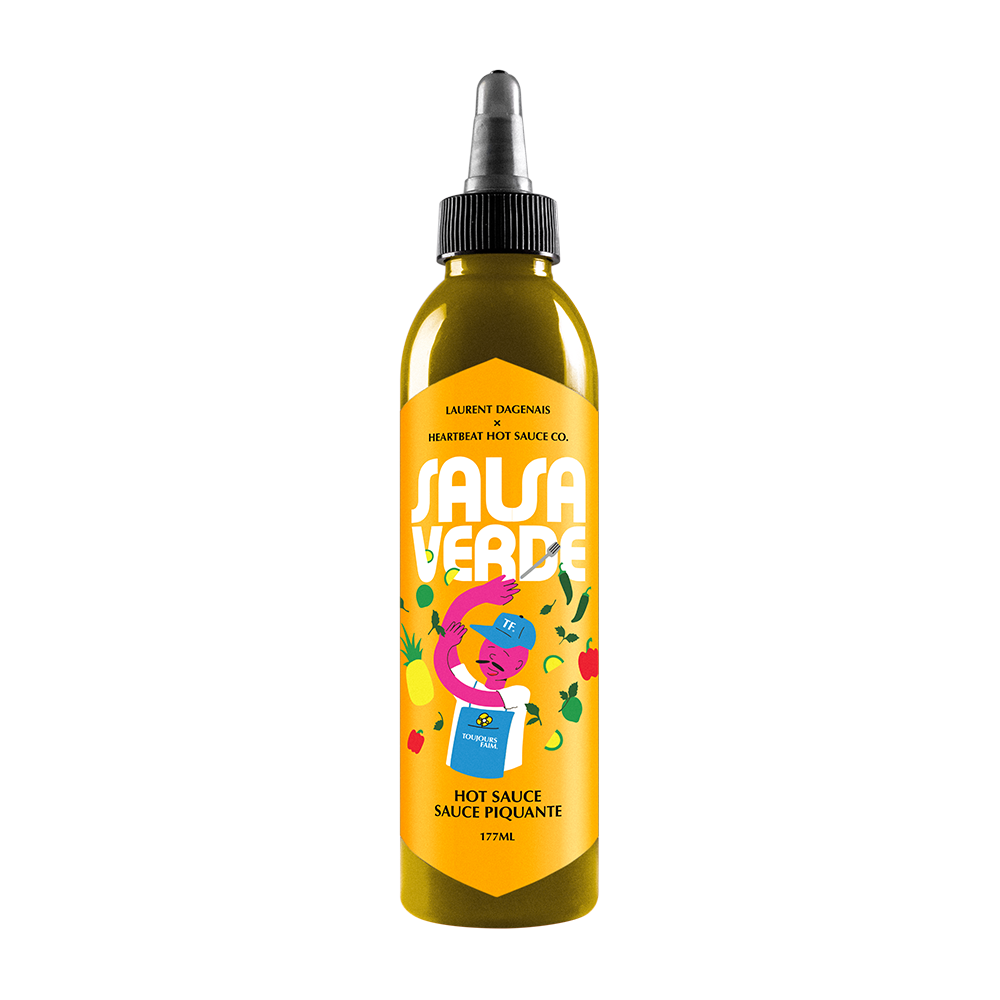
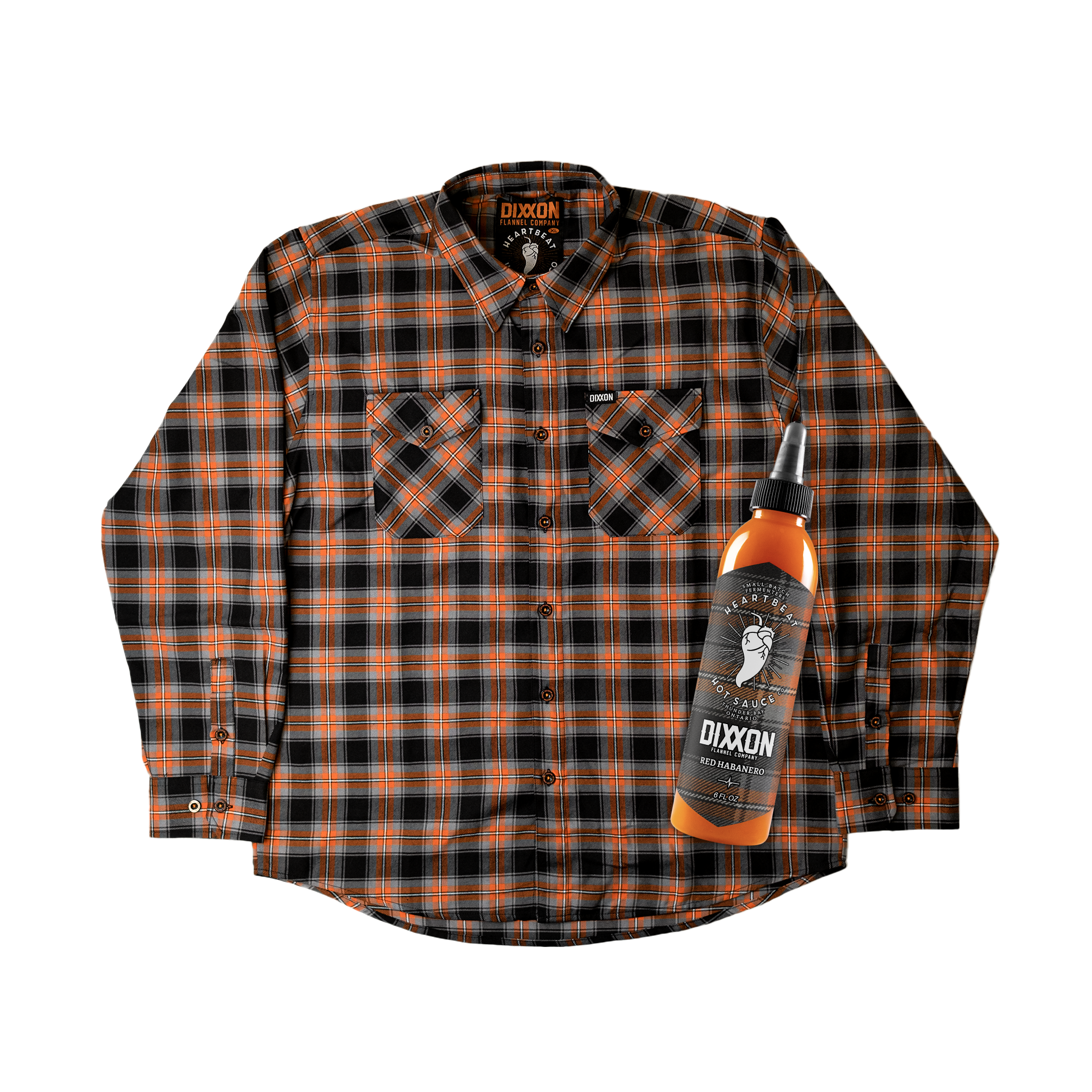
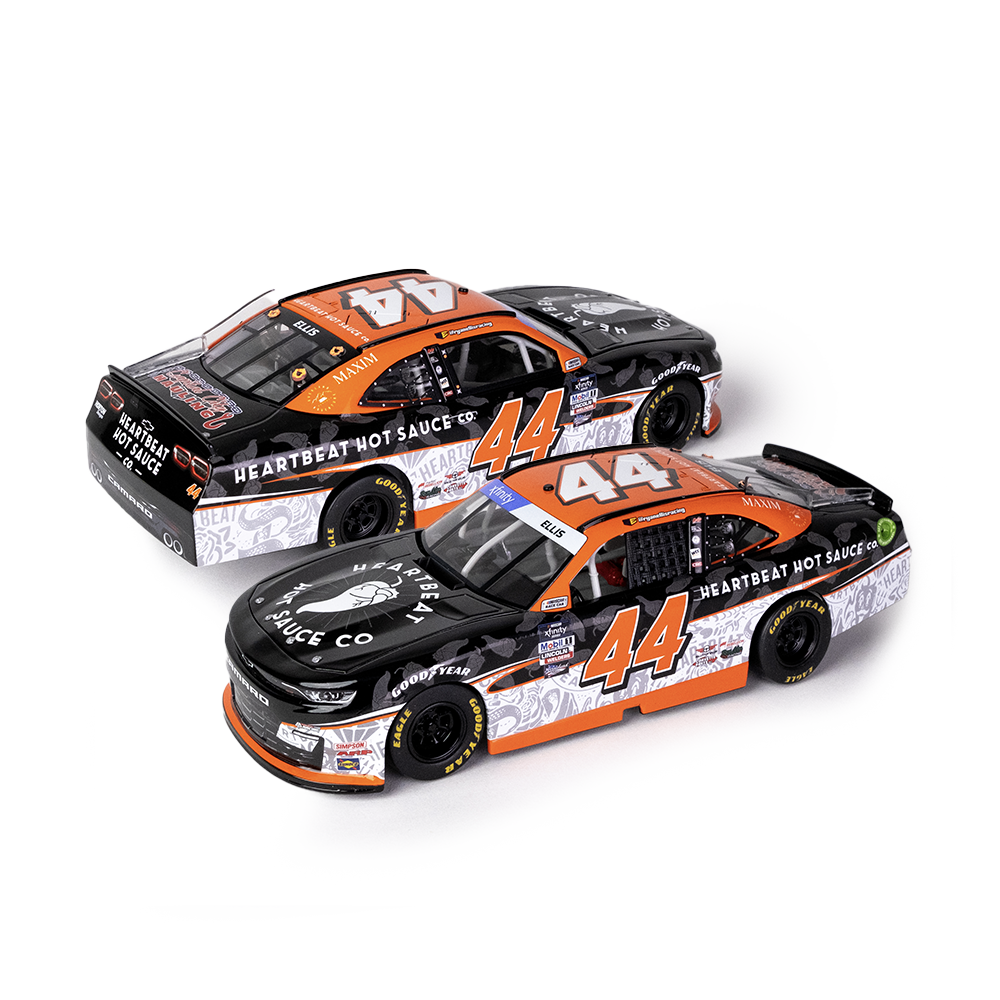
Heartbeat Hot Sauce

Thunder Bay craft sauce, rice bran oil base, fruity Canadian heat

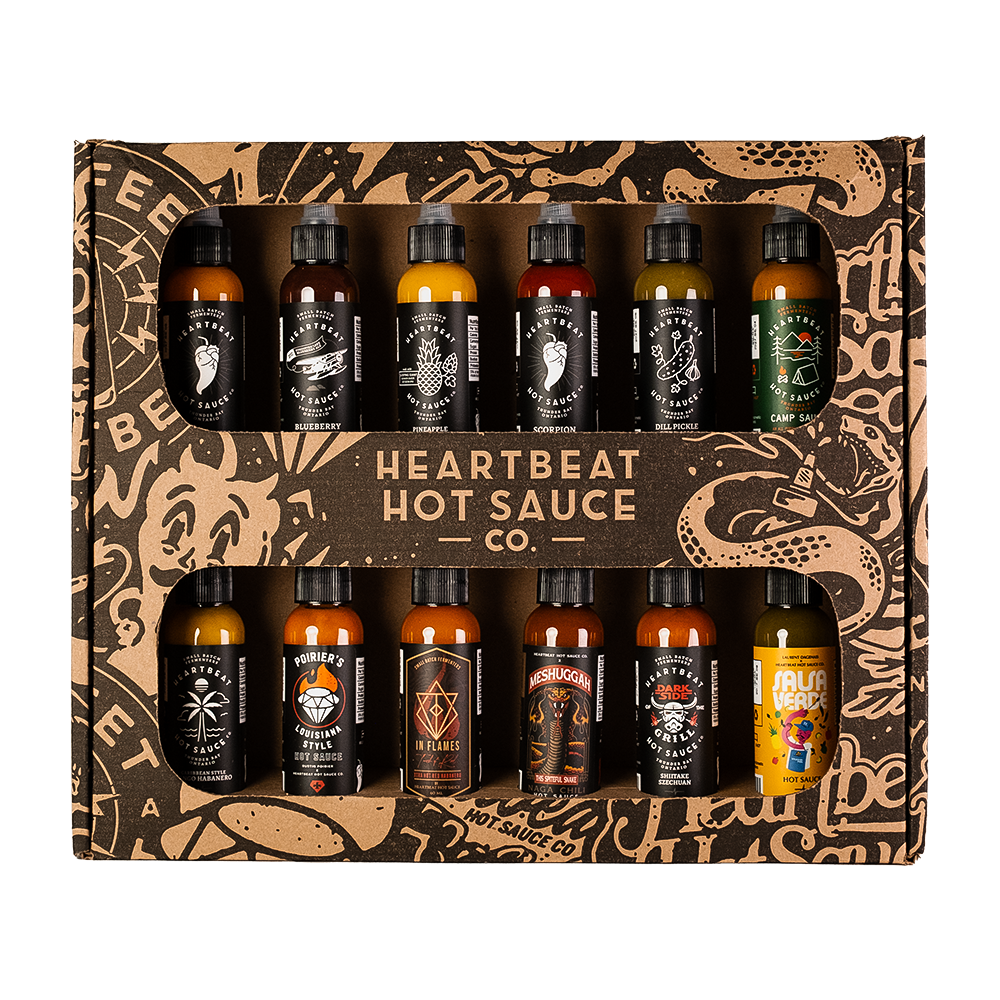
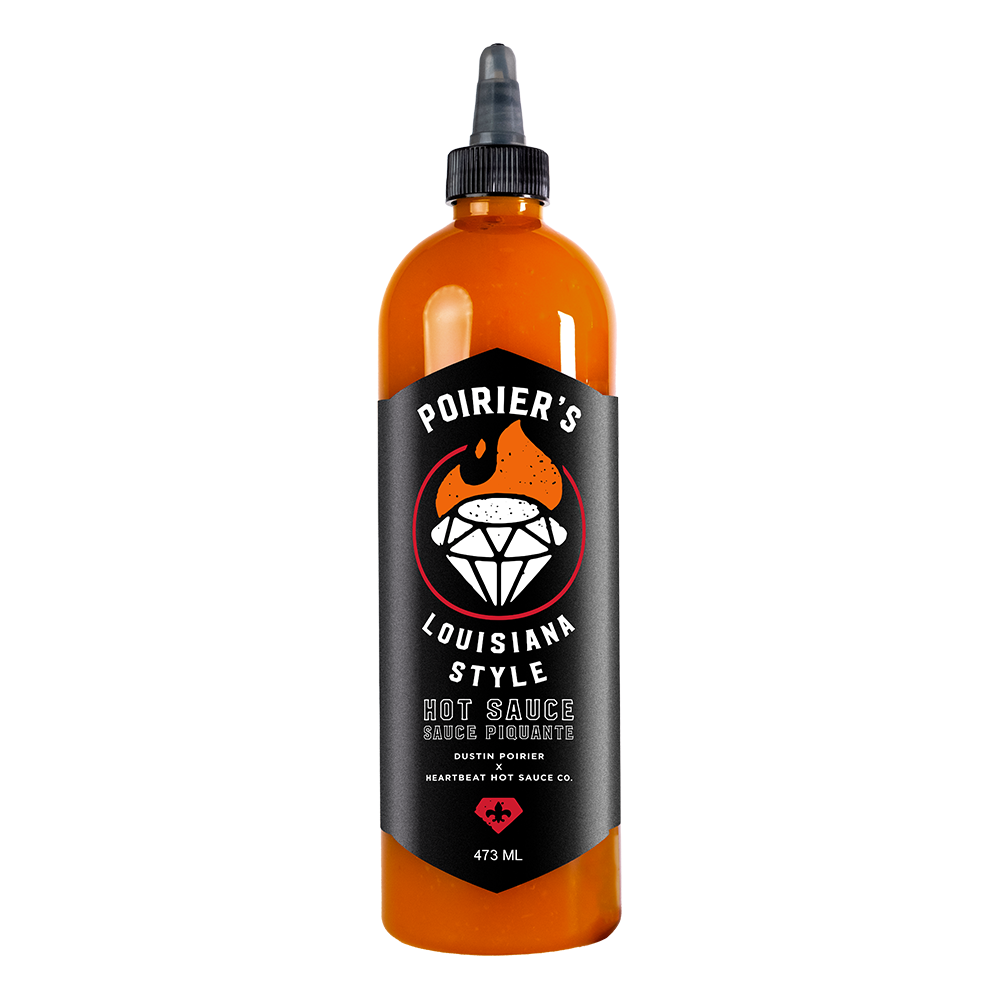
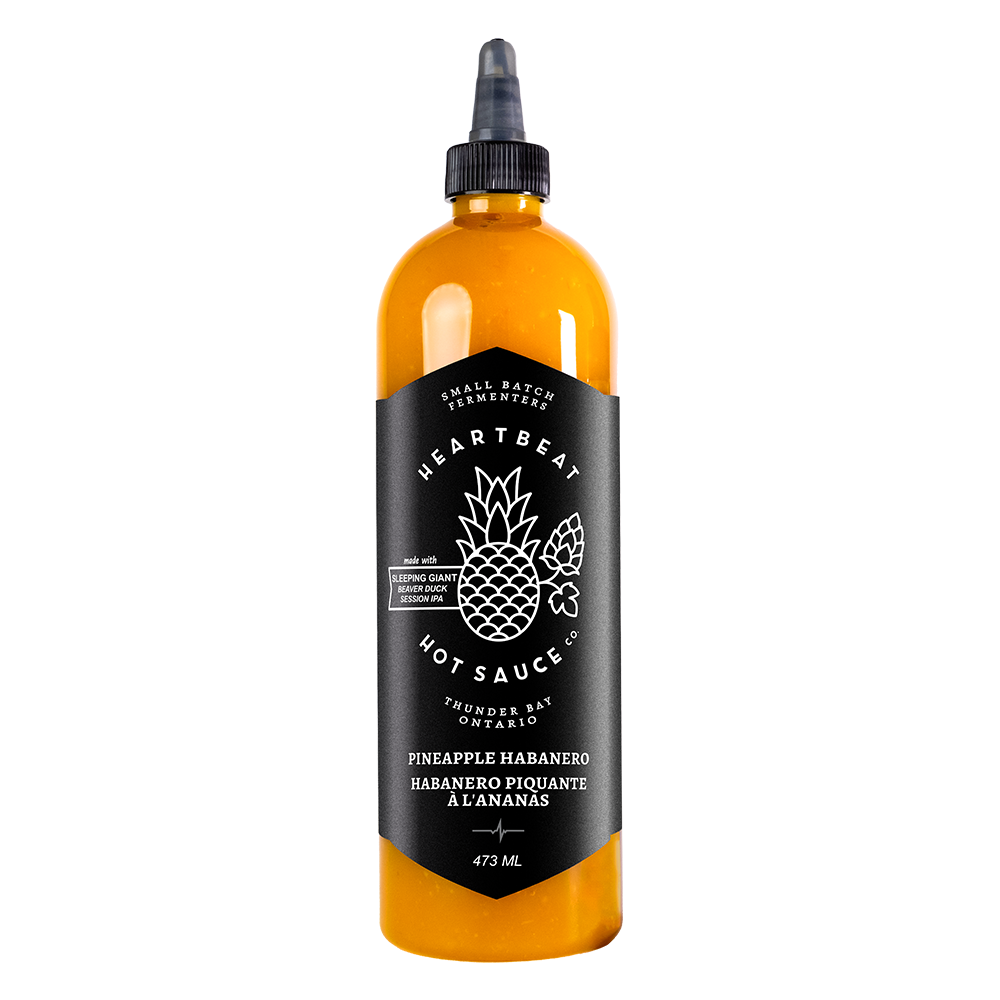
Founded in Thunder Bay, Ontario, not exactly a pepper-growing hub, by a group of friends who wanted to make sauces that tasted interesting rather than just aggressive. The rice bran oil base gives Heartbeat a rounder, less acidic profile than most vinegar-forward American craft sauces. The pineapple habanero is the one that tends to convert skeptics.

Enter Store

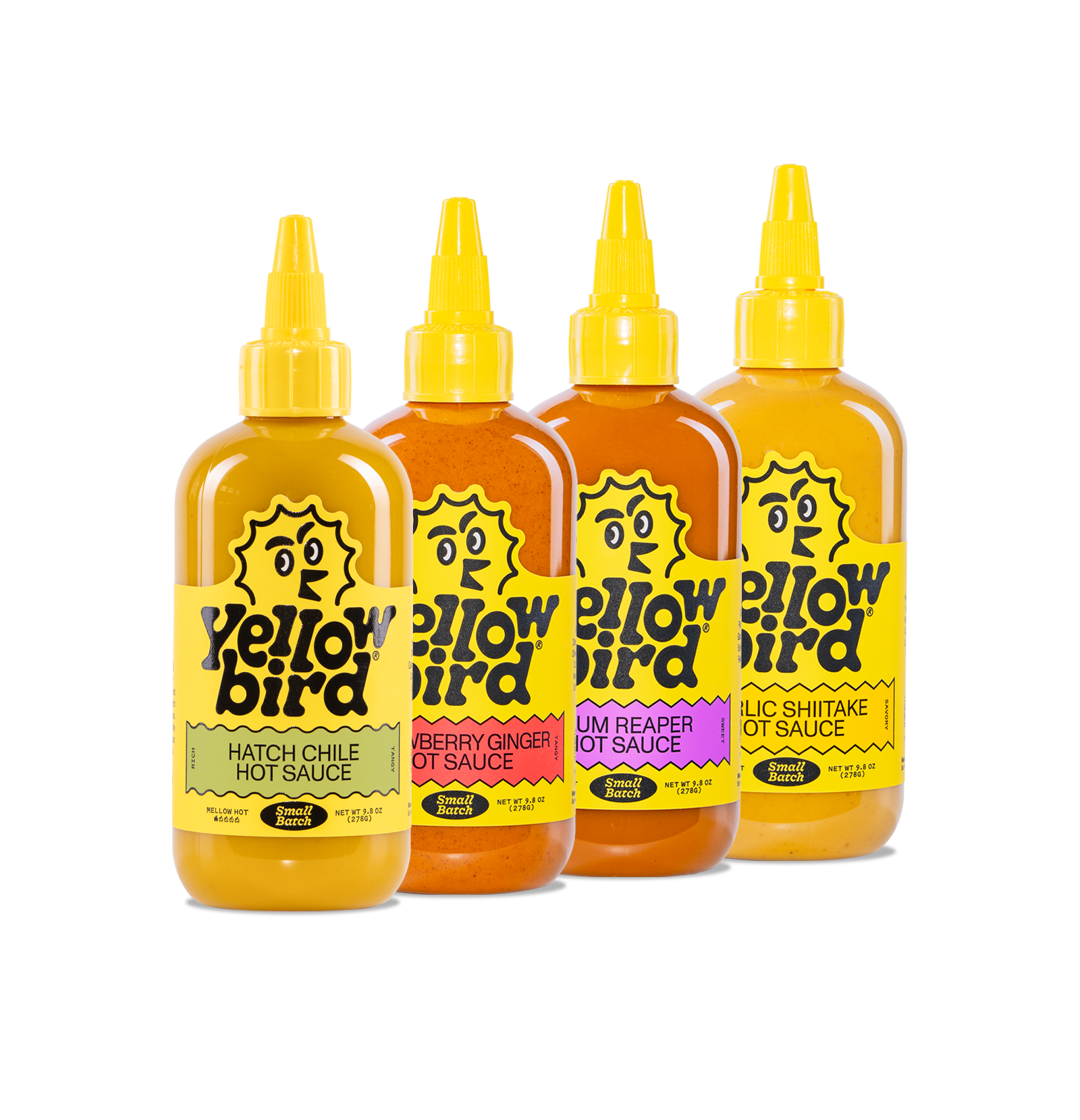
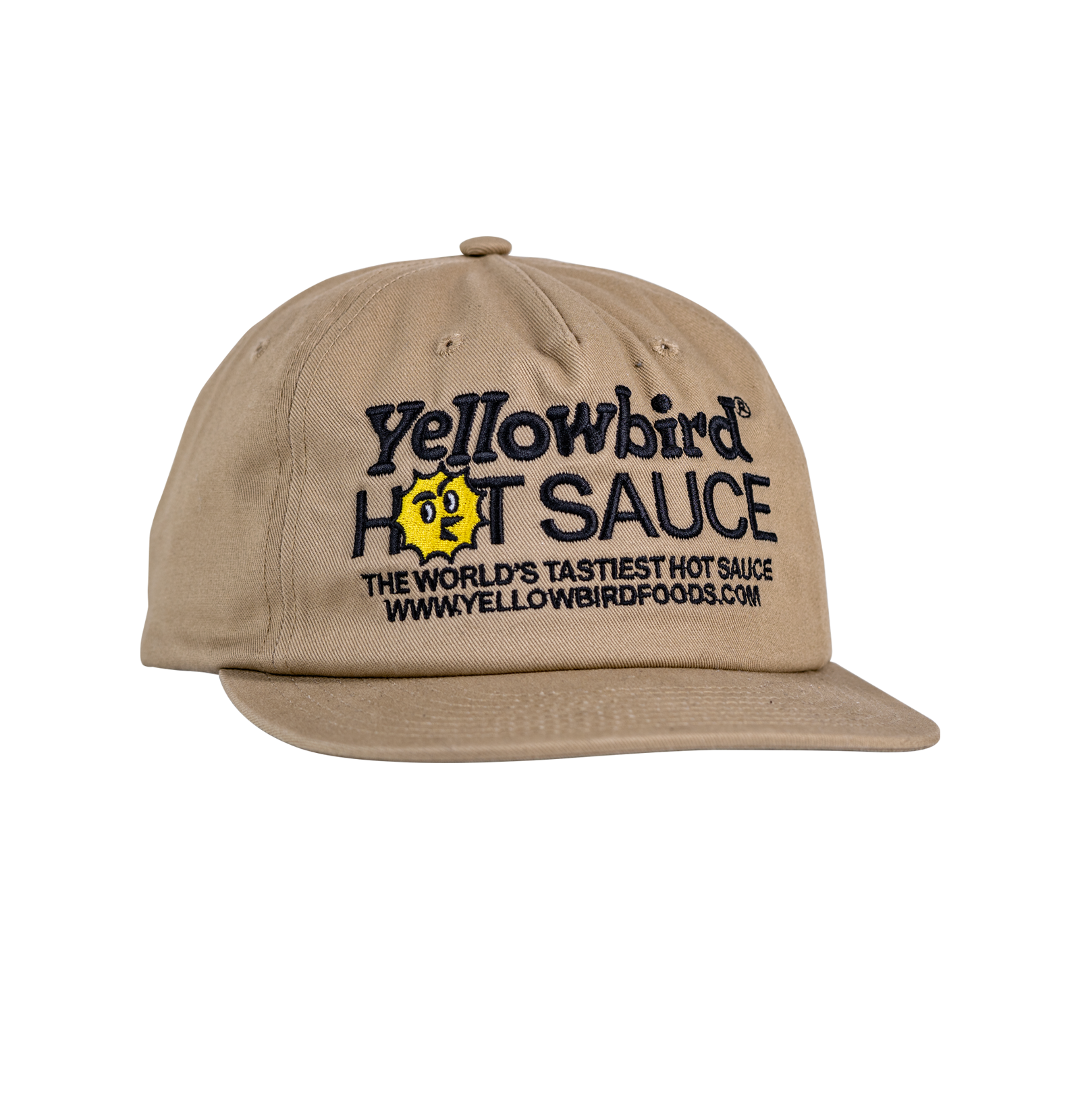
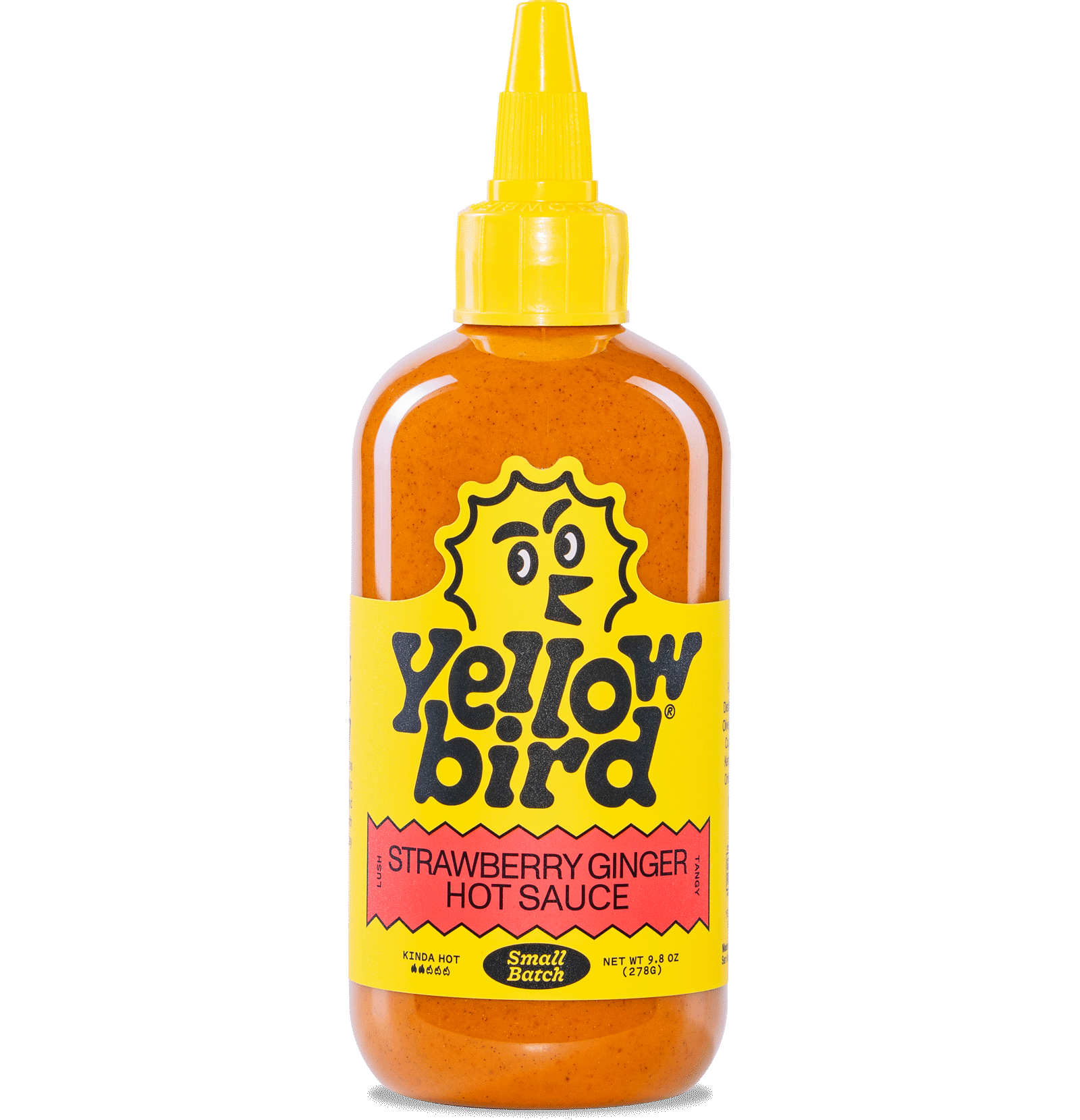
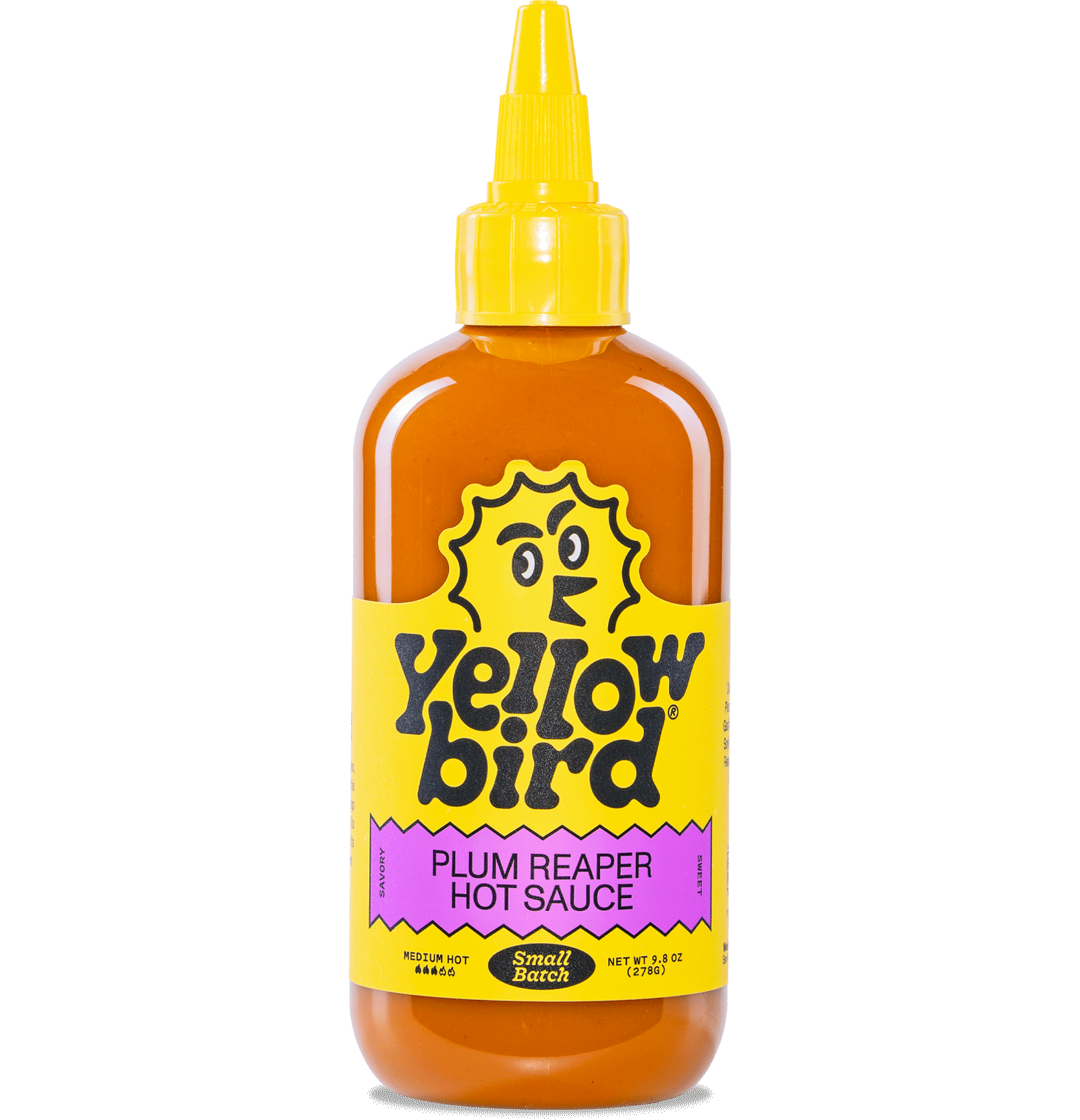
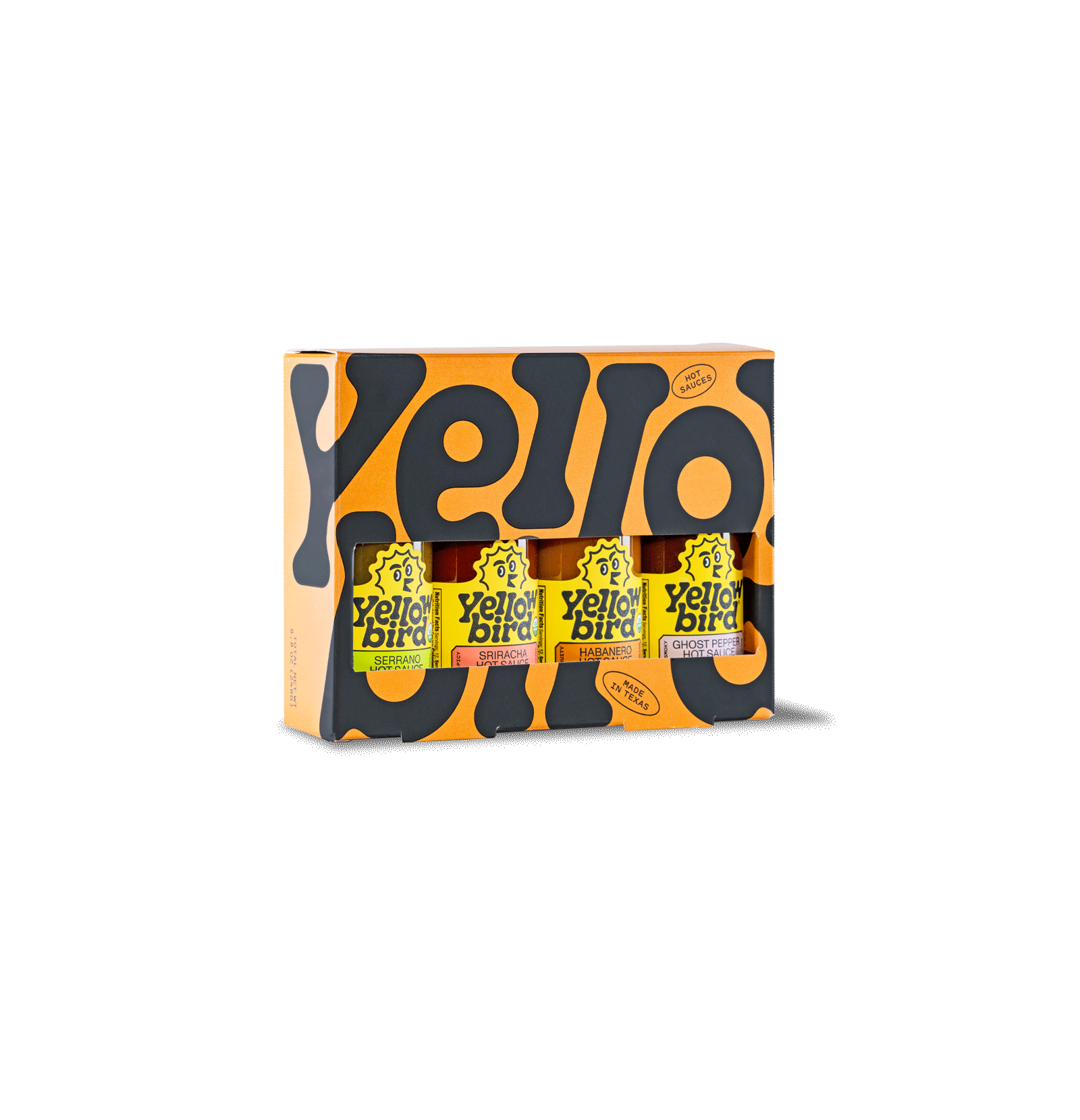
Yellowbird Sauce

Clean-ingredient Austin sauces built to replace the whole condiment aisle

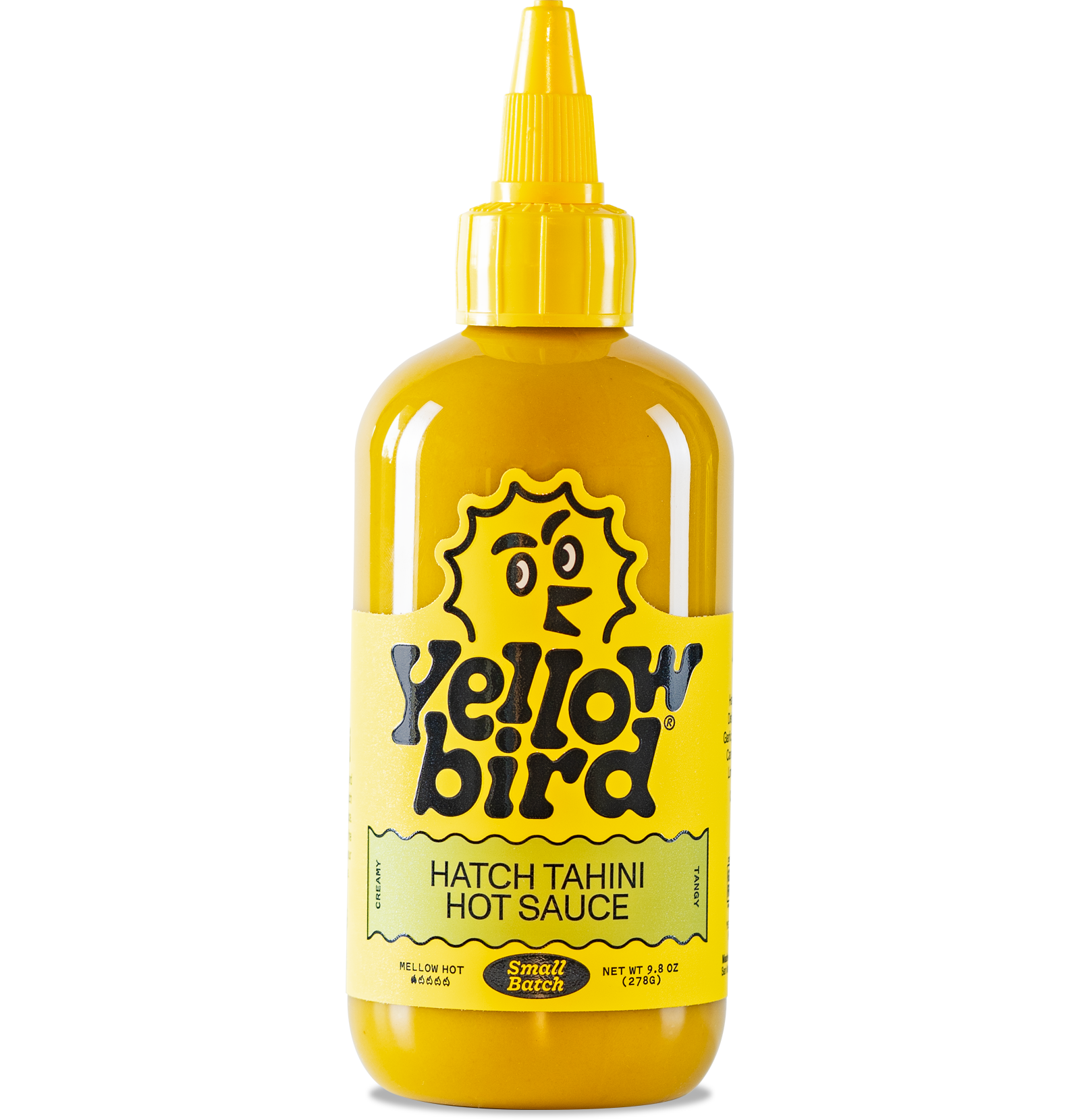
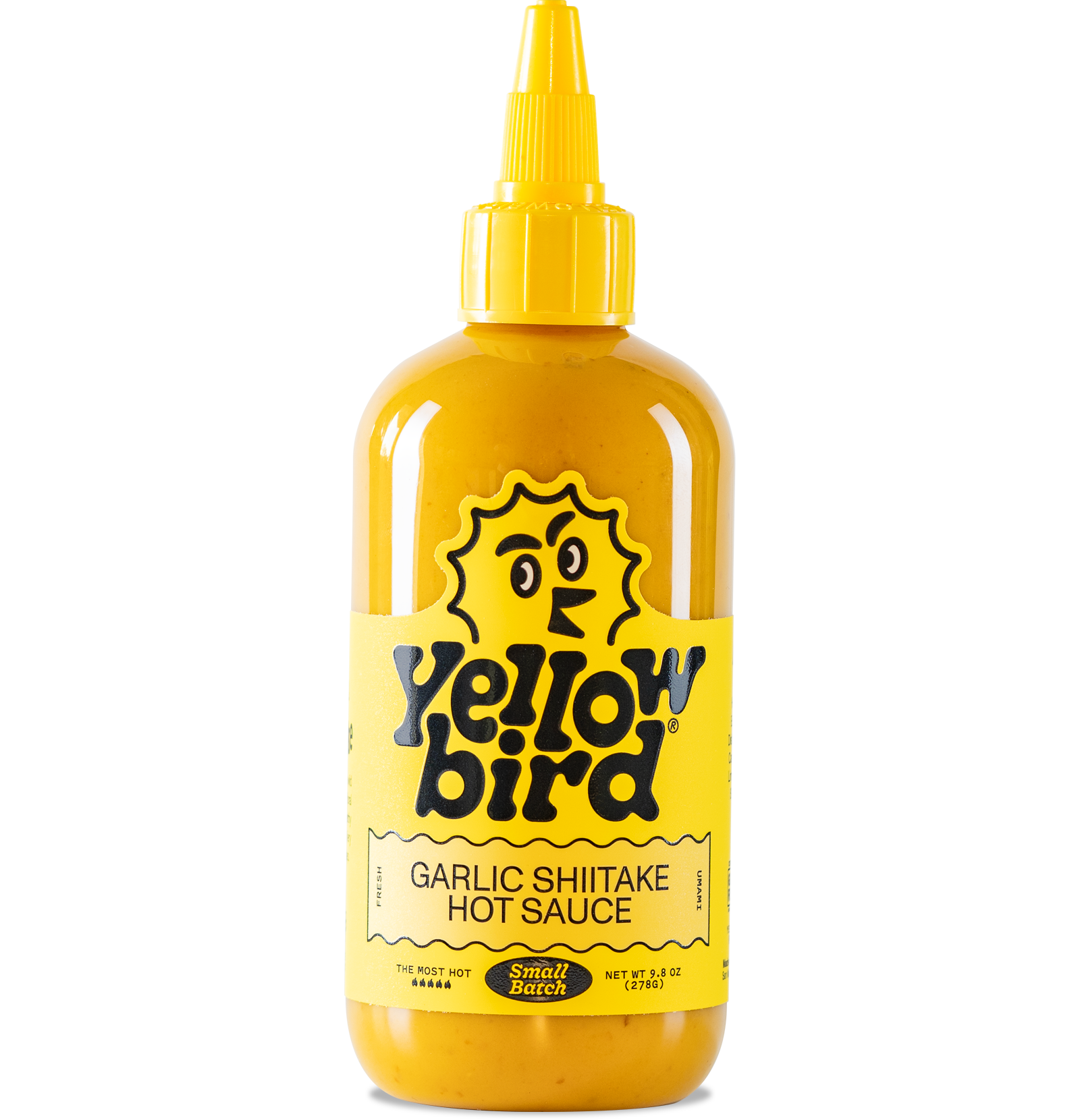
Yellowbird started at Austin farmers markets with a single habanero sauce and a fanbase built purely on flavor. The full line, serrano, jalapeño, blue agave sriracha, ghost pepper, holds to a clean ingredient standard that's rare for brands at this price point and availability. No extracts, no artificial anything, short lists across the board.

Enter Store

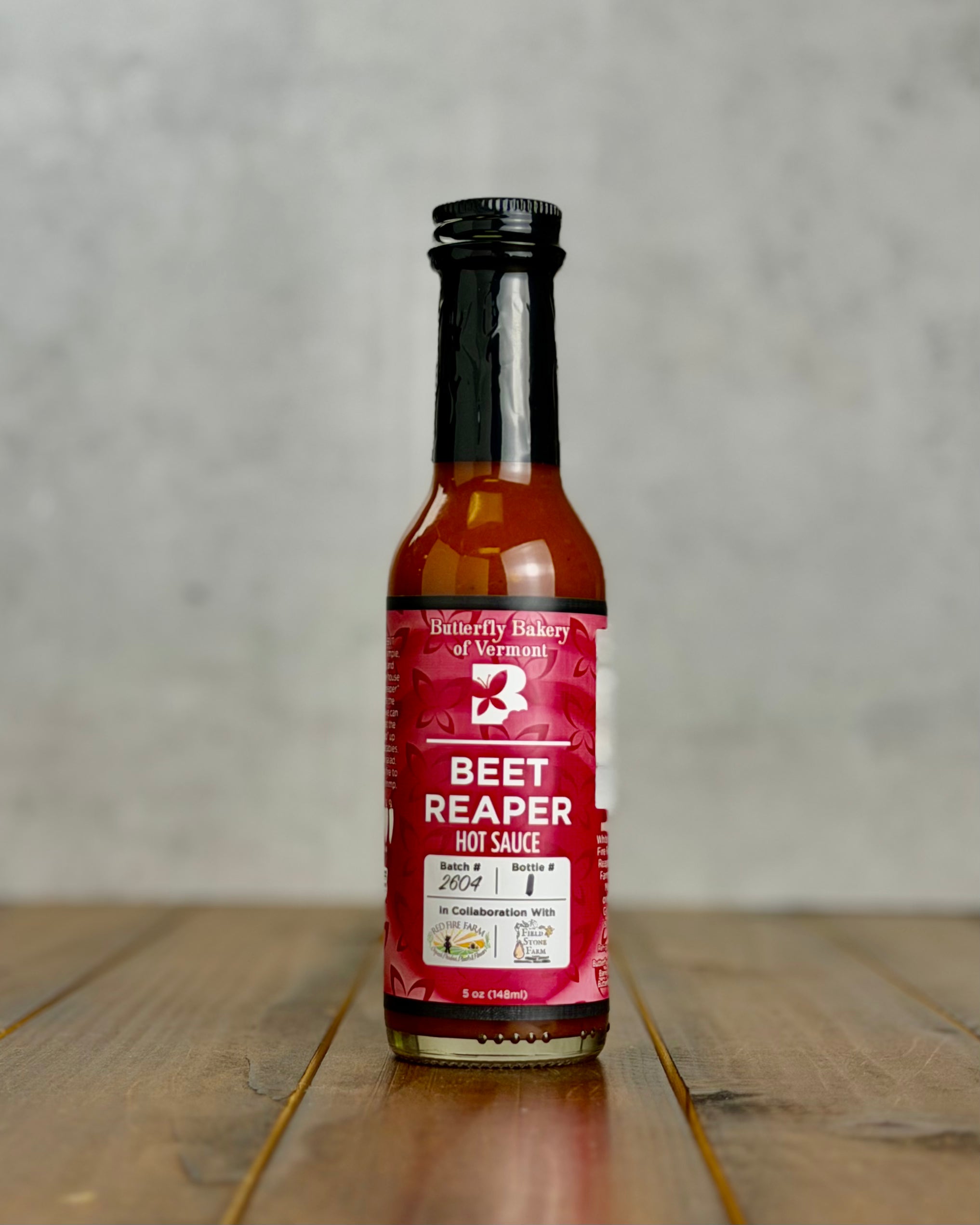
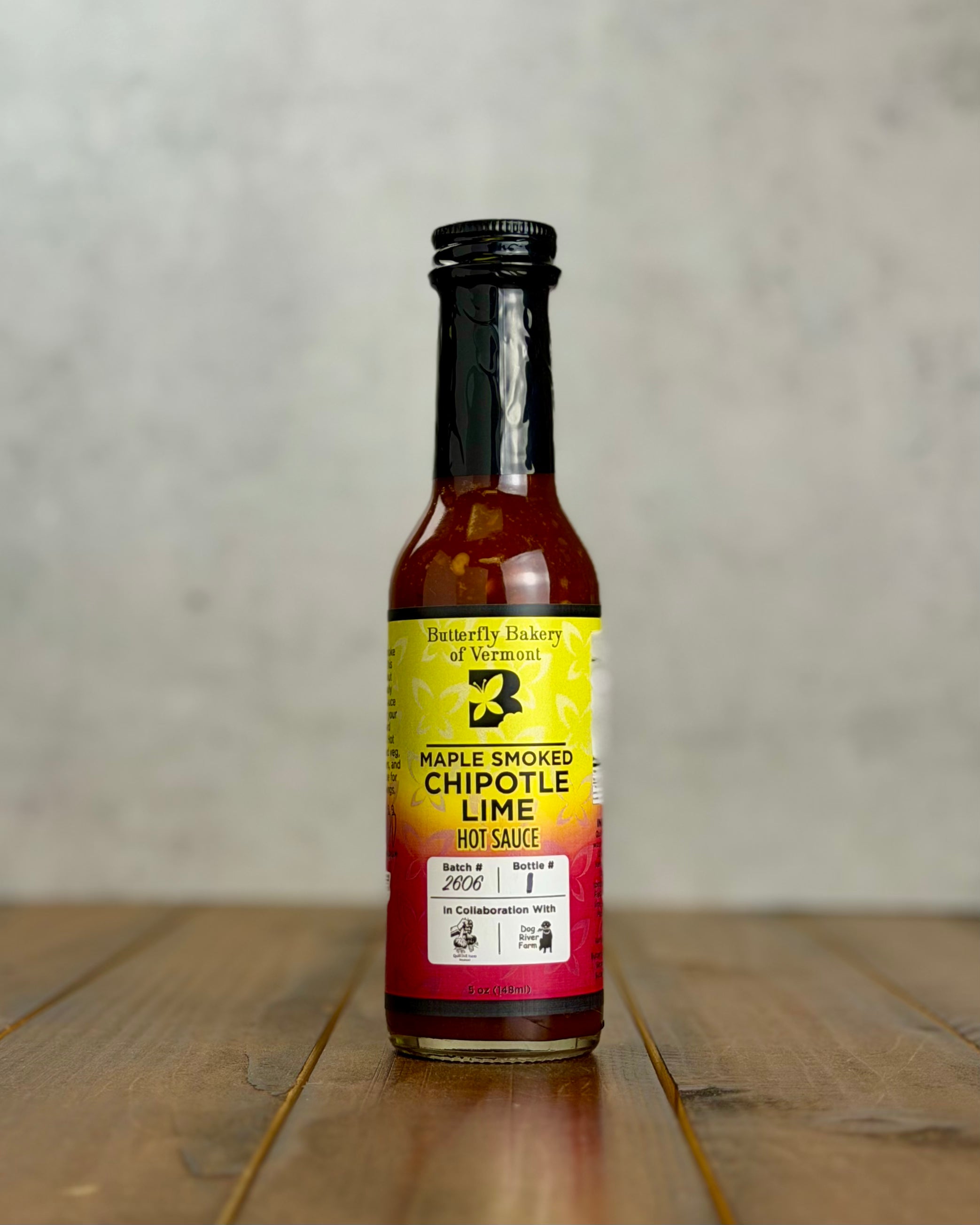
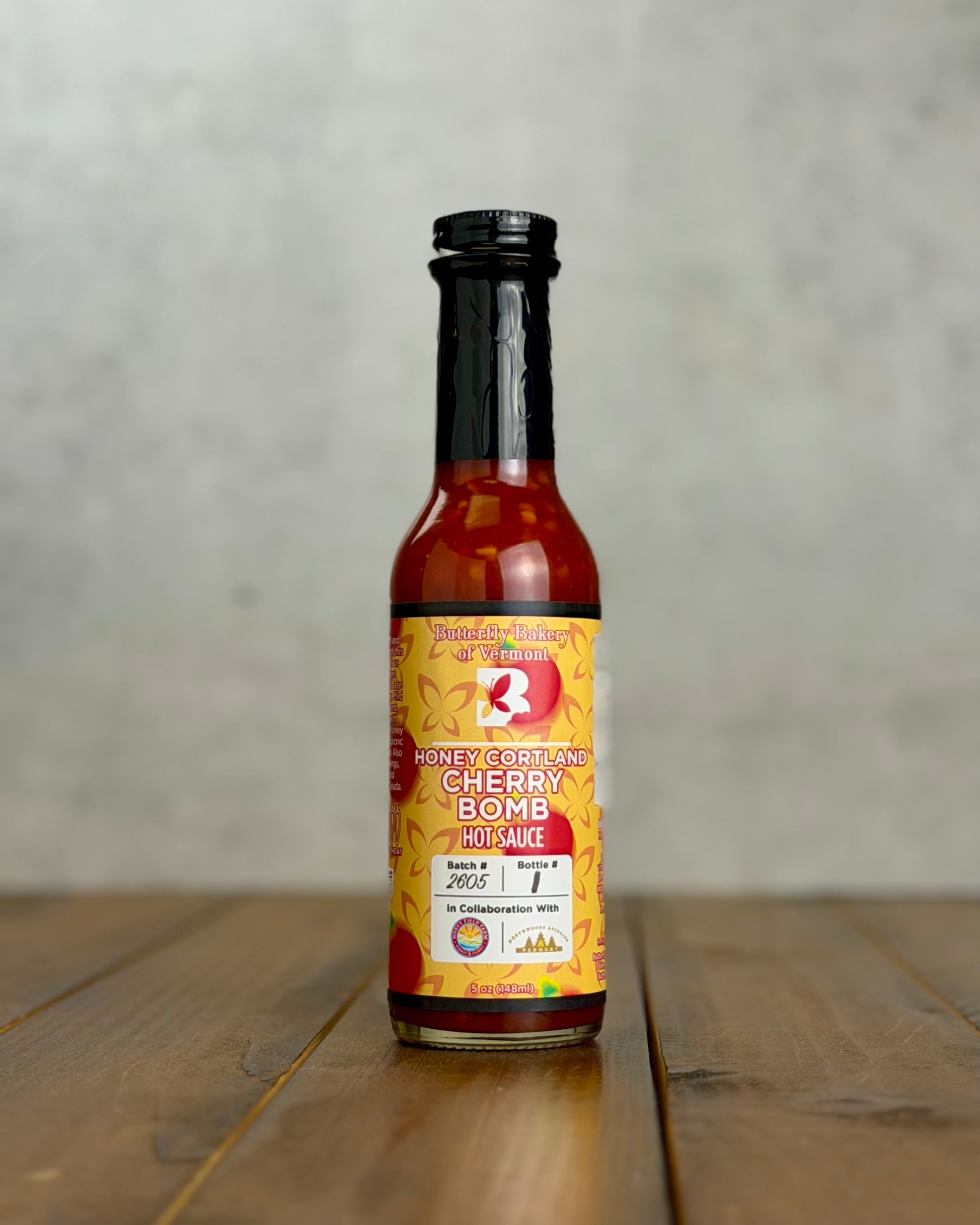
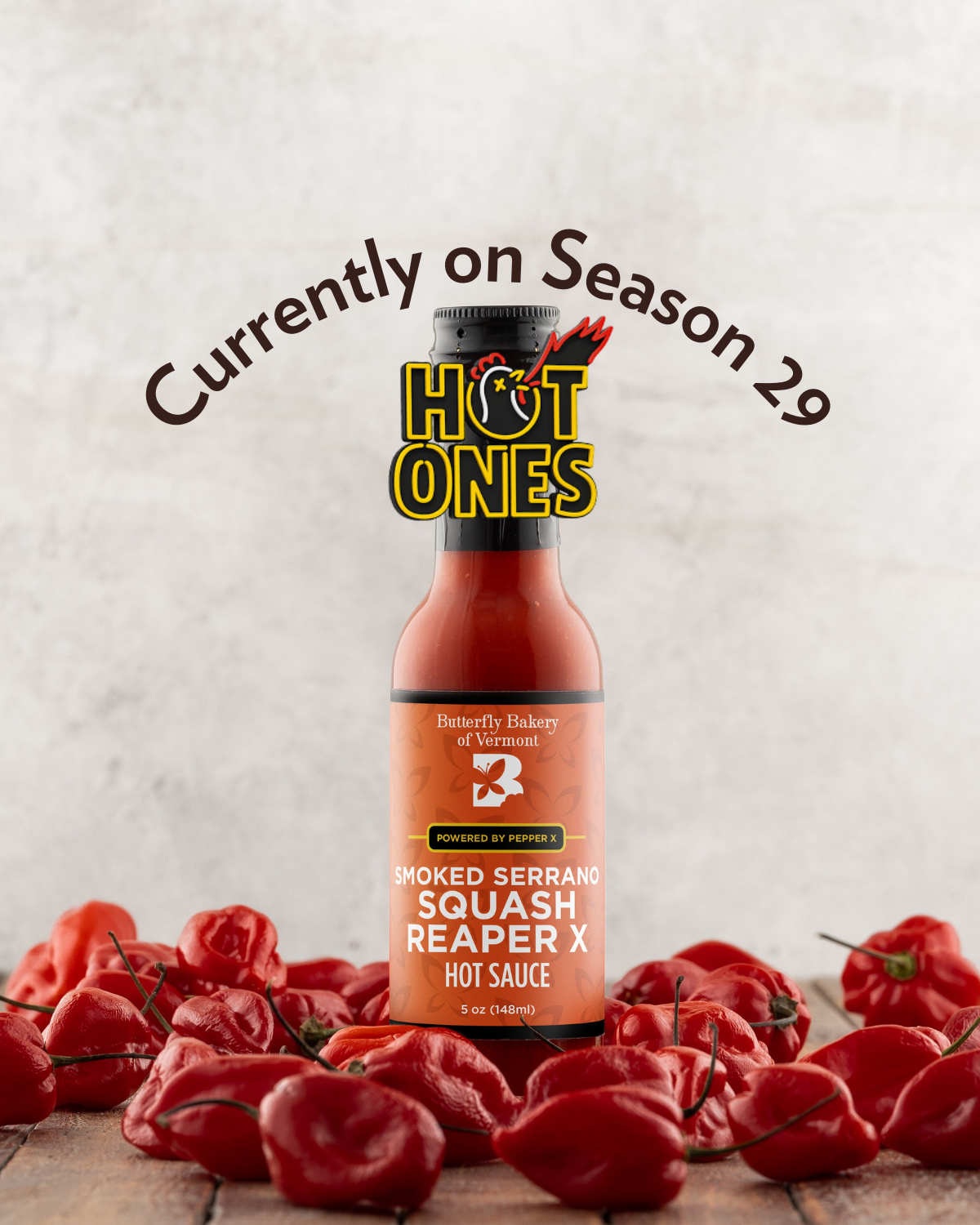
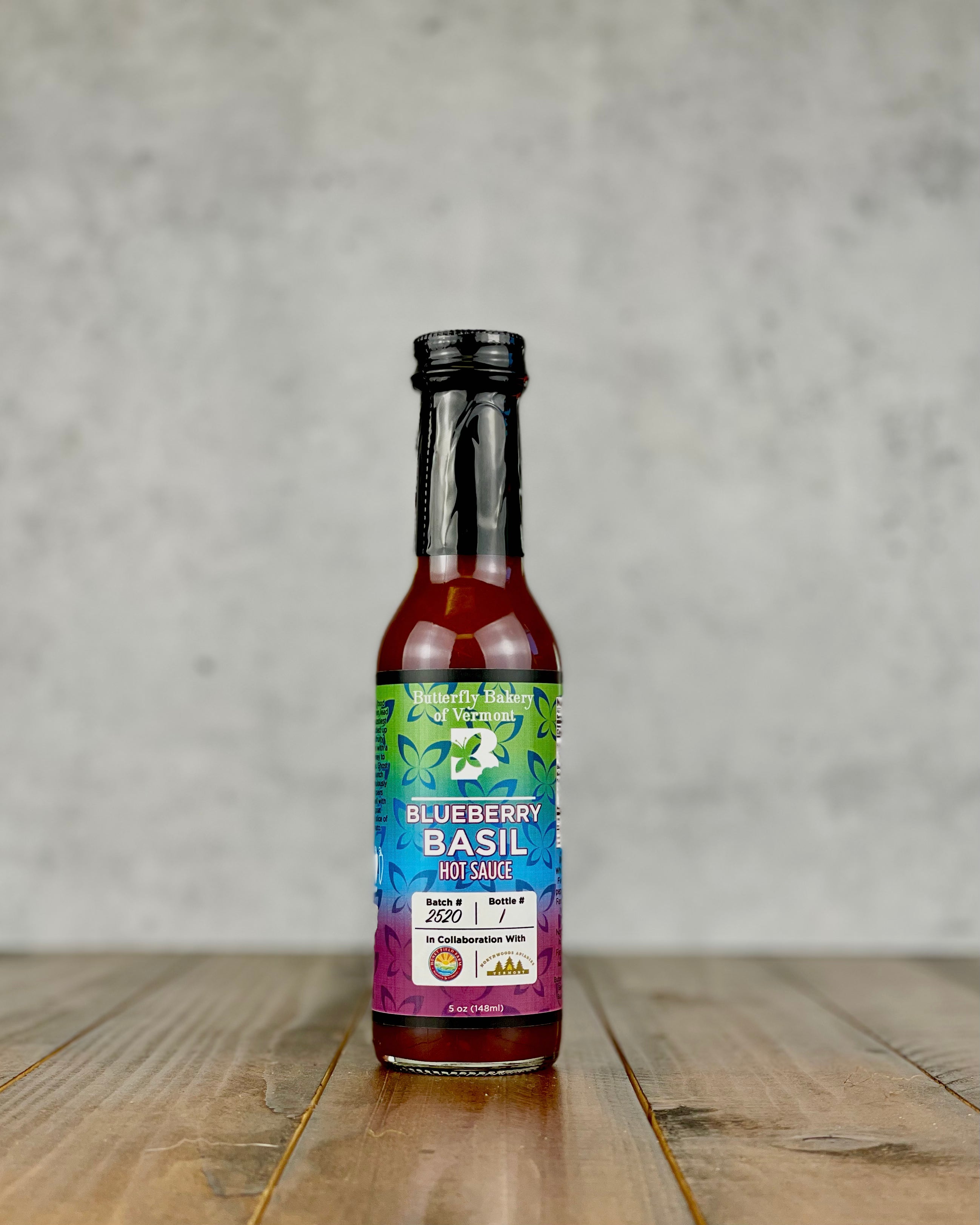
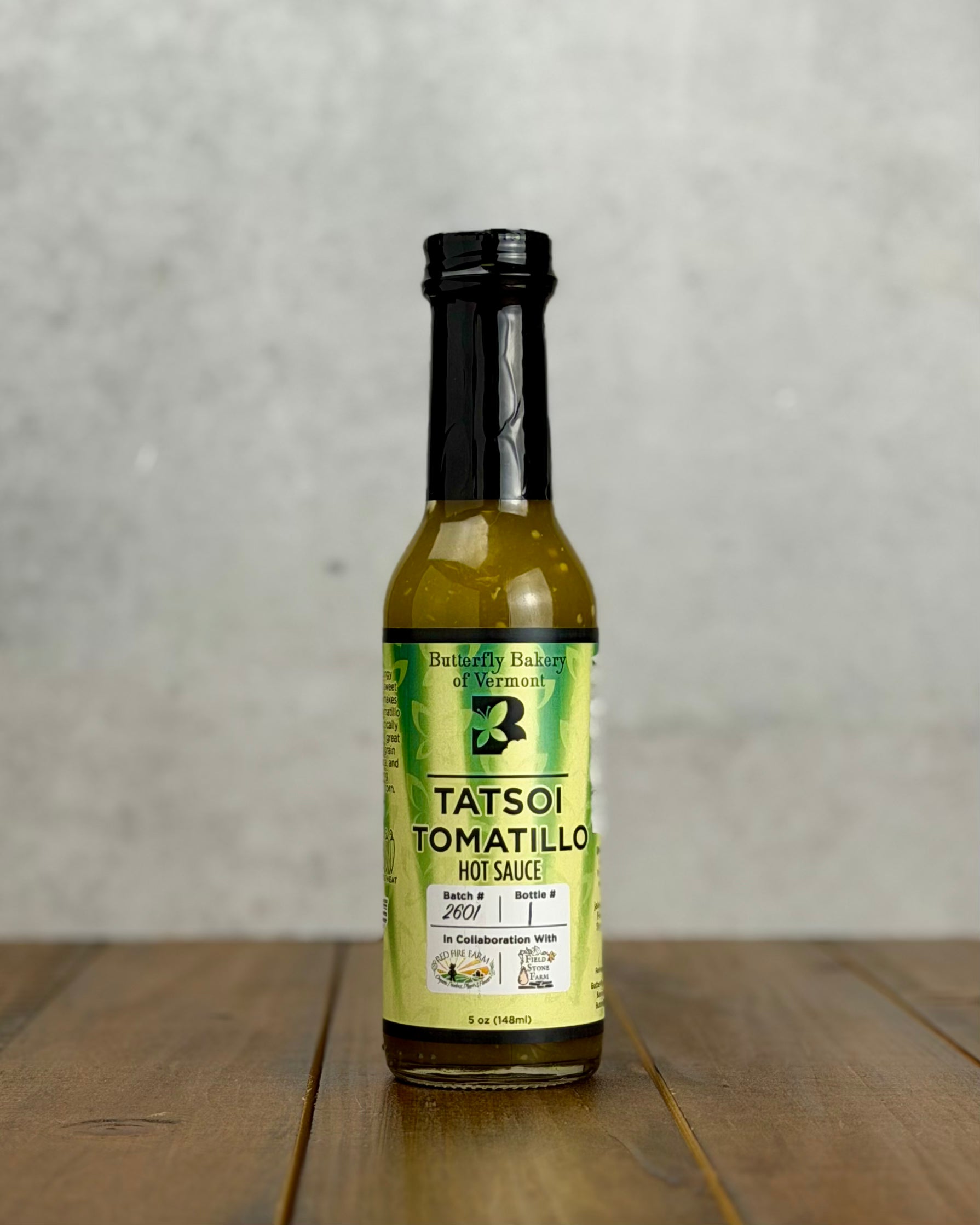
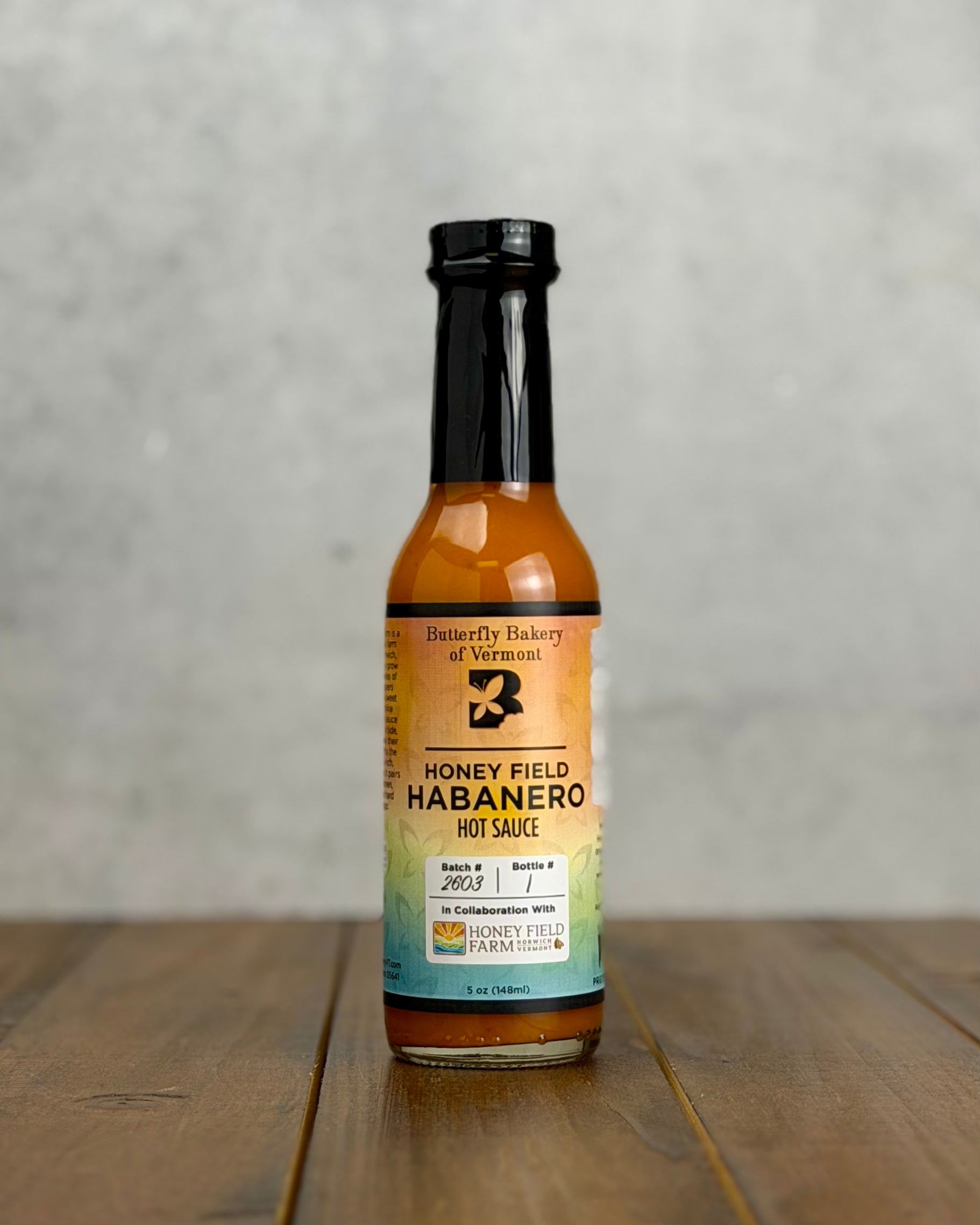
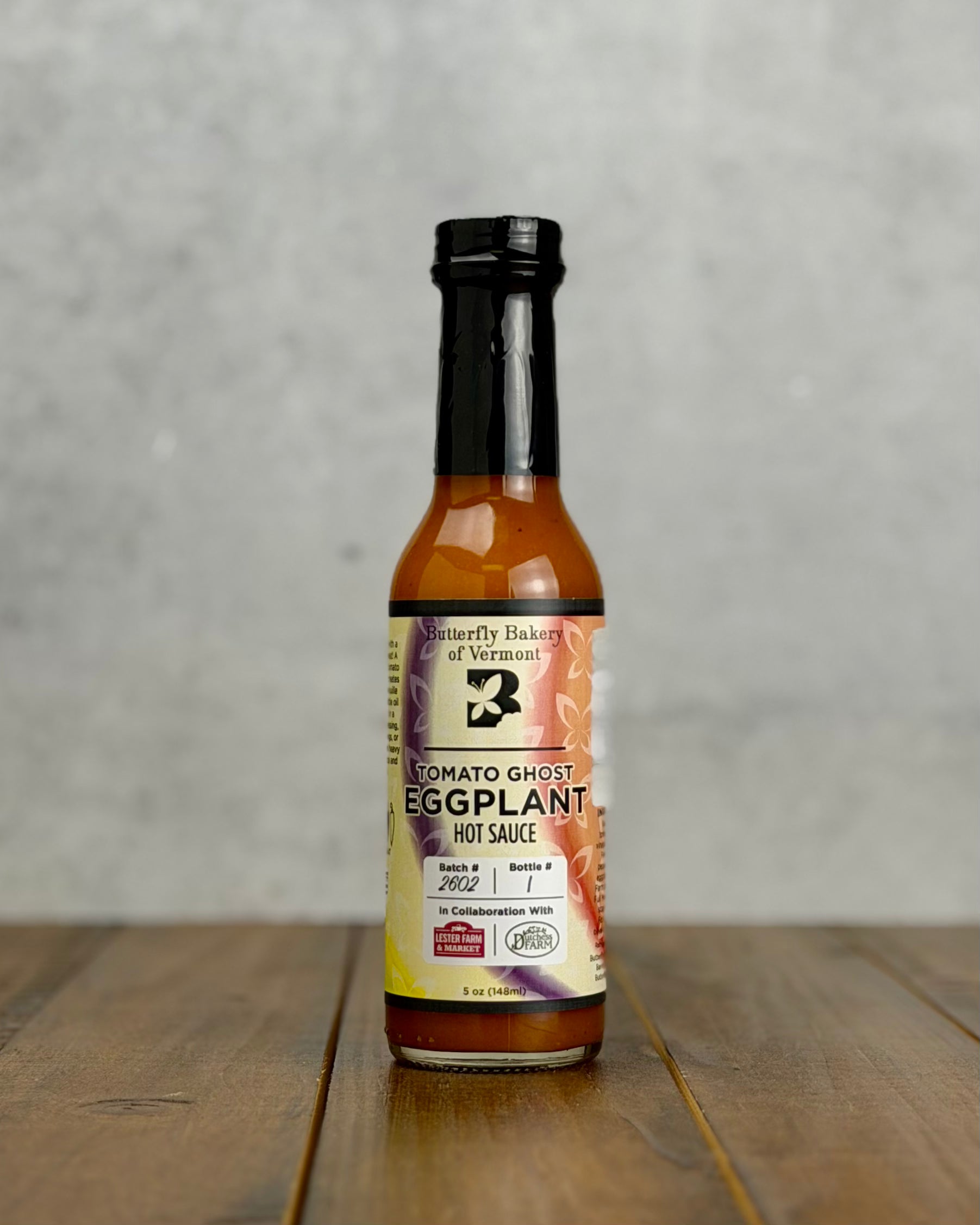
Butterfly Bakery VT

Vermont farmstead hot sauces made with hyper-local peppers and seasonal produce

A Vermont bakery that leaned into small-batch hot sauce production using peppers and produce sourced from nearby farms. The approach is closer to a farmstead food producer than a sauce brand, and the flavors show it, rounded, complex, and seasonally influenced in ways that mass-produced sauces can't replicate. Very much a regional producer that happens to ship nationally.

Enter Store

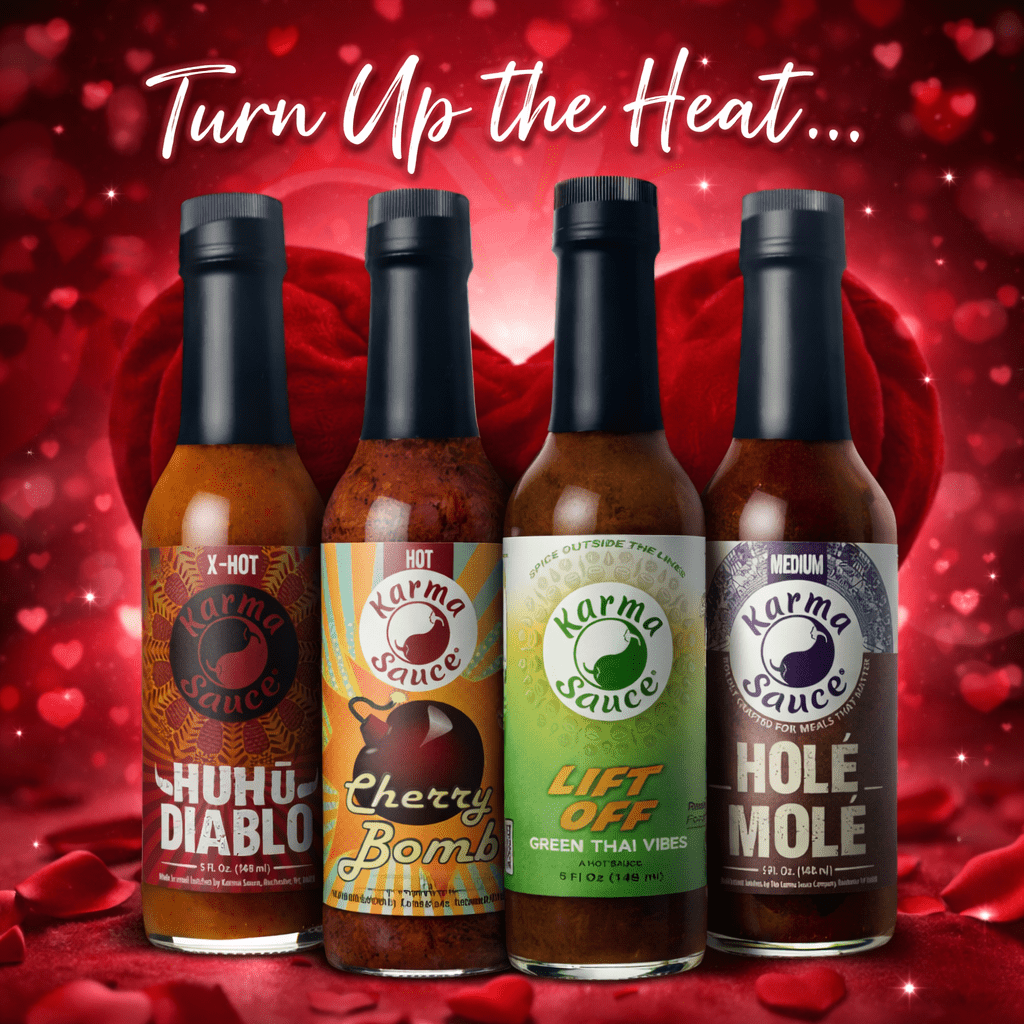
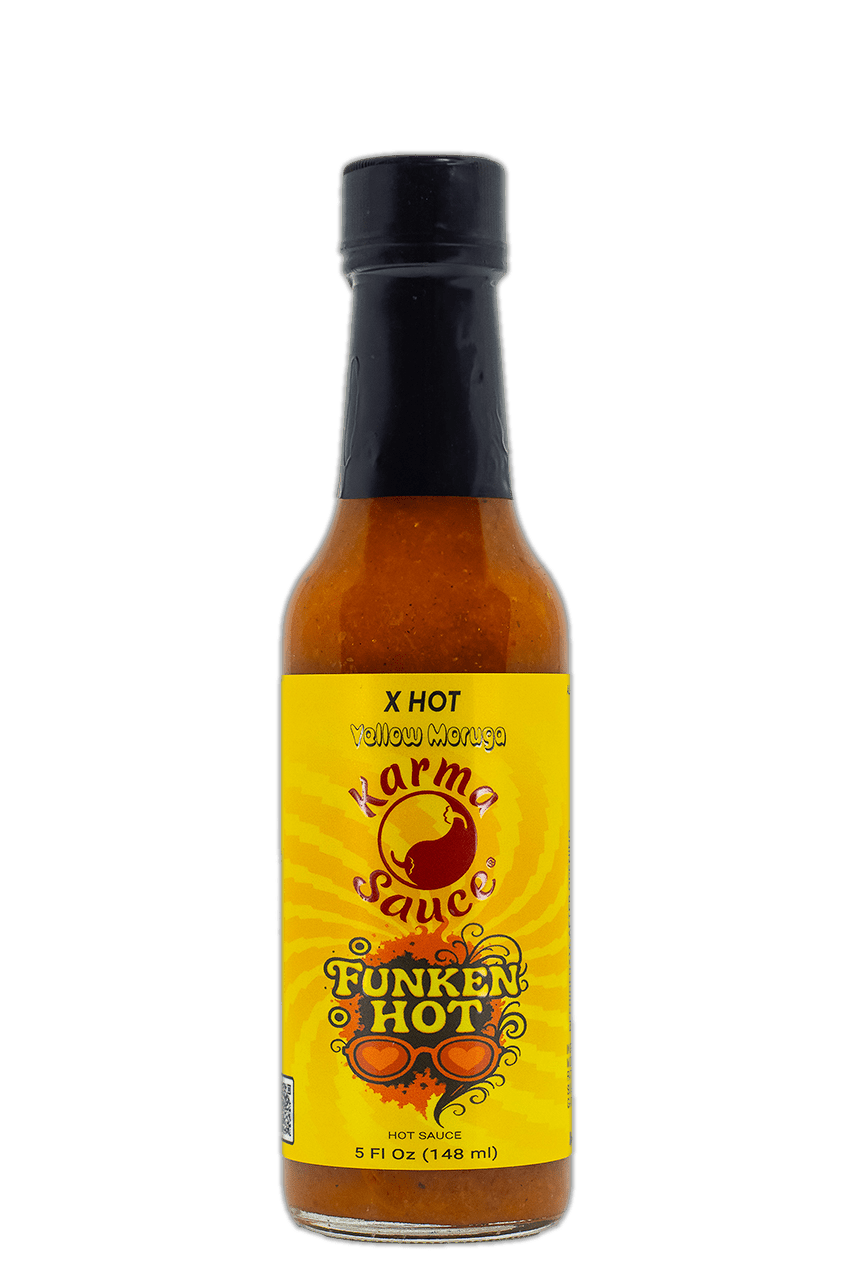
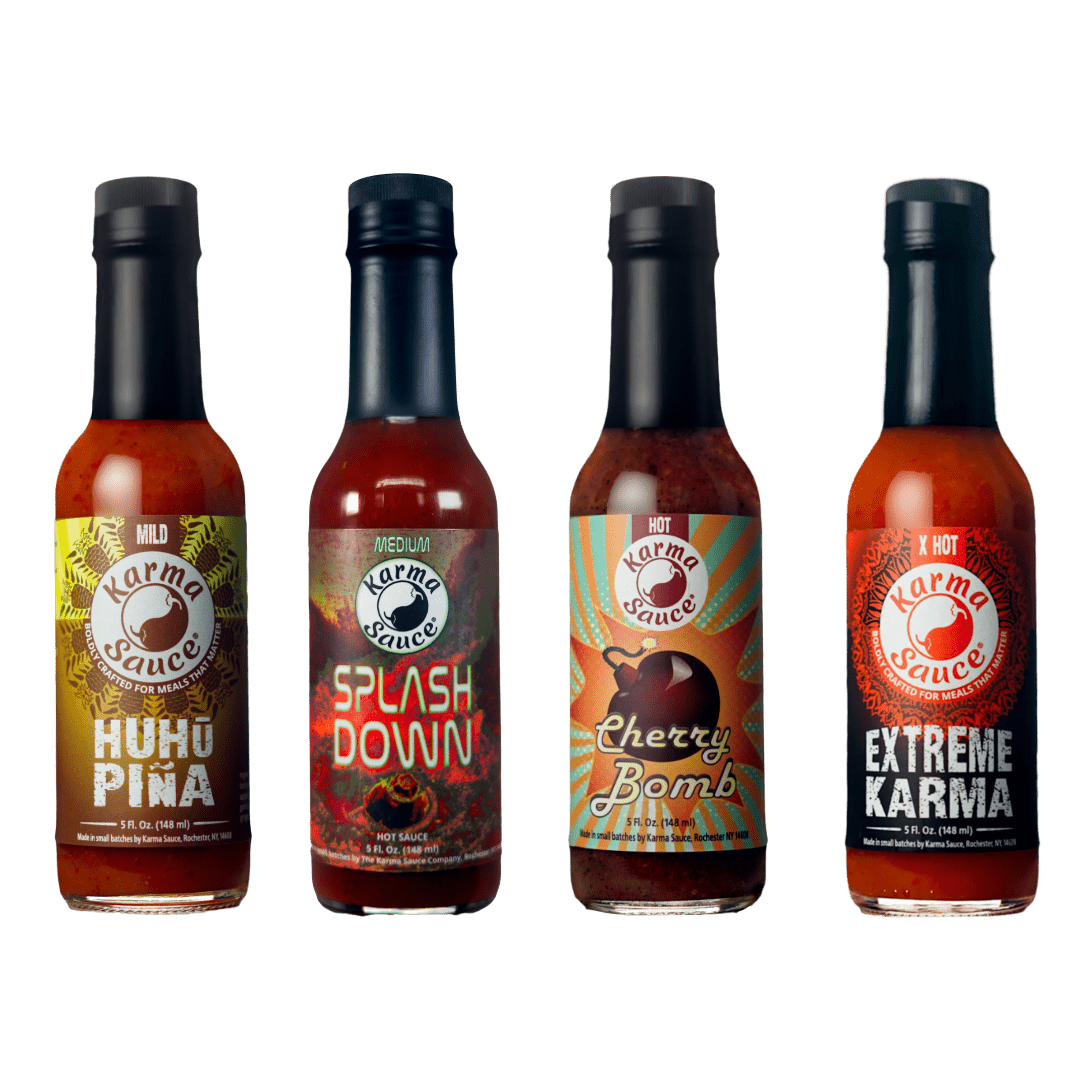
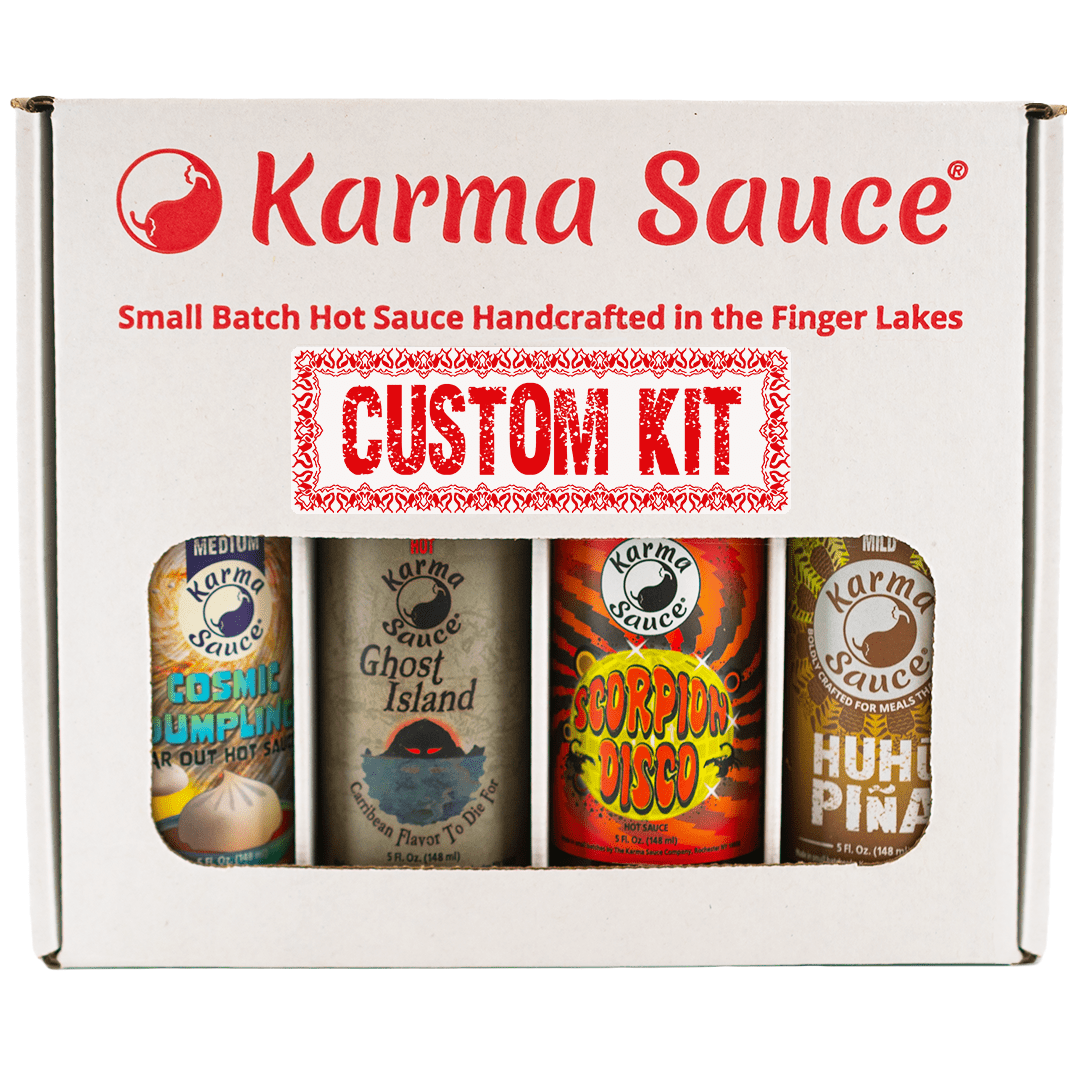
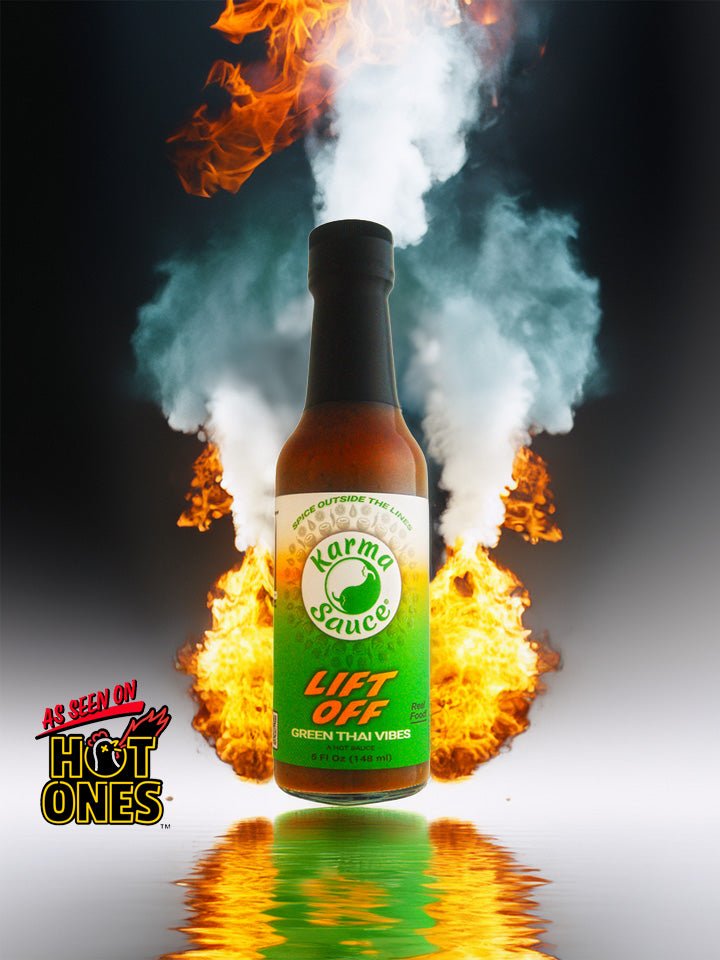
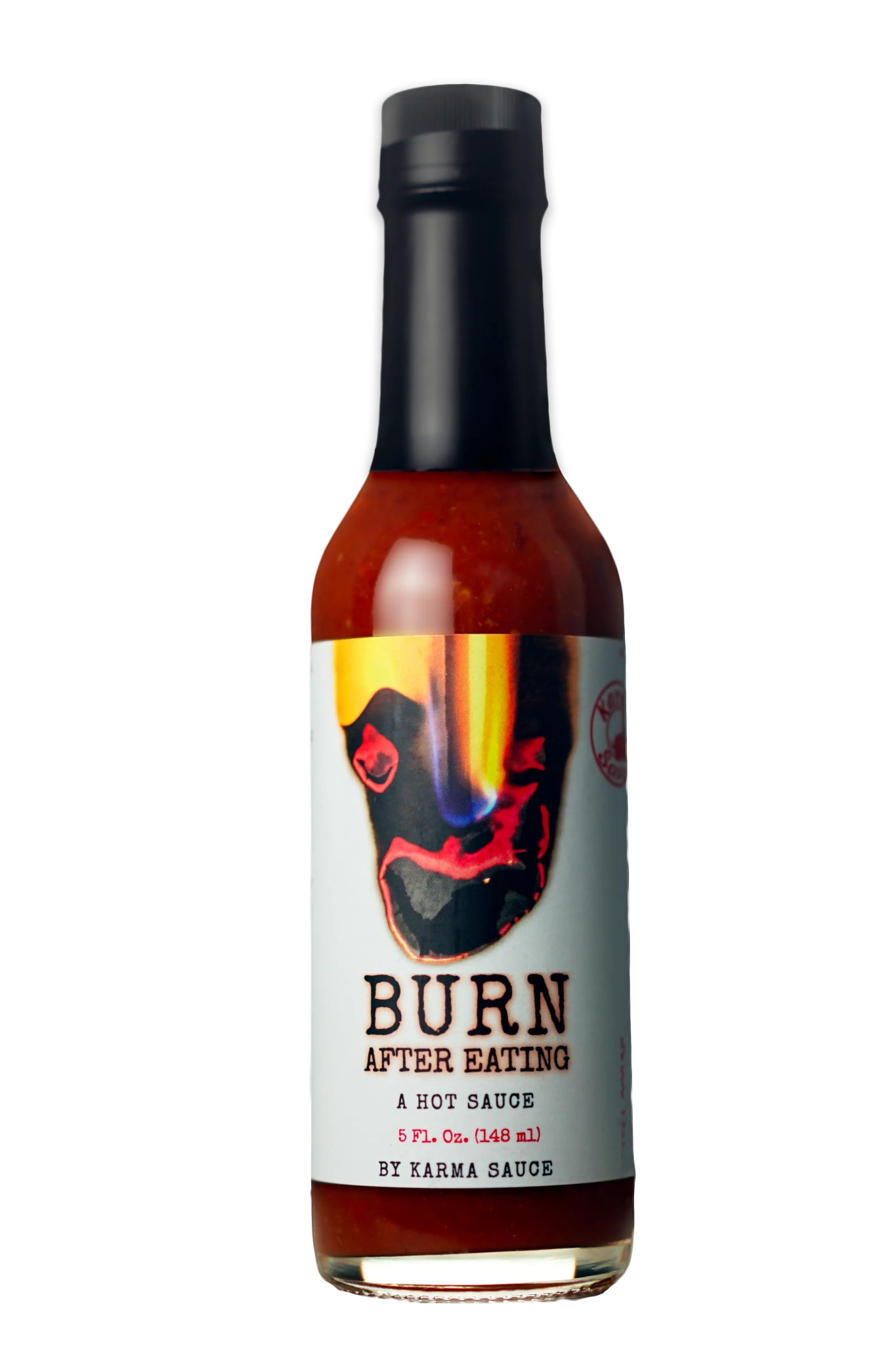
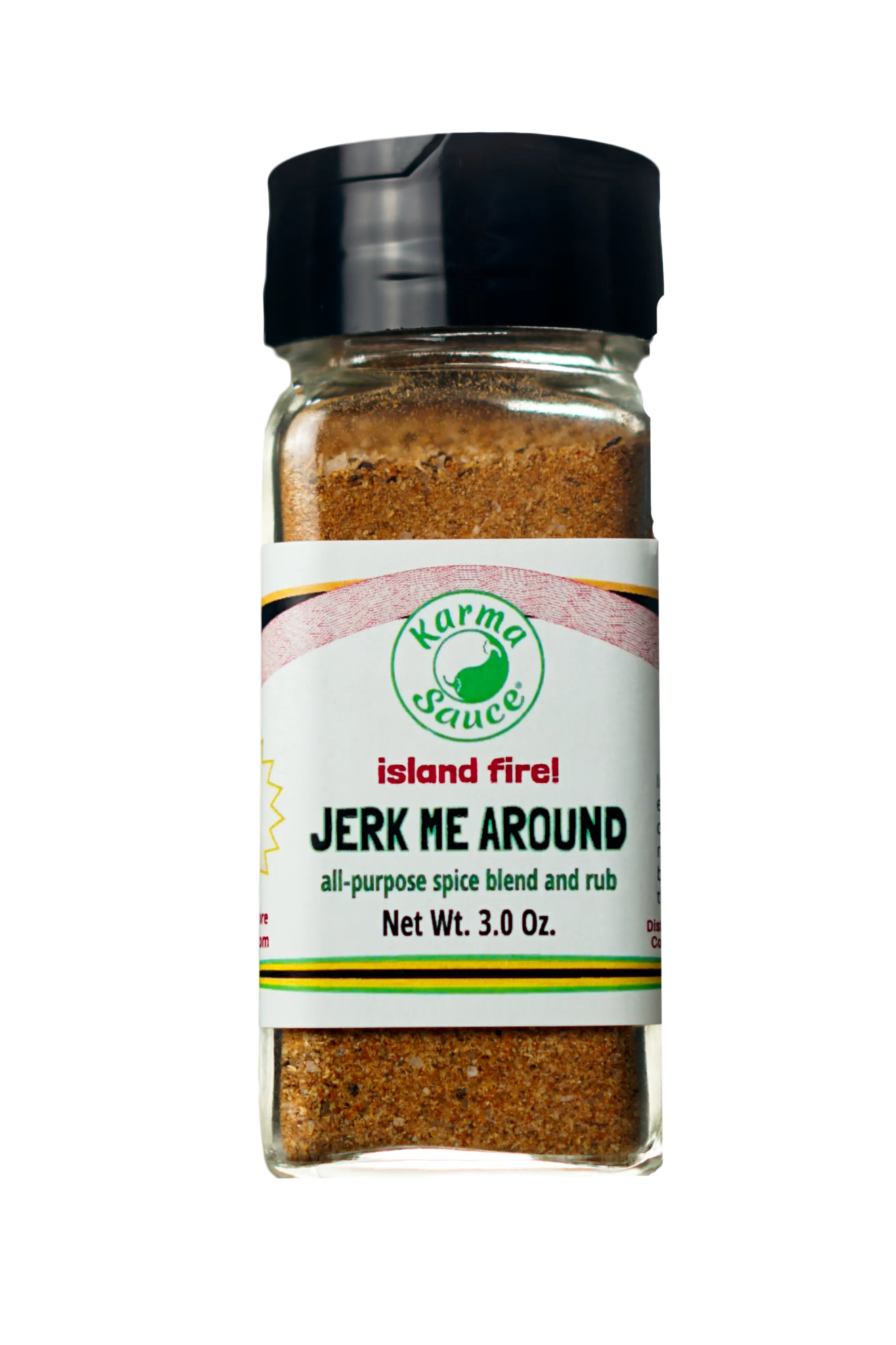
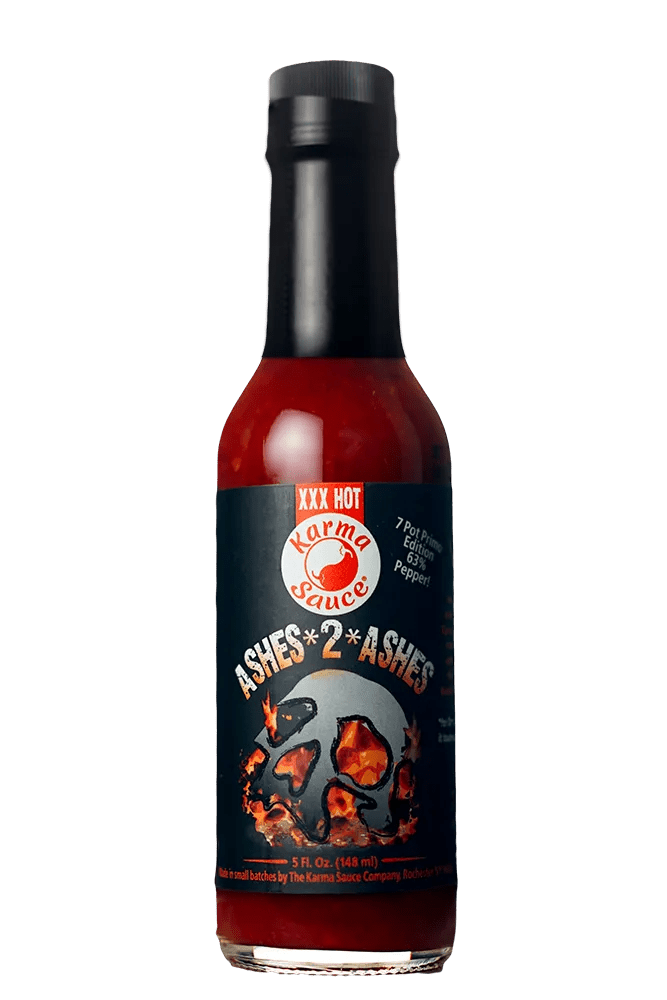
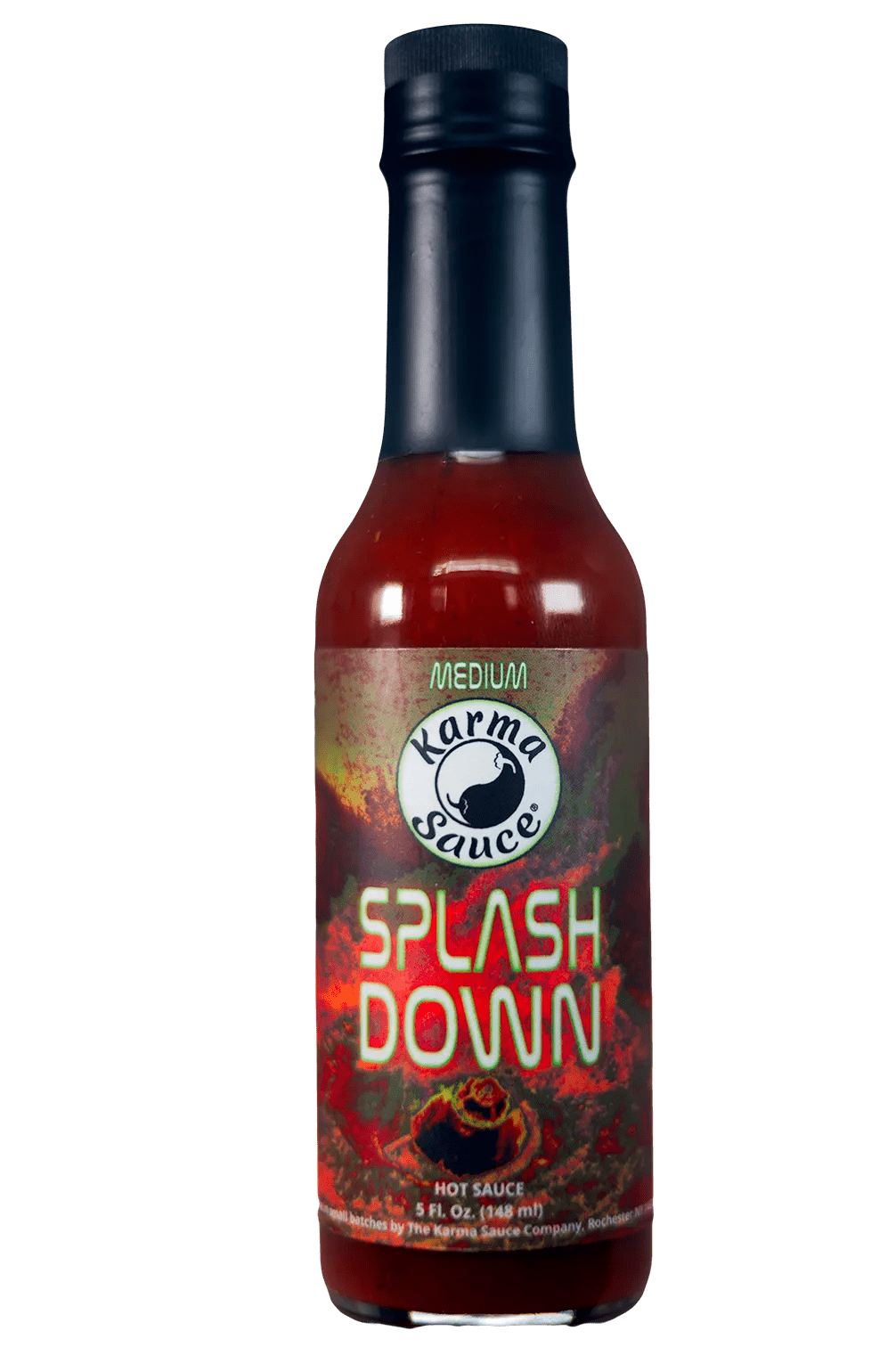
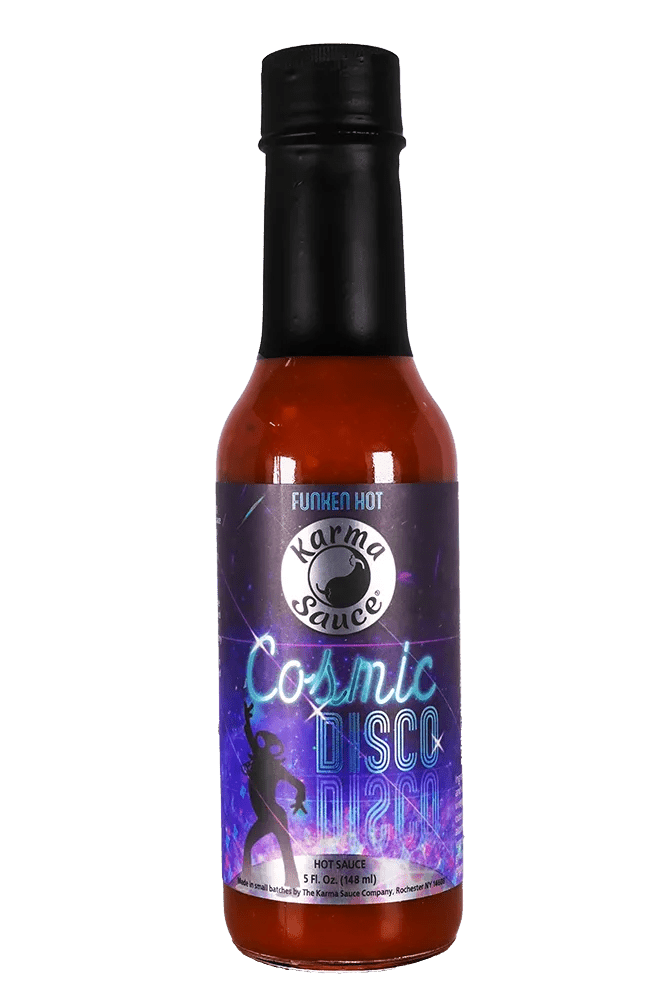
Karma Sauce

Rochester NY award winner using Finger Lakes farm ingredients in every bottle

Based in Rochester, NY, Karma Sauce sources peppers and produce directly from Finger Lakes farms, and the freshness shows in the complexity. Multiple award wins in blind tastings. The Cosmic Dumpling, mango, tamarind, lime, habanero, has become a fixture in r/hotsauce recommendations for its unexpected profile: genuinely hot, but also genuinely weird and delicious.

Enter Store

About This District

Shopping craft hot sauce starts with knowing what you want from heat. Do you want straight fire, a sauce that functions as a challenge, or complex, layered flavor that happens to also bring heat? Most casual buyers conflate these and end up with something too intense to actually cook with. Pepper variety matters enormously. Habaneros run fruity and tropical. Fermented jalapeños go funky and deep. Carolina Reapers or Trinidad Scorpions are for people who want to suffer elegantly. Ghost pepper sauces sit in an interesting middle zone, genuinely hot but still cookable. For everyday use, fruit-forward and fermented sauces are the most versatile, they work on eggs, tacos, pizza, or directly from the bottle. For heat-seekers, look for single-pepper-focus sauces where the farm or grower is named; those tend to be the most intentional. Small batch labeling is meaningful: smaller runs mean the producer is actually tasting and adjusting. Look for "local" paired with a specific state or region, it usually signals real sourcing, not just a marketing decision. Short ingredient lists are almost always the right call. Peppers, vinegar, salt, garlic, and not much else, is usually how the best sauces read.