Mint Districts Fashion

The Best Solarpunk Fashion Brands Worth Actually Buying

Solarpunk started as a speculative fiction genre in Brazil around 2008. Now it is a design philosophy that imagines a future where technology serves nature instead of replacing it. The fashion brands here build clothes from hemp, organic cotton, plant-dyed fibers, and recycled materials. They skip synthetic fabrics and planned obsolescence. Every piece is designed to last years and decompose when it finally wears out. If you think sustainability means sacrificing style, these brands exist to prove you wrong.

Fashion · 8 Brands

The Solarpunk District

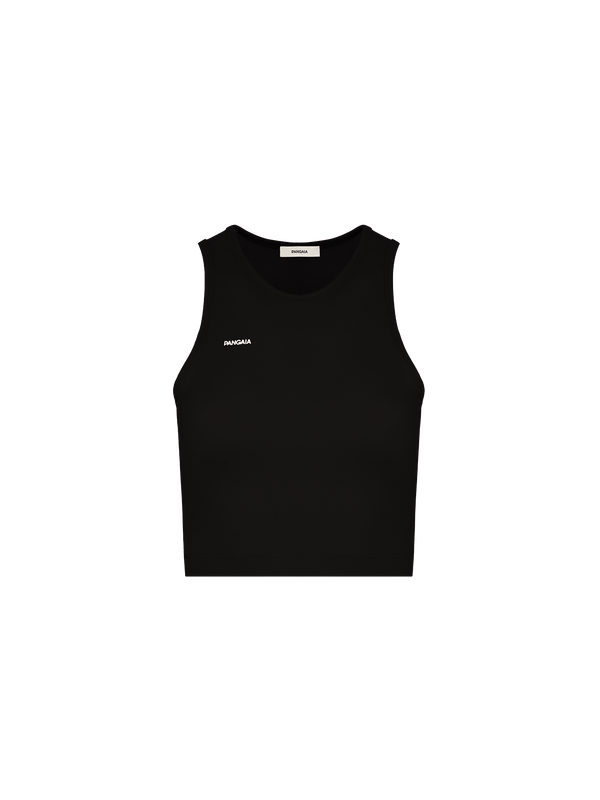
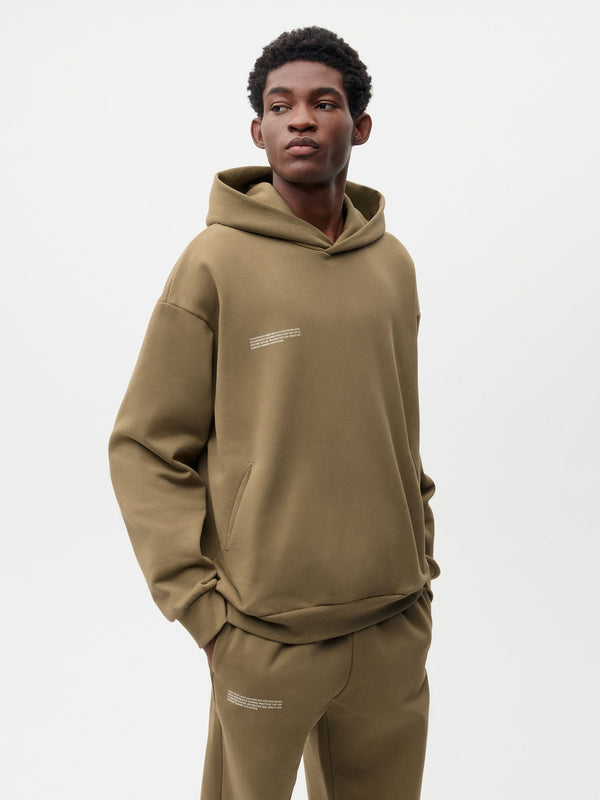
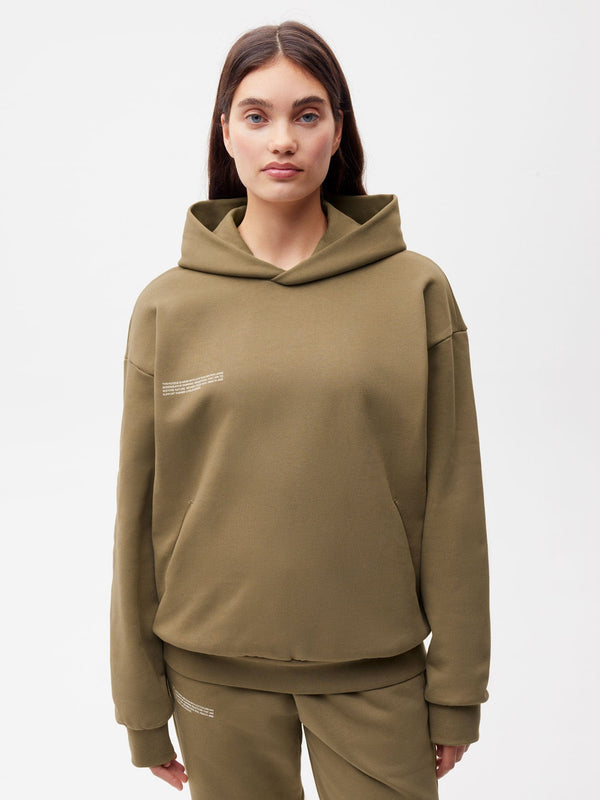
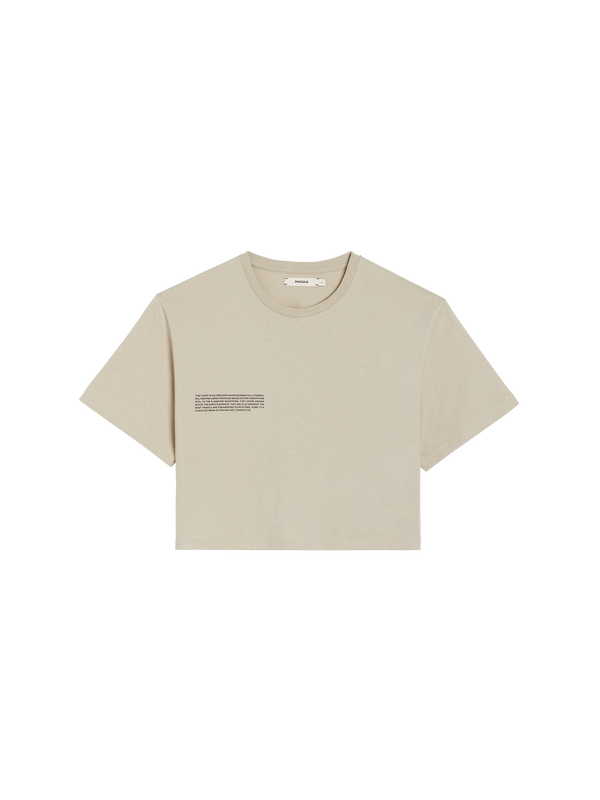
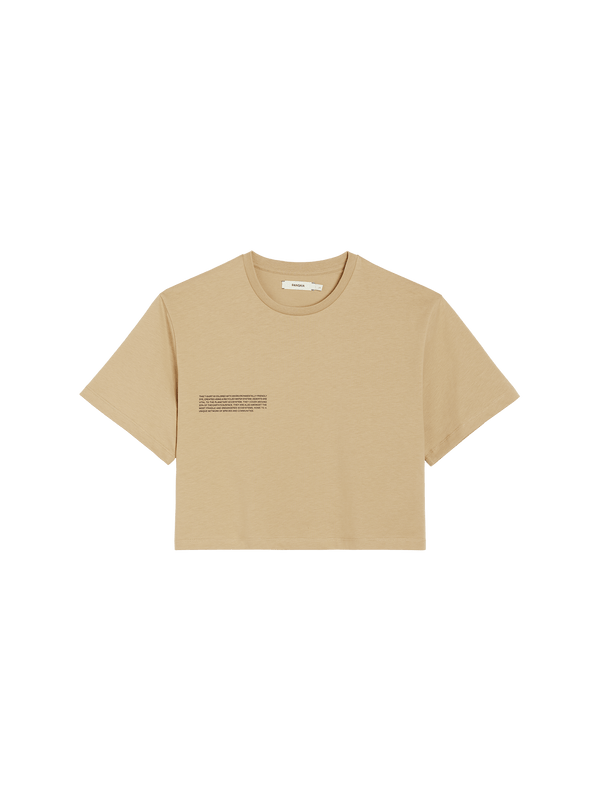
PANGAIA

London, UK

Materials science company creating essential products from innovative tech and bio-engineered materials.

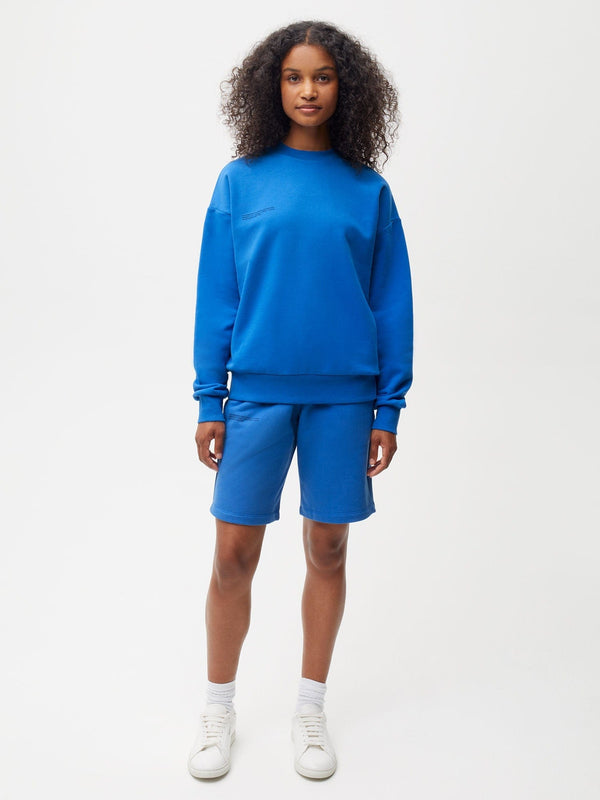
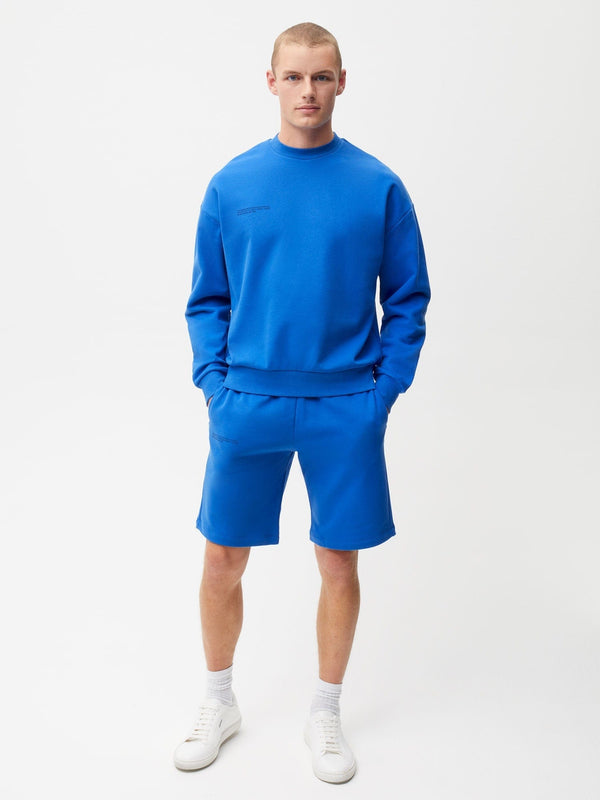
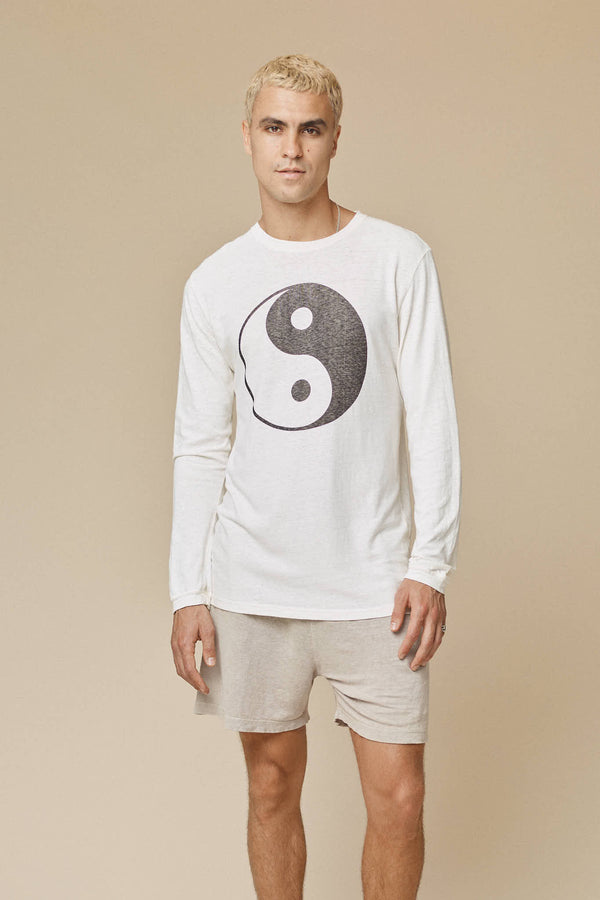
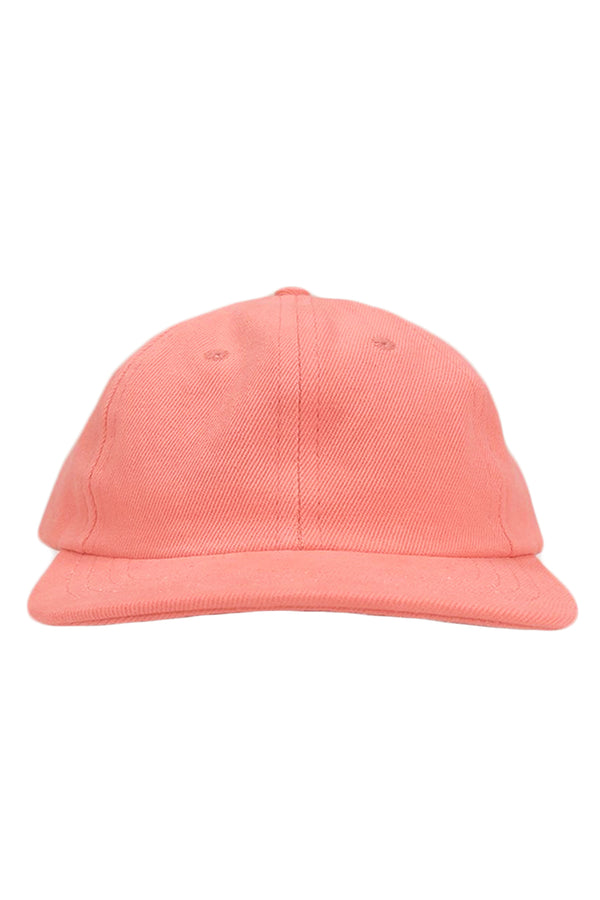
PANGAIA builds basics from fiber science. They use FLWRDWN (wildflower-based insulation instead of goose down), seaweed fiber, recycled cotton, and bio-based dyes. Their organic cotton shorts and hoodies are the entry point. The real innovation happens in their lab partnerships with material scientists developing post-petroleum textiles.
Enter Store

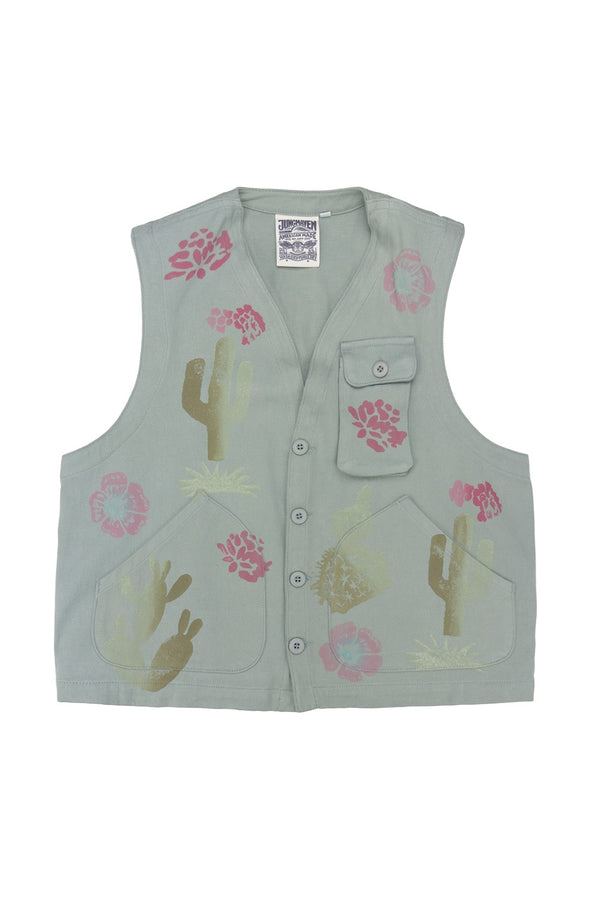
Jungmaven

Los Angeles, USA

Hemp clothing for a better world since 1993.

Robert Jungmann started Jungmaven in 1993 with a single idea: if 6% of all arable land grew hemp, it could replace most industrial textiles and slow deforestation. Three decades later the brand makes tees, sweats, and caps from 55% hemp and 45% organic cotton blends. The fabric gets softer with every wash and lasts years longer than conventional cotton.

Enter Store

Story mfg.

London, UK

Positive product. Slow-made, plant-dyed clothing from natural materials.

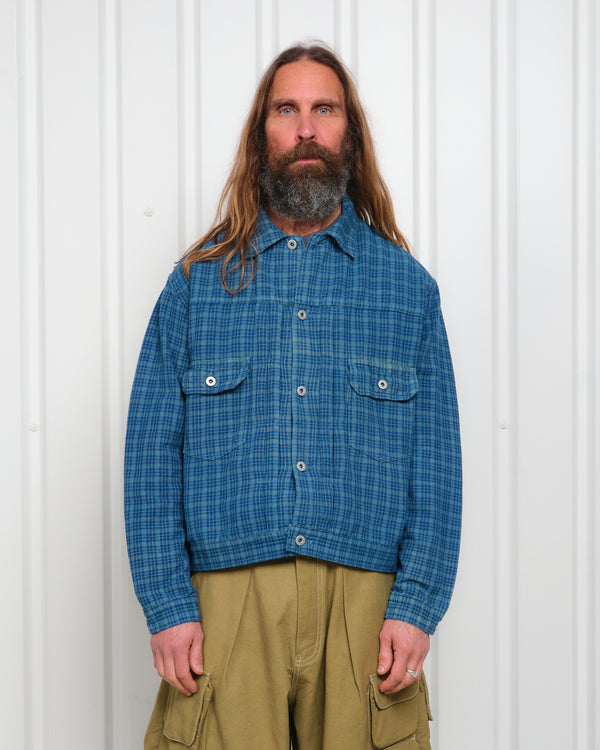
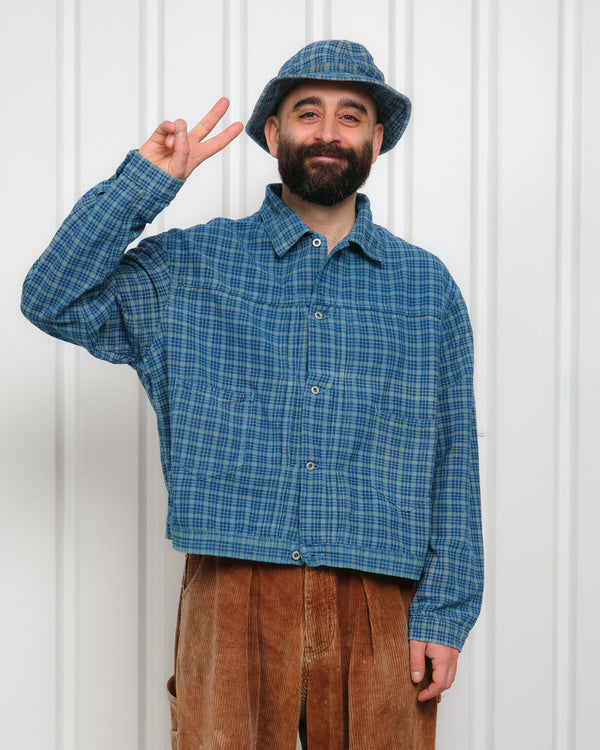
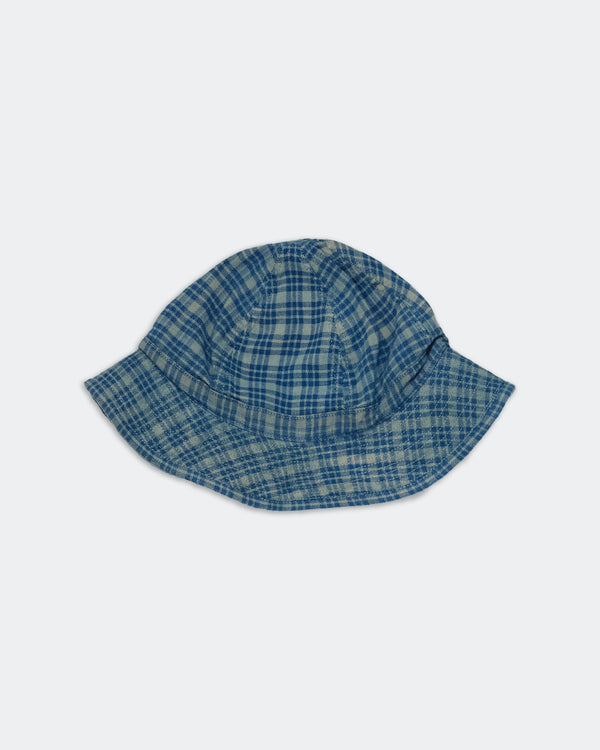
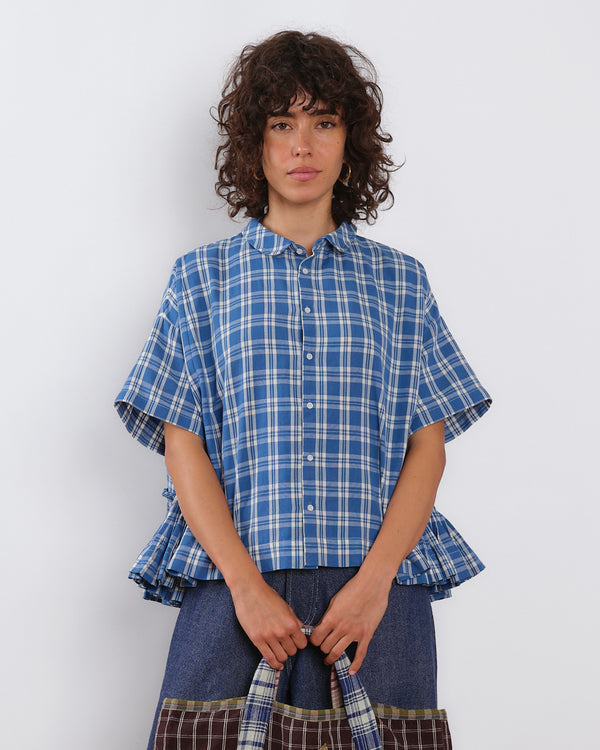
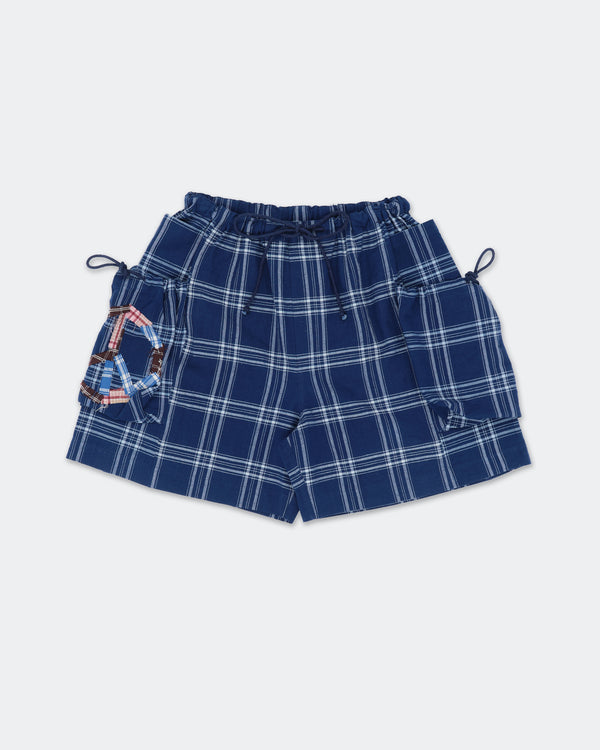
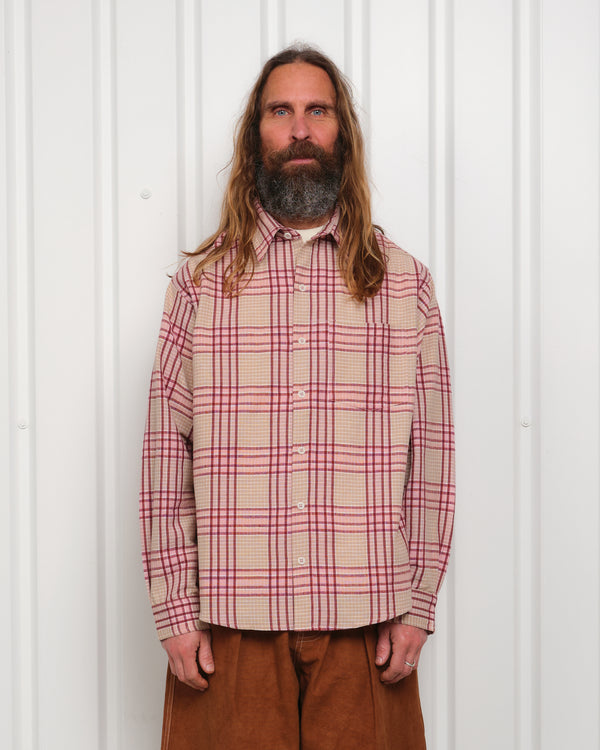
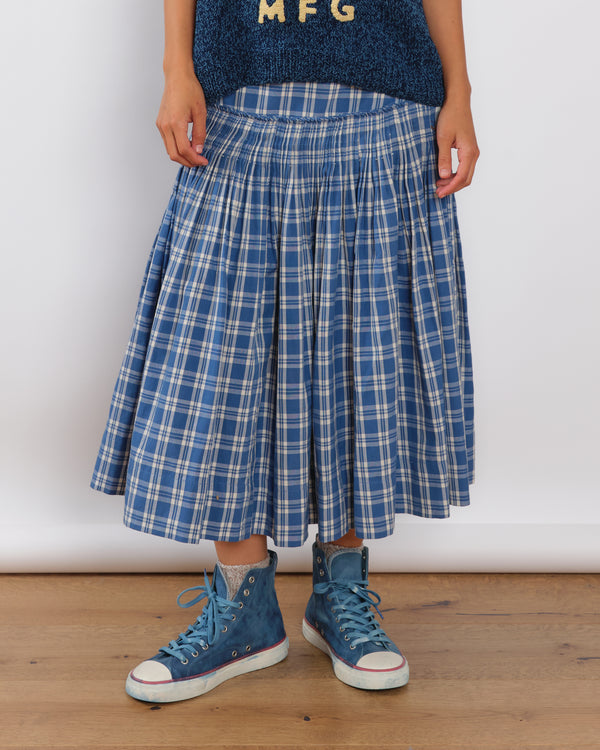
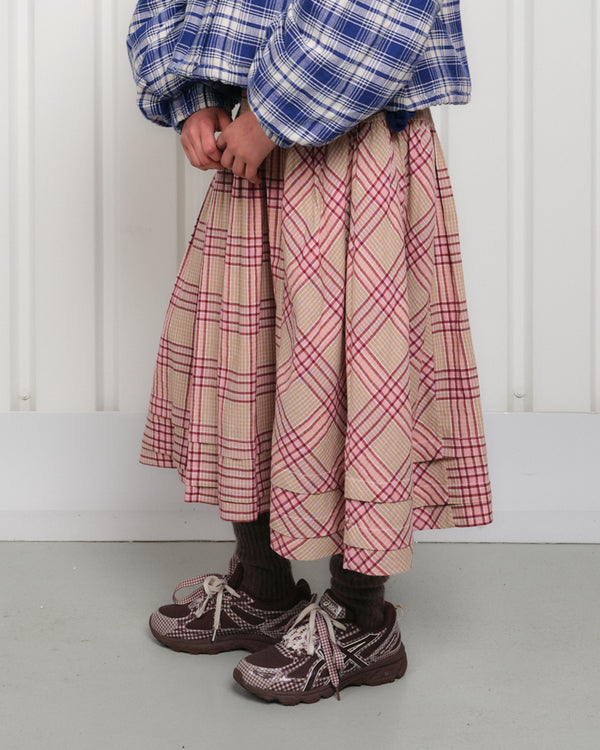
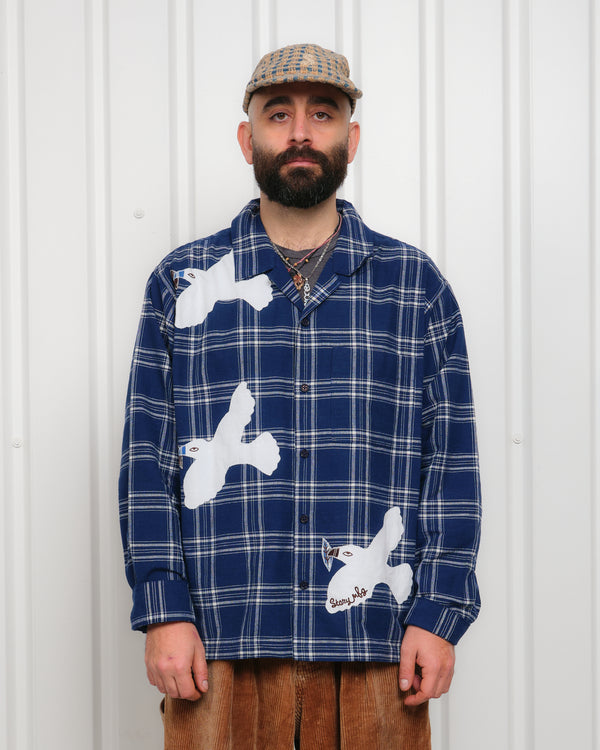
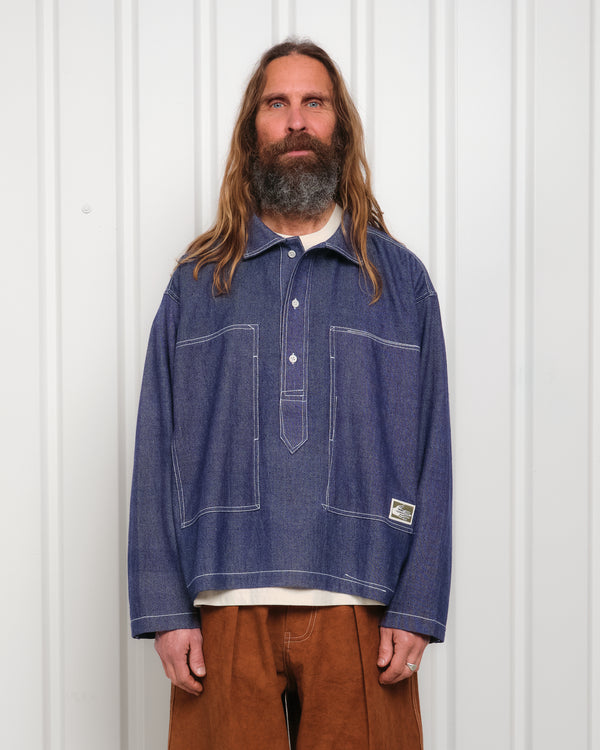
Saeed and Bobbin Al-Rubeyi started Story mfg. to make clothes that are net positive for the planet. Every garment is dyed with bark, roots, fruits, or flowers. Their jackets use hand-loomed fabrics from rural workshops in India and Peru. The indigo mud-check pattern comes from fermenting indigo leaves in clay pits for weeks. It takes longer. That is the point.

Enter Store

tentree

Vancouver, Canada

Designed in Canada. Ten trees planted for every item purchased.

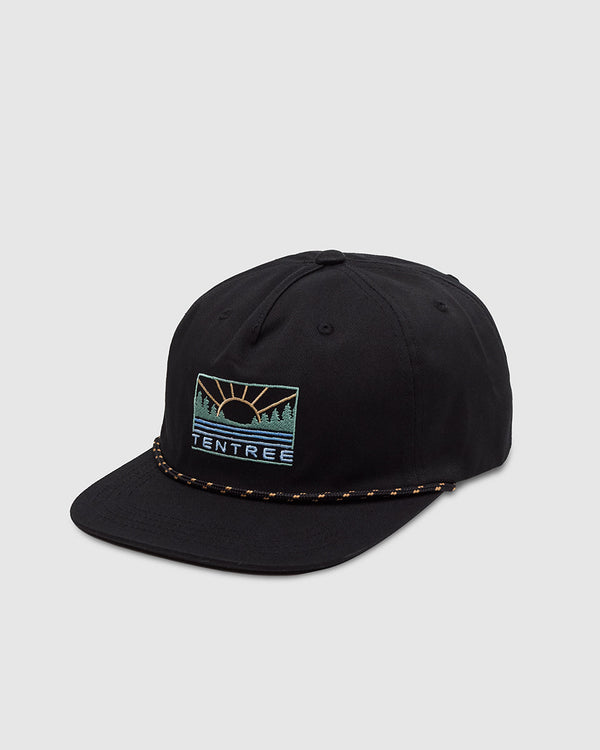
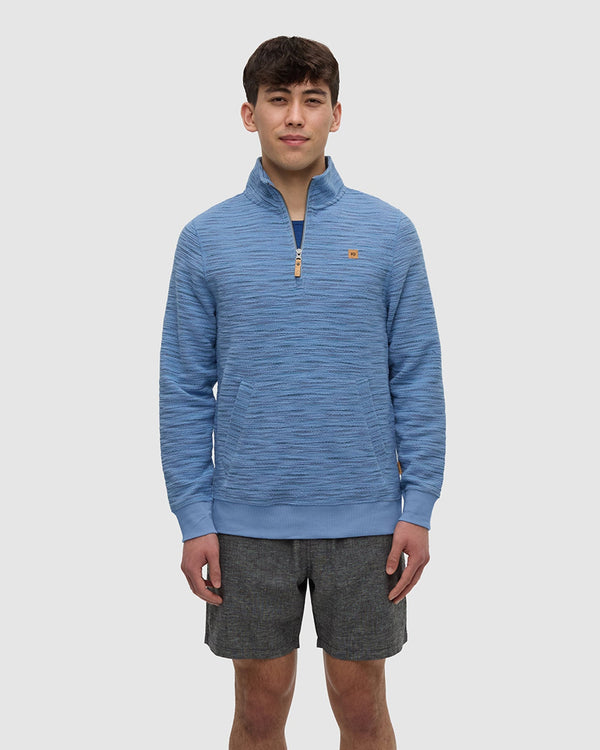
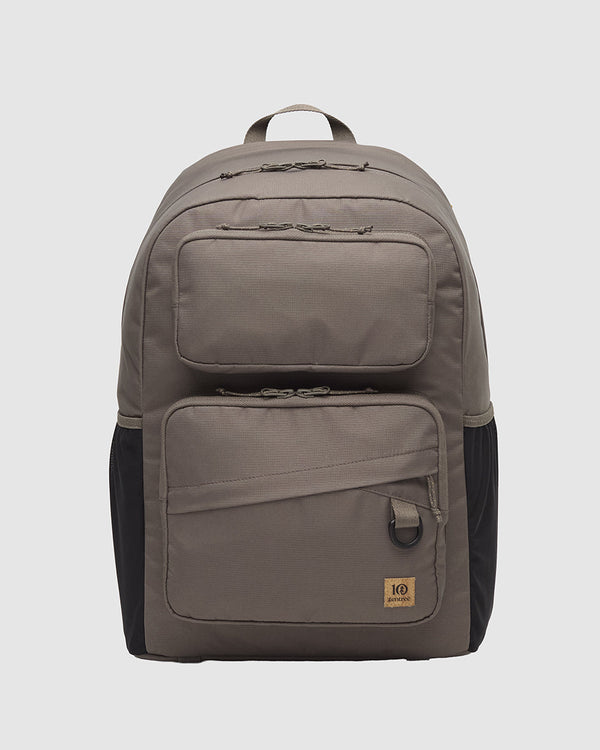
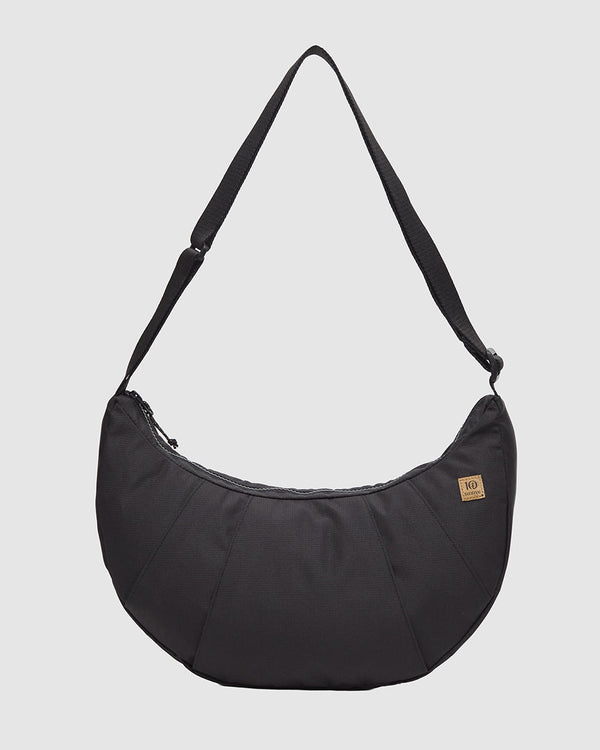
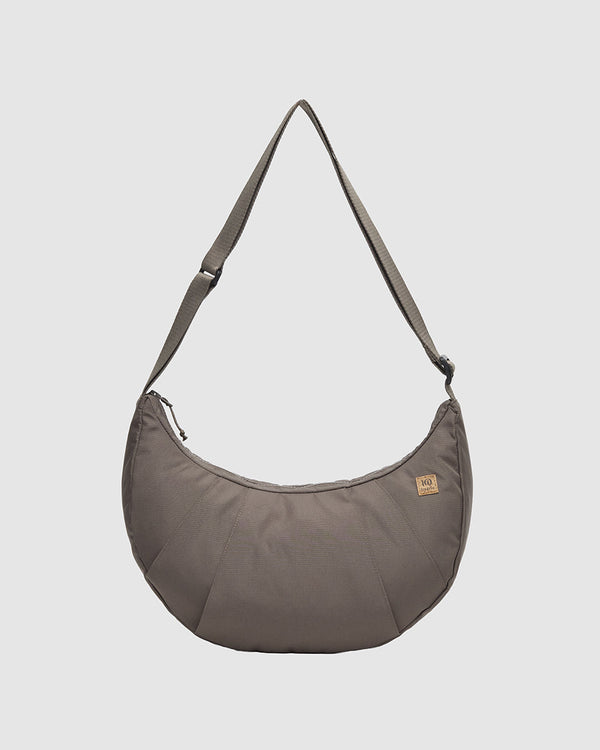
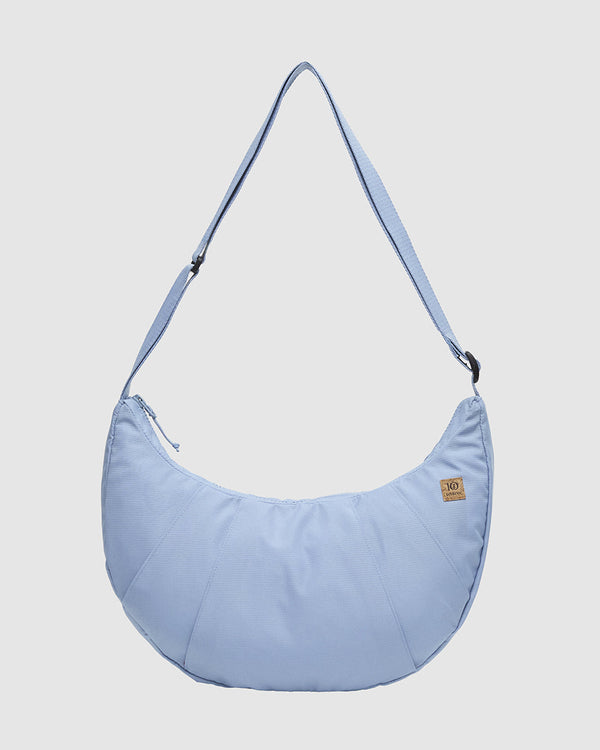
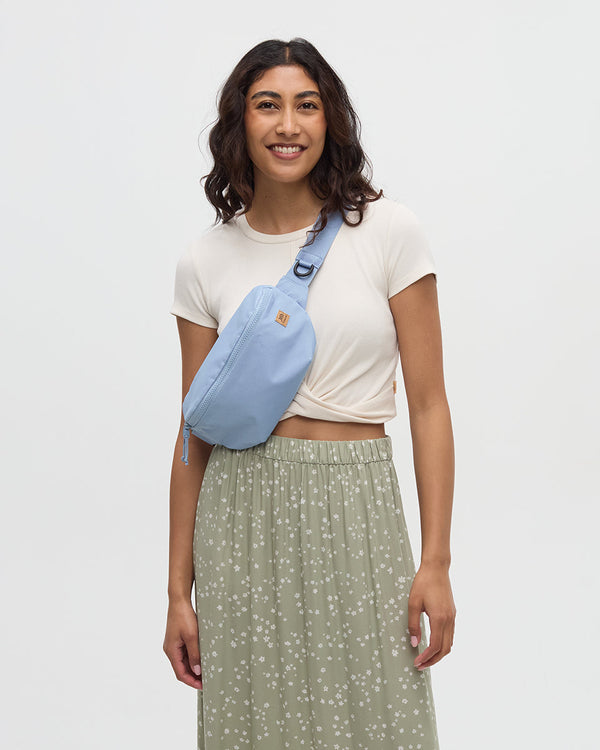
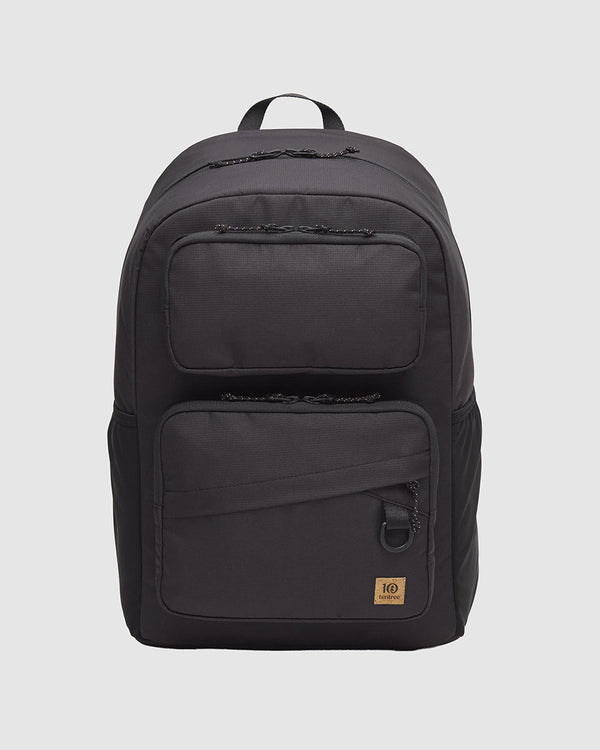
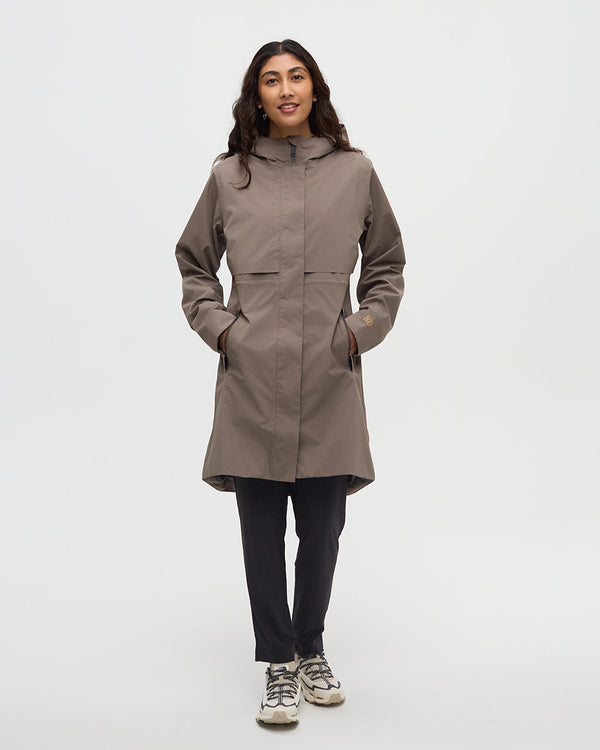
tentree has planted over 100 million trees by embedding reforestation into every purchase. Their loungewear and outdoor basics use Tencel, hemp, organic cotton, and recycled polyester. The brand is working toward planting one billion trees by 2030. The clothes themselves are understated: soft hoodies, joggers, and tees that happen to regenerate forests as a side effect.

Enter Store

Isaboko

Brooklyn, USA

Zero-waste, gender-free clothing from upcycled textiles.
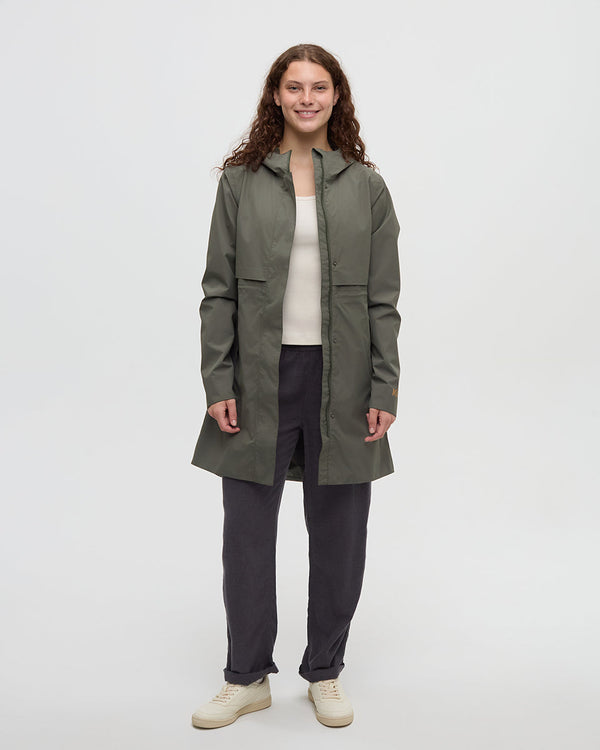
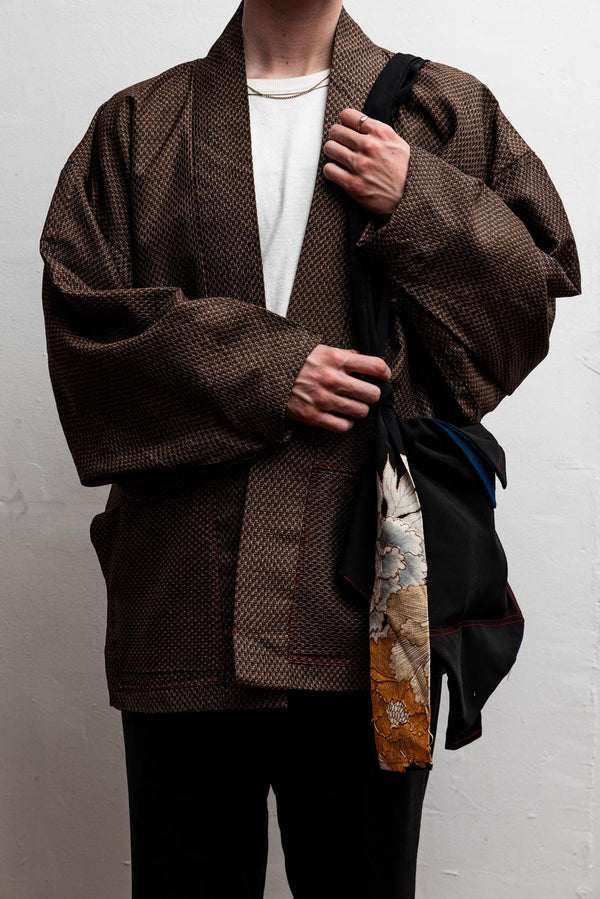
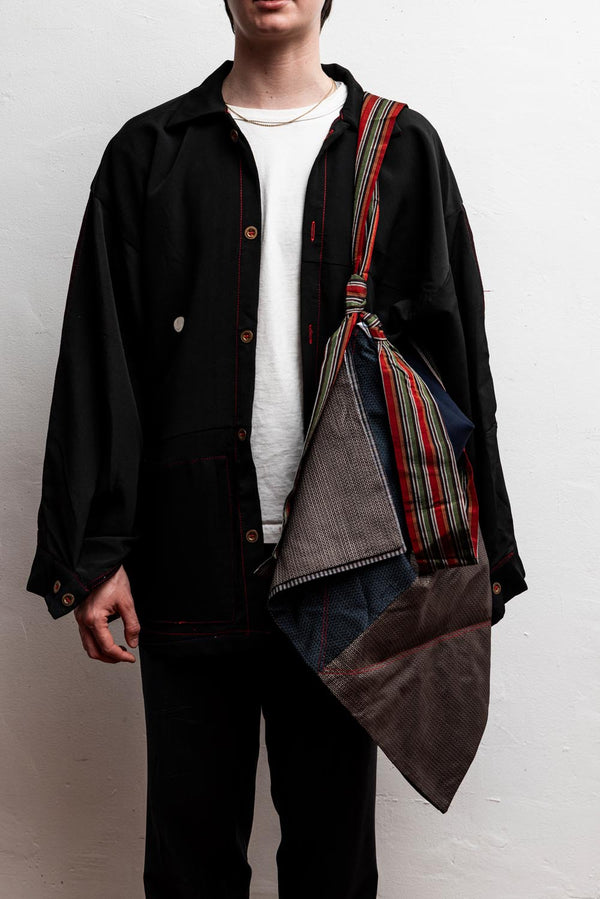
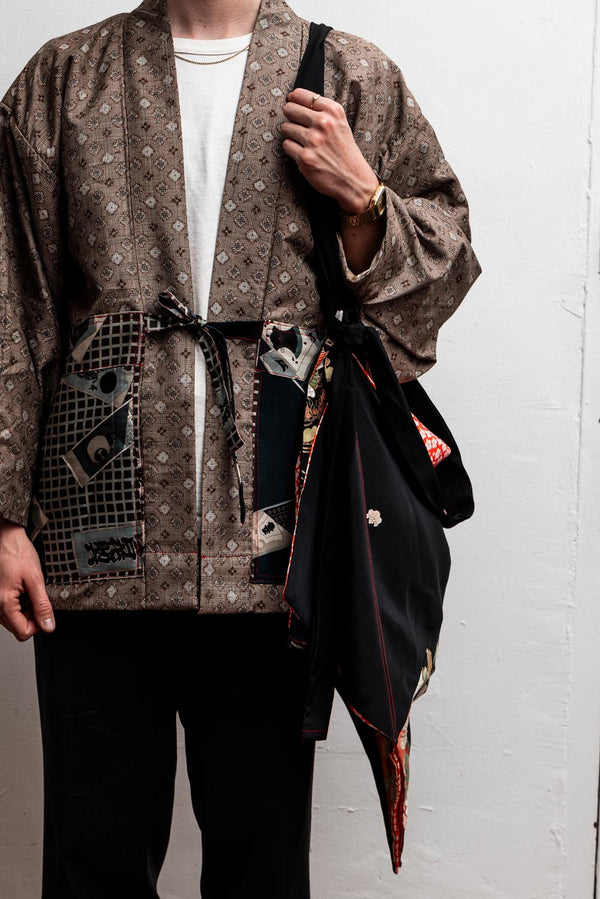
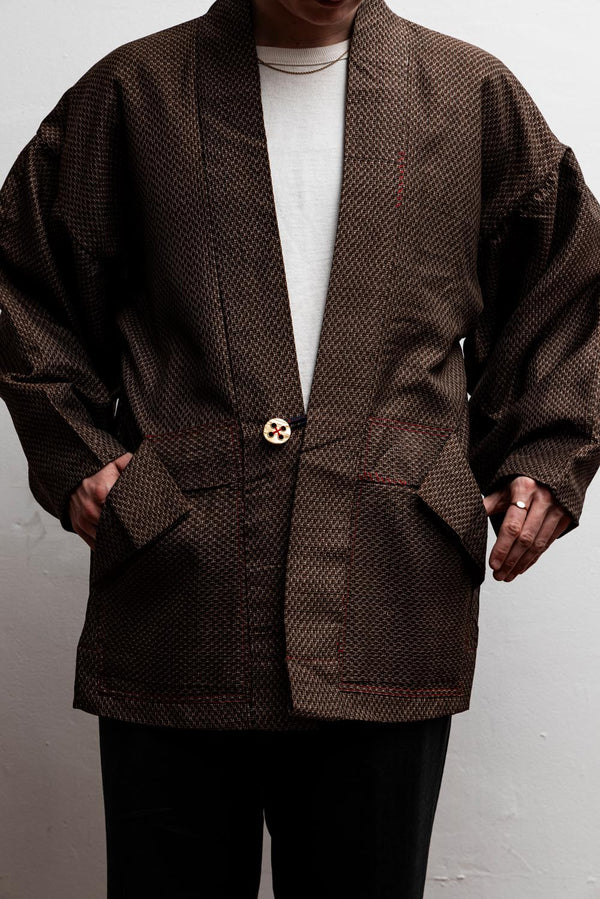
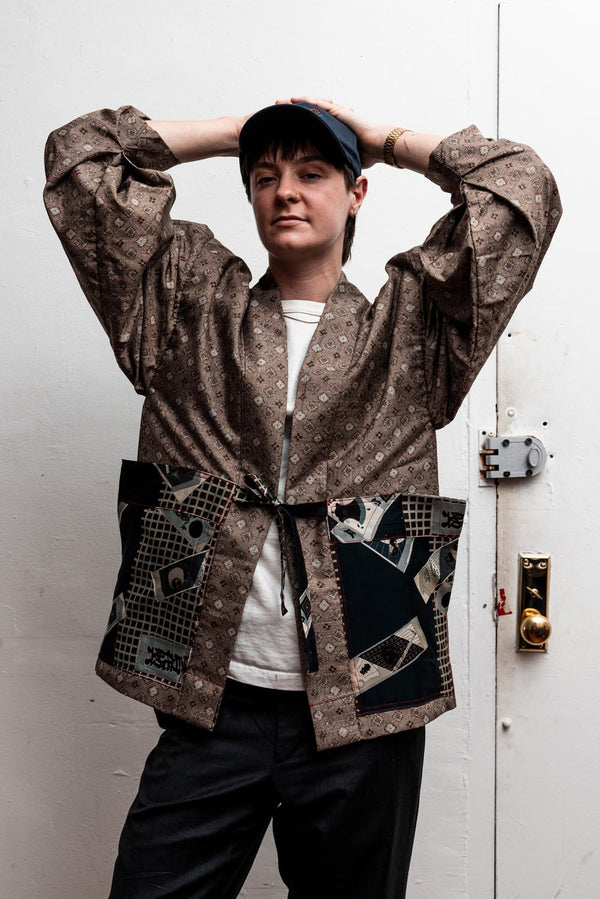
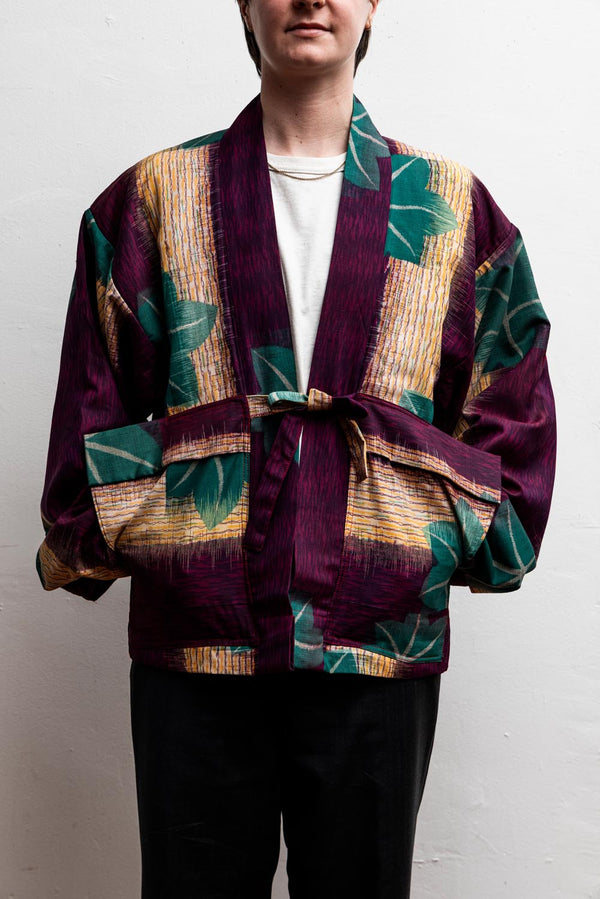
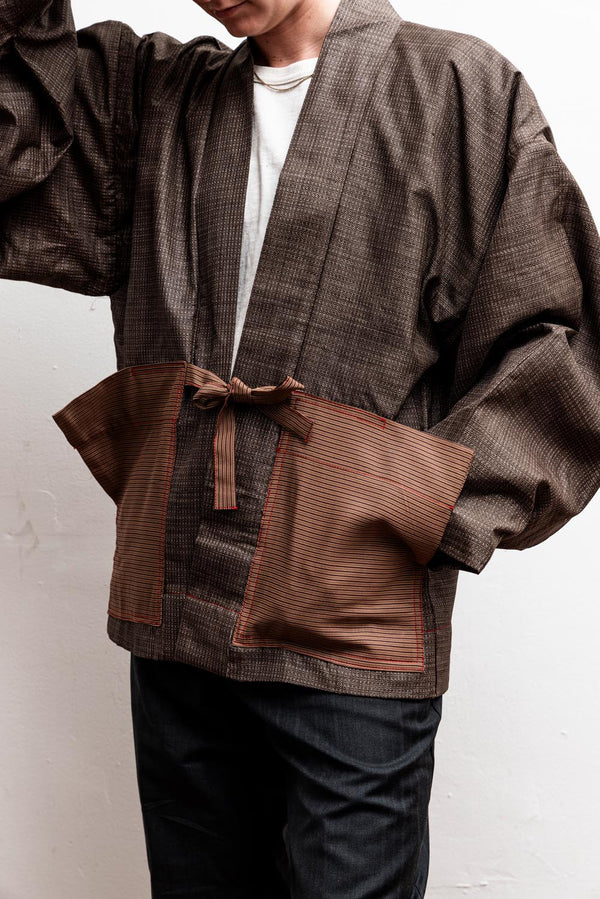
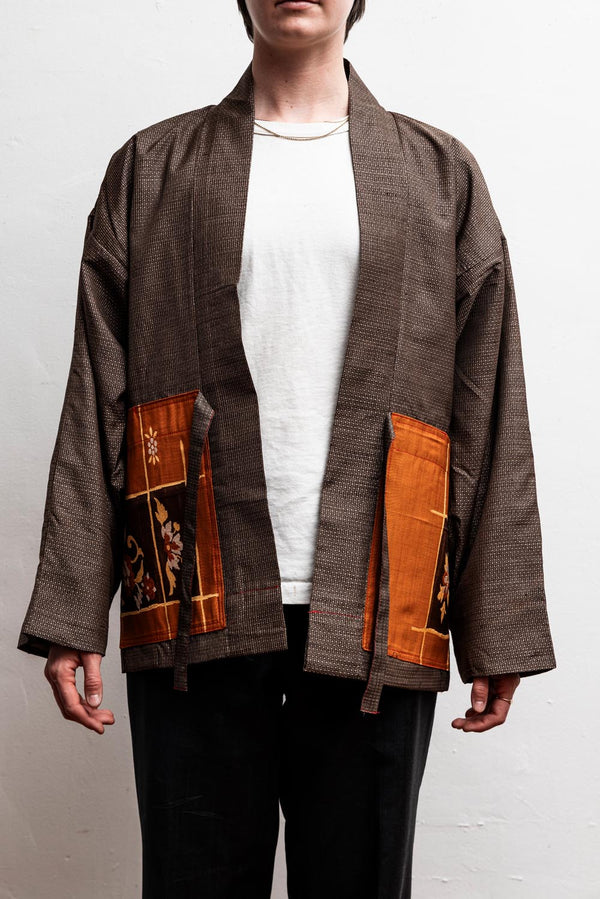
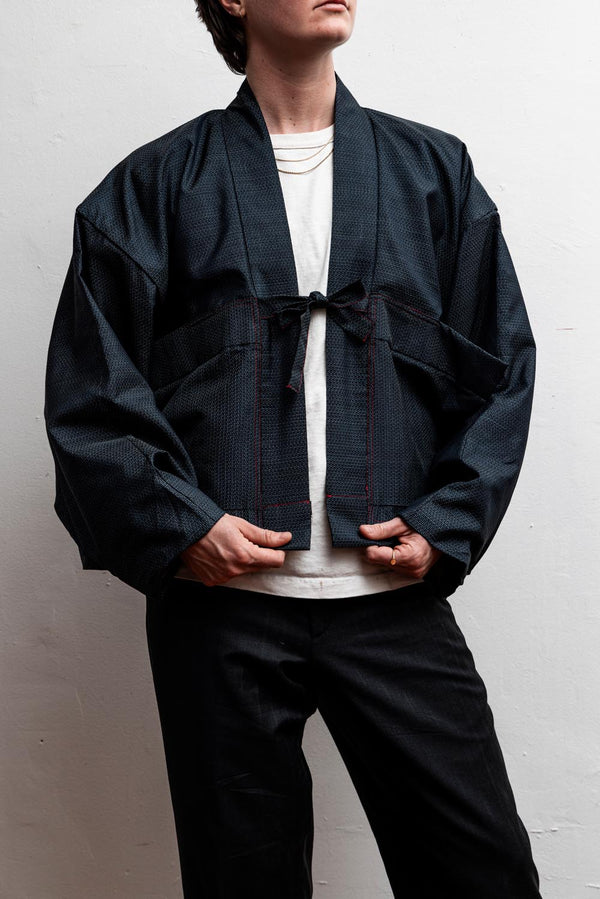
Isaboko is a Brooklyn-based label that makes every piece from waste textiles using zero-waste patterns. Designer Genevieve Kostrzewa deconstructs Japanese kimonos and surplus fabrics into gender-free shirts and pants. The adjustable sizing system means each garment fits a range of bodies without needing multiple SKUs. Small batch, made to order in NYC.

Enter Store

Rawganique

British Columbia, Canada

Organic hemp, linen, and cotton clothing since 1997. Plastic-free.

Founded by off-grid island homesteaders in 1997, Rawganique makes every product without synthetic fibers, chemical dyes, or plastic. Their organic merino wool, hemp, and linen clothing is handcrafted in the USA and Europe. The brand was doing solarpunk before the word existed: growing their own hemp, living off-grid, and proving that pre-industrial materials can outperform modern synthetics.

Enter Store

Thought

London, UK

Thoughtfully made clothing from sustainable natural fibers.

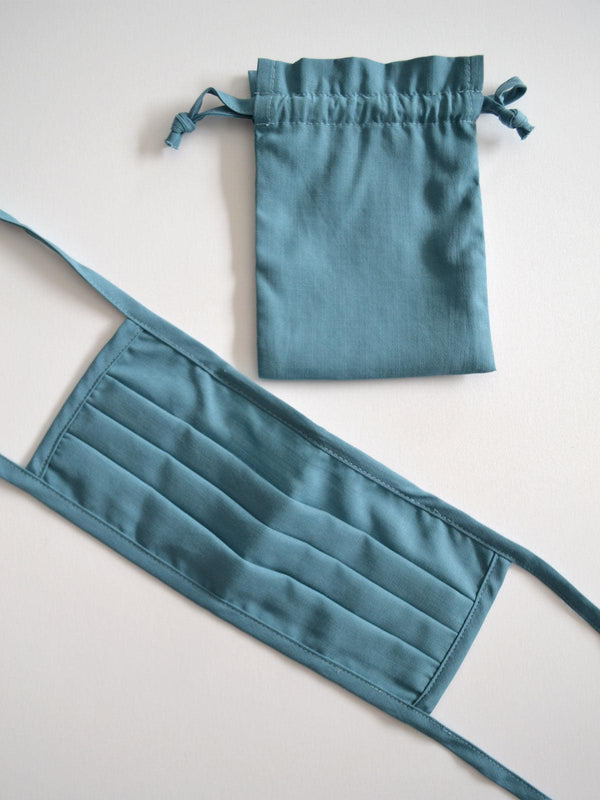
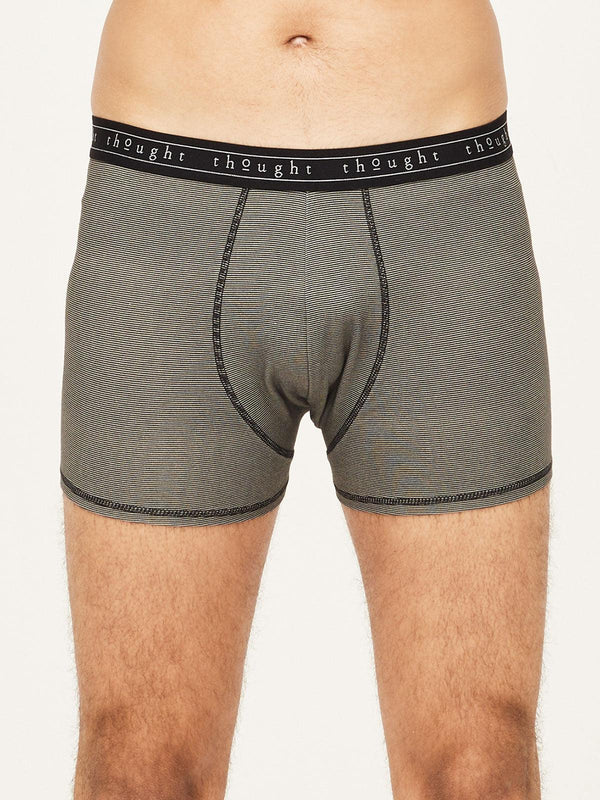
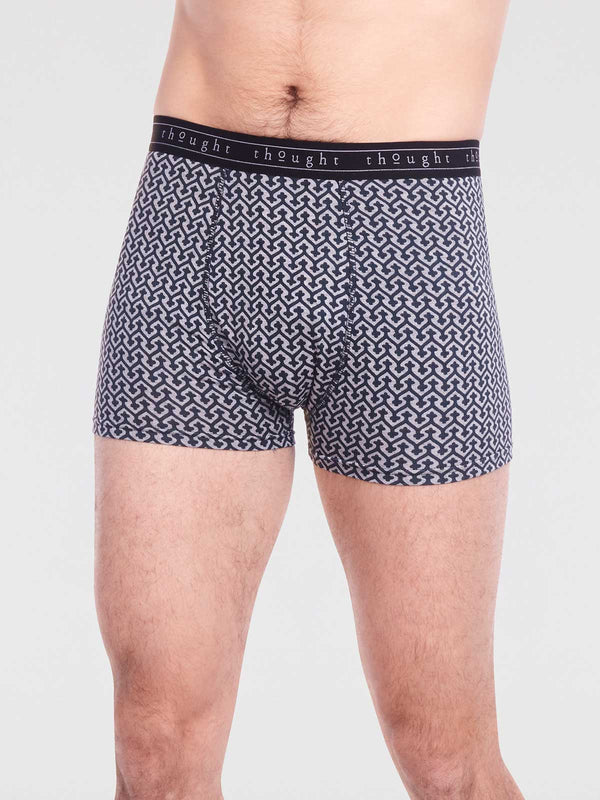
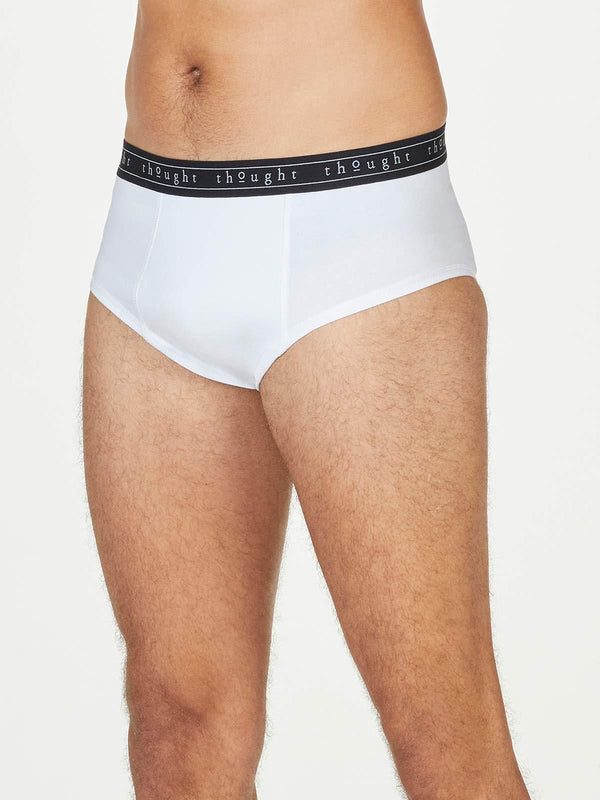
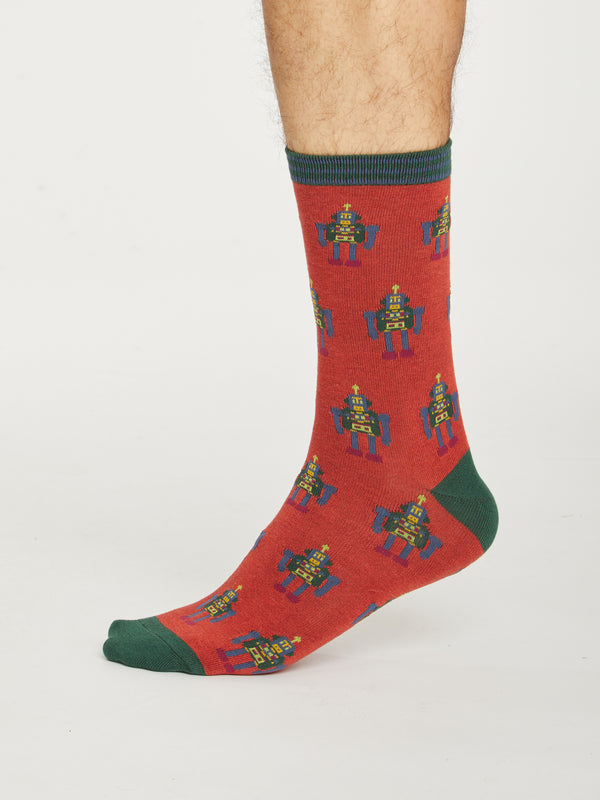
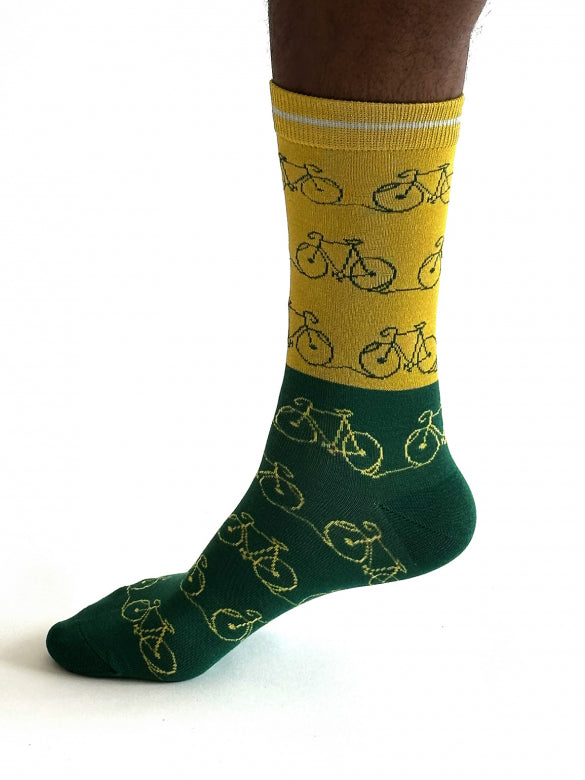
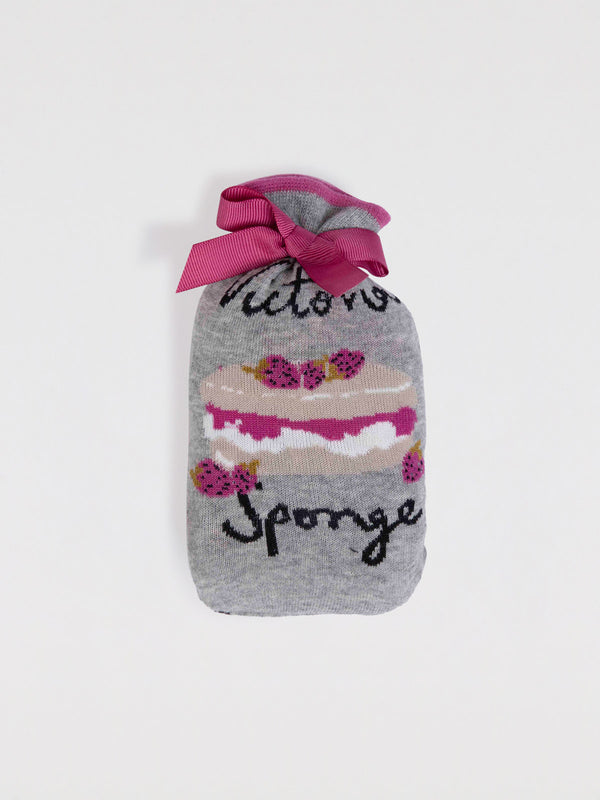
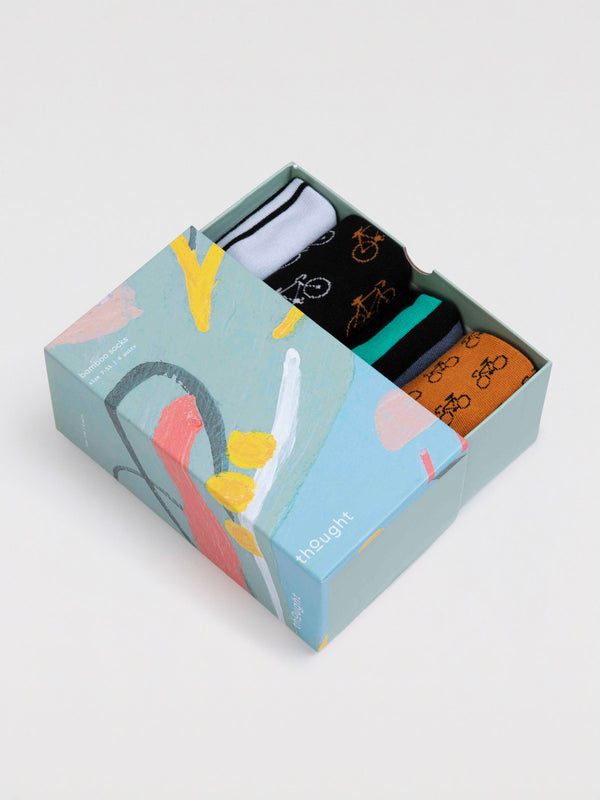
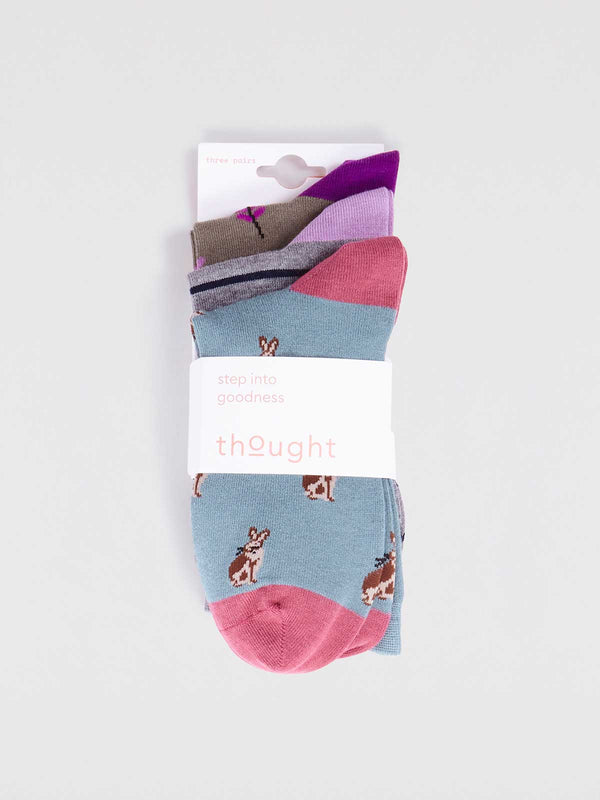
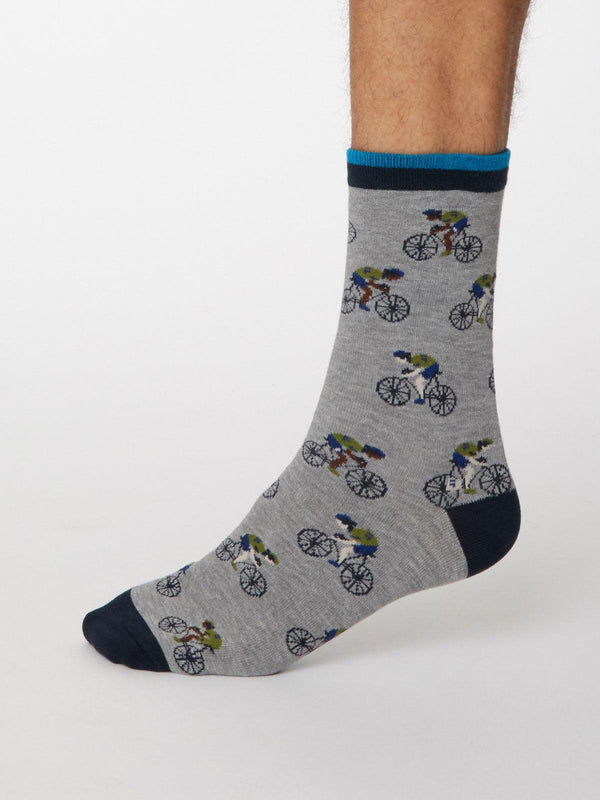
Thought started in Australia in 1995 selling hemp socks from a backpack. Now based in London, the brand makes full collections from bamboo, organic cotton, Tencel, and hemp. Their bamboo jersey basics are a quiet gateway into natural fiber clothing. Nothing flashy, just well-made pieces that replace your fast-fashion rotation one item at a time.

Enter Store

Ecoalf

Madrid, Spain

The first fashion brand made entirely from recycled materials.

Javier Goyeneche founded Ecoalf in Madrid in 2009 to create fashion from ocean waste and recycled materials. Their Upcycling the Oceans project works with fishermen in the Mediterranean to collect plastic waste and turn it into yarn. Jackets, sneakers, and bags that started as discarded fishing nets and plastic bottles. The design language is clean and urban with a distinctly European cut.

Enter Store

About This District

Solarpunk fashion sits at the intersection of botanical futurism and zero-waste design. The aesthetic leans toward earthy tones, flowing silhouettes, and natural textures with an underlying optimism that sets it apart from eco-minimalism. You will see hemp jerseys, plant-dyed cottons, hand-woven fabrics, and garments made from deadstock or upcycled textiles. The key difference from generic sustainable fashion: solarpunk brands embrace color, pattern, and personality. They want clothes that look like they belong in a greenhouse rooftop garden, not a corporate sustainability report.