Mint Districts Food

The Best Specialty Honey Brands for Raw and Varietal Honey

Grocery store honey is usually a blend from multiple countries, filtered to remove all the pollen, and heated to the point where most of the enzymes and antimicrobial compounds have been destroyed. It looks uniform, pours smoothly, and tastes like honey-flavored corn syrup. Specialty honey is the opposite of that. A good varietal honey from a single region will taste different from anything you have had before: tupelo honey has a floral complexity that does not crystallize; wildflower honey shifts in flavor year to year depending on what was blooming; raw orange blossom has a brightness that processed versions cannot replicate. These six brands take honey seriously.

Food · 6 Brands

The Specialty Honey District

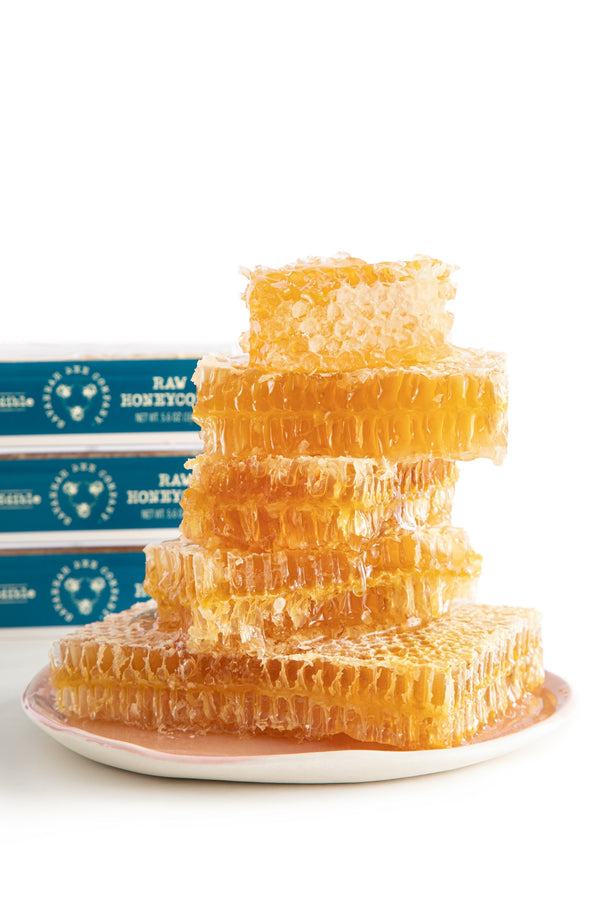
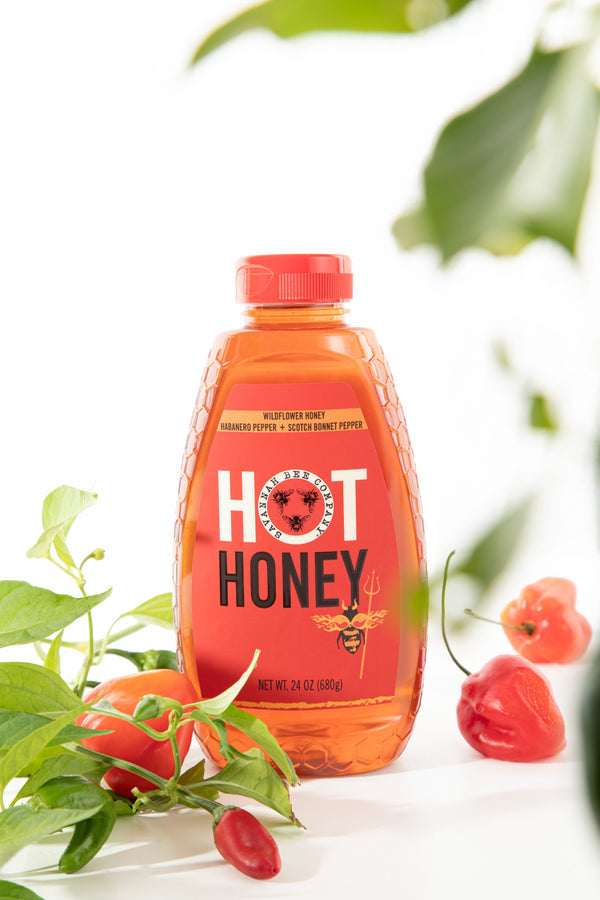
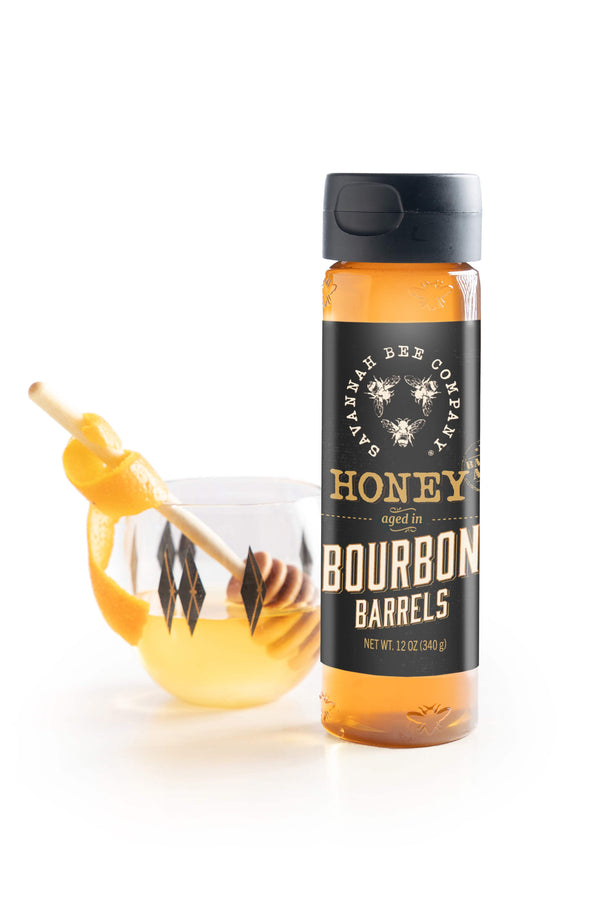
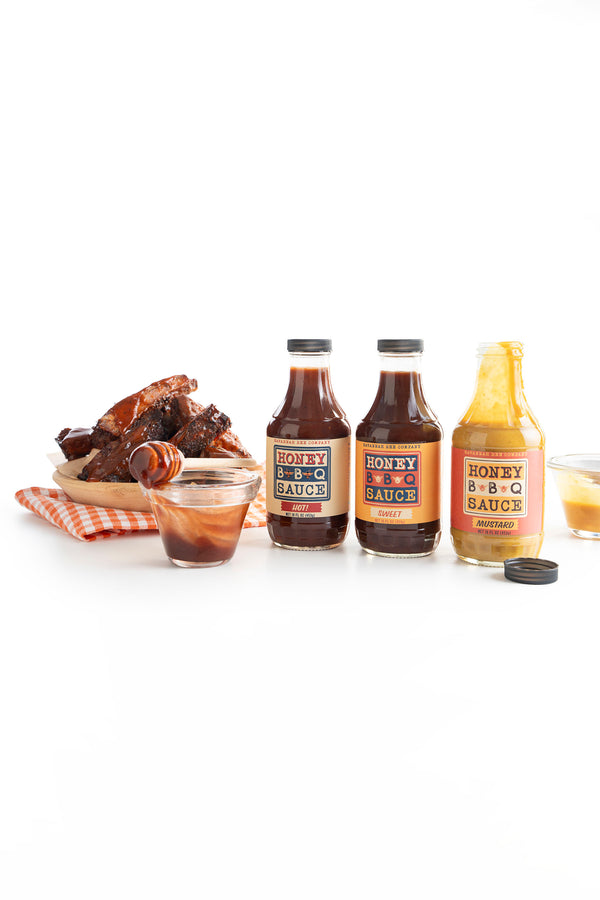
Savannah Bee Company

Savannah, GA

Rare varietal honeys from a Georgia apiary obsessed with sourwood tupelo

Started by a beekeeper in Savannah who became genuinely obsessed with sourwood honey, the brand grew into one of the more serious honey companies in the US. Rare varietals like tupelo and orange blossom are sourced with the attention a sommelier gives to vineyard selection.
Enter Store

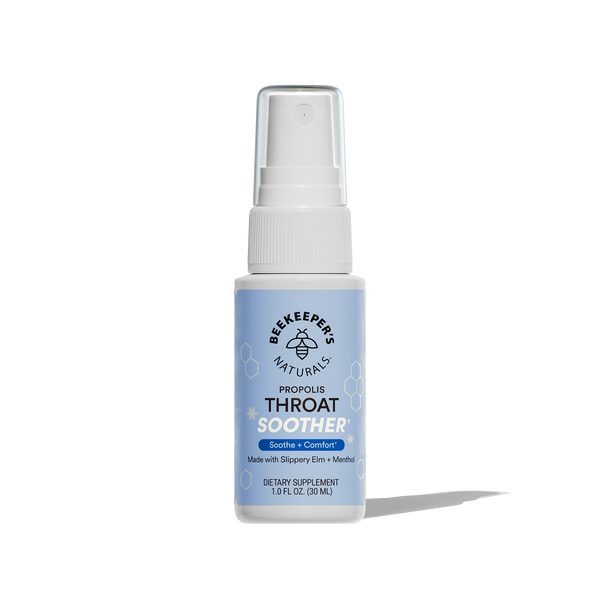
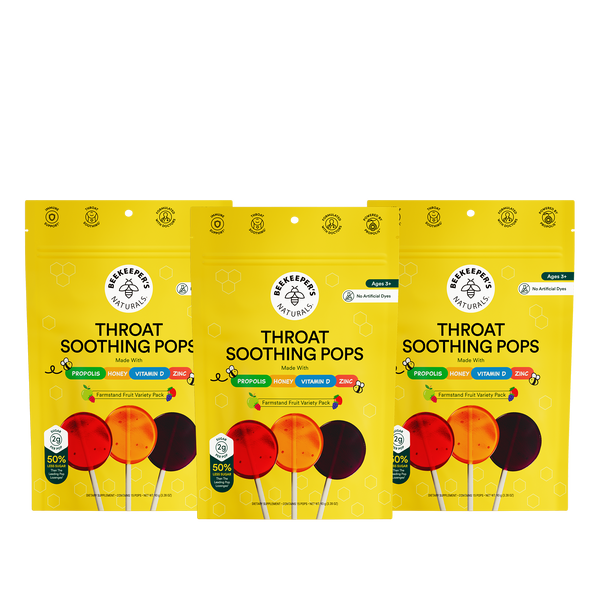
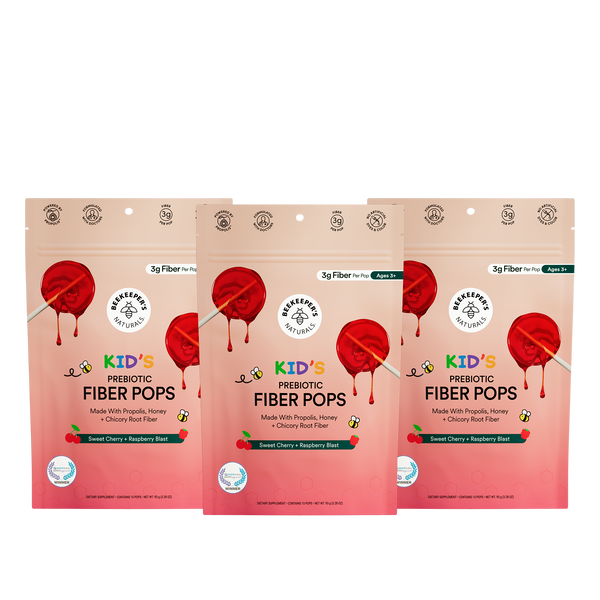
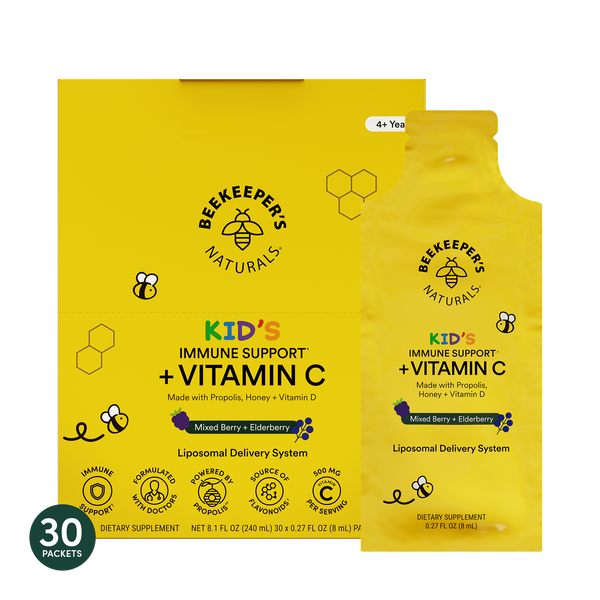
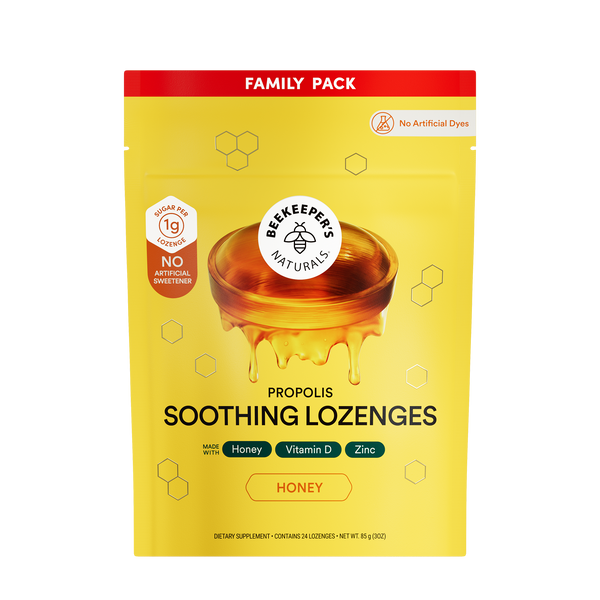
Beekeeper's Naturals

Raw honey and bee-derived products backed by actual clinical research

Founder Carly Stein started consuming propolis to fight a chronic strep infection and became convinced the beehive was a medicine cabinet the world was underusing. The brand built its line around raw honey, royal jelly, and propolis, citing specific studies rather than vague wellness claims.

Enter Store

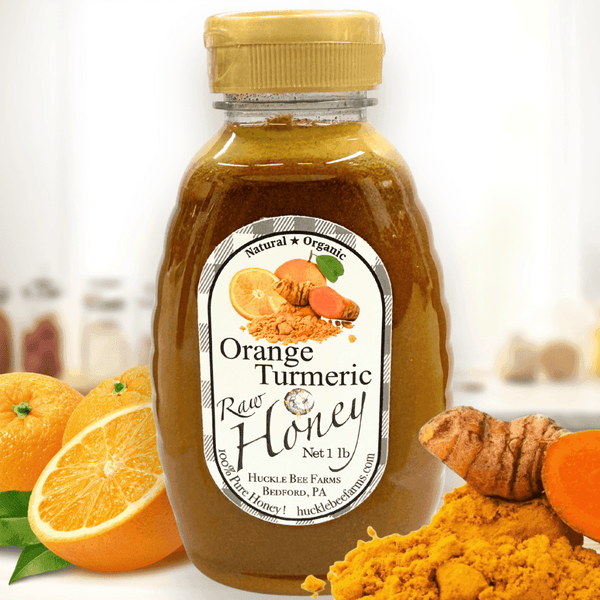
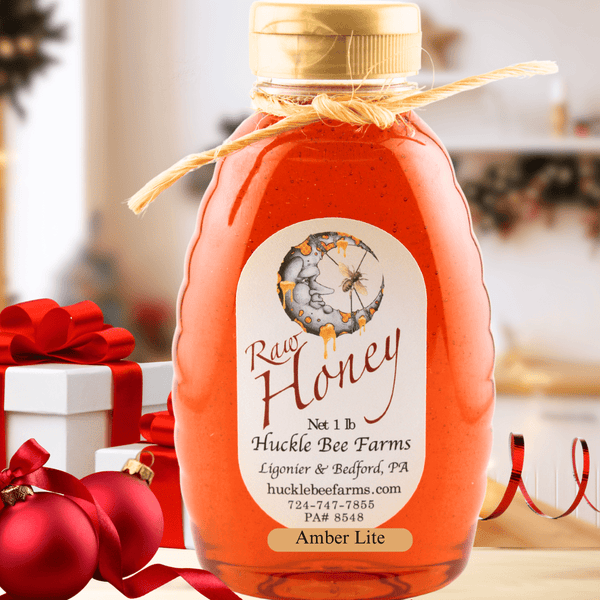
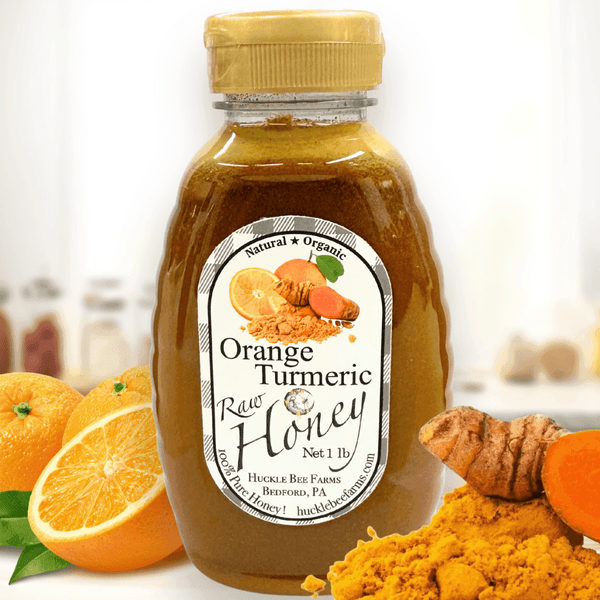
Huckle Bee Farms

Tennessee

Small-batch raw honey from a Tennessee family farm operating since 1979

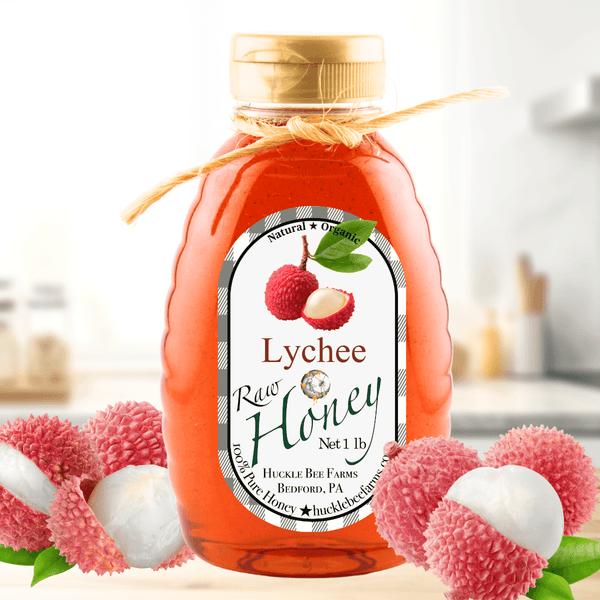
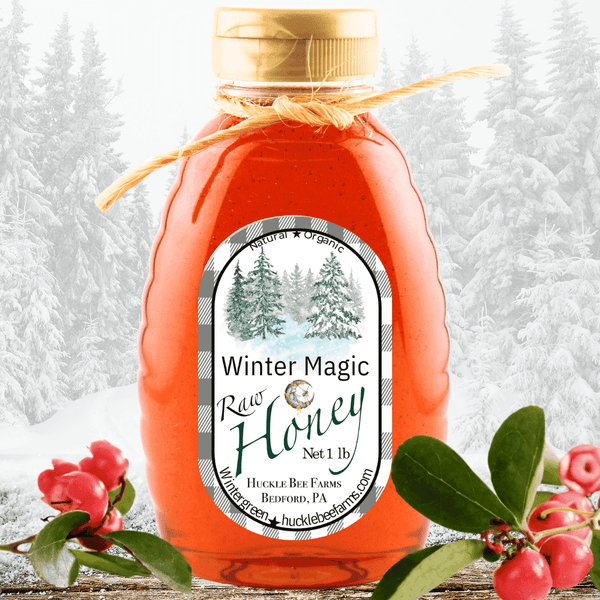
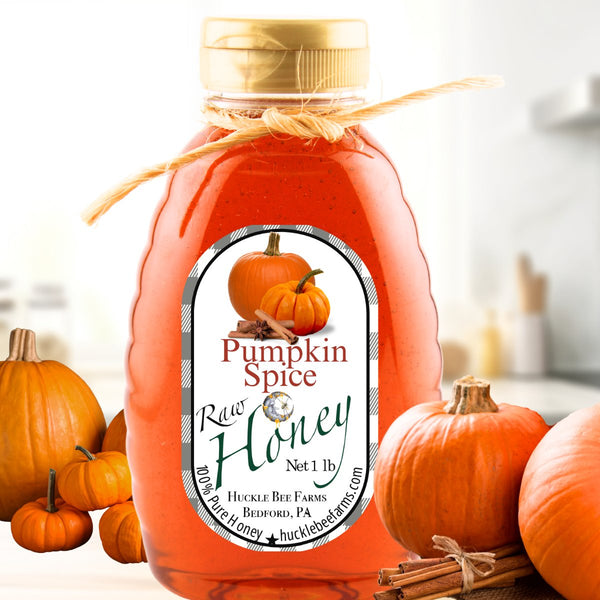
The same farm. The same hives. The same family, for over forty years. Huckle Bee Farms extracts each batch without heat treatment to preserve the full spectrum of enzymes and pollen, and the consistency of single-farm sourcing means the honey tastes like something specific rather than something average.

Enter Store

Little Bee of Connecticut

Connecticut

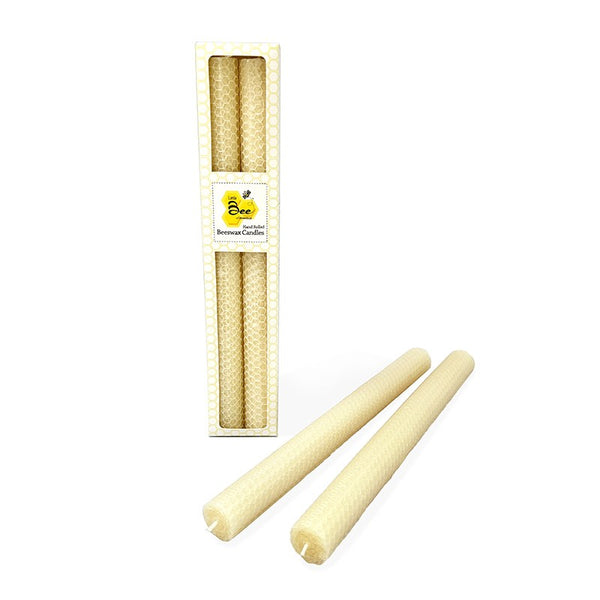
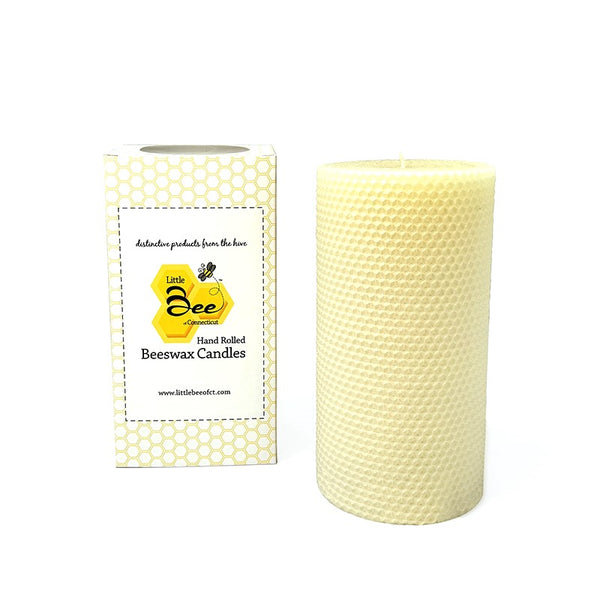
Single-source honey and hand-rolled beeswax products from New England hives

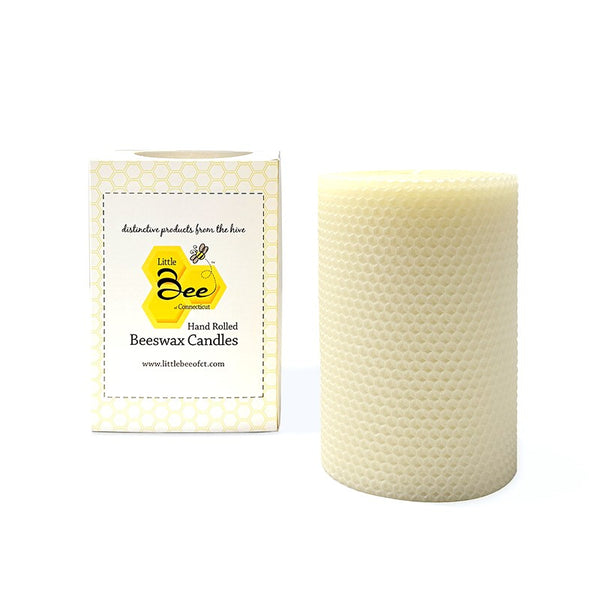
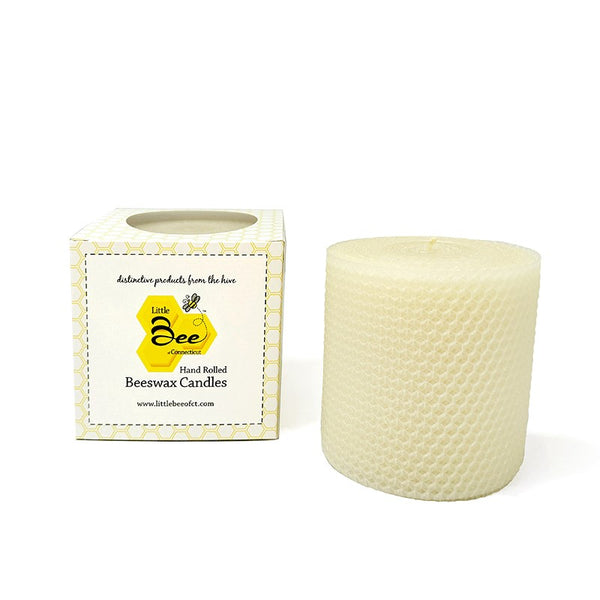
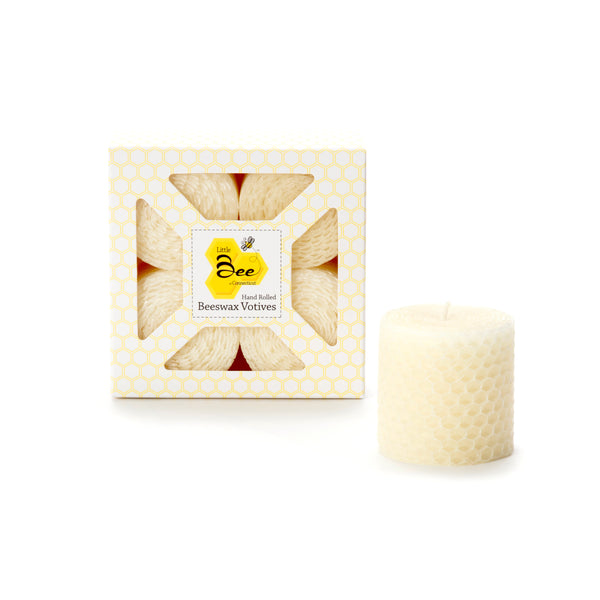
Run by a beekeeper who splits time between managing hives and hand-rolling beeswax candles, Little Bee of Connecticut is genuinely vertically integrated. The honey and the beeswax products come from the same hives, which gives a rare degree of transparency about what is actually in the jar.

Enter Store

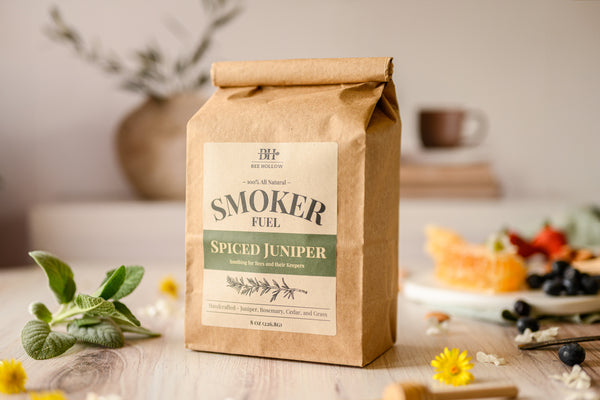
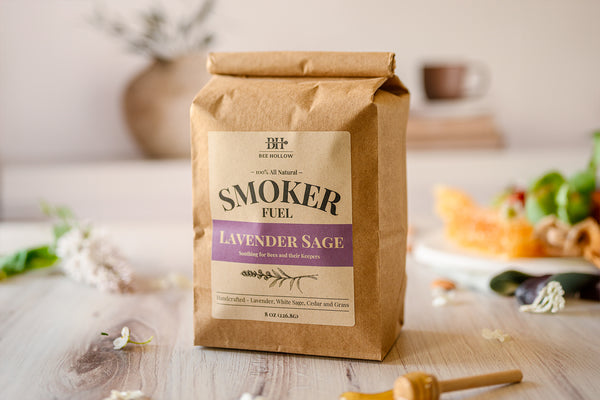
Bee Hollow Farm

Raw wildflower honey from a farm that treats terroir as seriously as any winery

Bee Hollow approaches honey production with the same terroir-consciousness that good winemakers apply to their grapes. Their wildflower honey shifts in character year to year based on what is blooming around the hives, making each harvest a genuinely different product rather than a standardized one.

Enter Store

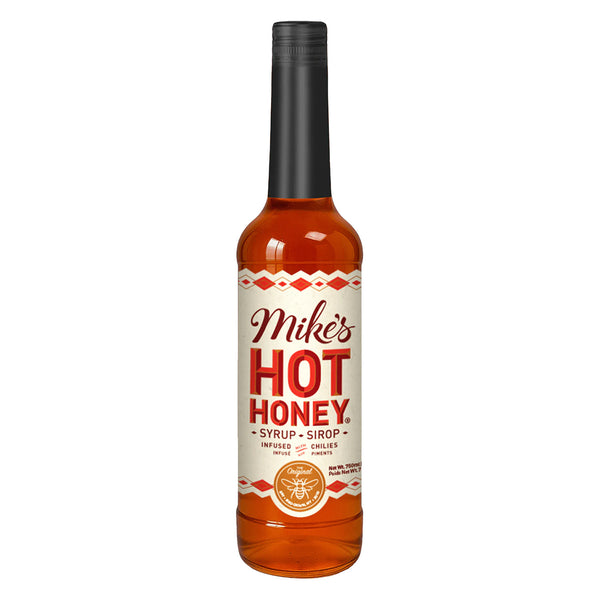
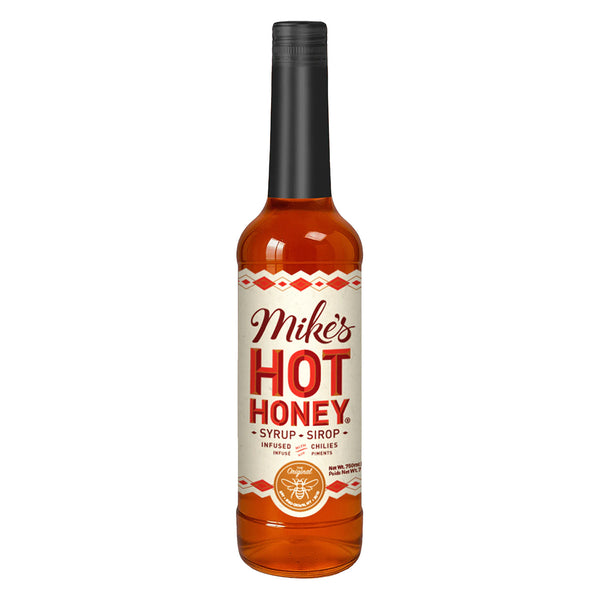
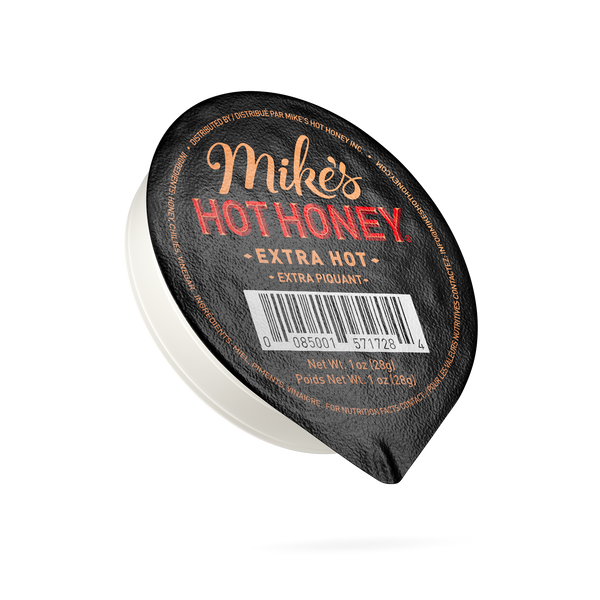
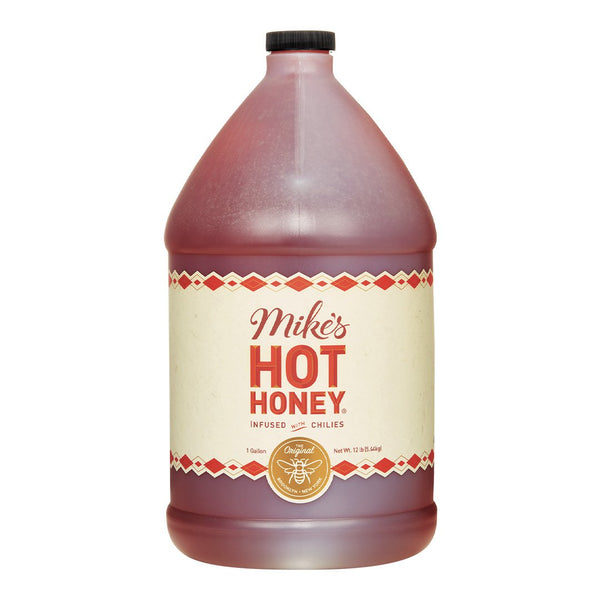
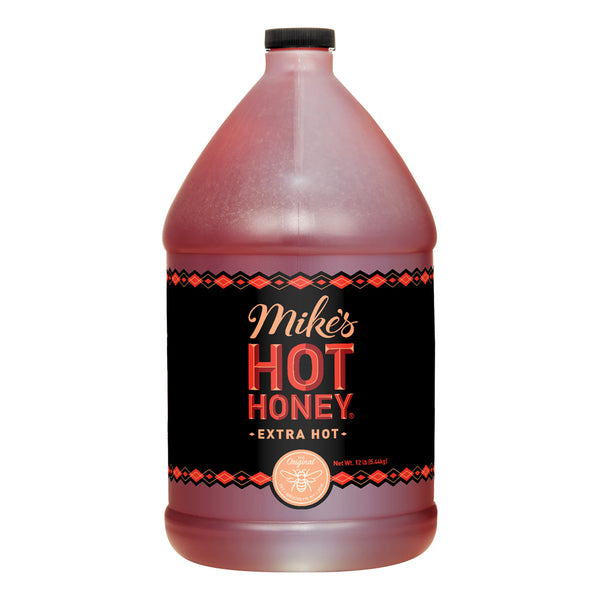
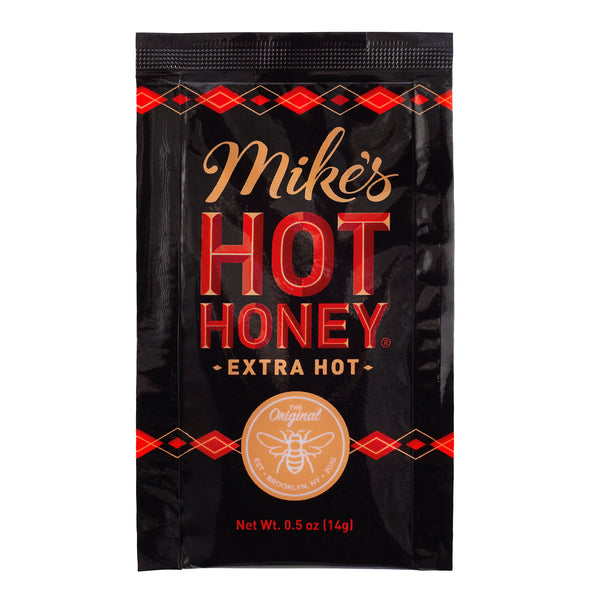
Mike's Hot Honey

Brooklyn, NY

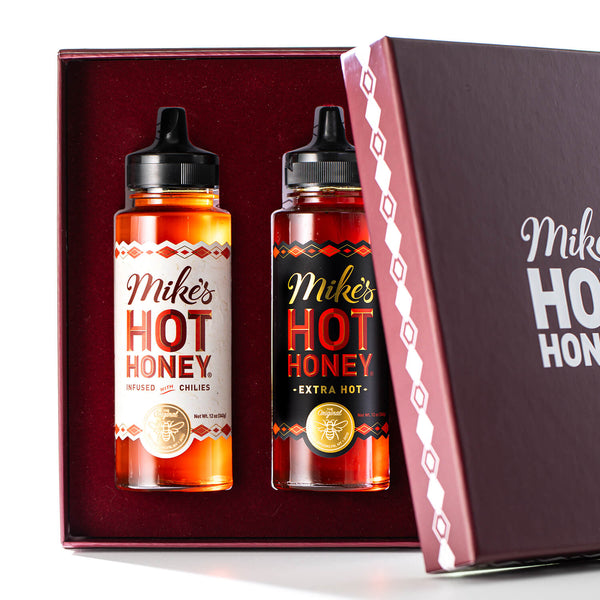
Chili-infused raw honey that changed how American kitchens think about heat

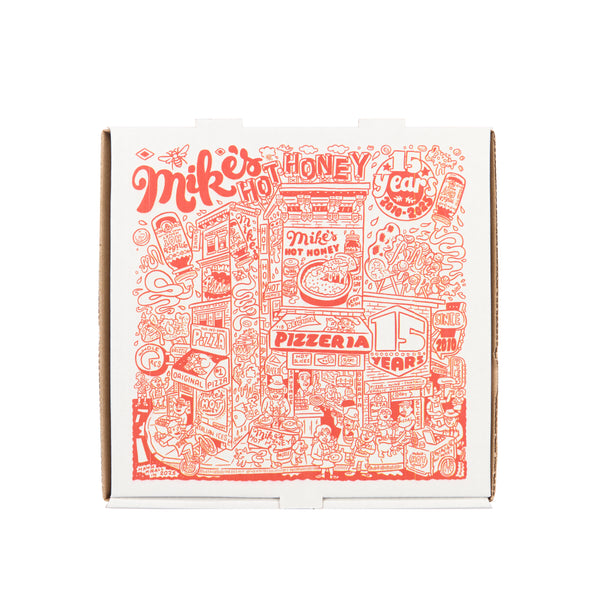
A Brooklyn pizza shop worker named Mike Kurtz started infusing honey with chilis after seeing local beekeepers in Brazil do something similar. What started as a condiment for restaurant co-workers in 2010 became a category-defining product that now appears on menus and in home kitchens nationwide.

Enter Store

About This District

Understanding specialty honey requires a few baseline concepts that most grocery store labels skip entirely. Raw vs. processed: raw honey is extracted from the comb without heating above hive temperature, which preserves naturally occurring enzymes, pollen, and antimicrobial compounds. Processed honey is heated and filtered to extend shelf life and create a uniform appearance. The flavor difference is real and significant, especially for delicate varietals. Varietal honey: like wine, honey expresses the character of its source. Bees that forage primarily on one flower type produce varietal or monofloral honey with a distinct flavor profile. Tupelo honey from the Apalachicola River region is widely considered the benchmark for complexity. Manuka from New Zealand carries the strongest body of clinical research on antimicrobial properties. Orange blossom, acacia, and buckwheat each have their own distinct character and best uses. Crystallization is not a defect. Raw honey naturally crystallizes over time as glucose separates from the solution. It is a sign the honey is unprocessed. To reliquefy it, place the jar in warm water around 95 degrees Fahrenheit, which is close to hive temperature, and it will slowly return to liquid without damaging the beneficial compounds. Honey pairing, like cheese pairing, is a real thing. Mild floral honeys like acacia work well with soft cheeses and fresh fruit. Robust honeys like buckwheat or chestnut hold up against aged cheeses, dark bread, and red meat. Hot honey, infused with chili, has become a kitchen staple that works across pizza, fried chicken, cocktails, and roasted vegetables.