Mint Districts Fashion

Sustainable Denim Brands Making Jeans Worth Keeping for More Than a Season

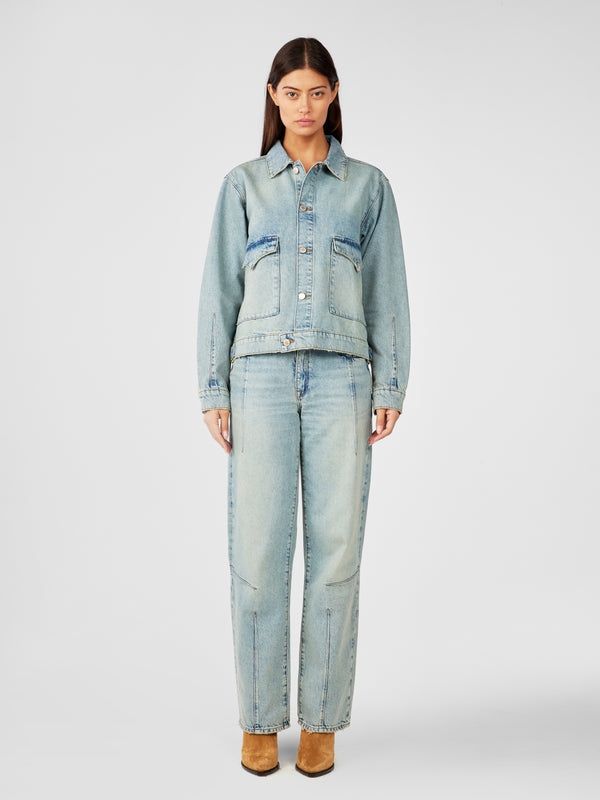
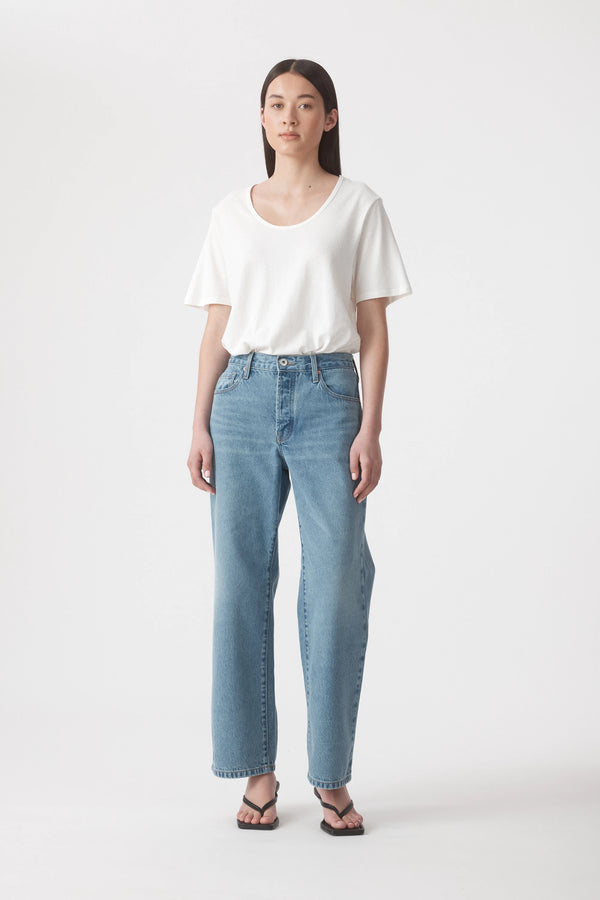
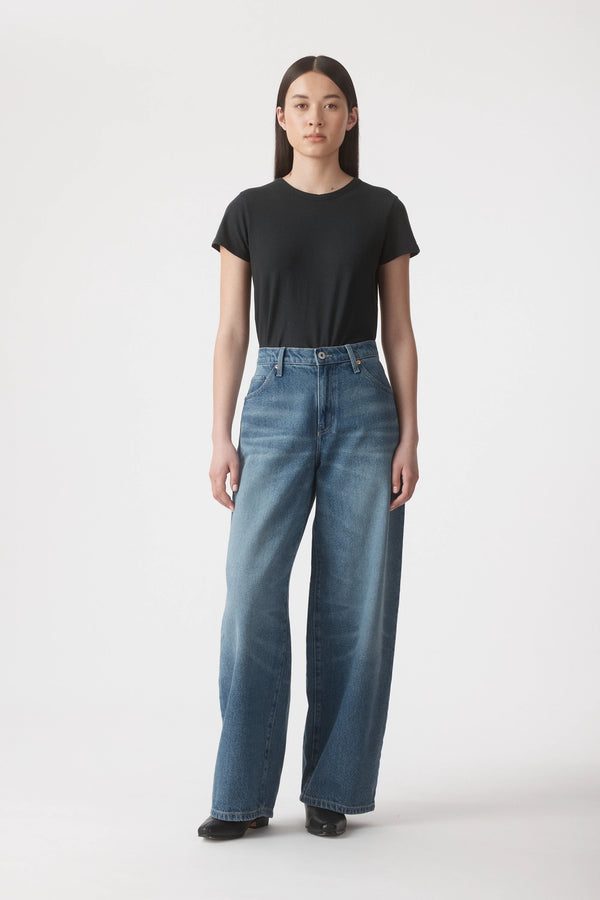
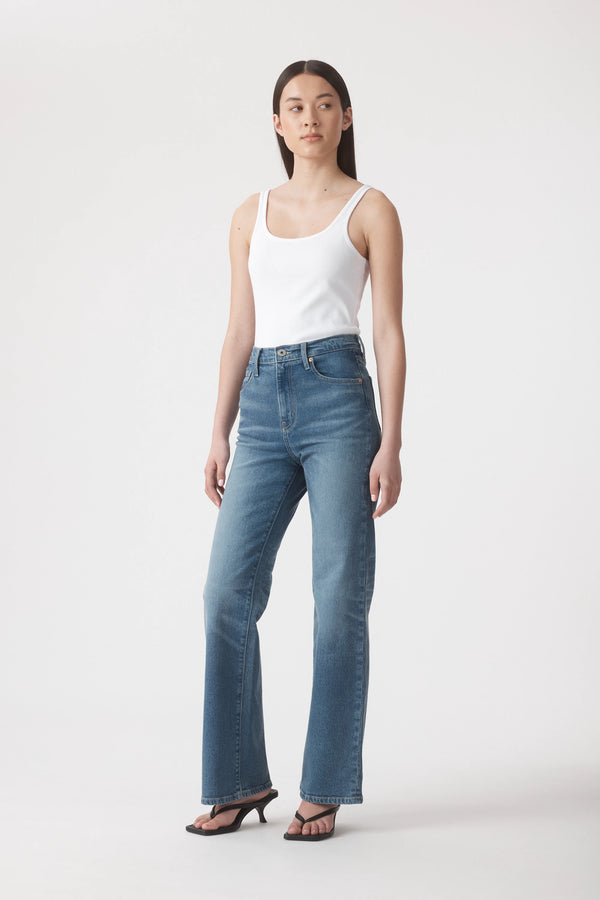
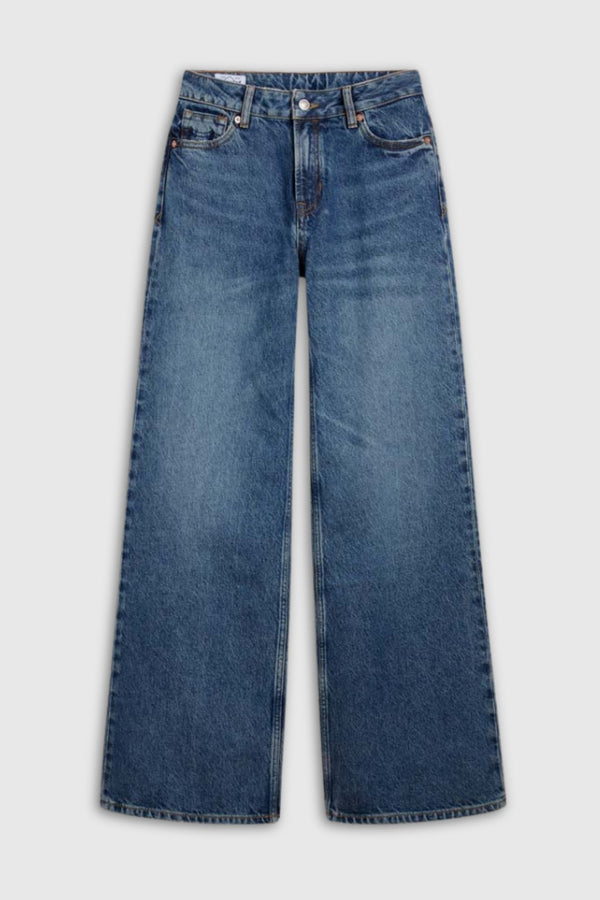
Denim is one of fashion's most water-intensive, chemically dependent, and environmentally costly products. A single pair of conventional jeans uses an estimated 1,500 gallons of water in production. That is the problem every brand in this district is genuinely working on, each with a different approach. Some use recycled cotton and circular lease-back programs. Others use low-impact dyeing, organic cotton, or closed-loop production systems. None of them are perfect, but all of them are meaningfully better than the alternatives. If you are ready to invest in jeans that cost more and last longer, these are the brands worth understanding first.

Fashion · 6 Brands

The Sustainable Denim District

Triarchy

Toronto, ON

Water-efficient denim using ozone technology and responsible Candiani cotton sourcing.

Siblings from Toronto launched this brand with one specific goal: cut the water footprint of making jeans by 80 percent. They achieve it through ozone washing technology, Tencel blends, and partnerships with Candiani denim, one of the most credible sustainable mills in Italy. The result is a pair of jeans with a measurably smaller environmental footprint and a silhouette that competes on its own terms.
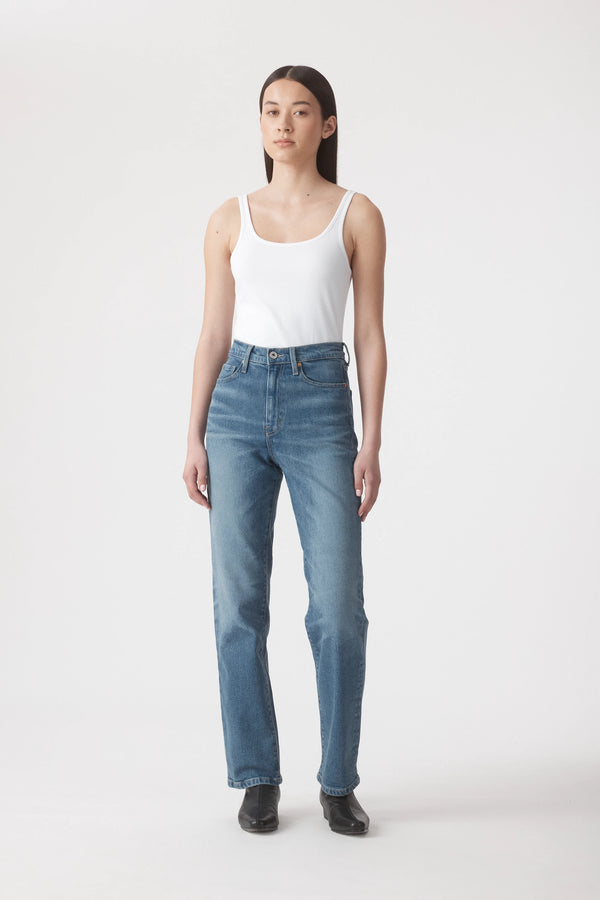
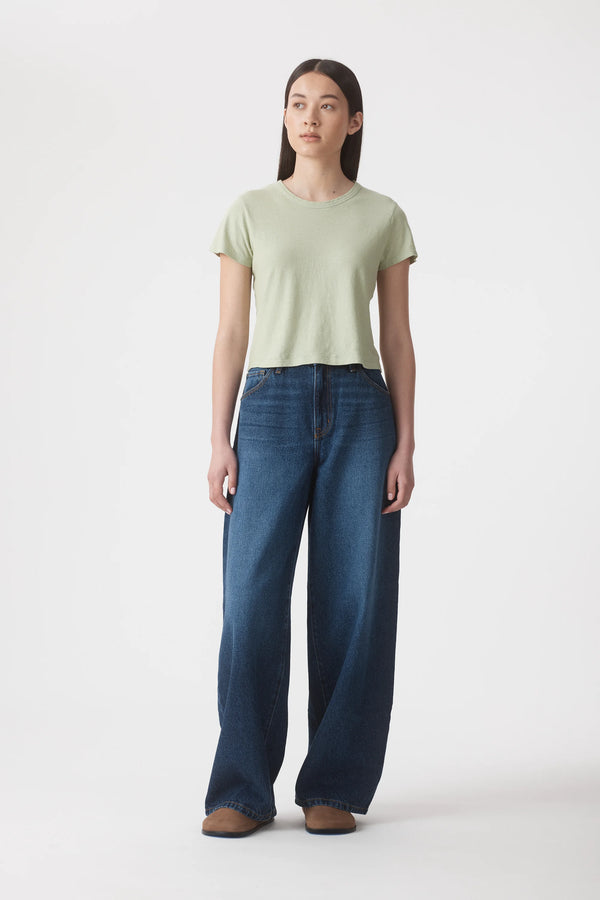
Enter Store

Outland Denim

Brisbane, Australia

Ethical jeans made by women paid fair wages in developing communities worldwide.

Built around the belief that who makes the clothes matters as much as what they are made from. Outland Denim employs women who have survived trafficking and exploitation, paying above fair-trade wages for certified organic cotton jeans with construction quality that backs up the mission over years of wear.

Enter Store

ETICA Denim

Los Angeles, CA

Organic cotton jeans from a women-led brand using Candiani's responsible denim.

A fashion industry veteran started this label after deciding that ethical jeans did not have to mean sacrificing fit or silhouette. Working with Candiani denim and a mix of organic cotton, recycled materials, and low-impact dyes, the brand stays genuinely competitive against conventional denim on the things that actually determine whether jeans get worn.

Enter Store

MUD Jeans

Netherlands

The original lease-a-jean brand, making circular denim a real product model.

The lease-a-jean concept was pioneered here. Pay a monthly fee to wear jeans, return them when you are done, and the brand recycles the denim into new fabric. It is circular economy thinking applied to a product that usually ends its life in a landfill, and MUD Jeans has been running the model long enough to prove it actually works.

Enter Store

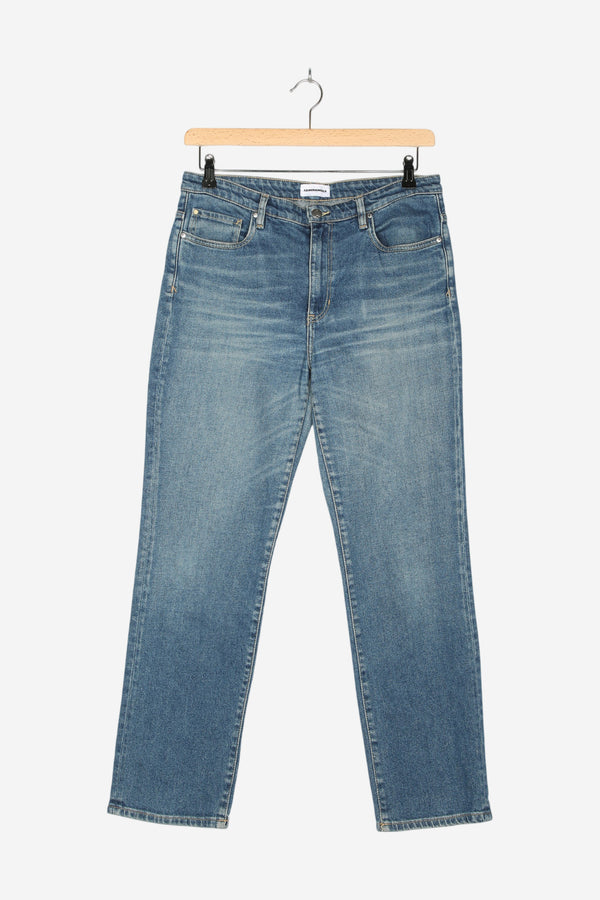
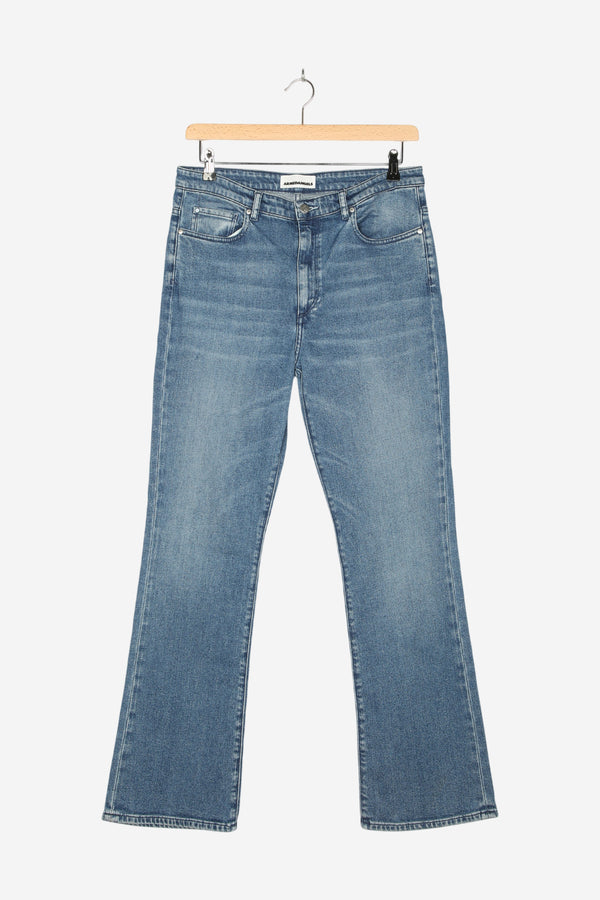
ARMEDANGELS

Cologne, Germany

Ethical German basics brand making sustainable denim with published impact data.

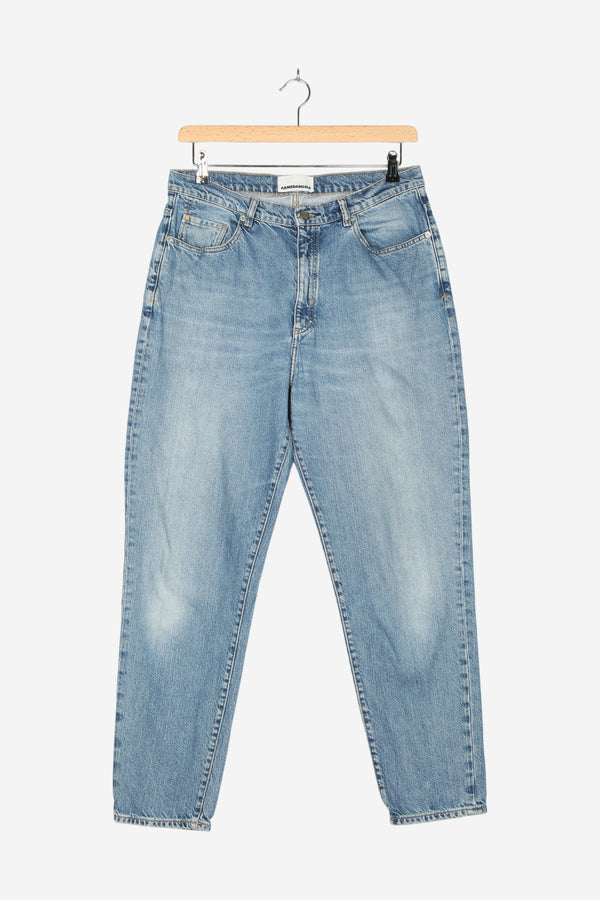
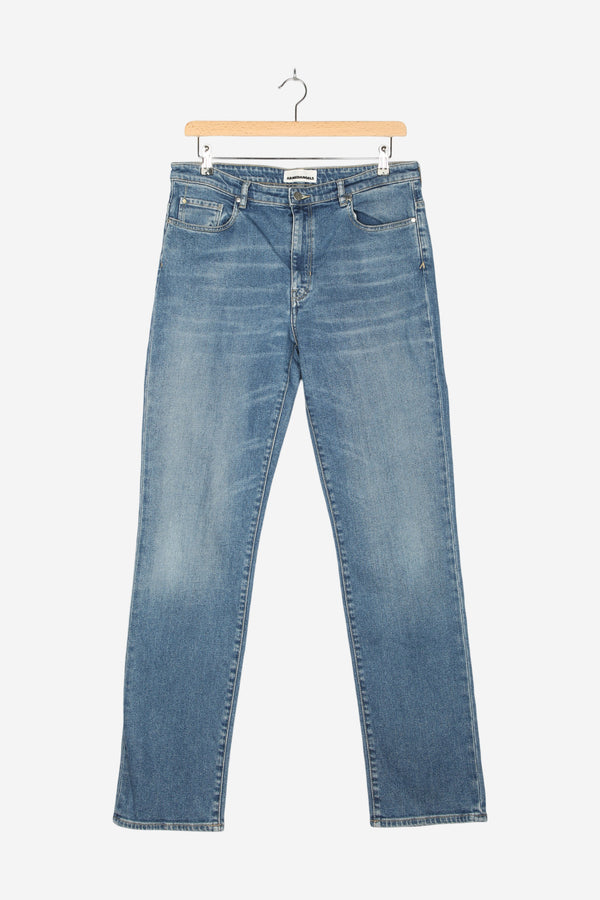
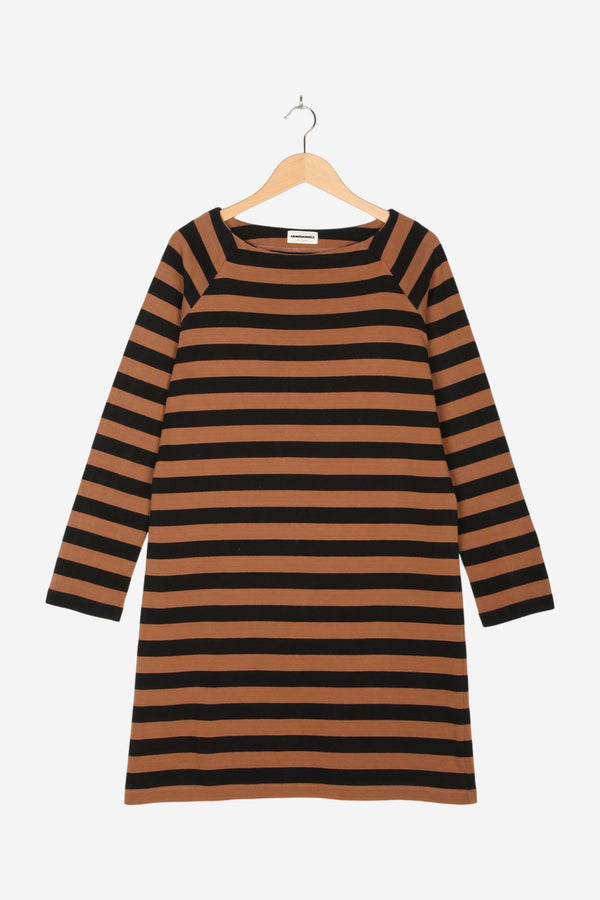
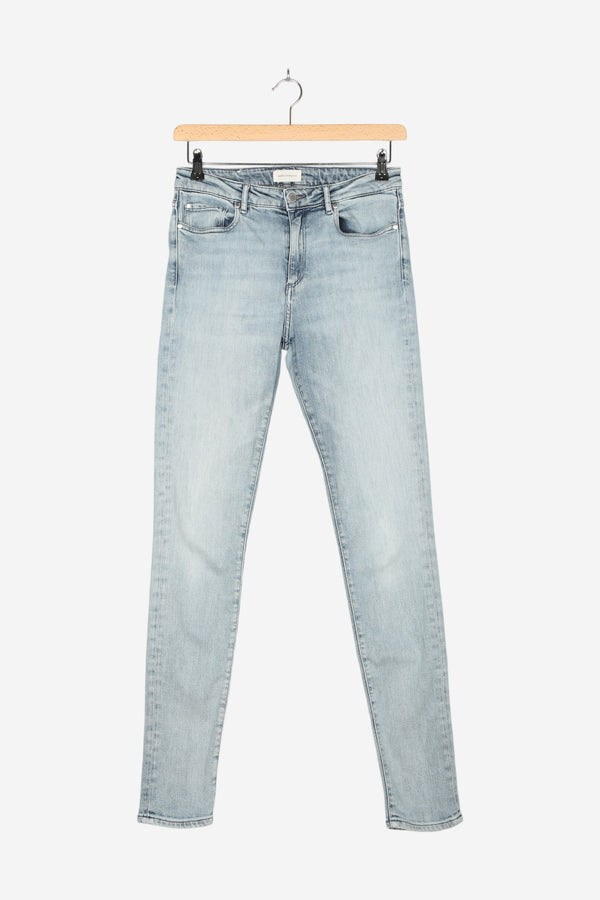
Founded in Cologne with a commitment to timeless, durable design and backed with hard numbers. The brand publishes specific emissions and water usage data per garment, making it easier to hold them accountable than most labels that make similar claims without the supporting figures.

Enter Store

Kings of Indigo

Amsterdam, Netherlands

Amsterdam denim with organic cotton, recycled fibers, and credible design chops.

Launched in Amsterdam with the goal of proving that sustainable denim does not have to look like an ethical compromise. Kings of Indigo uses organic cotton, TENCEL, and recycled materials, combining genuine sustainability credentials with fits that actually compete in the broader market on their own merits.

Enter Store

About This District

Sustainable denim is a broad category that benefits from specifics. There are a few things worth understanding before you buy. Material matters. Organic cotton eliminates pesticide use but still requires significant water. Recycled cotton is more water-efficient but can compromise fabric strength if the percentage is too high. Tencel and lyocell blends improve both drape and environmental profile. Brands like ETICA and Triarchy both work with Candiani denim, an Italian mill with credible sustainability practices, which is worth noting when comparing options. Wash process is where most denim's environmental damage actually happens. Look for brands that use ozone washing, laser finishing, or closed-loop water systems. MUD Jeans and ARMEDANGELS both publish specific data on water usage per pair, which is more trustworthy than vague sustainability language. Fit and longevity are environmental decisions too. A pair of jeans that fits well and holds up over years beats a technically sustainable pair you replace in 18 months. Outland Denim is particularly strong on construction quality. Nudie Jeans built their entire brand around free lifetime repairs, which extends useful life significantly and is one of the most practical sustainability commitments in the category. If you are new to sustainable denim, start with one pair at a price you can genuinely commit to. Sustainable denim earns loyalty through the wearing, not just the buying.