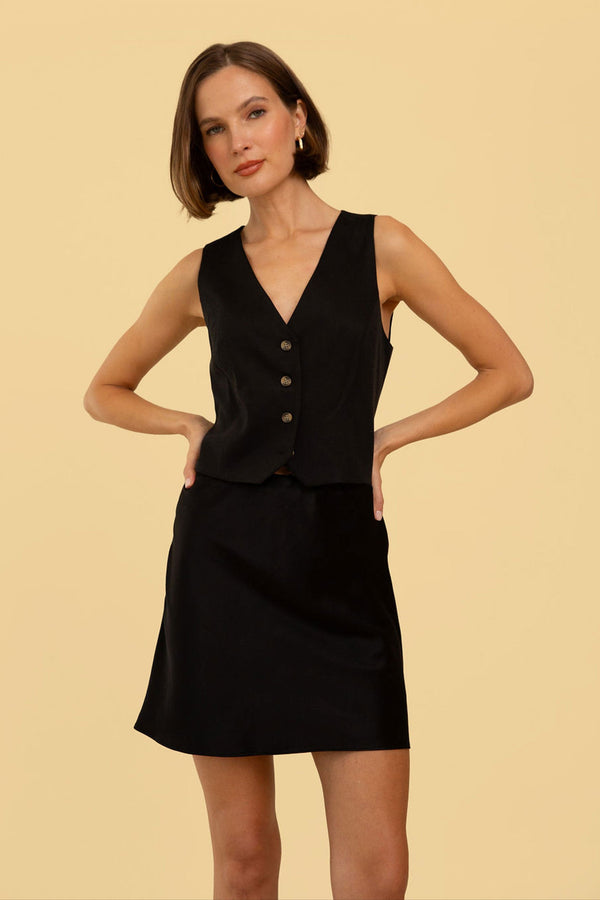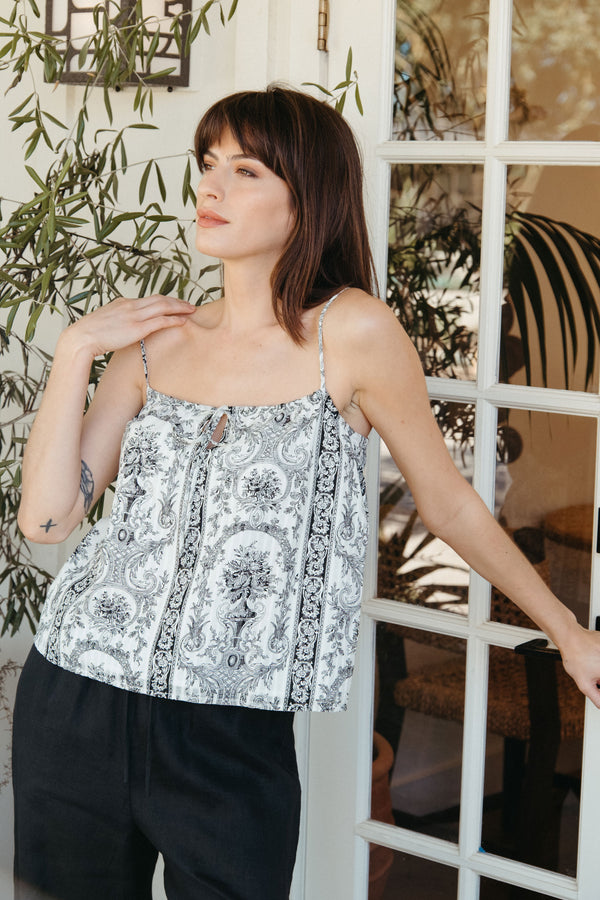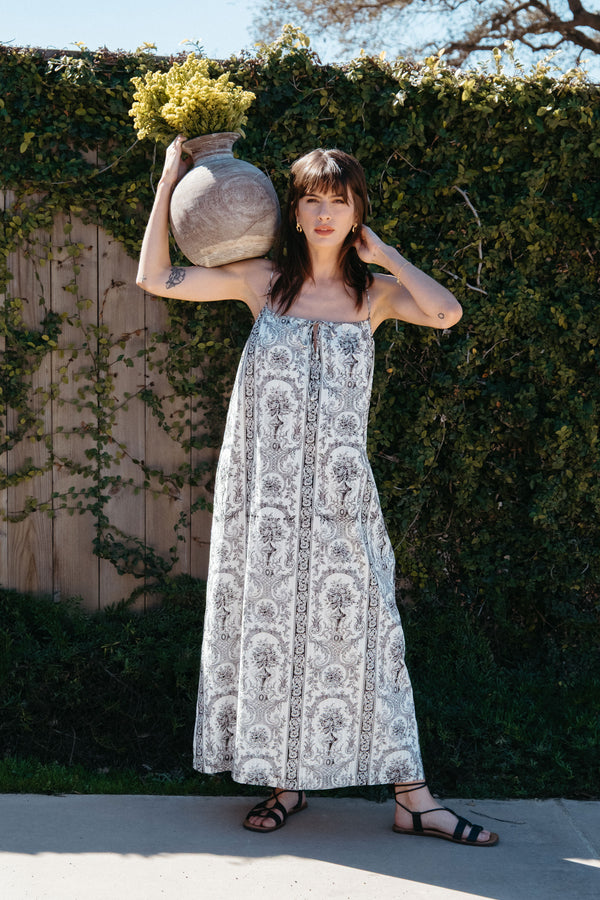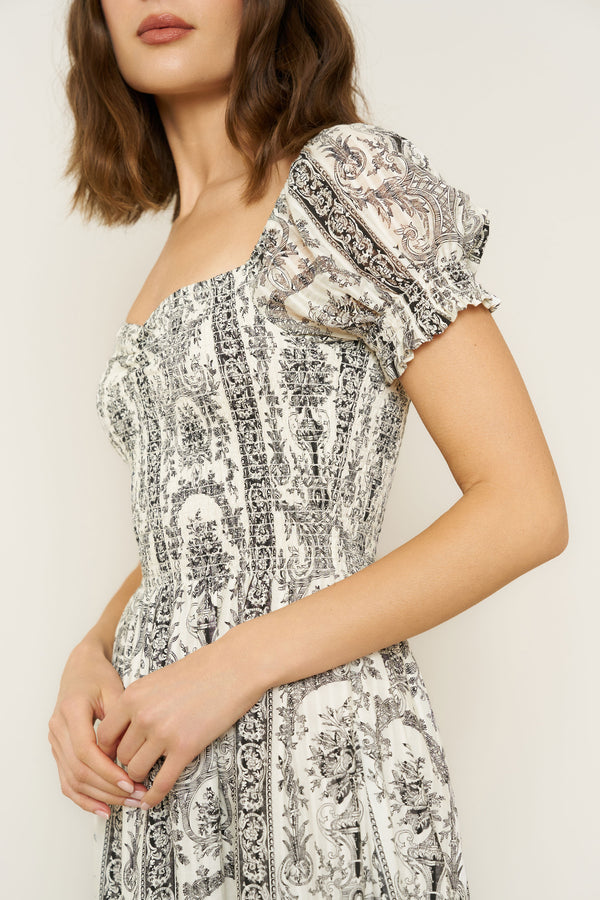
Mint Districts Fashion

Best Tencel Lyocell Natural Fiber Clothing Brands DTC Independent

Tencel lyocell solved a problem that cotton, polyester, and even linen each failed to fully solve: a fabric that is genuinely breathable, naturally moisture-wicking, drapes beautifully, and comes from a genuinely closed-loop production process using eucalyptus pulp from certified forests. It is not perfect: it wrinkles, it can pill in rough blends, and "Tencel" has been applied loosely to products that are mostly generic lyocell. The brands here take the fiber seriously, building their collections around it rather than sprinkling a percentage in to justify sustainability marketing. If breathable, low-impact basics that actually hold their shape matter to you, these are the places to start.

Fashion · 6 Brands

The Natural Fiber District

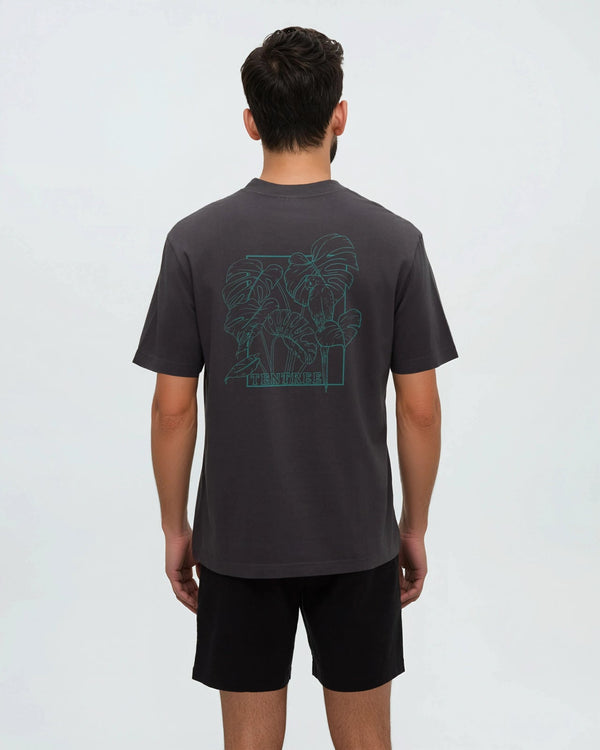
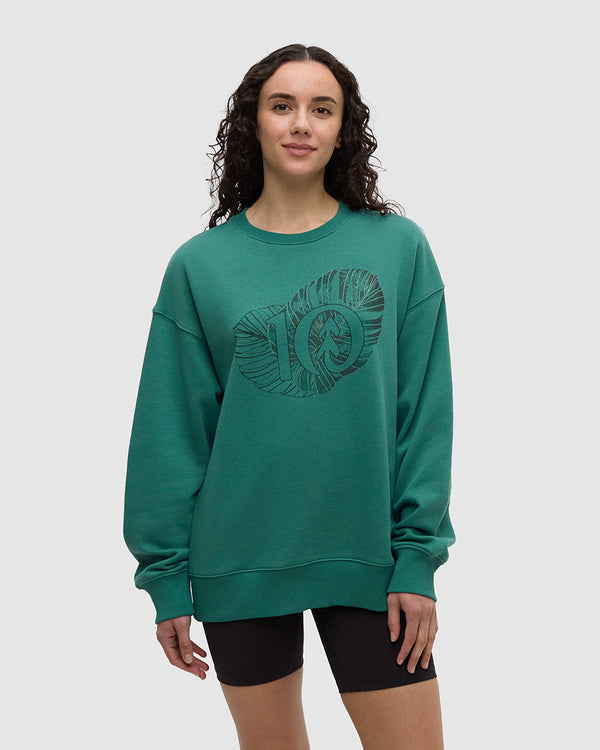
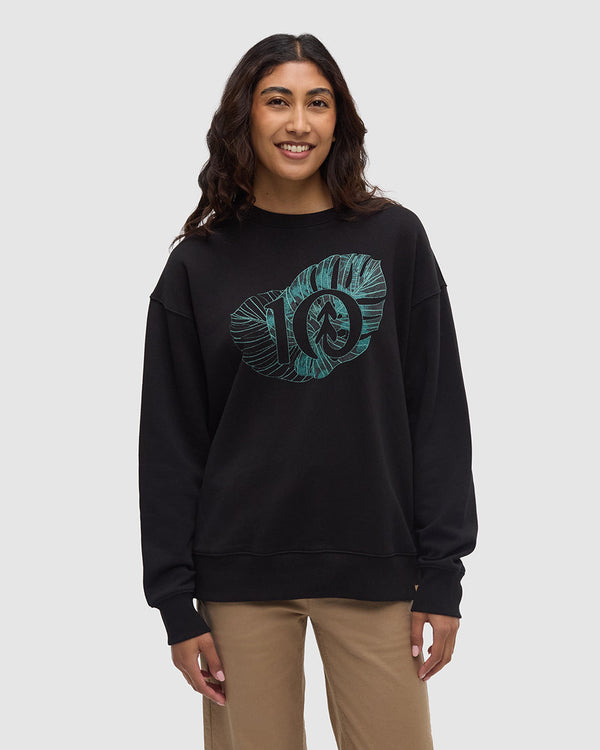
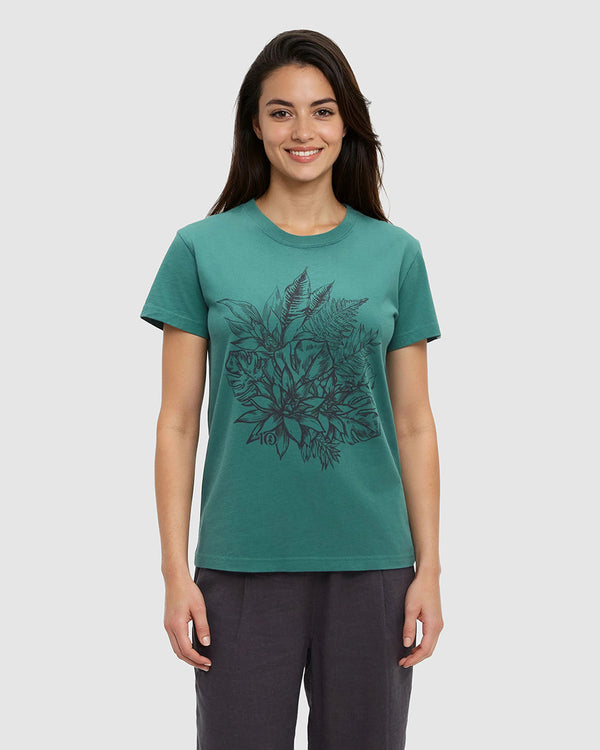
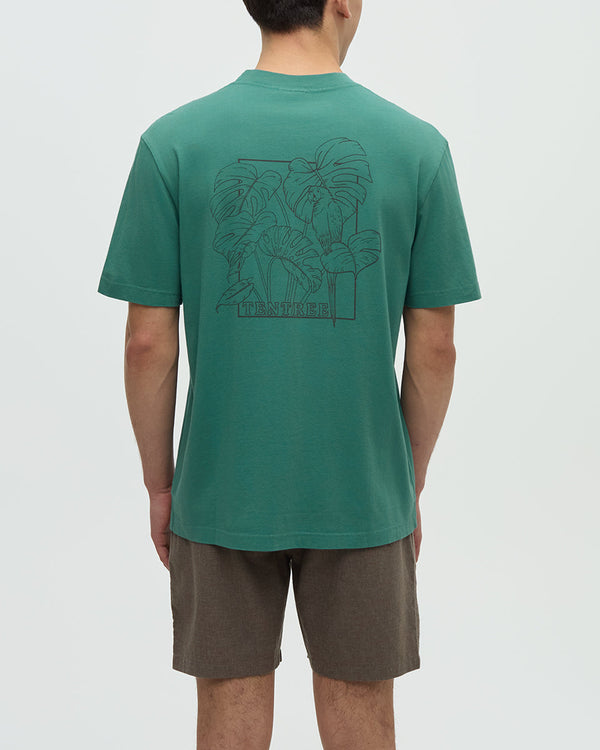
tentree

Vancouver, Canada

Earth-first apparel in Tencel, organic cotton, and hemp, with ten trees per purchase.

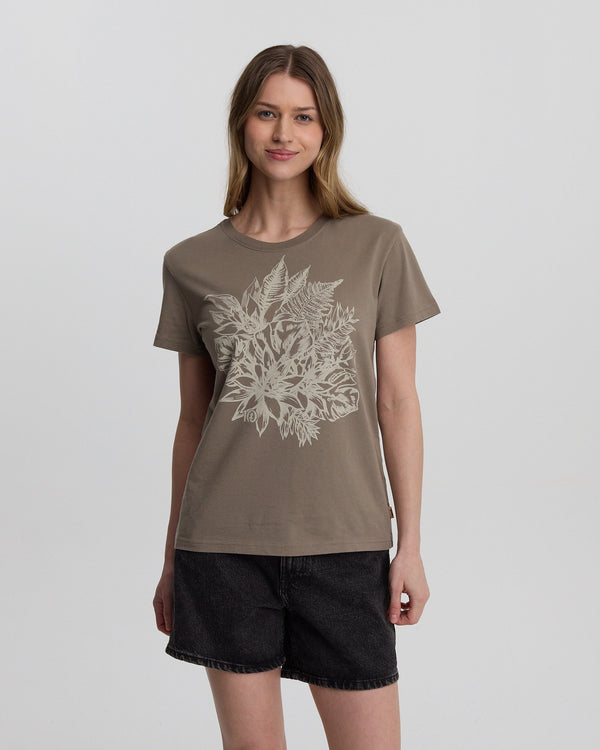
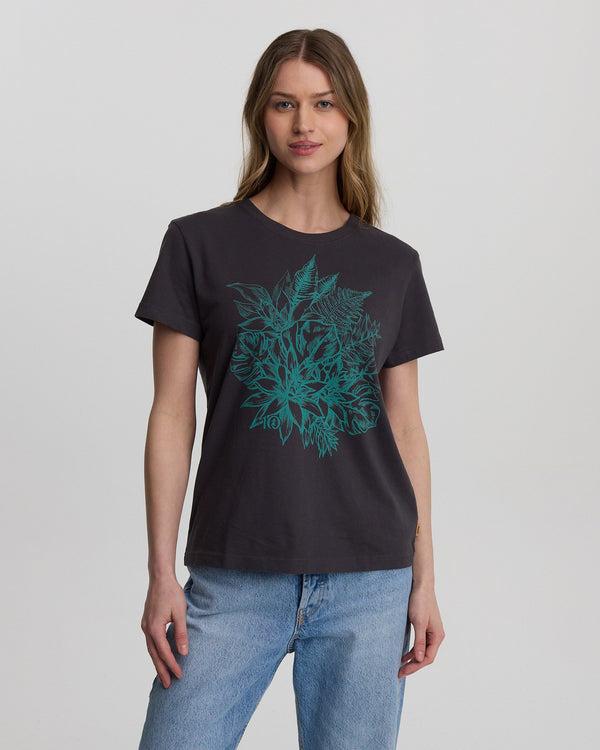
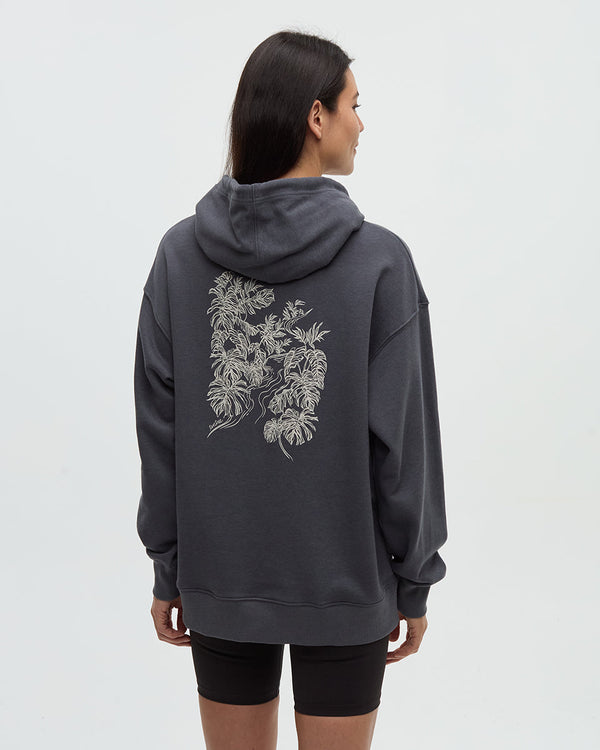
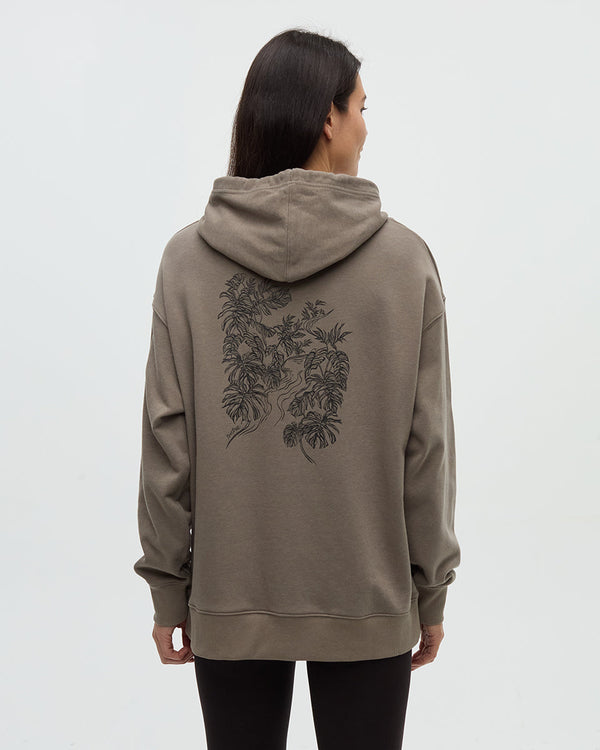
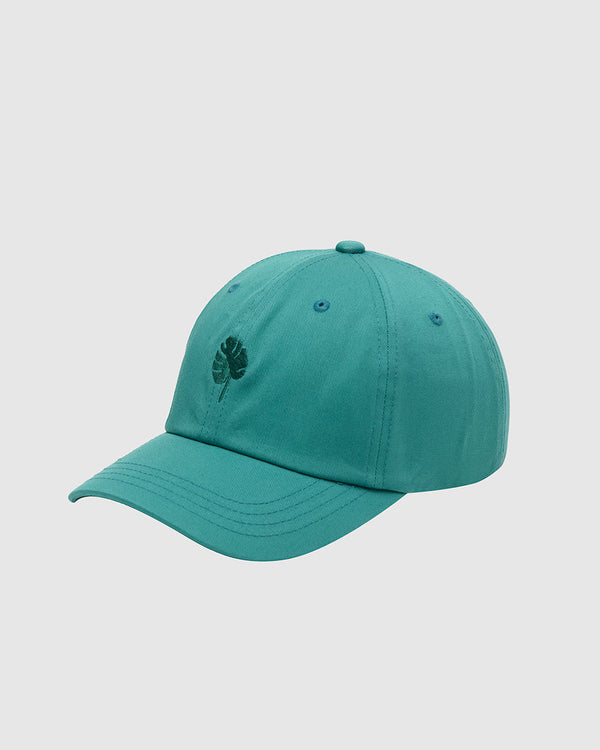
Named for their ten-trees-planted-per-item commitment, tentree built one of the largest sustainable basics ranges in Tencel and organic cotton. They are a certified B Corp with clear material traceability, which is not common at this production volume.
Enter Store

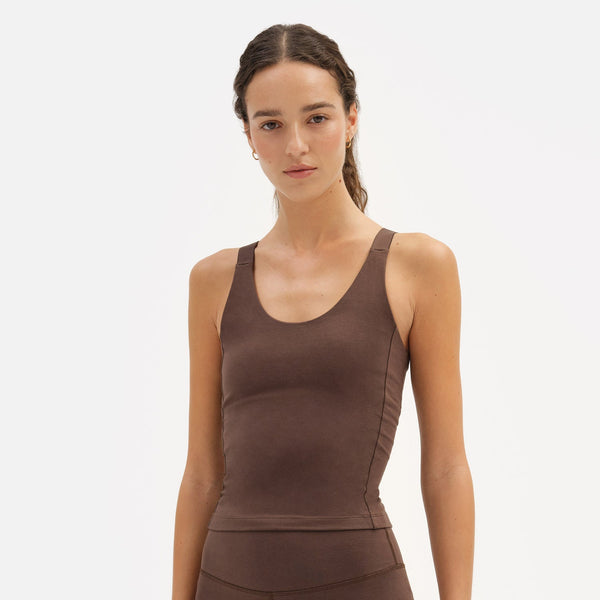
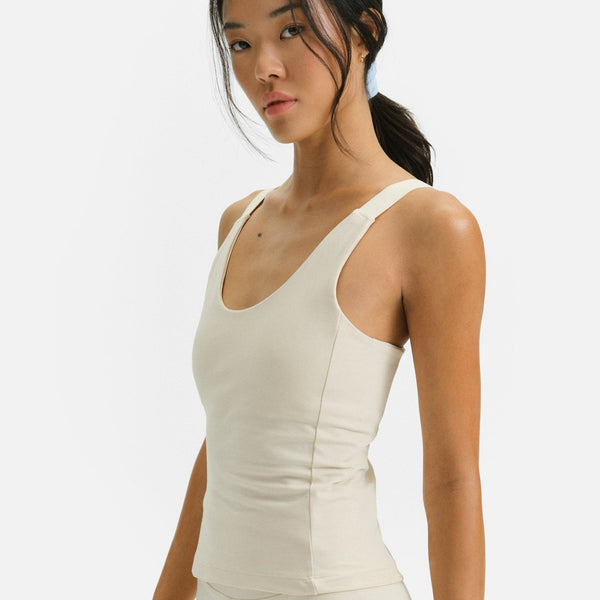
Mate the Label

Los Angeles, CA

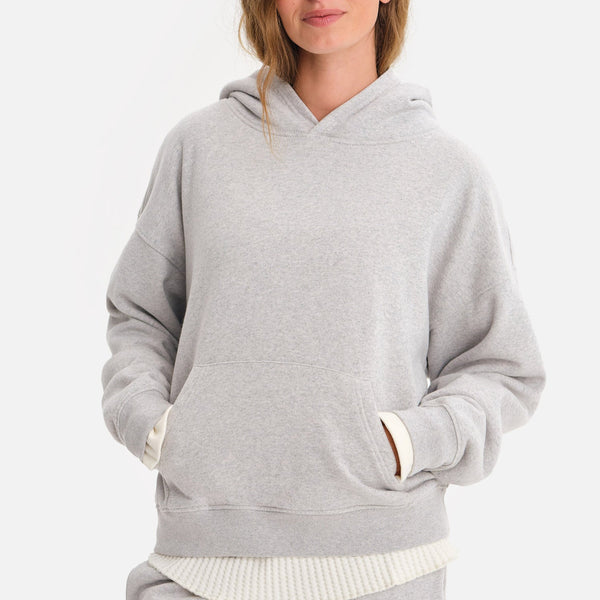
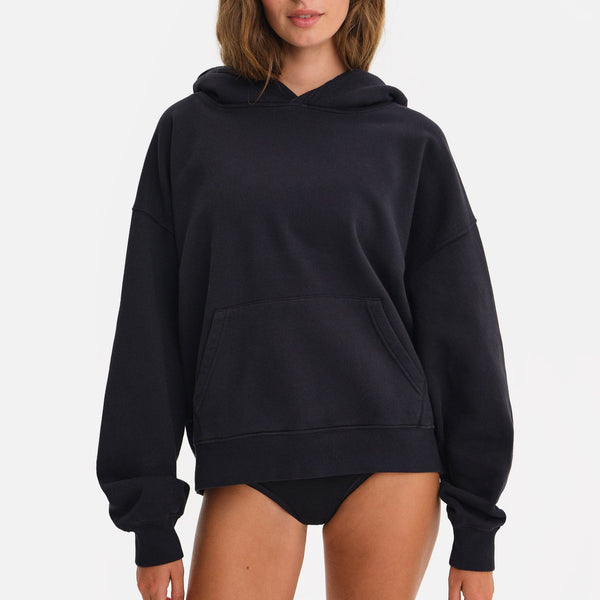
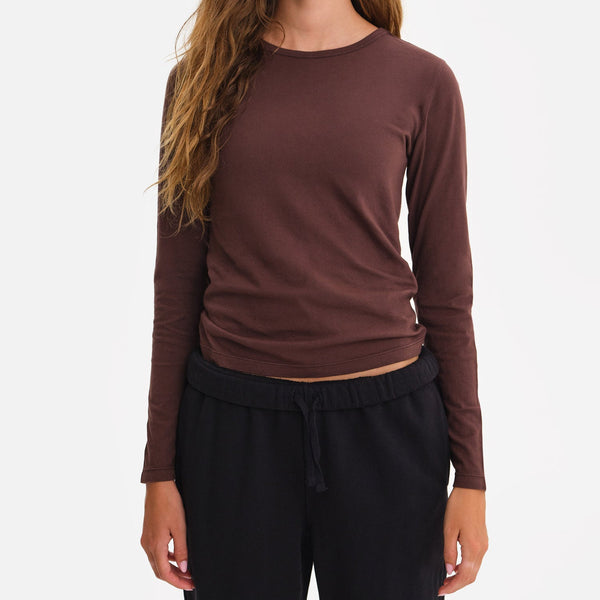
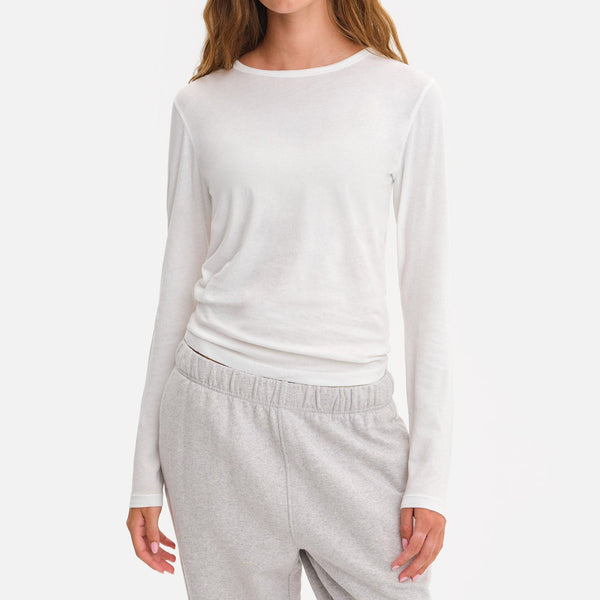
Organic Tencel basics and sleepwear designed for everyday comfort.

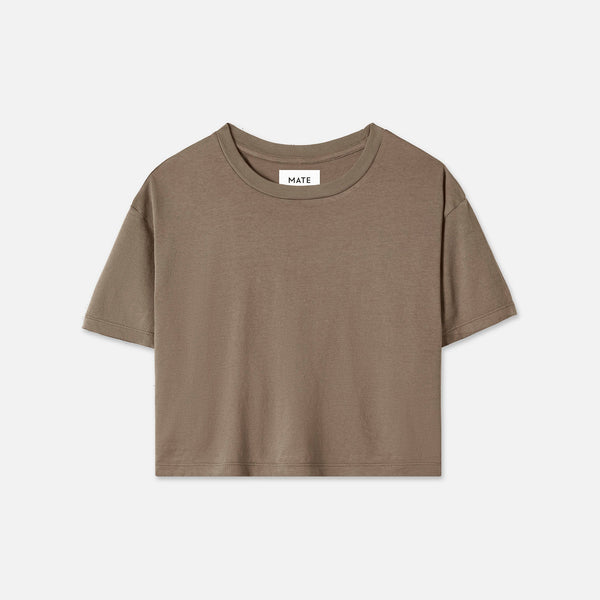
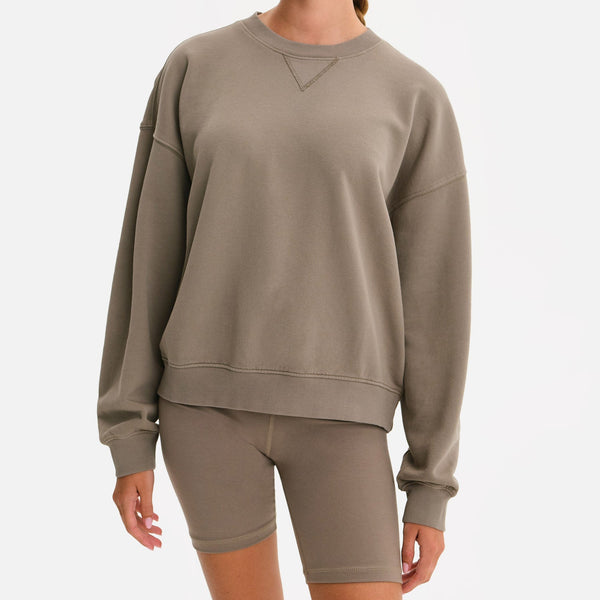
Built around the idea that basics should feel like a second skin, Mate the Label makes Tencel-organic cotton blended pieces for elevated comfort in daily wear and sleep. Their cut is thoughtfully fitted rather than defaulting to oversized silhouettes because they are easier to produce.

Enter Store

Encircled

Toronto, Canada

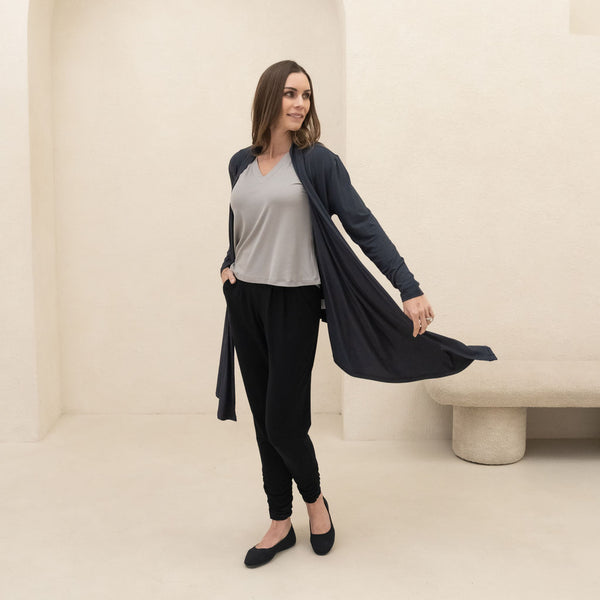
Canadian-made multi-wear pieces in Tencel and modal with real size inclusivity.

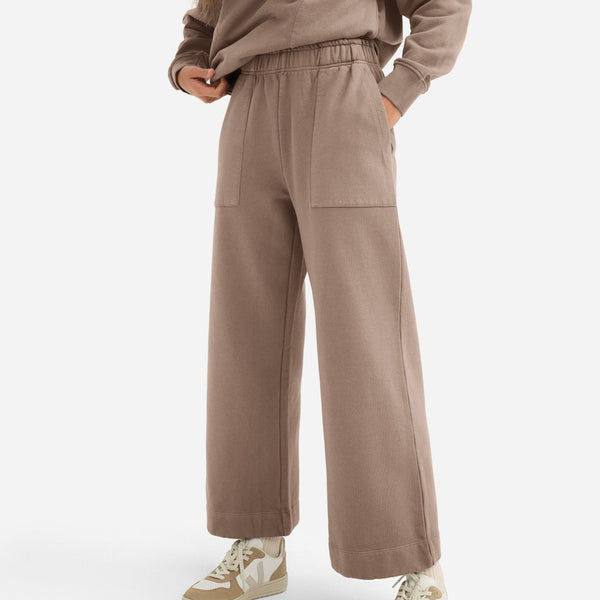
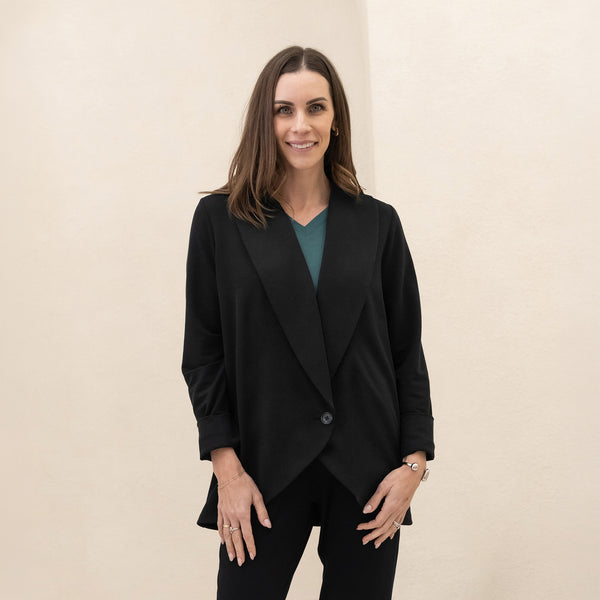
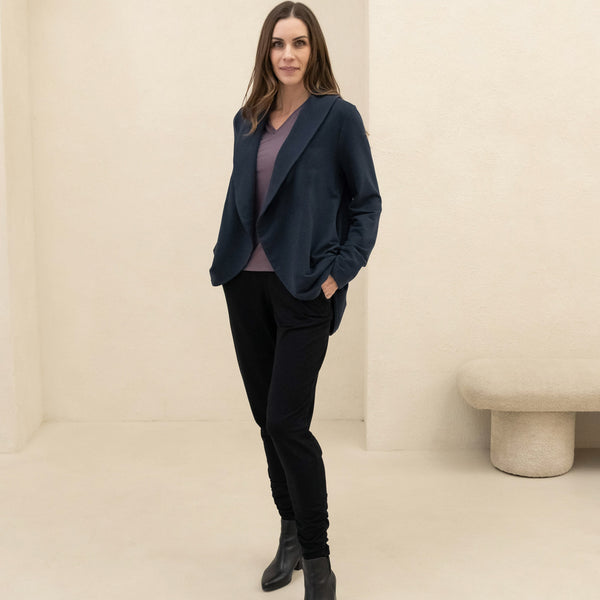
Encircled makes multi-functional garments in their Toronto studio with Tencel and modal as core fabrics. The engineering behind each piece gets genuine attention: the Chrysalis Cardi converts into five different styles, which is the kind of design problem-solving that justifies a premium price.

Enter Store

Christy Dawn

Los Angeles, CA

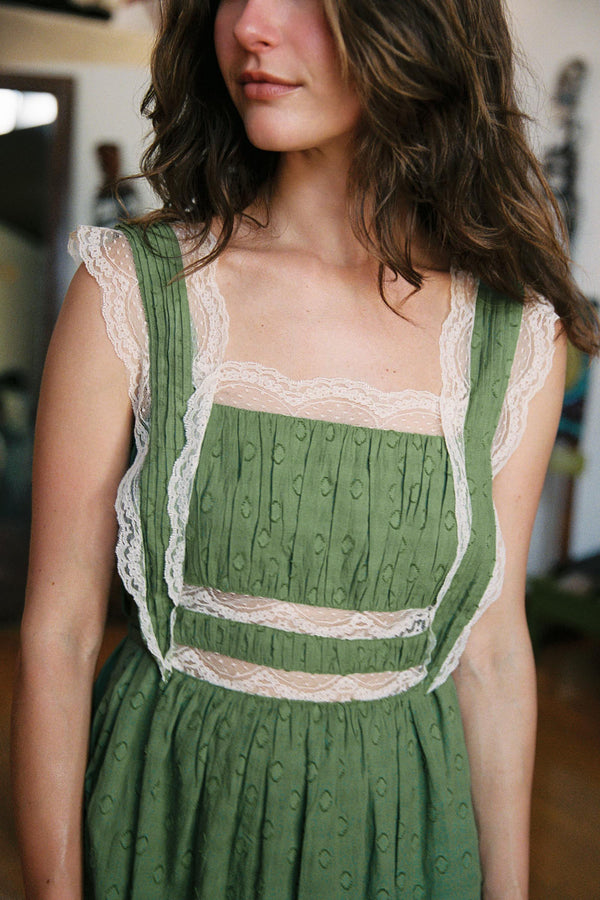
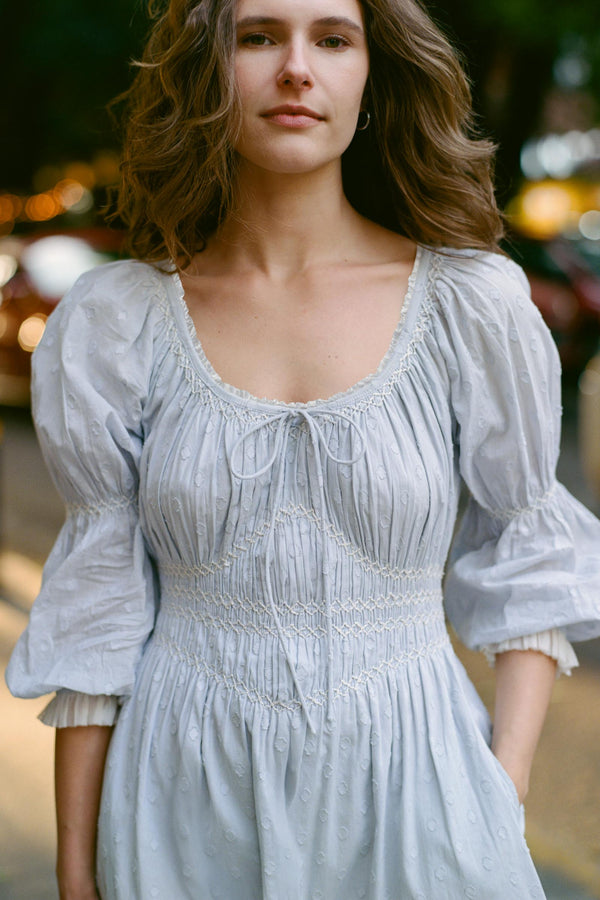
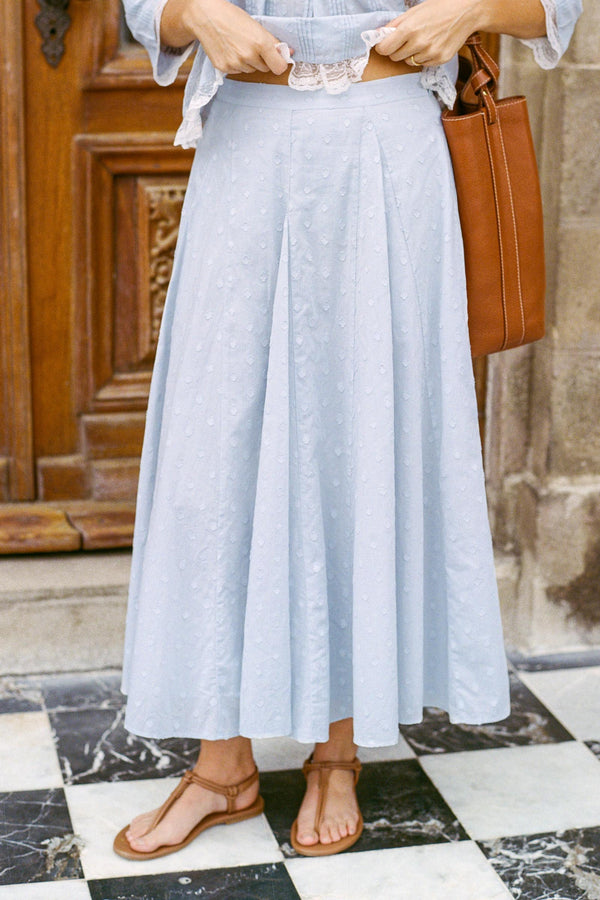
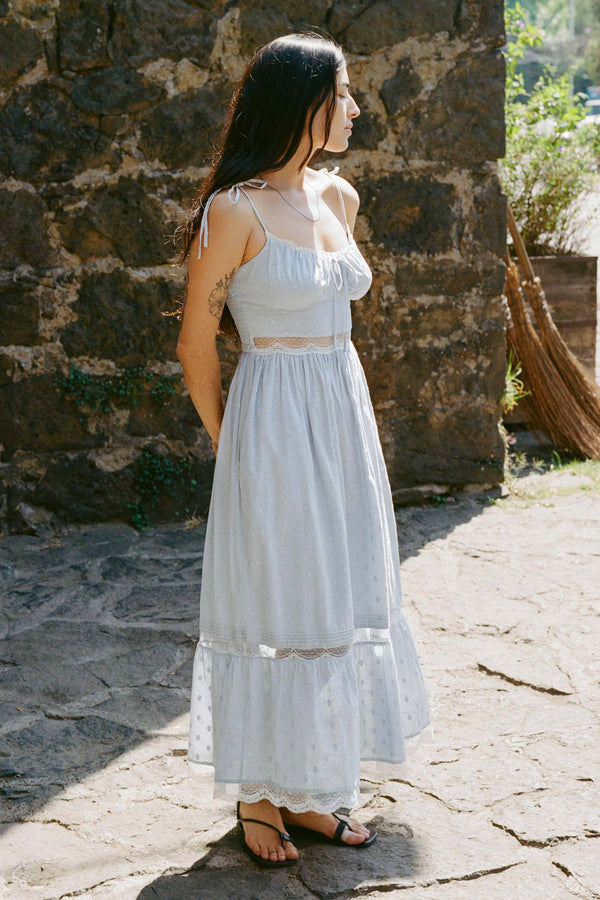
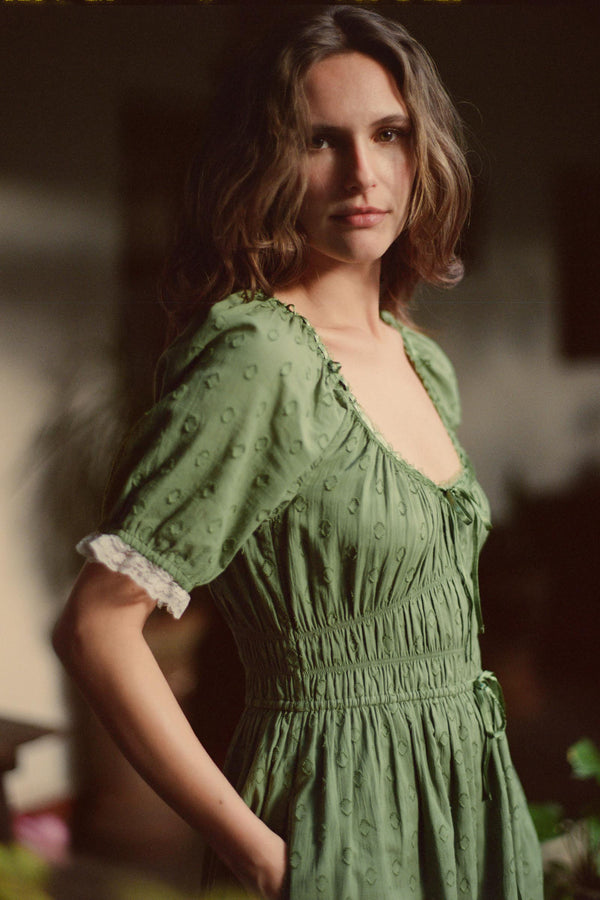
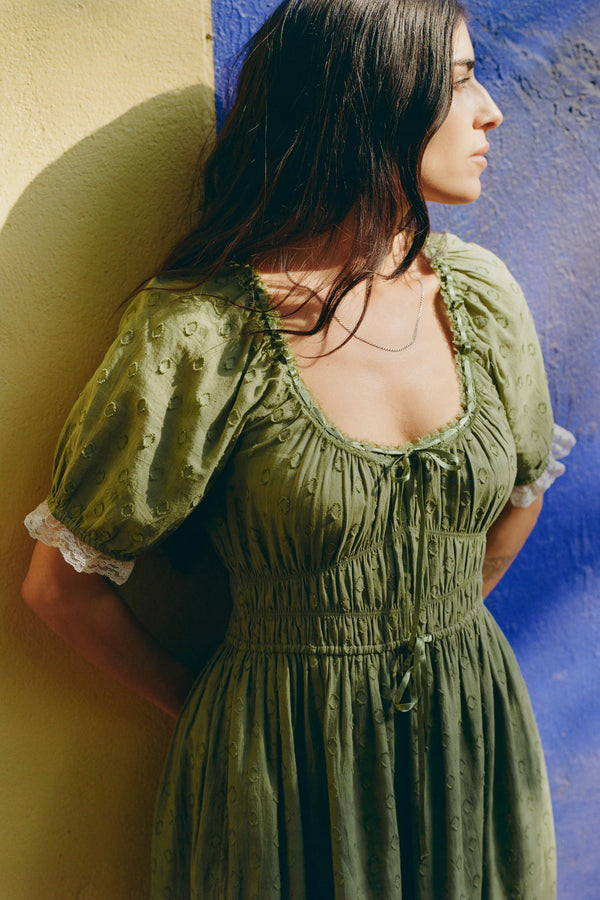
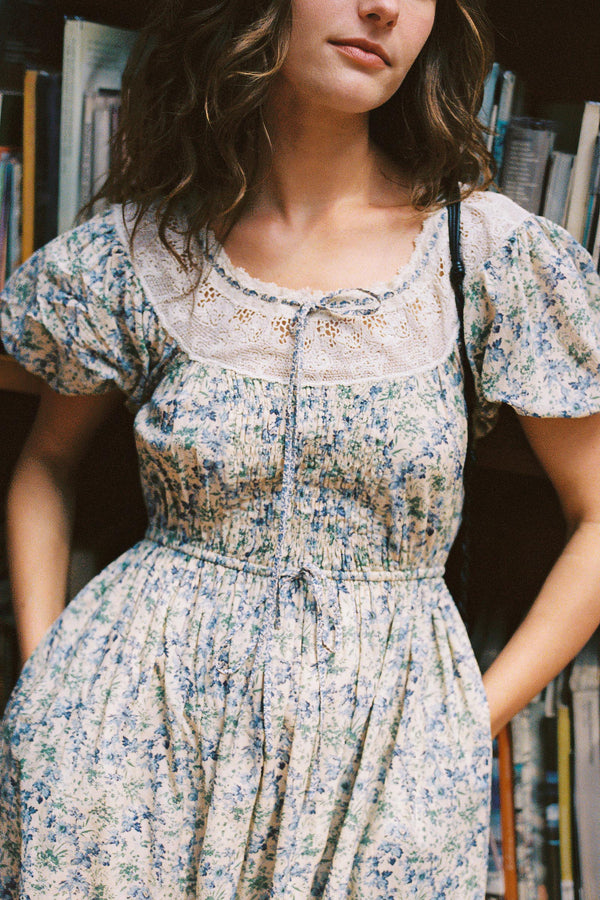
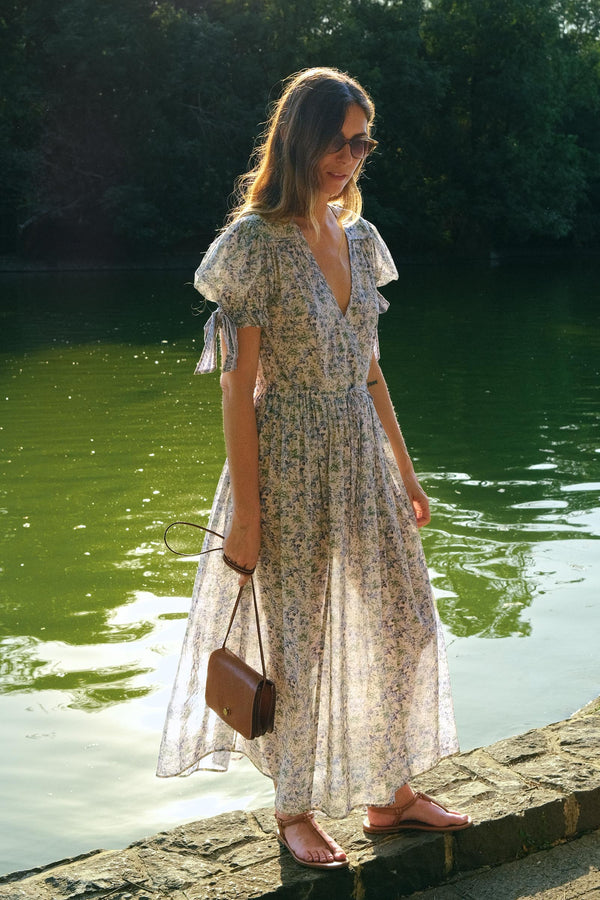
Romantic floral dresses in deadstock and Tencel fabrics with regenerative storytelling.

Started by Christy and Aras Baskauskas in Los Angeles, the brand built a following around vintage-inspired floral dresses made from deadstock fabric. Their evolution into regenerative cotton and Tencel blends added environmental substance to the already compelling aesthetic.

Enter Store

Toad and Co.

Santa Barbara, CA

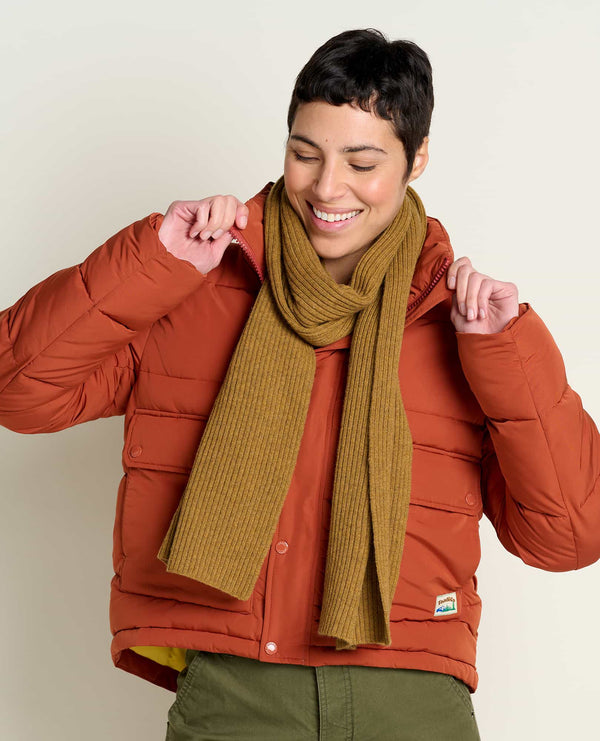
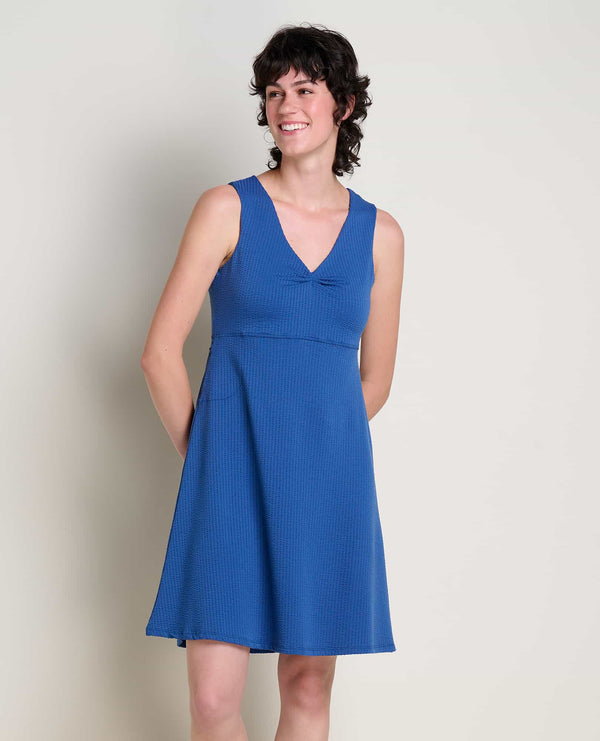
Outdoor-casual clothing in Tencel, hemp, and organic cotton with genuine utility.

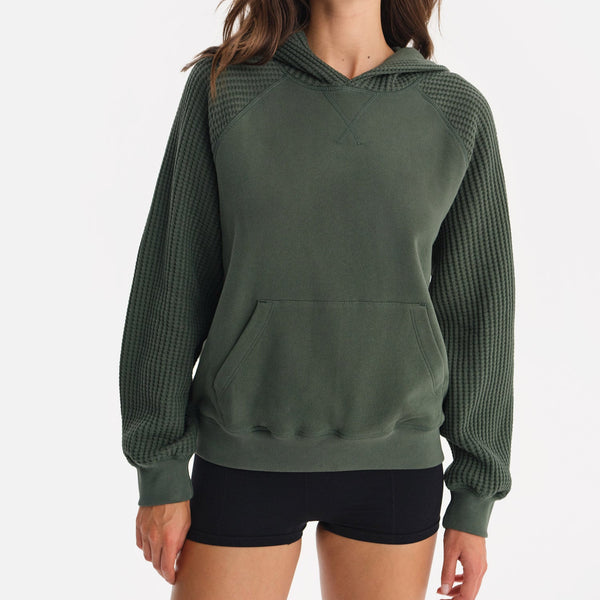
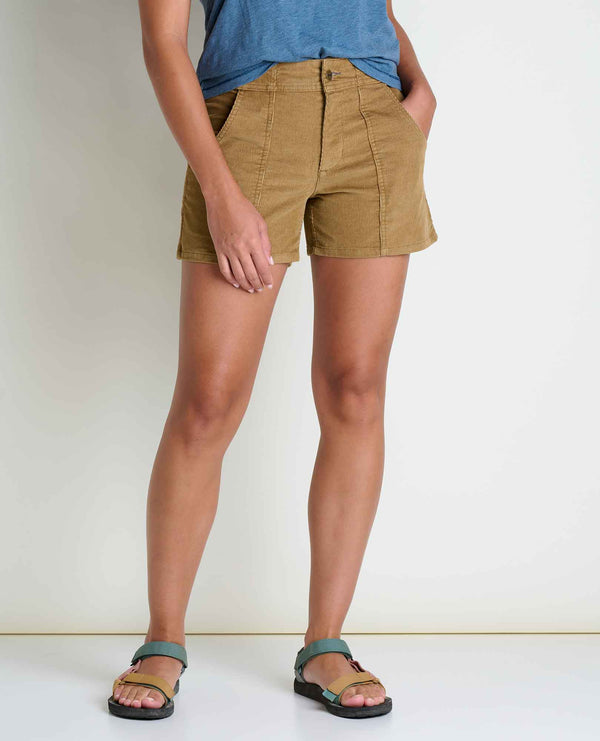
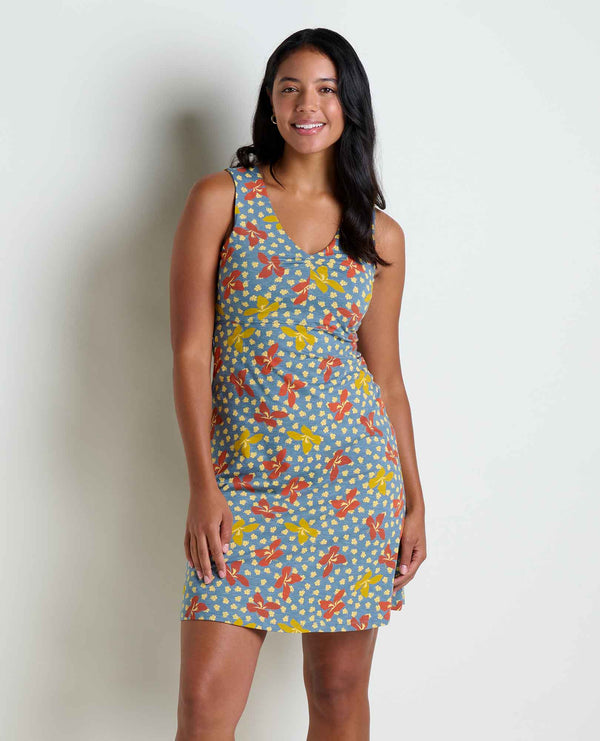
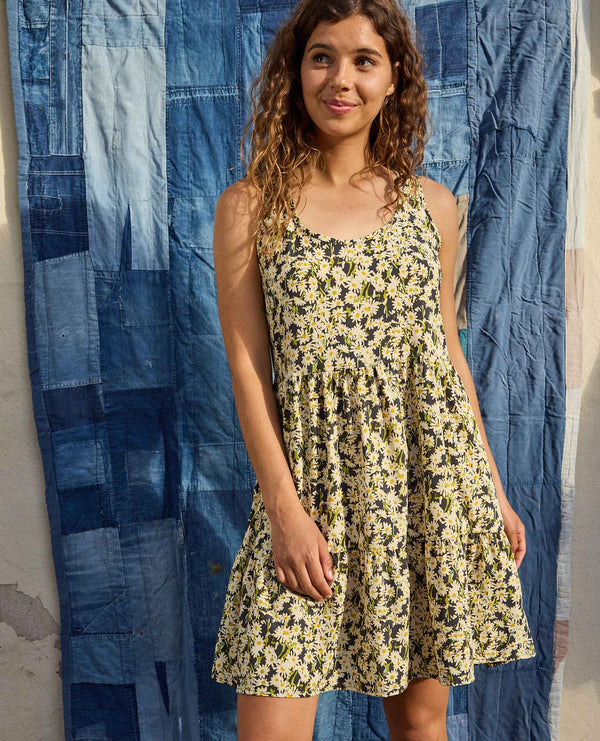
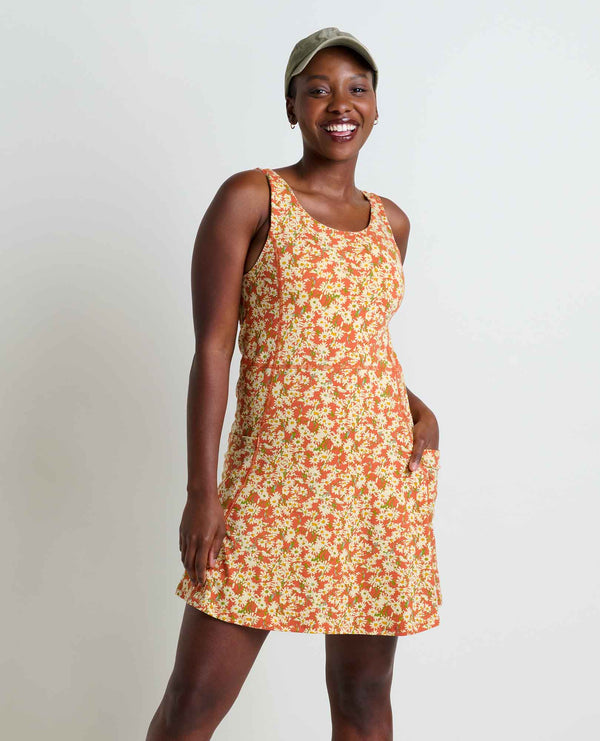
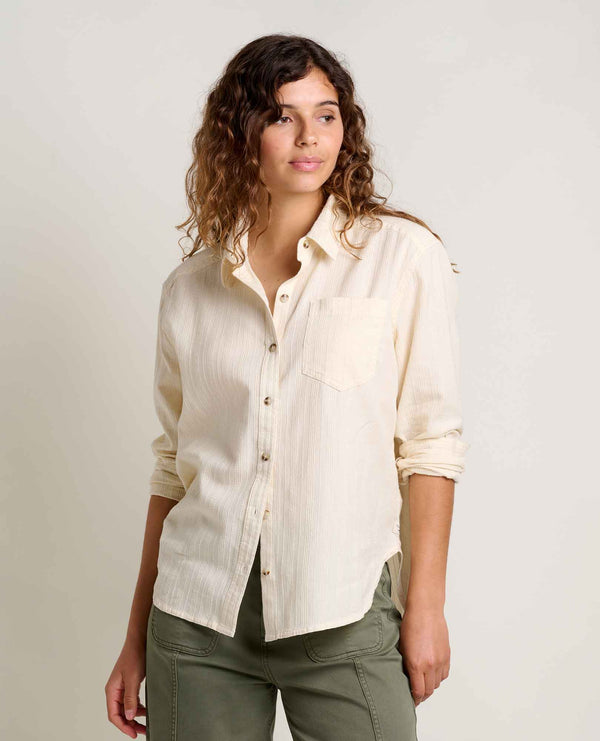
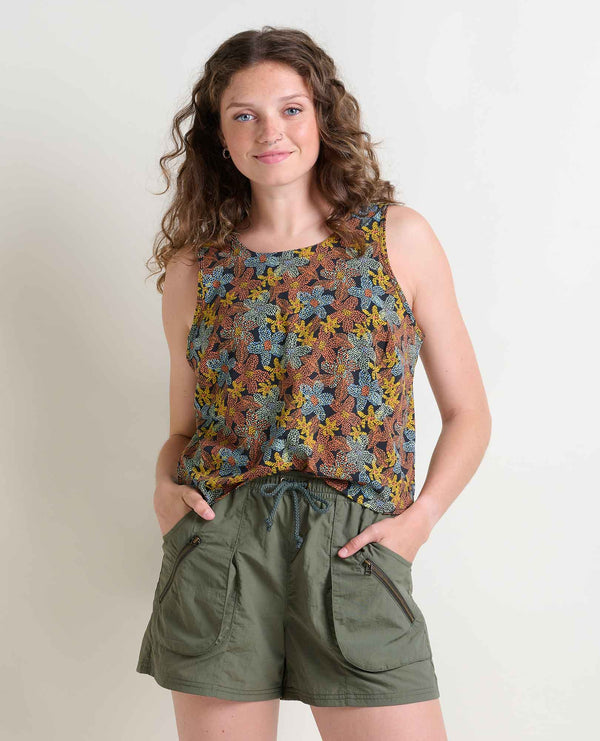
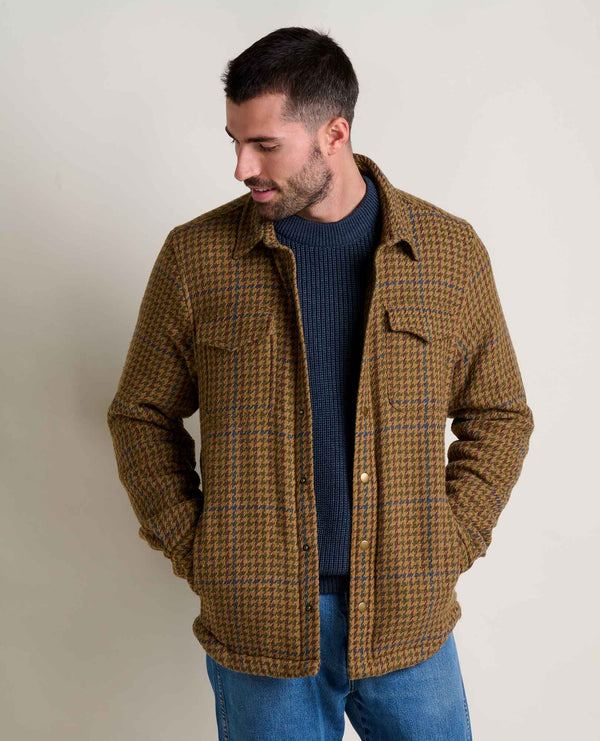
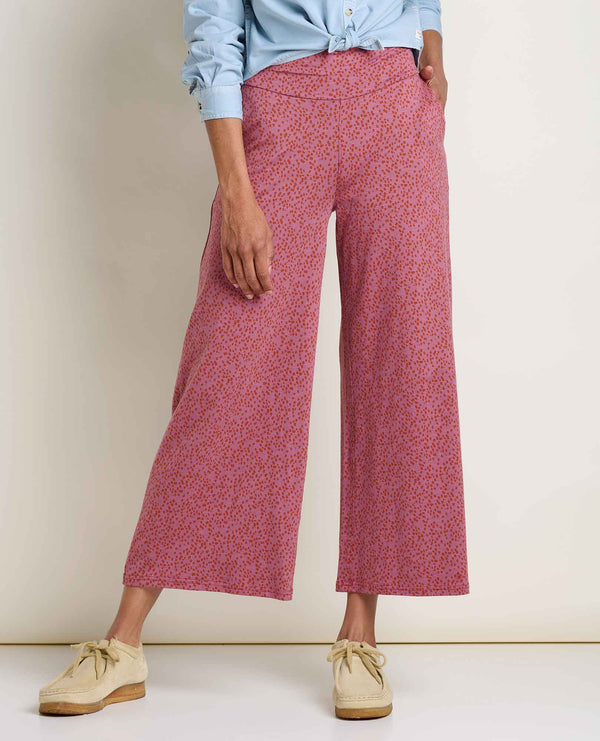
Toad and Co. occupies the space between outdoor performance and sustainable casual wear, using Tencel lyocell alongside organic cotton and hemp in pieces designed to work equally on a trail and in a coffee shop. Their transparency about sourcing and certifications is above average for the category.

Enter Store

Whimsy + Row

Los Angeles, CA

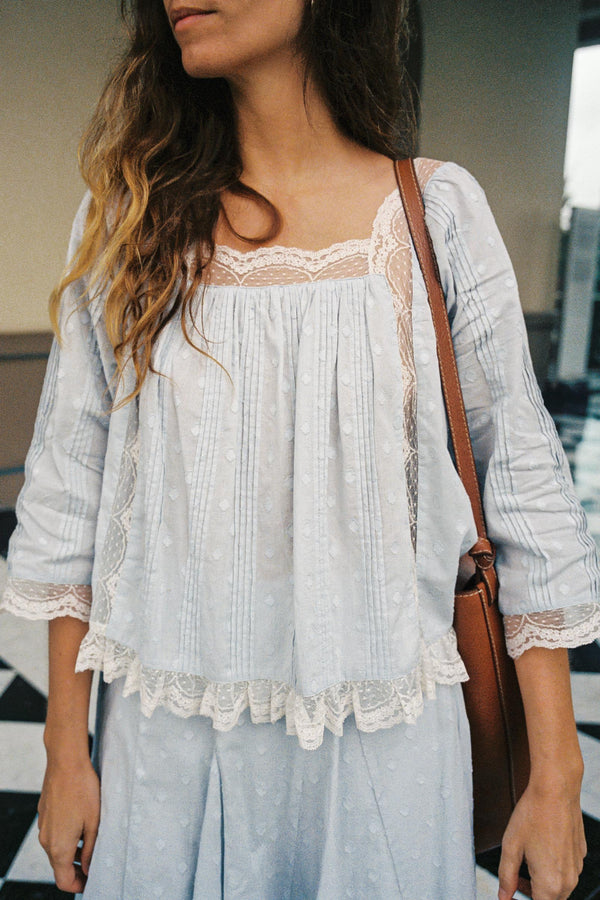
LA-made sustainable womenswear in Tencel and deadstock fabrics in small batches.

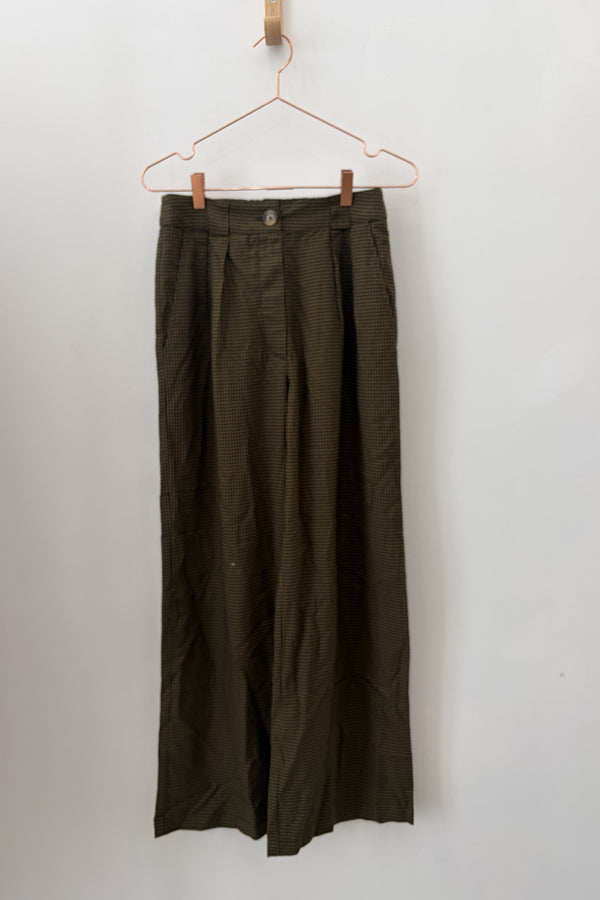
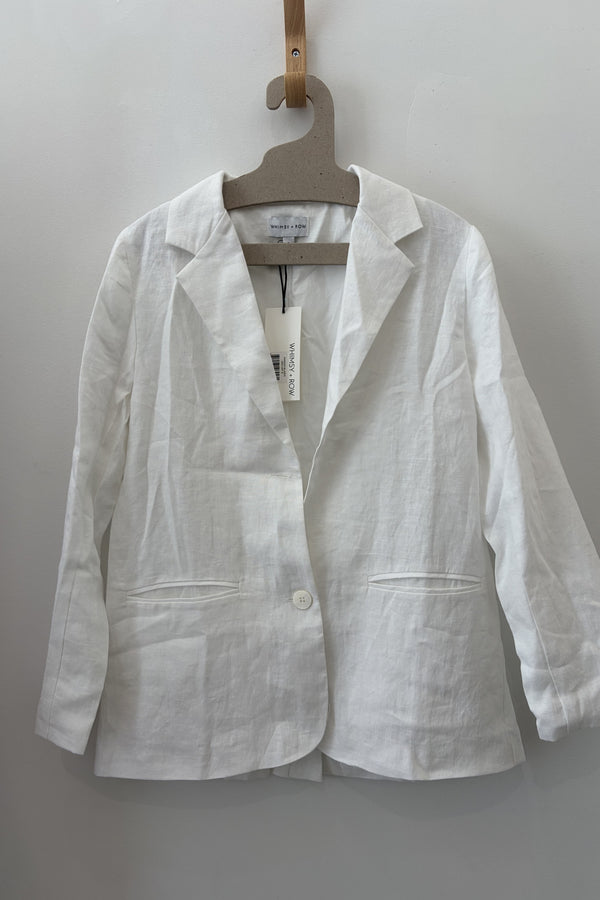
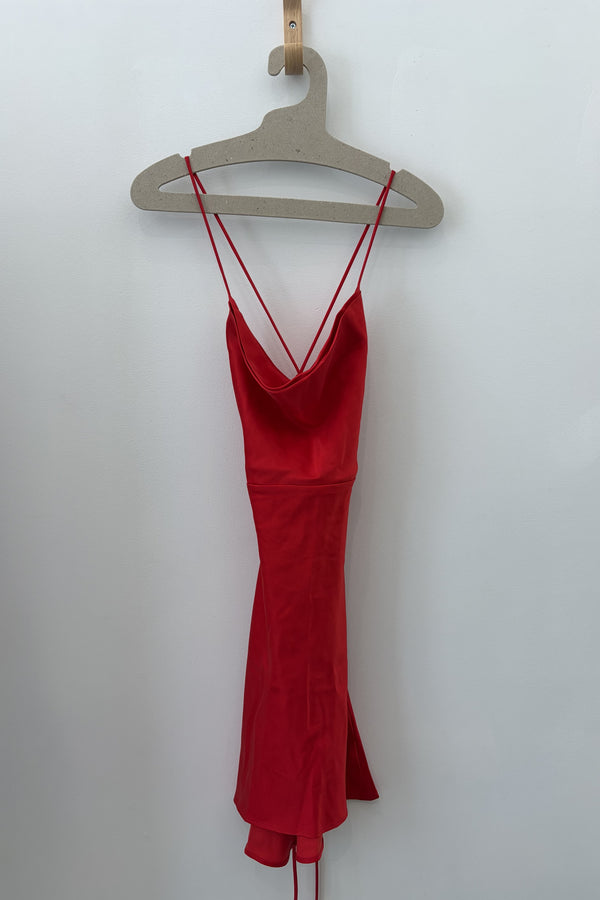
Made in small batches in Los Angeles with a focus on Tencel and deadstock fabrics, Whimsy + Row prioritizes limited production runs over constant restocking. The small-batch model means less waste and more intentional design, which shows in how cohesive each collection is.

Enter Store

About This District

When buying Tencel lyocell clothing, the first thing to check is whether the brand uses licensed TENCEL fibers from Lenzing or a generic lyocell alternative. TENCEL-certified fabric requires at least 30% Lenzing lyocell content and the closed-loop solvent process that recovers 99% of the processing chemicals. Generic lyocell may be made from different wood sources with less rigorous environmental controls. For everyday wear, Tencel blended with organic cotton or a small percentage of elastane performs better than 100% Tencel for structured items like pants or fitted tops. Pure Tencel works best for loose, flowy garments where drape is a feature rather than a challenge. Transparency matters more in this category than most. Look for brands that name their mills, certifications (GOTS, OEKO-TEX Standard 100, Bluesign), and country of manufacturing. Sustainable fabric in an opaque supply chain is still an opaque supply chain. Fit is underrated in sustainable fashion. Many eco brands default to oversized silhouettes because they are easier to produce across size ranges. Brands that invest in proper fit testing across sizes, not just sample sizes, are rarer and worth supporting.