Mint Districts Outdoor

Trail Running Vests Built for Distance and Demanding Terrain

Trail running vests have come a long way from bulky packs with single water bottle pockets. Today the category is basically wearable engineering: soft-flask reservoirs, aero-mesh fabrics, thoughtful pocket placement, and weights measured in ounces rather than pounds. The brands here have largely sidestepped big outdoor retail to sell directly to runners who actually care about the details. Whether you are prepping for a 50-miler or a casual ridge run, the difference between a great vest and a forgettable one shows up around mile 20, when the shoulder straps start shifting and the flask pockets stop gripping.

Outdoor · 6 Brands

The Trail Running Vest District

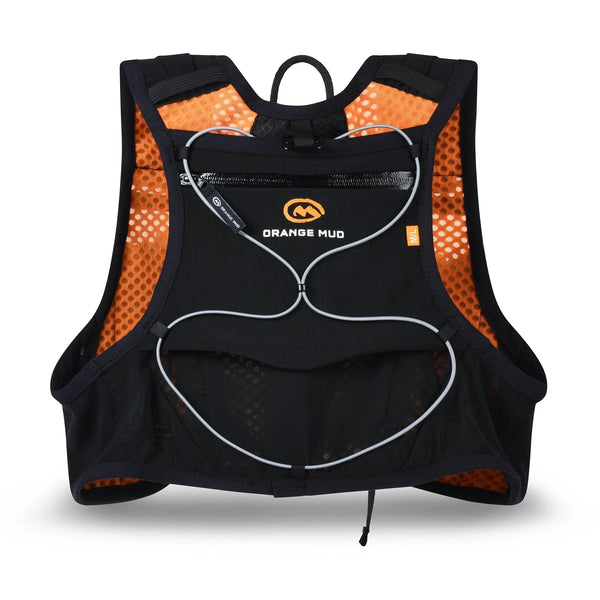
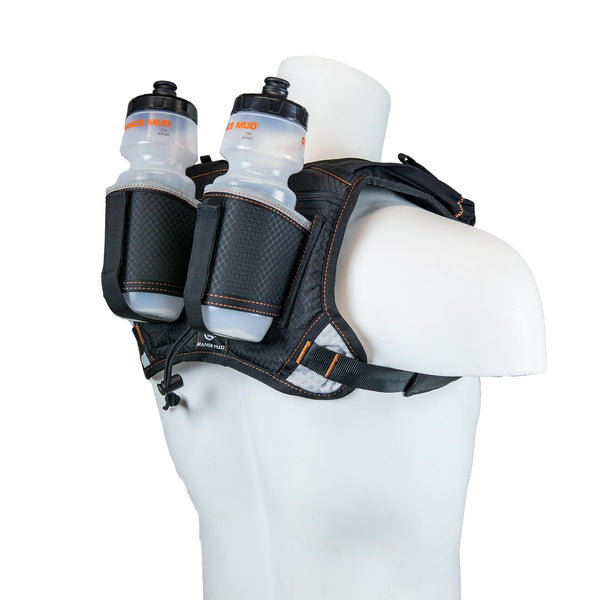
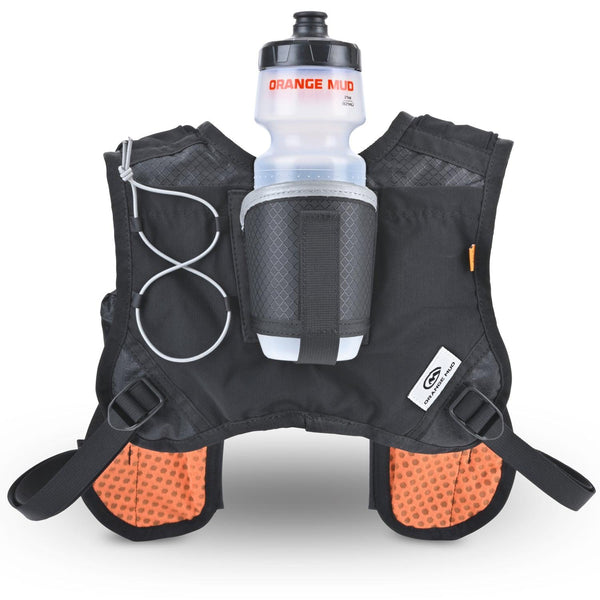
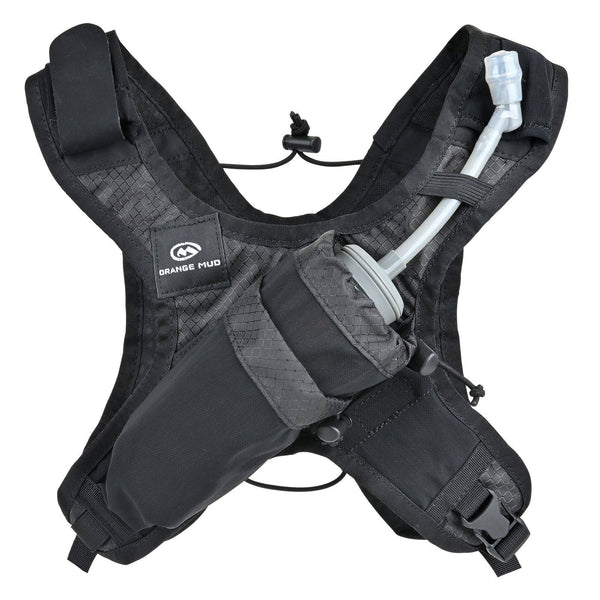
Orange Mud

Colorado Springs, CO

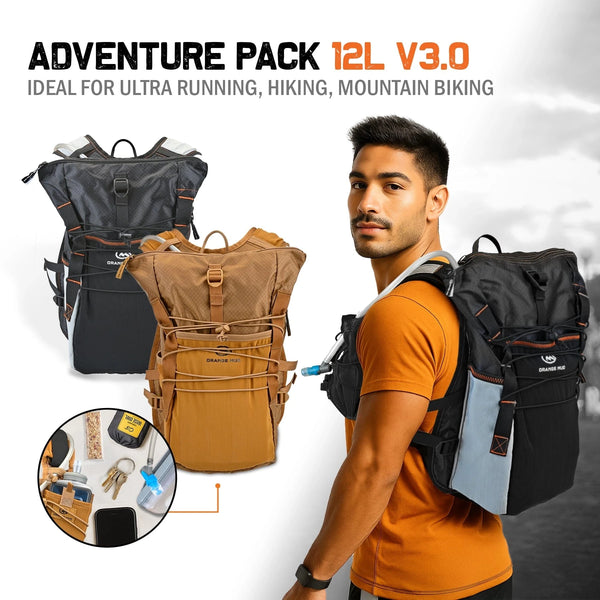
Colorado-engineered hydration vests built to stay put under load

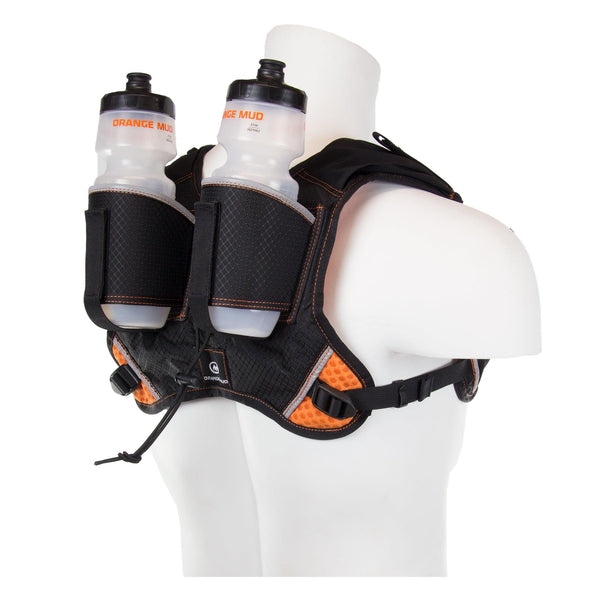
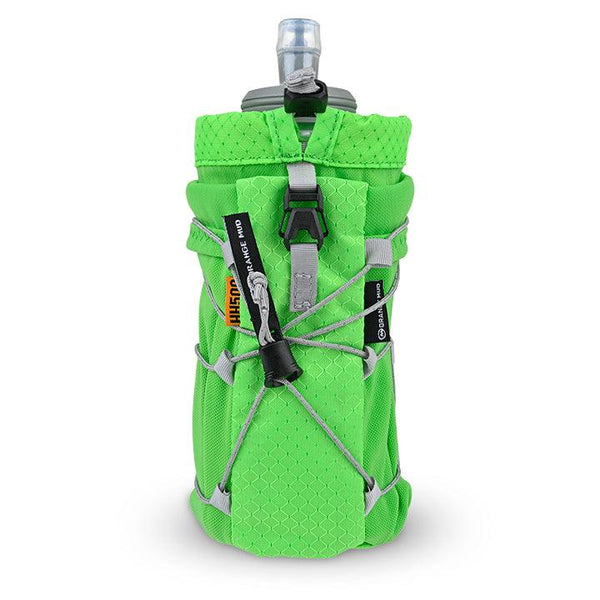
Endurance athletes kept tolerating gear that bounced, shifted, and chafed, so a Colorado-based ultrarunner set out to engineer vests that actually behave under load. Orange Mud's flagship HydraQuiver uses a single rear flask setup that eliminates bounce and keeps weight centered close to the spine, a deceptively simple solution that competitors have studied closely. Every design decision runs through real race-day feedback from ultramarathon athletes.
Enter Store

Nathan Sports

Denver, CO

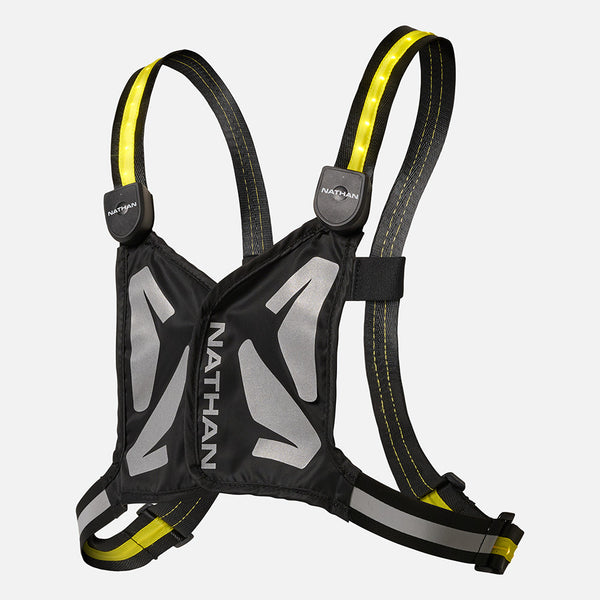
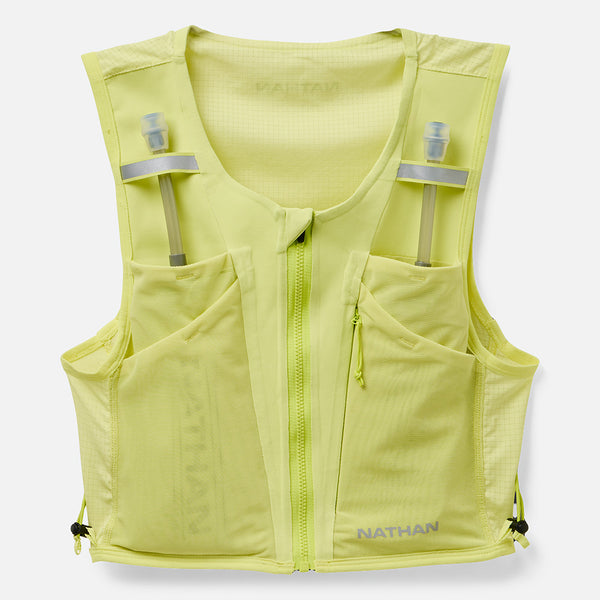
Hydration vests built around how runners actually drink and move

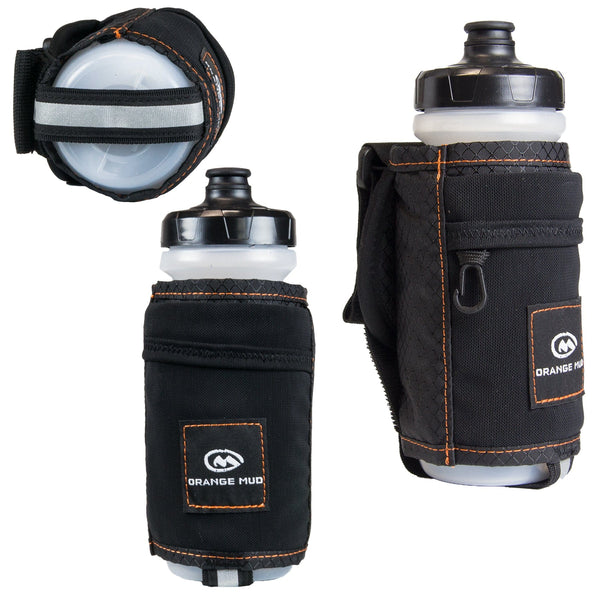
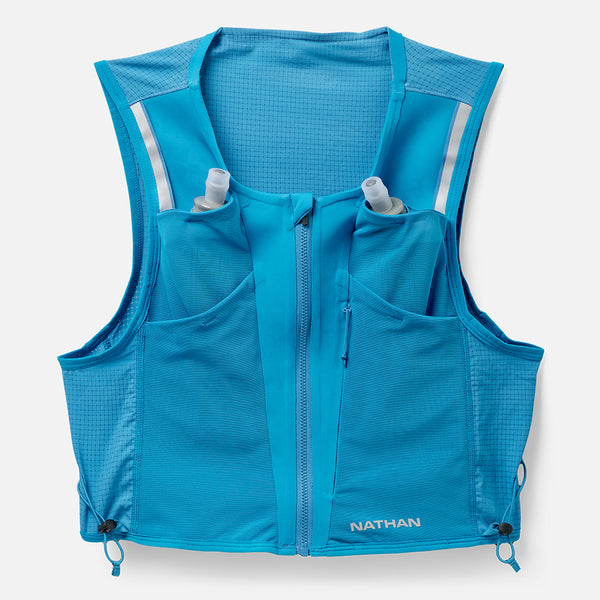
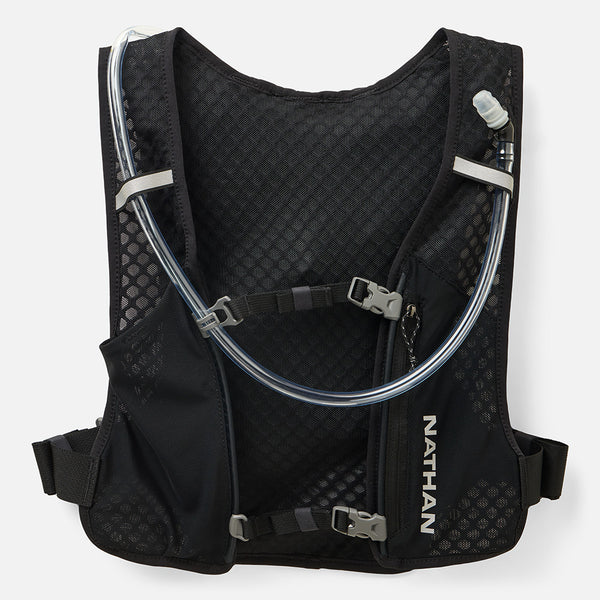
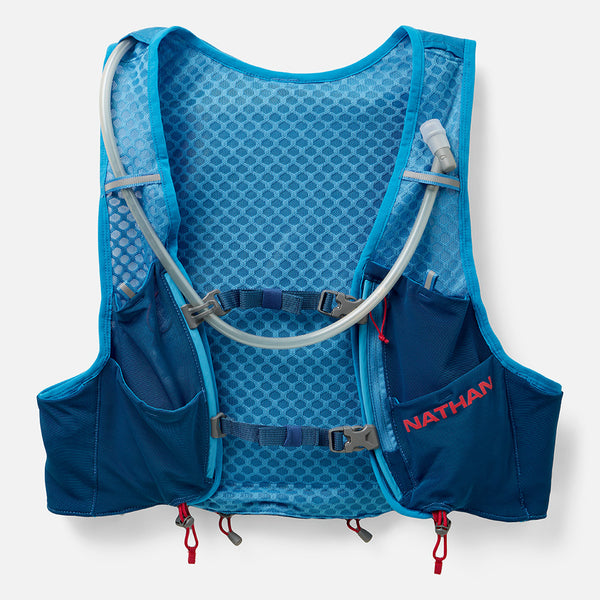
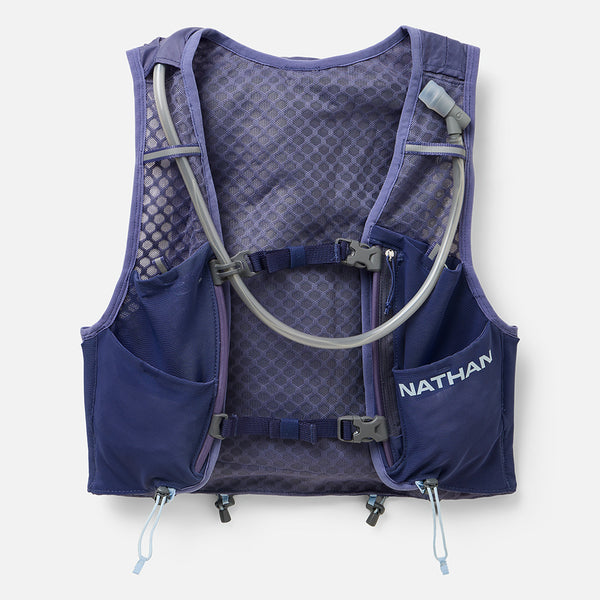
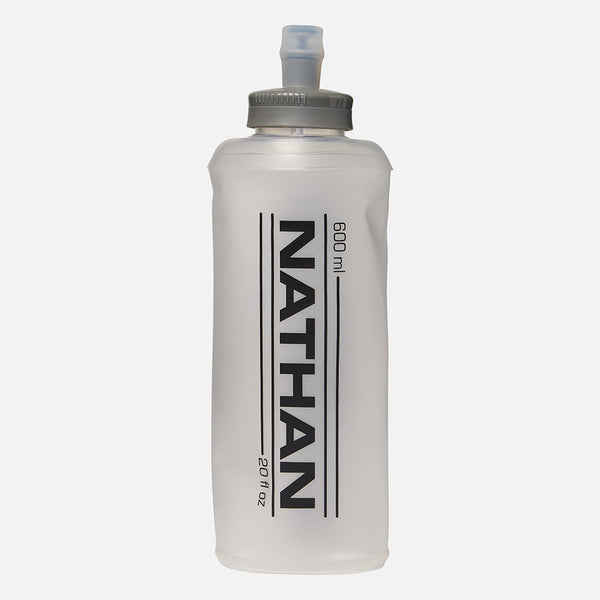
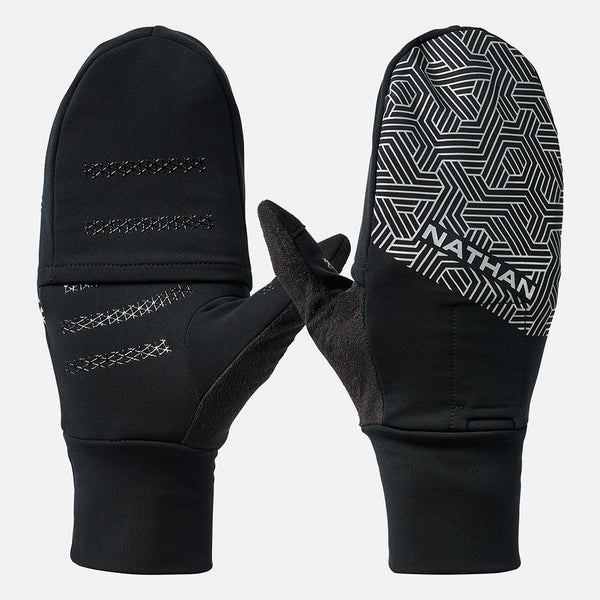
Running hydration has been Nathan's singular focus since 1978, and that depth shows up in vest details most brands overlook: ergonomic handheld mounts, interchangeable flask systems, and body-mapped mesh that breathes under sustained effort. Based in Denver, the brand has spent decades refining how water moves with a runner rather than against them. Their VaporAiress and VaporHowe series are trail staples among ultrarunners who have tested the full field.

Enter Store

District Vision

New York, NY

Mindful running apparel and gear for athletes who also meditate

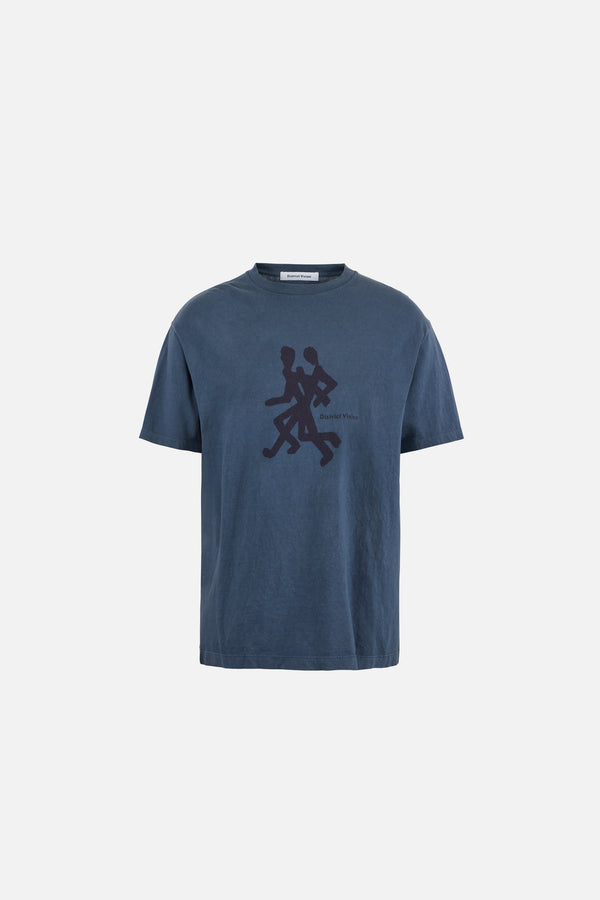
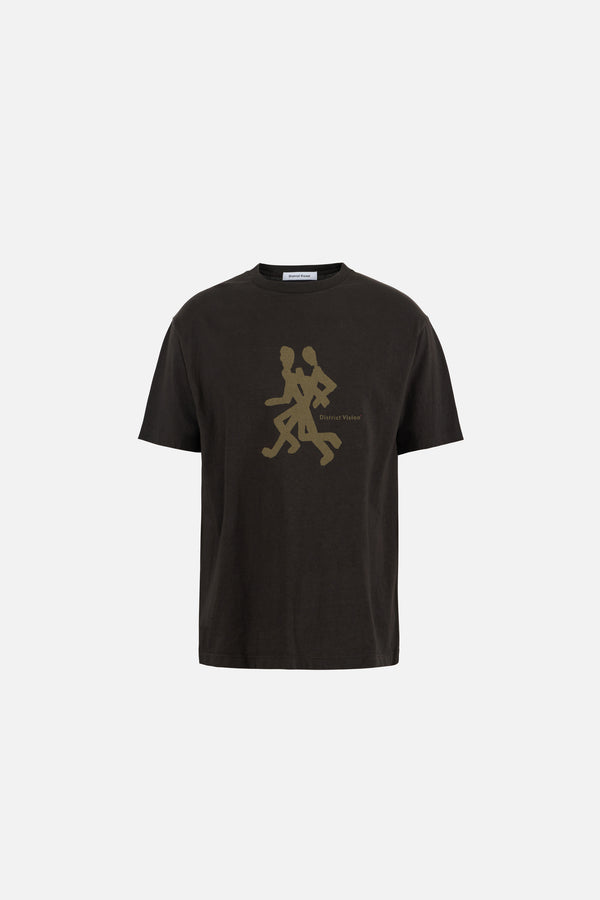
Two New Yorkers with backgrounds in meditation and athletic performance, Tom Daly and Rickie Snyder, launched District Vision to connect competitive running with mindfulness practice. The gear reflects both priorities: technically precise, distraction-free, and built to last more than a single season. The brand has become a cult favorite among trail runners who care about how they move, not just their finish time.

Enter Store

Cotopaxi

Salt Lake City, UT

Certified B Corp outdoor gear with a mission woven into the supply chain

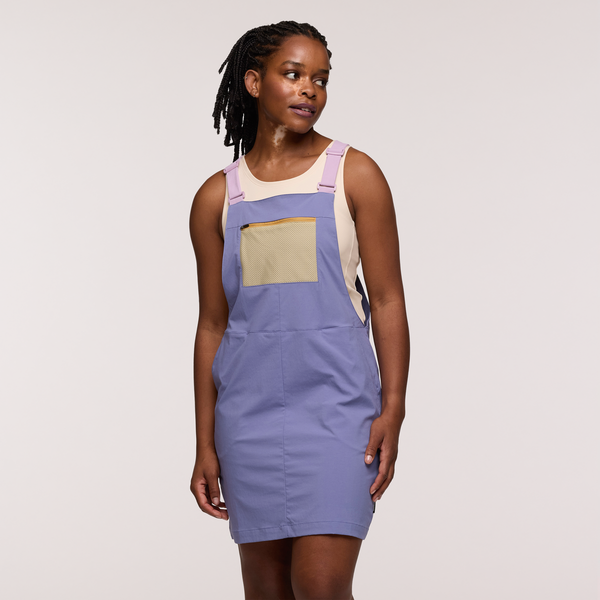
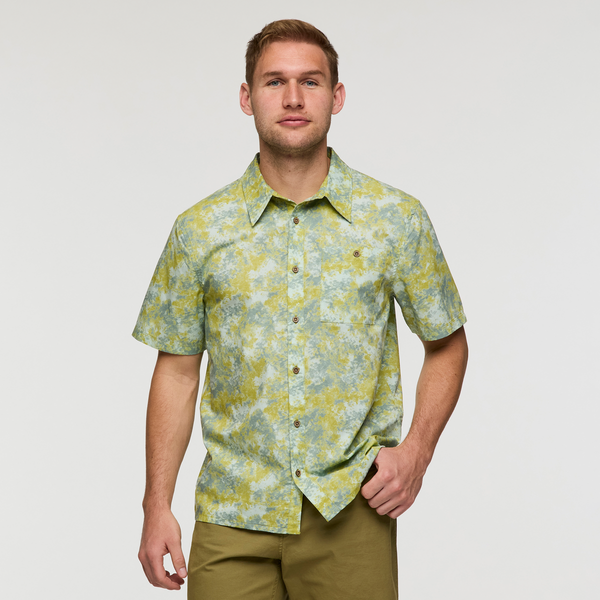
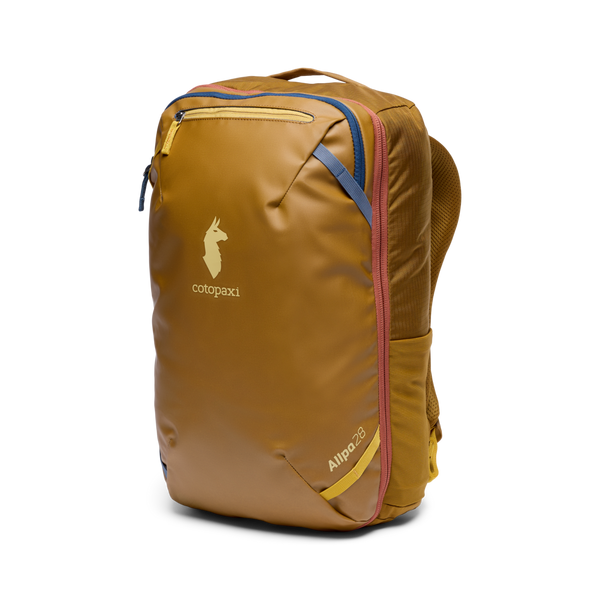
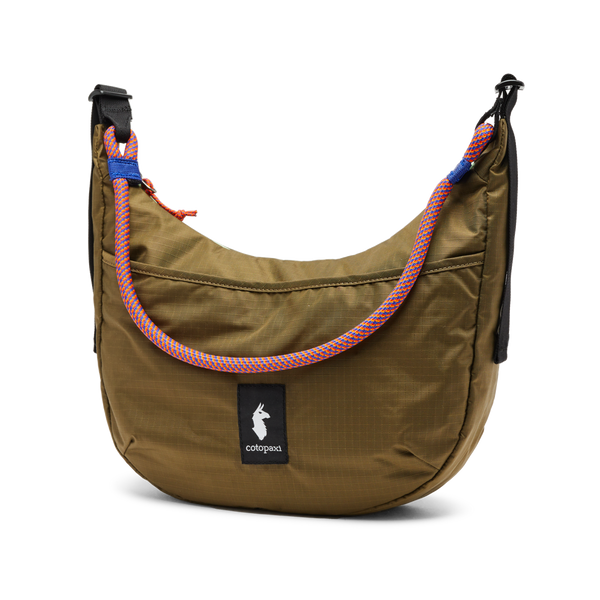
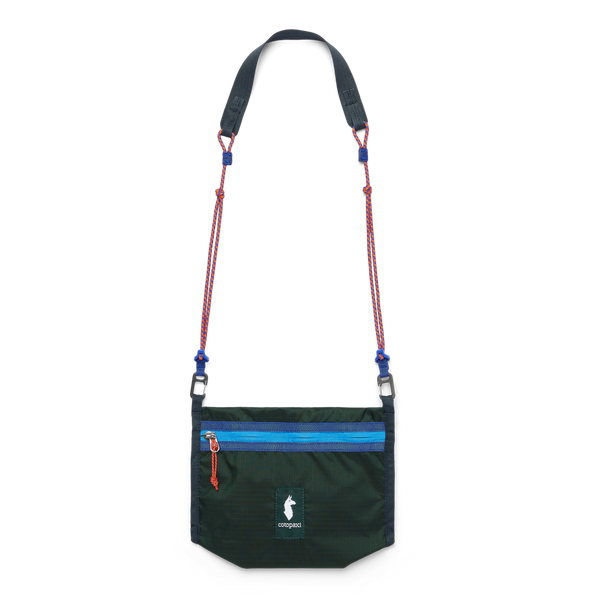
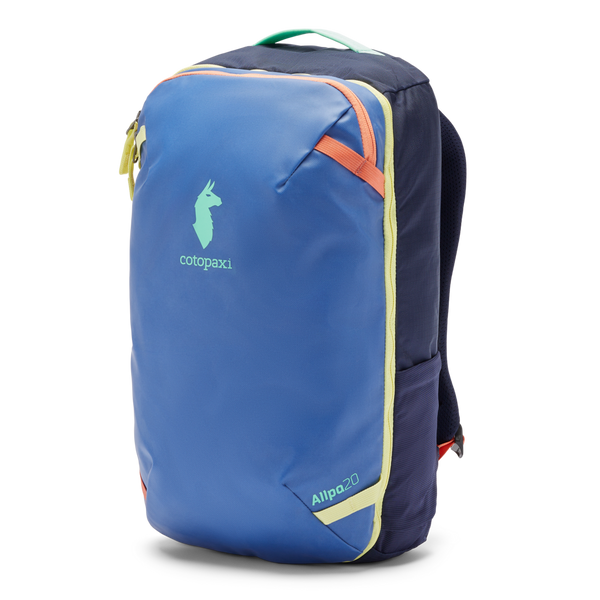
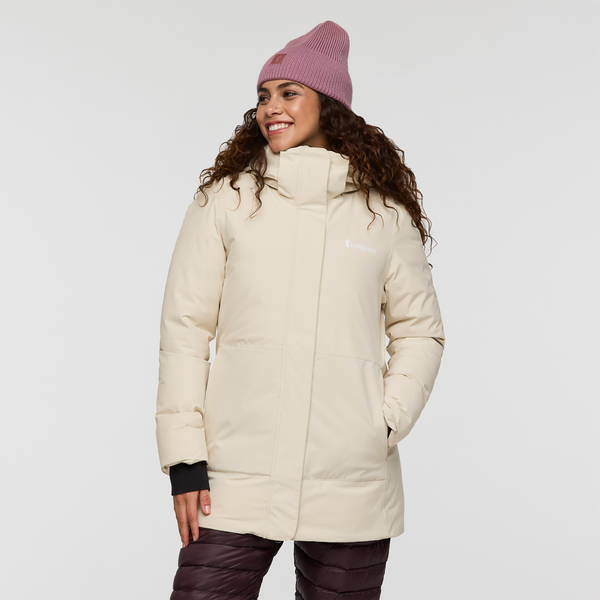
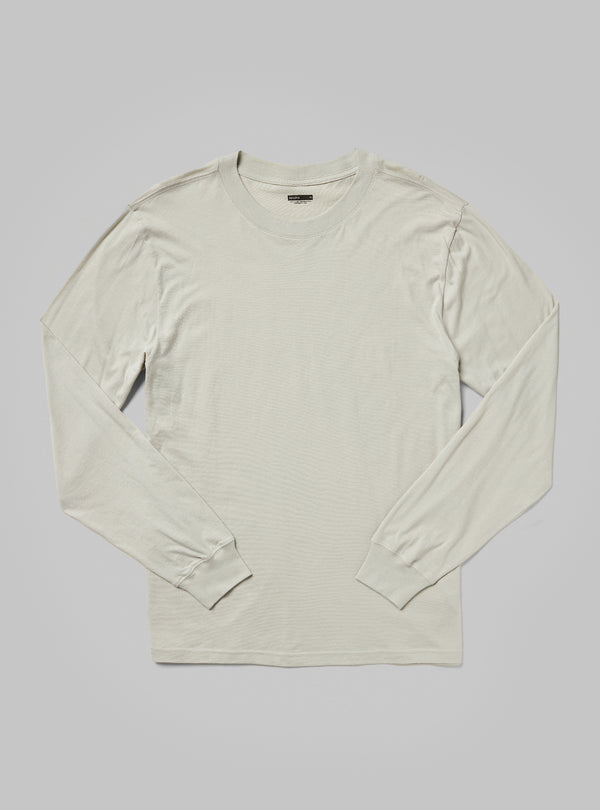
Davis Smith founded Cotopaxi in Salt Lake City after a childhood in Latin America, and the company connects outdoor adventure directly to poverty alleviation initiatives. Every piece is made with certified ethical production, and no two colorways are identical because each product uses leftover fabric cut in unique combinations. Their Luzon and running vest lineup bring the same colorful, mission-forward approach to trail performance gear.

Enter Store

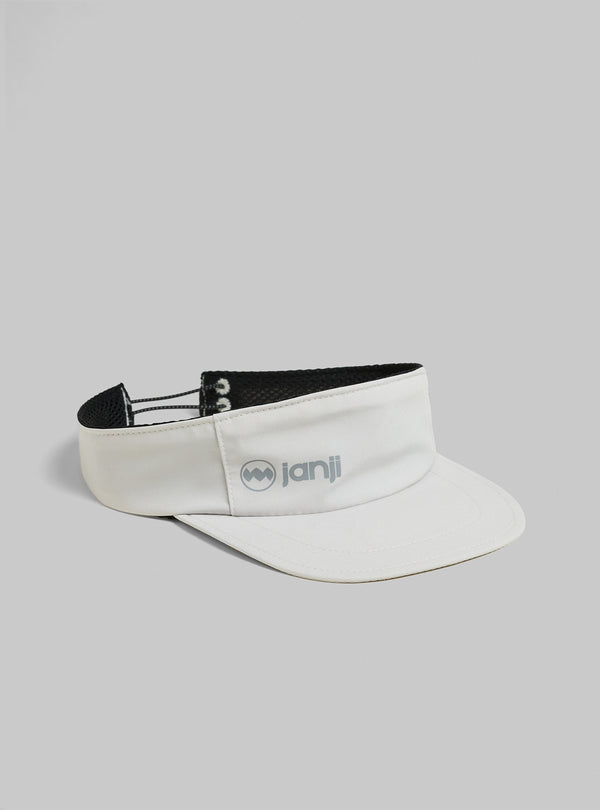
Janji

Boston, MA

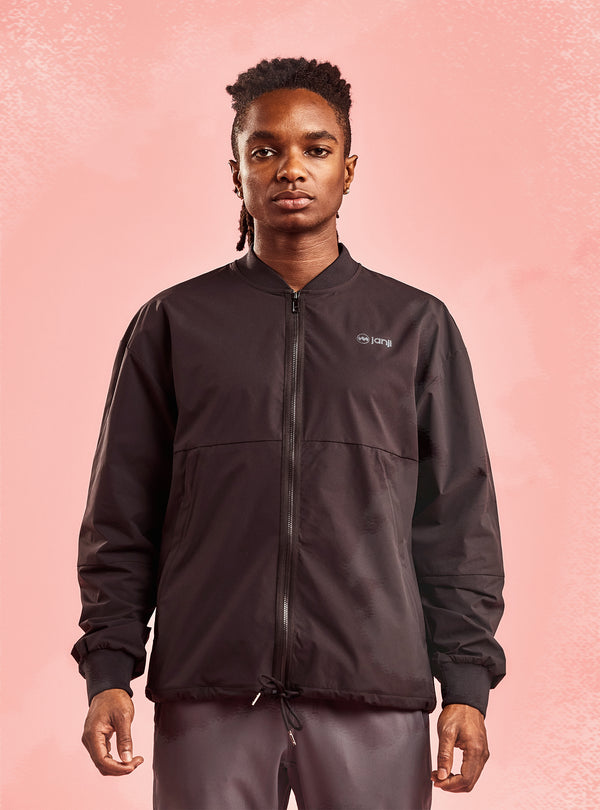
Global-inspired trail running apparel with water access at its core

Named after the Malay word for promise, this Boston brand ties each collection to a water access initiative in a specific country, which makes the geography of every run feel a little larger. The apparel is cut for performance, not casual wear, with minimal seams, technical fabrics, and a fit that stays honest at mile 20. Their vest and hydration pack offering sits at the premium-functional intersection that serious trail runners look for.

Enter Store

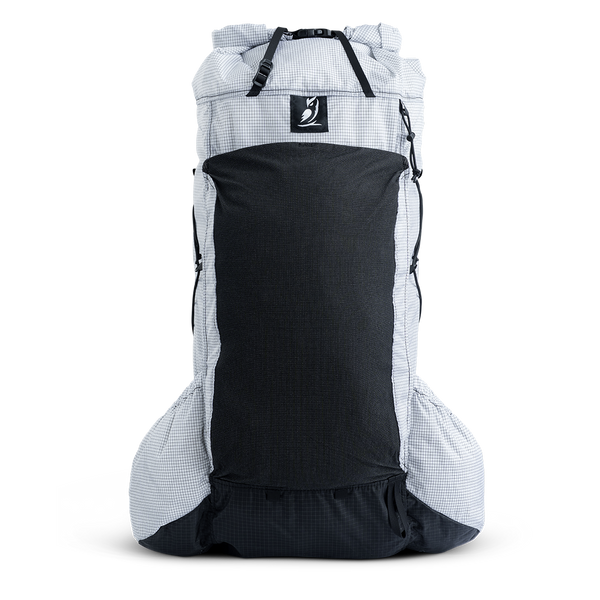
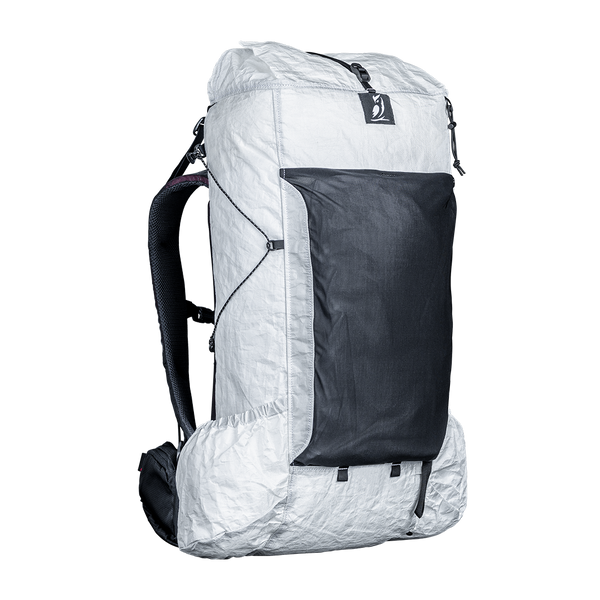
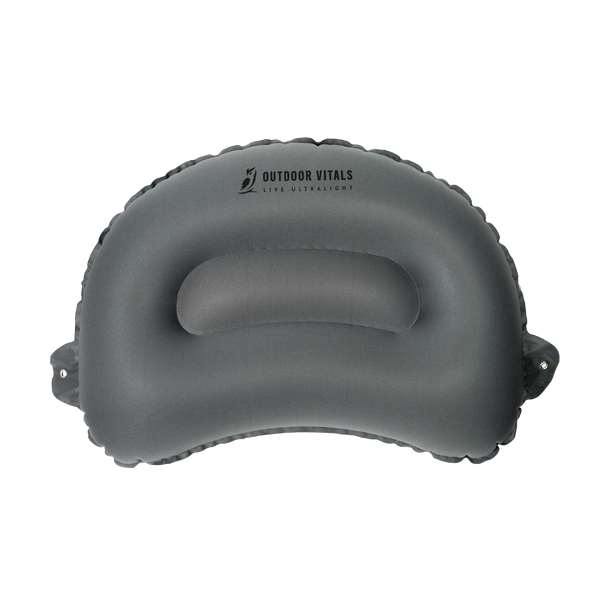
Outdoor Vitals

St. George, UT

Ultralight trail packs and vests without the gear brand markup

Founded in Utah by a team deep in the ultralight backpacking community, Outdoor Vitals built its reputation by delivering sub-2-lb pack performance at prices that don't require sponsorship to justify. Their trail vest and running pack lineup follows the same obsessive gram-counting logic, with carbon fiber framing that carries more weight than its own mass suggests. The brand sells direct and invests the margin difference into actual product development.

Enter Store

About This District

Trail running vests vary more than the category name suggests. The first thing to nail down is capacity: most runners doing single-day runs under 25 miles need 5L to 12L of total storage, while anything requiring mandatory gear (emergency bivy, extra layers, race-required nutrition) pushes into the 12L to 20L range. Hydration system is the second major variable. Front soft flasks are preferred by most runners because they are accessible without stopping and allow real-time monitoring of intake. Reservoir setups work for longer distances where stopping to refill is built into the plan. Look for vest-specific soft flask compatibility, not just a generic reservoir pocket. Fit matters more in vests than in almost any other piece of running gear. A vest that shifts laterally will cause chafe; one that rides up will restrict arm swing and cause shoulder fatigue within an hour. Most quality brands now offer women-specific fits with adjusted chest paneling, which is worth seeking out. Try any vest loaded to race weight before purchasing if possible, because the bounce and fit characteristics change significantly under load. Material weight is a real factor for competitive runners, but the lightest options sacrifice durability and pocket structure. For most recreational trail runners, a mid-weight vest in the 200-350g range is the right balance. Fabric durability at the flask pockets, hip belt buckles, and shoulder seams predicts vest lifespan better than any other construction detail.