Mint Districts Food

Best Wildcrafted and Foraged Food Brands to Buy Online

Wild food occupies a different register than anything else in your kitchen. A chanterelle picked from Pacific Northwest forest floor, an elderberry syrup pressed from hand-harvested berries, chaga scraped off a birch in the Appalachians: these ingredients carry a specificity that farmed food rarely achieves. The brands in this district are serious about sourcing. Most forage within a defined bioregion, work in small batches, and sell direct because the supply chain for truly wild food cannot scale the way commodity ingredients can. If you have been buying botanicals, mushrooms, or wild seasonings through Amazon, you are probably missing out on the real thing.

Food · 7 Brands

The Wildcrafted District

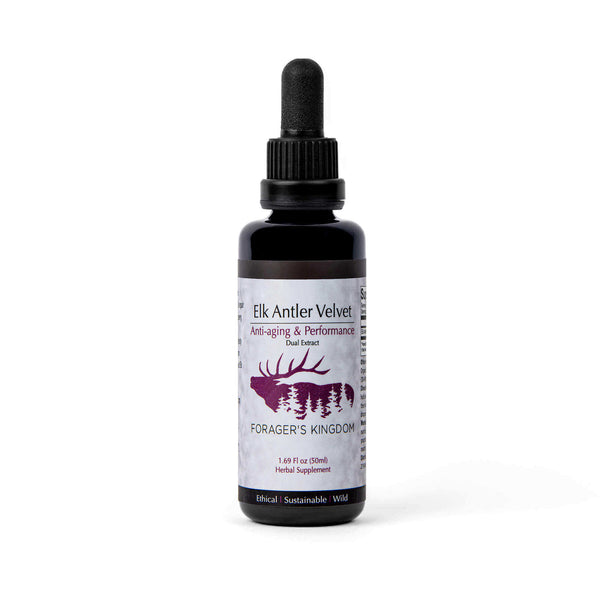
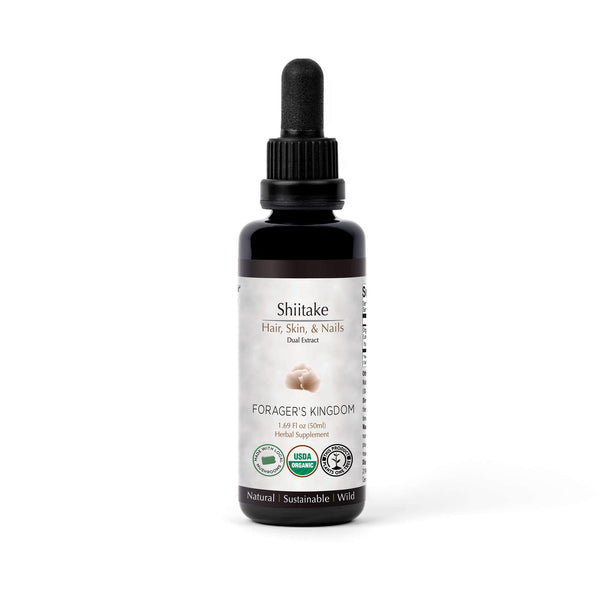
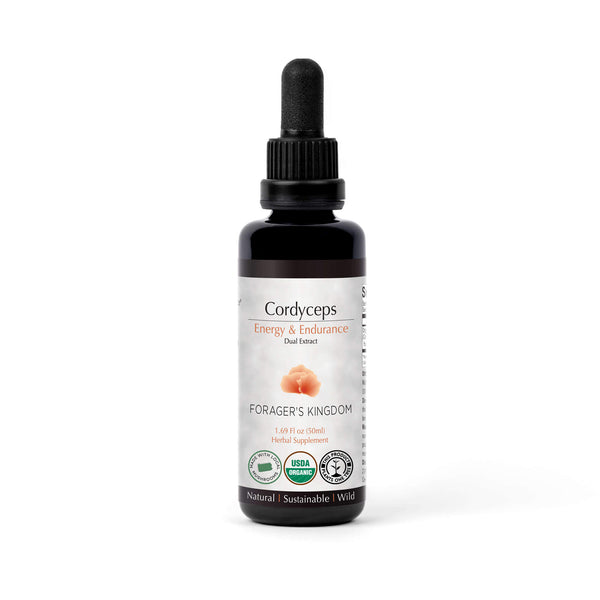
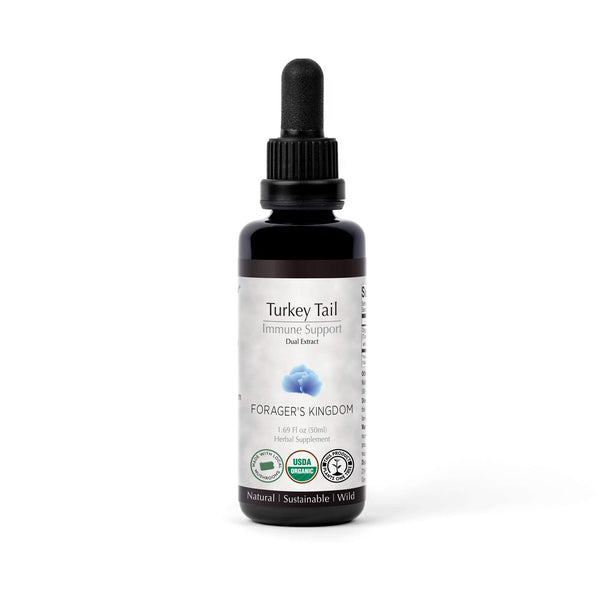
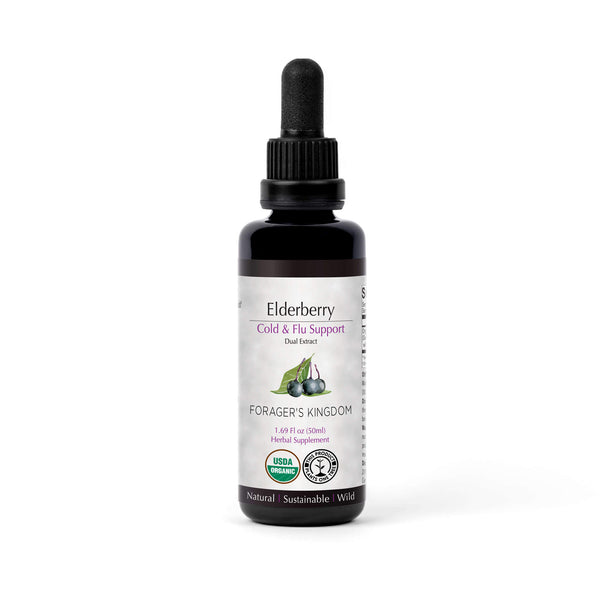
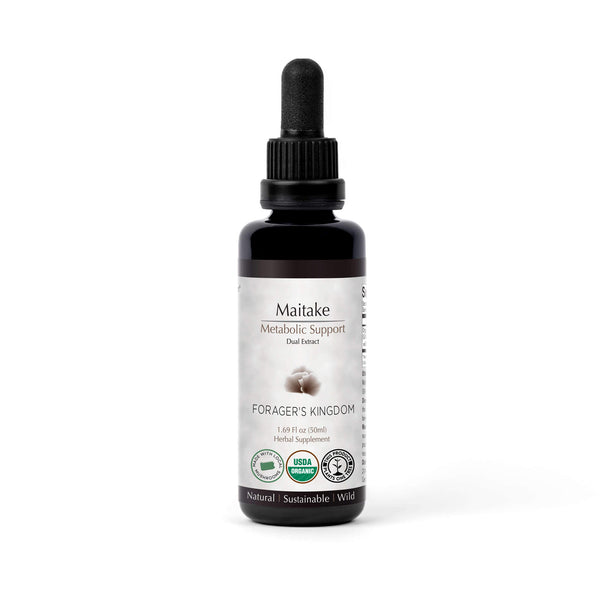
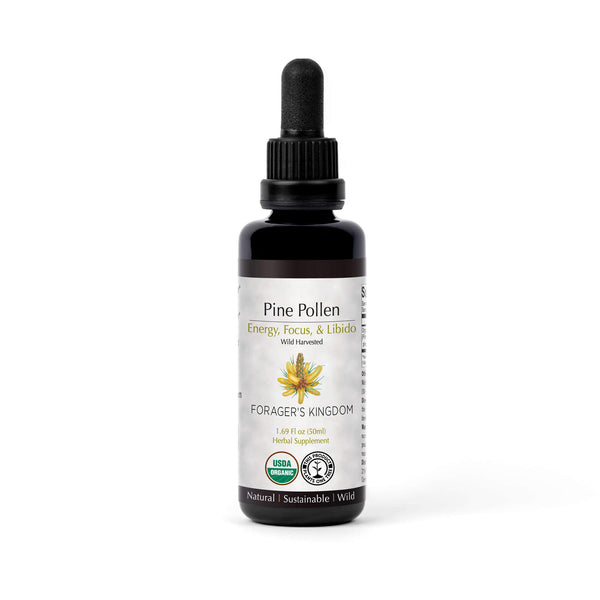
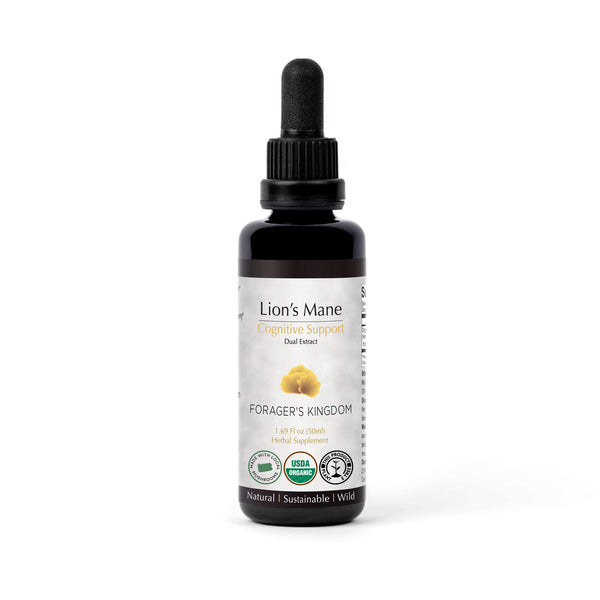
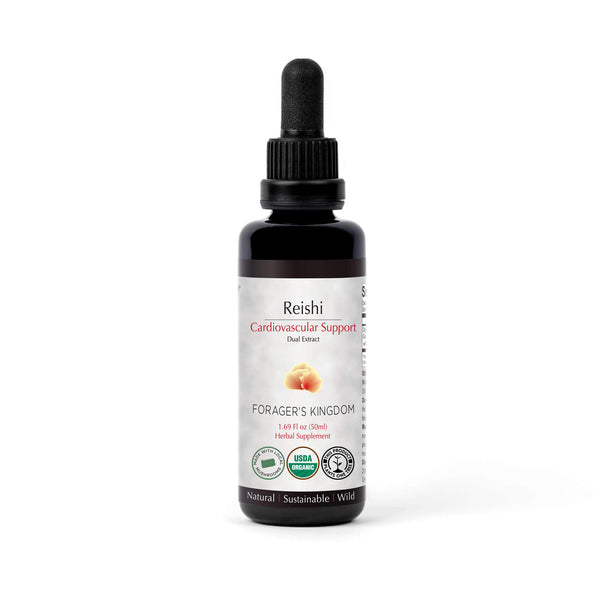
Forager's Kingdom

Appalachian region

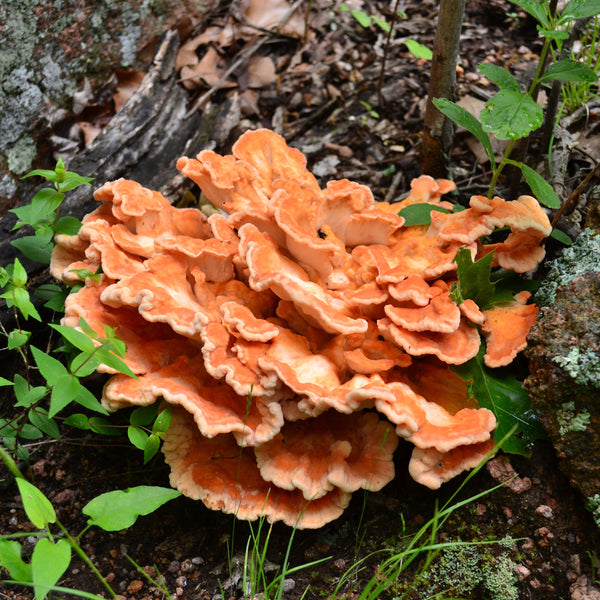
Appalachian wild mushroom extracts, sustainably harvested within forty miles.

Deep in the ancient Appalachians, this producer harvests chaga, reishi, lion's mane, and maitake from forests barely changed in millennia. Every bottle starts with hyperlocal forest connection, dual-extracted and third-party tested for potency.
Enter Store

Wild Muskoka Botanicals

Muskoka, Ontario

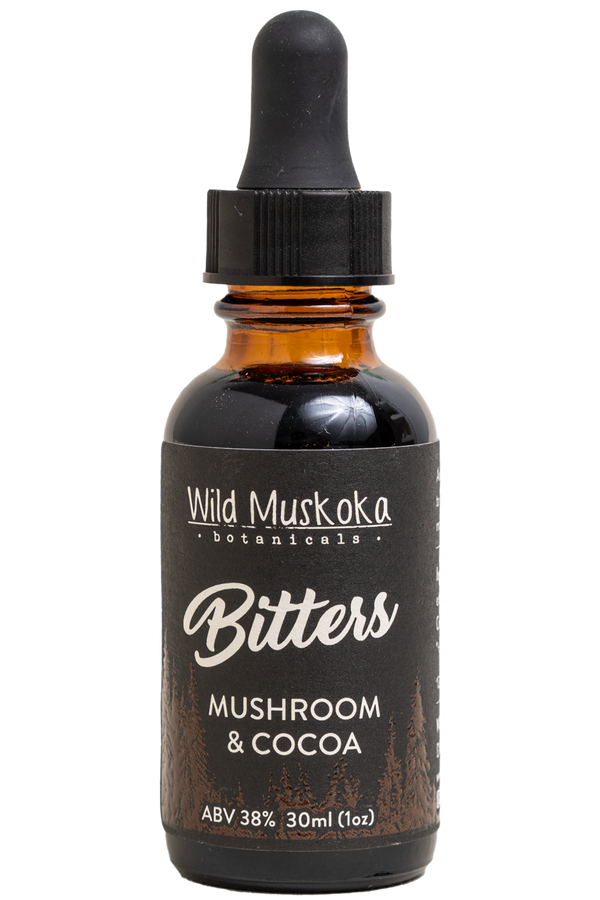
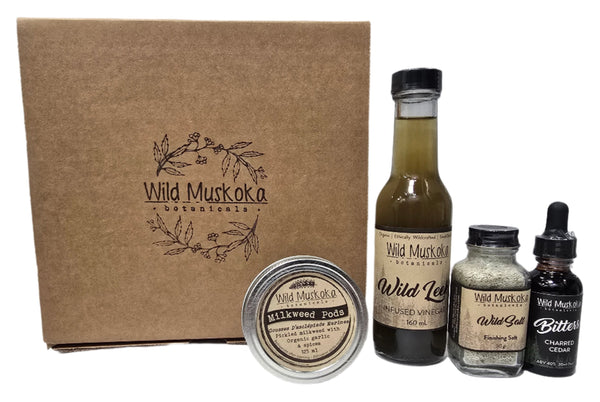
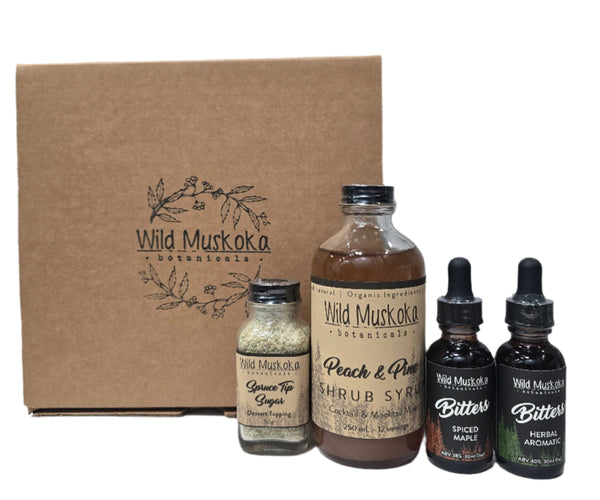
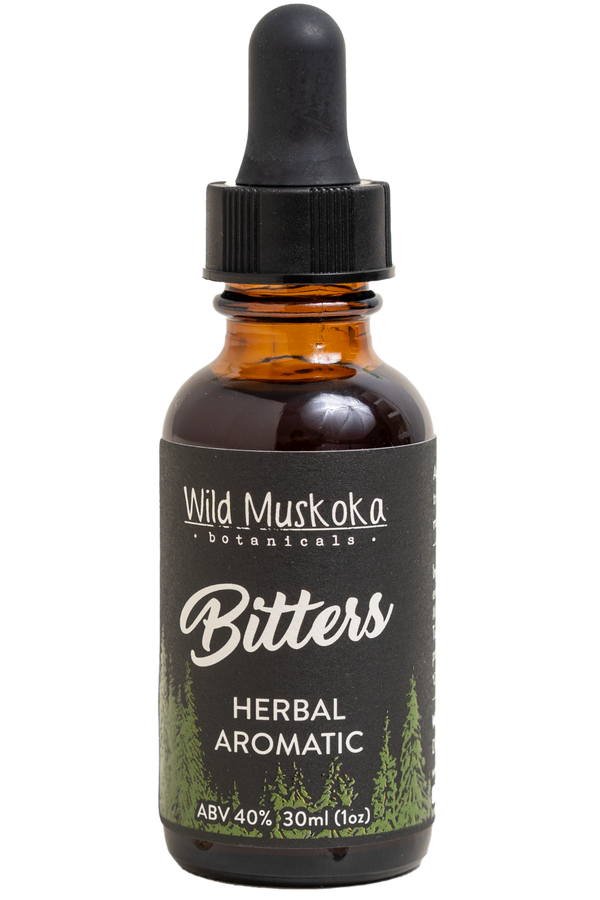
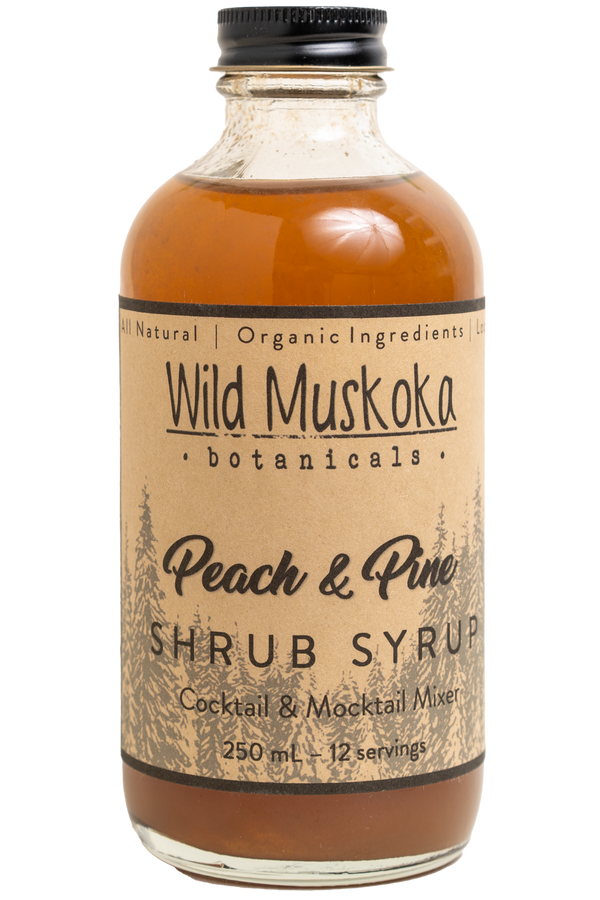
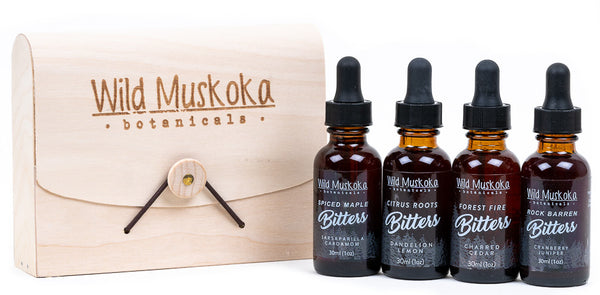
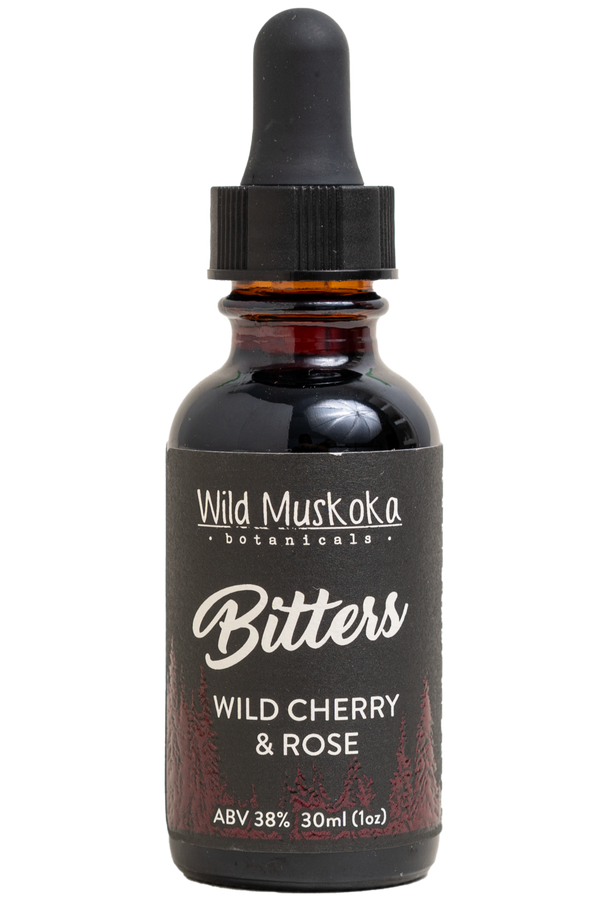
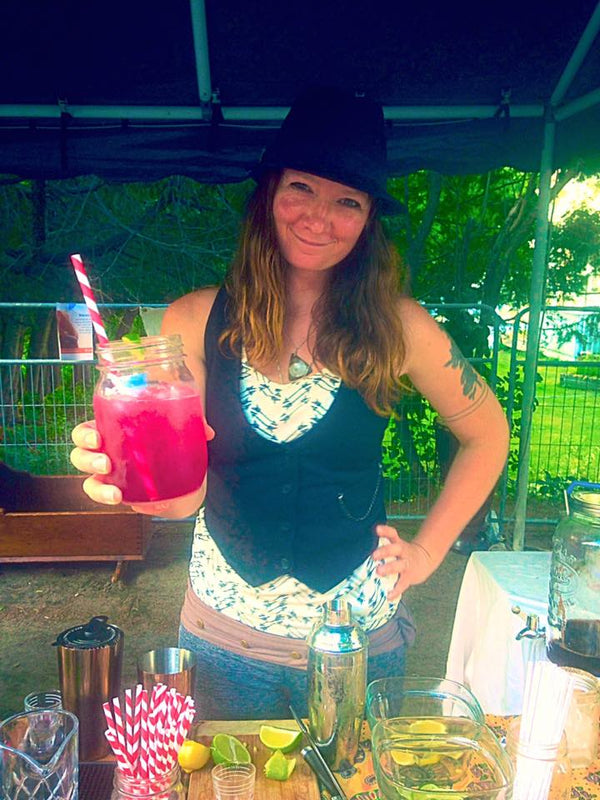
Cocktail bitters, shrubs, and elderberry syrup foraged in Ontario cottage country.
Built around the forested lakes of Ontario's Muskoka region, this artisan producer hand-gathers local botanicals and turns them into cocktail mixers with unmistakable terroir. The elderberry syrup and bitters are kitchen staples for serious home bartenders.
Enter Store

Northwest Wild Foods

Burlington, WA

Wild berries, mushrooms, and botanicals from the Cascades and Olympic Mountains.

Burlington, Washington-based and serious about provenance, Northwest Wild Foods hand-gathers wild blue huckleberries, wild blueberries, and Pacific Northwest mushrooms from mountain forests. A reference-quality source for genuinely wild fruit.

Enter Store

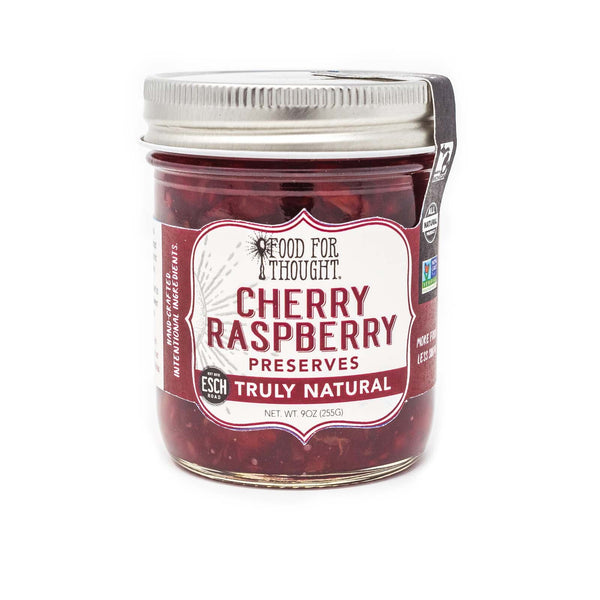
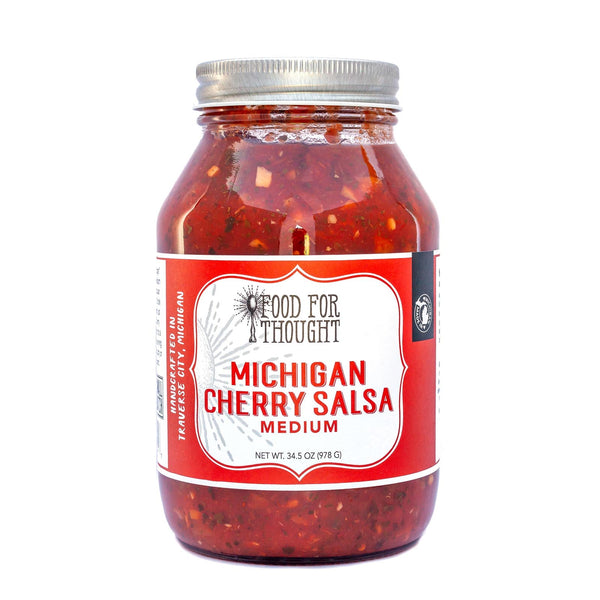
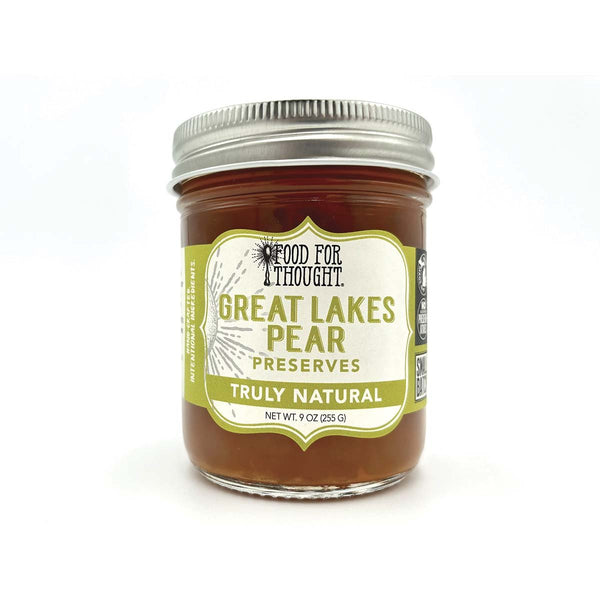
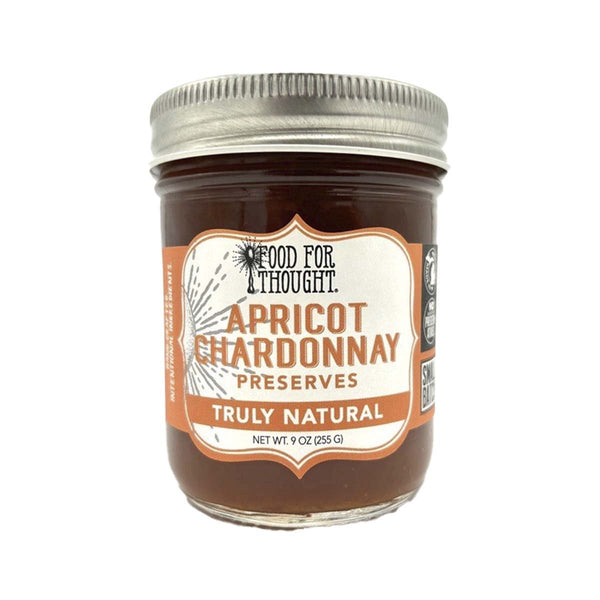
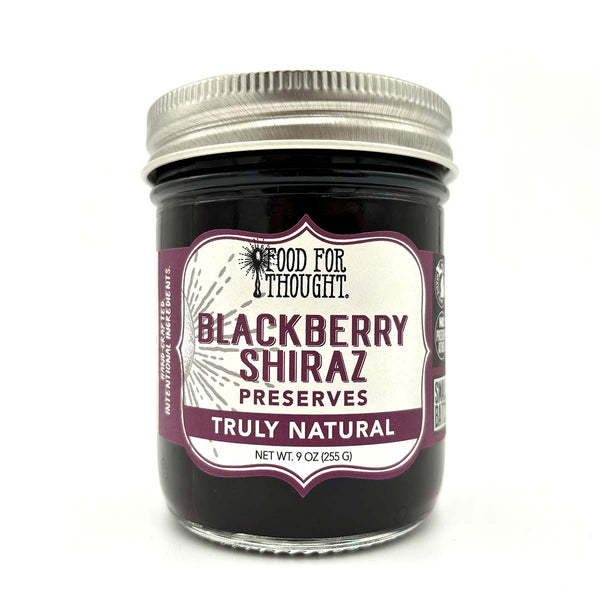
Food For Thought (Earthy Delights)

East Lansing, MI

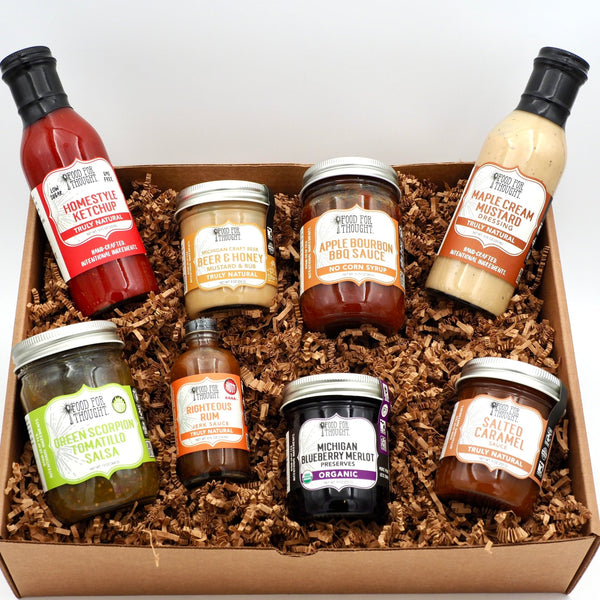
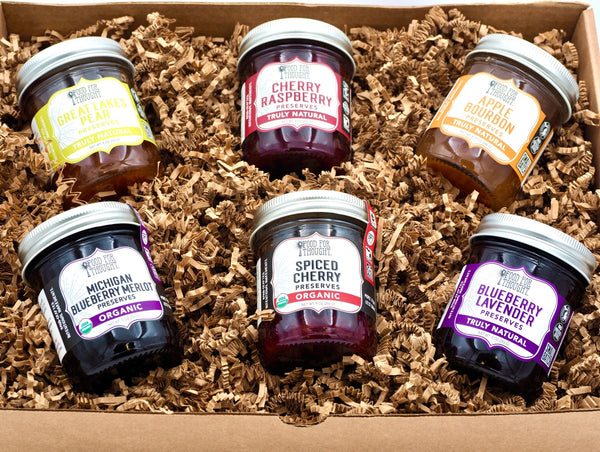
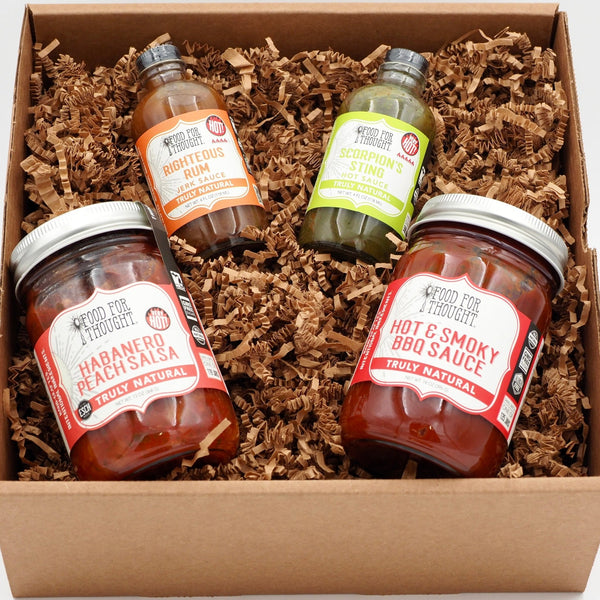
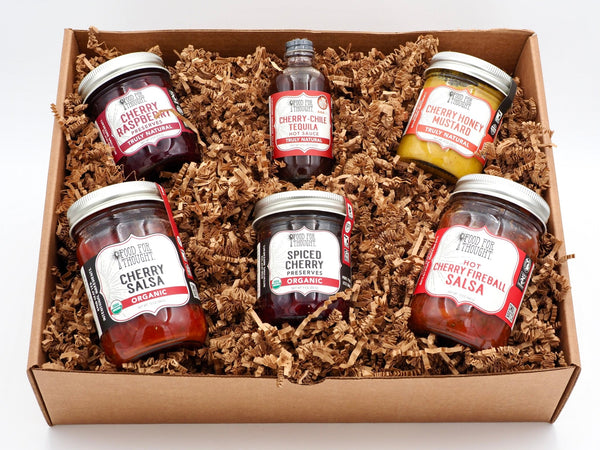
Wild and specialty foods from one of the movement's founding voices, since 1986.

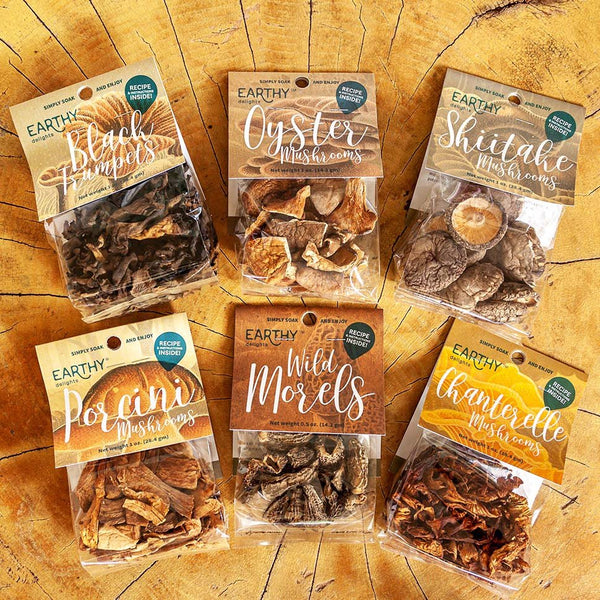
A Michigan-based wild food cooperative founded in 1986, Earthy Delights pioneered bringing foraged ingredients to home cooks before the category had a name. Now part of Food For Thought, the dried mushroom and wild food selection remains a benchmark for the category.

Enter Store

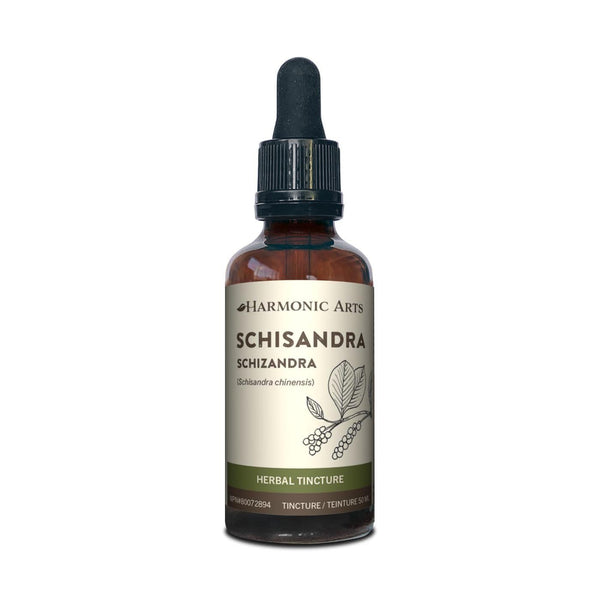
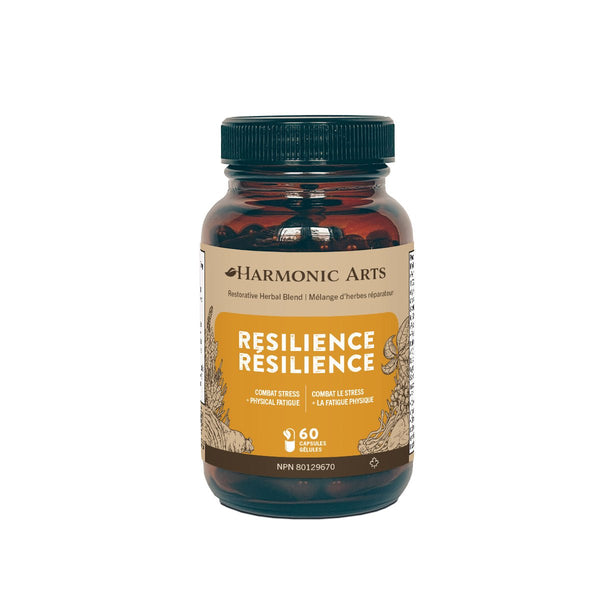
Harmonic Arts

British Columbia, Canada

Clinical herbalist-formulated extracts with organic and wild-harvested botanicals.

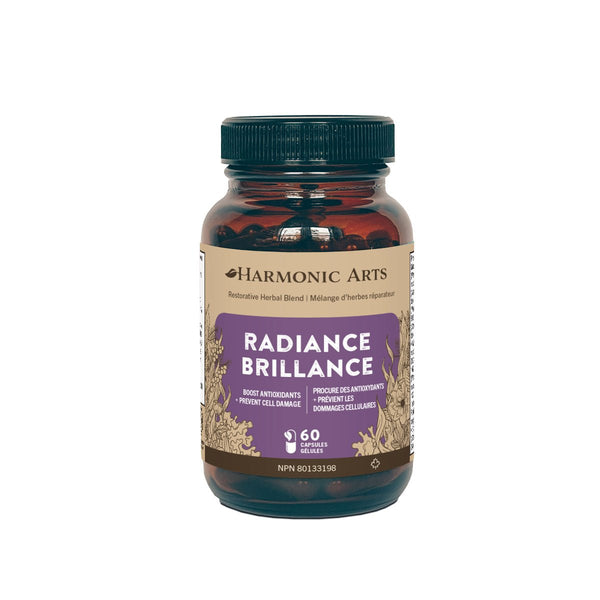
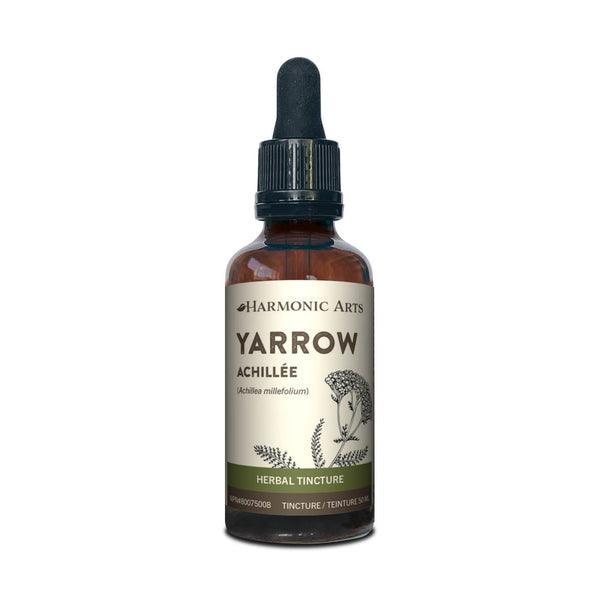
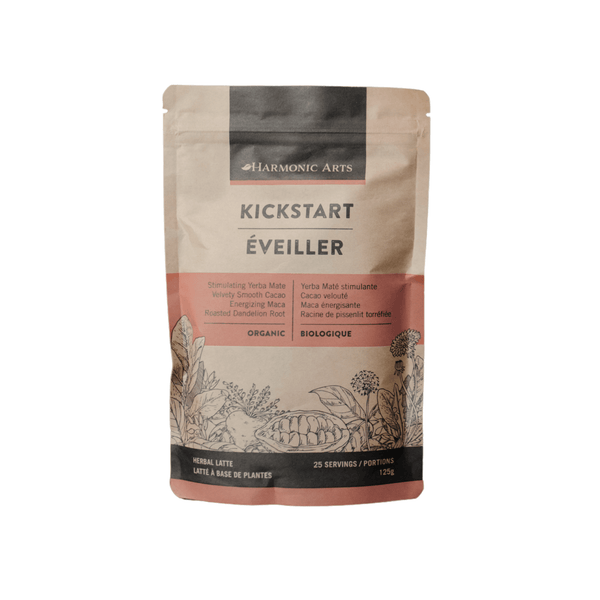
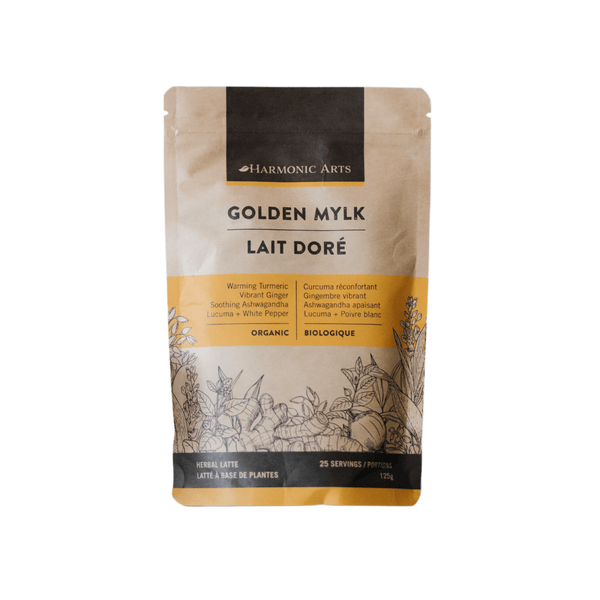
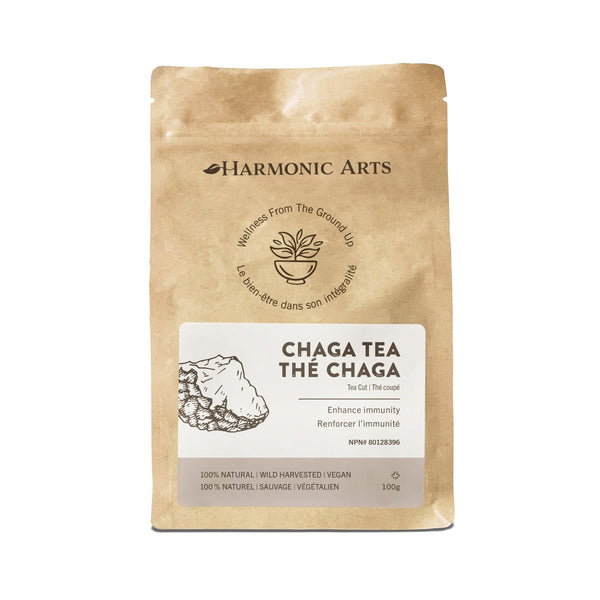
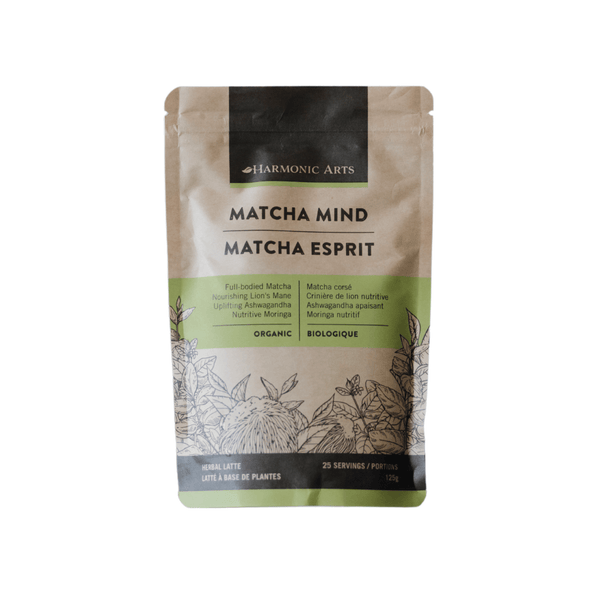
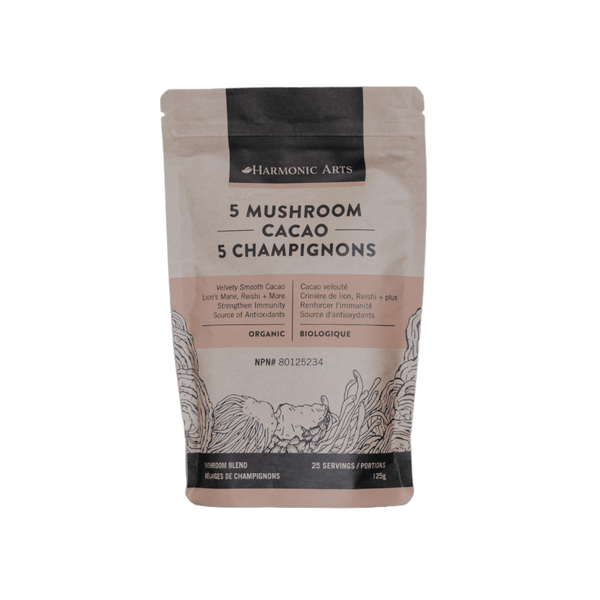
Formulated by practicing clinical herbalists on the west coast of British Columbia, Harmonic Arts blends organic and wild-harvested botanicals into tinctures, syrups, and powders with pharmaceutical-grade transparency about sourcing and bioavailability.

Enter Store

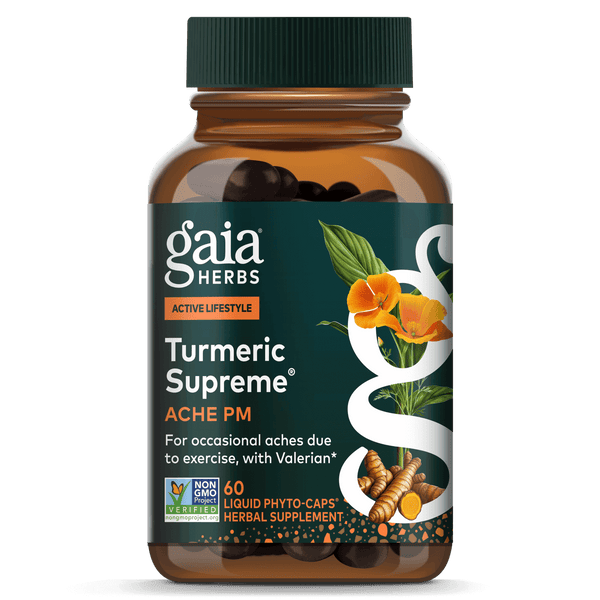
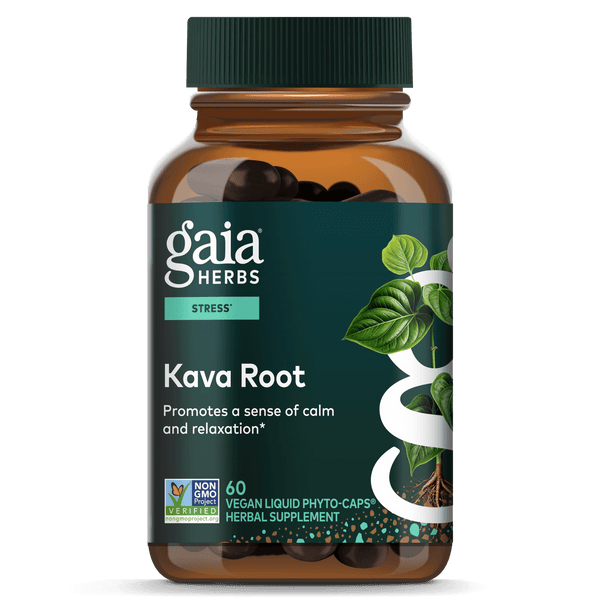
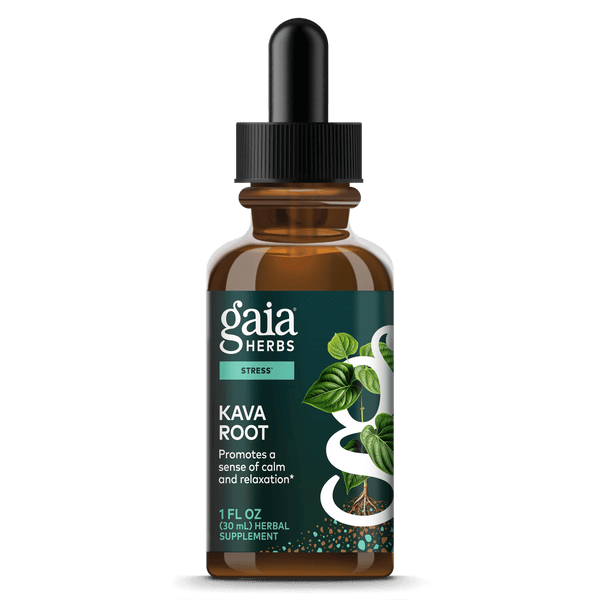
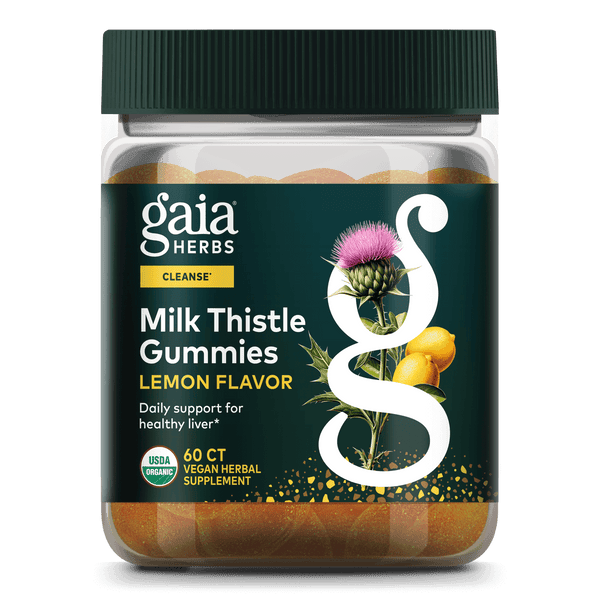
Gaia Herbs

Brevard, NC

Farm-grown and wildcrafted herbs from a 350-acre certified organic farm in NC.

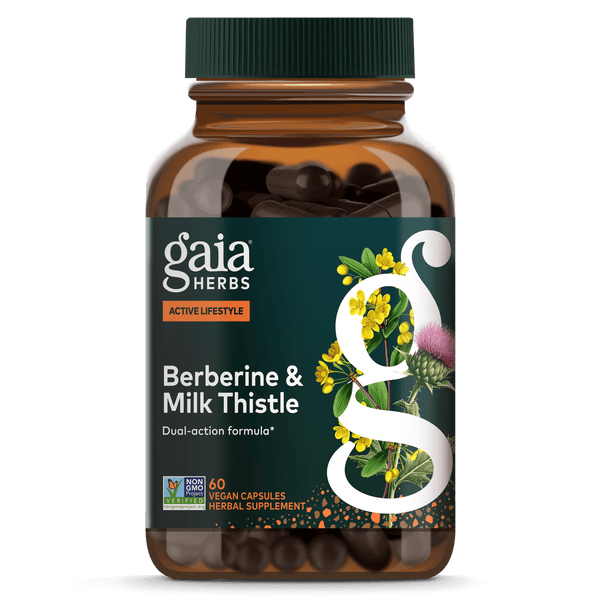
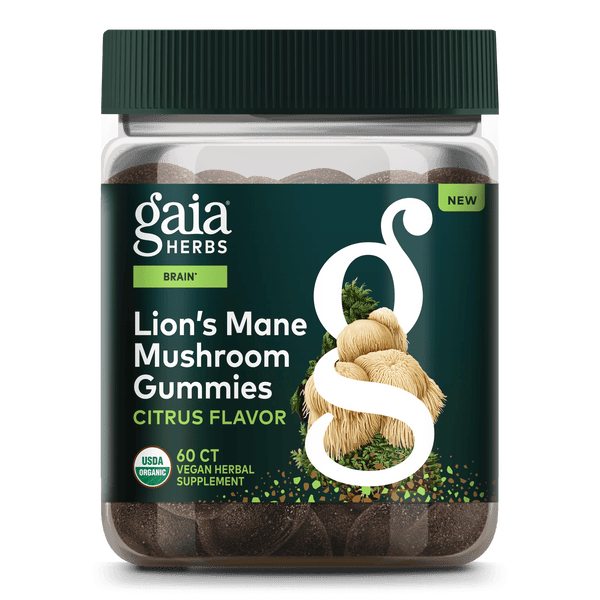
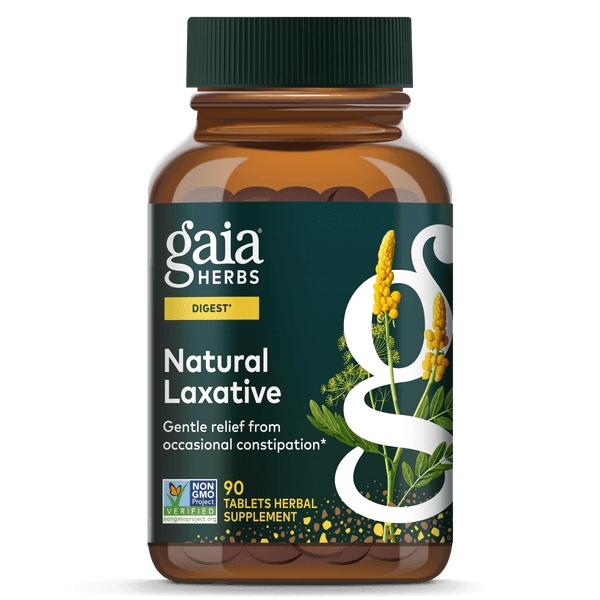
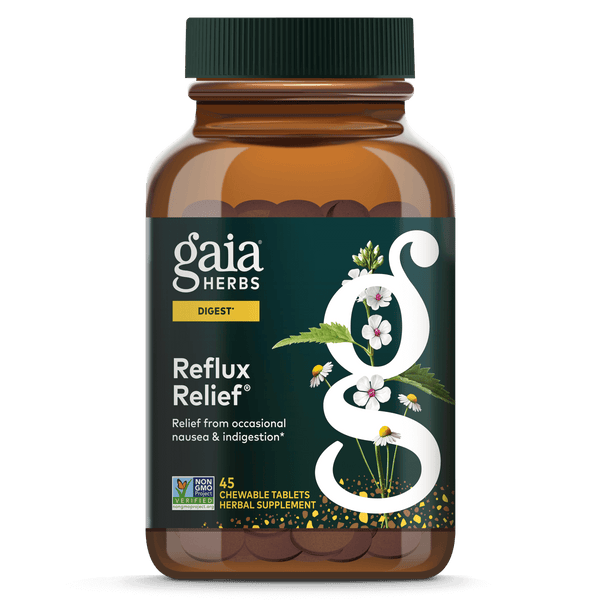
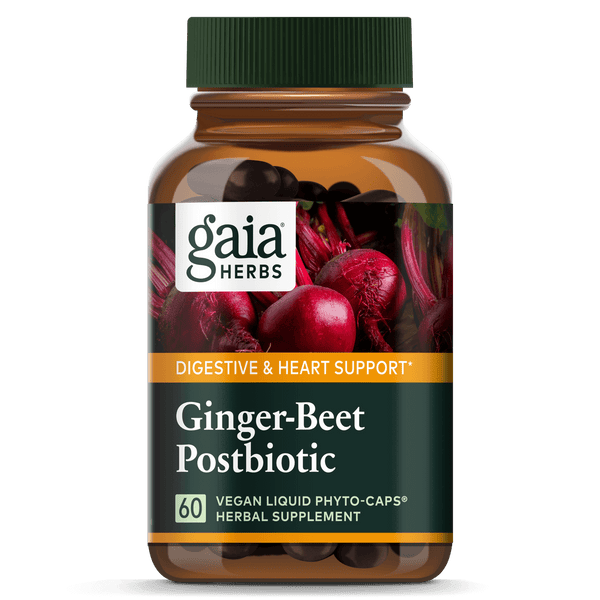
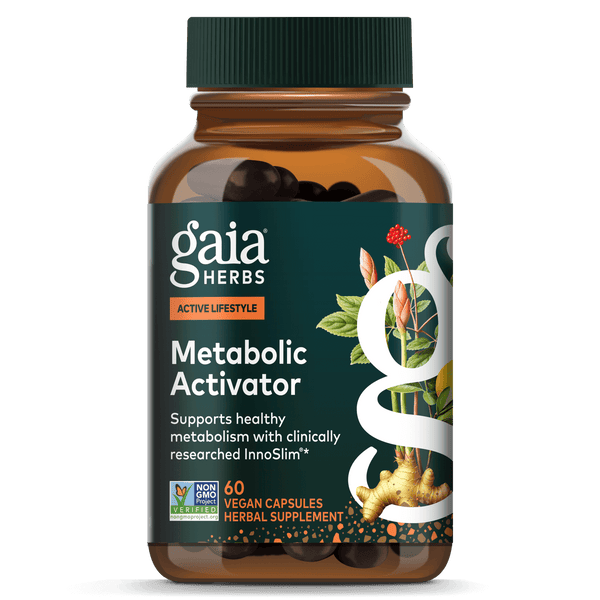
Gaia Herbs grows many of their own botanicals on a 350-acre certified farm in the Blue Ridge Mountains of North Carolina, supplementing with sustainably wildcrafted ingredients. One of the most transparent herbal brands on purity and potency testing.

Enter Store

Barnacle Foods

Juneau, AK

Alaska kelp hot sauce, chili crisp, and pickles from Southeast Alaskan waters.

Started in Juneau, Barnacle Foods harvests fast-growing bull kelp from pristine Alaskan coastline and converts it into condiments with genuine coastal character. The kelp hot sauce became a cult pantry item among chefs who cared about ocean-to-table sourcing.

Enter Store

About This District

Start by thinking about what part of the wild food world you are after. If you want functional mushrooms like chaga, reishi, or lion's mane, look for brands that specify where their mycelium was foraged and how extraction was performed. Dual extraction (hot water plus alcohol) yields the most complete range of compounds. Avoid anything that just says "mushroom powder" with no sourcing information. For wild pantry ingredients like kelp, sea vegetables, elderberry syrup, and wild herbal tinctures, the key questions are: where was it harvested, and was it sustainably managed? Good wildcrafting brands will tell you the bioregion and harvest season, often down to the forager. Shelf life and freshness matter too. Fresh-frozen wild ingredients are meaningfully different from dried stock sitting in a warehouse for eighteen months. Ask brands about harvest dates. The best small-batch wildcrafted food producers know exactly when each lot was gathered. Foods certified organic may be farmed rather than wild. The word "wildcrafted" signals the ingredient was gathered from its natural habitat, a different and often more nutrient-dense result. Do not conflate the two.