Mint Districts Fashion

The Best Wooden Sunglasses From Independent Brands Using Real Wood

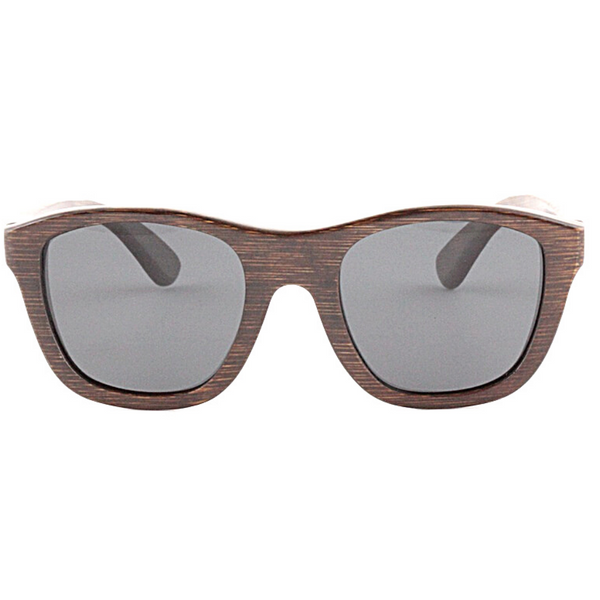
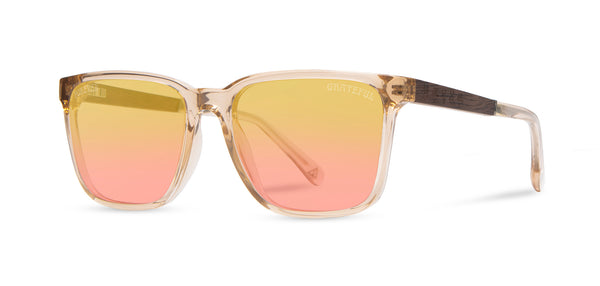
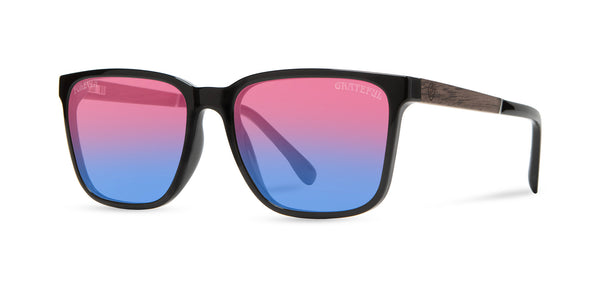
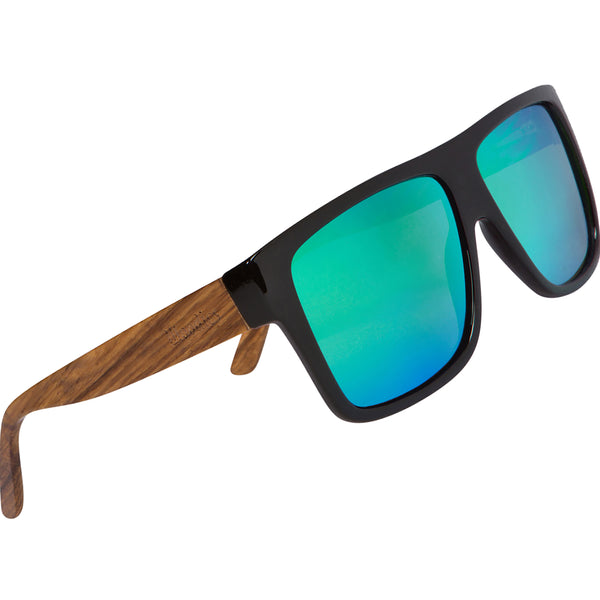
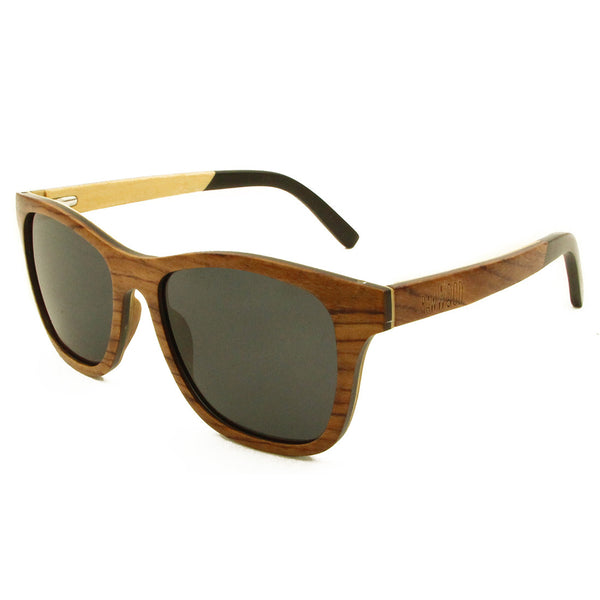
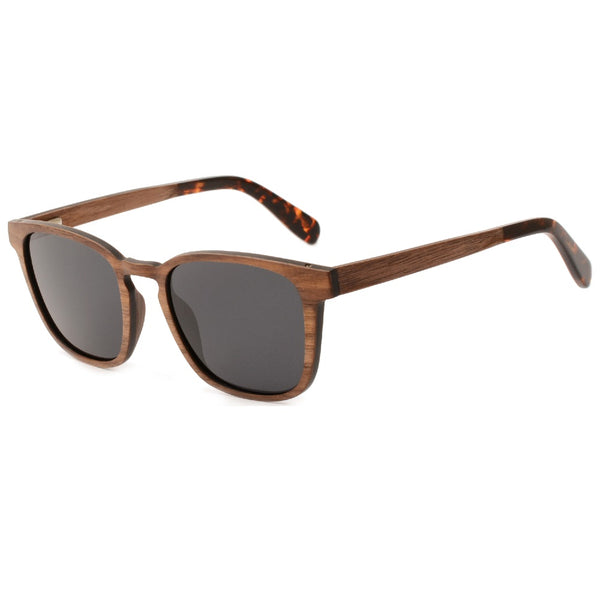
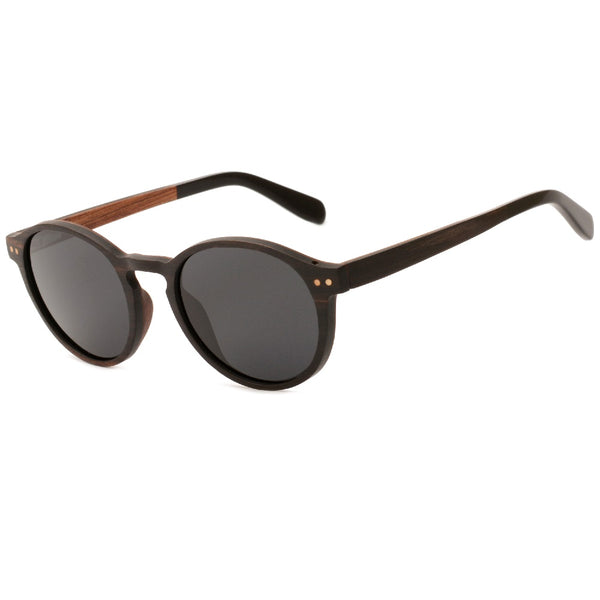
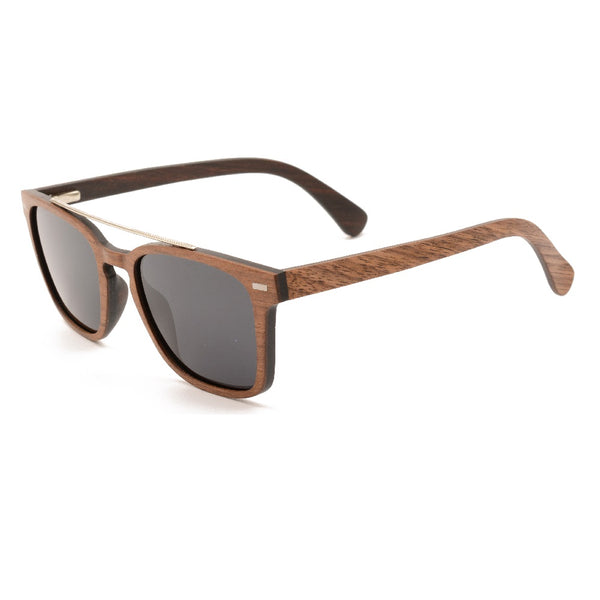
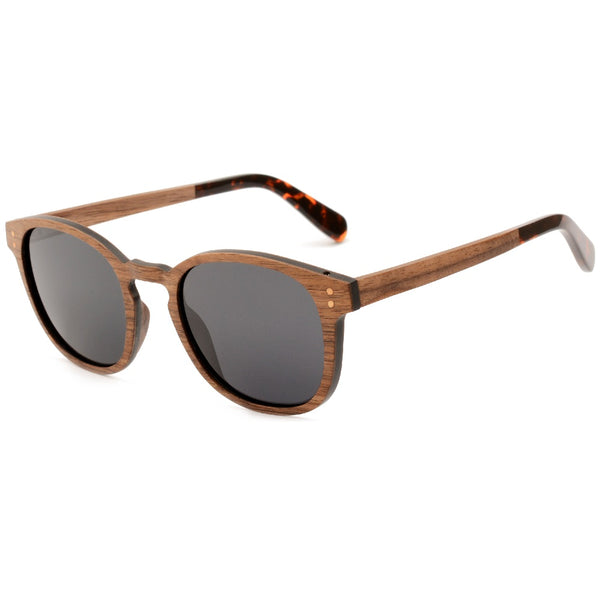
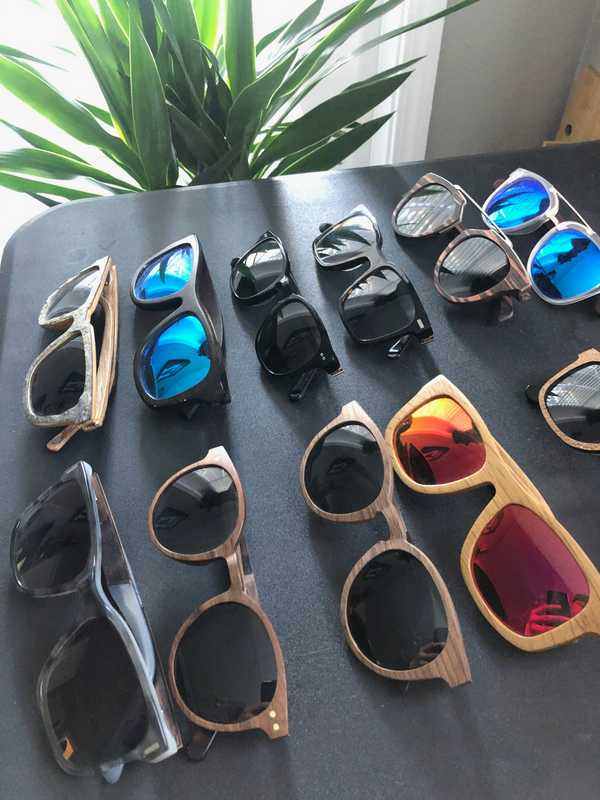
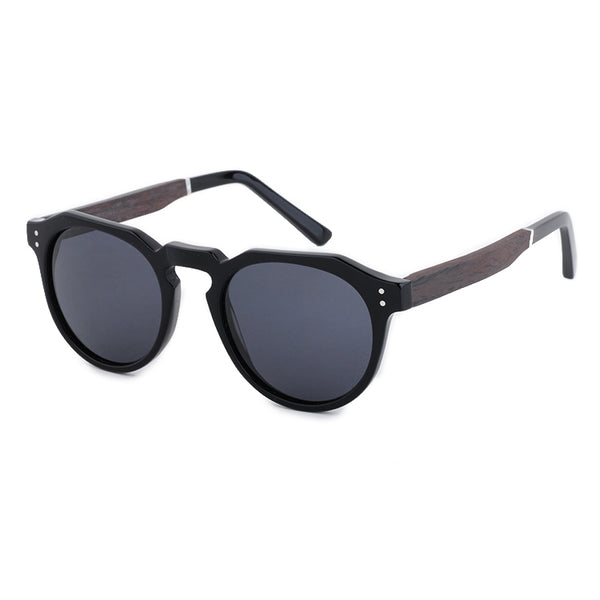
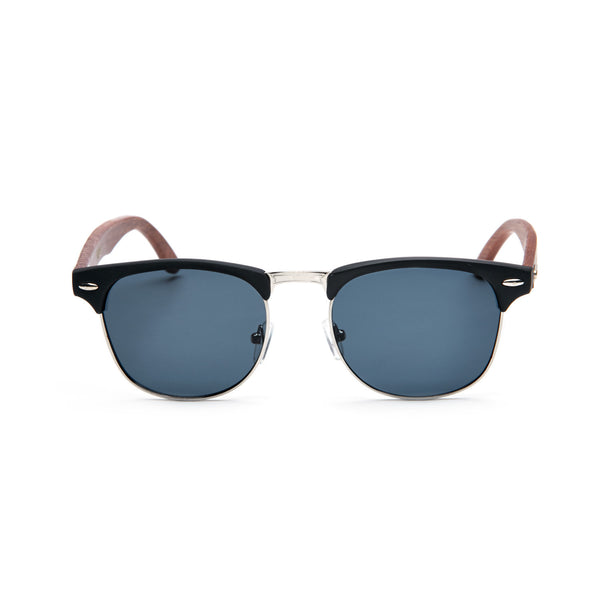
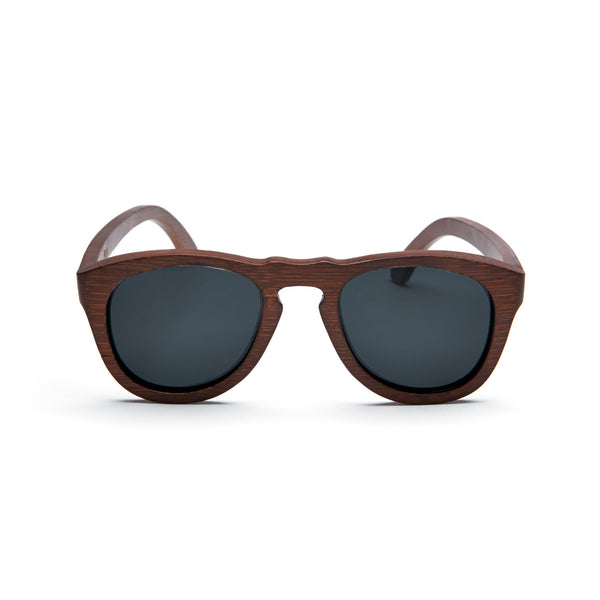
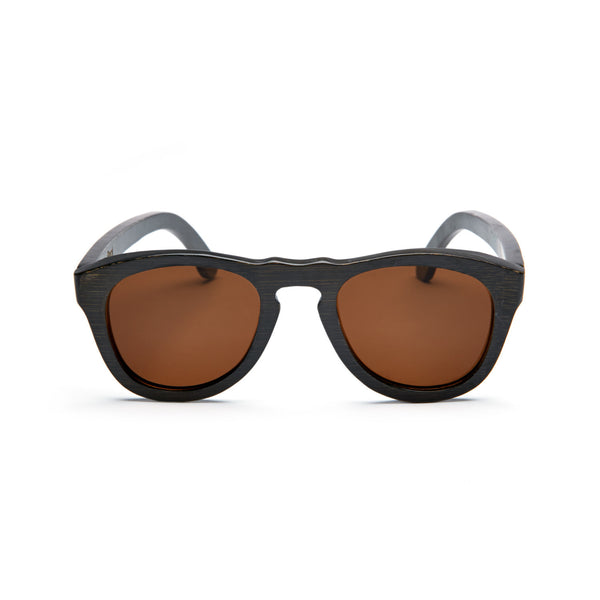
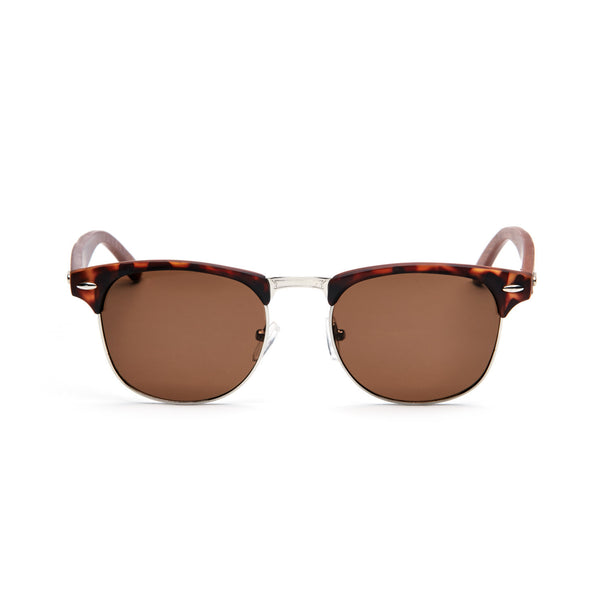
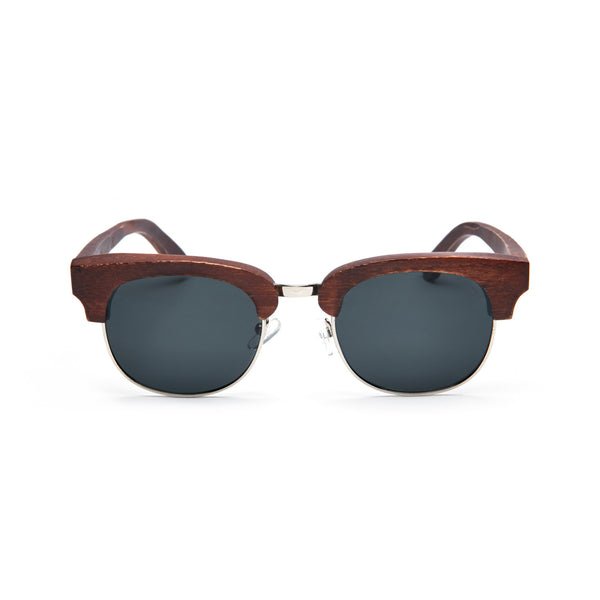
Wooden sunglasses get dismissed as a gimmick, and usually that's fair. But the brands in this district are different. They use actual hardwood, bamboo, and layered natural materials instead of painted plastic that cracks by October. The price range spans from accessible walnut frames under $30 to premium Portland-crafted pairs with polarized lenses and five-barrel hinges. What connects them is a commitment to the material itself: wood reacts to humidity, ages with wear, and feels different in your hand than anything that came out of a mold. That's the point.

Fashion · 6 Brands

The Wooden Sunglasses District

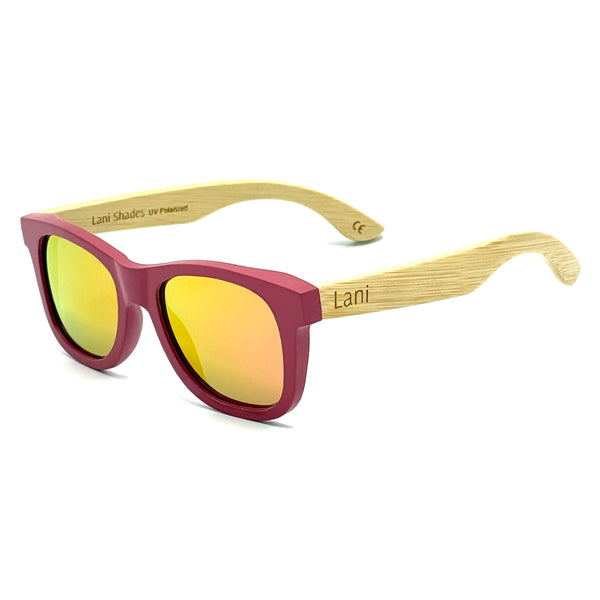
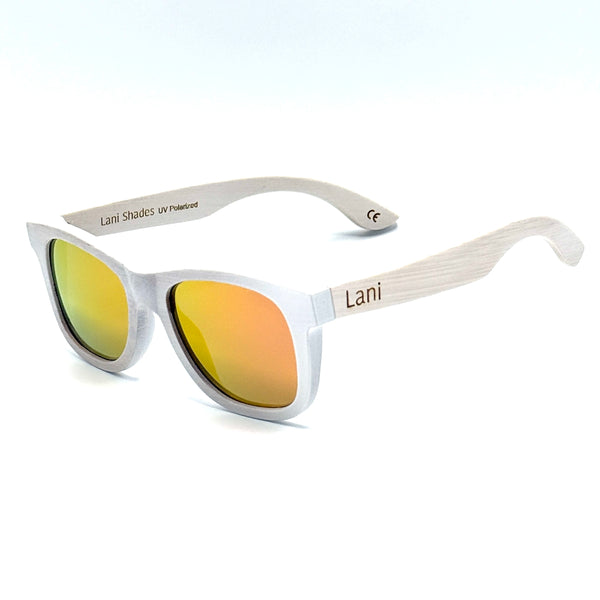
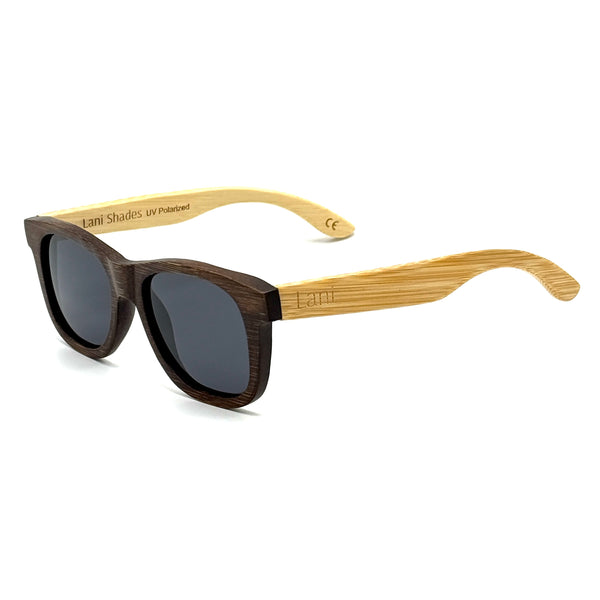
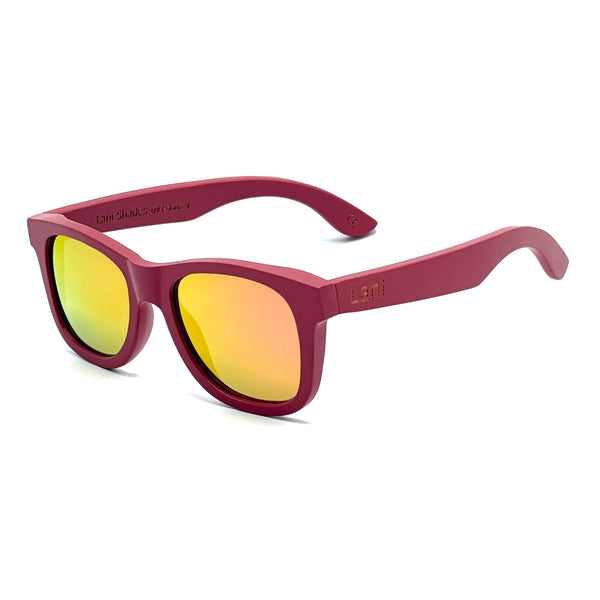
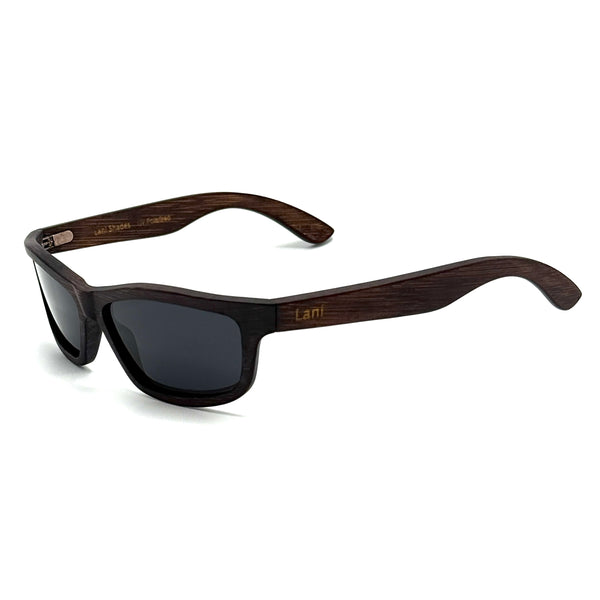
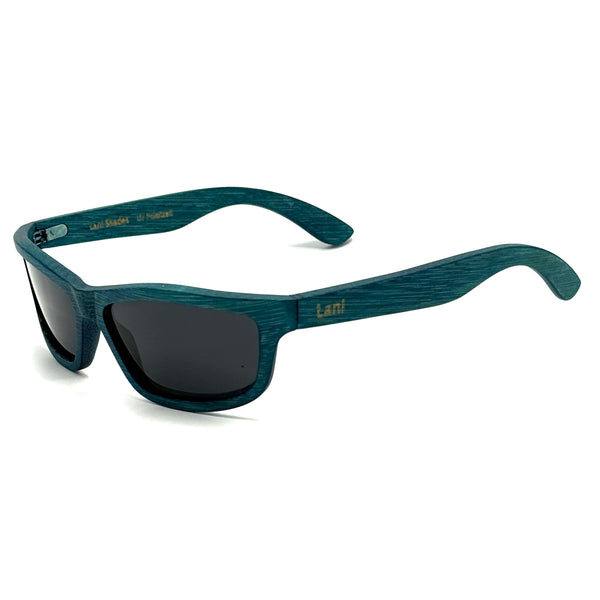
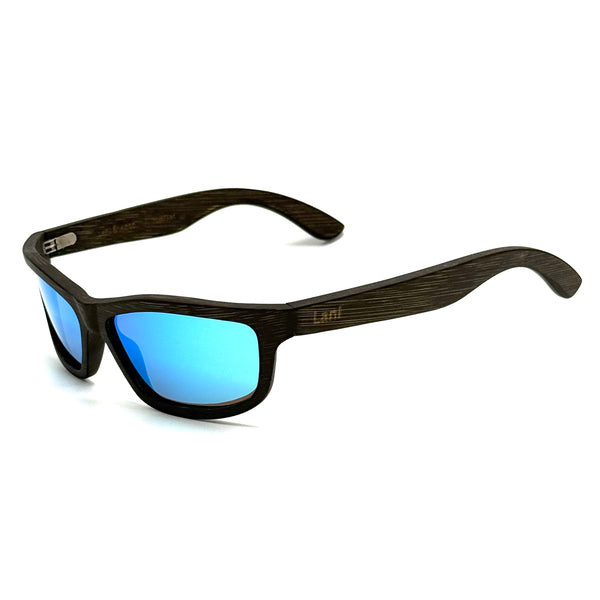
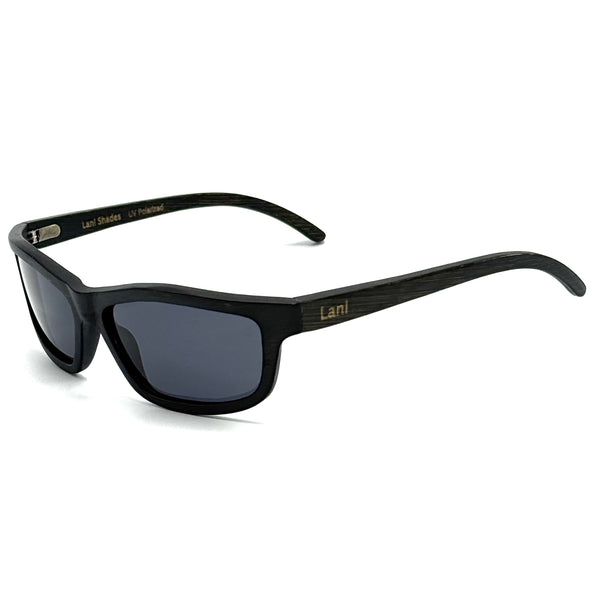
Lani Shades

Hawaii

Bamboo frames that float, from Hawaii's favorite shades label

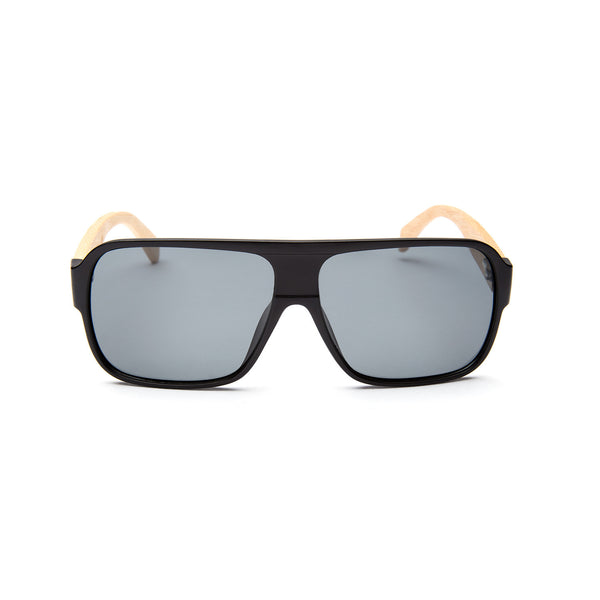
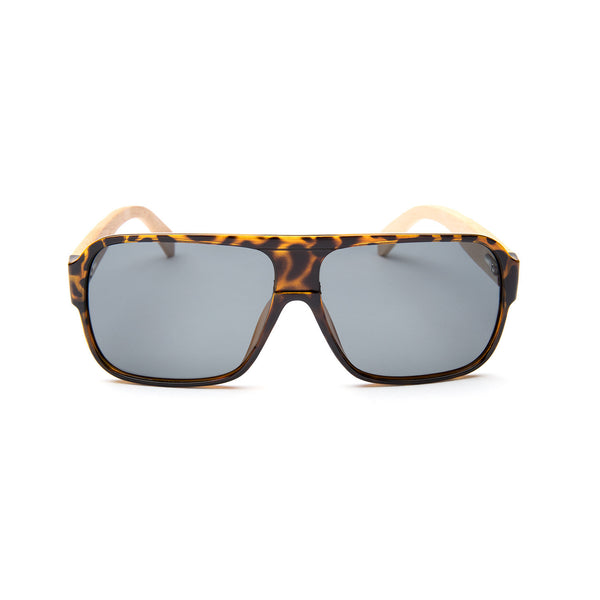
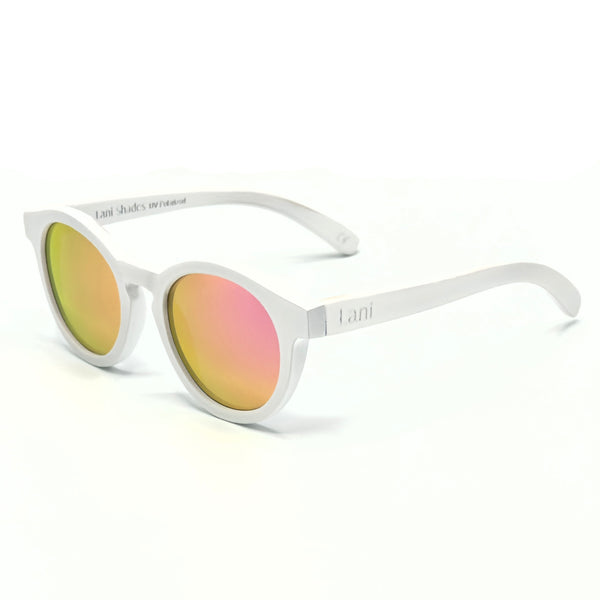
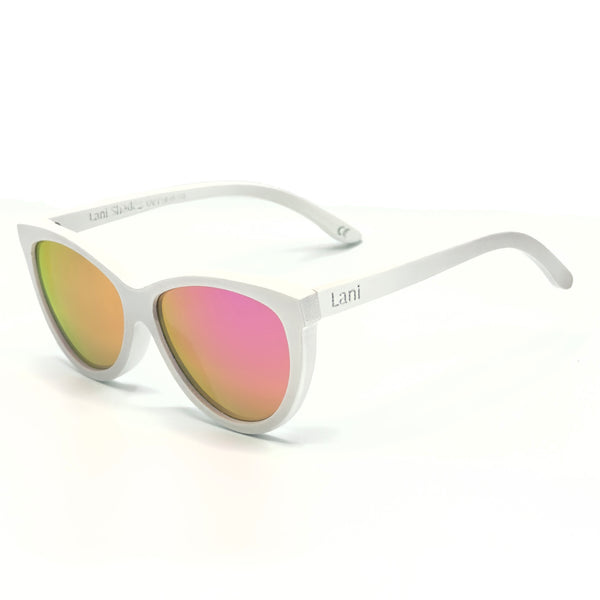
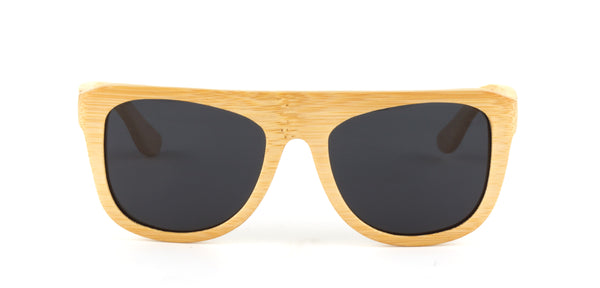
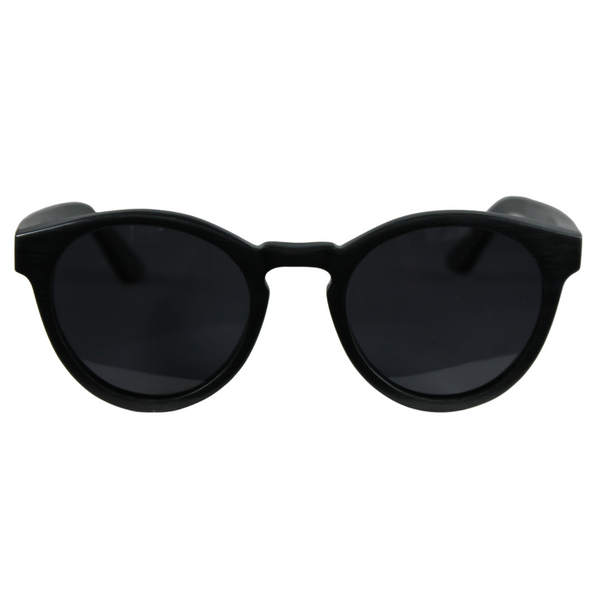
Started in Hawaii, where sunglasses see more action than most gear ever will. Lani Shades builds bamboo frames with UV400 polarized lenses specifically designed to float, so losing them off a boat or paddleboard is not the disaster it would be otherwise. The bamboo is lightweight, the lenses hold color well in bright sun, and the pricing stays reasonable for what you get.
Enter Store

Panda Sunglasses

United Kingdom

Handcrafted bamboo sunglasses, made the same way since 2012

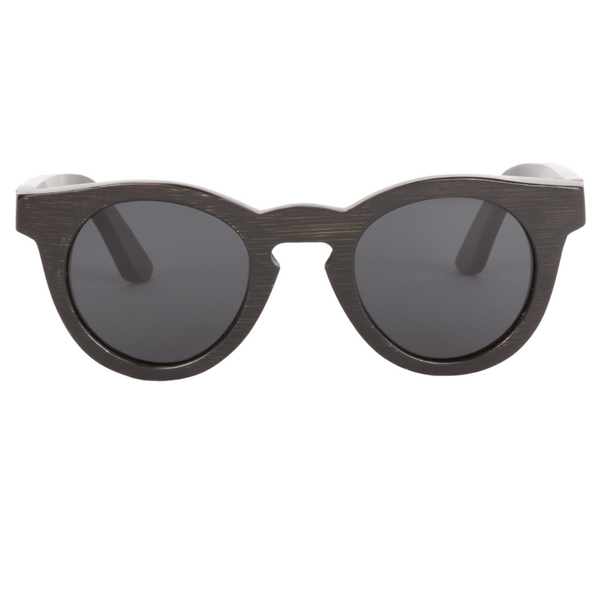
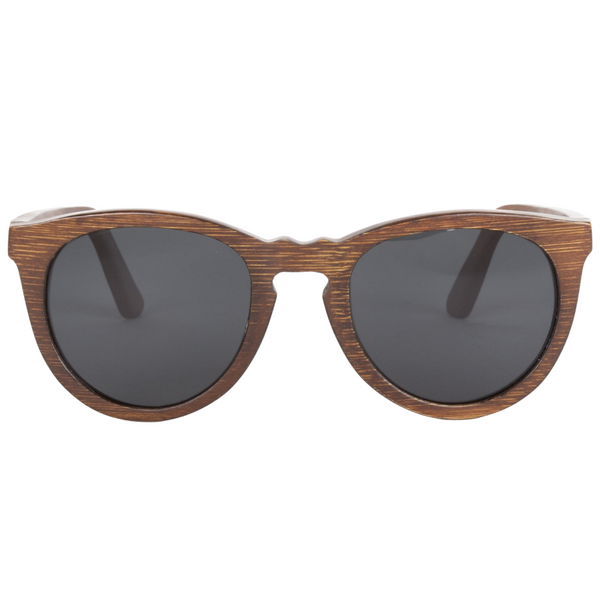
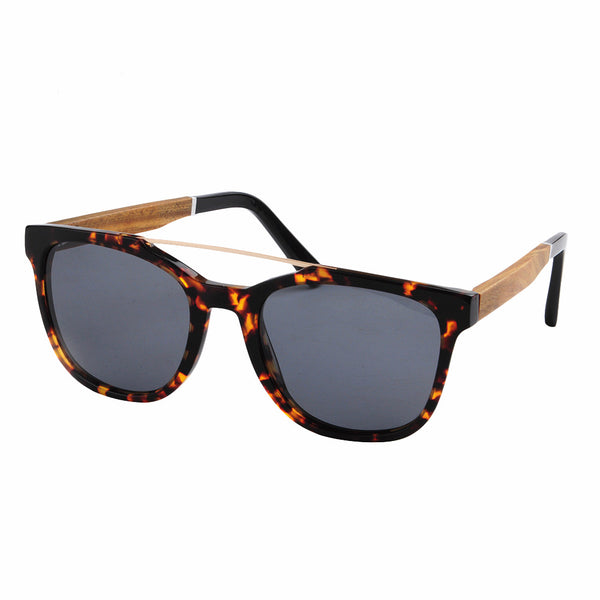
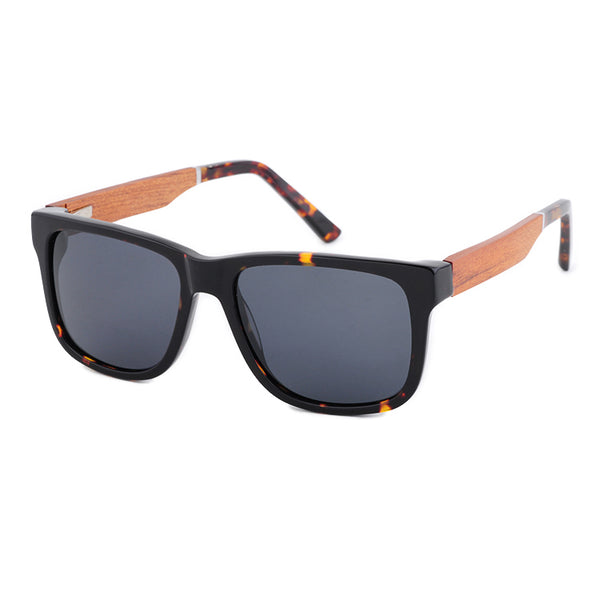
One of the earliest DTC bamboo sunglass brands, and it still shows in the product. Operating since 2012, Panda Sunglasses handcrafts polarized bamboo frames and has not drifted into plastic or shortcuts since. Every pair ships worldwide with free shipping and comes with a case. A brand that found its thing early and just keeps doing it.
Enter Store

Shwood

Portland, OR

Portland woodwork meets eyewear, built for people not trends

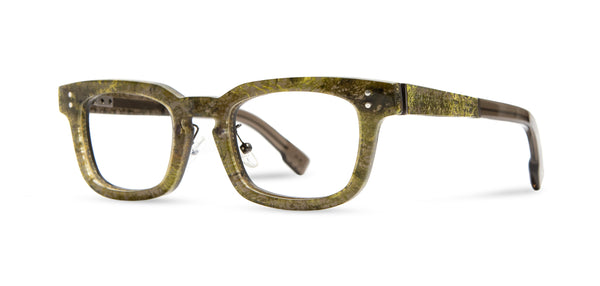
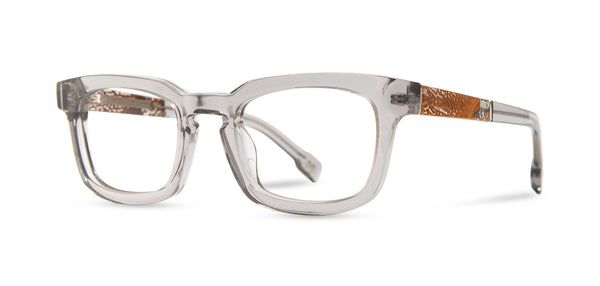
A Portland brand doing wood-framed eyewear before it was a category. Shwood makes sunglasses and optical frames from sustainably sourced wood, stabilized resin, and acetate, with five-barrel German hinges and the kind of construction that holds up over the long term. The premium end of the spectrum, but built to earn it.

Enter Store

Woodies

United States

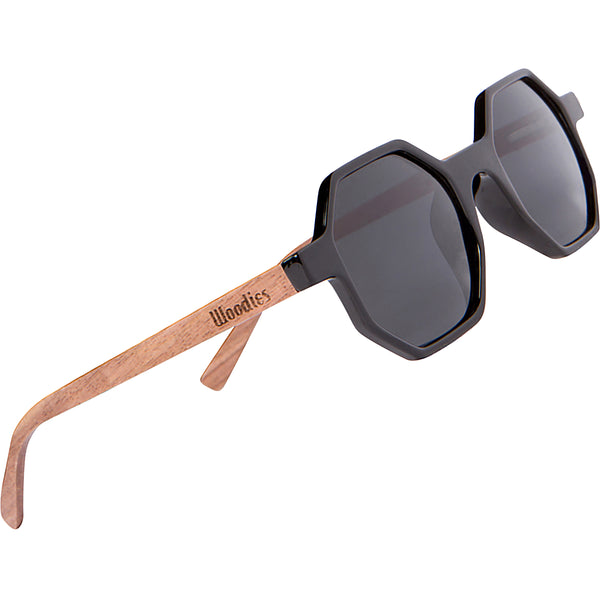
Walnut wood sunglasses that don't ask you to pay a premium for them

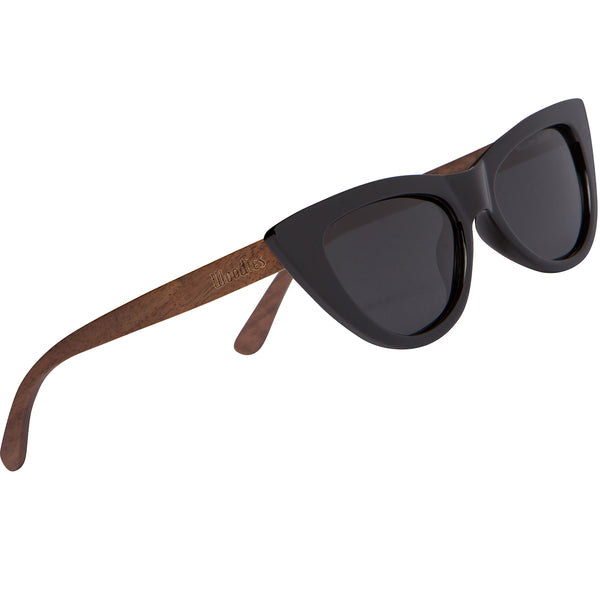
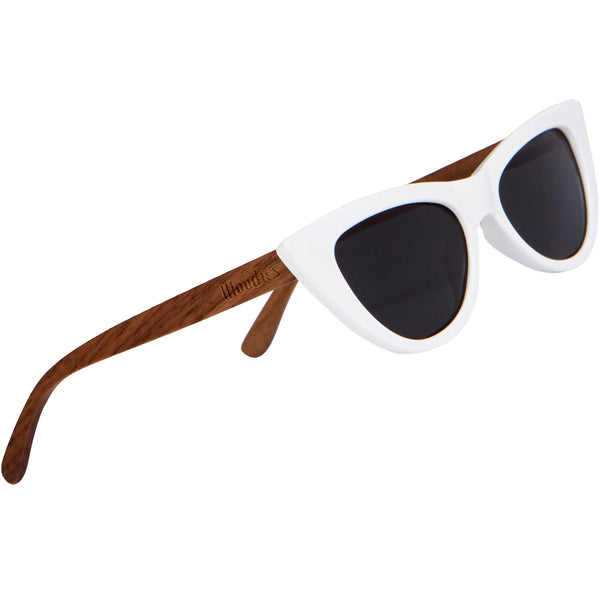
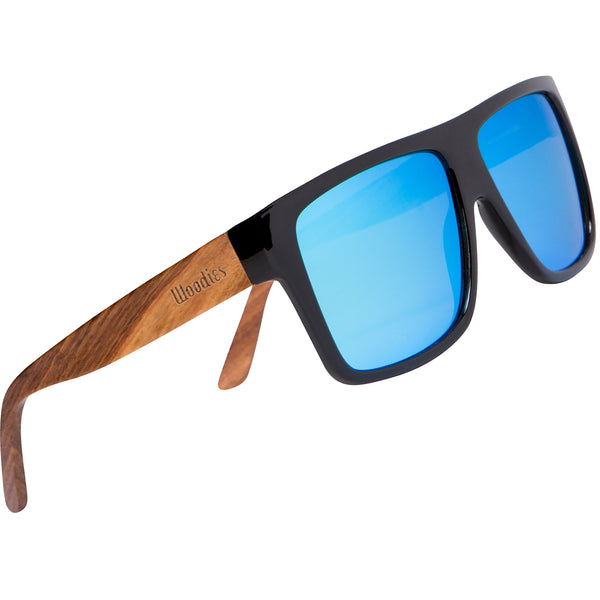
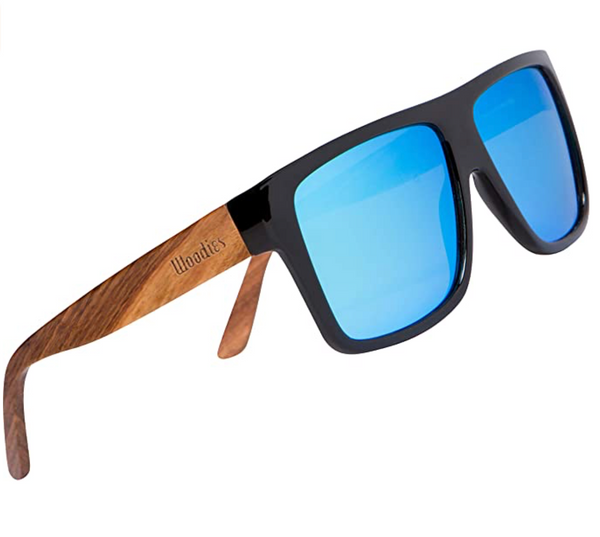
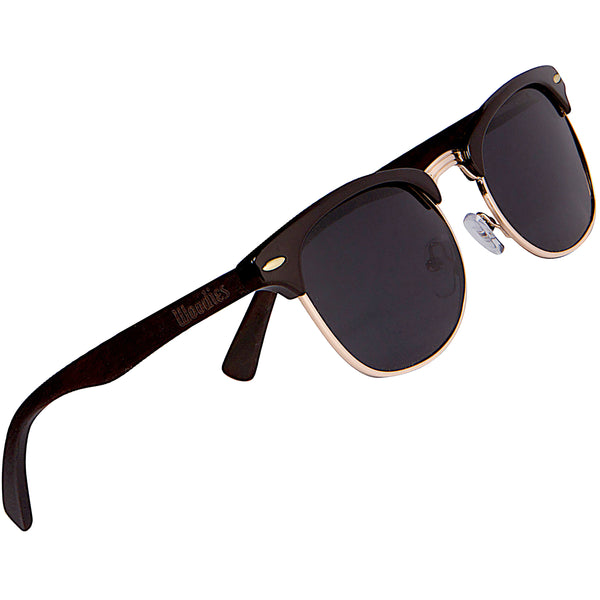
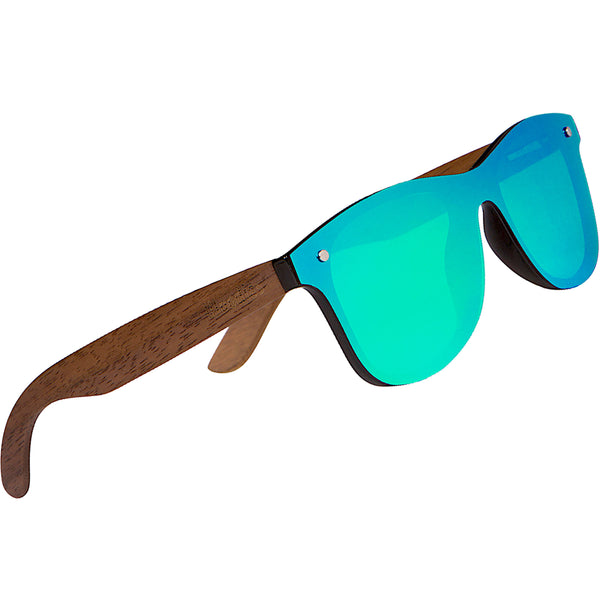
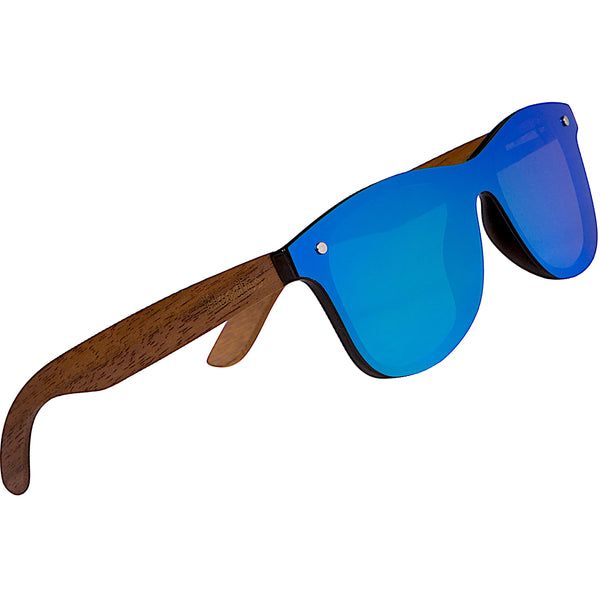
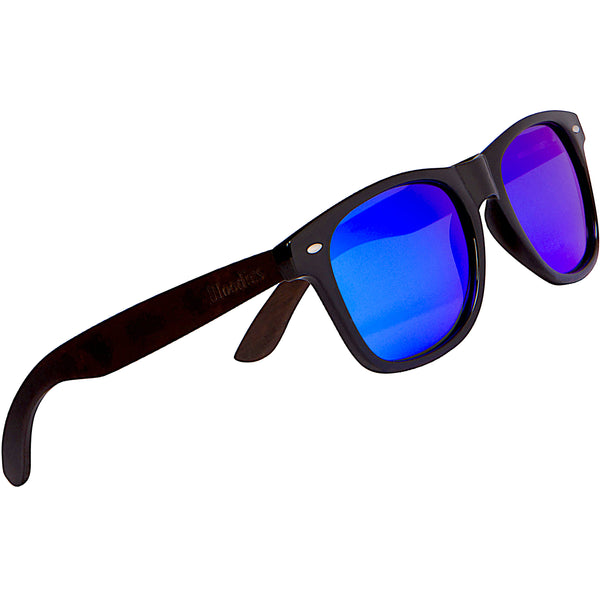
The argument for wooden sunglasses at a price that removes the barrier. Woodies uses genuine walnut wood frames with polarized lenses and keeps costs close to $25, which makes the material accessible rather than aspirational. Simple product, honest execution, and a good starting point for anyone curious about how wood actually feels on their face.

Enter Store

RawWood Shades

United States

Layered hardwood sunglass frames, built by hand in small runs

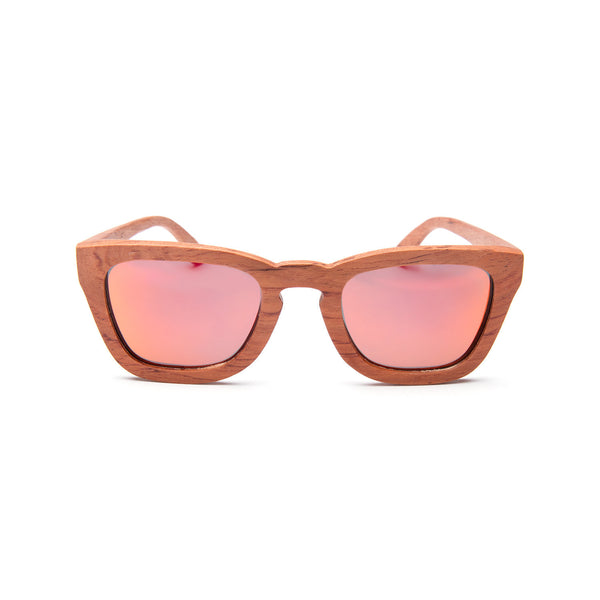
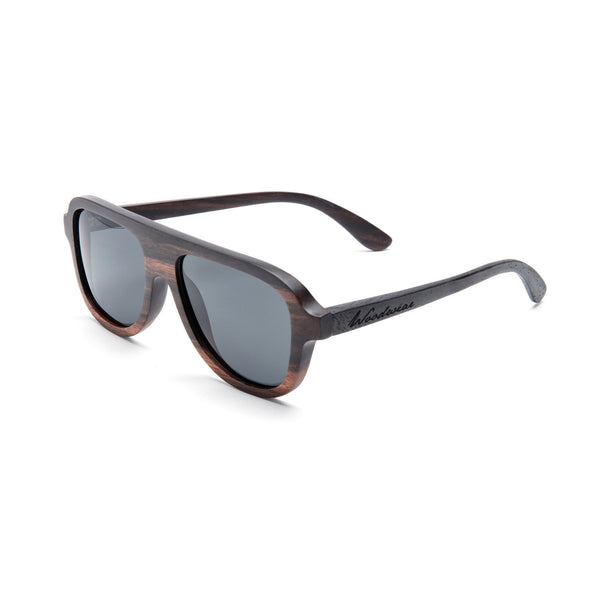
Layered pear wood, maple, and ebony form the frames at RawWood Shades. Each pair uses polarized TAC lenses with spring hinges, and the brand stays small enough that the woodworking reflects real attention to the material. The layering technique creates visible grain patterns that differ on every pair, which is the point of working with real wood.

Enter Store

Woodwear Sunglasses

United States

Natural wood frames with real character and no apologies for it

A small wooden frame label that approaches sunglass design from the woodcraft side first. The frames are made from genuine wood with the natural variation that comes from working with real materials. The result is sunglasses that feel different in hand because they come from something that used to be alive, which is either the appeal or a reason to look elsewhere.

Enter Store

About This District

Wooden sunglasses vary more than you'd expect, so it helps to know what you're shopping for before you spend the money. Frame material matters first. Bamboo is lightweight, naturally water-resistant, and grows back fast, which is why it dominates eco-focused brands. Hardwood frames, including walnut, maple, and pear, are denser and heavier but take a better finish. Some brands use layered or stabilized wood, which adds durability and allows for more complex grain patterns. Hinges are where budget wooden sunglasses fall apart. Look for spring hinges with metal barrel construction. The frames can be wood, but the hinges should not be. Most serious wooden sunglass brands use German or Japanese spring hinges. Lens quality is non-negotiable. UV400 protection blocks 99-100% of UVA/UVB rays. Polarization reduces glare from water, roads, and reflective surfaces. Most brands in this district include polarized lenses, but confirm before buying. Fit and face shape matter. Bamboo and wood do not flex the same way acetate does, so they fit differently out of the box. Some brands offer multiple sizes; others are one-size-fits-most. If fit is a concern, brands with spring hinges will work better across different face shapes. Budget notes: under $50 gets you bamboo with basic polarized lenses. $80 to $150 covers quality hardwood with better hinges. Above $150, you're usually paying for handcrafting, premium glass lenses, or RX compatibility.